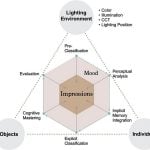
The interconnection between human emotions and architecture is a profound study of sensation. Upon entering any interior space, our brain instantly starts decoding visual information that determines our physical reactions. It is not only about aesthetics, but also a complex biological reaction to specific light frequencies. Knowledge of this process is crucial for architects who aim to create an environment that is not only visually appealing but also physically suitable from the individual’s perspective.
Spectral Light in Interior Spaces
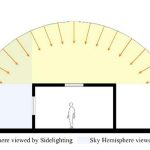
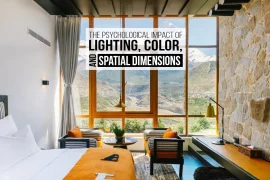
Light is one of the key media by which we can perceive interior spaces. If there isn’t enough lighting, we fail to appreciate the subtle details of texture and color, resulting in a lackluster environment. Natural light is also an excellent resource that can regulate our circadian rhythms. By controlling how natural light enters interior spaces, architects have been able to harness the power of natural light and ensure that those living within the space stay grounded while being indoors.
Circadian Rhythms in Interior Spaces
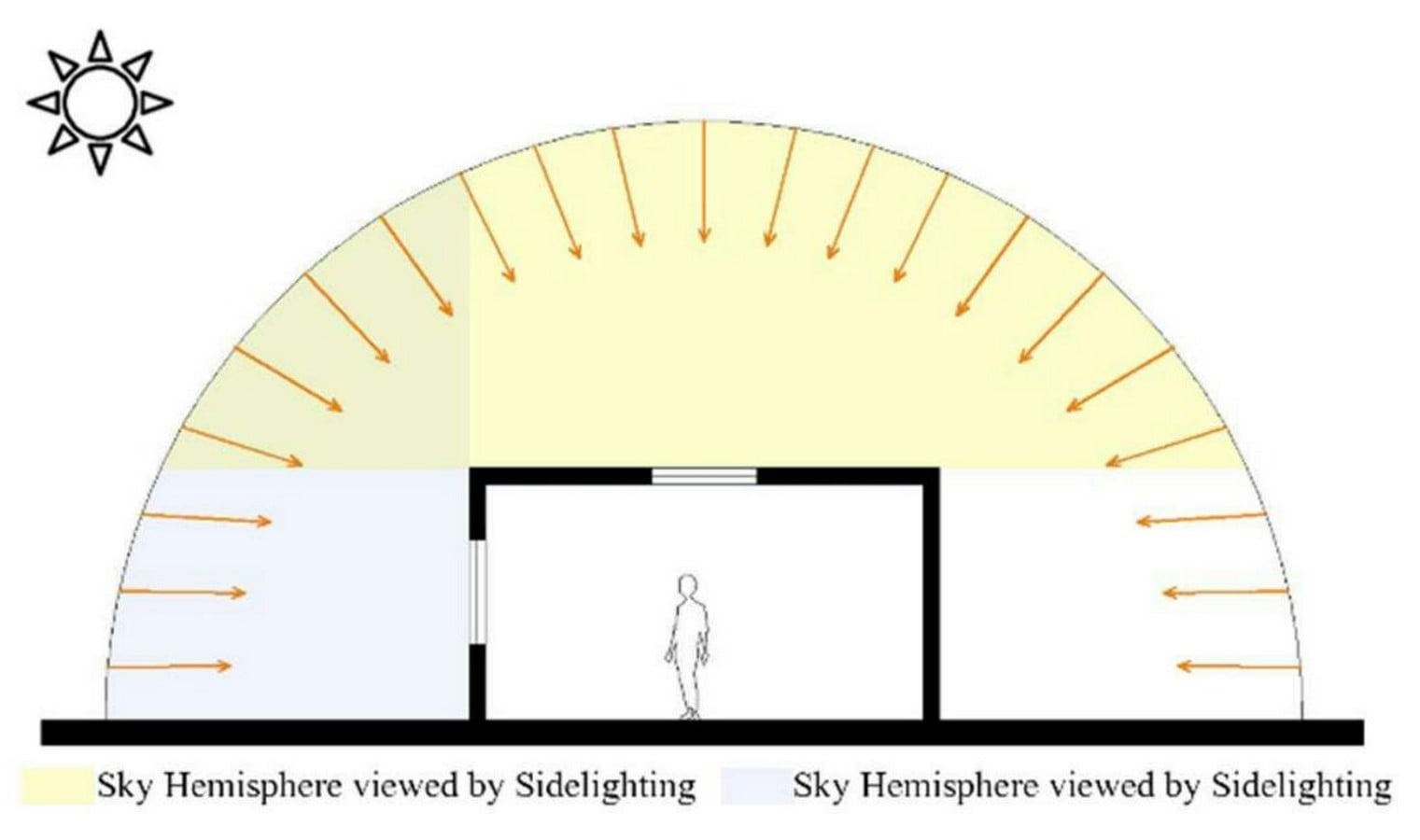
We all have a 24-hour circadian clock, which depends on the illumination of the interiors. When exposed to “cool” shades of blue during the day, our body becomes more productive as the secretion of melatonin is decreased. On the contrary, at dusk, the exposure to “warm” amber shades helps us relax. Smart systems simulating natural changes of sunlight may greatly contribute to good sleep quality for individuals working in interiors for long periods.
Color Psychology in Interior Spaces
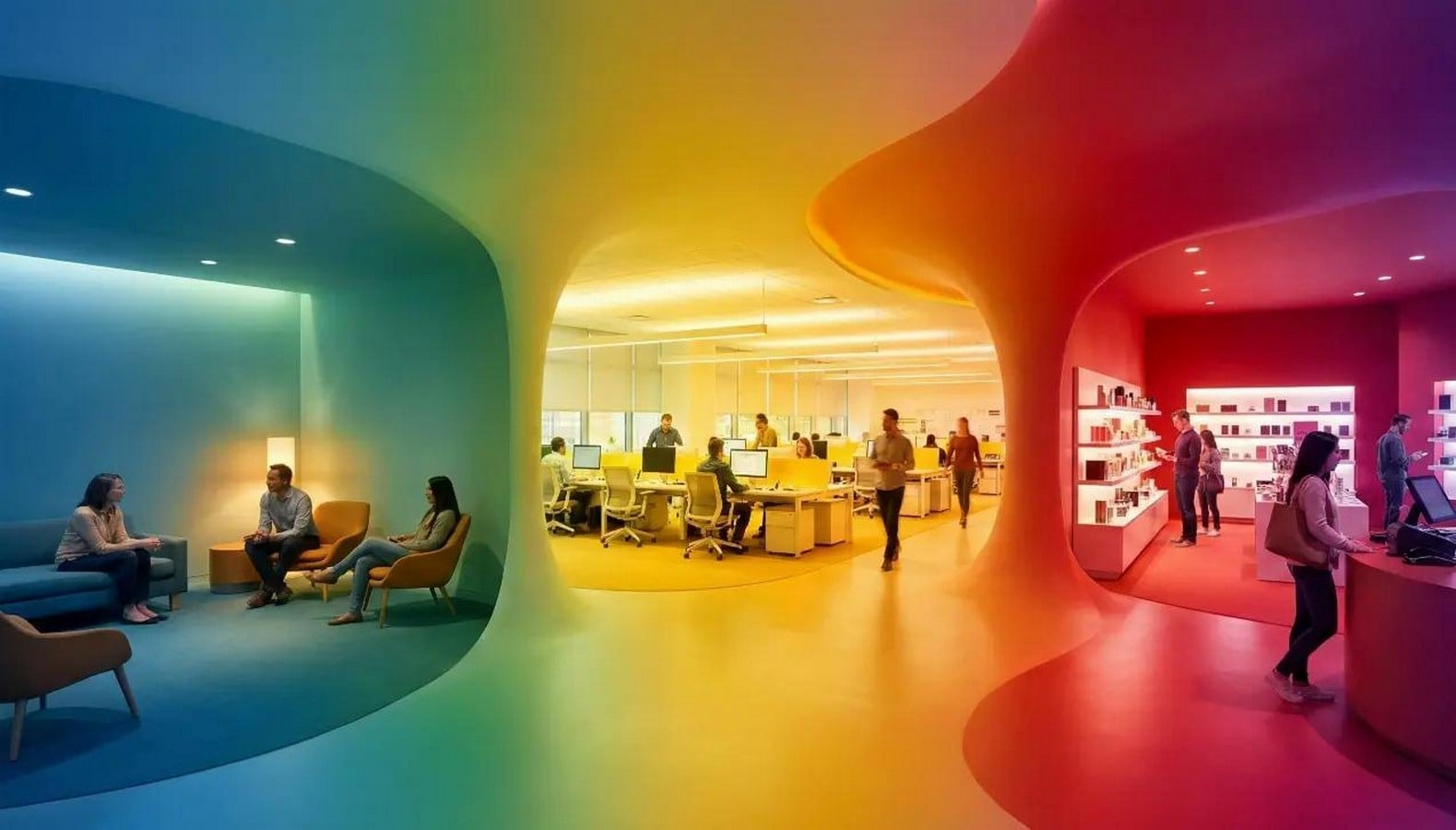
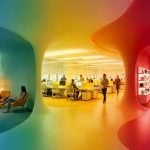
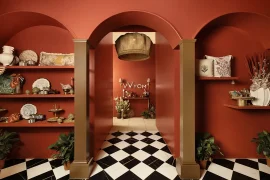
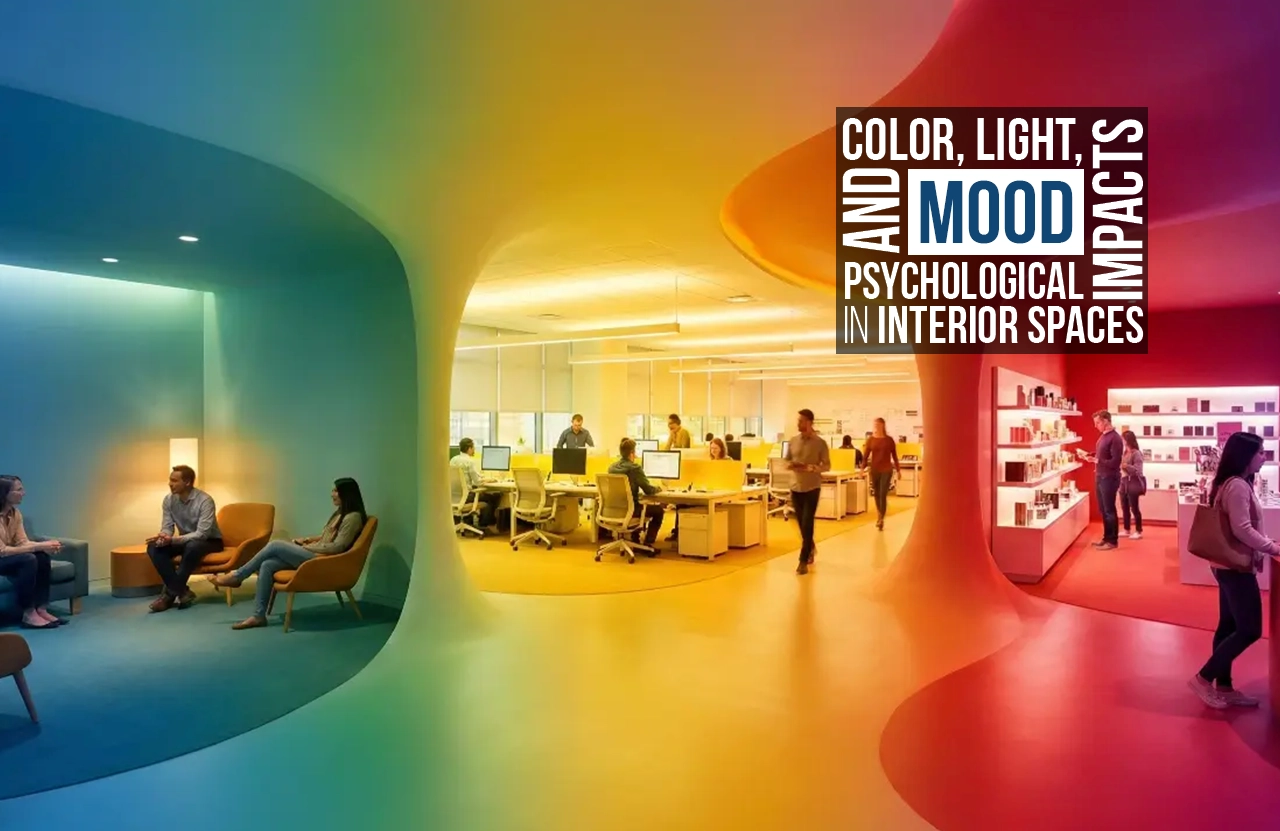
It is said that the warm colors help to excite the nerves, resulting in an accelerated heartbeat and even stimulating the appetite. Colors such as reds, oranges, and yellows create a sensation of warmth and liveliness within interior spaces. Social settings such as kitchens or dining areas become lively due to the use of such colors. But at the same time, one needs to be careful since excessive use of these colors can make people irritable or restless.
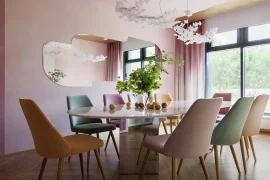
Cooler colors, specifically blues and soft greens, serve as the ultimate antidote to stress within interior spaces. Blue is scientifically linked to lower blood pressure and a slower heart rate, making it the ideal choice for bedrooms or meditation areas. These colors evoke the serenity of the sky and the sea, providing a psychological “breathing room” that allows the mind to decompress. Using these tones effectively can turn a chaotic household into a peaceful, restorative retreat.
Neutrality and Balance in Interior Spaces
Interior design is not about creating a boring space by maintaining neutrality or balance. It is about creating a space that exudes stability, emotionally and visually. Neutral color schemes use muted colors that don’t draw attention, while balance means that everything, from furniture to lighting, will be equally distributed in a space.
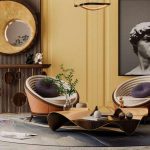
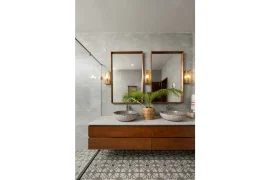
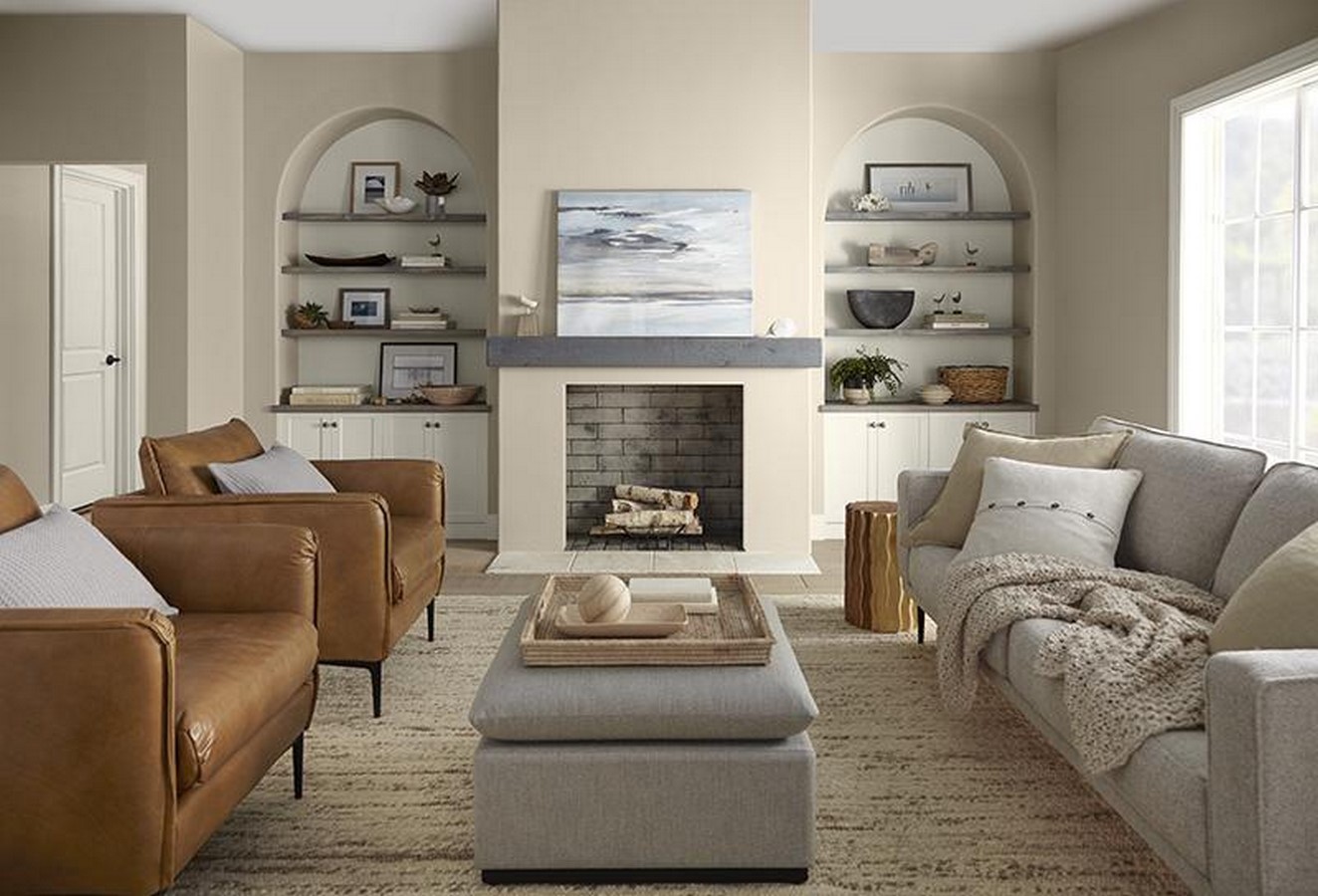
Neutral color schemes comprising beiges, grays, and whites serve as the quiet foundation of numerous interiors. Although some may consider them boring, they serve as a much-needed visual reset to avoid sensory fatigue. They create a dynamic space in which light reflects off their surfaces, making even the smallest rooms seem bigger than they are. In an era of rapid change, the elegance of a neutral setting brings about a sense of sophistication and timeless beauty.
Balance in interiors is defined as the way the weight in the visual composition of an interior is organized. It may be symmetrical, which means that identical elements are placed in such a manner that they create the same effect, or asymmetrical, meaning that various elements are arranged so that there is a sense of balance created through contrast.
Cultural and Contextual Influences in Interior Spaces
The effect of color and light on the psychology of interior spaces is largely determined by cultural and contextual considerations. Colors have varied connotations depending on cultures, while some may associate white with purity, for other cultures, white is the color of mourning. Similarly, there are cultures that prefer spaces that are well-lit and others where dim lights are more appealing. It is through understanding such considerations that designers can design interiors that are emotionally relevant to the users. The connection between color and light plays an essential role in determining interior spaces.
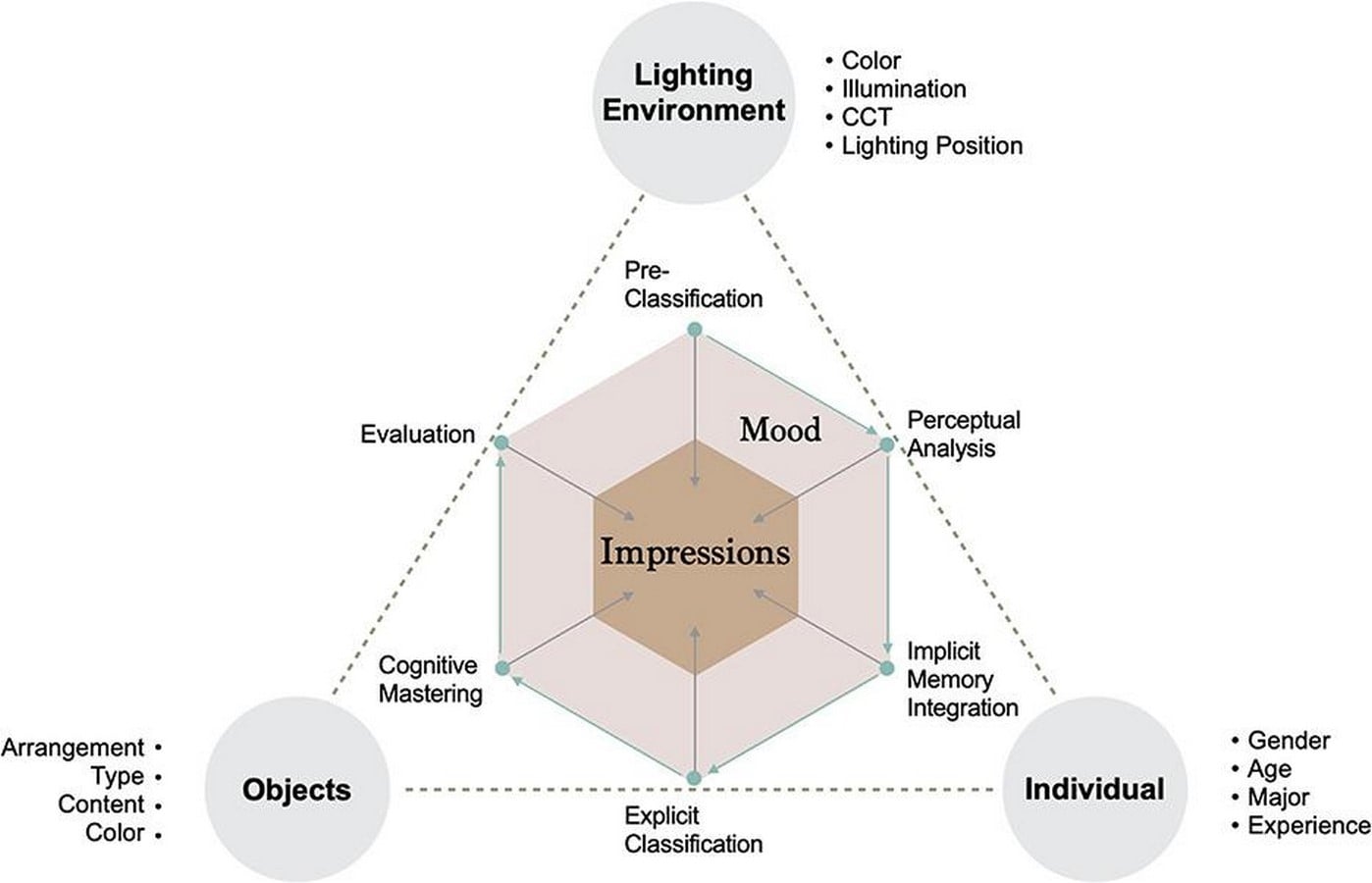
Lighting impacts color perception by affecting its saturation, hue, and vibrancy. A color that seems bright in natural light may become dull in artificial light. In addition, reflective materials intensify light effects, while matte surfaces reduce light effects. Designers need to consider the interaction between different lighting environments and selected colors. A good interior space successfully integrates color and light.
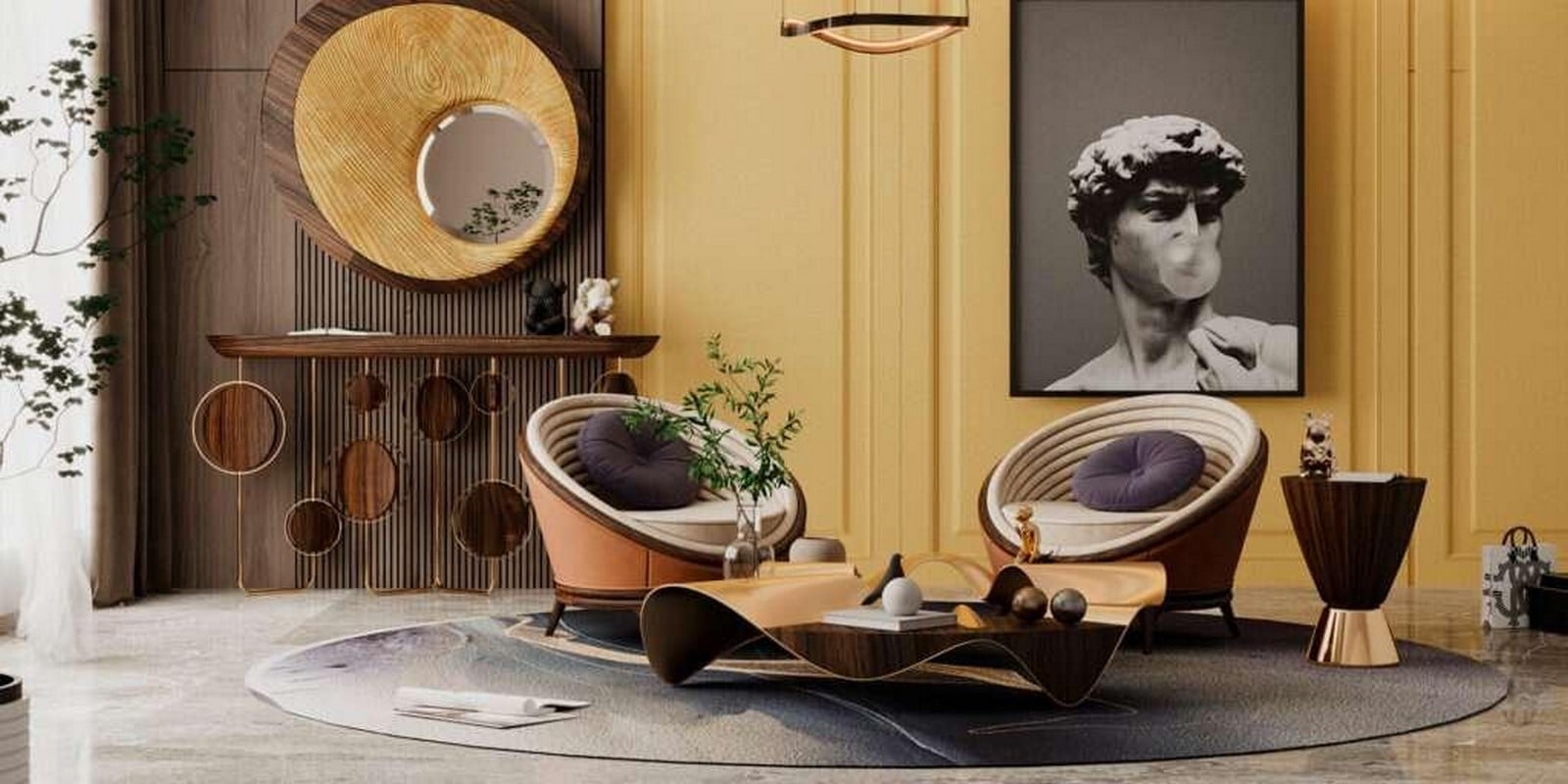
Spaces for the interiors of today are created as a comprehensive environment in which light and color come together to create a unique experience for humans. Not only do they add value aesthetically, but they also influence one’s moods, behavior, and even wellness. By bringing together both these aspects into a unified space, an enriched environment comes into being. The trend within design focuses more on the psychological effects and, hence, the user.
With technological developments, we will be better equipped to tailor the sensory experience of indoor spaces. Our destination is towards tunable spaces, whereby the color of the walls changes along with the intensity of the light, depending on our biometric data. Think about a room whose color turns blue as soon as our heart rate exceeds a certain level. Psychology combined with technology and architecture promises a future in which our environments interact with us.