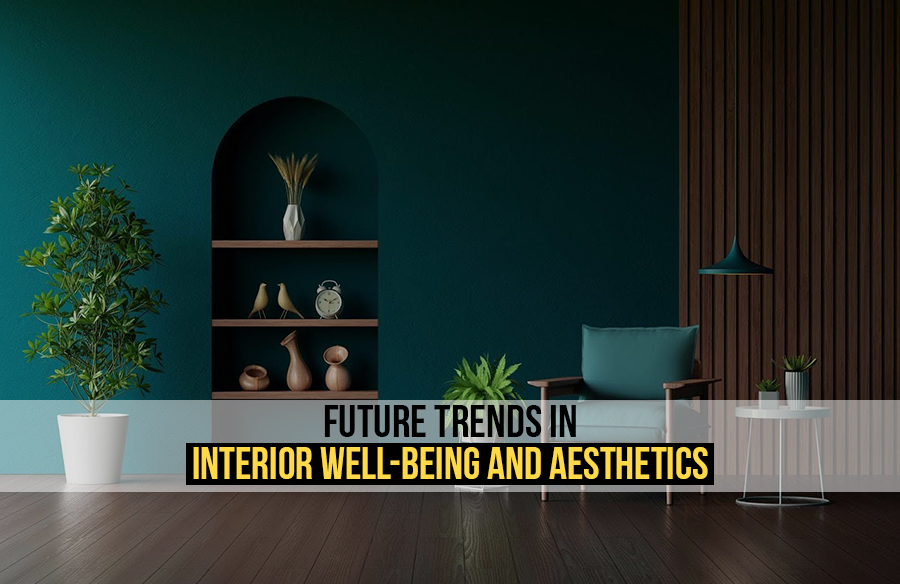
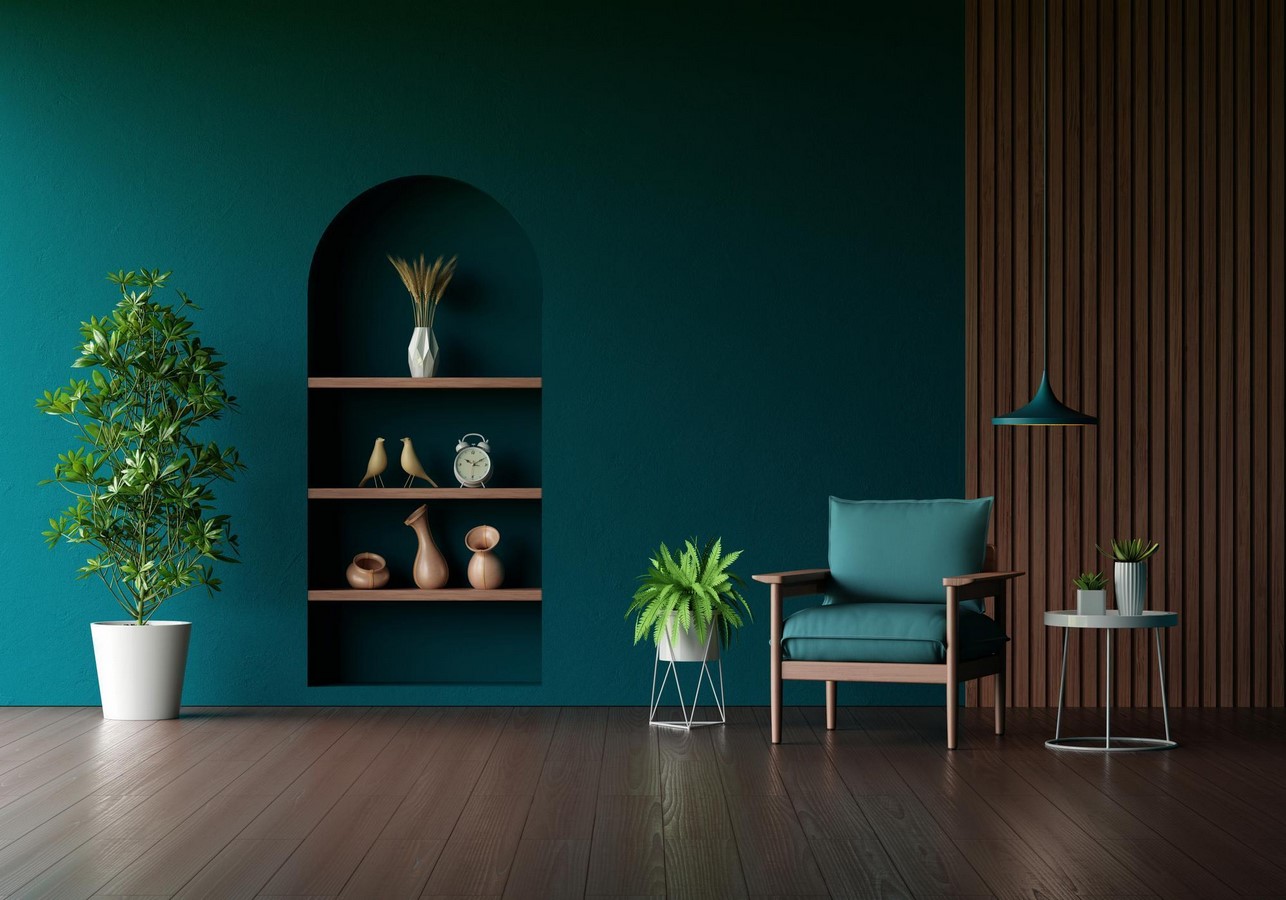
There has been a radical shift in this contemporary world. Home is not just a home, but rather a place where people live, work, and have get-togethers. A space is looked through different lenses and not just one. Interior design plays a very important role in shaping the daily experiences and notions of the users. It not only affects the mood but the well-being of the user individuals. With the advancement and modernization, people are becoming more aware of their surroundings leading to different approaches towards interior design, with a strong focus on sustainable development, sustainable/ eco-friendly materials are in focus, biophilic design, wellness-focused spaces with rich textured color palettes, and innovative technologies. There is a strong shift towards sustainability, innovation, wellness, and tech integration.
Using Natural & Sustainable Building Materials
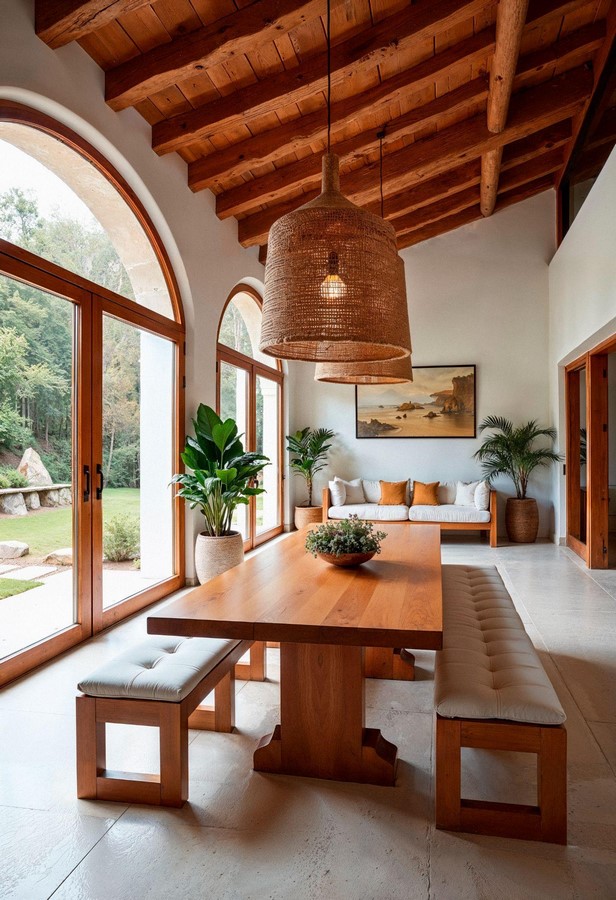
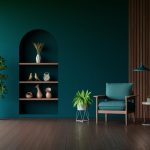
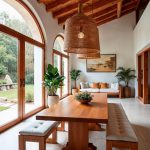
Materials play a pivotal role in interior design, and it seems to be turning into an ethical responsibility for designers in this world, with rising sea levels and rapid urbanization. Although there is a wide range of materials used in interior design, designers are turning to natural materials like raw timber, bamboo, stone, and rattan, as well as recycled metal like aluminum and steel, and innovative sustainable materials because of their low environmental impact. Looking beyond the environmental considerations, using natural materials stimulates the senses, woods add a certain warmth and organic feel to a space while stone invokes elegance and raw beauty. They promote emotional engagement and evoke a sense of groundedness and comfort in the inhabitants or users of the particular space.
Recycling, upcycling, and repurposing are other efficient techniques that designers are embracing and that are becoming popular since they reduce the amount of waste generated.
As Interior Design moves forward, conscious designing takes root, and selecting the right materials not only supports the sustainability goals but also contributes to a healthier plant and lifestyle, thereby promoting emotional connection in spaces.
Biophilic Design
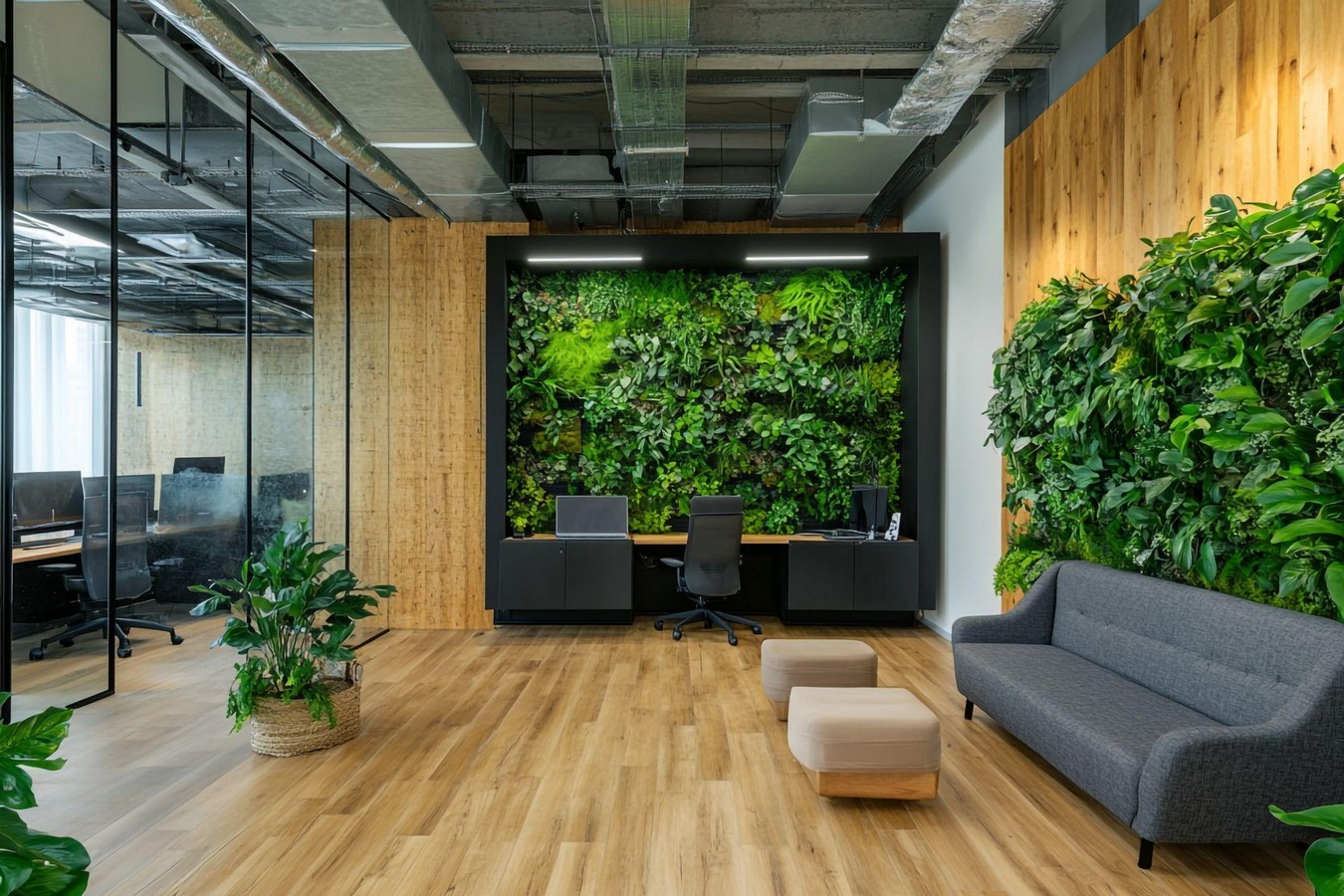
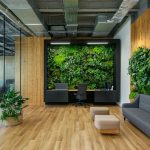
The quality of life in major cities is declining each day with the rise of concrete jungles and scarcity of green spaces for rescue. As a result, people’s quality of life is declining and they are becoming less linked to nature, which negatively impacts their mental health and general wellbeing. This highlights the necessity for biophilic design. Biophilic design draws inspiration from nature-inspired elements, it integrates natural elements into the interiors, thereby fostering a connection with nature which improves the mental health & well-being of the inhabitants.
Several studies have demonstrated the positive effects of fresh air, water features, natural light, and plants on mood, stress levels, cognitive function, and job performance. Vertical gardens, indoor plants, incorporating water features, and employing natural materials and textures are all examples of biophilic design, which brings the outdoors inside. Using a natural, earthy color scheme to resemble the natural world is another example.
Smart Homes & Automation
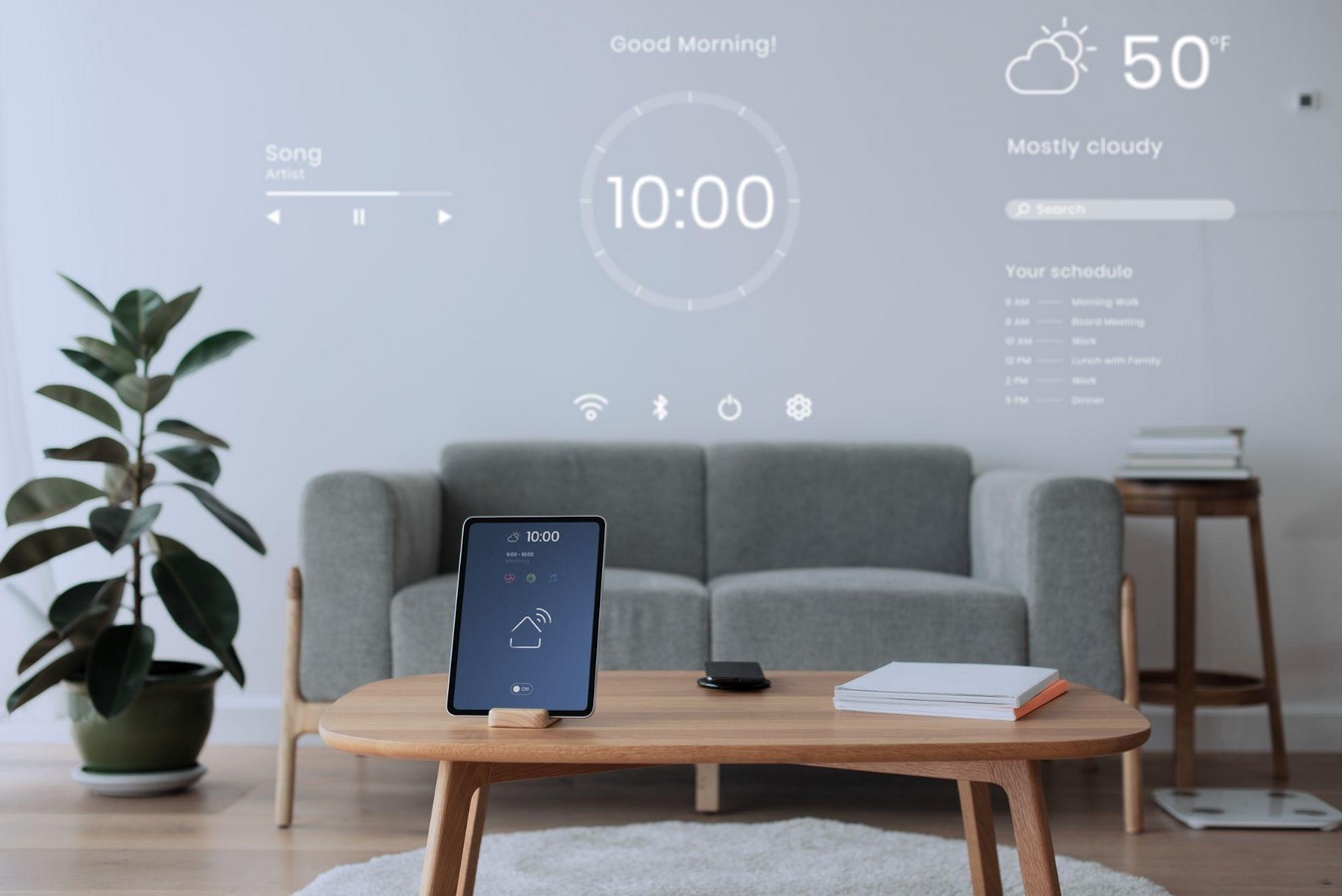
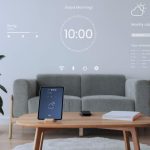
Technological advancements are making everyday life easier but innovations like Smart Homes and automation systems have been a life changer. They are not only convenient but also enhance comfort, efficiency, and security. This amalgamation of technology and design is creating spaces that are not only aesthetically pleasing but also responsive to user needs and behaviors. Another important distinction to remember is that a smart home need not necessarily be automated, but an automated home could be a smart home. The foundation of smart homes lies in the Internet of Things, where smart home devices and systems are interconnected and communicate with each other, for example, smart lights, curtains, cleaners, security cameras, and more. Home automation, on the other hand, includes smart devices with sensorized technologies.
Automation and smart home technologies have developed into sustainable practices that go beyond convenience.Lighting Control, heating, and cooling based on occupancy and external conditions, contribute to a more sustainable lifestyle, smart thermostats can be used to control the temperature of one’s home remotely and reduce the energy consumption. In addition to this, personalized lighting and climate control systems promote productivity and better sleep in the users.
These smart home technologies provide an environment that adapts to the habits and tastes of its users, resulting in a genuinely customized living experience. It considerably decreases stress in the everyday hustle and bustle, particularly in cities, by automating mundane chores and creating a healthy, responsive atmosphere. While Smart homes offer significant benefits, Unfortunately, a major challenge persists which is the initial cost of setup, data privacy concerns, and the need for a certain software ecosystem. However, as technology is advancing, it is becoming affordable and more common to have smart homes.
Art & Decor
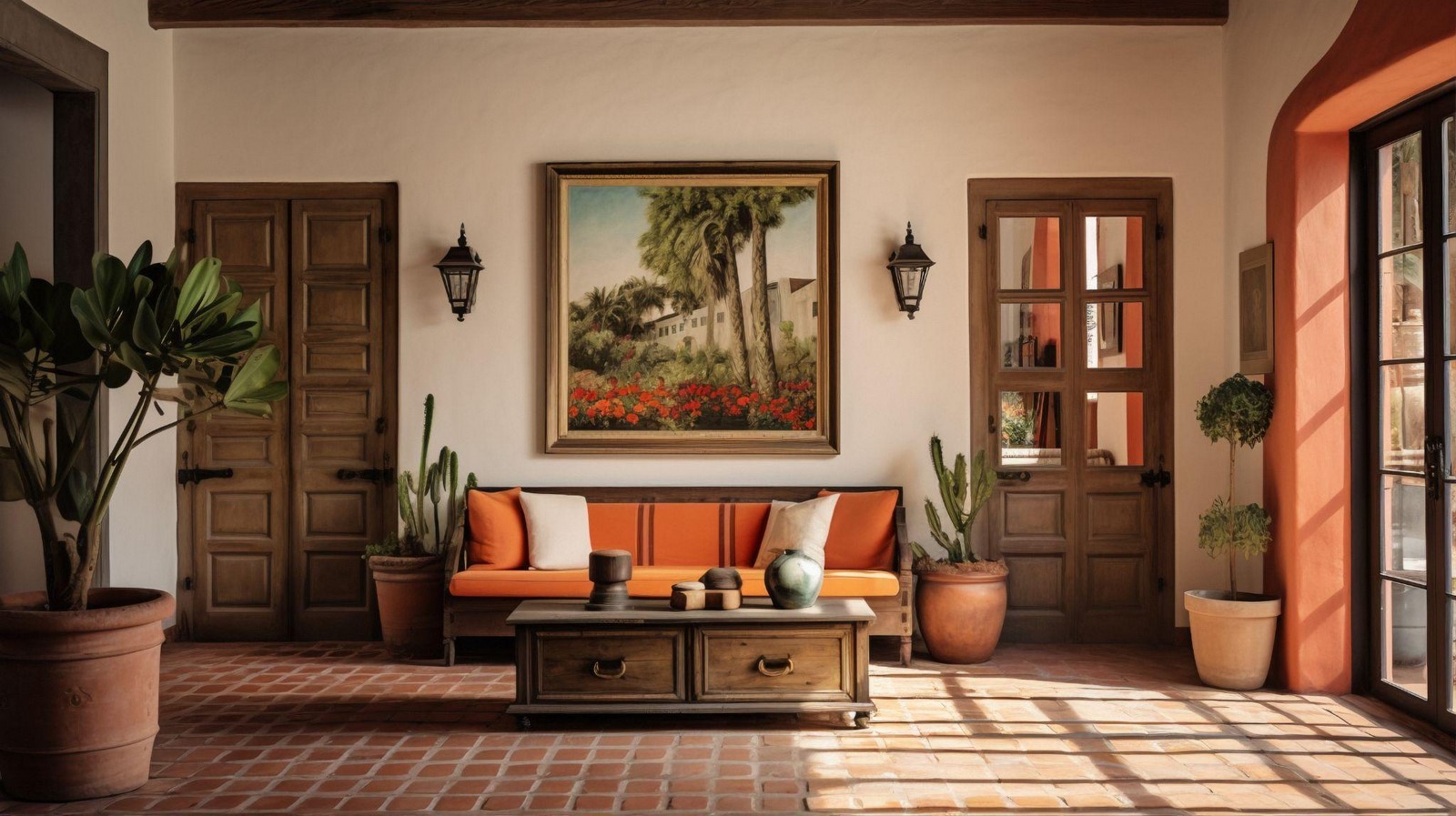
Art and Decor are powerful elements in Interior Design, they are not just mere ornamentation pieces but rather a way of self-expression, tools that provide a space, identity, and spatial definition. Art and Decor in interior design go beyond superficial beauty, it evokes emotion, sparks conversation, and can even offer a sense of purpose. Art in itself is a subject with versatile meanings and perceptions, selecting the appropriate artwork or decor not only evokes personal memories or emotions but also infuses a space with personality, narrative, and visual interest, thereby stimulating emotions and reducing anxiety in most cases through visual stimuli. Walls are no longer being looked at as a mere backdrop, but rather a blank canvas on which statement pieces, large murals, or even interactive installations can be put thereby converting those plain walls into captivating focal points, setting the mood and narrative of the space. Textured Art and interactive installations, further help generate a sensory experience that goes beyond visuals.
Art & Decor introduces vibrancy, depth, and visual intrigue to a room.
Multi-Functional Spaces
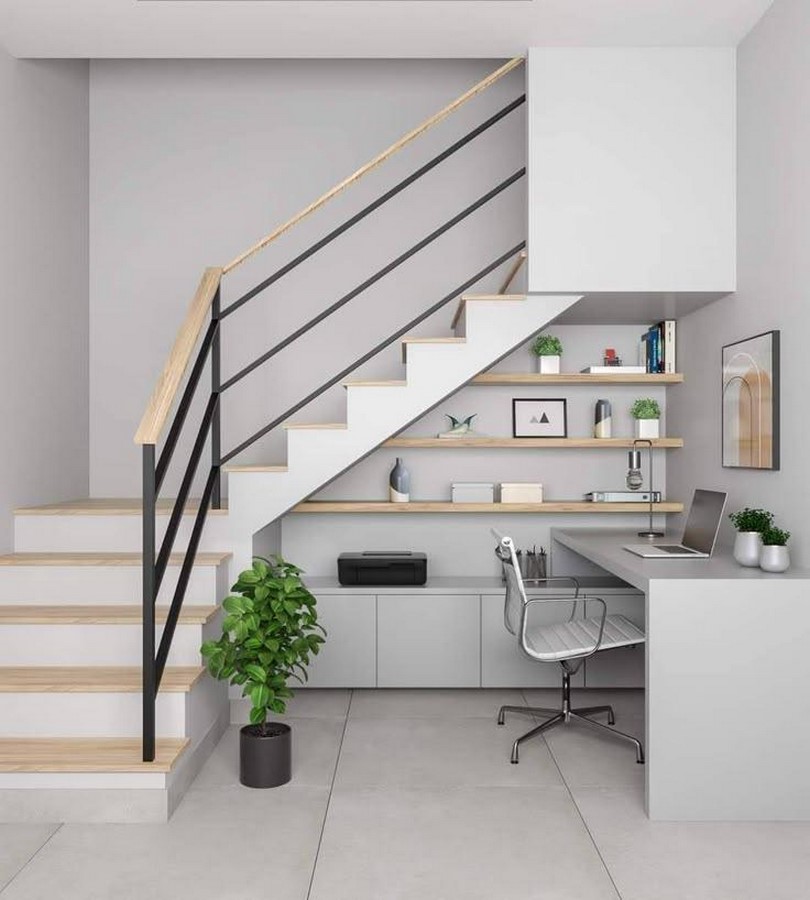
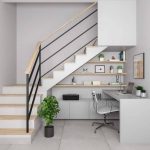
Multi-functional Spaces have been in trend for quite a while but seem to have accelerated more after the COVID-19 pandemic and the rise of remote work. It is no longer about efficient space but rather a dynamic, adaptable, and personalized environment that responds to the evolving needs of inhabitants. In addition to this, the rise in housing demand and the sizes as compared also pushes the designers to utilize every available space. This drive can be seen in the innovative furniture designs and spatial planning. The space under the stairs can be seen being used as either a storage space or an indoor garden at most times. Mini study nooks are also being integrated into the houses, working areas are becoming less formal and are designed to harmoniously coexist with other living areas. Pull-out desks that transform into temporary offices, built-in tables in bookshelves, or wall-mounted units that disappear when not in use, all are examples of how mini study nooks are being designed in every home.
Open-plan living has also been a popular trend but the future trend emphasizes the ability to modulate these open spaces as and when needed. Incorporating curtains as room dividers, to be used as the activity requires, pocket doors offering seamless transition between spaces or using movable walls to have more flexibility in the open spaces.
All this further proves how interior design revolves around creating adaptive living environments. These multipurpose spaces are not static but are designed to evolve with the needs and activities of their inhabitants, aiming to maximize the functionality and comfort in the space available.
Personalization Through AI & Responsive Design
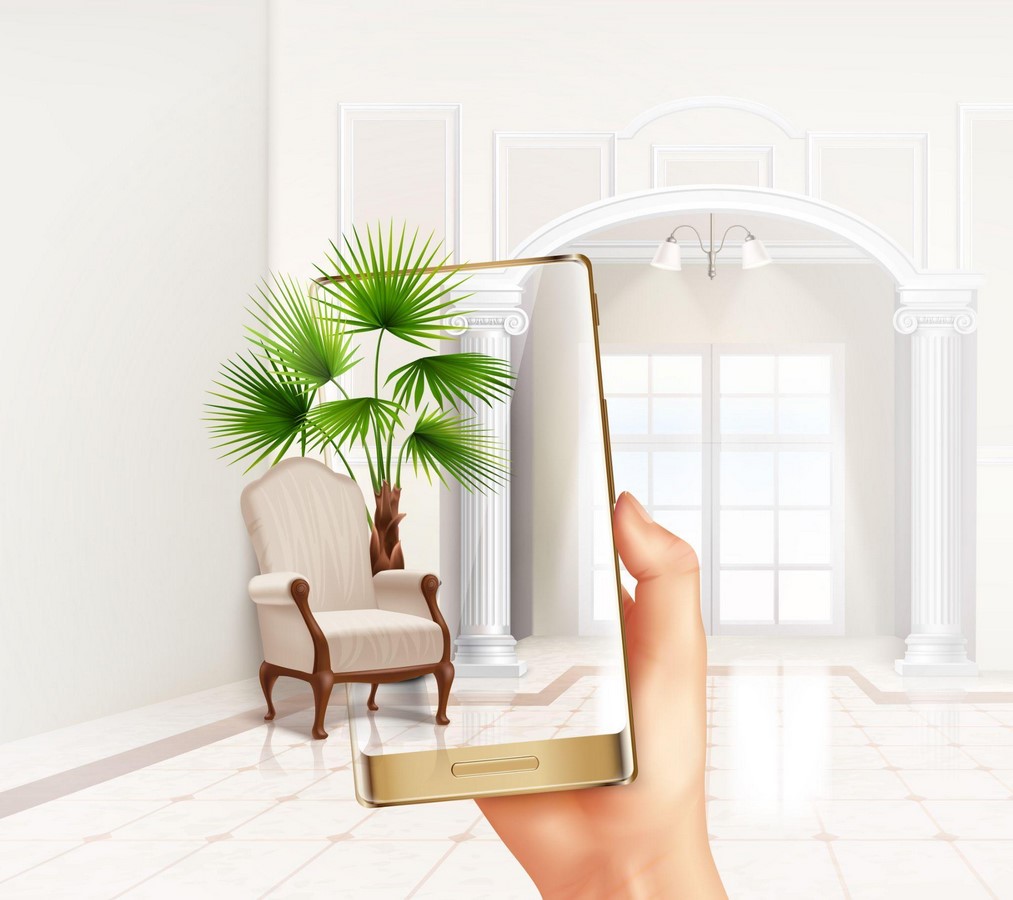
Artificial Intelligence and responsive design mark a pivotal shift in how we conceive, create, and interact with interior spaces. This might look and sound similar to the Smart Home and Automation system initially but it’s more individual user-centric with a focus on creating spaces that are uniquely tailored to the individual’s preferences, habits, and needs. Artificial Intelligence uses a design model that understands client’s preferences, analyzes the spatial data and therefore generates specifically tailored design solutions. Using these techniques and language models, AI has revolutionized the design process itself, AI powered tools now analyze vast datasets of user preferences, browse patterns, purchase history, and social media activity to understand individual aesthetics, functional requirements, and lifestyle choices. Based on the analysis, a designer or any individual can process inspirational images, calculate or set a budget, and as per the functional requirements generate a myriad of personalized layout options, material palettes, and furniture suggestions. Furthermore, AI-powered VR and AR tools can be used to virtually experience those designs, place furniture in their actual rooms, and decide for themselves. These advancements in technology have helped significantly reduce the time and effort that traditionally went into doing interior designing.
Moving onto Responsive Design, interiors refer to spaces that can adapt and change based on user activity, time of day, external conditions, or predefined scenarios. Responsive design heavily relies on smart home automation to enable dynamic changes and allow a seamless transition between different modes of living.
In conclusion, there are a variety of future interior design trends which not only enhance aesthetic appeal but when integrated carefully significantly contribute to the mental, emotional and physical well-being of the individuals. More importantly, it can be observed that modern interior design prioritizes dynamic, adaptable and personalized spaces. By focusing on smart technology, personalized environments, sensory engagement, natural elements, and thoughtful material selection, designers can create spaces that truly nurture and support their inhabitants.
References List:
- IIAD (2024). Emerging Interior Design Trends in 2025. [online] IIAD. Available at: https://www.iiad.edu.in/the-circle/10-emerging-interior-design-trends-in-2025/ [Accessed 8 Jun. 2025].
- Learn With Foyr Blogs | Your Ultimate Interior Design Resource. (2024). Top Interior Design Trends You Should Follow in 2023 | Foyr. [online] Available at: https://foyr.com/learn/latest-interior-design-trends. [Accessed 8 Jun. 2025].
- Mora, P. (2020). Interior Design Trends That Will Shape the Next Decade. [online] ArchDaily. Available at: https://www.archdaily.com/945290/interior-design-trends-that-will-shape-the-next-decade.[Accessed 8 Jun. 2025].
- Anna (2023). Sustainability in Interior Design: Strategies & Advantages. [online] AUGmentecture Blog. Available at: https://www.augmentecture.com/blog/sustainability-in-interior-design/.[Accessed 8 Jun. 2025].
- Dexdign Architect Interior Designers (2024). Sustainable living is not just a trend; it is a heartfelt commitment to nurturing our planet and securing a healthier future for generations to come. This journey begins with the spaces in which we exist. [online] Linkedin.com. Available at: https://www.linkedin.com/pulse/designing-future-rise-sustainable-interior-design-interior-designers-ubvwf/.[Accessed 8 Jun. 2025].
- Salgiya, D. (n.d.). A Guide To Sustainable Interior Design In 2024. [online] ruralhandmade.com. Available at: https://ruralhandmade.com/blog/a-guide-to-sustainable-interior-design-in-2024.[Accessed 8 Jun. 2025].
- Belitardo, A. (2023). Sustainable Elegance: The Use of Bamboo in Interior Design. [online] ArchDaily. Available at: https://www.archdaily.com/1006354/sustainable-elegance-the-use-of-bamboo-in-interior-design.[Accessed 8 Jun. 2025].
- M, M. (2024). Natural Stones in Architecture and Interior Design: Characteristics and Uses. [online] INJ Architects. Available at: https://injarch.com/natural-stones-in-architecture-and-interior-design-characteristics-and-uses/.[Accessed 8 Jun. 2025].
- Cityspace’ 82 Architects (2024). The built environment is undergoing a profound transformation, as architects and designers are no longer solely focused on aesthetics and functionality. Today, the call for sustainability resonates throughout the industry, pushing the boundaries of innovation and challenging traditional material cho. [online] Linkedin.com. Available at: https://www.linkedin.com/pulse/metal-makeover-how-recycled-revolutionising-sustainable-uugyf/ [Accessed 8 Jun. 2025].
- Mohamad Bakdash (2025). Textures and materials play a crucial role in shaping the visual and tactile experience of a space. They add depth, character, and personality, influencing both how a space looks and how it feels. [online] Linkedin.com. Available at: https://www.linkedin.com/pulse/role-textures-materials-interior-design-mohamad-bakdash-8etof/ [Accessed 8 Jun. 2025].
- IIAD (2025). What Is Biophilic Design in Interior Architecture and Design? | IIAD. [online] IIAD. Available at: https://www.iiad.edu.in/the-circle/what-is-biophilic-design-in-interior-architecture-and-design/ [Accessed 8 Jun. 2025].
- Asianpaints.com. (2022). Smart homes & smarter home interiors. [online] Available at: https://www.beautifulhomes.asianpaints.com/blogs/smart-homes-and-smarter-home-interiors.html [Accessed 8 Jun. 2025].