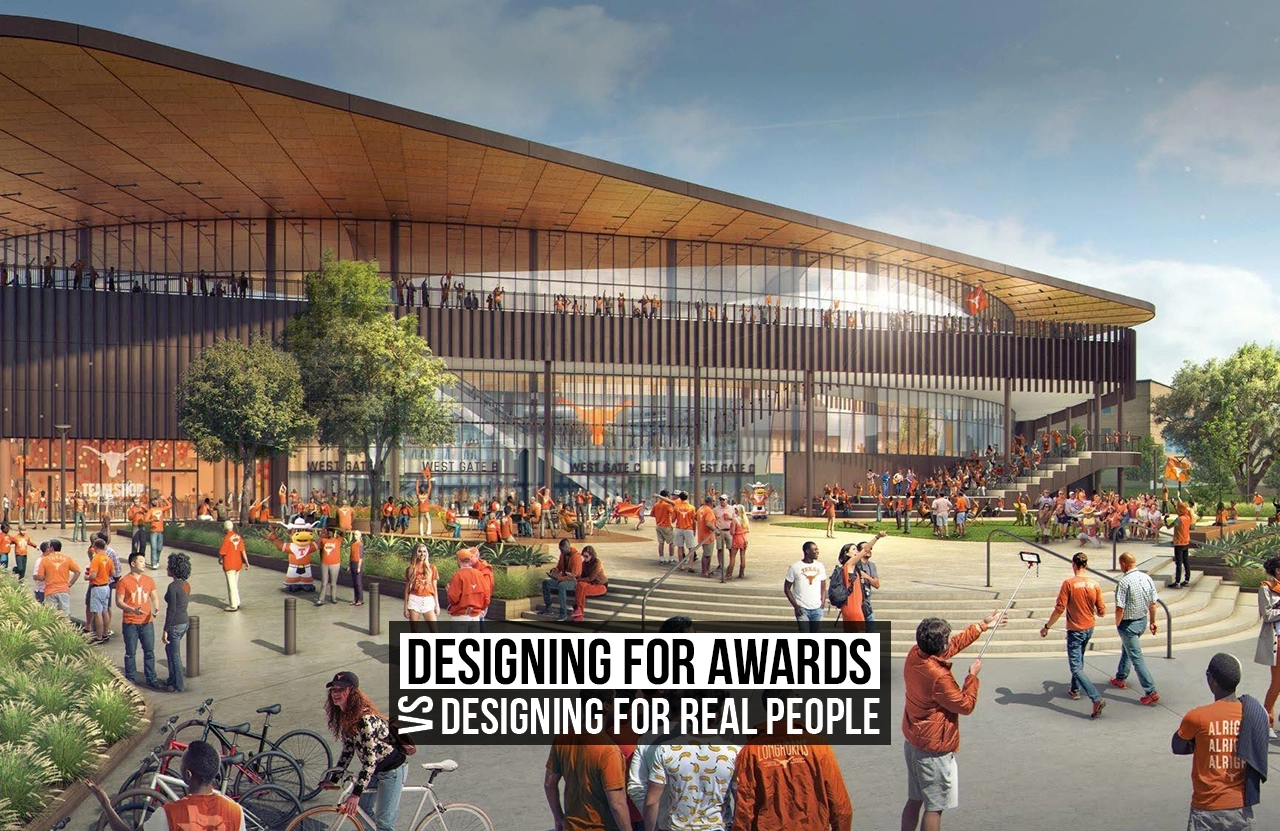
The drawings look beautiful. The photographs are stunning. The award for the best new building goes to (insert architect or architecture firm here). Other architects envy the work. The professors in schools encourage students to try harder, and one day, that could be them getting recognised. The award committee agreed, “Wow, this could truly be the future of architecture. Imagine the people who will get to use this space.” Meanwhile, the actual users? They hate it. Designing for awards vs designing for people is the real dilemma of architecture today.
The Purpose of Design Awards

The purpose of design awards is to bring awareness to great architectural design. They come in all shapes and sizes, from the arguably most famous, the Pritzker Prize, to those more regionally known. No matter the award’s name, it has one job. It says, “This is great architecture,” and recognises those who helped create it, such as the firm or the architect. It can reward great innovation in the field or a never-before-seen sustainability technique. Regardless of why, it’s often an outstanding achievement for the architects, bringing them notoriety. So why would anyone design solely for awards vs designing for people?
The Reality of Design Awards
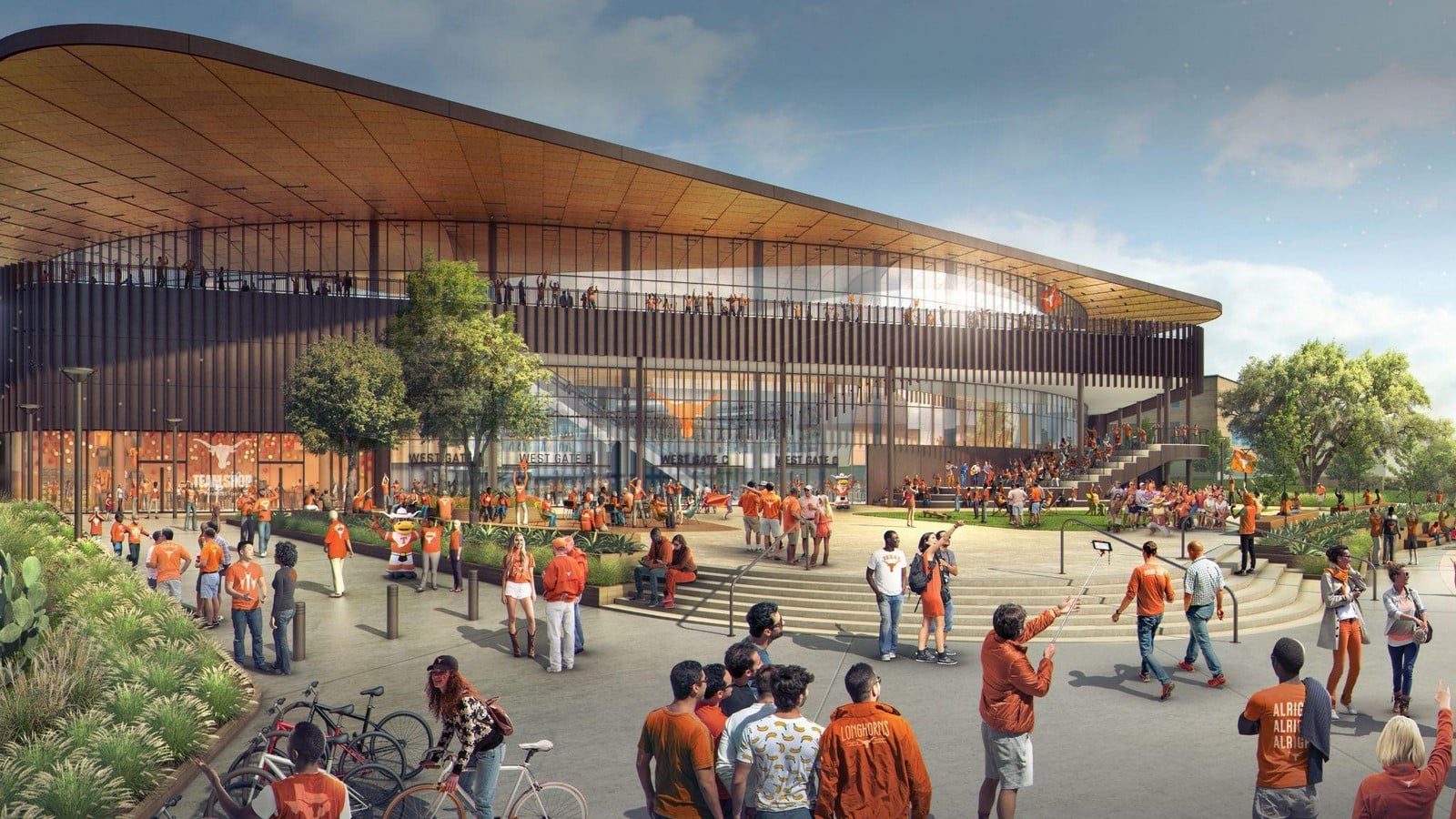
While some good might come from design awards, they sometimes leave architects to focus only on the “art” side of things. Unfortunately, design is often described as a combination of both art and science. While the “science” that is often referred to is physics, one can’t forget the psychological aspects of design as well. It’s easy to add people to renderings and sectional drawings. Just copy and paste, and suddenly, people are occupying the space. However, once the building is constructed, if the space isn’t as welcoming as the architect intended, then people won’t come. When these spaces are designed on computers, it’s simpler to emphasise the art and geometry over the functionality.
Architecture is Designed by Many
Sometimes, these awards highlight a singular person. Architecture is a team sport, not a single-player game. Emphasising singular people could give outsiders to the field the wrong impression that they designed the entire structure themselves. However, when architects are designing for awards vs designing for people, it is easier to have a shorter list of designers to recognise than to include everyone who ever touched the project, even for a second. This idea creates the potential for a long list of important people to be left out. Where would architecture be without our structural engineers, electricians, or even construction crew?
The Aesthetics of Architecture
While innovation is important, it’s not the end-all be-all of the profession. People forget that a large portion of architecture is built on aesthetics and personal opinion. While to some extent, that is perfected in award-winning architecture submissions, it is not in the way the users of these buildings would prefer. A lot of people don’t like modern or contemporary architecture. If architects actually realised they were designing for awards vs designing for people, then they could see what people actually want. While architecture is subjective, many people love classical buildings. They want to see the work of beautiful craftsmen, painstakingly created, and the imperfections that only humans can leave in the details. Architecture awards often only focus on the new and modern.

A Potential Solution
Something very much lacking in the field of architecture is Post Occupancy Evaluations (POEs). These are often surveys given to users or occupants of certain buildings to determine what works and what doesn’t in a space. This valuable feedback can be used to alter the current design or help to design better for future projects. Is this one potential solution to bridging the gap between designing for awards vs designing for people? Conducting POEs can greatly benefit the architecture field by showing what works and what doesn’t. Should architecture awards not be given out until users deliver some feedback on how successful the design actually is?
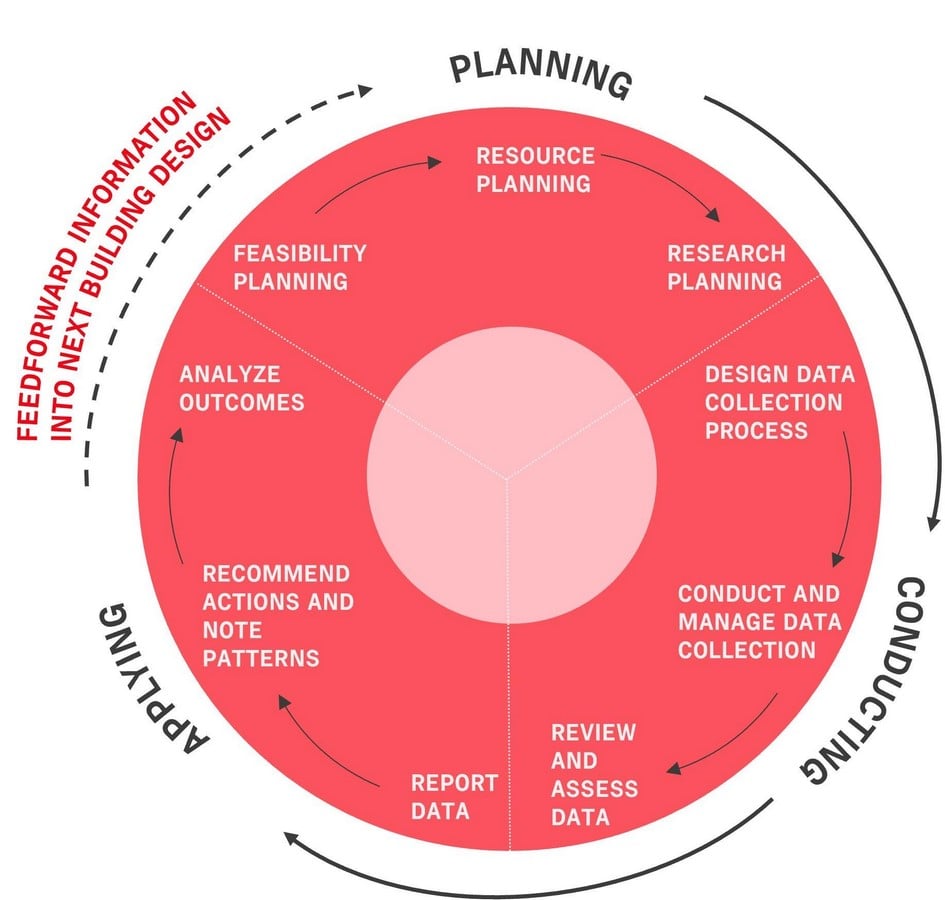
One deterrent to using POEs is often the financial aspects. Oftentimes, neither architects nor clients want to pay for them, so they must be supported by third parties, such as governments or universities. Unfortunately, they can be very beneficial. Is it possible for the various architectural award organisations to fund these POEs, especially if it were ever to become a staple of reward criteria like sustainability or innovation? Who knows? It brings new meaning to the idea of designing for awards vs designing for people. In fact, they might actually become synonymous.
Awards can be a good thing for the architecture profession. However, it’s important to note that it’s not everything. If an architect has a goal of winning an award one day, then good for them. But don’t forget it’s the work architects do for people that matters. Designing for awards vs designing for people is a deadly trap for an architect to fall into. They must resist the urge to design for a plaque. A pretty drawing or photo of a building means nothing if no one wants to utilise the space created.