The world of Japan
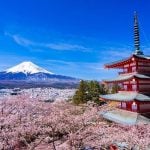
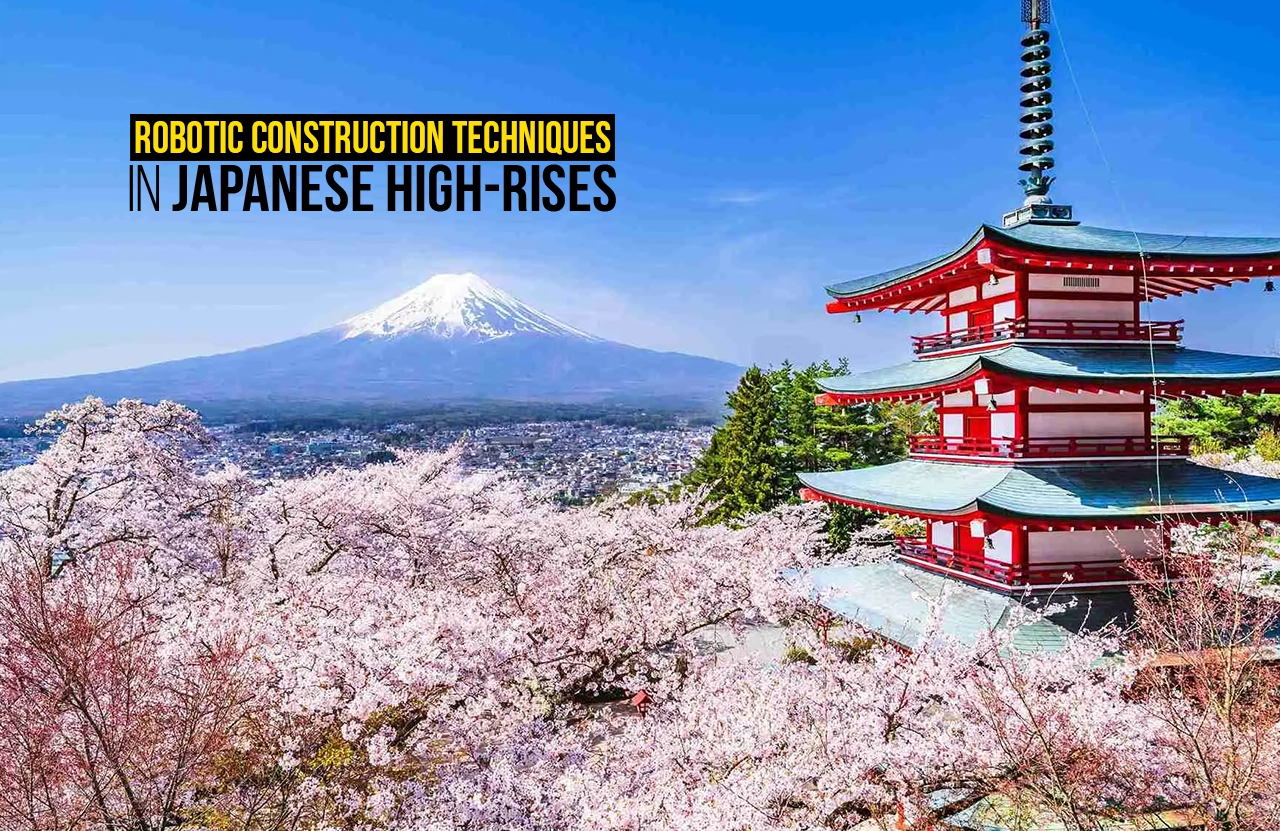
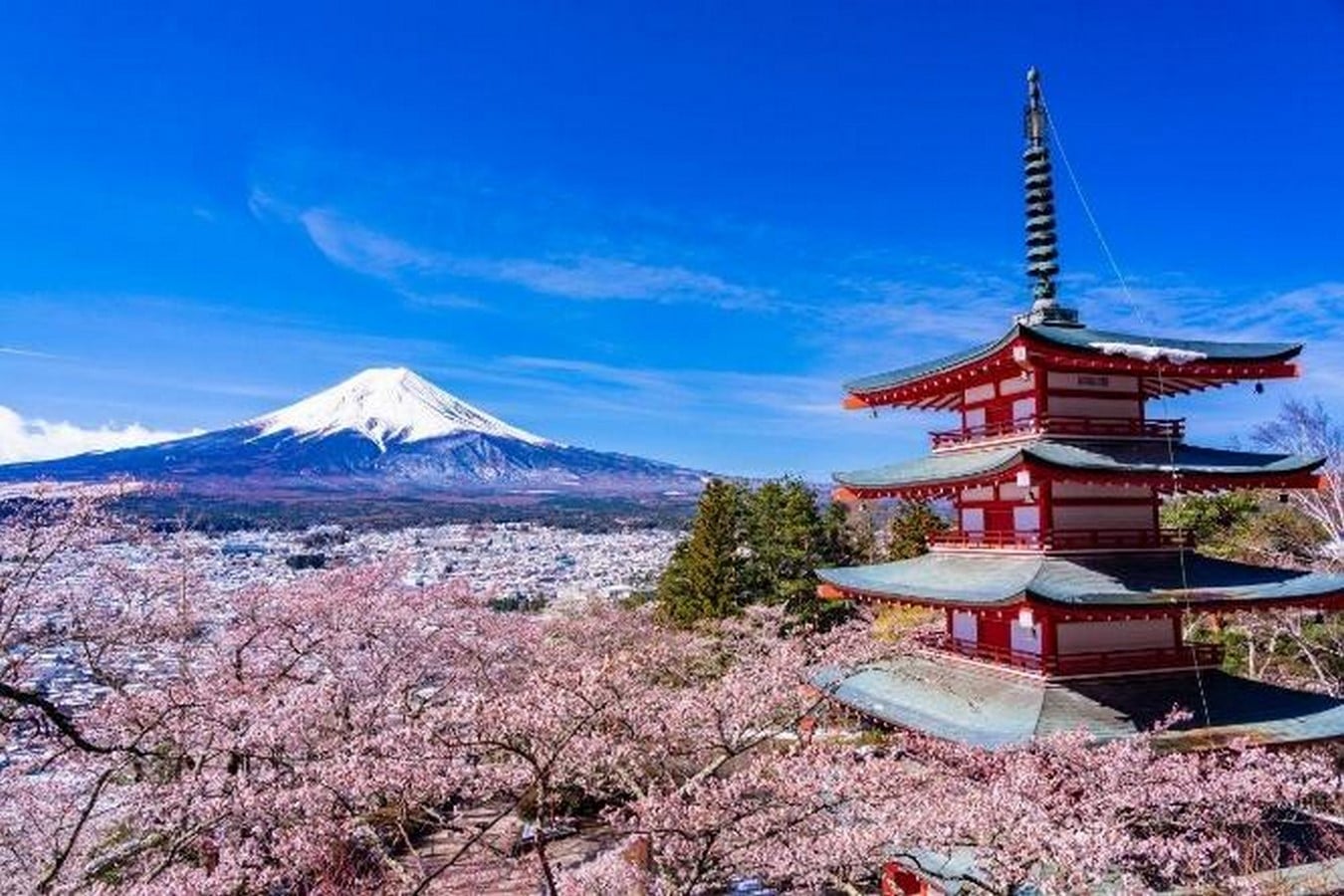
Japan, the country close to nature and the forerunner of technology. The country with the most beautiful range of Mt Fuji and the most pleasant cherry blossoms. This country has given the world far more than it has taken, from Anime, Manga, and Japanese pop to its cuisine, culture, architecture, and profound philosophy, despite the bizarre destruction and calamities it’s endured. If asked someone who has had the opportunity to experience Japan, what did they enjoy the most there? Chances are, they would talk about the food – a steaming bowl of ramen, the soft and chewy mochi, fresh sushi filled with tuna, or they’d talk about the Geisha – women in traditional kimono, and face smothered in white powder with an ornamental hairstyle known to entertain the audience through singing and dancing. Some would also talk about its excellent transit facilities – the infamous bullet trains and its minimalist design of architecture.
Architecture
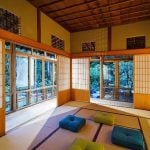
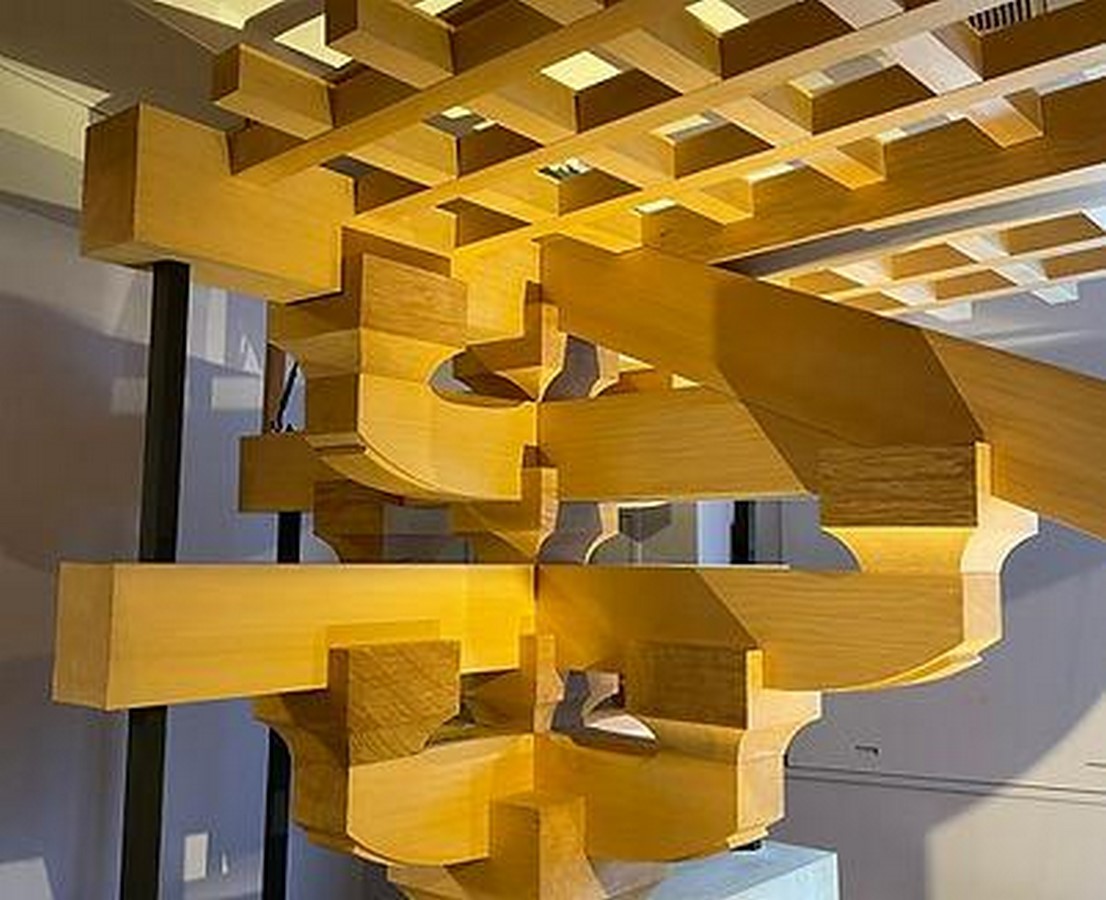
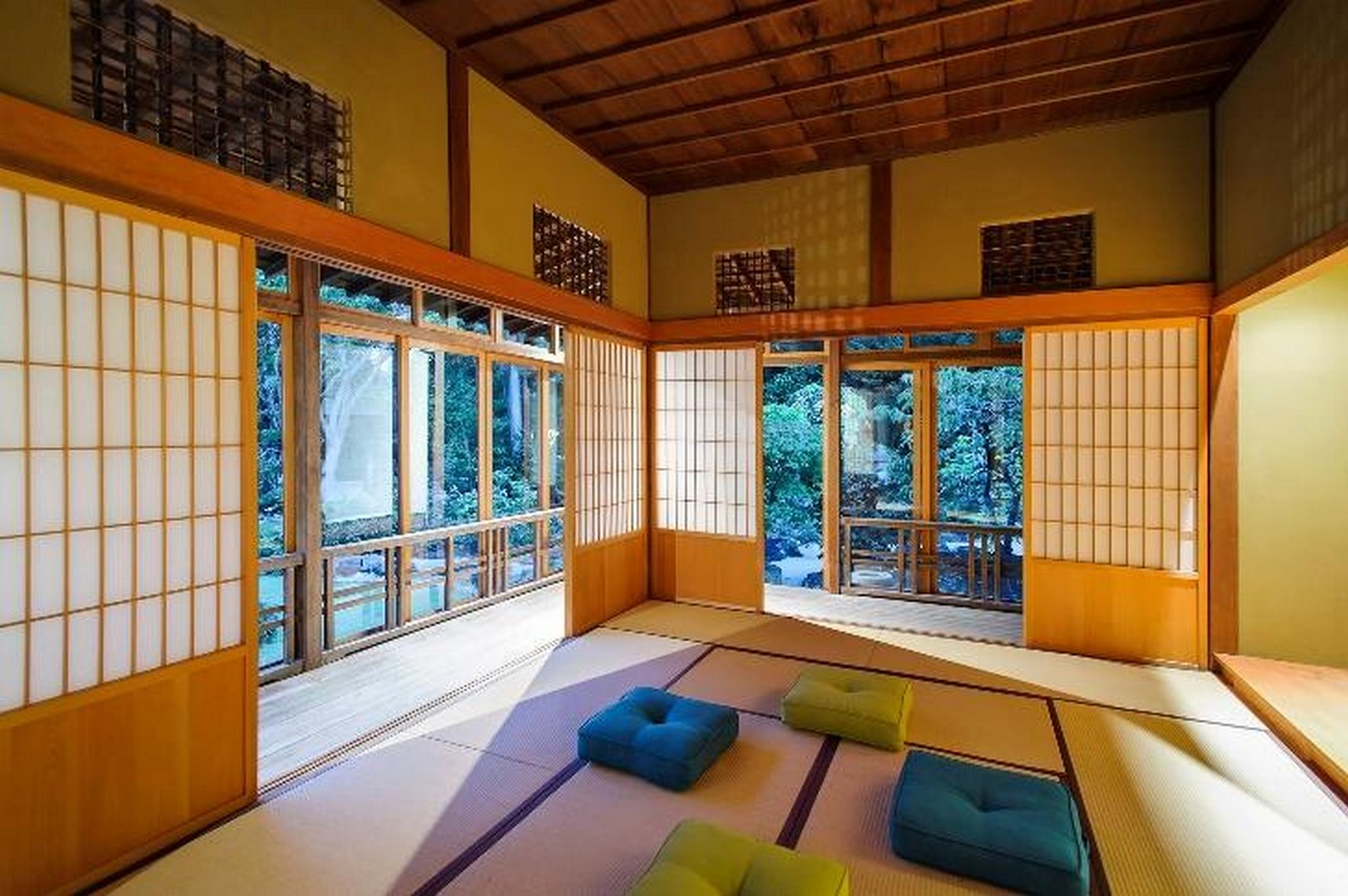
Japan has always upheld nature and spirituality, deeply integrating them into its lifestyle; they have also become the foundation of its architectural design. Although Chinese architecture has influenced Japan, Japan has still developed its own language of design. The land of the rising sun typically uses wood as its main construction material due to its weather and the risk of natural disasters, and is rarely painted, left exposed as a sign of respect and admiration. To let in an adequate amount of sunlight through the windows and to shelter from rain and snow, the roofs are elongated and curved. They abstain from the use of screws and nails; instead, they carve wood to fit like a jigsaw puzzle – kigumi. This gives the structure stability. These puzzle pieces have gaps in the joints that absorb vibrations initiated by the earthquakes, allowing for a resilient construction.
A conventional Japanese home would comprise the Genkan, a sunken area after the main door to leave the outdoor shoes and dirt from entering the inside, and Engawa, the veranda. The interior floor of the house is covered with Tatami – mats made of rice straws and is divided by movable screens – Shoji and sliding doors – fusuma.
Japan’s Verticality
Japan’s buildings have always been a few-storied and wide to counter the seismic activities it’s so prone to, as it lies on the Pacific Ring of Fire. But, as the country grew, so did its density and its commercial needs, and to tackle this, the country relaxed its bylaws and started building vertically, which gave rise to the skyscrapers. This progress started seeing a dip in the 1970’s when the construction demand amplified and the supply of construction laborers dipped because of an increase in the aging population. Since Japan has been one of those countries that has picked itself up time and time again, it came up with the solution of integrating robots in the construction industry.
Enter Robots
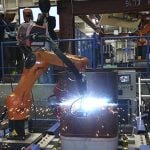
Robots entered Japan from the US in the 1960’s and were instantly incorporated into the manufacturing industry. Once it was apparent that the construction sector was under pressure, huge construction companies started investing sums of money into the research and development of robotic construction. The initial robots were invented to perform specific functions like inspecting tiles, fixing false ceiling boards, or spray painting. An example of this is SSR-1, a construction robot designed to spray fireproofing. The entire construction process was reprogrammed to accommodate the robots. In the 1980s, the industry progressed towards designing an entire robotic set-up on the site, with the ability to bring a whole building to life. The Automated Building Construction System (ABCS) was one of the first of its kind.
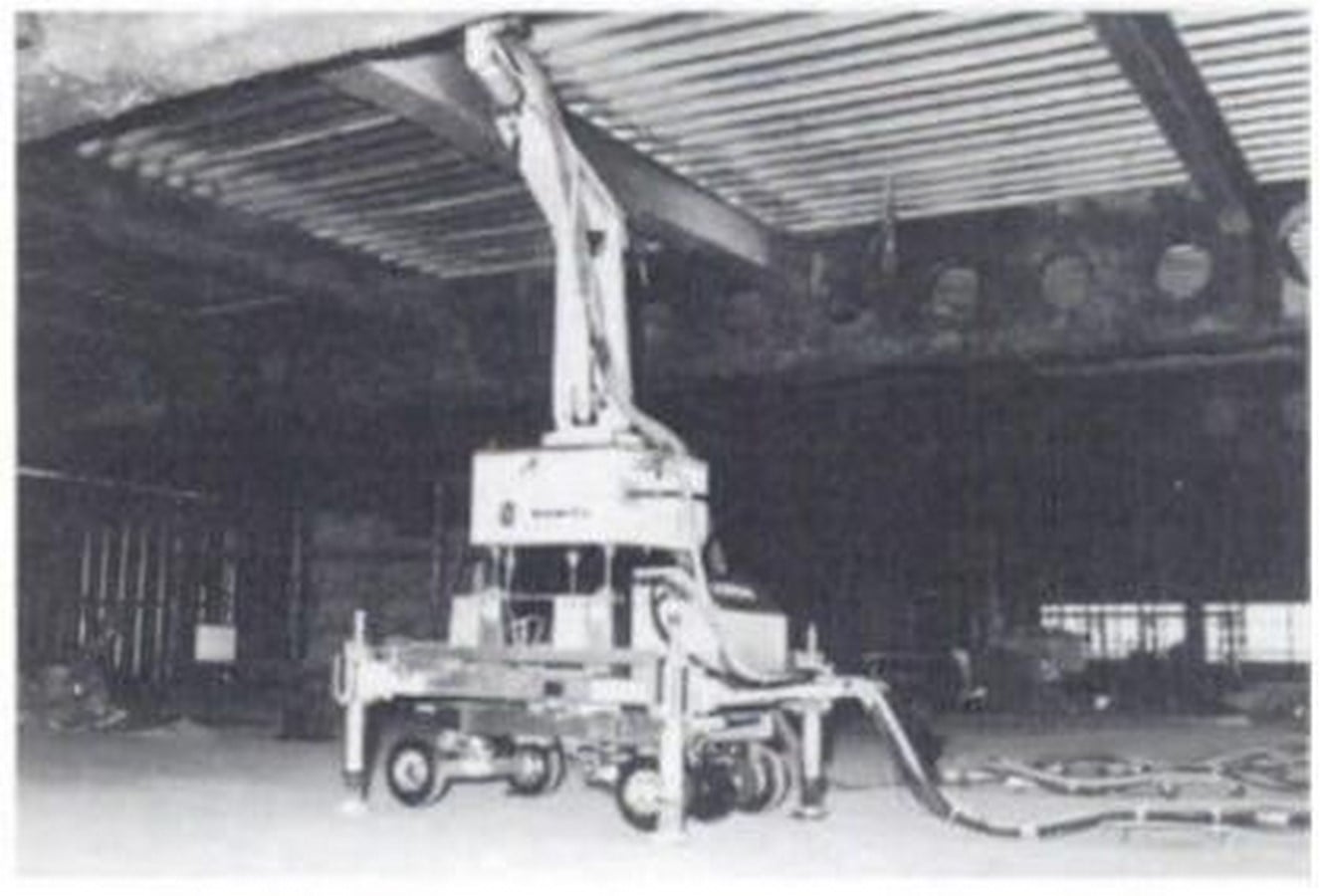
This helped to automate tedious and repetitive activities. Super Construction Factory (SCF), a part of the ABCS, was a system that moved upwards along with the skyscraper and delivered materials as it was being constructed. This, in turn, managed to avoid material overstocking. Machines were used to place and weld beams and columns using laser scanning techniques in a controlled and supervised environment. The construction was quick and clean due to the use of prefabricated elements – precast floor and façade panels.
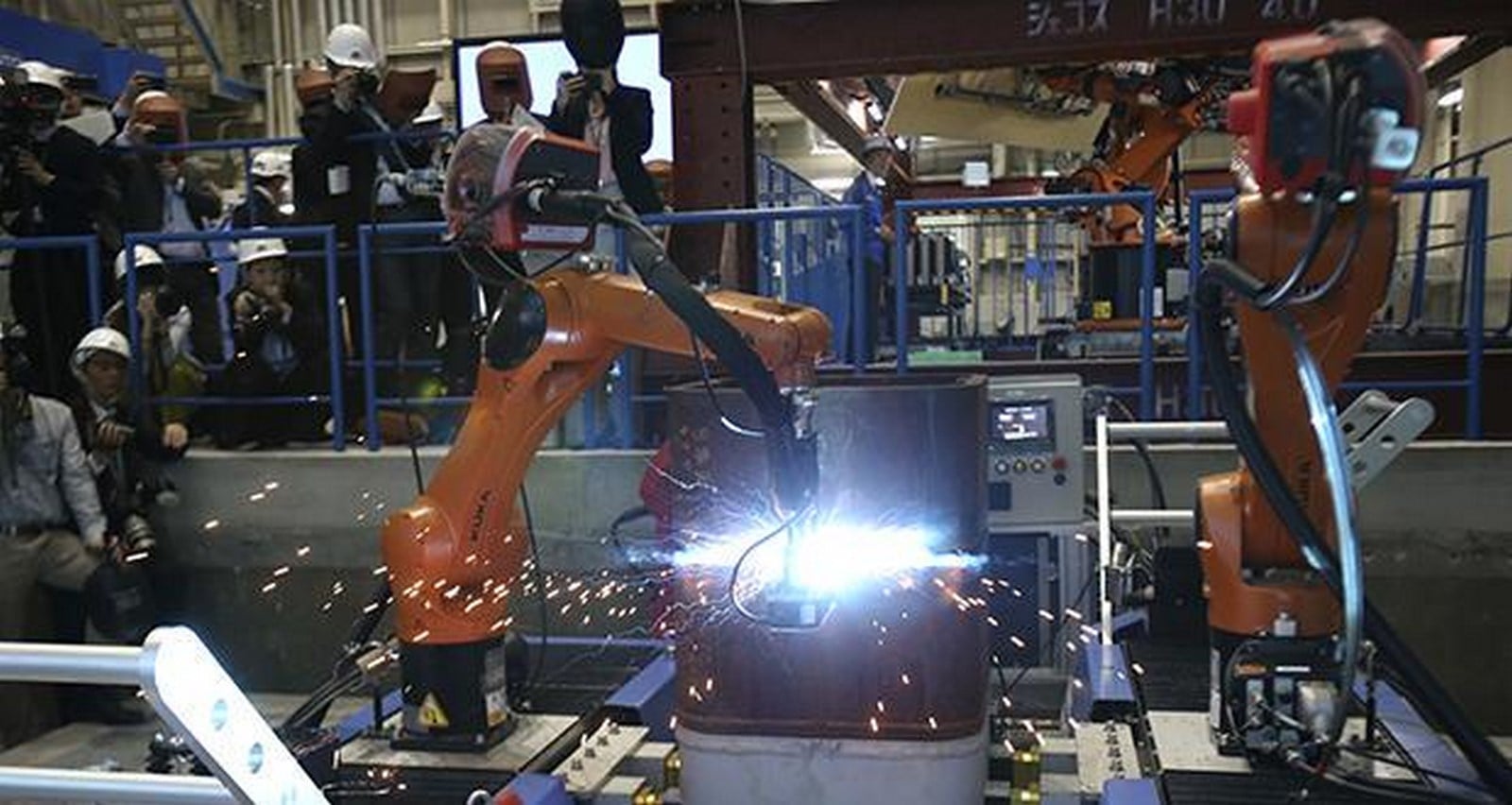
In recent years, a major firm, Shimizu, has been testing autonomous robots, that is, robots that can work for long with no human interruption or control, in the laboratory. The Robo-Buddy has two arms that can move along six axes, enabling it to install ceiling boards in high-rise buildings. The Robo–Carrier performs the function of an elevator for the transit of construction materials, and the Robo-Welder is designed to identify grooves in the steel parts and weld with precision.
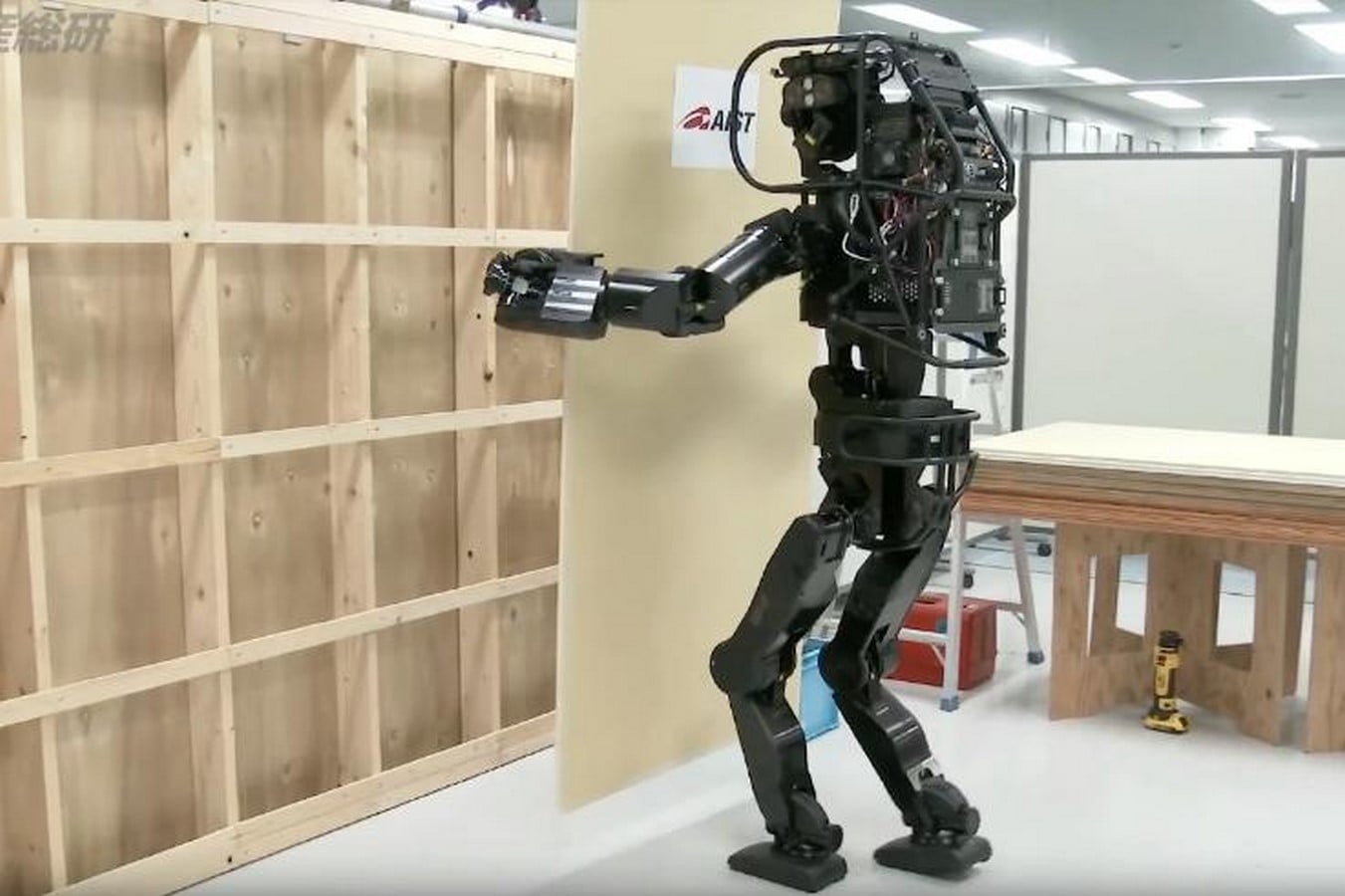
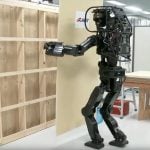
Essentially, Japan is moving towards a future that would highly depend on both pre-programmed systems—autonomous robots—and tele-operated systems—robots working under human control—for its construction. Additionally, they are leaning towards the use of humanoids to assist humans in complex industrial tasks and have invested in their research. Historical trends suggest that the period between the onset of a disaster and subsequent invention in this country has become shorter, proving the flexible, innovative character of the nation. Thus, it would not be a shock if Japan, in a few years, announces the creation of a simple button that, when clicked, would have the ability to realize a skyscraper in a matter of minutes—something from the world of Doraemon.
References:
- Kate Gazzard (2025). What is Japan famous for? The 11 things to seek out on your next trip. [online]. (Last updated 25 September 2025). Available at: https://www.intrepidtravel.com/adventures/what-is-japan-famous-for-the-11-things-to-seek-out-on-your-next-trip/ [Accessed 6 May 2026].
- Bloomberg Originals (2024). How Japan Made Robots Part of Everyday Life | Momentum. [YouTube video]. Available at: https://www.youtube.com/watch?v=bk8OtebGpt8 [Accessed 6 May 2026].
- Toki (2021) The Eight Elements of Japanese Traditional Architecture [online]. (Last updated 2 January 2021). Available at: https://www.toki.tokyo/blogt/2020/4/8/eight-elements-of-japanese-architecture [Accessed 6 May 2026].
- Artchitectours (2026) Tradition vs. modernity: the Japanese architecture you should know [online]. (Last updated 12 January 2026). Available at: https://www.artchitectours.com/tradition-vs-modernity-japanese-architecture/ [Accessed 6 May 2026].
- Pragya Sharma (2023) Japanese Architecture: Evolution, features, and examples [online]. (Last updated 22 August 2023). Available athttps://parametric-architecture.com/japanese-architecture-evolution-features-and-examples/?srsltid=AfmBOorj5NMbBTw2s78jataeOB3th1P3h9AN9bjjzkhhFG-7LPSjSv93 [Accessed 6 May 2026].
- Shinya Yamada (2024) Experiencing Traditional Japanese Architectural Techniques (1): “Kigumi” [online]. (Last updated 4 April 2024). Available at: https://www.ninjakotan-travel.com/post/traditional-japanese-architectural-techniques-1-kigumi [Accessed 6 May 2026].
- Nakasendoway (2026) High-rise Buildings [online]. (Last updated 2026). Available at: https://www.nakasendoway.com/high-rise-buildings/ [Accessed 6 May 2026].
- Holly Giermann (2024) An Interactive Look at Japan’s Tall Building History [online]. (Last updated 7 May 2015). Available at: https://www.archdaily.com/628576/an-interactive-look-at-japan-s-tall-building-history [Accessed 6 May 2026].
- Raphaël Languillon-Aussel (2015) The Tokyo skyline, or the hidden order behind opportunistic construction [online]. (Last updated 13 November 2015). Available at: https://metropolitiques.eu/The-Tokyo-skyline-or-the-hidden-order-behind-opportunistic-construction.html [Accessed 6 May 2026].
- Martha Henriques (2019). How Japan’s skyscrapers are built to survive earthquakes|. [online]. (Last updated 16 July 2019) Available at: https://www.bbc.com/future/article/20190114-how-japans-skyscrapers-are-built-to-survive-earthquakes [Accessed 6 May 2026].
- Japan Daily (2025). Why Japan Has Fewer Skyscrapers ?. [online]. (Last updated 25 June 2025). Available at: https://japandaily.jp/why-japan-has-fewer-skyscrapers/ [Accessed 6 May 2026].
- Bock, T., Linner, T. and Miura, S. (2011). Robotic High-Rise Construction of Pagoda Concept: Innovative Earthquake-Proof Design for the Tokyo Sky Tree. CTBUH 2011 Seoul Conference. Council on Tall Buildings and Urban Habitat. Pg – 665-666.
- Brian Potter (2021). Japan’s Skyscraper Factories [online]. (Last updated 4 November 2024). Available at: https://www.construction-physics.com/p/japans-skyscraper-factories [Accessed 6 May 2026].
- World Construction Network (2018). Shimizu to deploy robots for high-rise building work in Osaka [online]. (Last updated 25 April 2018). Available at: https://www.worldconstructionnetwork.com/news/shimizu-deploy-robots-high-rise-building-work-osaka/?cf-view [Accessed 6 May 2026].
- Erin Winick (2018). Robots are going to redefine Japan’s skylines [online]. (Last updated 24 April 2018). Available at: https://www.technologyreview.com/2018/04/24/2959/robots-are-going-to-redefine-japans-skylines/ [Accessed 6 May 2026].