Buildings are one of the important parts of human life. People spend most of their time inside buildings like homes, schools, hospitals, offices and public spaces. All these places affect how we feel. People feel happy and comfortable in a few spaces, while sad and irritated in a few other spaces. But how and why? It is because our emotions are influenced by the environment around us, by the qualities of the spaces that we use. Architecture has the power to influence our health in both positive and negative ways. Emotive architecture is not about buildings and walls, rather, it is about how built spaces make people feel.
Light
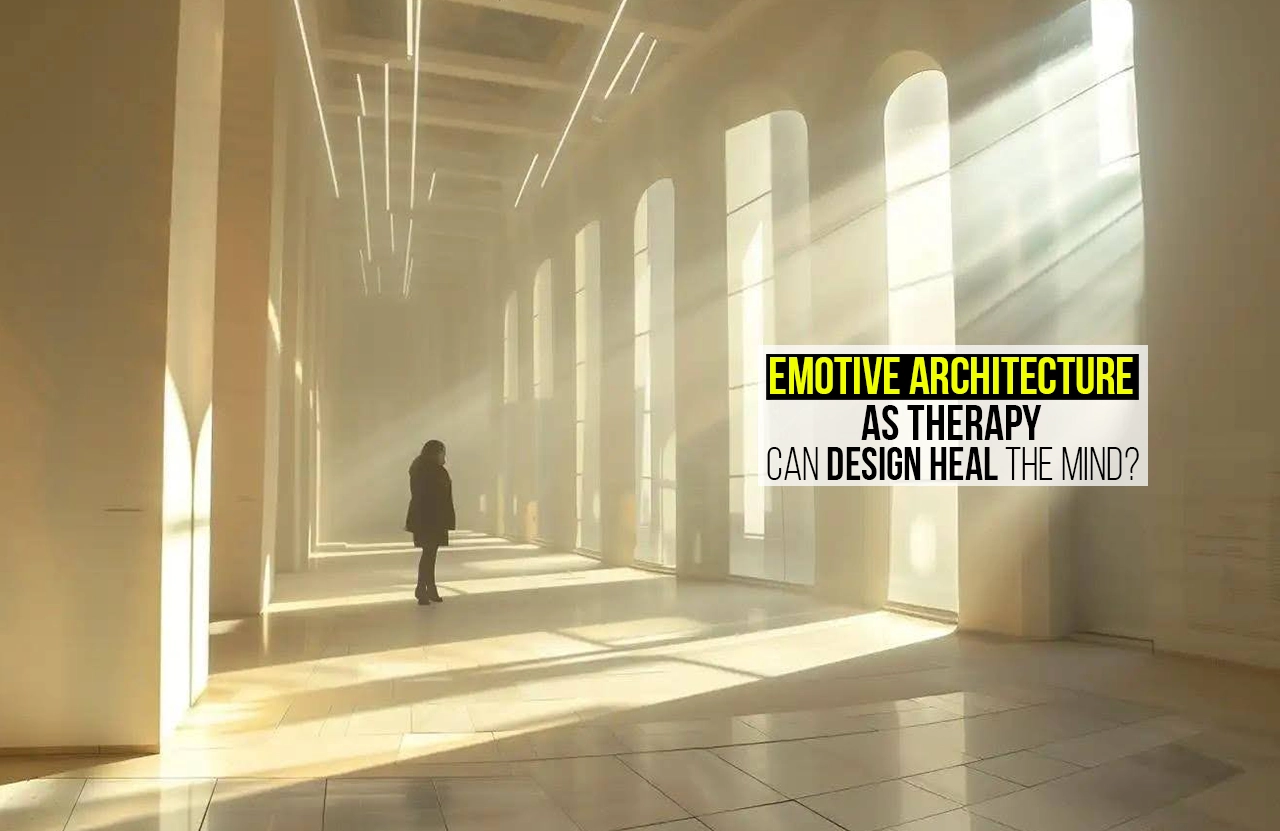
One of the most important things in emotive architecture is natural light. Letting natural light indoors can improve the mood and comfort of the users. Spaces that have windows, skylights or courtyards let in more sunlight, creating a warm and welcoming space. While dark spaces without proper lighting make the users uncomfortable and anxious.

Another important factor is greenery and nature. People naturally feel peaceful around plants, trees, water and open landscapes. This is why gardens and green spaces are often included in buildings. They are grounding elements that help people to connect and release stress.
Even inside any built space, openings that let light in and provide views of greenery through large openings make the space feel lighter.
Colours
Colours are one of the primary factors that influence how we feel. Different colours can induce different emotions in users, depending on how and where they are used. Soft and warm colours make spaces feel calm and comfortable. Bright colours attract people and create excitement. In spaces like therapy centres, schools, and hospitals, architects carefully choose and use warm, calming colours to support the well-being, comfort and growth of the users.
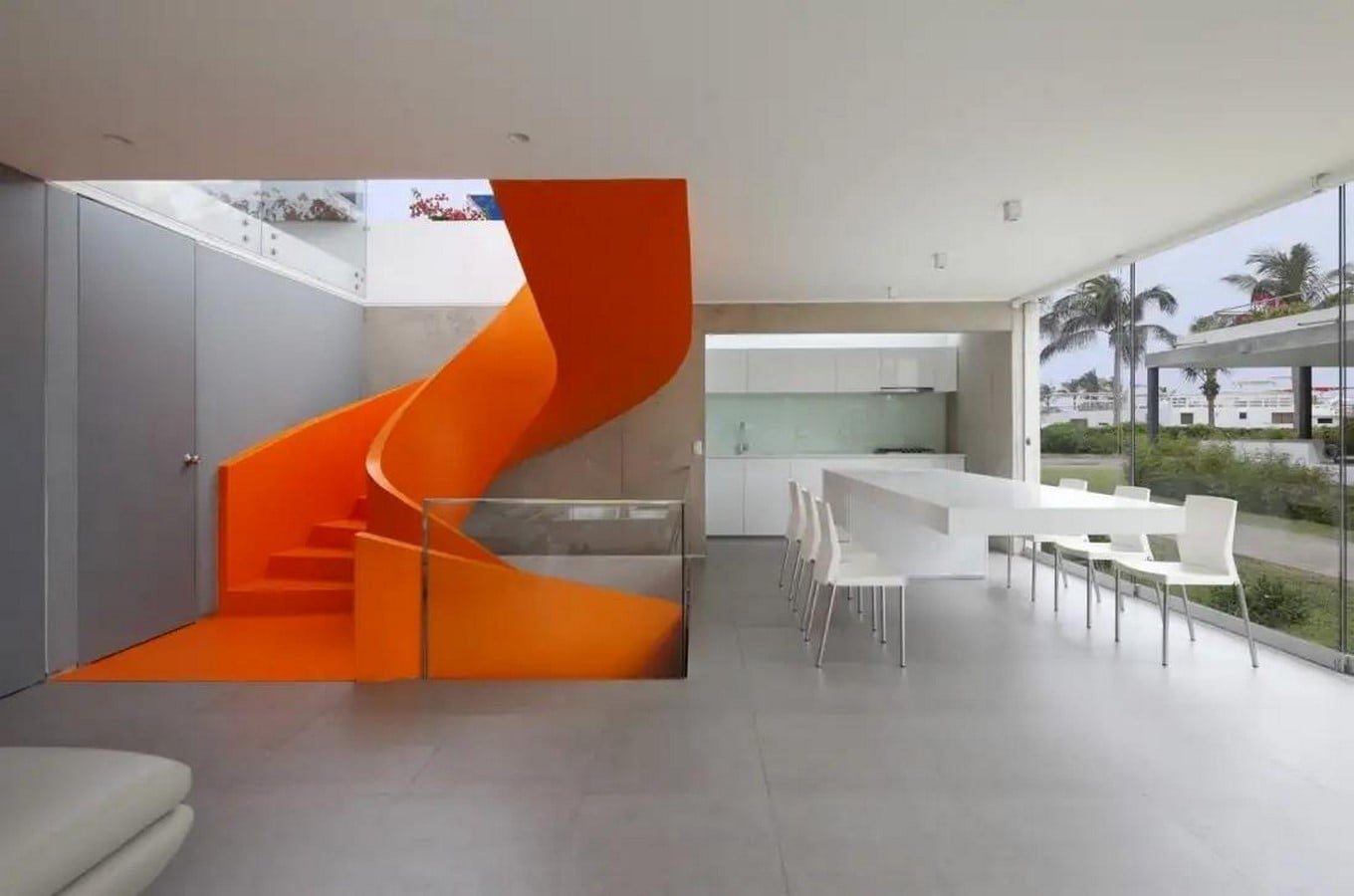
For example, warm colours are often used in restaurants to attract people. Dark or harsh colours can create tension if used too much.
Layout
The shape and layout of a space can also affect the user’s mind deeply. Spaces that are open, light, and well-organised make the user feel free and relaxed. In contrast, crowded and dark spaces can induce stress and confusion. Simple and easy movement inside buildings makes people feel comfortable. This is especially important in hospitals and mental health centres where patients may already feel anxious. Spaces that are easy to understand can reduce fear and confusion.
Sound
Sound is another important part of emotive architecture. Loud, noisy spaces reduce concentration and increase stress levels in the users. Quiet spaces help people rest and think clearly.
Water features, soft music or natural sounds can improve comfort.
Spaces
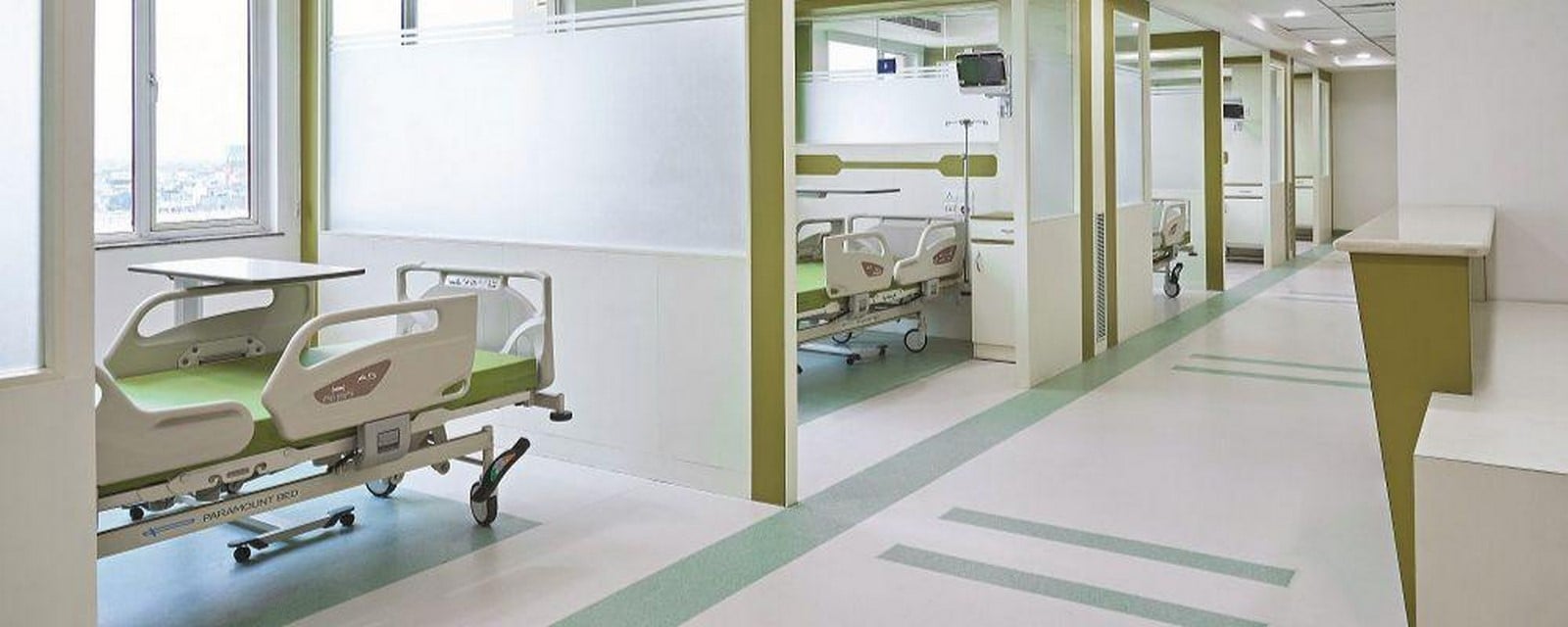
Emotive architecture is especially important in healthcare spaces. Many hospitals now include gardens, colourful interiors, artwork and family spaces to make patients feel emotionally supported.
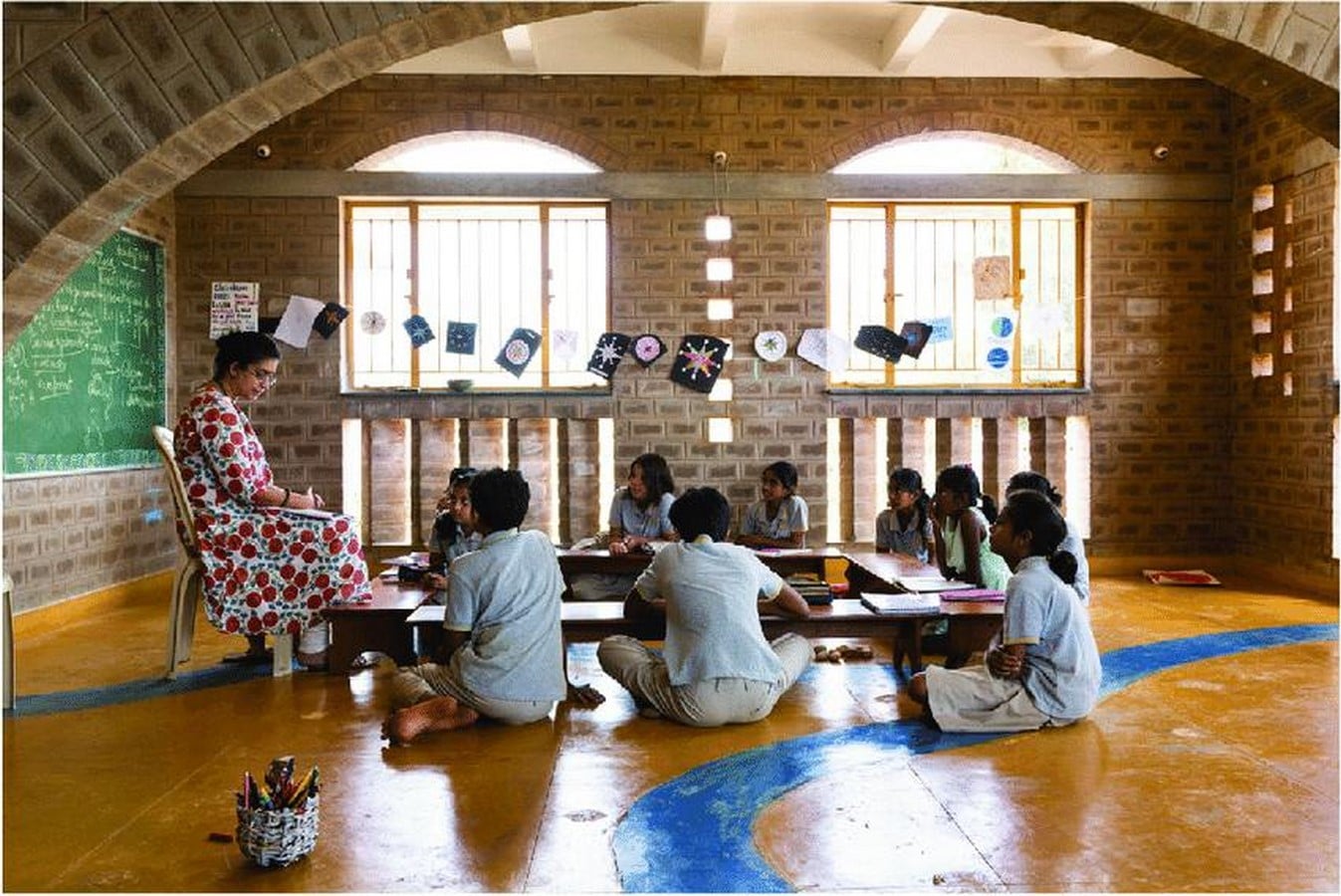
Schools are another example where emotive elements affect health. Students spend most of their hours in classrooms every day. In these classrooms, poor ventilation, lack of light and uncomfortable furniture can affect their concentration. Modern educational spaces focus more on student well-being through flexible classrooms, open learning areas, natural lighting and outdoor spaces, which help students feel more active and creative.
Homes also play a vital role in people’s emotional health. A home should feel safe, peaceful and personal. Small and poorly ventilated homes increase stress, especially when people are forced to stay indoors during times like lockdowns. This made architects rethink design. Modern homes are built to help families bond through outdoor areas, common spaces and also make each person feel better with good lighting and air flow. They are also designed to be flexible, so people can do a wide range of activities indoors. Small elements like windows, shared courtyards, corridors, open areas like parks, and play areas help the neighbours stay connected, reducing isolation. A designed home not only supports the user’s needs but also can help people relax, have fun, bond with others and feel emotionally stable.
Public spaces also influence the well-being of the users. Parks, streets, plazas and community spaces bring people together and make them feel less alone. Cities with pedestrianised streets, parks and gathering spaces create healthier and united communities and individuals. In contrast, cities with a lot of traffic, fewer open spaces and congested buildings can make people feel emotionally exhausted.
There are challenges when it comes to creating spaces that help people feel better emotionally. In cities, things are moving fast, and land is very expensive, so buildings are often too small, and people have to live in bad conditions. The people designing these buildings do not have a lot of money to work with so they cannot always use the materials. Sometimes, the people building these places are forced to care more about making money than making people comfortable. This is one of the primary reasons why a lot of buildings do not feel very welcoming. Architects and planners have to think about what people need and also think about how people feel when they are designing spaces. They have to balance what people need with what’s good for people’s emotional well-being. Creating emotionally healing spaces is really important. Architects and planners have to work hard to make sure they are designing spaces that are good for people.
Despite the challenges, the idea of emotive architecture is growing among both people and architects. Today, people are not only attracted to beautiful buildings, but they also want it to make them feel happy, safe, peaceful and connected.
In conclusion, emotive architecture is deeply connected to the emotions and mental health of the users. Architecture is not only about creating spaces for living; rather, it is also about creating spaces that help people survive and heal.