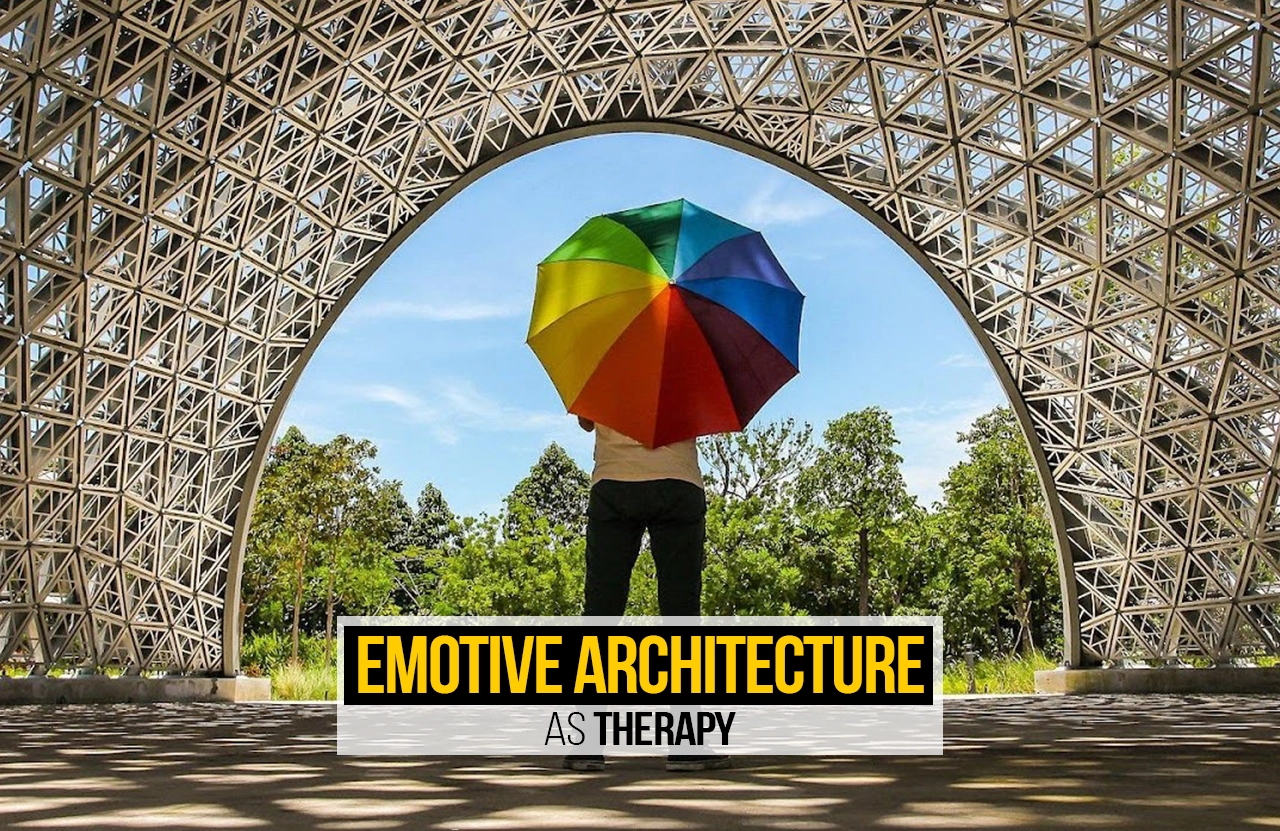
Architecture is the interaction between people and their surroundings. Hence, modifying architectural designs by introducing natural features and elements can significantly refine the standards of lifestyle. This gives rise to the concept of Emotive architecture. It refers to the adoption of an experience-based design approach, focusing on triggering emotions through structure and space rather than following traditional function-centric design methodologies. This article briefly discusses the concept of emotive architecture and how its implications offer various advantages.
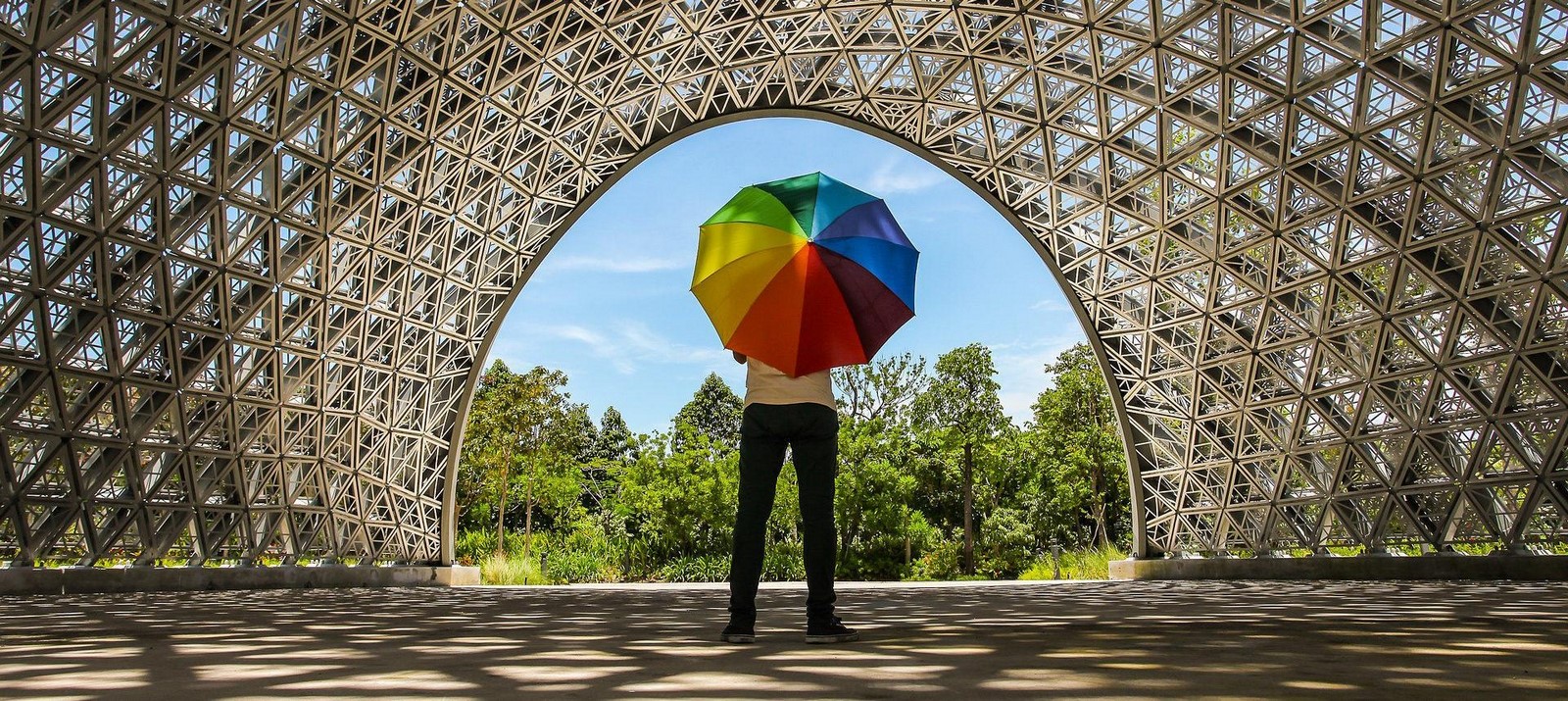
On average, people spend approximately 88–90% of their lifetime indoors, or under some form of shelter, or in buildings and other constructed spaces, as noted in various studies and research. Humans tend to develop a personal attachment to the spaces they occupy and reside in for longer durations. The range of human-modified spaces is extensive, with varied purposes spanning from houses and schools to retirement homes, urban environments, etc. Therefore, designing these spaces with utmost consideration for people’s needs and comfort, and making them truly worthy of living, becomes inevitable.
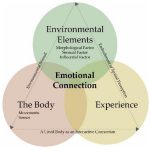
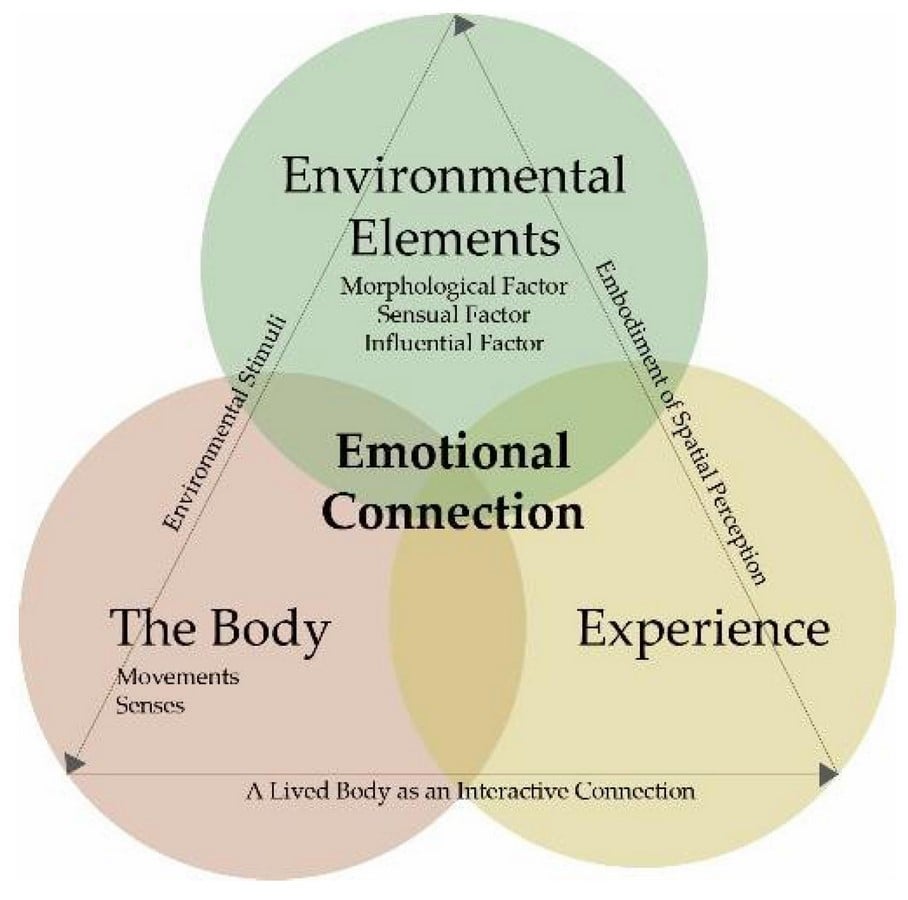
The principles of Emotive architectural design manifest the true sense of a human-centric approach. Originating, forming, and shaping together various features and elements to serve human ease and comfort requirements is the basis of design tactics. The architectural consortium contains several features and elements that directly or indirectly impact people physically or psychologically. Furthermore, the emotive architecture design process emphasises optimising the use of these features to improve functionality. Here are a few elements and features that influence a person’s psychology.
Element of Nature
Humans have an innate drive to connect with nature. Research confirms that exposure to greenery and natural elements lowers stress levels and blood pressure. These are the words of E. O. Wilson in his explanation of the Biophilia Hypothesis. Similarly, the Attention Restoration Theory by Kaplan also states that “nature helps in recovery from constant focused work.” As these statements suggest, nature is a very integral part of human life, owing to billions of years of evolutionary coexistence of humans within the natural environment. Nature has consistently satisfied emerging human needs over this extensive timescale. Therefore, human psychology is fundamentally oriented towards connection with the natural world.
Thereby, the domain of emotive architectural design also draws motivation from and shows an inclination towards nature therapy. It includes appropriate elements and features, or moulds them in a suggested manner within its design norms.
Architectural Elements & Features
- Natural Light – Exposure to natural light triggers hormones such as dopamine, serotonin, and melatonin, resulting in enhanced mood, higher alertness levels, sustained focus, and improved cognitive abilities. It is essential for regulating circadian rhythms and sleep cycles, thereby improving sleep quality. Natural light fosters emotional well-being and mental health by reducing stress levels. It also remains a critical part of the treatment of certain mental disorders. Hence, natural light has a profound impact that makes it a key element of emotive architectural design.
- Natural Wind – Swathes of cool breeze have a deep relaxation effect. They cool down the body and make one feel comfortable. Morning oxygen-rich breeze not only calms the body but also adds to mental tranquillity. Thoughtfully designed buildings exquisitely utilise the wind element, creating a better environment
- Colours & Textures – Colours, with variations in shade, hue, and brightness, play a vital role in the perception of a space. Warm colours such as red, orange, and yellow promote intimacy and energy, whereas lighter and cooler shades like blue, white, and green intensify focus and induce calmness. Increased brightness generates positive feelings and may encourage impulsive decisions, while cooler tones provide a sense of gentle alertness. Earthy and natural textures, such as wood and stone, provide a ground touch effect and connect inhabitants to nature.
- Form and Space – Complicated forms and intricate designs exaggerate one’s interest in a space, rather than square-cut designs or featureless architecture that often feels gloomy. Space controls people’s movement and flow, guiding them along paths and directing their attention toward noteworthy points. Open and seemingly infinite spaces can be awe-inspiring and evoke ideas of greatness, while at times also being intimidating. In contrast, smaller, confined, or corner spaces seem to individuals as safer and more private.
- Sounds & smells – Different kinds of sounds and smells also may alter a person’s mood and vibes of a space, hence these factors are carefully considered during the emotive architecture design process. Crowds and traffic noise often lead to nuisance and discomfort, whereas natural sounds such as bird chirping and water or streams invoke a cheerful and soothing atmosphere. Unpleasant odours from drainage gutters and sewage negatively affect the surroundings, while fragrances like lavender and sandalwood promote relaxation. Similarly, the smell of chlorine signals cleanliness and alertness.
Emotive Architecture
Scenic views of nature from windows are visually pleasing and rejuvenating. Such features are highly recommended for both relaxing and working spaces. If the arrangement is not available or adjustable, scenic paintings or other crafted elements can effectively serve the purpose of emotive architecture. Considering the benefits of natural lighting, it is a must-include element in residential spaces, as it helps in heating interiors, reducing stress, and encouraging energeticness—particularly in halls and open areas. Wind paths are also a crucial consideration in the design process and can be varied according to the required intensity of airflow. Spaces that lack proper ventilation tend to become gloomy and suffocating.
Colours and textures need to be carefully chosen based on the mood and the environment for which a space is allotted. Warm colours should be considered for working spaces such as offices, where focus and energy are key qualities required. This also suits designing vibrant urban spaces such as markets and stations. Whereas lighter colours are more suitable for bedrooms and private relaxing spaces. Green and blue shades aid in creating a peaceful and tranquil atmosphere. Intensive bright lighting should be avoided in bedrooms, as it hinders sleepiness. However, such lighting can be useful in spaces like police interrogation rooms, where individuals are pressured to make impulsive decisions and reveal the truth. Earthy textures and natural materials offer sensations of originality and spirituality, helpful in eco-friendly spaces.
Open spaces are generally provided at riverfronts, beachfronts, stadiums, or indoors in temples and cathedrals, where people can elevate their thoughts. Often, people prefer lower ceilings or corner spaces in moderately crowded settings such as hotels, bus ports, and airports, where they tend to feel safer and more private. Places such as museums and heritage structures often display intricate forms with engravings and carvings that boost interest and encourage people to observe the space meticulously. The use of sound and smell also contributes to the beauty of a space. Spa- and resting spaces are often filled with pleasant fragrances to promote relaxation and calmness, while hospitals and swimming pools have typical chlorinated smells that hint at cleanliness.
Emotive Architecture – as Therapy
Roger Olirich, in his studies, observed that hospitalised patients showed faster and improved healing, relied less on pain medication, and suffered fewer complications when regularly exposed to natural sights. This demonstrates how the surrounding environment contributes to health and wellness. In fact, Denmark has constructed prisons built with the most humane approach concept of architectural design to positively affect prisoners’ minds and seek behavioural change.
So far, this article describes the effects of architectural elements on human psychology. Moreover, these elements and features can be varied with attributes to induce emotions and feelings. Inclusion of these techniques in the design process can indeed add value to architecture. Emotive architecture can thus uplift the mood and psychological state of a person.
References:
Ulrich, R.S. (1984) ‘View through a window may influence recovery from surgery’, Science, 224(4647), pp. 420–421.
Wilson, E.O. (1984) Biophilia. Cambridge, MA: Harvard University Press.
Kaplan, R. and Kaplan, S. (1989) The Experience of Nature: A Psychological Perspective. Cambridge: Cambridge University Press.
Kaplan, S. (1995) ‘The restorative benefits of nature: Toward an integrative framework’, Journal of Environmental Psychology, 15(3), pp. 169–182.
Pallasmaa, J. (2012) The Eyes of the Skin: Architecture and the Senses. 3rd edn. Chichester: Wiley.
Heerwagen, J.H. and Orians, G.H. (1993) ‘Humans, habitats, and aesthetics’, in Kellert, S.R. and Wilson, E.O. (eds.) The Biophilia Hypothesis. Washington, DC: Island Press, pp. 138–172.