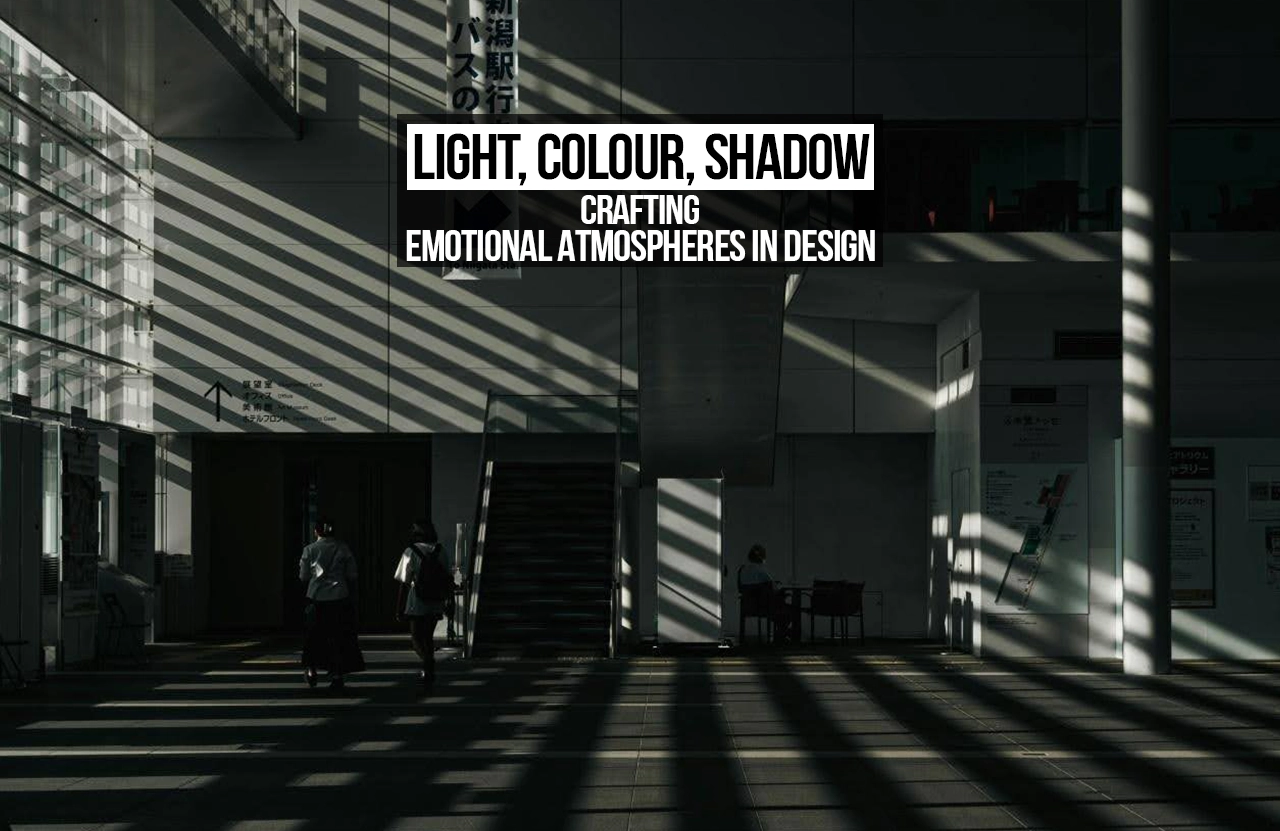
What should a space feel like?
This question sets a key objective in design. Beyond function and form, every space carries an emotional tone. There is always an immediate feeling when entering a place. Some spaces create calmness, while others inspire productivity, curiosity, or intimacy. A welcoming hotel reception or a vibrant café often influences how long one chooses to stay. These emotional responses are not accidental; they are shaped through design decisions.
Although emotions may seem abstract, they strongly guide how a space is conceived and experienced. Crafting an emotional atmosphere in design depends on how elements such as light, colour, and shadow are orchestrated together. The atmosphere, much like a first impression, is the immediate attraction or rejection experienced upon entering a place (Zumthor, 2006).
Light as the Foundation of Design
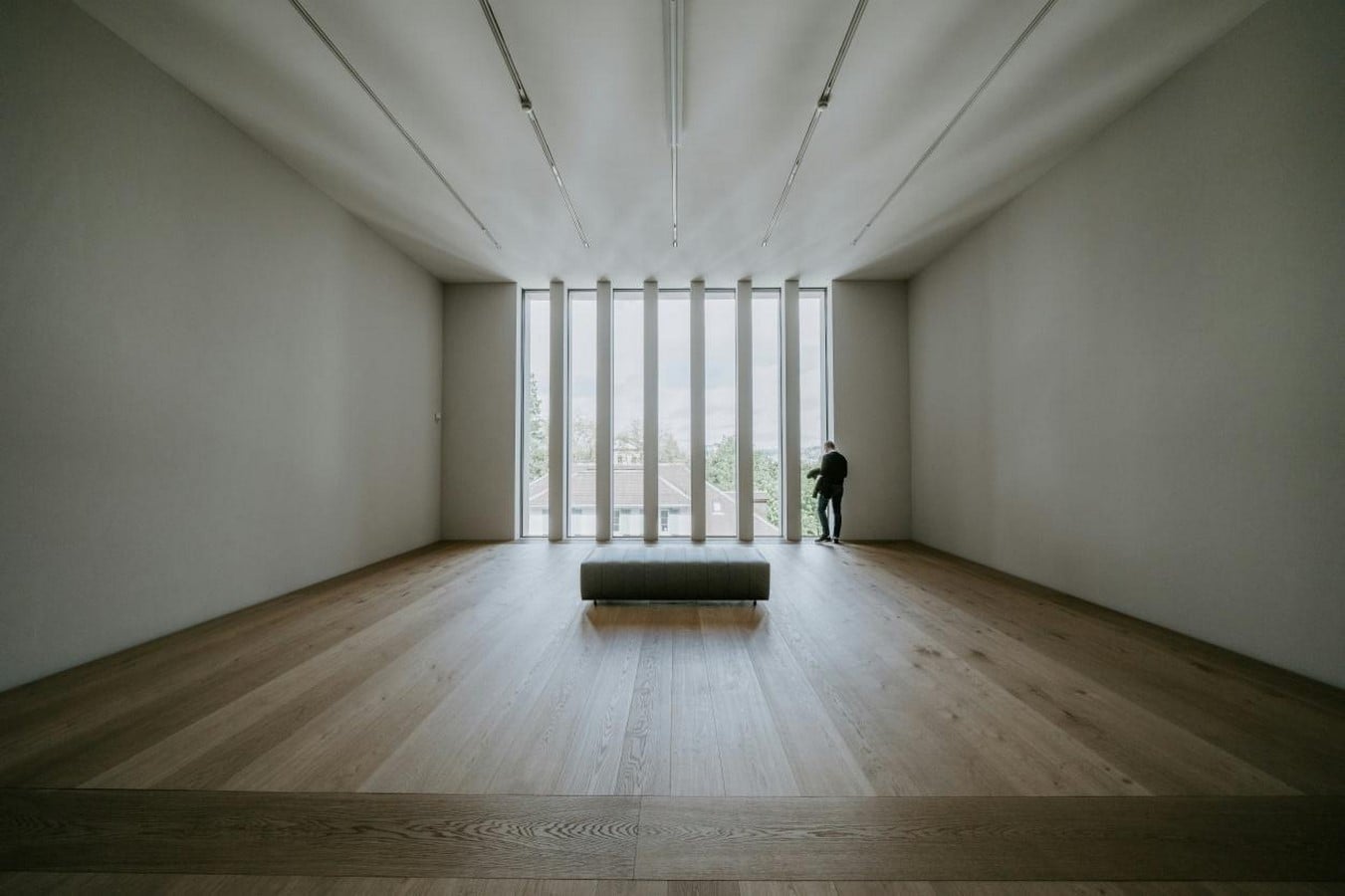
“A room is not a room without natural light.” — Louis Kahn.
Light is not only a functional necessity in design; it is also the medium through which a space finds meaning. It reveals form and texture, articulates materials, and transforms static structures into dynamic environments. Through light, space becomes readable and emotionally engaging. As Louis Kahn emphasized, light gives a room its identity. Natural light changes throughout the day and across seasons, continuously altering the atmosphere of a space. Morning light introduces calmness and renewal, midday light brings clarity and productivity, and evening light evokes warmth and introspection. These gradual transitions show that design is not static, but evolves with time.
Steven Holl further describes light as a building material, as tangible as stone or concrete. It not only illuminates but also creates an emotional understanding within space (Holl, 2006). In practice, light guides visual attention, highlighting certain elements while softening others. Designing with light, therefore, requires a careful balance between natural and artificial sources, allowing the space to respond to both time and context.
Color and Emotional Perception
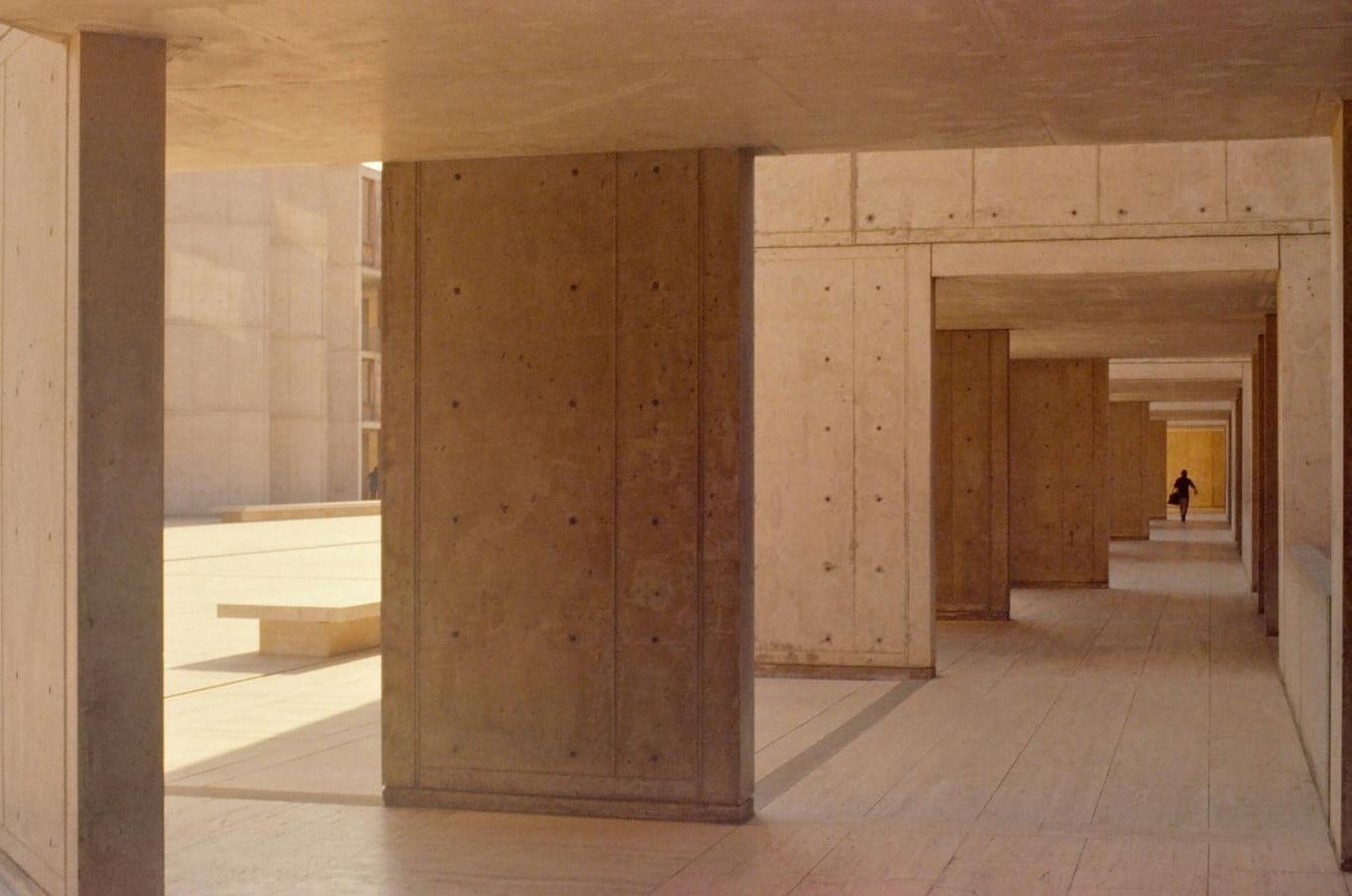
Colour is inseparable from light, as it can only be perceived through it. In design, colour plays a significant role in shaping mood, behavior, and spatial perception. While people often describe spaces through visible elements such as furniture or materials, colour quietly influences how those spaces are experienced.
Colour can be understood through three primary groups:
- Warm tones evoke intimacy, warmth, and energy
- Cool tones suggest calmness, distance, and reflection
- Neutral palettes enhance the perception of light and shadow
Rather than functioning in isolation, it operates through relationships. Its perception changes depending on light conditions, material surfaces, and surrounding context. The same colour may appear entirely different under varying lighting conditions. As Johannes Itten explains, colour is understood through contrast, harmony, and interaction rather than as a fixed attribute (Itten, 1970). Cultural context further shapes how colour is interpreted, adding another layer to design decisions. In this way, colour moves beyond decoration and becomes an active element in shaping the atmosphere.
Shadow as a Spatial Language
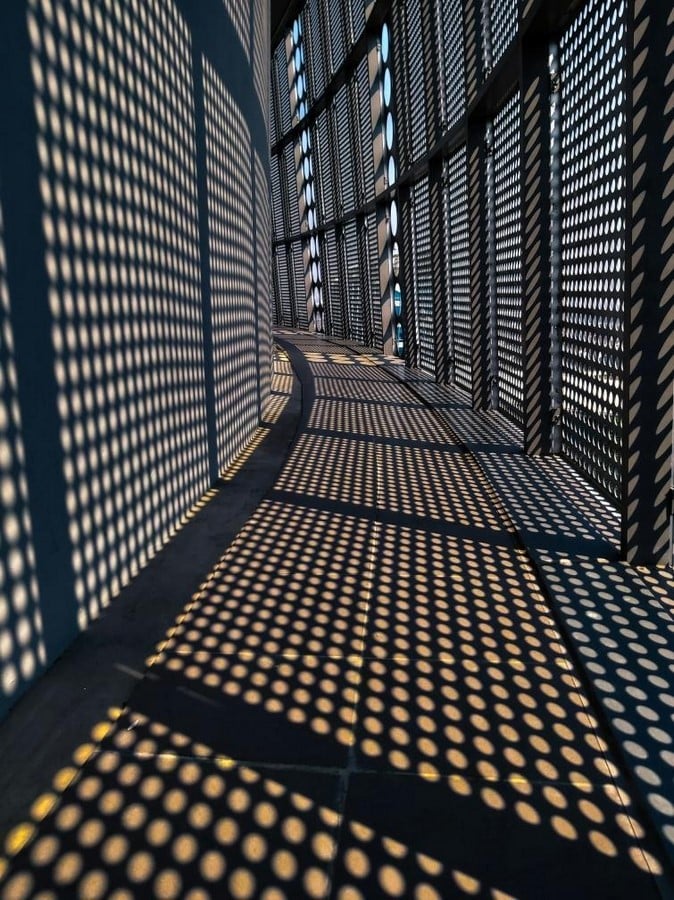
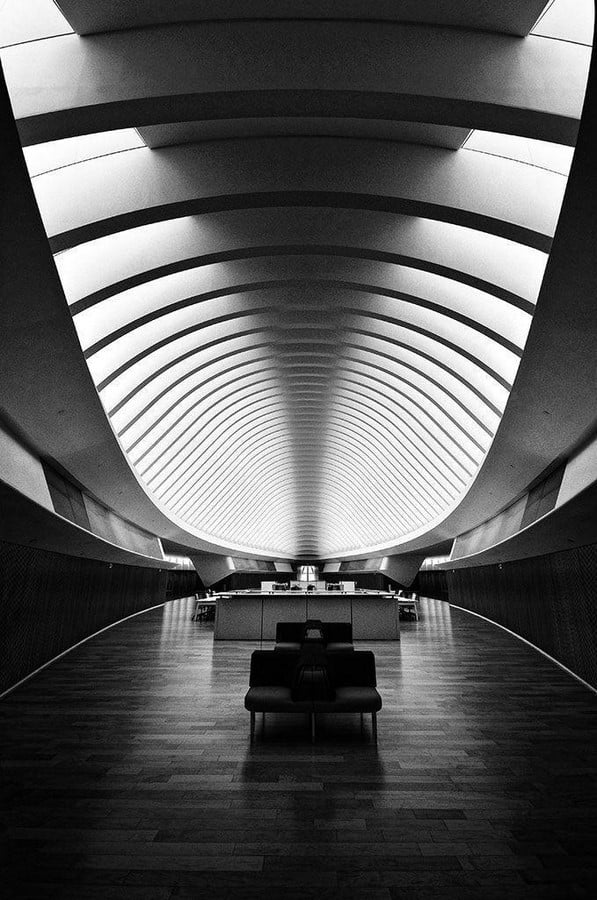
If light reveals, shadow defines.
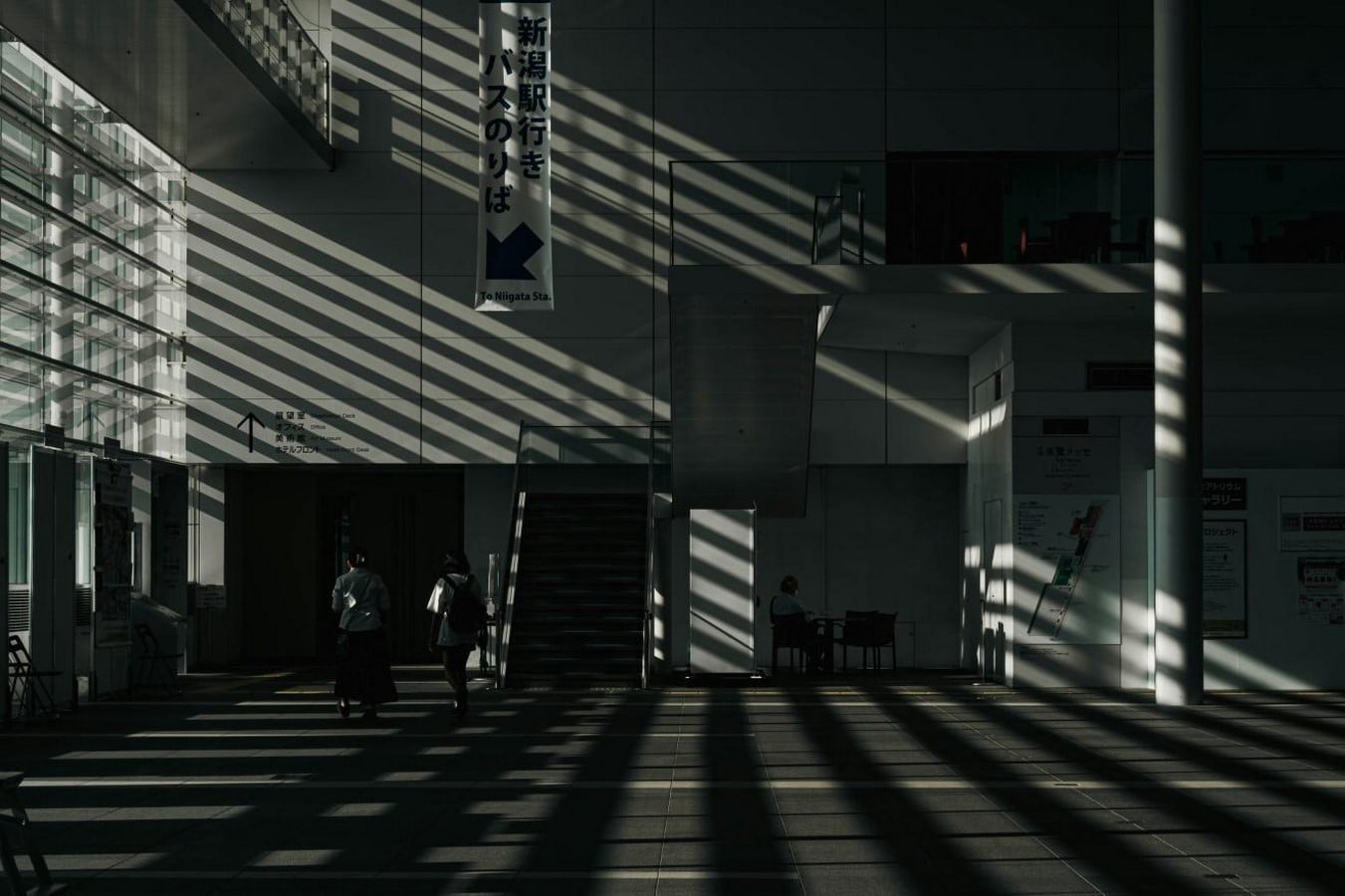
Often overlooked, shadow plays a crucial role in giving depth and contrast to space. Without it, light loses its expressive power, and spaces can feel flat and uniform. In many traditional architectural practices, particularly in African and Middle Eastern contexts, textured surfaces and perforated screens are used to create dynamic shadow patterns. These patterns shift throughout the day, introducing movement and rhythm into space and making architecture feel responsive rather than static.
Beyond tradition, shadow also shapes the atmosphere in more controlled environments. It can guide movement, frame views, and emphasize focal points. Rather than overwhelming the space, shadow works subtly, creating moments of pause, depth, and discovery. As Tanizaki reflects, shadow allows space to become contemplative, where light is softened rather than exposed (Tanizaki, 1933). Through controlled openings and filtered light, design moves beyond the physical and becomes emotional and experiential.
Light, Color, and Shadow as a Unified Experience
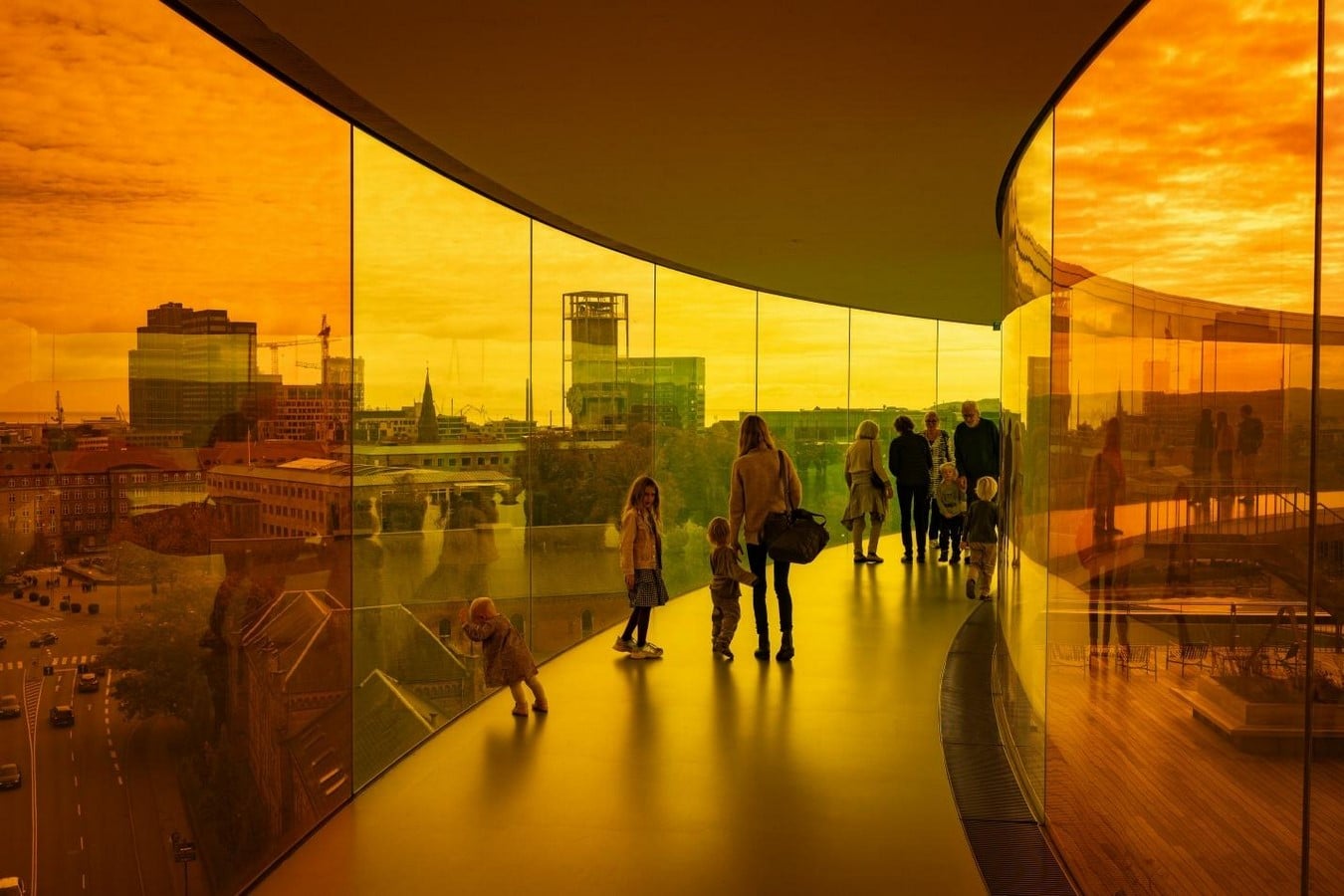
While each element plays its own role, it is their interaction that defines the atmosphere. Light, colour, and shadow do not operate independently; they continuously influence one another, shaping how space is perceived and experienced. Steven Holl describes architecture as an “experience of phenomena,” where light and material together creates emotional depth (Holl, 2006). Similarly, Juhani Pallasmaa argues that architecture should engage all the senses, not only vision. He describes architecture as mediation between the world and human perception, enriching everyday experience (Pallasmaa, 2005). Together, these perspectives highlight that design is not only about what is seen, but also about what is felt. When light, colour, and shadow are carefully orchestrated, space becomes immersive engaging both sensory and emotional perception.
Early Architectural Influences
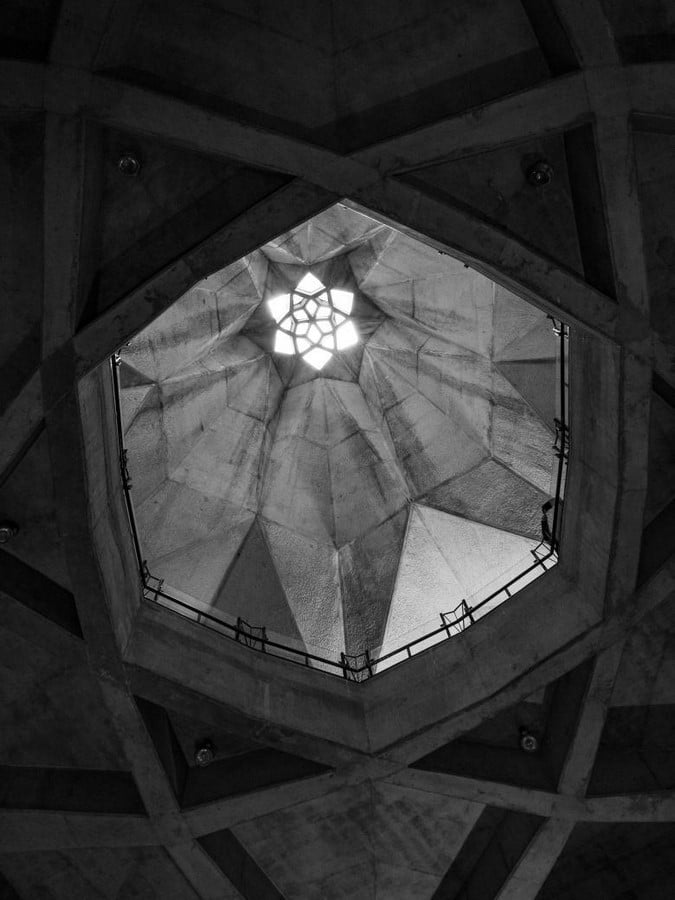
The relationship between light and shadow has been understood for centuries. In early architecture, particularly in sacred spaces, light was used to express meaning and presence. Medieval cathedrals, for example, filtered light through stained glass to create an atmosphere that felt transcendent and symbolic. With the introduction of artificial lighting, designers gained greater control over spatial experience. Chandeliers, lamps, and other lighting elements extended this atmospheric quality beyond daylight hours, allowing space to remain expressive even at night. These historical approaches demonstrate that design has always extended beyond function. As Norberg-Schulz suggests, architecture gains meaning when it connects people to place, memory, and atmosphere rather than remaining purely technical (Norberg-Schulz, 1980). (Kaarwan, n.d.)
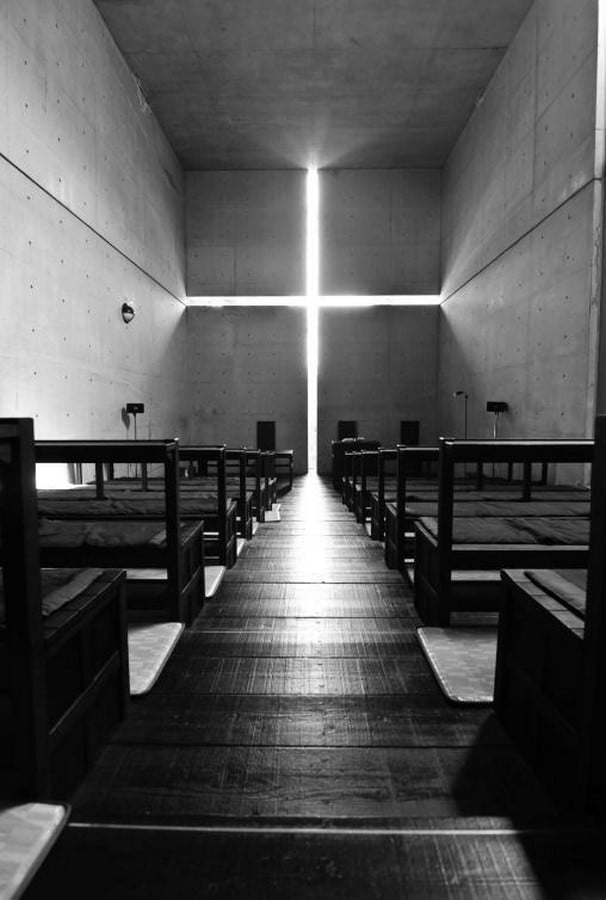
The role of light, colour, and shadow in design extends far beyond technical application. These elements shape how spaces are experienced, how emotions are formed, and how people connect with their surroundings. A space becomes meaningful when it engages with light, responds to colour, and embraces shadow. It begins to shift, breathe, and communicate through the atmosphere. Well-lit spaces may evoke clarity and comfort, while shadowed environments introduce mystery and introspection. Ultimately, design is not only about constructing space but about creating experience. Light, colour, and shadow are not decorative elements; they are the essence of spatial storytelling. When used thoughtfully, they transform design from a physical structure into an emotional and sensory experience (Zumthor, 2006).
References
- ArchDaily (2018) Juhani Pallasmaa: “Architecture is a mediation between the world and our minds”. Available at: https://www.archdaily.com/895039/juhani-pallasmaa-architecture-is-a-mediation-between-the-world-and-our-minds (Accessed: April 3 2026).
- Holl, S. (2006) Questions of Perception: Phenomenology of Architecture. San Francisco: William Stout.
- Kaarwan (n.d.) The role of light in architecture and design. Available at: https://www.kaarwan.com (Accessed: 21 February 2026).
- Itten, J. (1970) The Elements of Color. New York: Van Nostrand Reinhold.
- Norberg-Schulz, C. (1980) Genius Loci: Towards a Phenomenology of Architecture. New York: Rizzoli.
- Pallasmaa, J. (2005) The Eyes of the Skin: Architecture and the Senses. Chichester: Wiley.
- Tanizaki, J. (1933) In Praise of Shadows. Tokyo: Leete’s Island Books.
- Zumthor, P. (2006) Atmospheres. Basel: Birkhäuser.