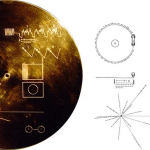
The literal meaning of a time capsule is a box that is preserved with items such as photographs, letters, artefacts, etc., from the present so that people way down in the future can understand what life was like back then. One of the most famous time capsules in history remains “The Golden Record” sent by NASA into interstellar space. This record contained sounds and images showcasing the diversity of life and culture on Earth, with images varying from architecture to complex mathematical equations.
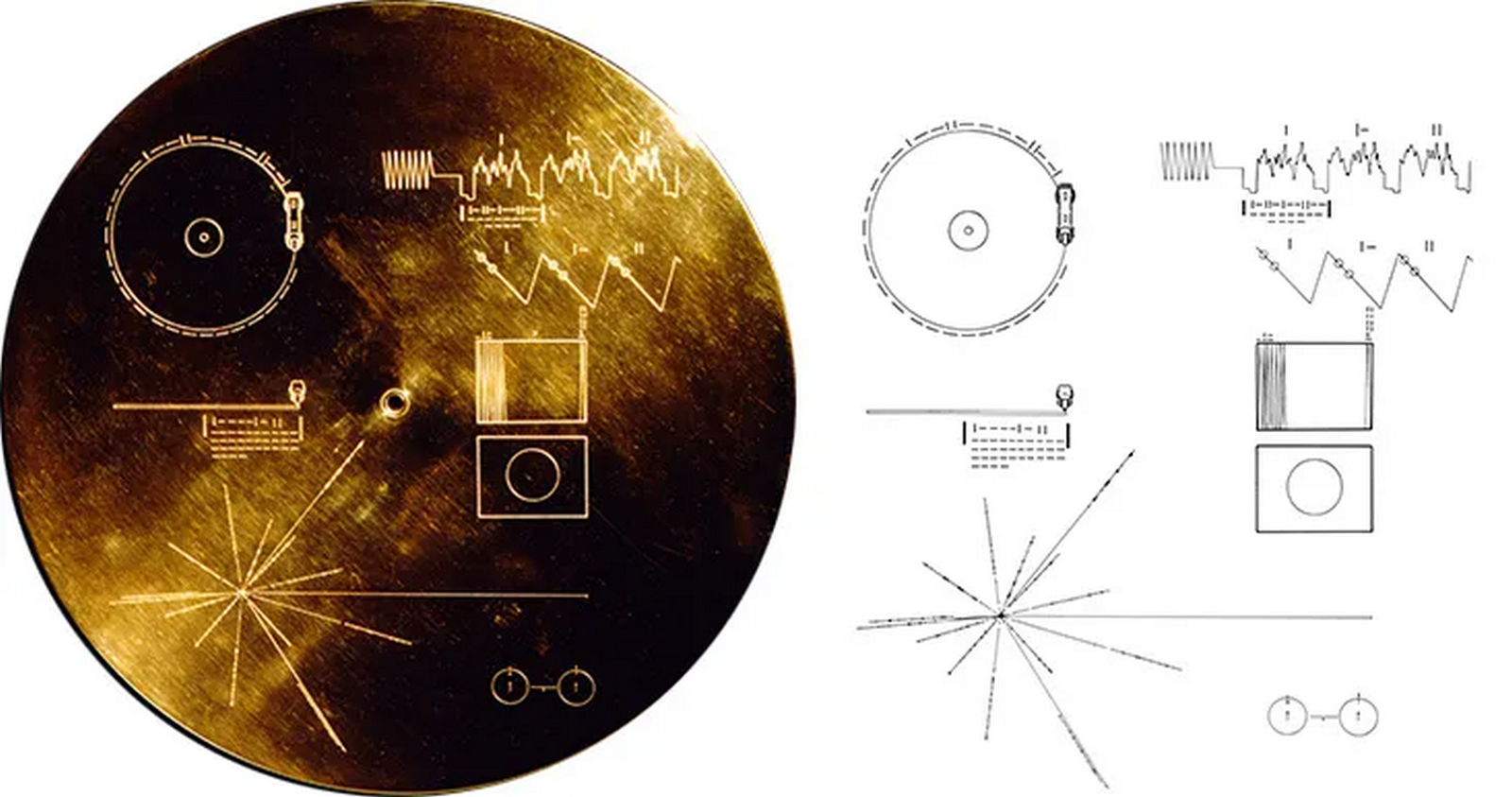
The reason to send this record into outer space was to paint a picture of our world to extraterrestrials (if any), much like how literature and movies pass stories down through generations. However, beyond golden disks and or memorable movies, humanity has always utilised a much more significant and permanent medium to archive its existence – Architecture. Buildings and structures that have stood the test of time are the most permanent time capsules, and they serve as historical records that preserve cultural heritage and societal values.
If “The Golden Record” used sound and imagery to capsule time, architecture uses material memory and spatial experience. While a photograph just captures moments in time, buildings capture the needs of the community. They give us answers to questions as to why they were built and for whom they were built. Architecture didn’t start as a carefully curated practice; it started with people using local materials and building with shared values and traditions. This type of architecture, sans the architects, is called Vernacular Architecture.
Why do Gujarat and Rajasthan have so many stepwells?
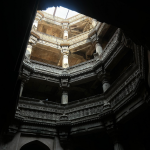
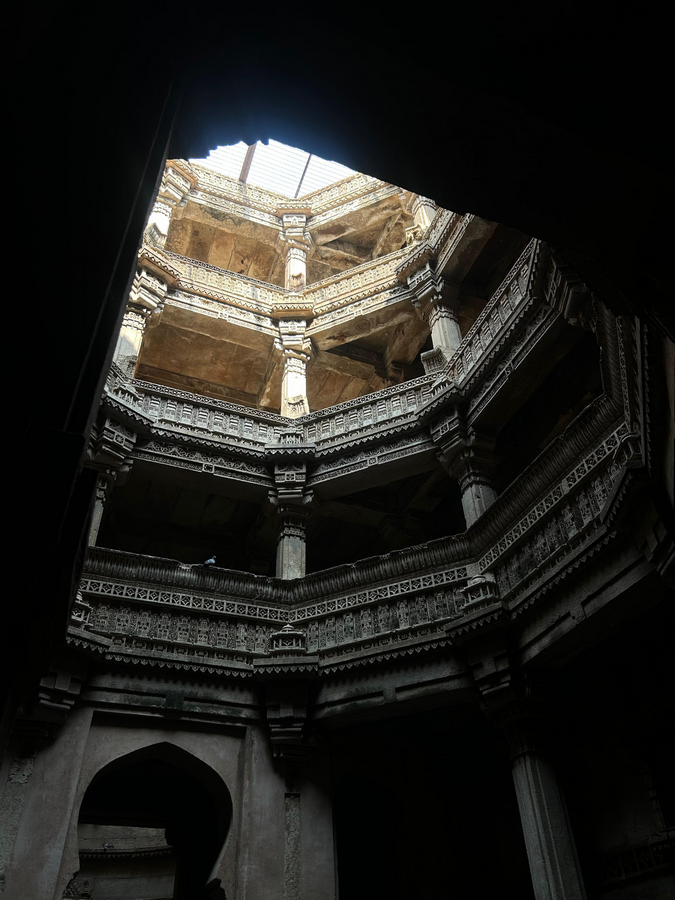
From Chand Baori in the movie “The Dark Knight Rises” to Rani Ki Vav on the 100 Rupee note, stepwells of Rajasthan and Gujarat are widely recognised. But why are the stepwells of India primarily located in the western states? Because of women. If observed, most of the stepwells were commissioned by women of royal lineage, such as the Adalaj stepwell, Rani ki Vav and Bai Hari ni Vav in Gujarat, to the Toorji ka Jhalra and Raniji ki baori in Rajasthan.
Women whose traditional roles were to fetch water and clean, knew the hardships associated with the task in a hot and arid climate where water is scarcely available. Intriguingly, the women patronised the stepwells in memory of their deceased loved ones. The structures act as time capsules that showcase not only their love for their deceased ones, but also the benevolence of these women, who made the lives of common folk easy by providing easy access to water in the desert regions.
Why do people in Kashmir build houseboats?
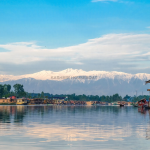
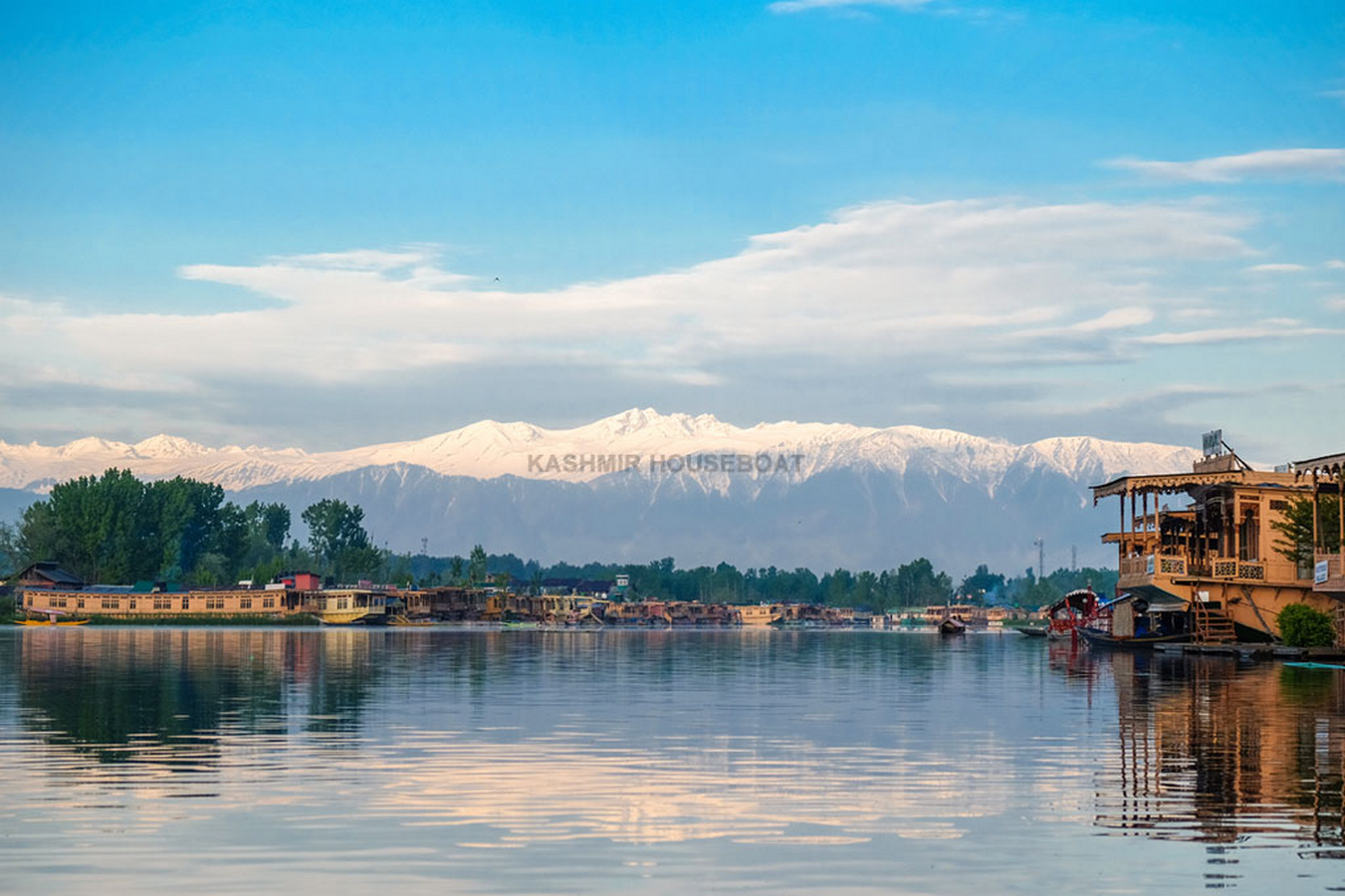
Kashmir is a beautiful and scenic place, also dubbed the “Switzerland of India”. It boasts of beautiful hilltop houses made of wood with picturesque views. So, why did people start living in houseboats on the lakes instead of those beautiful hilltop abodes? Were they used for transport like the houseboats of Kerala’s backwaters? Well, no. They were used as residences. The Kashmir houseboats act like a time capsule of the 19th century, when Europeans who were intrigued by Kashmir’s beauty wanted to settle down in the valley, but they weren’t legally allowed to buy land in the region. So they smartly came up with a loophole: houses on water, aka houseboats. After they left India, these houseboats on Dal Lake and Nigeen Lake were later converted into hotels and tourist attractions. These houseboats teach not only how to circumvent laws but also how to build with wood on water. The natively found Deodar trees are seasoned for 2 years to remove the sap and then used for the houseboat construction, and their intricately carved interiors.
Why is Jodhpur called the Blue City?
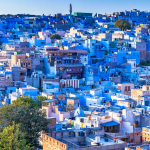
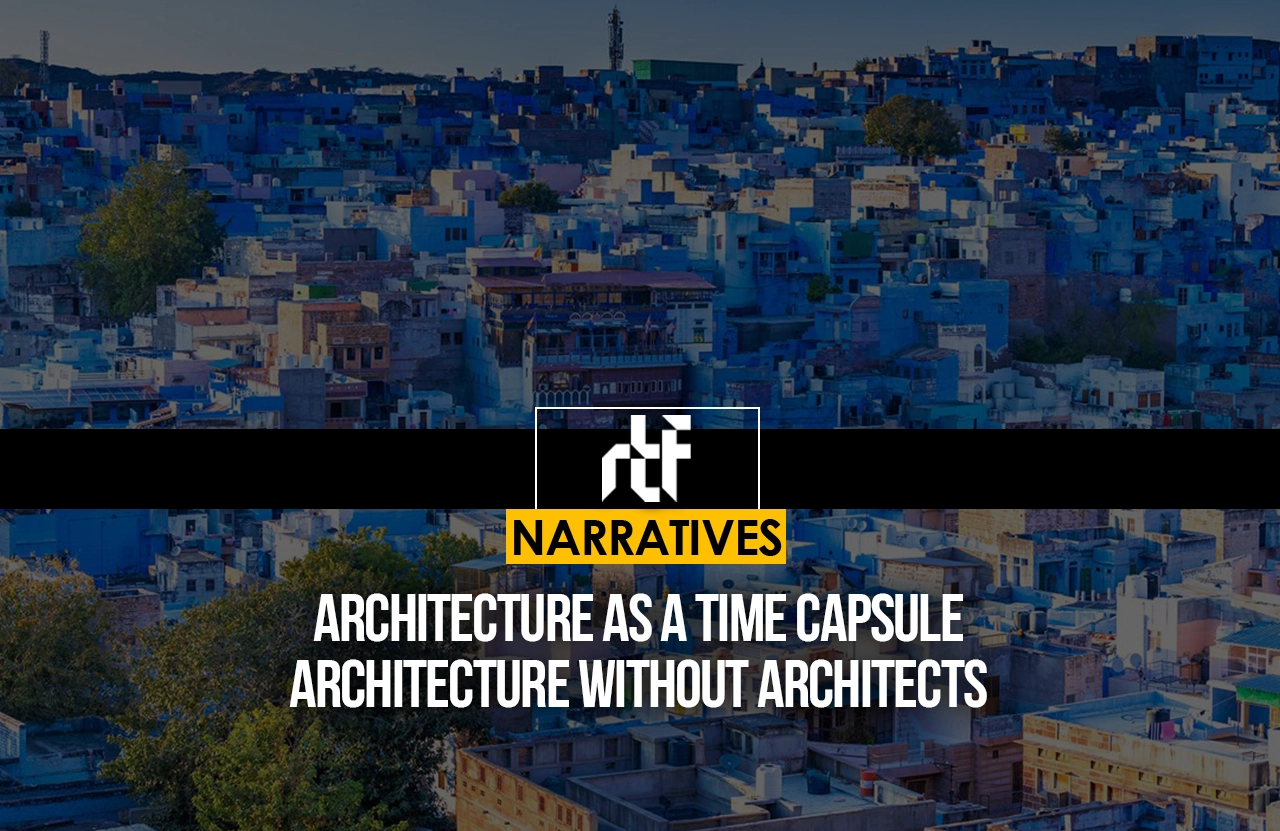
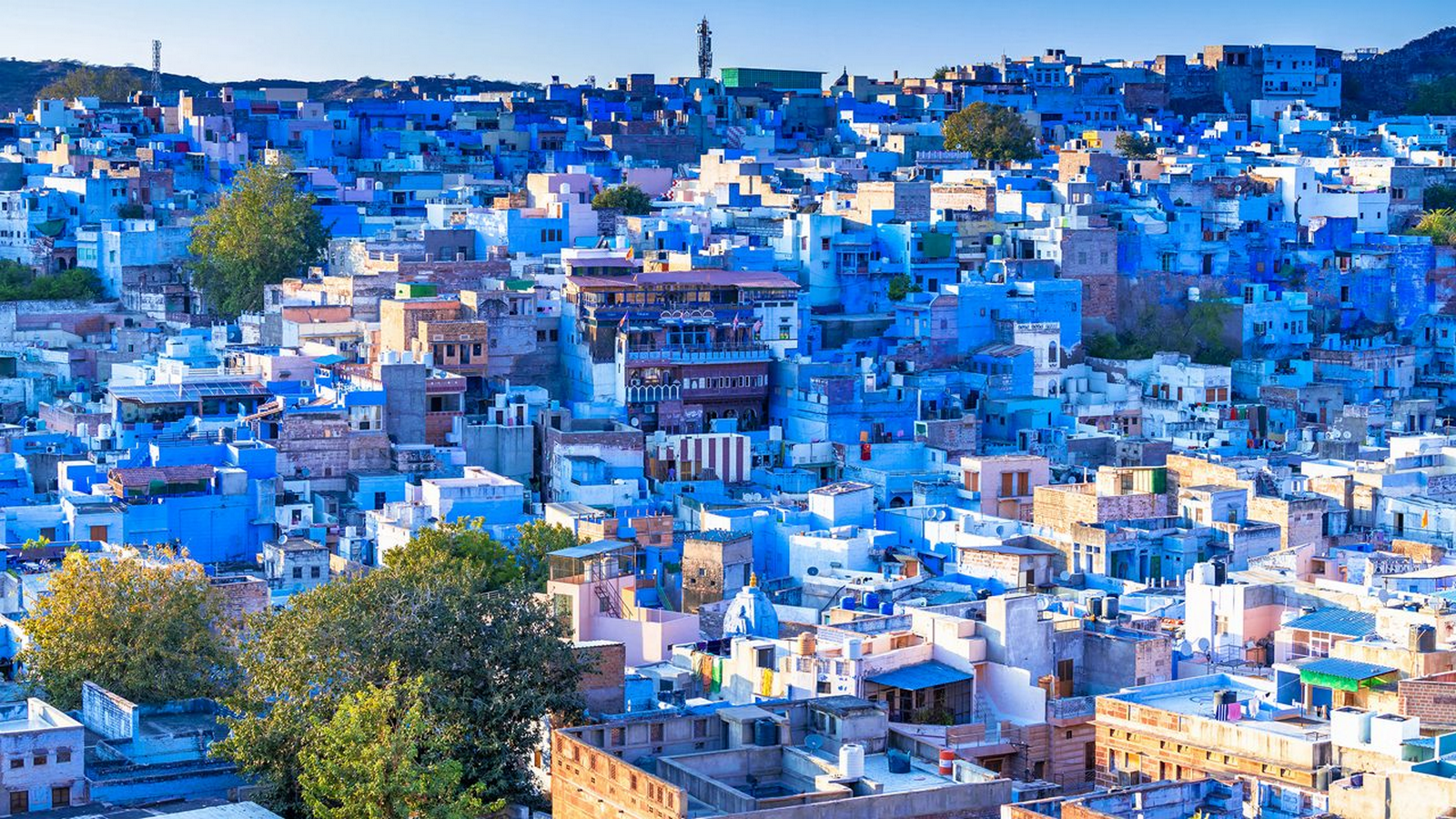
The view from Mehrangarh Fort in Jodhpur is a sea of blue. The Jodhpur time capsule gives many reasons for the city’s iconic blue colour. To begin with, it was a Brahmin tradition to paint their houses blue. Over time, it turned into a trend where even the non-Brahmins adapted the colour onto their houses. The colour also helped in reflecting the sunlight, keeping the microclimate cool, which was very imperative in the hot and dry region. The blue colour was achieved by mixing limestone and copper sulphate, which kept termites at bay. Over time, the trend turned out to be more than a fad as the city saw a boost in tourism due to its photogenic lanes and panoramic blue vistas.
Why are Tandur houses built completely with only one material?
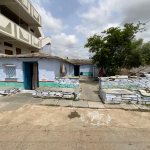
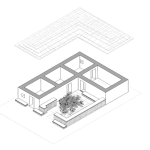
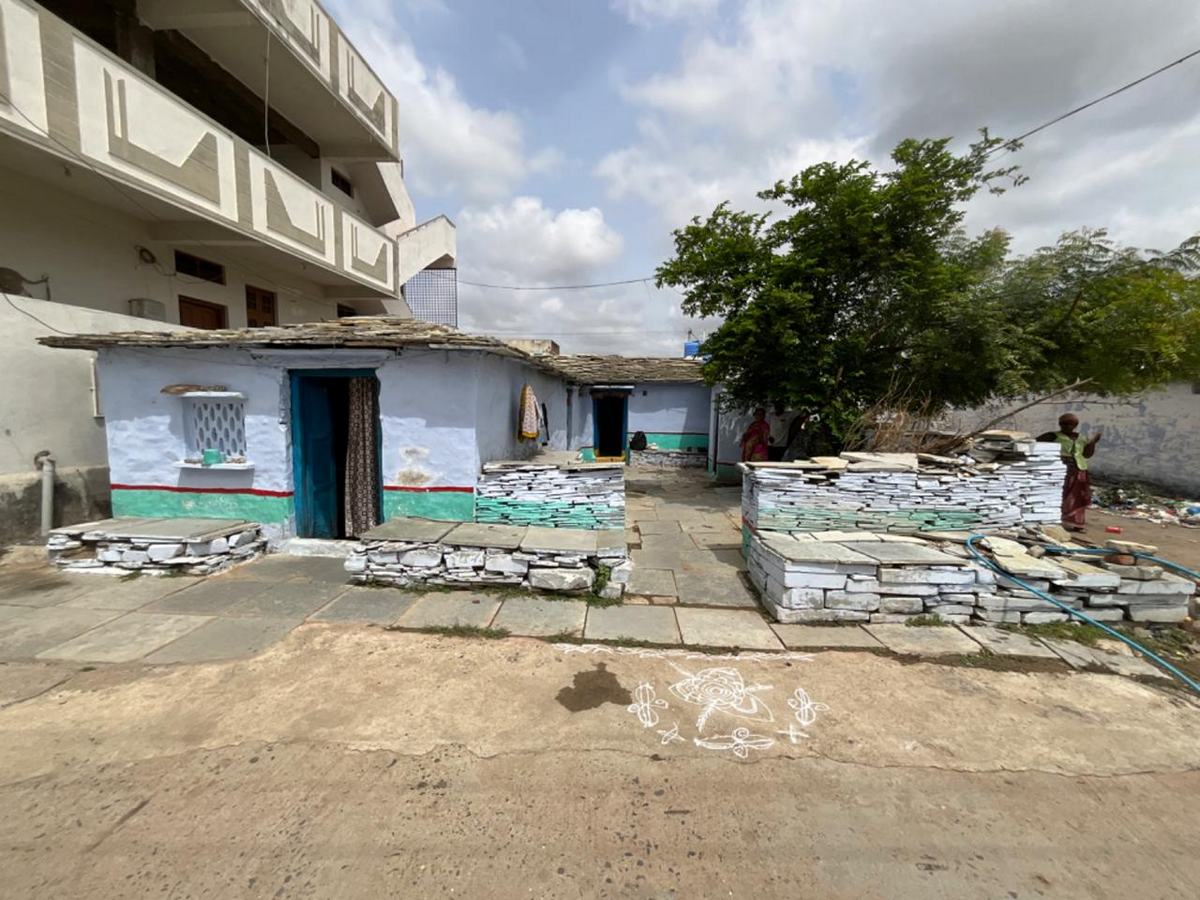
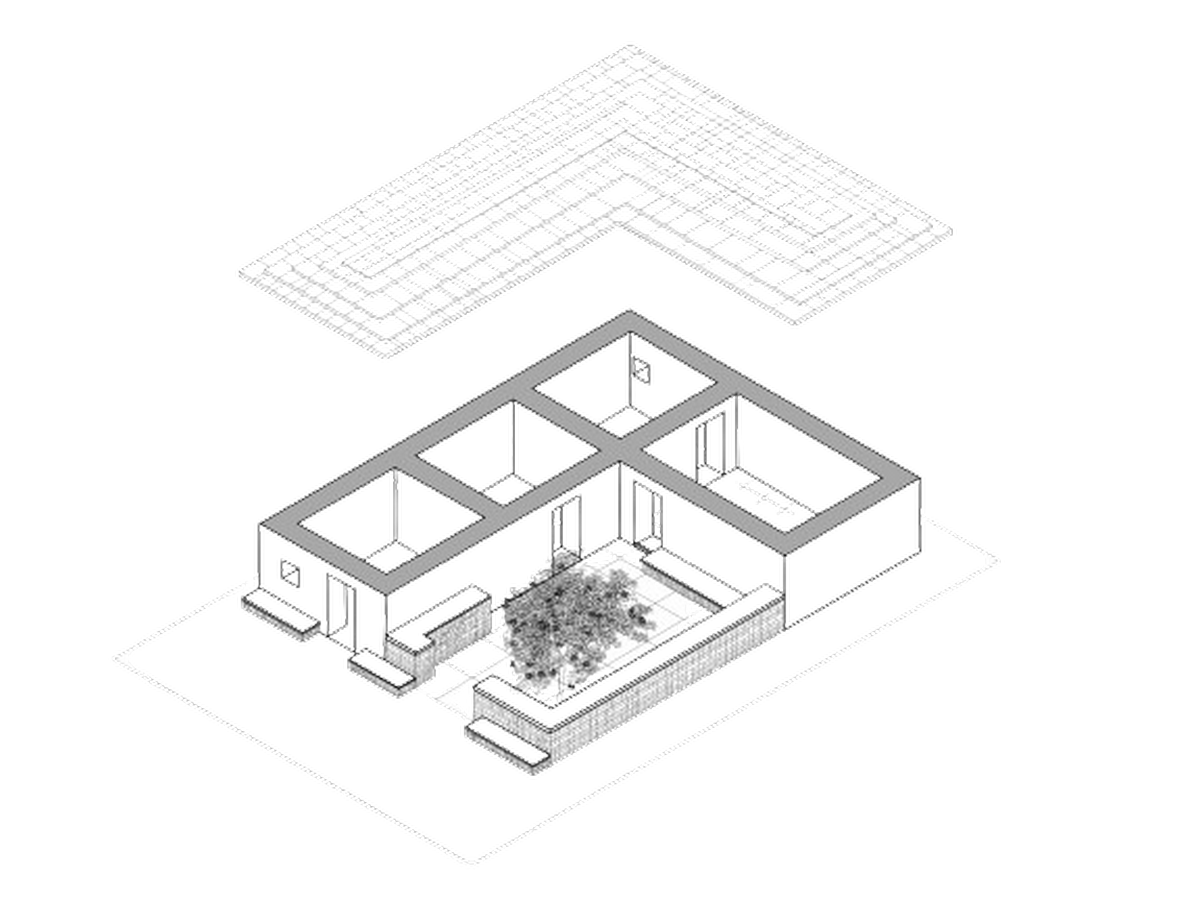
Tandur town in Vikarabad district of Telangana is home to traditional houses completely built with one singular material – LimeStone. The town is known for its famous stone, named after itself, “Tandur stone”. It is mined and processed by the locals and exported to cities where it is mainly used for paving and flooring, but in the town, the traditional houses, from foundation to roof, head to toe, were built with Tandur stone. Even elements such as lintels, roof tiles and chajjas were made of the stone. Newer constructions are done with concrete, substituting for the stone, but houses as old as 50 years were constructed using the local material. Those houses are time capsules of the local knowledge. Their 500 mm thick stone walls, designed to minimise heat absorption, clearly indicate how the semi-arid climatic conditions were responded to.
REFRENCES-
https://science.nasa.gov/mission/voyager/voyager-golden-record-overview/
https://thebetterindia.com/297140/women-queens-built-stepwells-india-architecture-history/
https://kashmirhouseboat.com/blog/history-of-houseboats.html
https://www.starscapes.zone/why-jodhpur-is-called-blue-city/