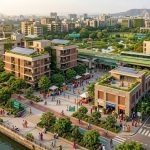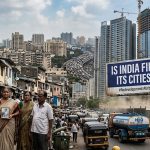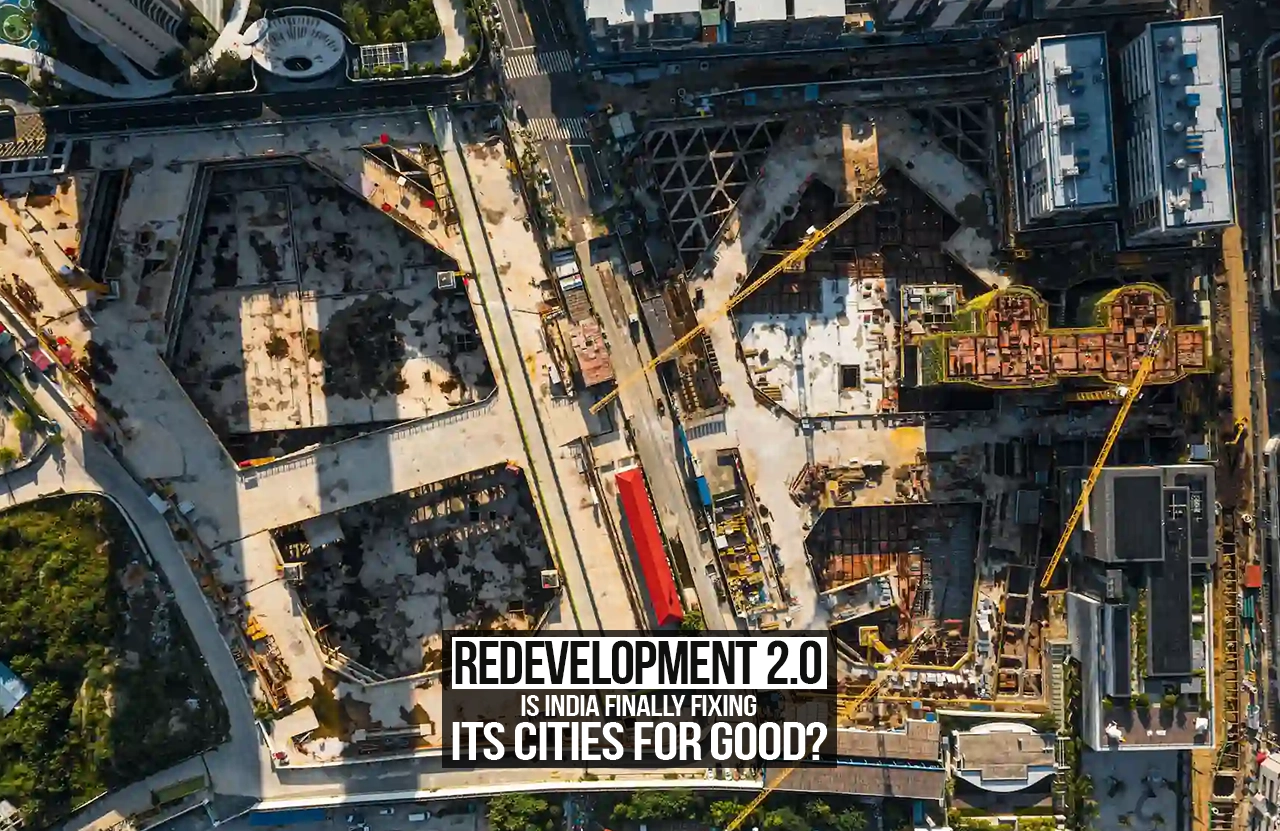
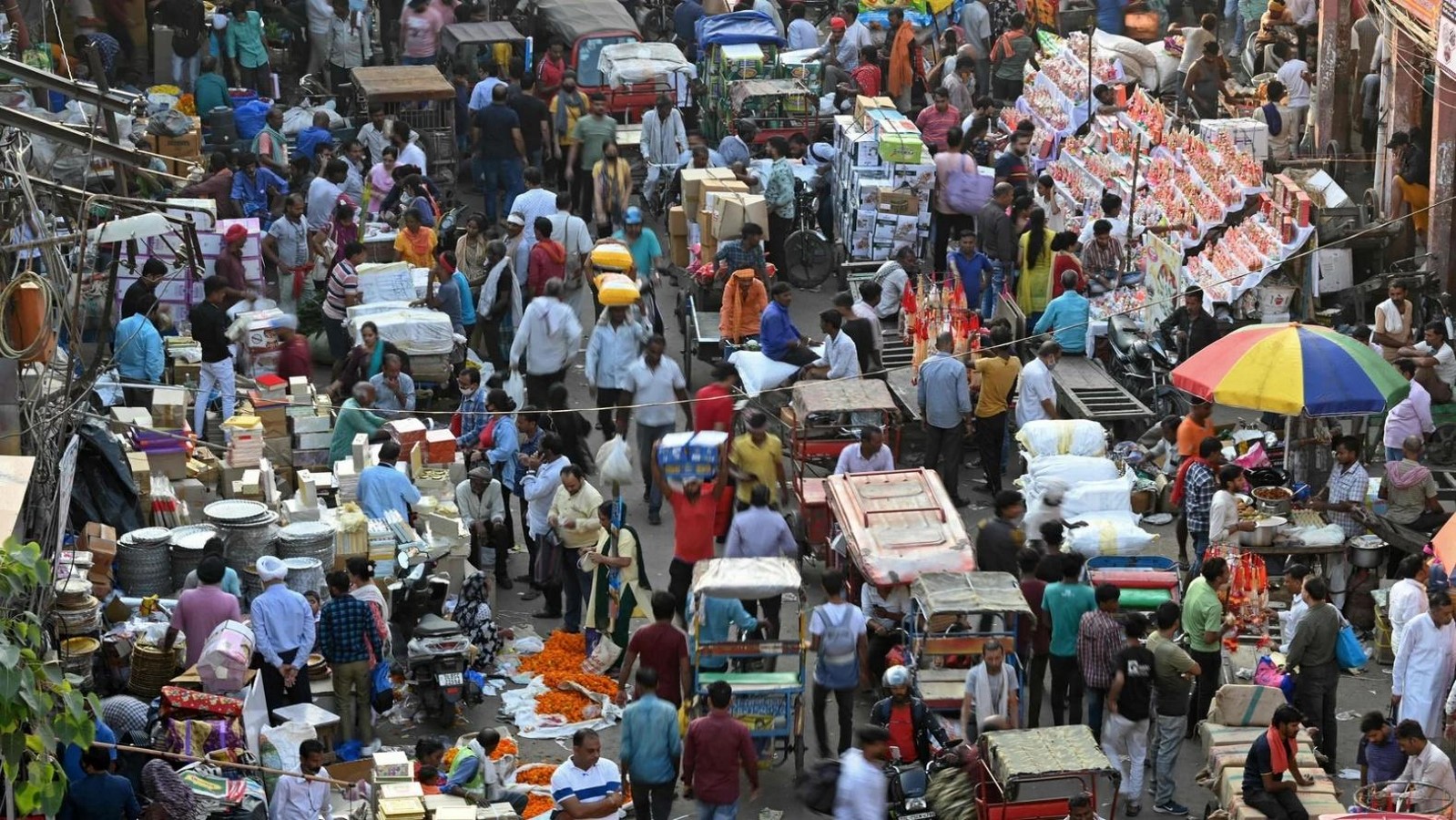
Over the last two decades, India’s population has grown rapidly. As of 2015, approximately 33% of India’s total population resided in cities, and by 2050, more than half of India’s population is expected to live in cities. This causes immense issues in cities like Mumbai and Delhi, like overcrowding, pollution, an increase in slums and squatter settlements, and inadequate infrastructure. The streets of the cities are busier, while buildings are getting older and weaker, and residents’ expectations from a neighbourhood have changed. This reflects the growing pressure on urban infrastructure and living conditions. Cities are changing daily, and the redevelopment is entering a new phase.
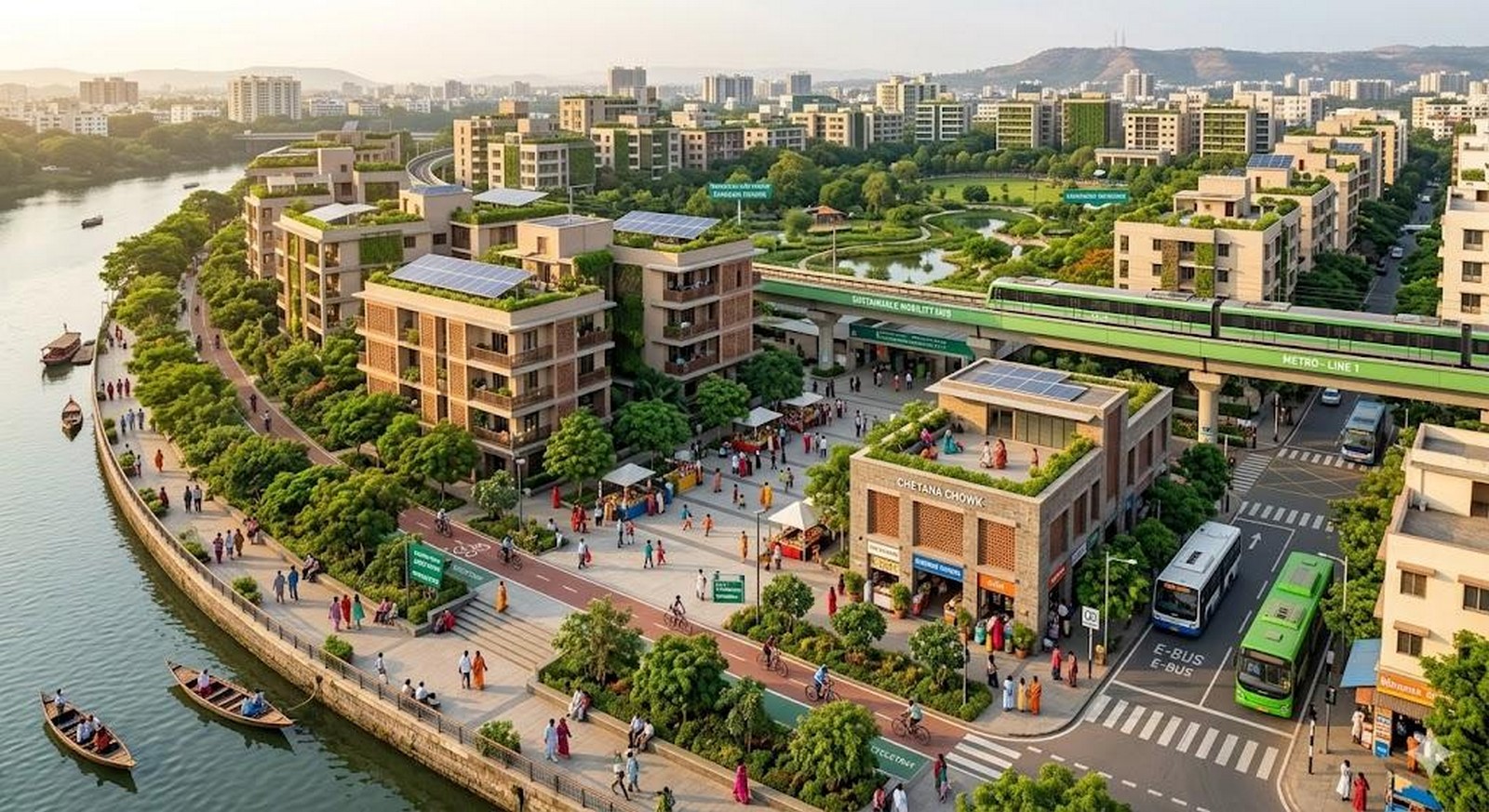
The earlier development of the cities focused largely on physical reconstruction without emphasizing the social and environmental concerns. It lacked a long-term vision. Buildings were replaced when they got old and unsafe, and roads were widened when traffic became uncontrollable, and public spaces were designed one after another without a thoughtful plan. Now, the focus is on an integrated planning with a long-term vision, keeping people, neighbourhood, and sustainability as the core elements, and this planning is what the urban experts call “Redevelopment 2.0”.
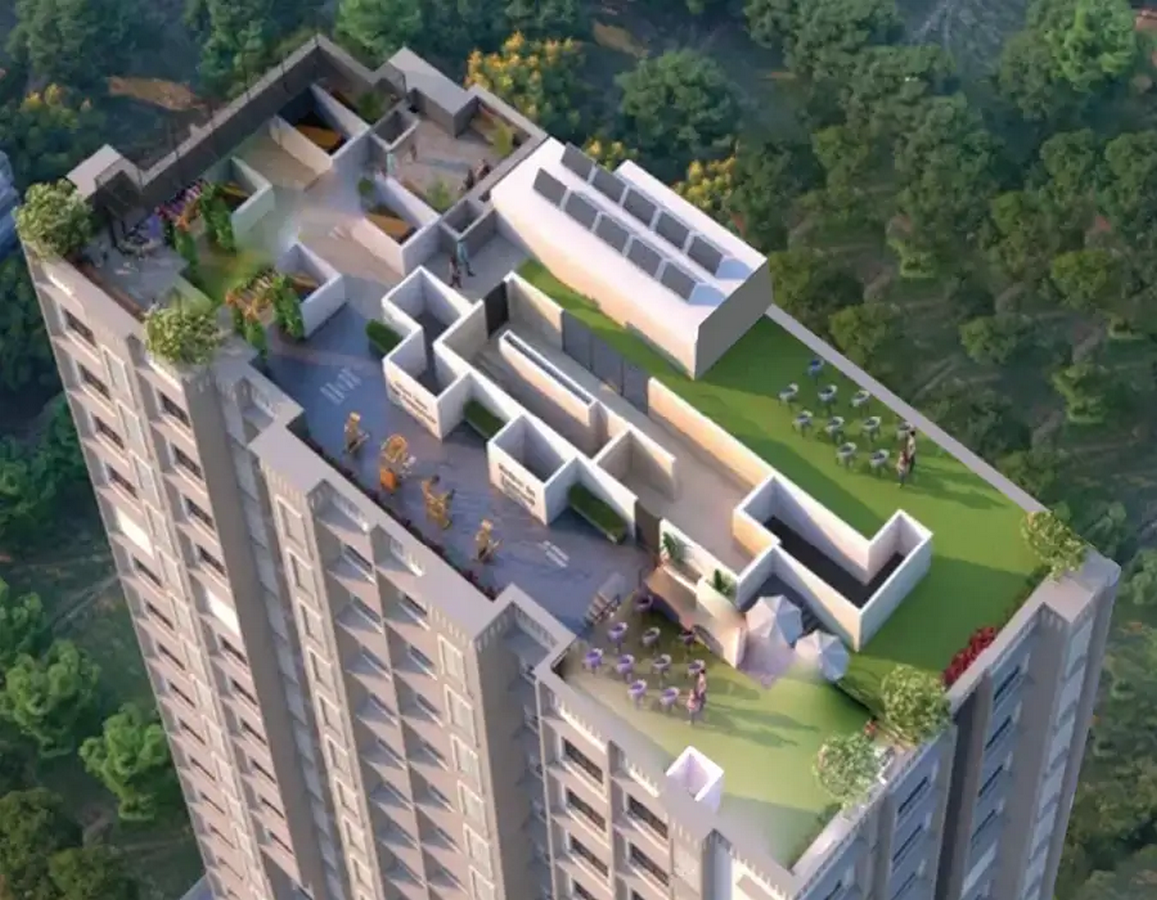
In terms of housing development, in dense cities like Mumbai and Thane, older buildings are unsafe and uncomfortable to live in. The earlier development faced problems like unclear construction schedules, confusion about money or housing compensation, and stress for residents who had to move out of their homes temporarily or permanently. But now, redevelopment is becoming more organized.
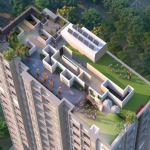
Projects such as SBM Sky in Vartak Nagar and Kuber Heights in Hariom Nagar, Thane, are planned with fixed timelines, schedules, and compensation for residents. Redevelopment 2.0 is gradually shifting from haphazard planning to a more structured and managed transition. Residents feel more secure, and developers can make plans and implement projects with greater accountability. The SBM Sky housing is located near key transport hubs, whereas Kuber Heights incorporates mixed-use planning that reduces the need for daily commuting. One of the exceptional aspects of these housing is its incorporation of sustainable approaches like rainwater harvesting and other energy-saving systems, which is a significant consideration in today’s time. These housing types should be designed in cities where the land is scarce, which caters to a large number of users, is functional to the users because of its location, and at the same time is environmentally friendly.
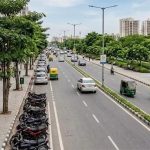
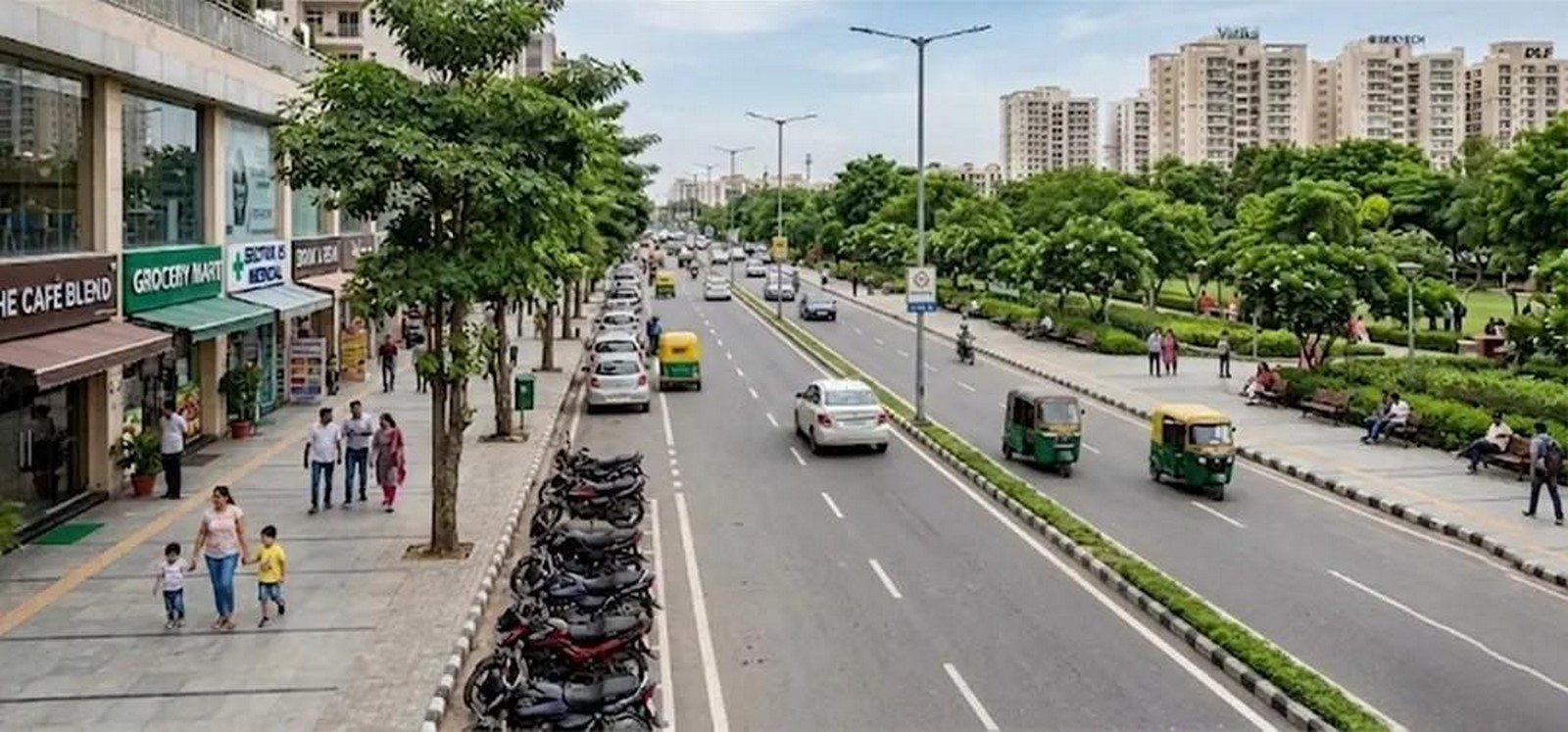
Redevelopment is merely about housing and individual buildings. It focuses on the city development at large with better streets, public realms, and a safe environment. Delhi, for instance, is transforming several of its older bus terminals into an integrated transport hub that improves connectivity between buses, the metro, and pedestrian networks. In dense cities, where there can be no open spaces left, streets can be used as an interactive point. For instance, Gurgaon is redesigning its street that provide a separate lane for cyclists and pedestrians, which is safe and encourages physical well-being. These examples show that redevelopment works successfully when it considers movement, amenities, social interaction, and safety together.
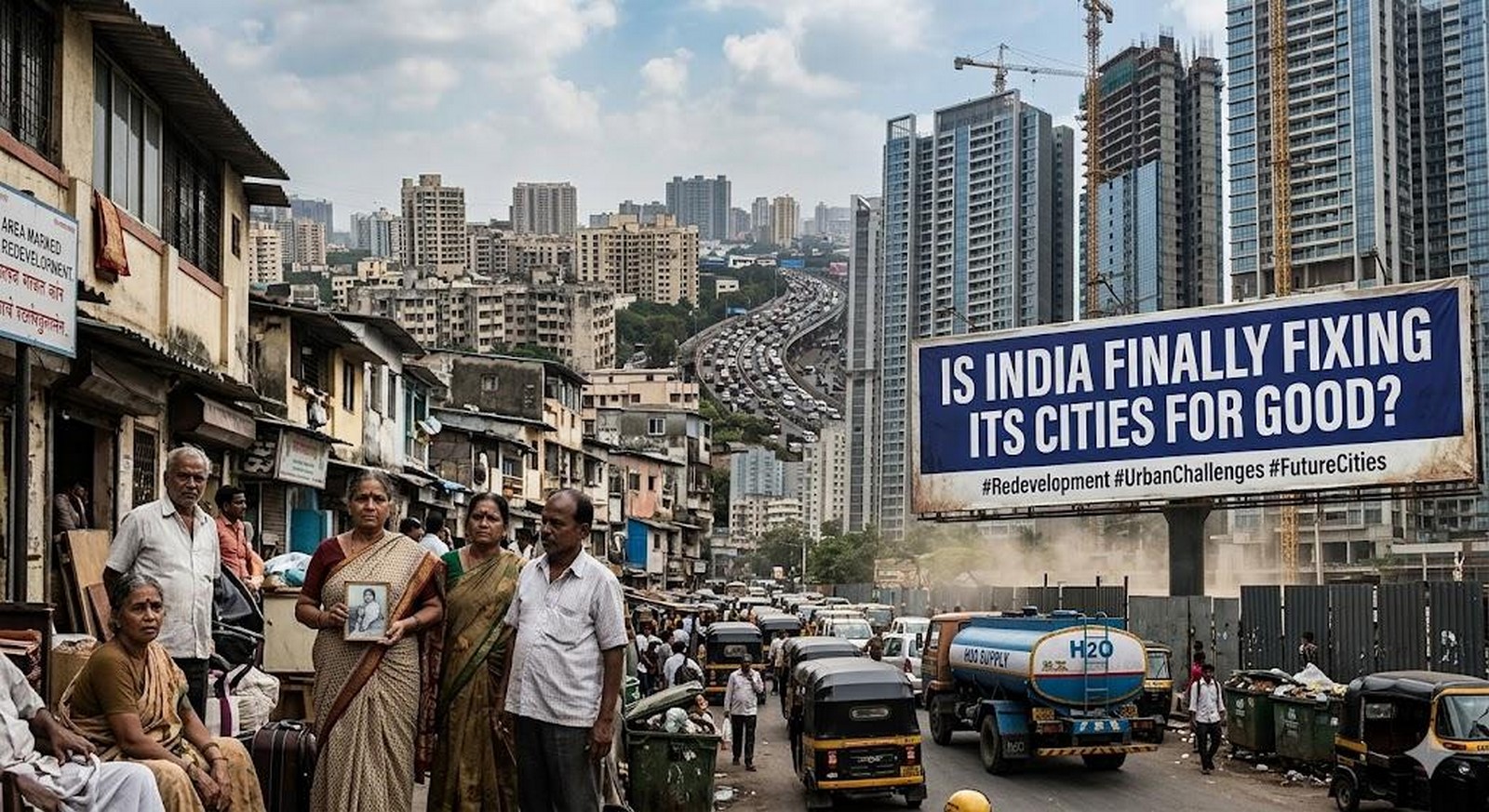
Despite improvements and advancements, redevelopment is still complex. It is still a challenge to execute the planning of better cities where different groups of residents, developers, and the government often have conflicting interests. In older neighbourhoods, the relocation was emotionally difficult for the people, as people do not want to leave familiar surroundings. One of the major issues of redevelopment is financial risks. Developers face high construction costs and funding gaps. If finances fail, the projects can collapse.
The major concern also lies in infrastructure overload. For example, the redevelopment aims for designing high rise buildings that replace the old buildings. But this increases the population density of the same city. The infrastructures, like water supply, sewage, roads, etc., were originally planned for a lower density of population. But now, in redeveloped areas, like Mumbai, due to high demand, they face water shortage, traffic congestion, and sanitation issues in the city. Thus, the infrastructure needs to be upgraded at the same time as building, otherwise, redevelopment can make city problems worse instead of solving them. Redevelopment may also cause class divisions. The developed areas could become less accessible for the lower-income groups and change the social mix of neighbourhoods. So, Is India Finally Fixing its Cities for Good?
The redevelopment of Indian Cities is, however, moving towards more planned and long-term development. To succeed, it should aim for people-centric approaches that create better lifestyles and community well-being rather than being confined to developing individual buildings. The success of this transformation will also depend largely on how consistently policies are implemented and challenges are addressed.
In addition, the need for sustainability is not an option in the world, as it is combating climate change. Sustainable approaches can be designed not just in buildings but also in parks, bus stops, streets, and other urban infrastructure. If these efforts continue effectively, Indian cities have the potential to become livable, resilient, and sustainable in the long run.
Reference:
(2026). Redevelopment 2.0: Why 2026 could be a turning point for Urban Renewal in Indian Cities? The Times of India. Available at: http://timesofindia.indiatimes.com/articleshow/126588671.cms?utm_source=contentofinterest&utm_medium=text&utm_campaign=cppst (Accessed: 23 April 2026).
Agrawal, A. (2025). Redevelopment in Mumbai: Opportunities and Challenges in 2025. Available at: https://constructiontimes.co.in/Redevelopment-in-Mumbai%3A-Opportunities-and-Challenges-in-2025 (Accessed: 23 April 2026).