Buying a new house before selling your current one can seem daunting, but with the right strategies and planning, it’s entirely possible. Whether you’re upgrading to a bigger space, moving to a new city, or looking for a fresh start, buying and selling at the same time can be tricky to navigate. The key is to understand the financial and logistical challenges of timing your home sale and purchase. Below are some key points to consider when making this transition smoothly, without letting the process overwhelm you.
1. The Challenge of Timing the Market
Anyone who’s tried to time the housing market knows it’s rarely a smooth ride. Ideally, you would sell your home and immediately use the proceeds to buy your next one. However, things rarely line up that perfectly. The risk of selling too early or too late is always present.
If you sell your home first, you may find yourself scrambling to find temporary accommodation.
You might have to rent a small apartment or even move back in with your family. Or worse, you could end up buying a new home that doesn’t fully meet your needs just because it’s available and you need a place to live. On the flip side, buying a home before selling your current one means you may find yourself paying for two mortgages. This situation can be financially taxing and stressful, especially if your current home doesn’t sell as quickly as anticipated.
While it’s not easy to predict the twists and turns of the housing market, it’s important to be prepared for either scenario. Understanding your options before you make a decision will ensure you’re not left struggling to keep up with payments or dealing with unwanted housing situations.
2. The Financial Hurdles: Bank Rules and Equity
Banks have specific rules when it comes to approving loans for homebuyers, and these rules can make buying a home before selling your current one a bit more complicated. There are two major financial factors that lenders consider:
Trapped Equity
When you’ve owned your home for a few years, you’ve likely built up some equity. However, the equity in your home is tied up and inaccessible until you sell your home. This is particularly frustrating if you need those funds for the down payment on your new home. Unfortunately, banks generally won’t let you access your home’s equity until after the sale is complete, which can slow down your ability to move forward with purchasing a new property.
Debt-to-Income Ratio
Lenders will also assess your debt-to-income (DTI) ratio, which measures your monthly debt payments in relation to your income. When buying a new home, lenders assume you will pay both your current and new mortgages simultaneously, which can significantly affect your DTI ratio. If your income can’t cover both, you may be denied the loan. Even if you have a sizable down payment, if your DTI ratio doesn’t align with the lender’s criteria, you could face roadblocks in securing a mortgage for the new property.
3. Key Options for Financing Your New Home
To successfully buy a new home before selling your current one, you’ll need to consider a few financial options to bridge the gap. Here are a few strategies that could make this process more manageable:
Bridge Loans
Bridge loans are short-term loans that can help you secure the funds needed for a down payment on your new home while you wait for your old one to sell. They let you access your current home’s equity right away, which can be crucial for making an offer on your new home. The drawback, however, is that bridge loans tend to come with higher interest rates and fees, so it’s important to weigh the loan’s costs against the urgency of your situation.
Home Equity Line of Credit (HELOC)
A Home Equity Line of Credit (HELOC) allows you to borrow against the equity in your current home. This is an attractive option if you don’t want to deal with the high interest rates of bridge loans. However, you’ll still be responsible for both your existing mortgage and your new one, so your finances will need to be in good shape to avoid being overwhelmed by two payments. A HELOC can be a good option if you are confident your home will sell quickly.
Renting Out Your Current Home
If you’re open to becoming a landlord, renting out your current home could provide an additional source of income to help cover your new mortgage. Renting out your old house could also help increase your DTI ratio, as your lender may consider rental income when determining your loan eligibility. That said, becoming a landlord comes with its own responsibilities, including property maintenance, tenant management, and handling late rent payments. If you’re ready for these tasks, this could be a viable option to help you buy a new home before selling your current one.
Buying a New Build
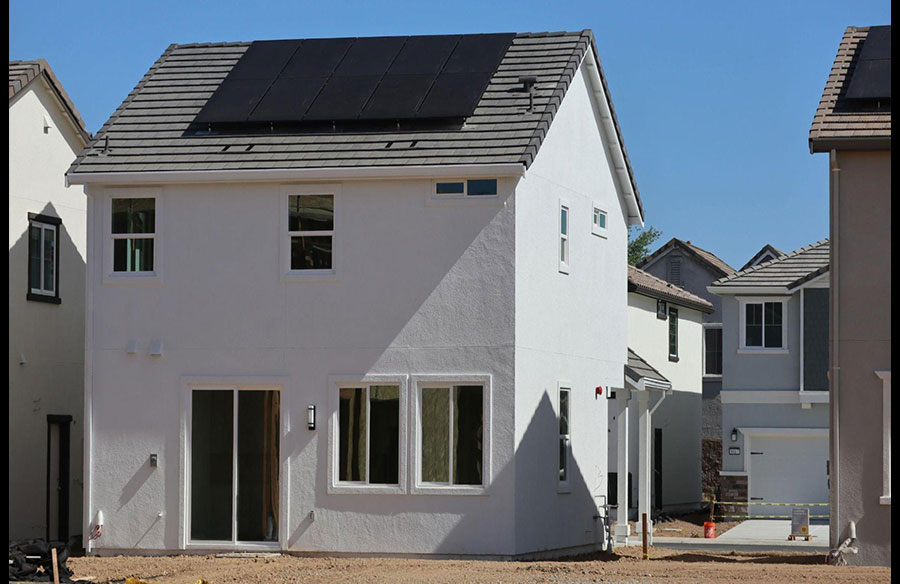
If you’re looking for an easy solution to avoid the rush of selling your home quickly, buying a new build might be the answer. Pre-construction homes often require only a deposit up front, and you won’t start paying your mortgage until the house is completed. This gives you plenty of time to sell your existing home without the pressure of finding a new place to live immediately. While construction delays are common and could throw off your timeline, buying a new build can give you the breathing room you need to make your move.
4. Location Matters: Larger Cities vs. Smaller Towns
When purchasing a new home, location is crucial. In large cities like Toronto or Vancouver, the housing market can be competitive and fast-paced, making it difficult to time your purchase and sale. These areas tend to have higher property prices, which can limit your options if you’re trying to manage multiple mortgage payments at once.
However, there are also smaller cities and suburban areas that might offer more flexibility and a less stressful market. For example, cities like Calgary and Edmonton offer a more balanced real estate market, with options for new homes at more affordable price points. Similarly, smaller cities like Airdrie, located just outside of Calgary, offer new homes in Airdrie that can be a perfect fit for families looking for more space and a slower-paced lifestyle. These areas often provide more room for negotiation, giving you more control over the timing of your move.
Choosing the right location can make a significant difference in how smoothly you can transition from one home to another. Whether you’re eyeing a bustling metropolitan area or a quieter suburb, it’s important to plan and consider both the local housing market and your financial situation.
5. The Final Word: Planning Ahead is Key
Successfully buying a new home before selling your current one is all about preparation. You’ll need to assess your financial health, understand the available options, and weigh the pros and cons of each strategy. Whether you choose a bridge loan, a HELOC, or rent out your current home, the key is to have a clear plan in place before diving into the process.
By planning, working with a knowledgeable mortgage broker, and carefully considering your options, you can navigate this complex process without losing sleep. Whether you’re exploring the market for new homes in Airdrie or other locations, the right financial moves will help you secure the home of your dreams without the stress of managing two properties at once.
Take the time to evaluate your options, and you’ll find that buying your next home before selling your current one can be a seamless and exciting experience.