What does it take to design in space? Sci-Fi, as a media genre, gives most people an idea of what architecture could look like in these harsh terrains. However, some of these representations are more plausible than others. From a realistic standpoint, many things people use here on Earth are overlooked when it comes to extraterrestrial design. The following three space-themed projects can explain what it truly means to design for harsh environments and what its impact can reveal about architecture on Earth.
Resources
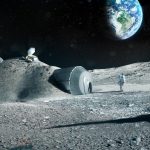
To start, Foster + Partners is one firm researching 3D printing for potentially building habitats on both the moon and Mars. This is a common construction method for extraterrestrial design because it is easier to transport to space than the materials themselves. Sometimes, transporting materials for construction projects on Earth can be tricky, but 3D printing can be a solution to some of these new constraints. For this design, robots will be sent to space to begin construction first, before the astronauts come to finish it. Using a natural resource, such as lunar or martian soil, can benefit the habitat in the long run.
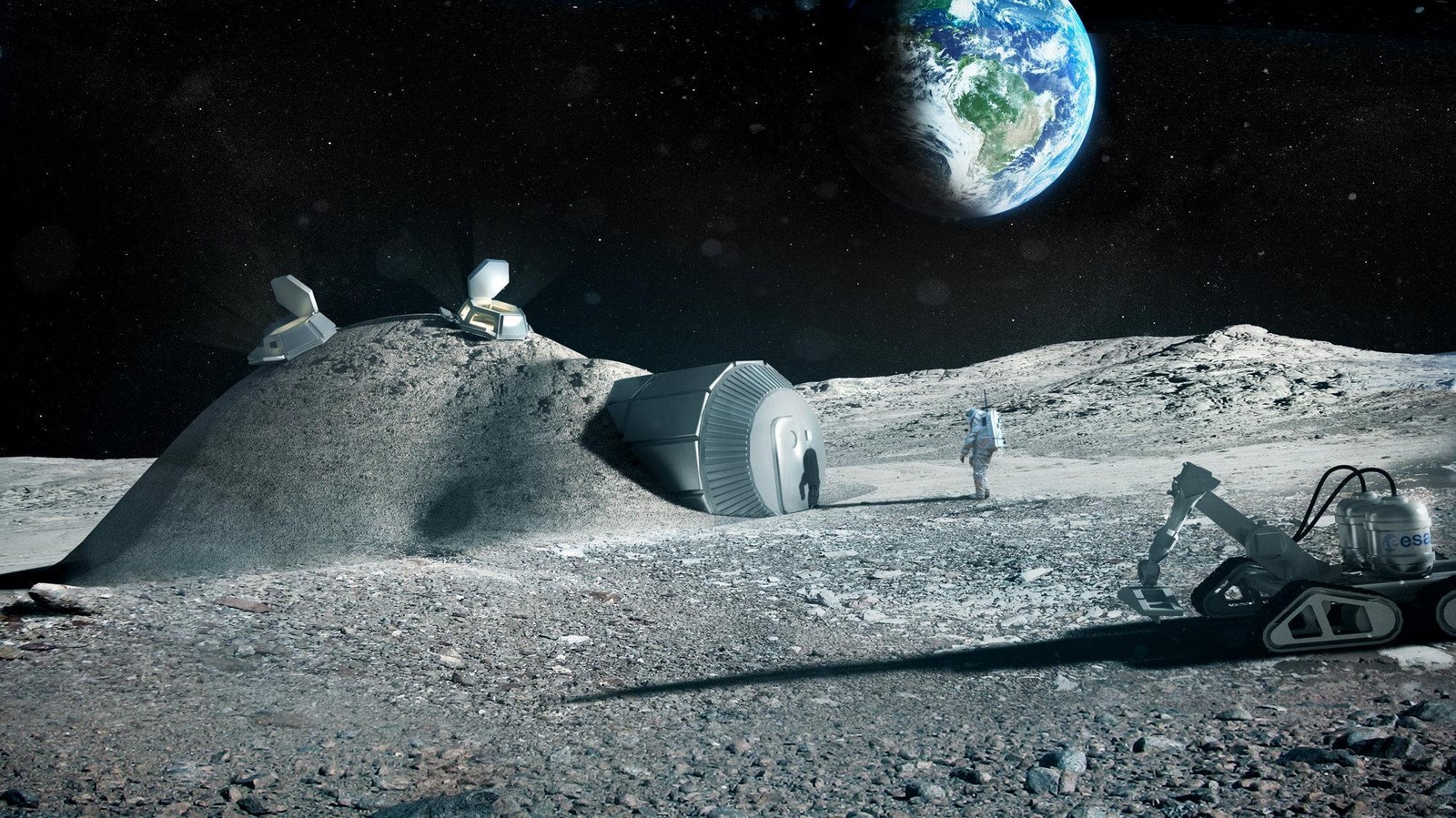
Here on Earth, there are already limited natural resources. If the careful consideration of materials in extraterrestrial design is applied to Earth, architectural designs may become more sustainable. Early natural habitats and shelters were made from the Earth. Practices before the Industrial Revolution were more eco-friendly. Today, architects have access to a wide range of materials and construction methods, even those that aren’t local or native to a design project. But it’s not possible to ship some of those materials to space; it makes more sense to use the available material, which is lunar or martian soil. Much like on Earth, it’s more logical to use local materials and avoid wasting carbon emissions on transporting them.
Spatial Flexibility
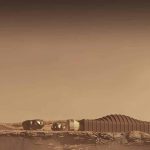
Another example of extraterrestrial design comes from BIG’s collaboration with NASA on Mars Dune Alpha. It functions as a habitat research project. The purpose is to aid long-term missions and to study the physical and behavioural effects on participants. This project is actually built within the Johnson Space Center in Houston, Texas. However, the effects of studying this Mars-like habitat simulation will greatly benefit future space mission research. This structure includes private quarters, shared living spaces, and more practical areas such as work, food production, and medical care. Within these regions, the designers consider the reality of living in space: people will inhabit the same areas day after day, which could get tiring.
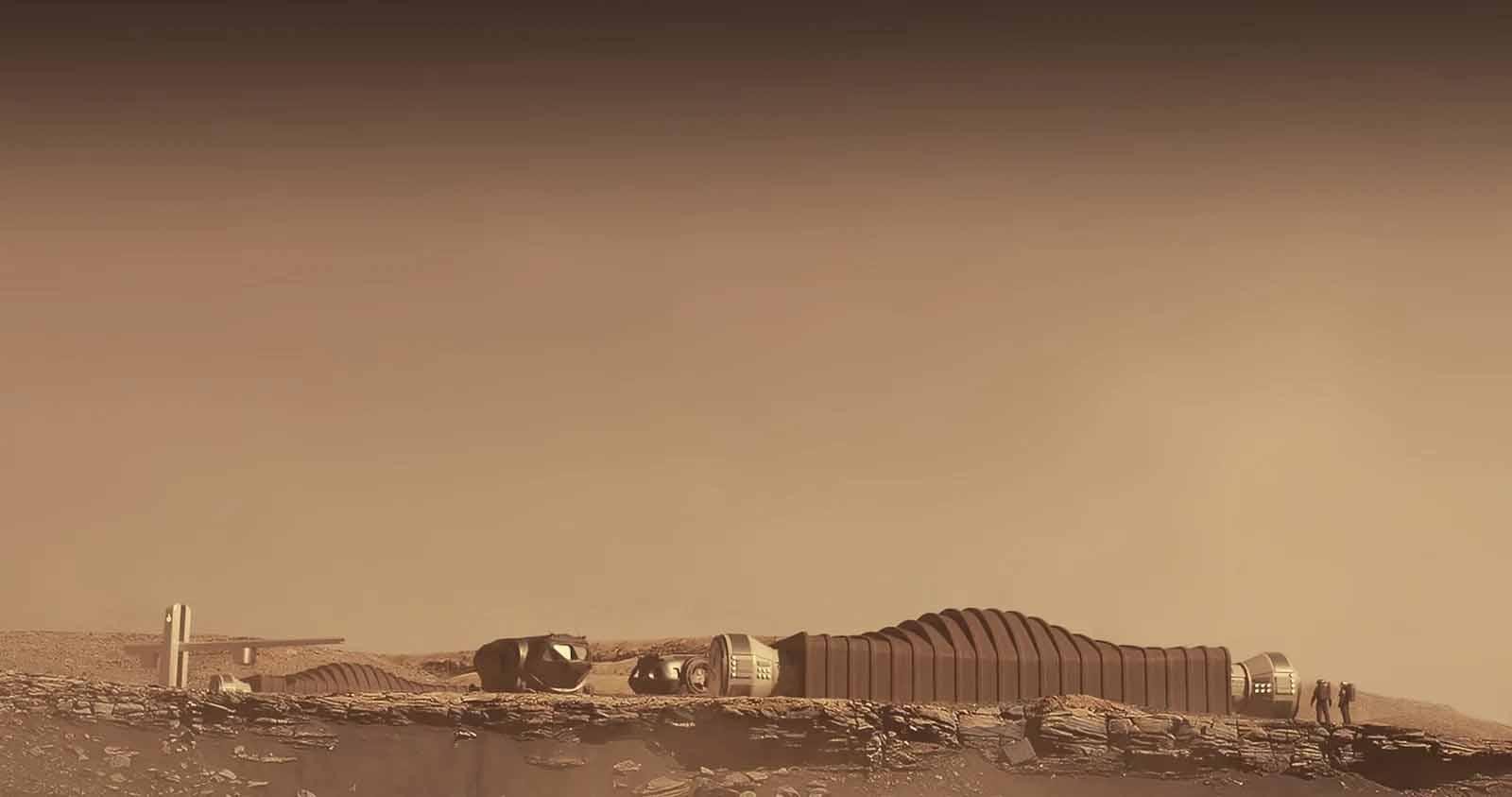
Something as seemingly small as ceiling heights being varied as well as moveable furniture in the Mars Dune Alpha project are thought to make a huge difference in the crewmember’s well-being. If this is important in extraterrestrial design, then shouldn’t architects make sure that they avoid sameness and rigidity in their designs on Earth? Humans need a change in scenery. They need flexibility in their day-to-day lives, in both their routines and surroundings. This becomes especially relevant in a post-pandemic world where many jobs are remote, and people don’t have to leave their homes for work. Architects need to design for a world that is more spatially flexible, allowing people to change their spaces as they see fit.
Human Needs
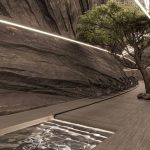
Lastly, Makhno Studio has designed a settlement on Mars called Plan C that provides all human necessities, from leisure to health. The torus shape is referred to as a “protective bagel,” located within a crater to block against sandstorms and solar radiation. Like many space architecture projects, it will first need to be built with 3D printers for the exterior walls, rather than by humans. It also includes spherical greenhouses that can provide oxygen, grow food, and even power the lights.
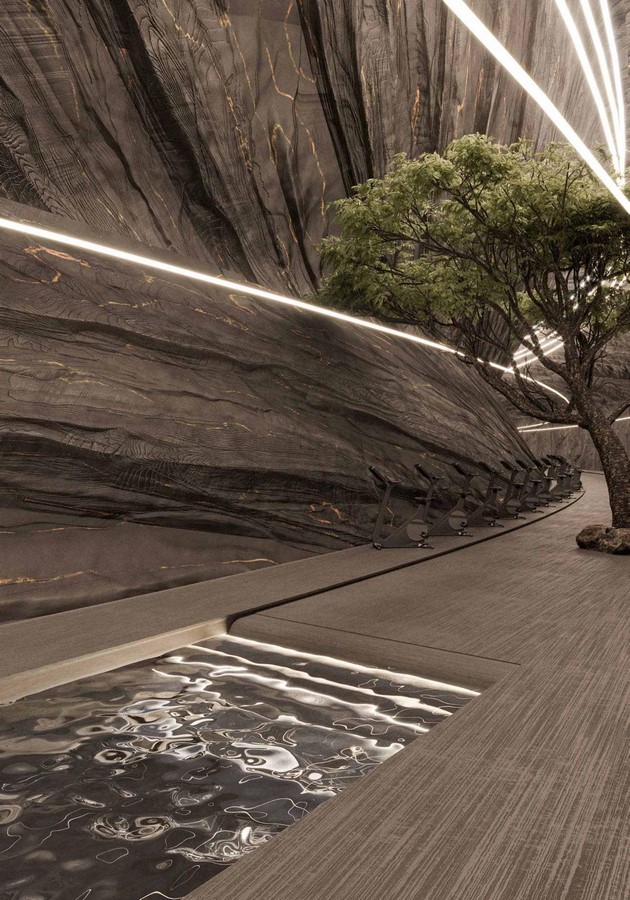
Although human needs go beyond food and air, regarding extraterrestrial design, it’s easy to remember the most important things these harsh environments lack. But what about the other basics of socialisation, or leisure? For example, exercise is another important factor. It can be a great way to relieve stress and stay in good physical shape. But on another planet like Mars with low gravity, it’s especially important to help the body with muscle atrophy. While not the case in every country on Earth, in many cultures, work is heavily prioritised over regular movement. If people in space can make time for exercise or leisure, then designers should emphasise those things on Earth. When architects design for movement and socialisation, users may be more likely to engage with it.
Extraterrestrial Design’s Impact on Earth
There are many more connections to design on Earth that could be made as people continue to dream about building habitats in space. As technological advancements improve, more research can provide even greater insight into this fascinating topic. But let’s not forget where it began, here on this planet. While it may be fun to dream of extraterrestrial design, let’s take that motivation and use it right now. Earth is everyone’s current home. Applying some of these principles of space architecture to Earth design today will create a better and more sustainable future.