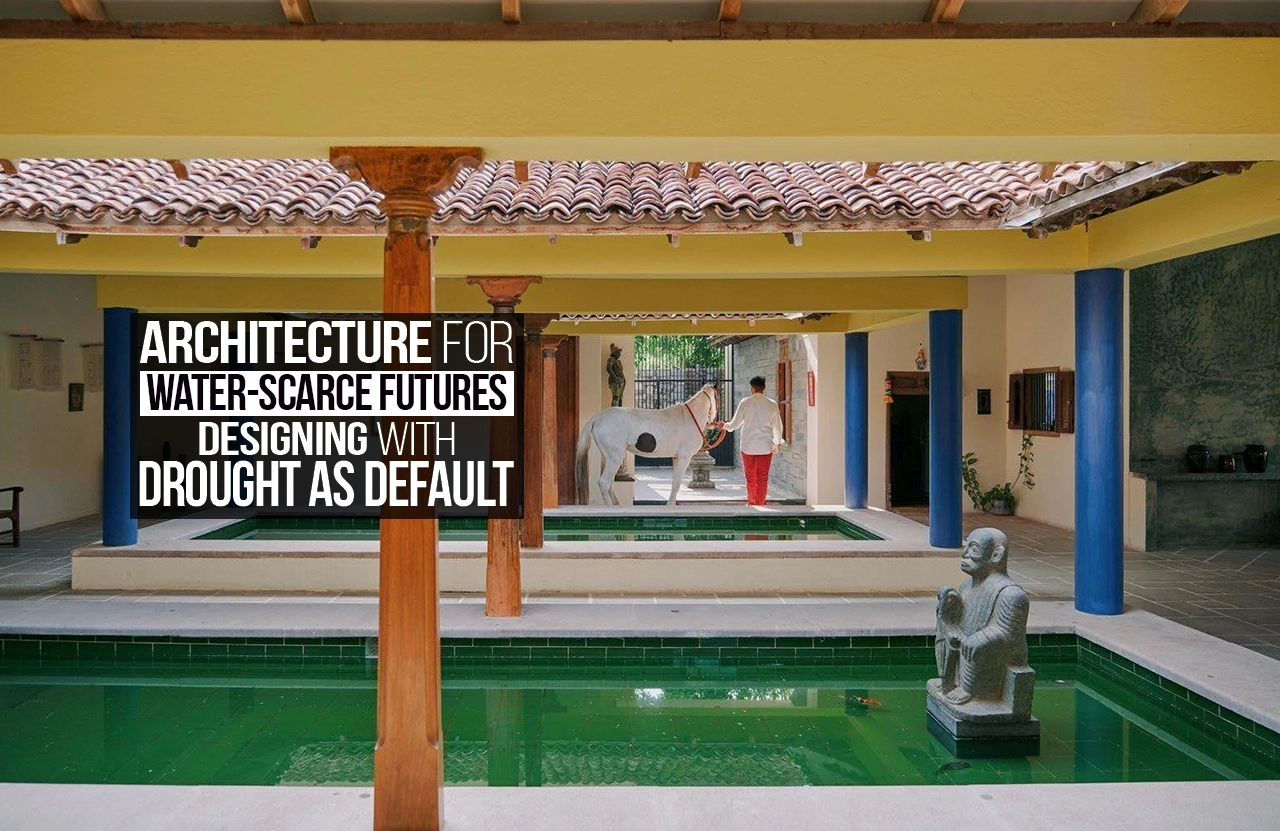
Architecture has taken a turnabout from reacting to disaster resilience to actively participating in developing one. Water scarcity is an emerging climatic condition that requires drought-responsive thinking. Designing with drought resilience parameters makes the building efficient and eco-sensitive. It involves integrating rainwater harvesting, greywater recycling, and decentralised water storage into the spatial service core of the building.
Reimagining Water as a Design Feature
Reimagining water as a key to spread awareness about drought resilience. Instead of incorporating ornamented water features, all the concealed utilities, filtration zones, roofs, landscape, and open spaces should be developed in a way that stores water and hence acts as an architectural element. In a water-scarce environment, every drop is a valuable asset, and working along with an approach of storage, reuse, and conservation builds sustainability and an efficient cycle.
Conservation Strategies for Drought Resilient Architecture
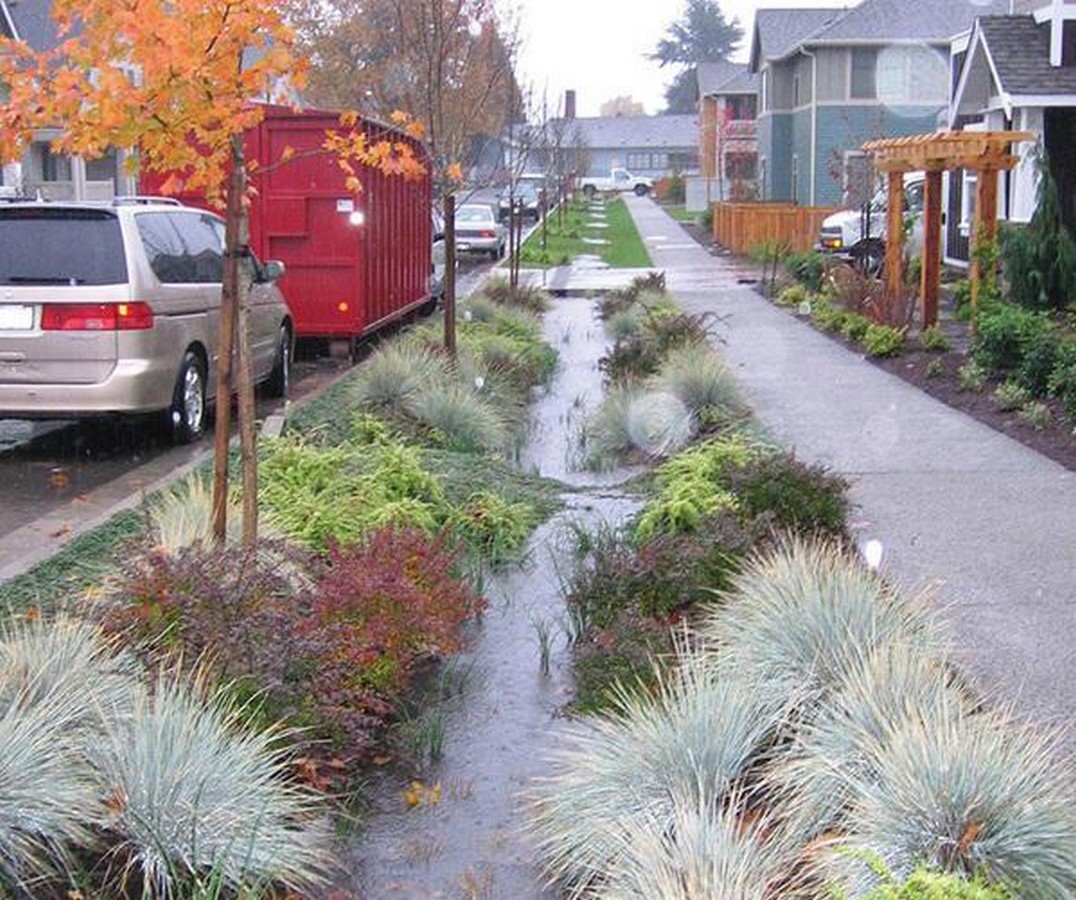
Planning on a water-sensitive site begins with an understanding of natural hydrology. Embedding natural contours with the cutting and filling method, soil permeability, and ensuring groundwater level in a manner that it percolates the water rather than wipes it off.
Passive cooling also has a large impact in reducing water dependency in drought-prone areas. To reduce water-intensive cooling, these passive strategies work conjunctively with drought-resilient architecture. Integrating courtyard with microclimate, thermal mass material insulation, deep overhangs, and orientation minimises a variety of water-based cooling techniques.
Materials that impart a low water footprint. Locally available materials such as stone, rammed earth, compressed earth blocks, and reeds should be taken into consideration while implementing a drought-resilient design. The rest of the techniques involve modular plumbing, adaptive infrastructure, greywater recycling, and multi-functional water elements in the landscape that not only reduce the water intake but also build a relationship between the built form and site to sustain themselves over time.
Design, Drought, Default
Designing with Drought as Default. Why integrate drought-resilient strategies on an occasional basis when they can be applied as a baseline condition? The catchword of a design process, ‘Form follows function’, should often be rephrased as ‘Form follows water logic’, which describes the correlation of a building form responding to the water flow. Drought-resilient architecture solely depends on the seasonal changes that require time-based thinking for a space responding to a Dry vs monsoon cycle, temporary water accumulation, and adaptive landscape features.
Community Engagement: Urban Water Management
Not treating ommunity engagementc and drought resilience as separate themes, instead combining them for a jump start towards participatory conservation. Building drought-resilient architecture is not enough to work on water scarcity until the community participates in conserving, understanding, and valuing the water resources. Developing social spaces around water will enlighten people about water scarcity and perhaps encourage them to reduce isolated consumption and start shared water conservation.
Drought resilience depends heavily on habits. Where architecture encourages responsible usage, there must be spaces designed that act as a learning system. Multiple workshops on water conservation, demonstrations on water harvesting techniques, and statistics of water usage throughout the community strengthen them to respond better to drought.
Drought Responsive Spatial Planning
Placing water systems around the site is one of the key factors, and organising spaces in a way that responds to a water-scarce environment is another. Planning that reflects a spatial narrative about drought resilience by connecting network, usage, and conservation.
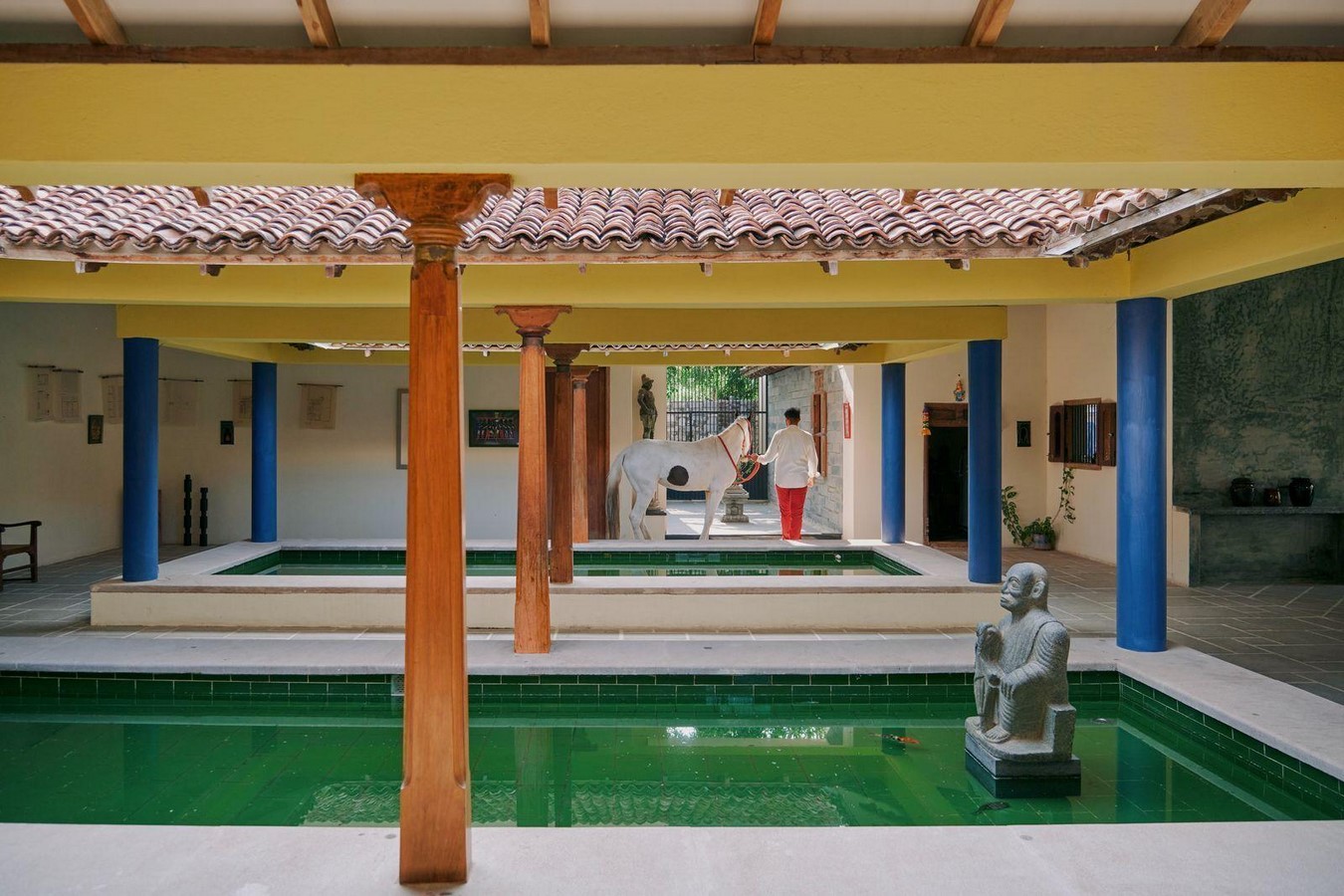
Performing water-based zoning prior to functional zoning by identifying the range of water usage zones from high to low. Placing of building blocks should be done in a cluster manner, with each block having its own water harvesting system and recycling loop. Another way to implement drought-responsive planning is by developing microclimates through open courts and plazas. Arranging built form to reduce heat and water demand can be achieved by positioning clusters in a compact way, such that it leaves a space for an open courtyard to impart passive cooling. Drought resilience architecture rearranges the site as a water-sensitive system where water is positioned according to the requirements of a space.
Adaptive Reuse of Water Systems
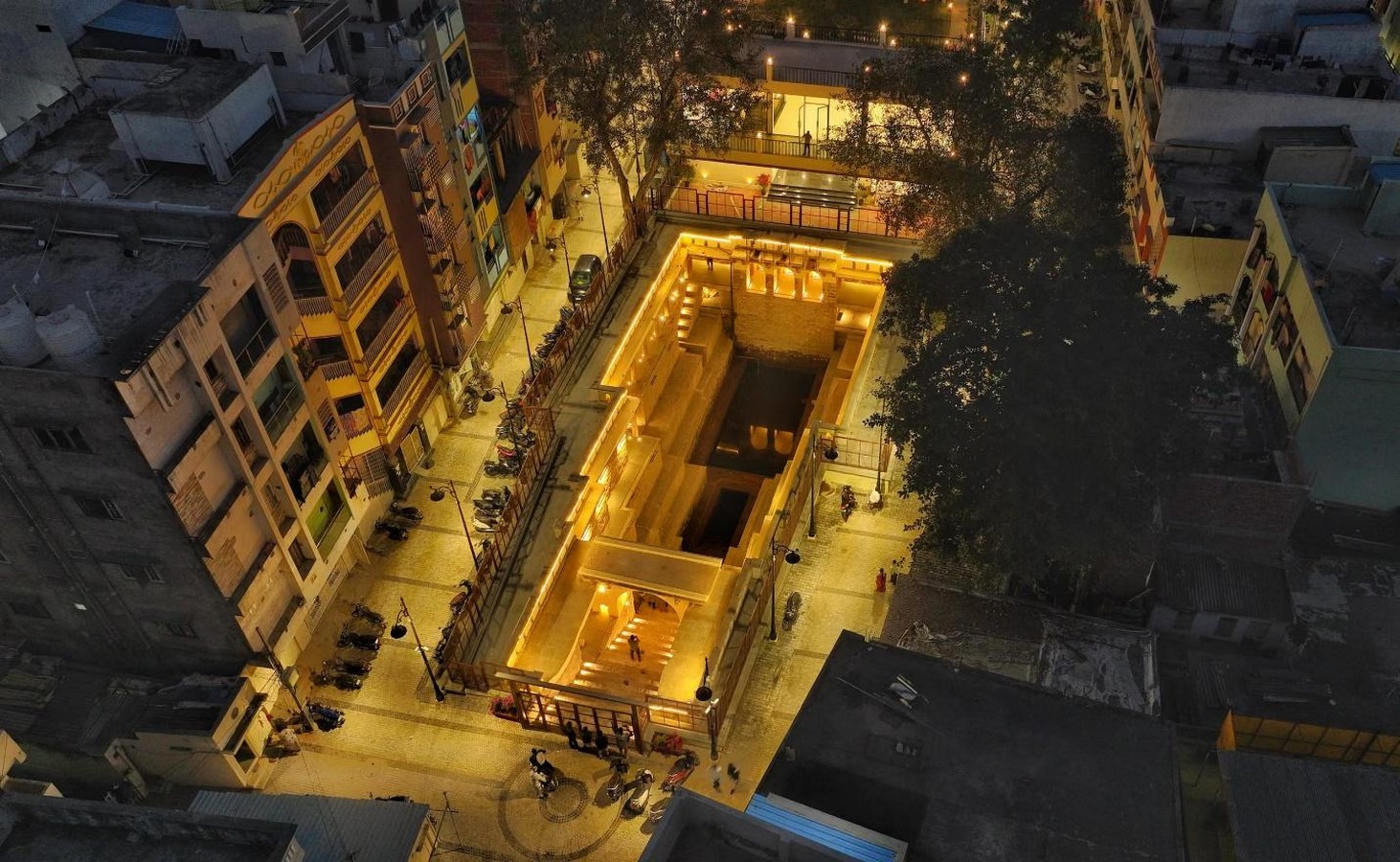
Adaptive reuse of water system refers to the regeneration of neglected water infrastructure into an active functional system that responds to drought resilient architecture. There exist water systems that were once utilised assets. Instead of abandoning water features like stepwells, old drainage channels, unused tanks, and canal edges, these can be integrated into the spatial network serving water and waste management.
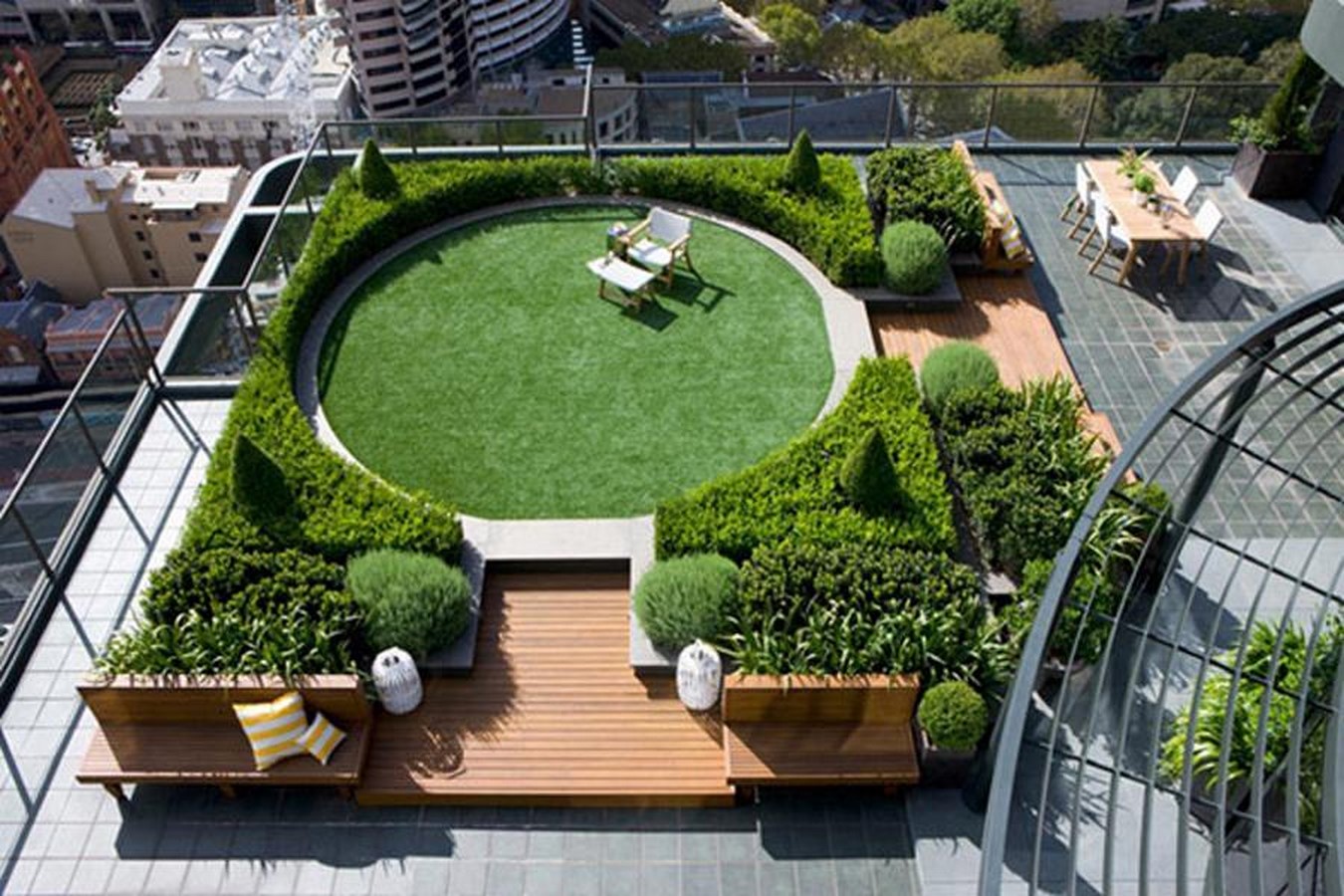
Existing paved hardscape should be composed of permeable materials to channelize groundwater regularly, building with underutilised basements can be converted into water storage tanks, and the green roof system can be incorporated for smart layering. Adapting efficient water features makes the building more productive and sustainable.
Drought is no longer an occasional crisis and has to be dealt with by adapting active agents for storage, conservation, and recharge.