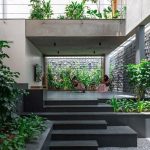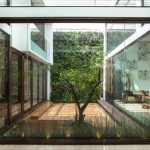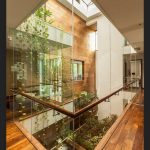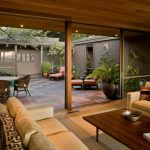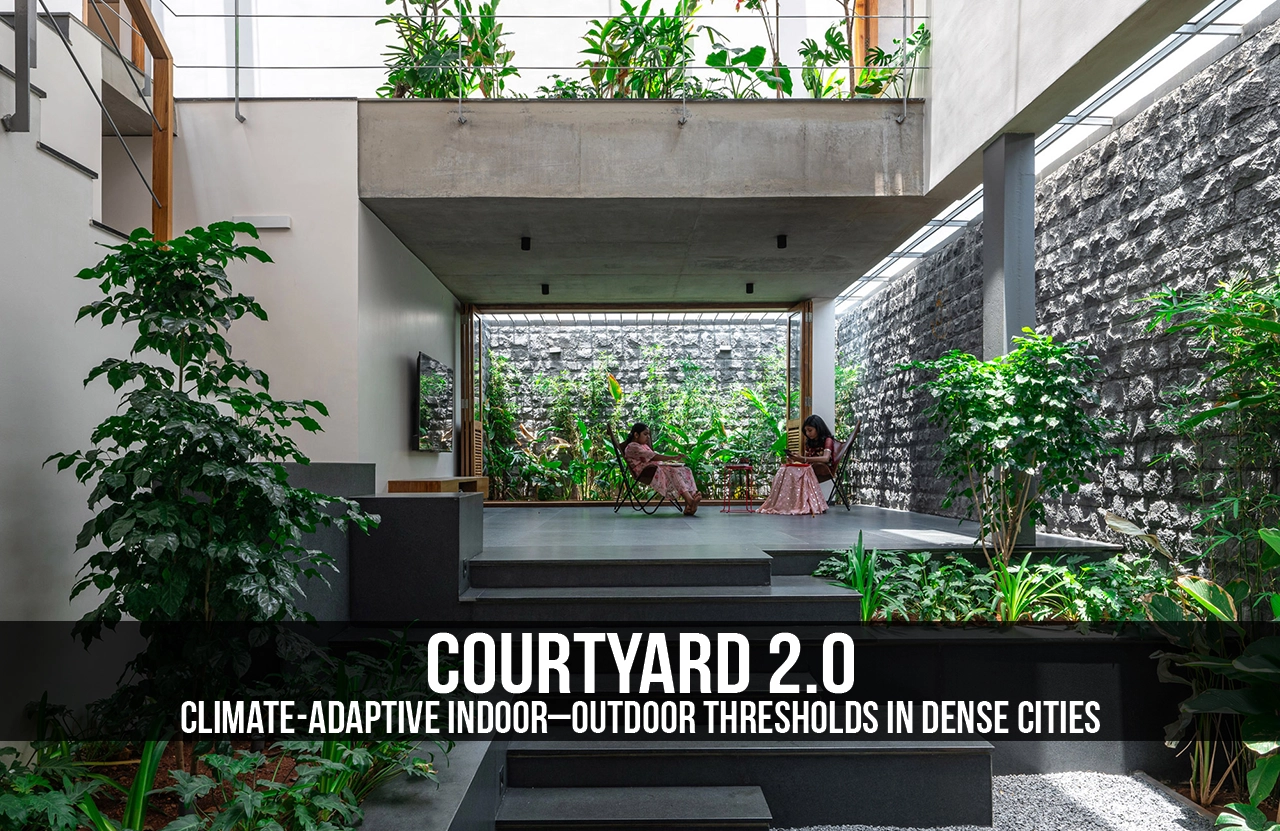
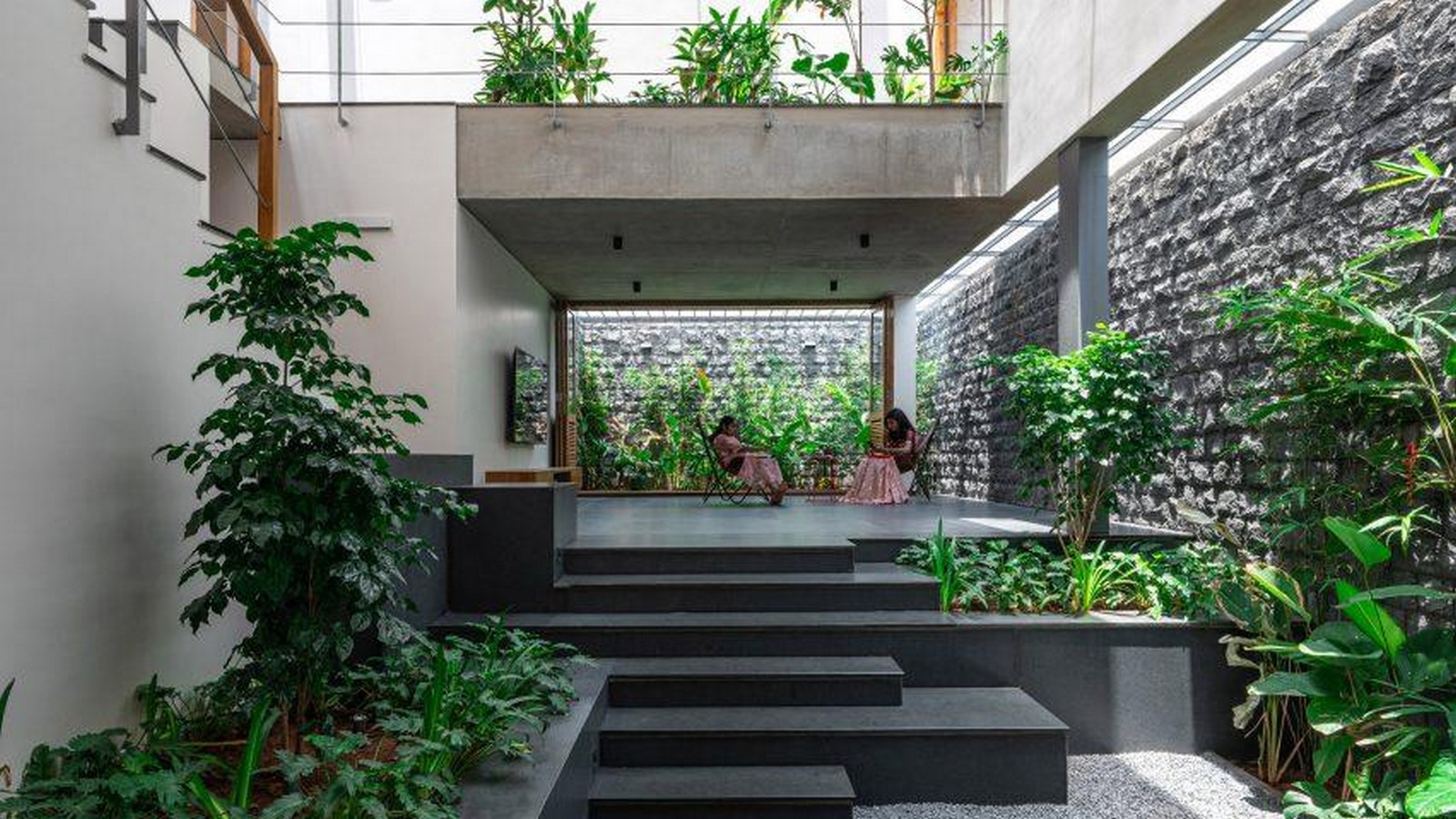
As urbanisation continues to intensify on a global scale, dense urban areas face a range of environmental challenges, such as urban heat islands, deteriorating air quality, and reduced access to open spaces. Traditional architectural components, such as courtyards, provide valuable insights into climate responsiveness, social interaction, and spatial flexibility. This article aims to critically discuss the resurgence and evolution of courtyards as “Courtyard 2.0,” a responsive indoor-outdoor interface for dense urban areas. Through a critical evaluation of climatic performance, socio-cultural relevance, and spatial innovation, this article aims to demonstrate how courtyards can be conceived as a dynamic, multi-scaling system to interface between architecture and environment. This article will draw on various precedents, theories, and recent architectural practices to position courtyards as a critical component in addressing sustainability, resilience, and people-centred design in dense urban areas.
-
Introduction: Reclaiming Space in Dense Cities
The high rate of growth in densely populated cities has significantly transformed the relationship between architecture, environment, and human experiences. This is further compounded by land scarcity, where vertical growth has replaced horizontal growth, sacrificing open spaces, ventilation, and climatic comfort (UN-Habitat, 2020). All these are evident in the phenomenon of overheating in urban cores, reduced daylight, and social interaction.
It is against this backdrop that the courtyard, a common element in traditional architectural spaces across many parts of the world, has resurfaced as a critical element in contemporary spaces. Traditionally, a courtyard served as a moderator, condenser, and organiser in architectural spaces. However, in contemporary, densely populated spaces, its presence has been marginalised due to economic, regulatory, and lifestyle issues.
“Courtyard 2.0” is a reinterpretation of this architectural typology, not in a nostalgic sense but in a contemporary sense, where there is a significant shift in thinking in terms of thresholds, not as boundaries but as interfaces between spaces inside and outside.
-
Historical Evolution of Courtyards
2.1 Climatic Intelligence in Vernacular Architecture
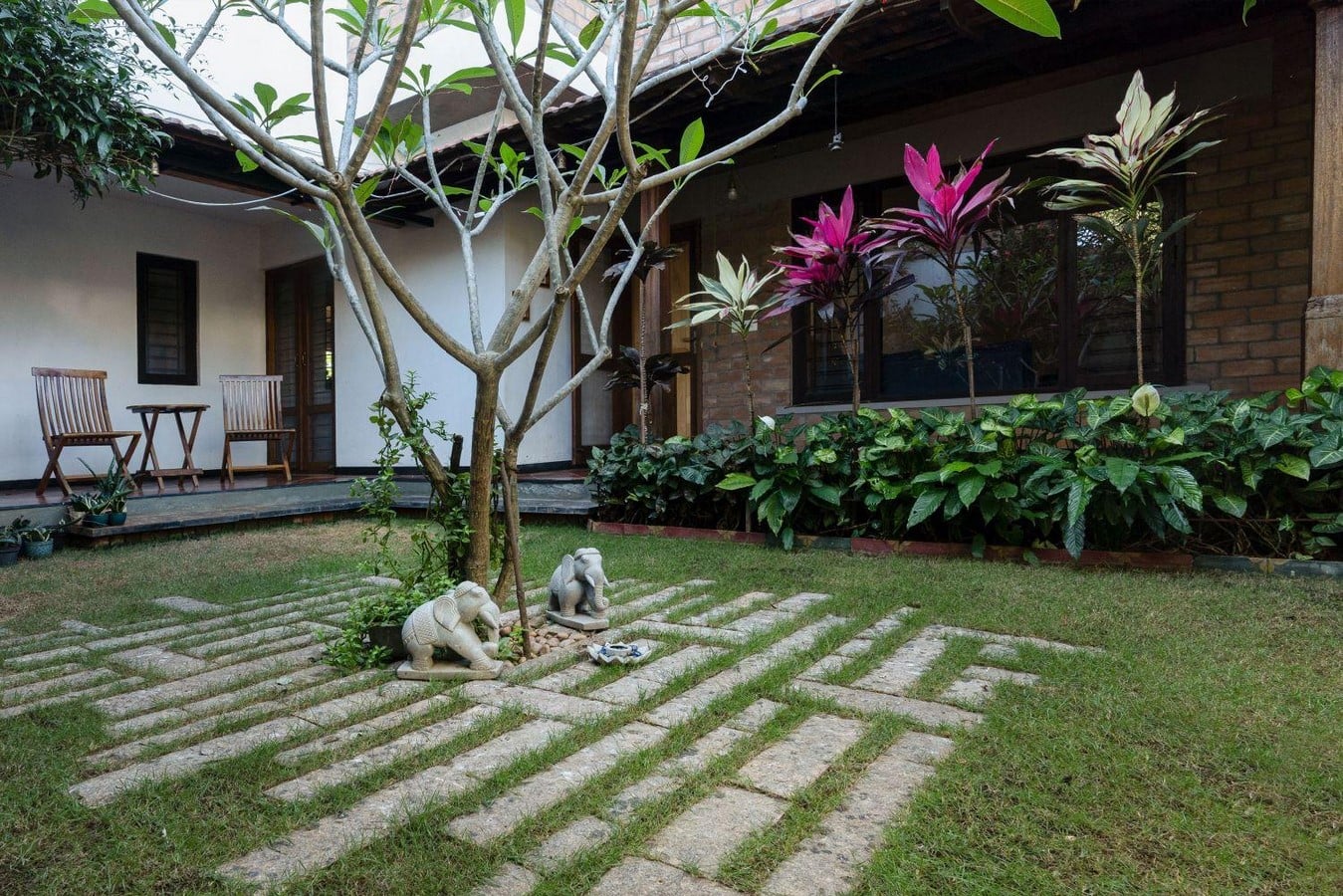
Courtyards have traditionally adapted to climatic influences with great precision. For hot arid climates, inward-looking courtyards have traditionally reduced solar gains and maximised shaded areas and ventilation. For tropical climates, courtyards have traditionally helped in cross-ventilation and harvesting rainwater (Oliver, 2006).
The spatial arrangements were not merely about aesthetics but were closely related to environmental considerations. The courtyard was essentially a microclimate generator. It helped in regulating temperature, humidity, and ventilation. This is highly relevant in urban areas, which have traditionally relied heavily on artificial means.
2.2 Social and Cultural Dimensions
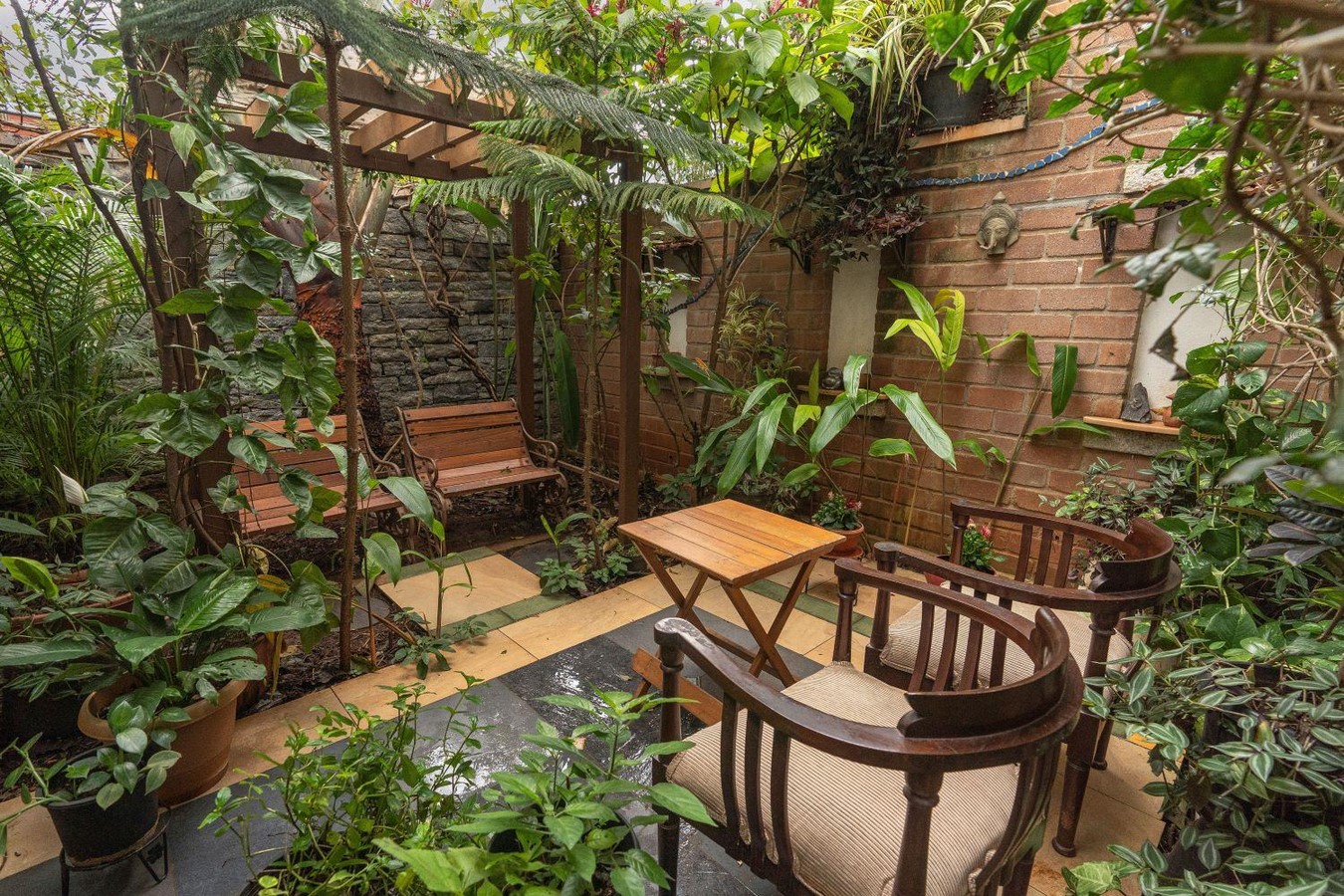
Apart from the environmental role of the courtyards, these spaces also played a role in the socio-cultural domain. The courtyards were a hub of activity for the family and for communal interaction. In many traditional settlements, the courtyard provided a transition space between public and private domains (Rapoport, 1969).
In modern high-density urban environments, the absence of such transitional spaces has resulted in social isolation and a lack of community interaction. The use of courtyards could therefore address the social dimension of sustainability.
-
Challenges in Contemporary Dense Cities
3.1 Spatial Constraints and Economic Pressures
The cost of land in densely populated urban environments can act as a constraint for the development of non-income-producing space, such as courtyards. Thus, there is more emphasis on built-up space than open space.
3.2 Environmental Degradation
Dense urban environments are often characterised by the urban heat island effect, decreased permeability, and increased energy consumption. Buildings in dense urban environments consume a lot of air-conditioning, thus contributing to carbon emissions (Santa Mouris, 2015).
3.3 Loss of Transitional Spaces
Architecture in contemporary times often does not provide transitional spaces such as verandahs, terraces, or courtyards, thus creating abrupt changes in environments.
-
Courtyard 2.0: Conceptual Framework
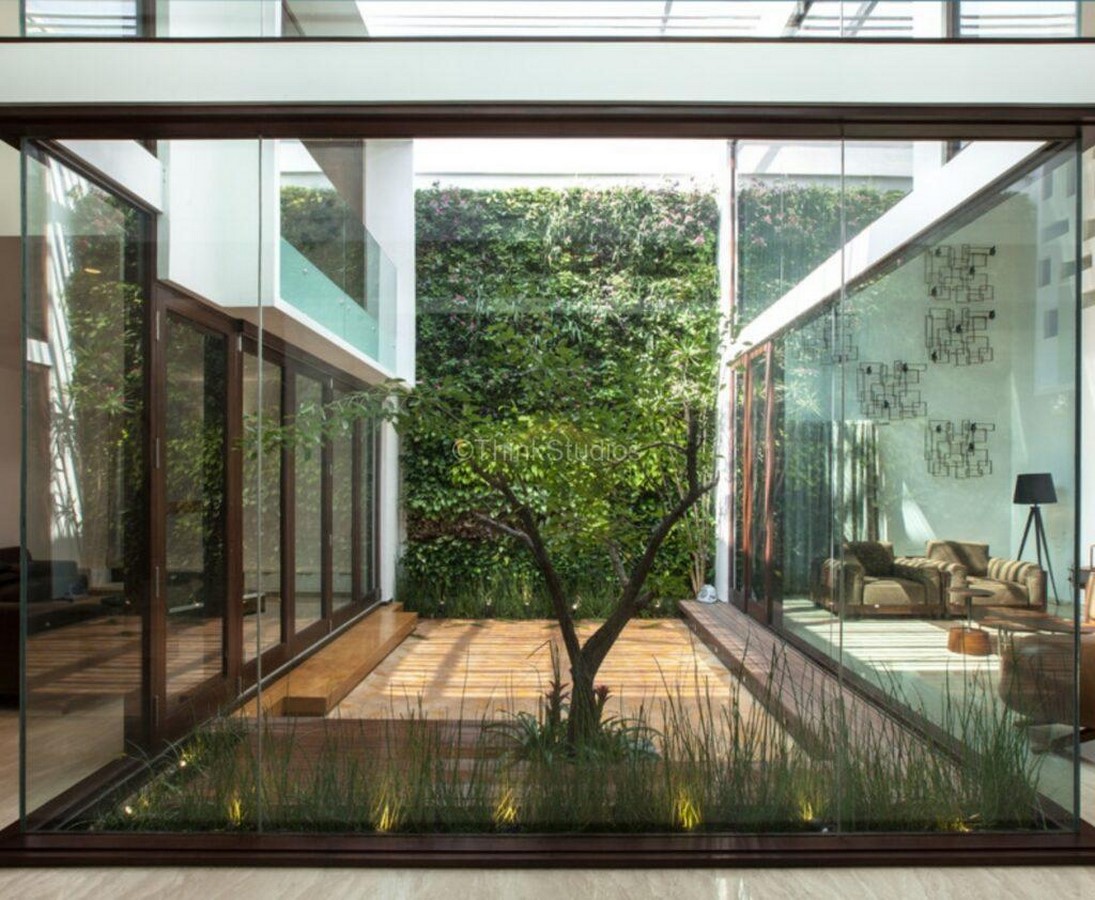
“Courtyard 2.0” transforms the concept of a courtyard as a climate-adaptable threshold, rather than a void.
4.1 Threshold as Interface
The concept of a threshold is a key element in the Courtyard 2.0 concept, which transforms the traditional courtyard from a boundary to an interface:
- Interior and exterior environments
- Private and public spaces
- Built environments and nature
This concept is in line with current theories on liminal spaces and transitional urbanism (Vidler, 2000).
4.2 Multi-Scalar Adaptation
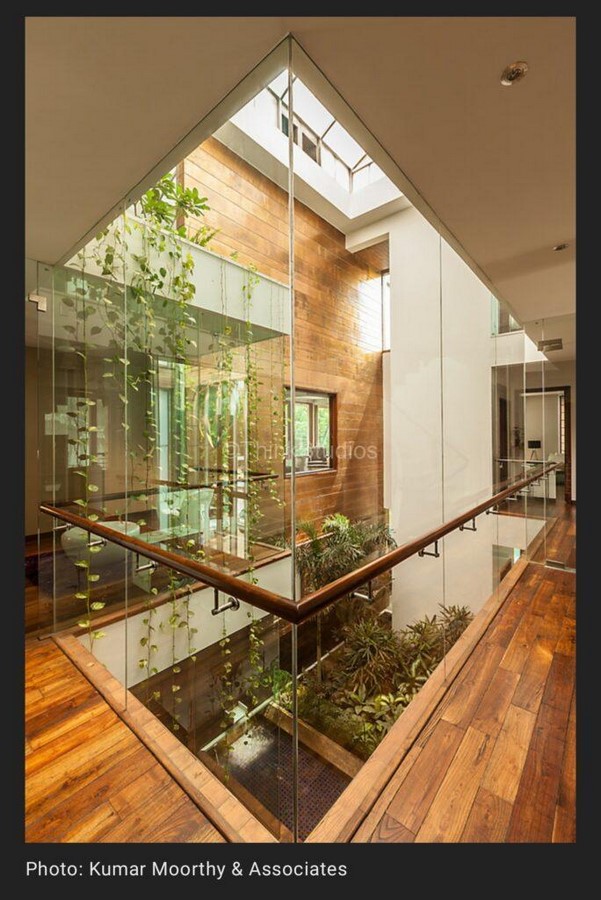
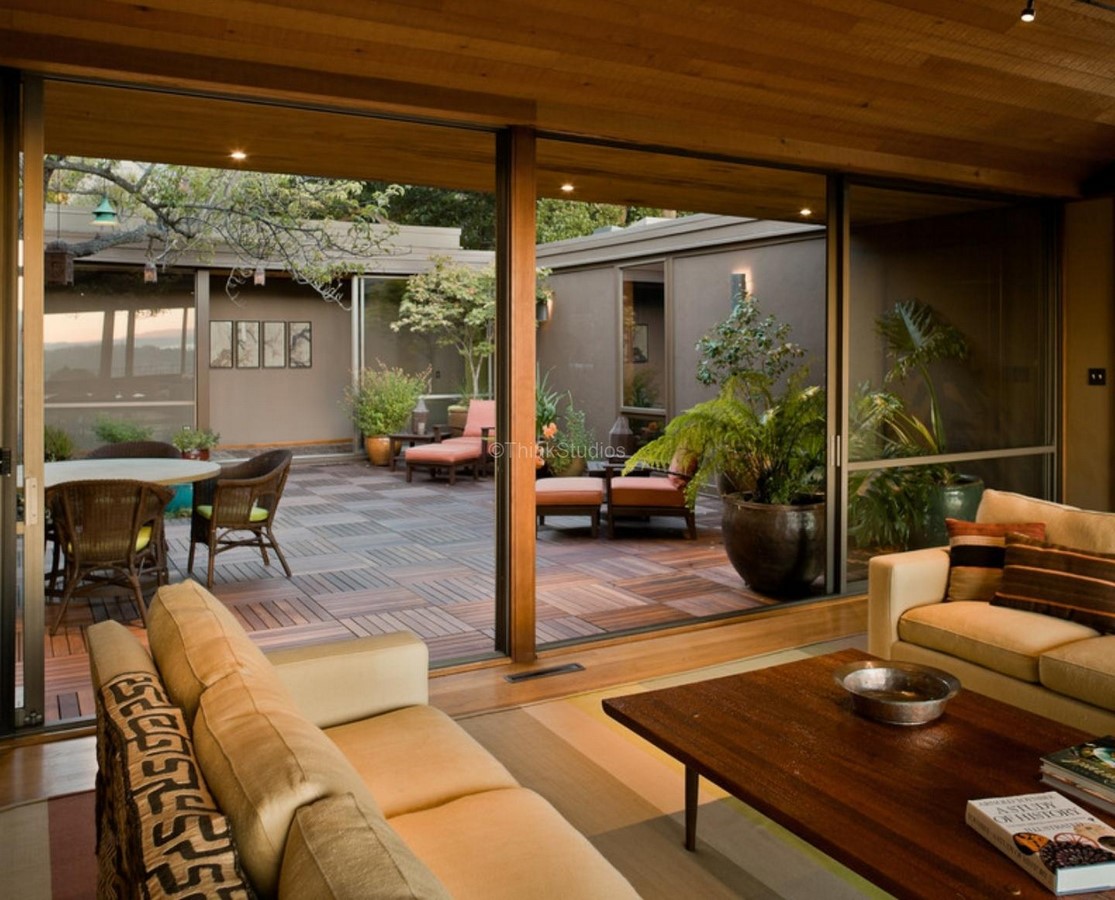
Courtyards in dense urban environments can be adapted at different scales:
- Micro-scale: At the level of individual spaces
- Meso-scale: At the level of housing clusters or institutional spaces
- Macro-scale: At the level of urban voids or public spaces
-
Climatic Performance in Dense Cities
5.1 Passive Cooling and Ventilation
Courtyards can improve ventilation by the stack effect and cross ventilation. As warmer air rises in a courtyard, cooler air is drawn into adjacent spaces. This minimises the need for air-conditioning systems (Givoni, 1998).
5.2 Daylighting
Courtyards can improve internal daylighting by introducing vertical voids in dense cities. This minimises the use of artificial light sources.
5.3 Microclimate Creation
Vegetation and water elements in a courtyard can create a microclimate by reducing temperatures significantly (Bowler et al., 2010).
-
Typologies of Courtyard 2.0
6.1 Vertical Courtyards
For high-rise buildings, a new typology of a courtyard can be a vertical courtyard, which is a void space in a building.
6.2 Fragmented Courtyards
Instead of having a single courtyard in a building, multiple small courtyards can be designed in a building, which would enhance accessibility.
6.3 Hybrid Courtyards
Hybrid courtyards are a combination of both interior and exterior spaces, where a retractable roof, adaptive façade, and climate control are integrated, which would enable usage in any season in a dense city with a changing climate.
-
Case Studies in Dense Cities
7.1 Housing Projects
In contemporary housing projects in dense cities, there are efforts to incorporate a courtyard as a common space, which would help in community building while providing environmental benefits.
7.2 Institutional Buildings
Courtyards are used in educational and healthcare buildings to provide a calming environment, which would help in improving ventilation in a dense city.
7.3 Commercial Developments
Courtyards are used in commercial buildings as breakout spaces, which would help in improving the user experience while reducing energy consumption.
-
Social and Psychological Impacts
8.1 Enhancing Well-being
Studies have established the relationship between the availability of open and green spaces in urban environments and the improvement of mental well-being and health (Ulrich, 1984).
8.2 Community Building
Courtyards serve as community spaces that foster collaboration, interaction, and a sense of belonging.
8.3 Sensory Experience
Courtyards involve the use of various senses, including sight, hearing, smell, and touch. This conforms with the current discourse on sensory urbanism.
-
Technological Integration
9.1 Smart Systems
Technologies such as shading, façades, and environmental sensors are integral to the design of Courtyard 2.0. These technologies enhance the performance of the climate.
9.2 Material Innovation
Advanced materials can be employed to enhance the performance of the courtyard in dense urban environments.
9.3 Water Management
Rainwater collection and greywater recycling can be included in the design of the courtyard.
-
Policy and Planning Implications
10.1 Regulatory Frameworks
Urban policies should encourage the integration of courtyards in dense cities. This may be done by offering incentives such as floor area ratio (FAR) bonuses and green building ratings.
10.2 Urban Design Guidelines
Urban design guidelines should highlight the significance of transitional spaces and climatic design in architectural design.
10.3 Community Participation
Community participation is essential for ensuring the relevance and sustainability of courtyards.
-
Courtyard 2.0 and Sustainability
11.1 Energy Efficiency
Courtyards play a role in ensuring energy efficiency by reducing the need for mechanical systems.
11.2 Resilience
Courtyards are important for enhancing resilience by providing adaptive spaces that may respond to changing climatic conditions.
11.3 Ecological Integration
Courtyards may include ecological components, such as vegetation and water systems, to support biodiversity and ecological balance.
-
Future Directions in Dense Cities
The development of Courtyard 2.0 will be influenced by the following emerging trends:
- Climate-responsive urbanism
- Biophilic design
- Adaptive reuse of existing buildings
- Integration of digital technologies
With the increasing rate of urbanisation in dense cities, there is an urgent need to find innovative, sustainable, and human-centred design solutions.
Courtyard 2.0 signals a major shift in thinking about architectural and urban design strategies in dense cities. By rethinking traditional courtyard typologies in light of modern-day issues, architects can design spaces that are responsive to the environment, inclusive of the community, and dynamic in their spatiality.
Courtyards must not be considered mere residual or decorative spaces but rather integral to the urban and architectural fabric. They hold immense potential to help resolve the problems of urban density and to bridge the gap between tradition and innovation.
In an era of unprecedented urbanisation and climatic unpredictability, Courtyard 2.0 is not only an option but a necessity to design sustainable and livable dense cities.
References:
Bowler, D. E., Buyung-Ali, L., Knight, T. M., & Pullin, A. S. (2010). Urban greening to cool towns and cities: A systematic review. Landscape and Urban Planning, 97(3), 147–155. https://doi.org/10.1016/j.landurbplan.2010.05.006
Givoni, B. (1998). Climate considerations in building and urban design. John Wiley & Sons.
Oliver, P. (2006). Built to meet needs: Cultural issues in vernacular architecture. Architectural Press.
Rapoport, A. (1969). House form and culture. Prentice-Hall.
Santamouris, M. (2015). Regulating the damaged thermostat of the cities—Status, impacts and mitigation challenges. Energy and Buildings, 91, 43–56. https://doi.org/10.1016/j.enbuild.2015.01.027
Ulrich, R. S. (1984). View through a window may influence recovery from surgery. Science, 224(4647), 420–421. https://doi.org/10.1126/science.6143402
UN-Habitat. (2020). World cities report 2020: The value of sustainable urbanisation. United Nations Human Settlements Programme.
Vidler, A. (2000). Warped space: Art, architecture, and anxiety in modern culture. MIT Press.
Murry, N., & Murry, N. (2024, June 25). Courtyards create “communal atmosphere” at Indian house by A Threshold. Dezeen. https://www.dezeen.com/2024/06/25/a-threshold-in-between-gardens-india/
Bhat, K. (2023, December 21). Courtyards Echoes of tradition in contemporary living – GoodEarth. GoodEarth. https://goodearth.org.in/connect/climate-responsive-design/courtyards-echoes-of-tradition-in-contemporary-living/
Think Studios – Architects & Interior Designing in Hyderabad. (n.d.). Courtyards – the elegant energy efficient design solutions – Think studios. https://thinkstudios.co.in/courtyards-the-elegant-energy-efficient-design-solutions/