Bridging the Gap Between Design Education and Lived Construction
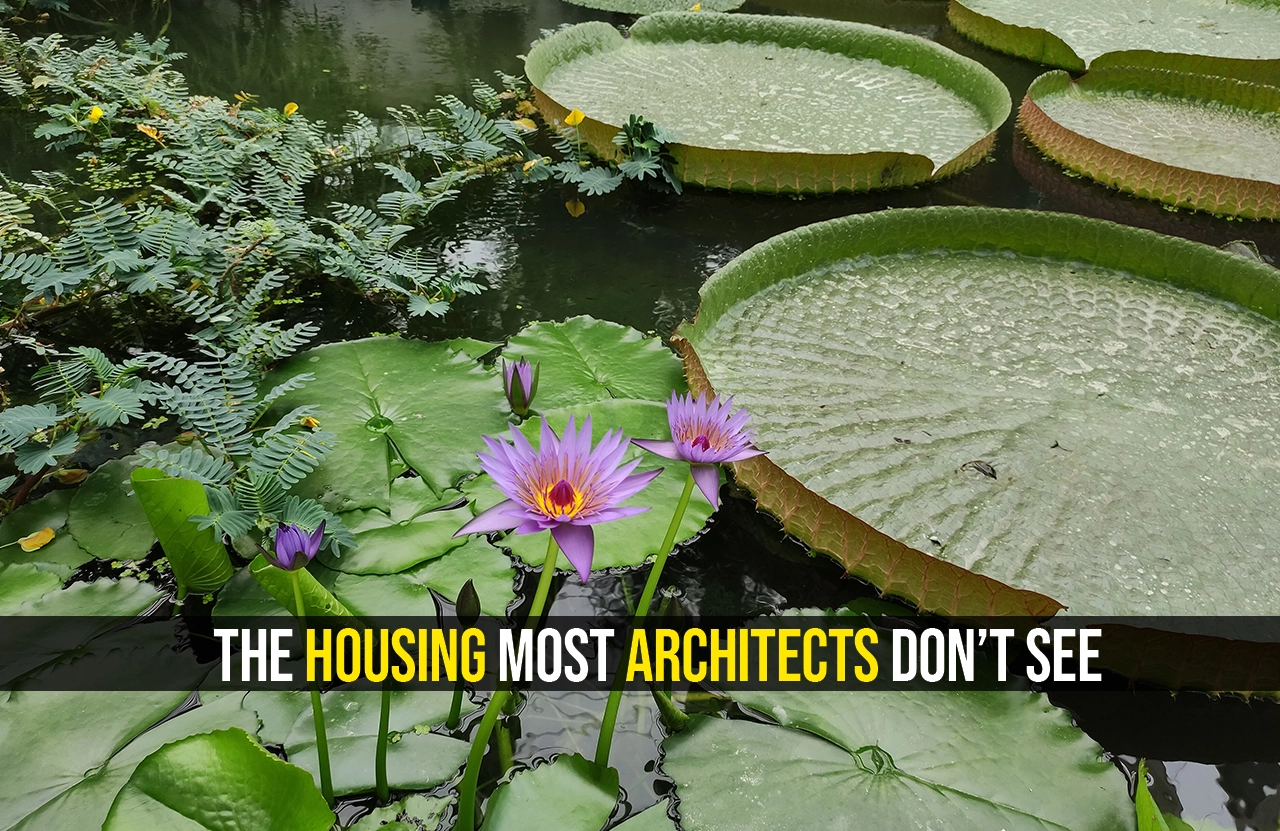
One of the world’s oldest university botanical gardens, where observation, ecology, and learning are deeply intertwined.
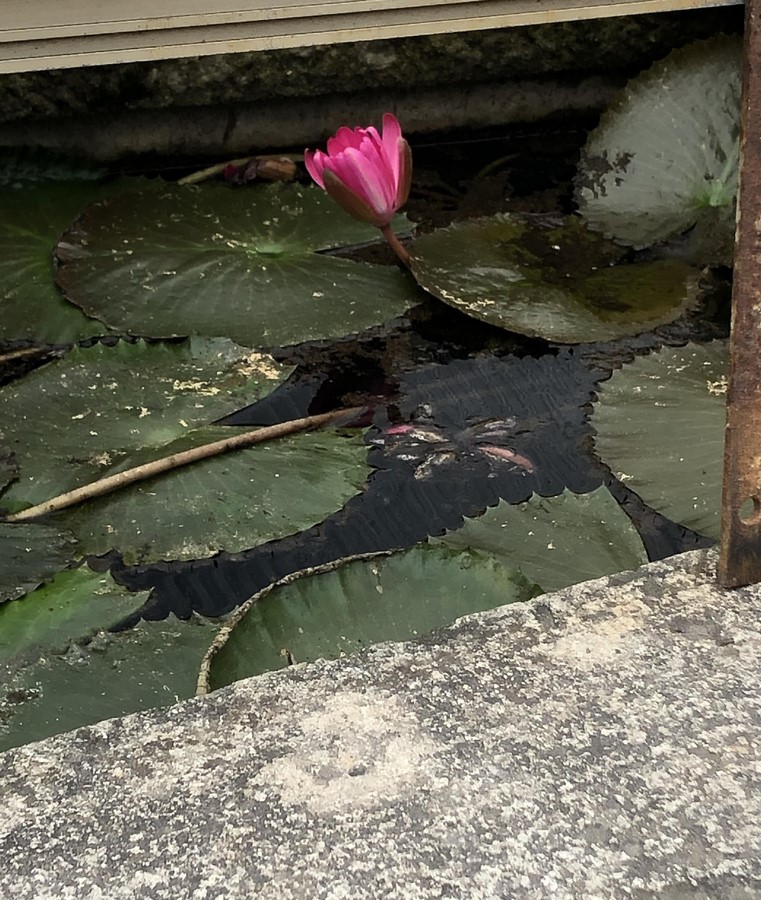
Architects do design housing. Yet the majority of the world’s housing is constructed without formal architectural involvement. It emerges through contractors, tradespersons, and households themselves—through incremental additions*, repairs, and adaptations shaped by time, necessity, and available resources.
This is not a marginal condition. It is the dominant mode of housing production globally. Yet architecture as a discipline remains only partially structured to engage with this reality.
Architectural education largely revolves around the studio model: carefully bounded design problems, singular authorship, and completed buildings. Students learn to design finished architectural objects—cultural institutions, public buildings, masterplans, or speculative urban projects. These exercises develop formal design thinking and spatial imagination, but they rarely engage with the conditions under which most housing actually emerges.
The result is a structural gap between the profession and the built environment it claims to shape.
When architects encounter real housing conditions—small plots, constrained budgets, family-driven modifications, contractor-led construction, and expansion over decades—they often lack the tools or incentives to engage effectively. Many have not been trained to design for phased construction, work within informal building practices, or translate architectural knowledge into guidance that households and builders can use over time.
This disconnect becomes particularly visible when institutions attempt to address it. A recent national design competition focused on beneficiary-led housing on small plots attracted too few entries to proceed, revealing how distant professional practice remains from the systems most people inhabit. Similar challenges appear in contexts where housing operates under severe resource constraints. In places such as Mayotte, where questions of dignity, climate vulnerability, and settlement patterns intersect, solutions often emerge through local knowledge, construction practices, and community adaptation rather than formal architectural commissions.
Professional culture reinforces this gap. Prestige tends to accumulate around large projects, distinctive residences, public commissions, or formally ambitious buildings. Incremental housing rarely carries the same symbolic weight. It is often perceived as technically mundane, financially constrained, or architecturally invisible. As a result, sustained engagement in this domain remains limited.
The consequences are significant. The places where architecture could make the greatest difference—housing affecting millions of families—remain largely outside the profession’s sphere of influence.

Yet these environments represent one of the most critical terrains for architectural intelligence. They involve questions of climate resilience, material durability, social dignity, and spatial adaptation over time. Engaging them requires a shift in how architecture understands its role—not as the sole author of buildings, but as a guide within evolving systems of construction and habitation.
Reframing the architect as a systems translator—between families, builders, materials, and design knowledge—opens a new pathway for the discipline. In this role, architectural expertise supports the long-term evolution of housing rather than replacing existing practices. The issue is not a lack of concern, but the absence of structures that enable meaningful engagement.
If architecture is to engage more fully with the conditions most people inhabit, several shifts are needed.
First, housing must be treated as a central field of inquiry within architectural education rather than a marginal topic. Programs could introduce studios focused on small-plot and incremental housing, exposing students to the realities shaping most residential environments.
Second, design education must integrate the tacit knowledge of tradespeople, builders, and craftspeople. Direct engagement with construction processes can help bridge the gap between architectural intention and the realities of building.
Third, the profession may need to expand its understanding of the architect’s role. Beyond designing individual buildings, architects can serve as advisors—helping households, communities, and institutions navigate construction decisions, improve durability and climate performance, and coordinate knowledge across actors who rarely work together.
In some contexts, advisory and diagnostic roles—through NGOs, community builders, and technical support networks—demonstrate how architectural knowledge can operate within existing systems rather than outside them.
The future of housing will not be built primarily through formal architectural commissions. It will continue to emerge through adaptive processes shaped by everyday actors.
The question is whether architecture will remain peripheral to these systems, or develop the tools, roles, and structures needed to engage them meaningfully.
Pria Ranganath is an Ottawa-based architectural practitioner and educator working at the intersection of housing, climate adaptation, and the built environment. Her work focuses on diagnostic-first approaches and on bridging formal design practice with the realities of incremental construction and everyday repair.
Reference*
According to UN-Habitat, up to 70% of housing in many cities of the Global South is produced through informal or incremental processes.