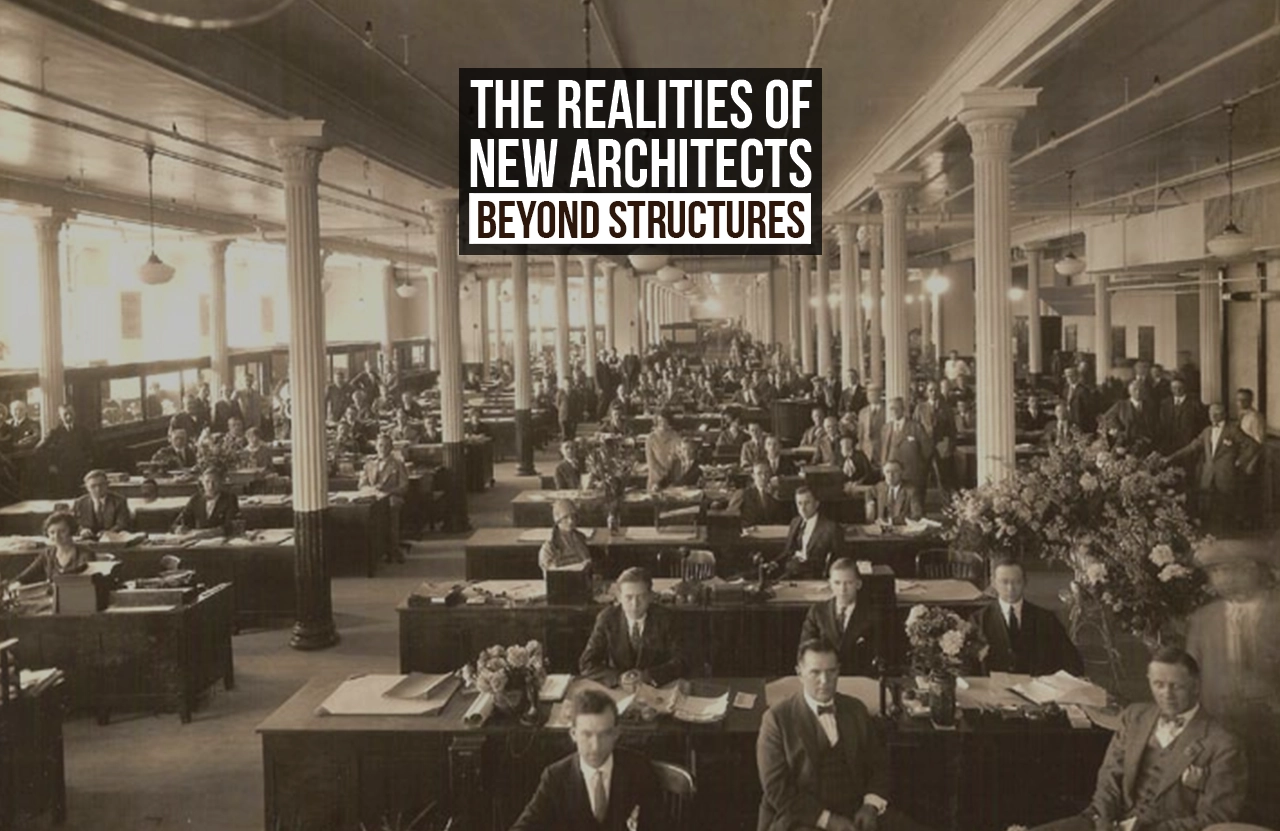
Architecture is continuously evolving,shaped by the fresh perspectives brought forth by new architects. In the early stages of their careers, many young architects clash with the dual demands of artistic expression and financial stability. The transition from academic training to the real world can be intimidating ,as they need not just design skills but also an understanding of project management ,client relation ,and the construction process . In the early architectural days , the process of architectural design was a labor intensive endeavor;craftsmen would often sketch their ideas on stones or parchment to translate their visions to forms.

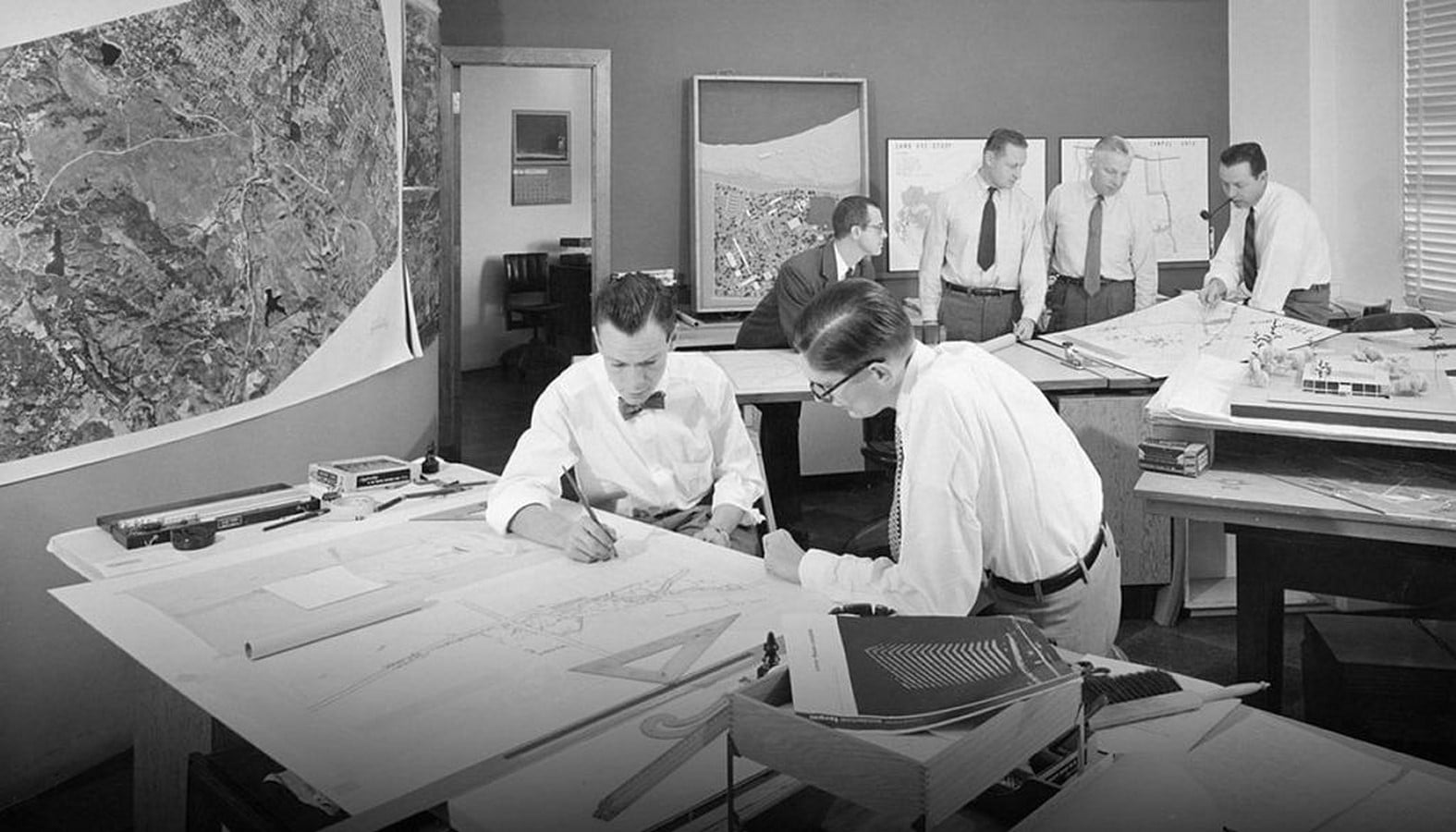
The invention of digital tools for planning and 3D modeling was a breakthrough in how architectural designs were presented. With the integration of these technologies,architectural firms started producing designs in hours rather than weeks or months. Today, a new generation of young architects is reshaping the architecture firms and the market. These young professionals embrace the practice of sustainable architecture that is efficient and environmentally versatile. This has gained significant attention in the market, also creating various challenges to constantly innovate.
Responsible Architecture
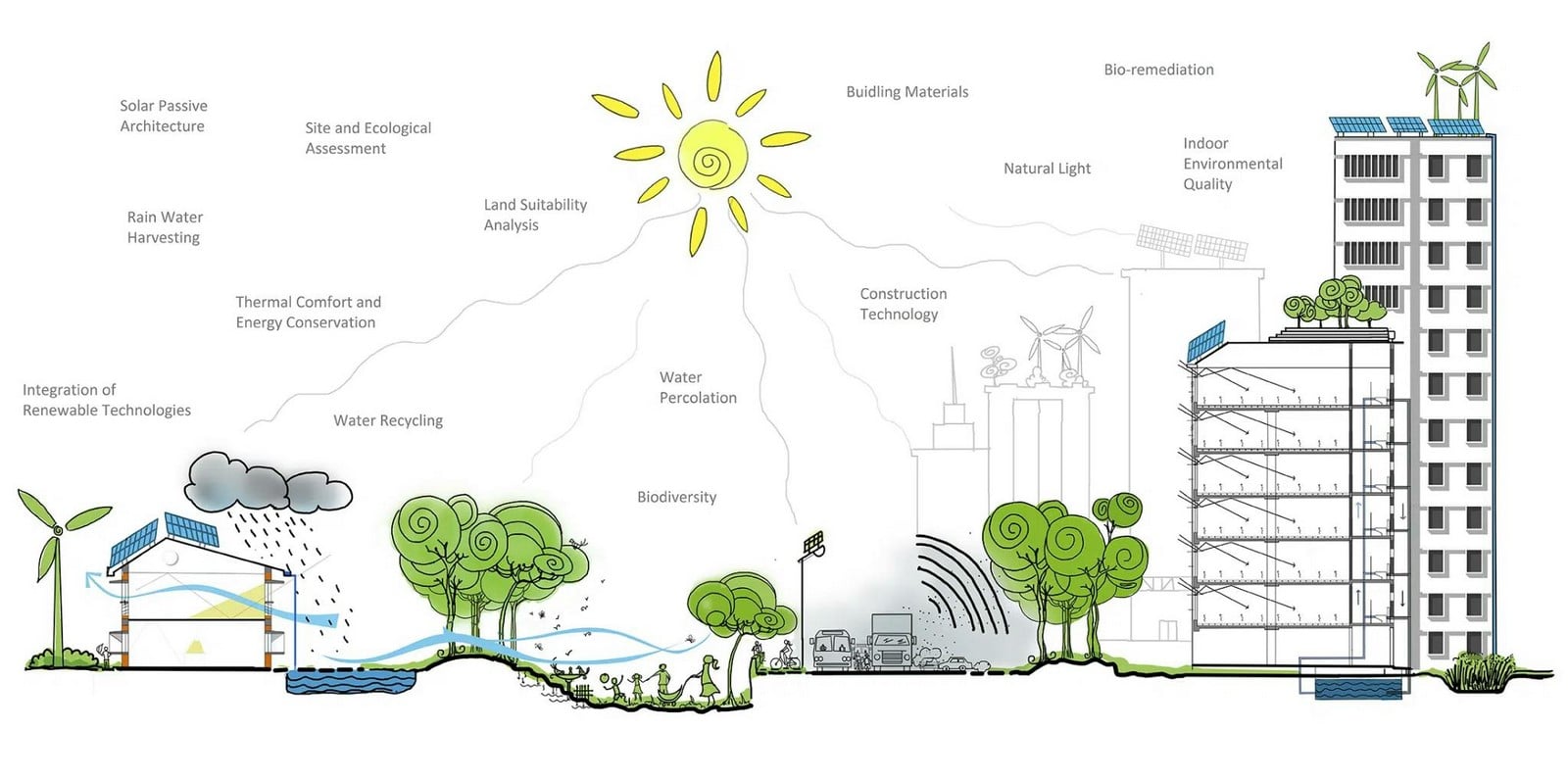
The new young architects follow a concept of being environmentally responsible by applying advancements in technology and have developed a direct connection between architectural firms and digital software tools. This provides improved accuracy and efficiency in the work and has also made it easy to visualise the projects in detail. In consequence, more and more young architects are getting certified through green building certification programs like LEED. Each design is the result of thoughtful consideration of the environmental and ecological impacts it may cause. Practices like passive cooling techniques, renewable sources of energy, and water are a major part of sustainability. Moreover, environmentally friendly building materials like bamboo,rammed earth, or recycled timber help in regenerating structures.
Digital tools and computational design are transforming how architectural prototypes are created and experienced. Technologies like BIM, 3D printing, and Virtual Reality allow for creating models before construction begins. Additionally, parametric design makes complex structures more feasible and accessible, ensuring inclusive spaces for people of all needs. As a result, today’s firms are evolving into multidisciplinary practices with these technologies.
Driven by discipline
The work ethic of the so-called new generation has evolved, particularly in how they choose platforms for securing jobs. Increasingly, architects utilize freelance platforms to gain experience and improve independently. This shift grants flexibility to select projects aligned with their interests and skills while fostering a growth mindset. Ultimately, the line between creating remarkable architecture and staying significant is thin.
The passion and dedication that drive these practices often result in long working hours, blurring the boundary between personal and professional life. For many younger architects, the early years of practice demand sacrifice. Professional development also differs significantly in the newly established architectural firms; the responsibility to seek knowledge, improve skills, and improve professional growth often falls on the individual. Understanding building codes, planning regulations, and liabilities is essential for the architecture firm’s life, but these are often learned through trial and error in many places.
Collaboration & Interdisciplinary practices
One of the key strategies of today’s architecture firms is the collaboration and partnership with other professionals. This approach allows for expanding one’s culture and knowledge to develop a clear and distinctive design that can make necessary fluctuations. The understanding that not all concepts stem from architecture encourages people in the exploration across a variety of fields, developing curiosity and aiding in accumulating advanced information. For instance,the visual and mechanical movements, as well as the application of other disciplines like arts, engineering, or even psychology, encompass various subjects of research.
Despite the passion, the current situation for many architects is influenced equally by financial constraints. Even after extensive education and training, entry-level salaries in the field of architecture fall short compared to those in other similar industries. This causes many professionals to move into related fields such as real estate or digital visualisation, where the compensation is more favourable. This does not indicate the loss of enthusiasm,but a practical response to the economic realities of the profession today.
Final Reflections
Divided by age, it is evident that a new generation exists, and the other generational divide of architecture is largely influenced by the social, technological, and cultural aspects. Many young individuals are free from the identity burden. They are emphasising individuality and gaining a tailored professional experience. Architects are working on designs that span from high-rise structures to exhibition showcases; these contribute to their recognition in multiple identities through different design practices. The new generation starts with a fresh approach to work that moves away from the methods of the past. This evolution is influenced by architects whose fresh ideas and approaches have not only altered the internal dynamics of architectural firms but also redefined the ethical and professional values.
However, these transformations bring challenges, including competition and a constant need for improvement in this generation. The financial difficulties faced by the budding architects highlight a significant disparity between their efforts and the rewards they gain, causing some to seek alternative career paths even with their love for design. Despite these, they are driven by creativity,adaptability, and the desire to make meaningful contributions to the world. By prioritising sustainability,leveraging digital tools, and fostering interdisciplinary collaboration, the younger professionals are paving the way for a future that emphasises both efficiency and environmental responsibility. In conclusion, the advancement of architecture firms reflects a vibrant play between tradition and innovation,where the foundational principles are continuously reinterpreted through the lens of human needs and the changing world.
References:
Image 1:
https://fredvanamstel.com/blog/the-socialization-of-the-design-space
Image 2:
https://www.lifeofanarchitect.com/is-bigger-always-better/
Image 3:
https://www.killadesign.com/sustainability/