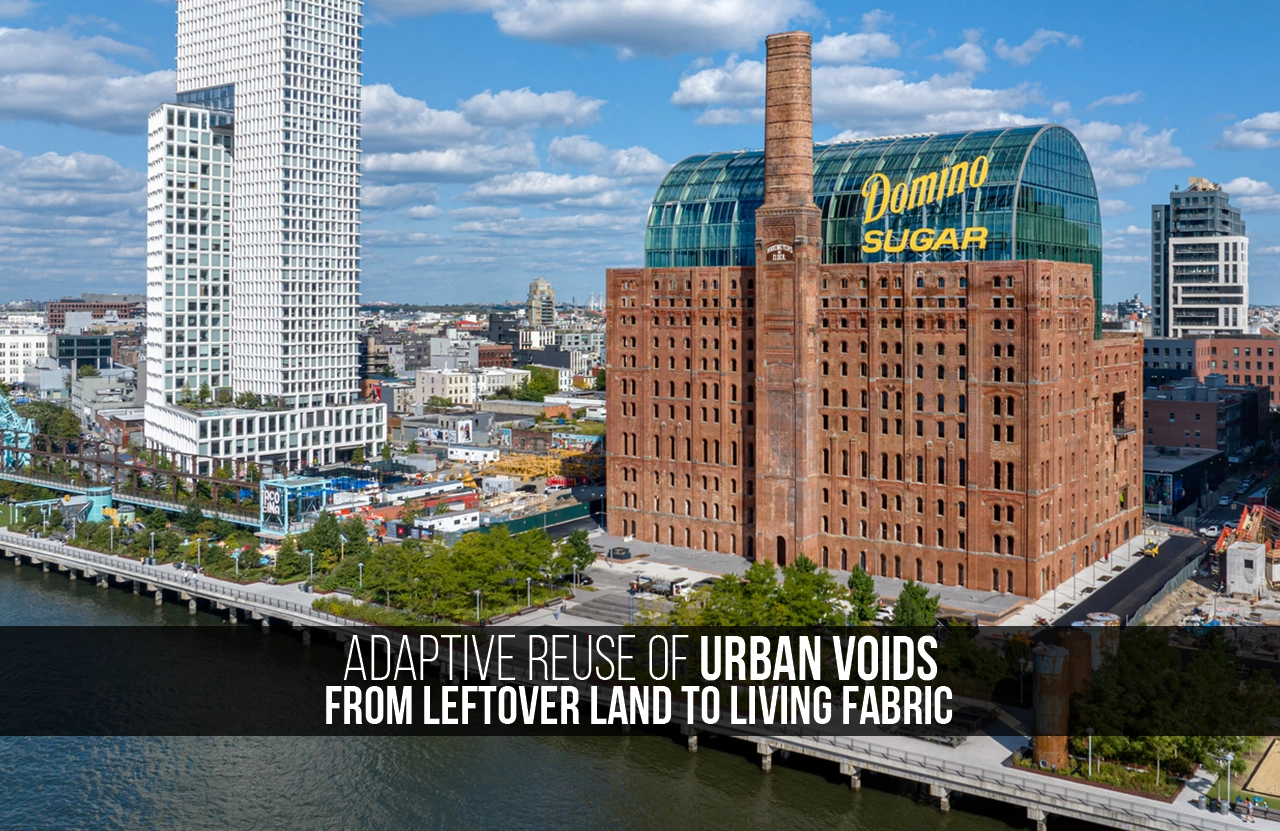
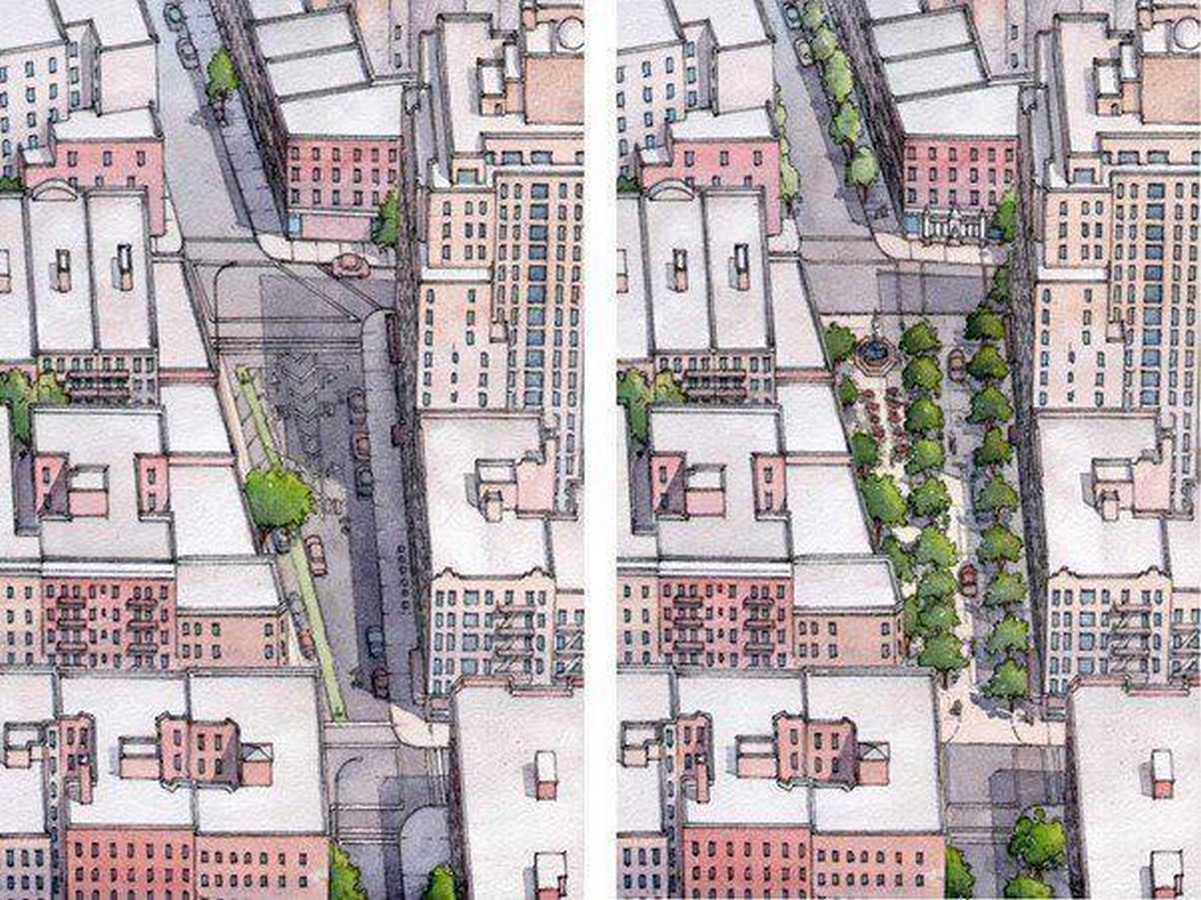
Cities are constantly changing due to economic upheaval, population increase, and infrastructure development. These processes typically result in fragmented, underutilized places known as urban voids. Abandoned industrial sites, vacant plots between buildings, disused railroad tracks, and neglected waterfronts are examples of such regions. Historically, these areas were regarded as problematic gaps in the urban landscape. However, contemporary urban design is increasingly recognizing their potential as vital resources for regeneration. The concept of Adaptive Reuse provides a long-term solution for repurposing these underutilized spaces into active and productive urban components. Instead of demolishing existing structures, Adaptive Reuse focuses on repurposing buildings and landscapes while maintaining their cultural and architectural value (Bullen and Love, 2011).
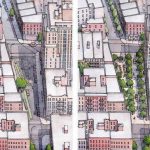
Urban voids are frequently found at strategic locations within densely populated urban areas. These sites can be turned into public parks, cultural facilities, or mixed-use complexes using the Adaptive Reuse technique, which reconnects scattered neighbourhoods. This technique decreases the environmental implications of demolition and construction while also maintaining urban heritage. As cities face increasing pressures related to sustainability and land scarcity, Adaptive Reuse has emerged as an important tool for urban regeneration (Plevoets and Van Cleempoel, 2019).
Environmental and Cultural Value of Adaptive Reuse
One of the most significant advantages of Adaptive Reuse is its contribution to environmental sustainability. Existing structures are demolished, resulting in enormous construction waste and the need for new materials, both of which raise carbon emissions. Adaptive Reuse, on the other hand, protects existing structures while reducing the need for new construction materials. Furthermore, redeveloping urban voids can boost environmental performance by incorporating green infrastructure such as parks, urban gardens, and ecological corridors. These interventions contribute to better air quality, improved biodiversity, and mitigation of the urban heat island effect (Bullen and Love, 2011).
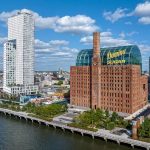
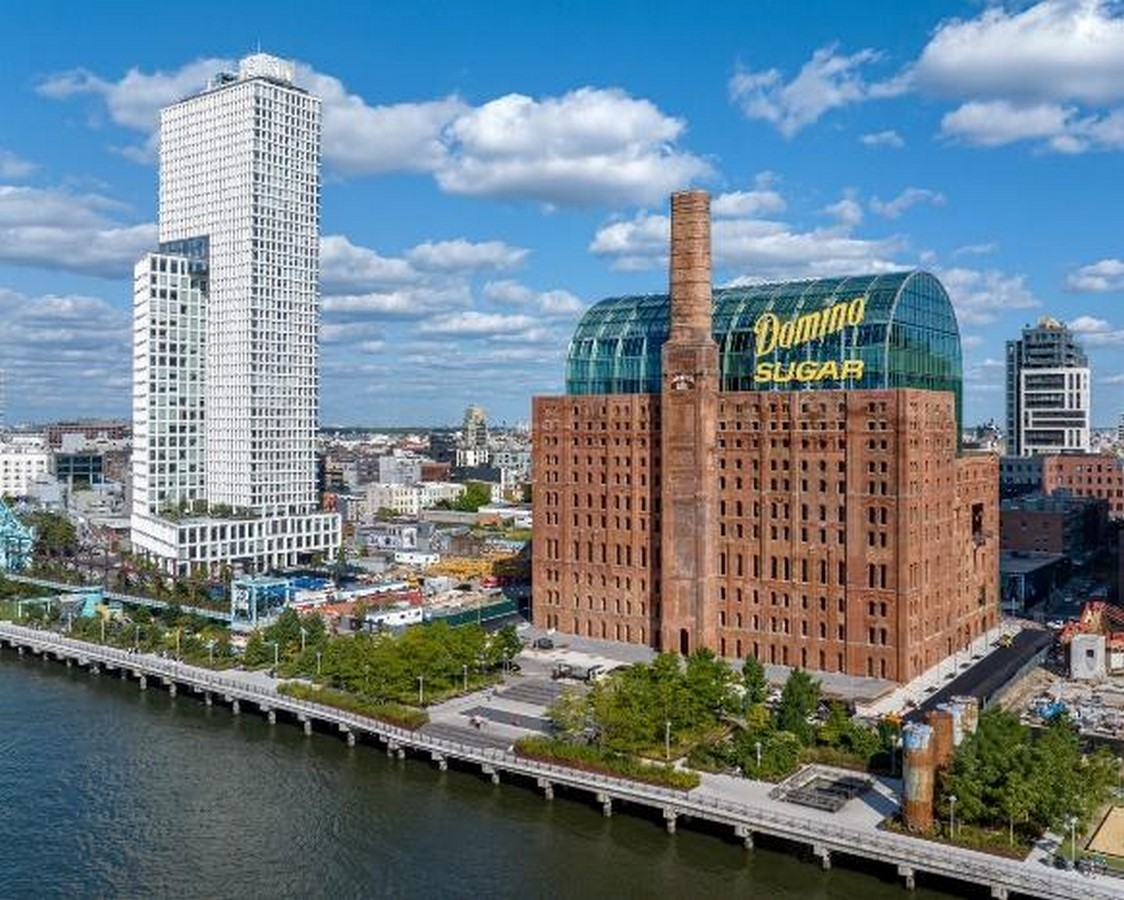
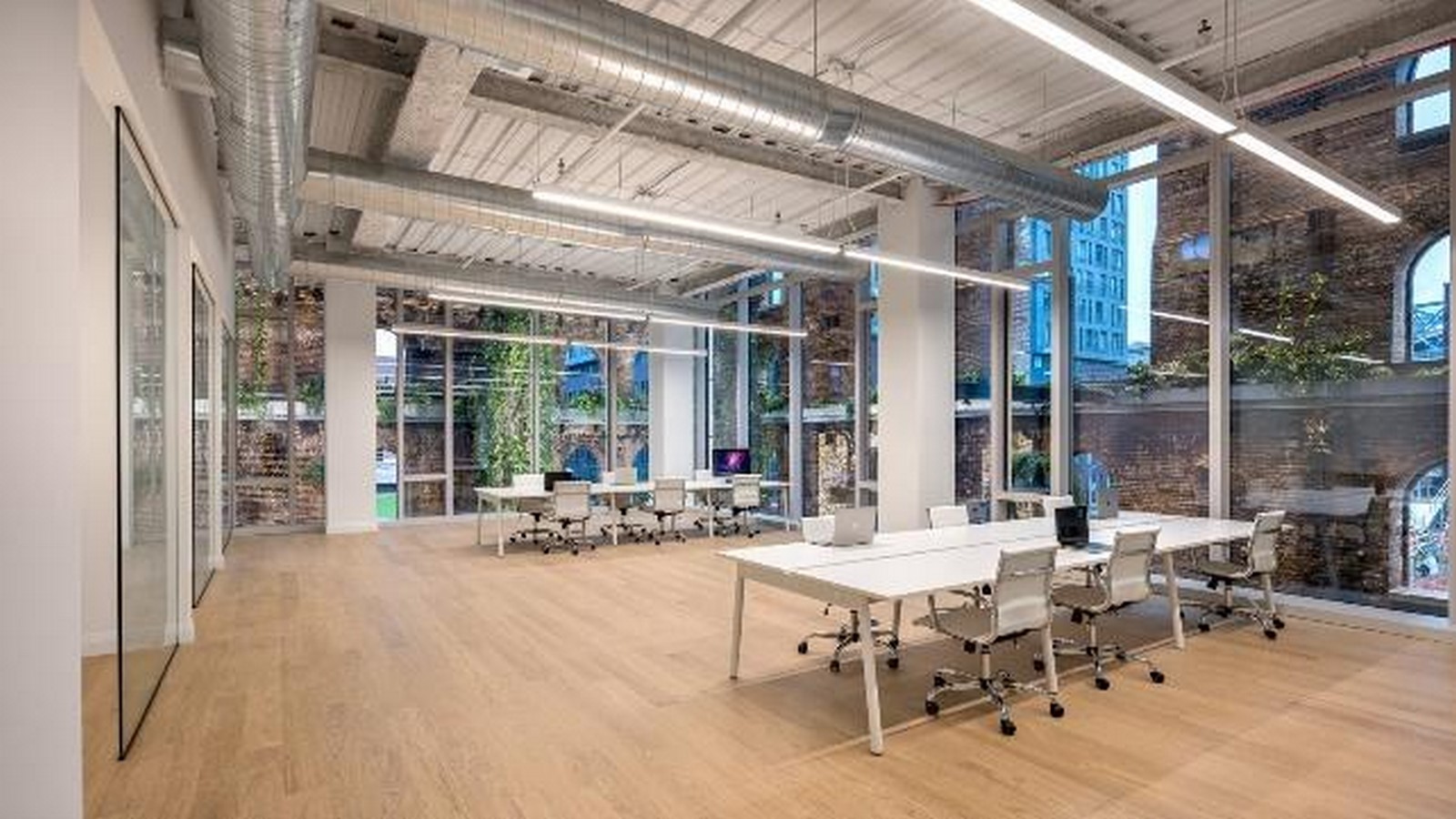
Adaptive Reuse promotes the preservation of cultural heritage in addition to its environmental benefits. Many abandoned industrial structures reflect significant historical stages in urban development. When these structures are utilized rather than removed, they provide a physical link to the city’s history. Former factories and warehouses, for example, might be repurposed as cultural centers, art galleries, or community amenities while retaining their architectural integrity. Such transformations strengthen local identity and allow urban history to remain visible within contemporary city life (Plevoets and Van Cleempoel, 2019).
Strategies for Transforming Urban Voids
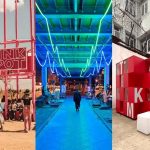
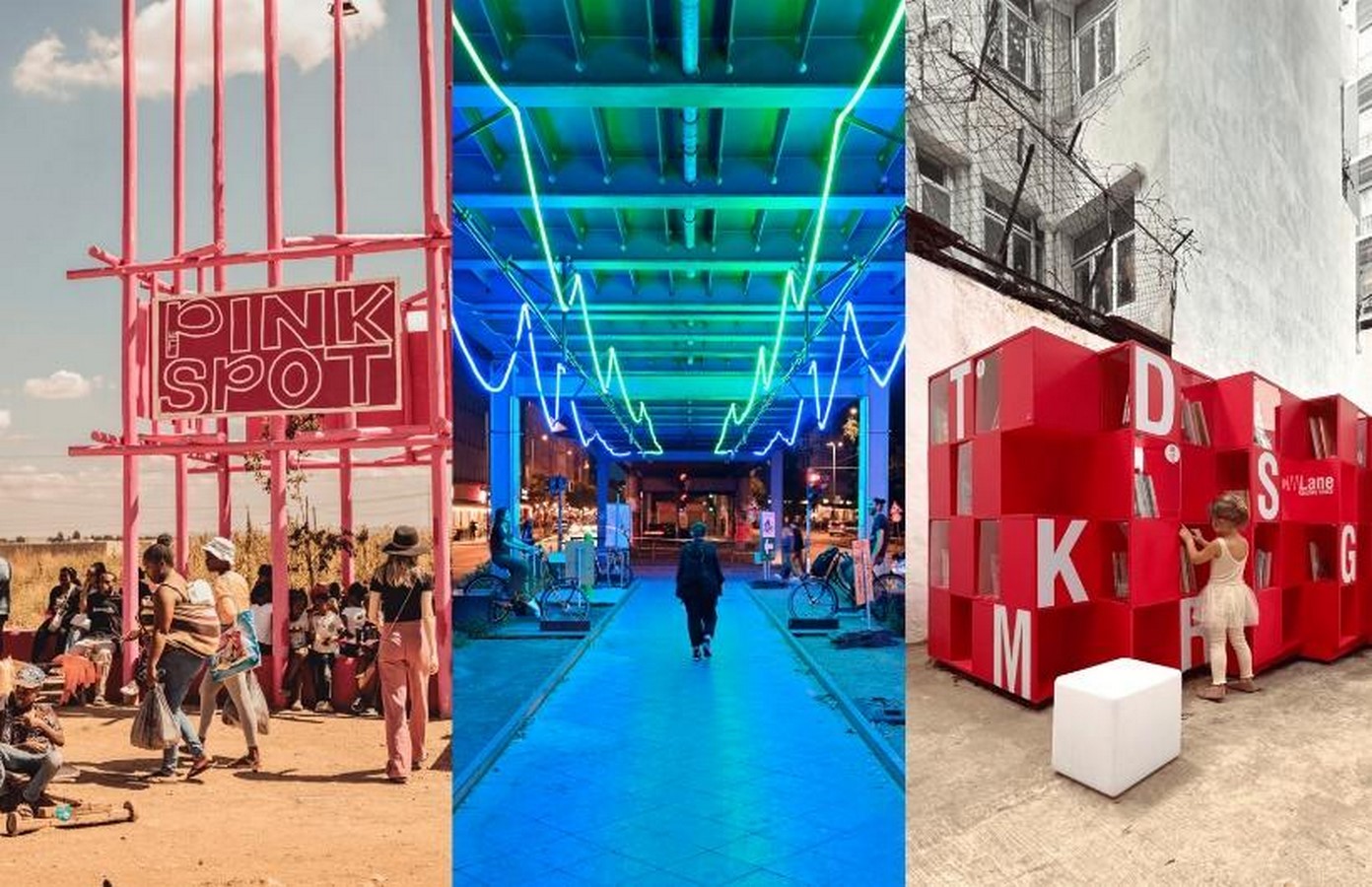
Successful urban void regeneration necessitates rigorous planning and design solutions. Temporary activation is commonly utilized as a first phase in revitalization initiatives. Pop-up markets, exhibitions, and community events bring public activity to underutilized locations while also allowing communities to envision potential future uses. These temporary interventions often generate interest and encourage further investment in long-term development (Lindner and Rosa, 2017).
Another critical technique is to integrate green infrastructure with mixed-use development. Adaptive reuse allows unused urban property to be repurposed into parks, community gardens, or recreational areas, thereby improving environmental and social circumstances. Simultaneously, mixed-use development can combine residential, commercial, and cultural purposes in the same space, assuring continual activity and stronger connection with the surrounding neighbourhood. These approaches demonstrate how Adaptive Reuse can transform leftover spaces into active elements of the urban fabric (Bullen and Love, 2011).
Case Study: The High Line, New York
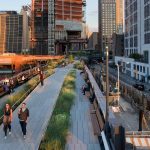
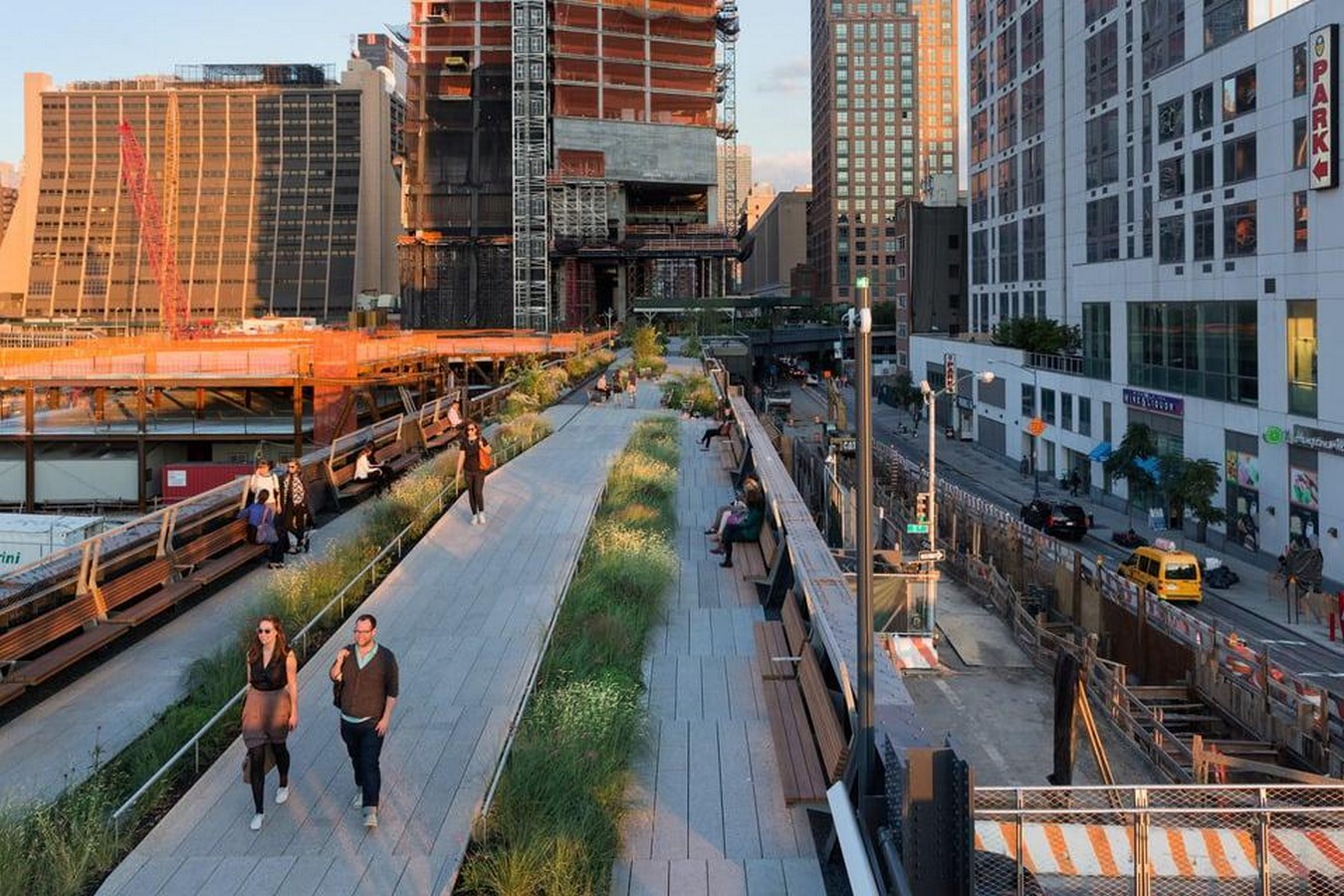
The High Line project in New York City is a prime example of adaptive reuse. Originally built in the 1930s as an elevated railway for freight transportation, the infrastructure became obsolete and was abandoned in the late 20th century. Rather than demolish the facility, planners and designers advocated converting it into a public park, highlighting the power of adaptive reuse in urban regeneration (Lindner and Rosa, 2017).
The elevated railway was rebuilt into a linear green park that runs through Manhattan. The design kept some of the existing railway rails while also incorporating plants, seating spots, and pedestrian routes. Since its debut in 2009, the High Line has become one of New York City’s most popular public areas, boosting economic and cultural activity in the surrounding neighborhoods. This project illustrates how Adaptive Reuse can successfully convert obsolete infrastructure into vibrant urban landscapes (Lindner and Rosa, 2017).
Urban gaps reflect untapped potential in today’s cities. Instead of considering them as neglected spaces, planners and designers are increasingly recognizing their potential for long-term regeneration. The notion of Adaptive Reuse provides an efficient framework for transforming these underutilized regions into dynamic and productive urban spaces. Adaptive reuse lowers environmental consequences, protects cultural heritage, and promotes economic revitalization by repurposing existing structures and landscapes.
As cities face the problems of rapid urbanization and environmental sustainability, Adaptive Reuse will become increasingly vital in creating resilient urban landscapes. Leftover spaces can be transformed into active urban landscapes that contribute to a more inclusive and sustainable city by utilizing innovative design ideas and community participation.
References:
Bullen, P.A. and Love, P.E.D., 2011. Adaptive reuse of heritage buildings. Structural Survey, 29(5), pp.411–421.
Lindner, C. and Rosa, B., 2017. Deconstructing the High Line: Postindustrial Urbanism and the Rise of the Elevated Park. New Brunswick, NJ: Rutgers University Press.
Plevoets, B. and Van Cleempoel, K., 2019. Adaptive Reuse of the Built Heritage: Concepts and Cases of an Emerging Discipline. London: Routledge.