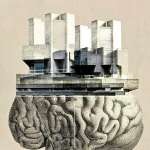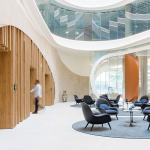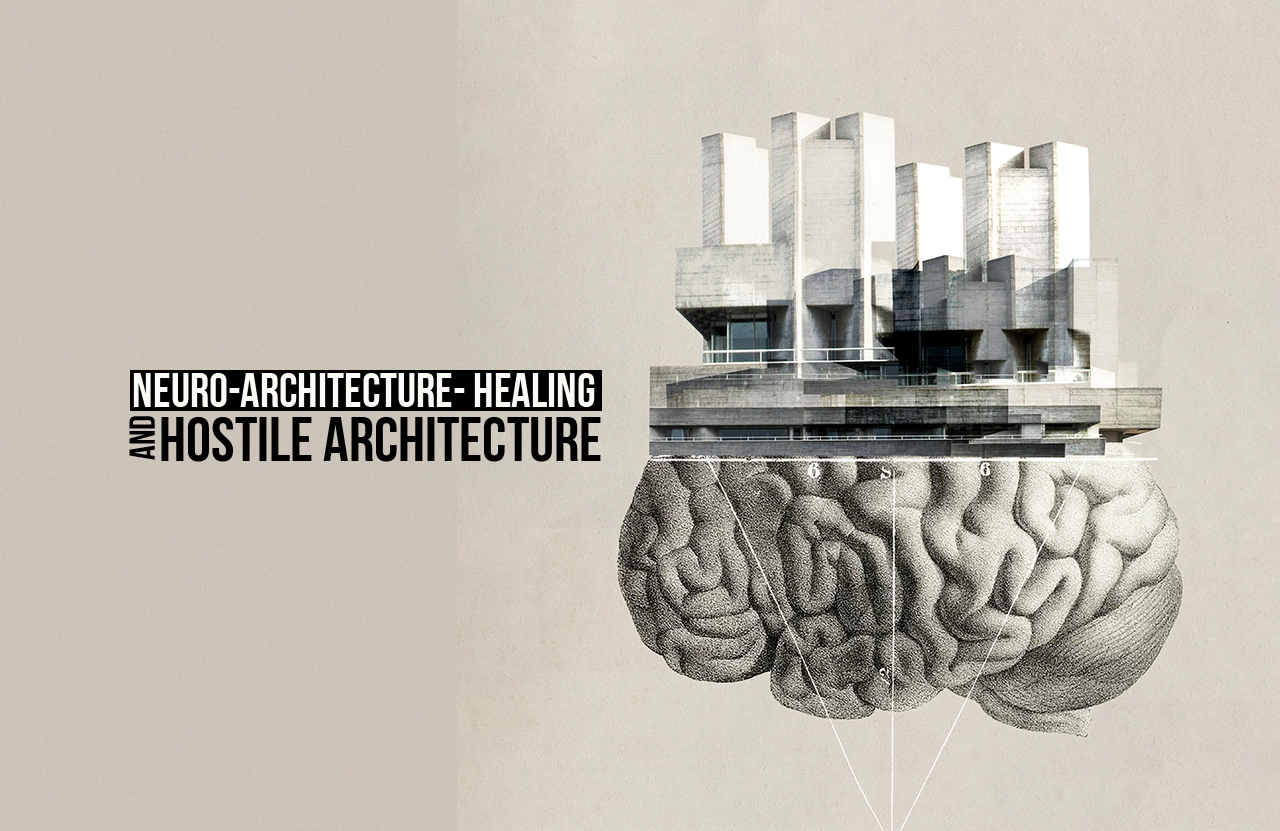
Architecture has a way of making the brain feel different things. Good architecture always makes viewers and users feel different things. These depend on the design of the buildings, how they are approached and who they are targeting. Sometimes a building’s entire purpose is to make users feel a certain way. Most obviously, it involves the brain into the space of the building. There is an odd but healthy competition as a result between architecture, neuro-science, and psychology.
Neuro-architecture is the resultant mixture that tells a story of how architecture is able to make people feel and perceive the same thing in various different ways, or how a singular building or design is able to invoke so many different emotions in the user. Neuroarchitecture is capable of transcending disparities and disabilities. But, more precisely, how is the body able to feel all those things through design? How to design in such a way that the mind and body are able to respond to the behavioural cues left by the designers?
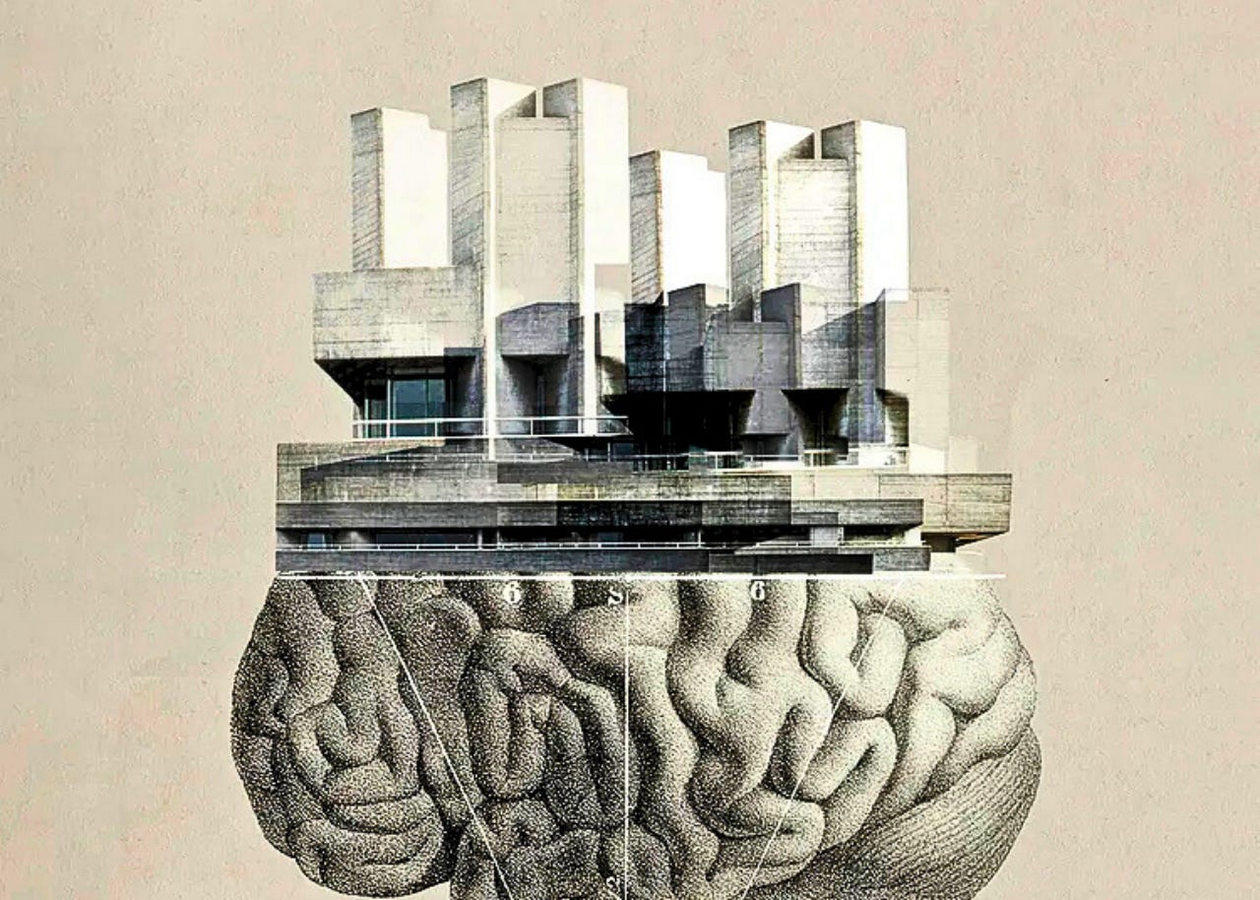
The Brain and Spatial Perception
The human brain interprets architectural environments through a complex interaction between visual processing and the brain’s systems that control spatial awareness and emotional responses. At the center of this process is the Parahippocampal Place Area (PPA). This part of the parahippocampal cortex specializes in recognizing layouts and landmarks in the environment, such as room boundaries or streets. Unlike areas that process faces or objects, the PPA reacts most strongly to intricate scenes. This helps the brain form a sense of place, whether the surroundings are familiar or new.
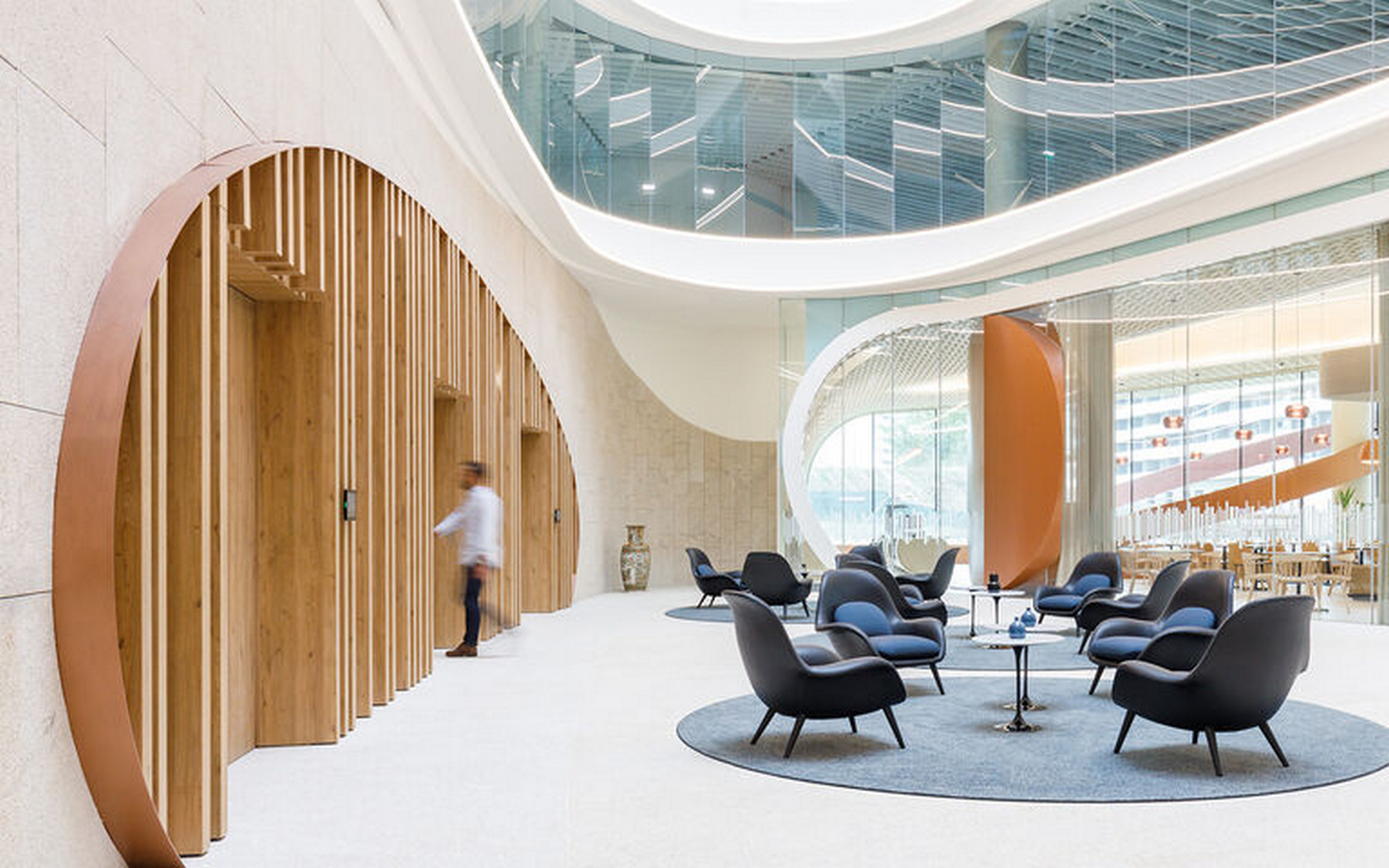
At the same time, the Anterior Cingulate Cortex (ACC) oversees our emotional and cognitive reactions to these spaces. It responds especially to architectural shapes. For example, rounded environments often lead to greater activation in the ACC compared to sharp, straight-line designs. This influences our immediate feelings of comfort or stress.
These brain systems assist in cognitive mapping, where the brain builds mental pictures of physical spaces to aid spatial memory and navigation. Through sensory input, the brain constantly combines visual information, like ceiling height or natural light, to refresh these maps. In the end, architectural design serves as a biological trigger. By learning how specific structures engage the PPA and ACC, architects can create spaces that enhance psychological well-being and promote restorative mental states.
Healing Architecture: Spaces that Support Health
Healing Architecture is a design philosophy that sees the built environment as an important part of physical, mental, and emotional recovery. Instead of just focusing on how things look, it uses proven principles to create spaces that lower stress and improve health. A key part of this idea is reducing environmental stressors, like architectural noise, poor lighting, and tight layouts. These stressors can trigger the brain’s alert mode and raise cortisol levels. By shifting the focus from just looks to human-centered results, these spaces use natural light and plant-inspired designs to help sync circadian rhythms and lower heart rates.
Key strategies include using calming shapes, like organic curves that the Anterior Cingulate Cortex finds less threatening than sharp angles. Open layouts are combined with principles of “prospect and refuge” to provide a sense of control and safety. Additionally, calming shapes and specific color schemes, like blue and green, are used to promote peace and concentration. This ensures that the unconscious mind does not feel exposed.
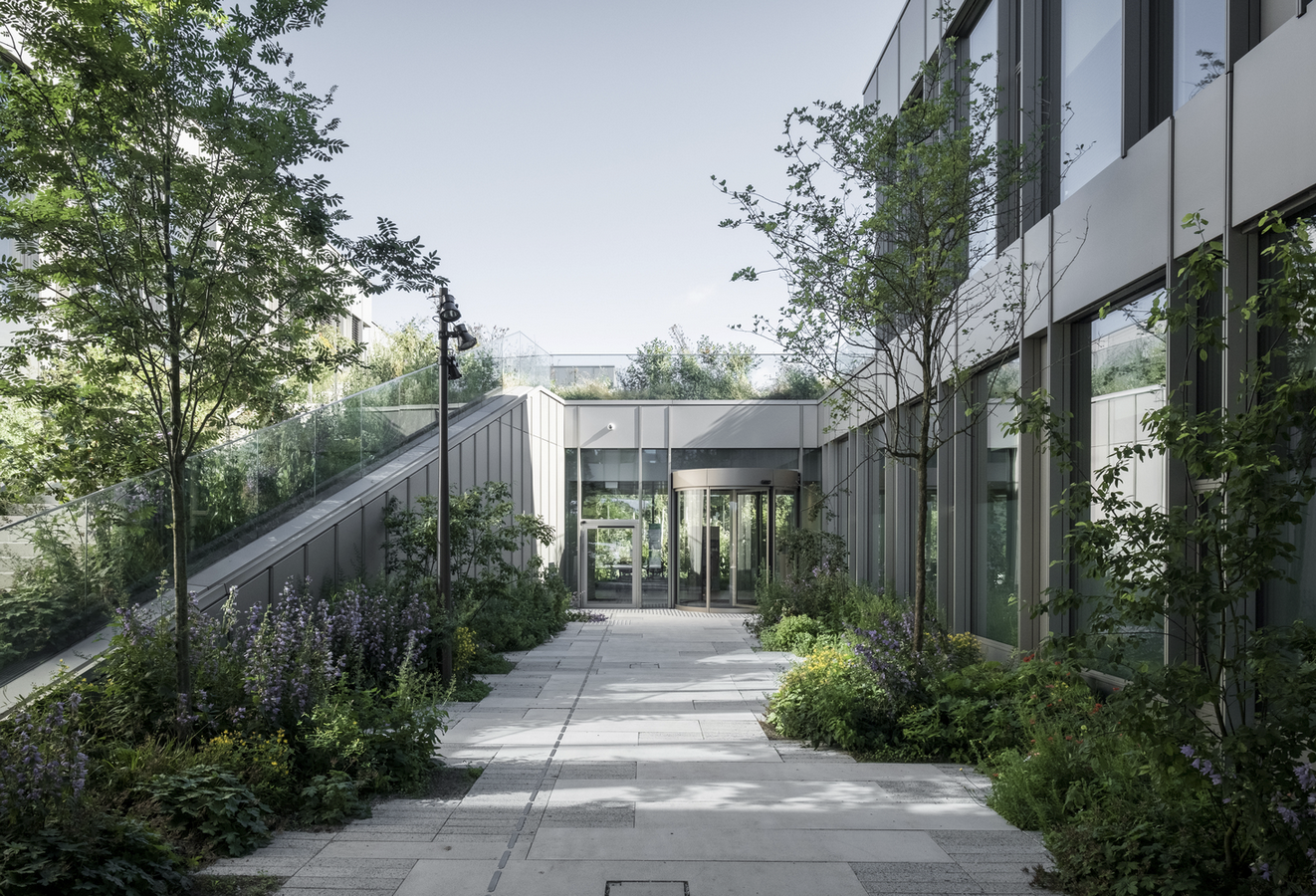
In hospitals, patient rooms have windows by each bed to speed up recovery. Schools use open layouts and natural ventilation to boost learning and cut down on student fatigue. In workplaces, these principles enhance productivity and employee well-being by offering relaxing break areas. Also, in therapeutic landscapes and public memorials, like those designed by Michael Murphy, architecture plays a healing role for the community. It encourages “spiritual healing” through meaningful connections with the environment and history.
Hostile Architecture: Design that Generates Stress or Exclusion
Hostile Architecture is a way that cities are designed to keep people from doing things they want to do in public spaces. This is often called exclusionary design. The city uses things like benches and window sills to stop people from lying down or sitting. They put armrests in the middle of benches so you cannot lie down. They also put metal spikes on window sills so you cannot sit. Some places have. Slippery surfaces so you cannot rest.
They use things like big concrete blocks to break up open spaces. They put studs on ledges so people cannot skate. Some places even use plants with thorns or loud noises to keep people away. The city does this to make sure the police can see everything and to make groups of people happy. This changes the whole area and makes it feel like someone is always watching you.
This can make people feel really anxious and stressed. It can be very confusing. These things are especially hard on people who do not have homes. It makes them feel like they are not welcome. It makes everyone feel like they are being watched all the time. This can make people not want to be in their neighborhoods. Making the city a nice place to live hostile architecture makes it feel uncomfortable and empty. It is like a zone. Nobody feels happy or comfortable in these areas. The city is designed so that nobody feels at home, not the people who are supposed to be there. Hostile Architecture makes the city a bad place to live.

Geometry and Spatial Form in Neuroarchitecture
Neuroarchitecture looks at how the shape and design of spaces affect our brain and how we feel. The research shows that curved forms and shapes that are like nature make our brain feel happy and relaxed. We feel safe and calm when we are around these kinds of shapes. On the other hand sharp jagged forms can make us feel stressed and scared. This is because they trigger the part of our brain that makes us want to fight or run away.
The way a space is laid out is also very important. We need to have a balance between enclosure and openness. Big open spaces with ceilings help us think creatively and come up with new ideas. Small cozy spaces make us feel secure and focused.
The way a space looks and feels is affected by things like lighting, materiality and acoustics. For example natural light and materials like wood or stone make us feel better and help us know where we are. Spaces that use math patterns like the Golden Ratio are easier on our brain and make us feel more calm. Architects can design spaces that take us on a journey from dark and narrow to bright and open. This can help our emotional well-being. By doing this they can create a story, with the spaces that helps us feel better and improves our health.
Case studies
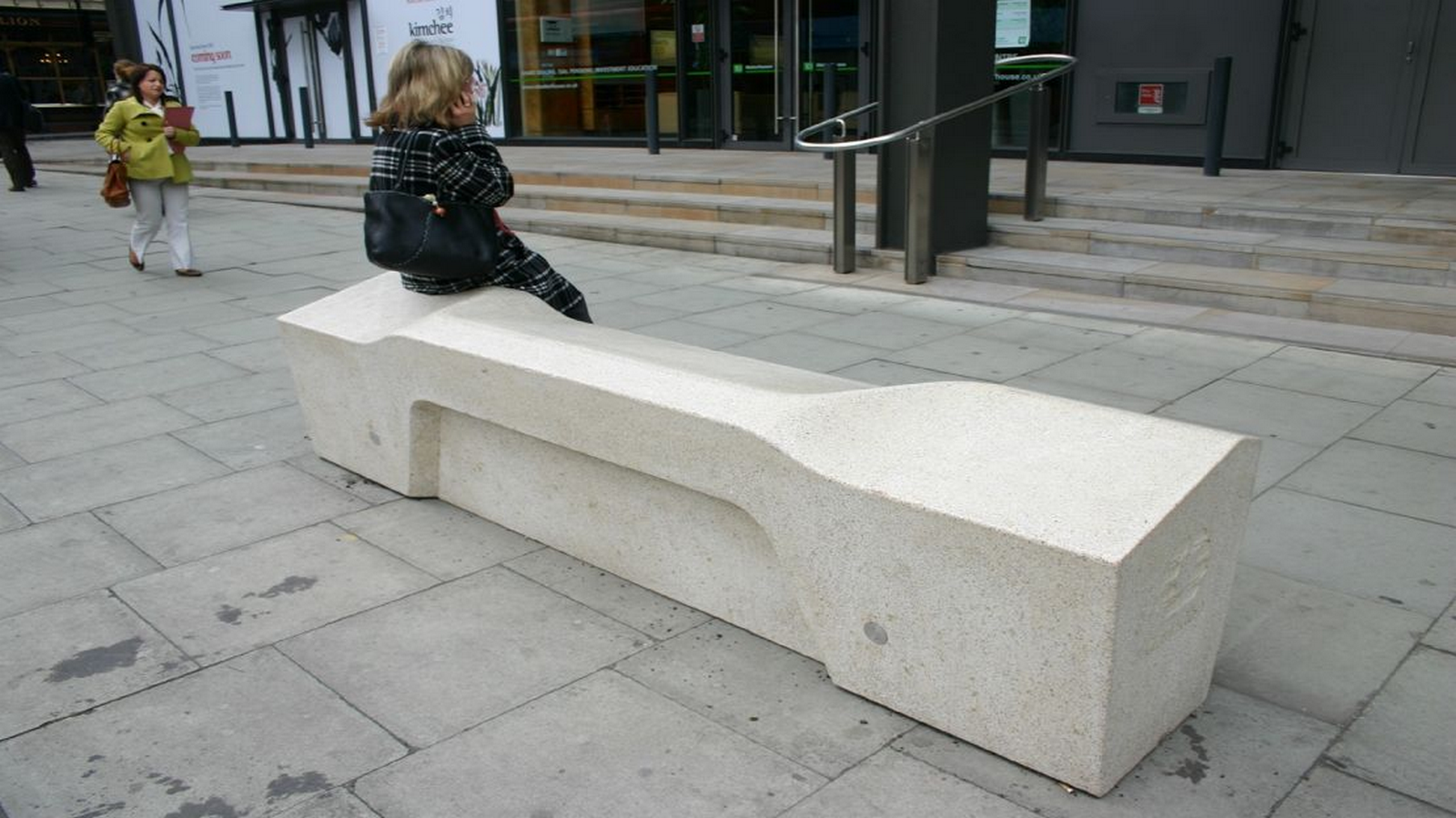
Camden Bench, London
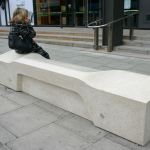
The Camden Bench in London is a known example of hostile architecture. It was designed by Factory Furniture and has a wavy rough surface made of concrete. This surface is meant to stop people from doing things like sleeping, hiding drugs and skateboarding. The Camden Council says it’s a design solution for maintenance. It actually keeps certain people away. For those who use it the bench makes them feel uncomfortable and like they don’t quite belong. It suggests that public spaces are for passing not for resting.
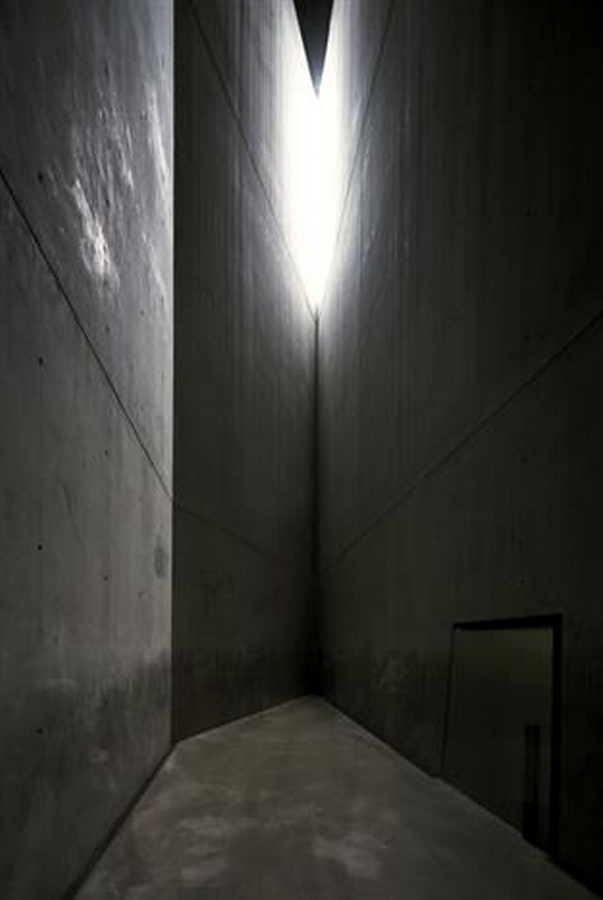
Jewish Museum, Berlin
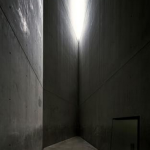
In contrast, Daniel Libeskind’s Jewish Museum Berlin uses design to tell a story about the Holocaust. The Holocaust Tower is a concrete room with little natural light. The Garden of Exile has 49 tilted pillars on a slanted floor. These unusual spaces make people feel disoriented, off-balance and oppressed. The museum’s design makes visitors feel empathy and think about the pain and violence of the past. It shows how the shape of a space can make people feel a way, making a point.
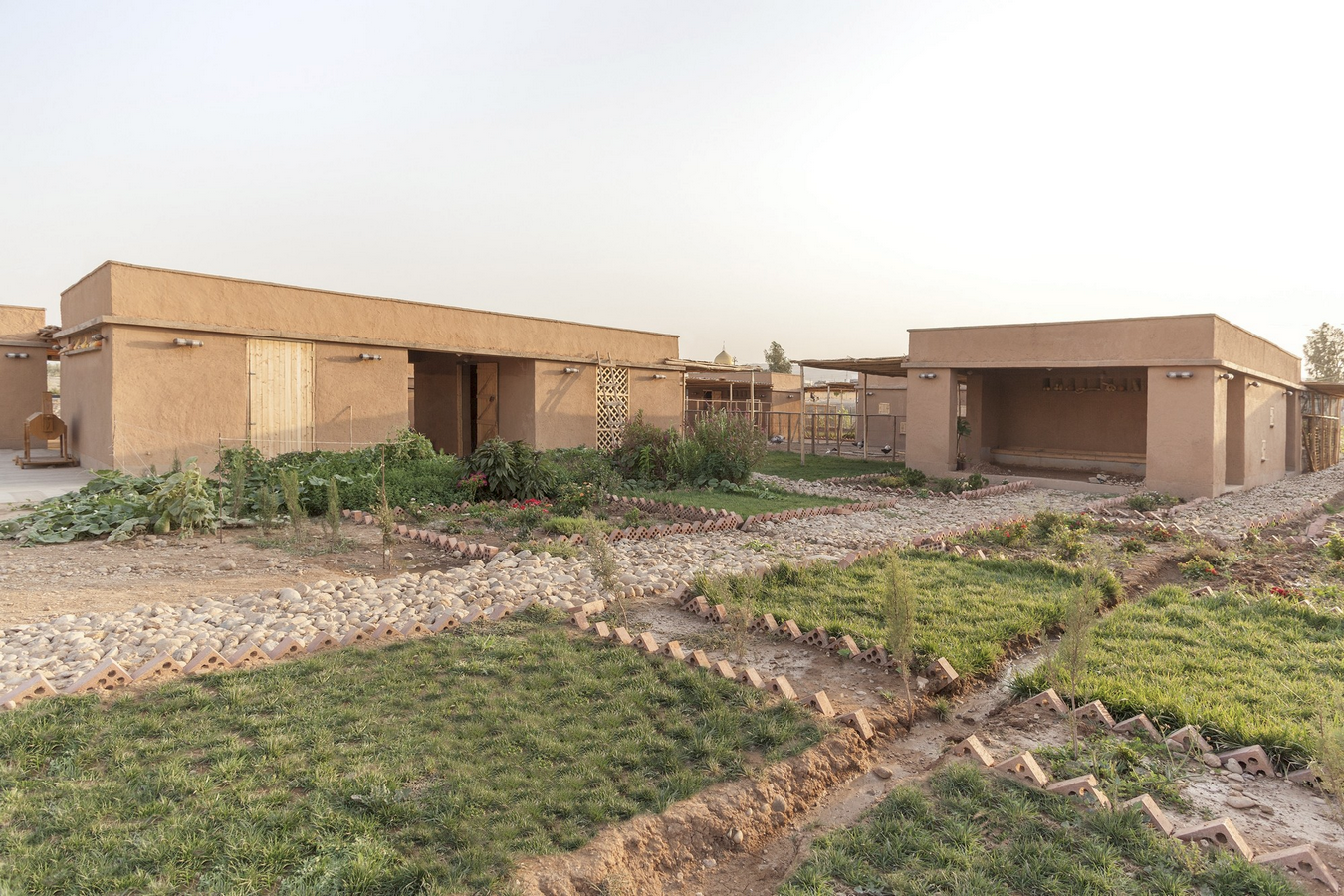
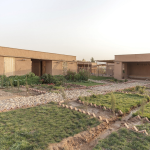
Jiyan Healing Garden, Iraq
The Jiyan Healing Garden in Chamchamal helps people who have gone through tough times like trauma and chemical attacks. The garden uses nature to make people feel better. It has lots of pleasant smelling herbs and water that runs and makes a soothing sound to feel grounded and calm. The garden helps people feel less anxious and increases connection among people. By tending to the garden, users are able to feel strong and in control again.

Drug De-addiction Centre, India
The Muktangan Mitra centre in Pune is an example. It was designed by Christopher Charles Benninger. This place is special because it helps people get over their addiction. It has spaces and courtyards. This makes people feel more comfortable and less anxious. The centre uses light and air and has cozy materials too making people feel safe and relaxed. It also helps them feel more connected to others. This is very important for people who are recovering from addiction. It is not just a building but also a place where people can heal and grow.
The future of the built world is at the nexus of neuroscience and spatial design, which will transform architecture from a purely aesthetic pursuit into a research-based instrument of public health. By leveraging the research of neuroscience, from the way that certain geometries stimulate the amygdala to the way that biophilic design reduces cortisol levels, architects will be able to transcend the lowest common denominator of hostile design, which has traditionally relied on exclusionary design as a means of influencing human behavior.
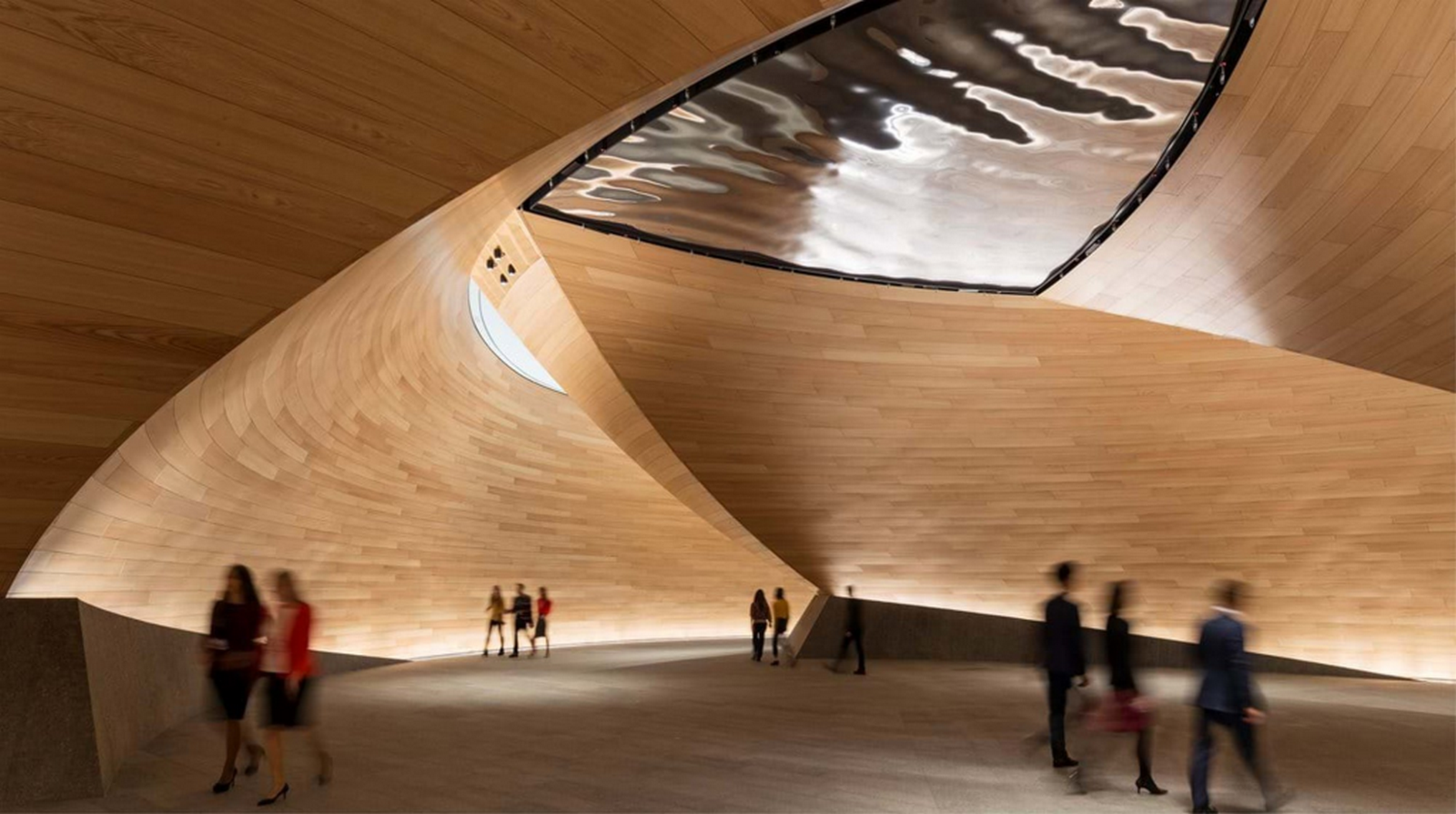
Instead, the ethical imperative of the future city is to adopt a healing-centric paradigm that places the value of human dignity and physiological safety above all else, including the realms of healthcare, work, and educational spaces.
As the city continues to transform, public spaces will no longer be designed as tools of control but rather as therapeutic landscapes that facilitate cognitive restoration and social connection. Moving from exclusionary urbanism into more inclusive design ensures that architecture does more than simply contain activity, rather, it is a driving force that looks to improve neurological and emotional well-being of a pluralistic population.
Citations:
- Eberhard, J. P. (2008). Brain Landscape: The Coexistence of Neuroscience and Architecture. New York: Oxford University Press.
- Luo, H., and Chen, J. (2024). Digital transformation of architectural design: A review of BIM and AI integration. Journal of Building Engineering, 85, 108-125.
- Abbas, S., Okdeh, N., and Roufayel, R. (2024). Neuroarchitecture: How the Perception of Our Surroundings Impacts the Brain. Biology (Basel), 13 (4), 220.
- Abbas, S., et al. (2024). Neuroarchitecture: Exploring the Intricate Relationship Between the Brain and Perceived Environments. PMC PubMed Central, 13 (4).
- Ahmed, M., and Khalil, A. (2024). Impact of Urban Design on Mental Well-being: A Neuroarchitectural Perspective. Ain Shams Engineering Journal, 15 (6).
- Dampa (2024). What is Healing Architecture? [online]. Available at: https://dampa.com/what-is-healing-architecture/ [Accessed date: 10/03/2026]
- Neighborhood Design Center (2024). Understanding Hostile Architecture: The Cause and Effect of Restricting. [online]. Available at: https://ndc-md.org/news-and-stories/understanding-hostile-architecture-the-cause-and-effect-of-restricting [Accessed date: 10/03/2026]
- TEDx Talks. (2024). How Neuro-Architecture will change your well-being | Fiona Beenkens | TEDxGeneva. [YouTube Video]. Available at: https://www.youtube.com/watch?v=1oNK6y18zqQ [Accessed date: 11/03/2026]
- TEDx Talks. (2019). Hostile Architecture Debunked | Effie Li | TEDxAmericanInternationalSchoolHK. [YouTube Video]. Available at: https://www.youtube.com/watch?v=DNnyVmYEJ5A [Accessed date: 11/03/2026]
- TED. (2016). Architecture that’s built to heal | Michael Murphy. [YouTube Video]. Available at: https://www.youtube.com/watch?v=MvXZzKZ3JYQ [Accessed date: 11/03/2026]