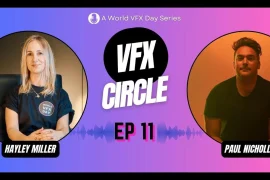
One of the most significant architects of the 20th century, Eero Saarinen is renowned for his structural experiments and sculpture modernism. Saarinen’s Shells: The Evolving Influence of Engineering and Construction is a YouTube lecture that explores how Eero Saarinen worked with engineers and new construction methods to create his thin-shell concrete architecture (YouTube, n.d.). The film examines how engineering choices influenced architectural expression while concentrating on three significant shell projects rather than providing a general biography.
For architects and students, this lecture offers more than just historical material. It displays how Eero Saarinen matched formal ambition with structural logic, demonstrating the iterative design process that underpins his most iconic works. By emphasizing construction realities and engineering cooperation, the video repositions Eero Saarinen as a designer whose creativity was inspired rather than hampered by technological limitations.
Shell Structures and the Architectural Vision of Eero Saarinen
Thin-shell concrete constructions became symbols of postwar architectural optimism, representing material innovation and artistic freedom. In this context, Eero Saarinen used shell building as a structural and symbolic device (Britannica). The lecture satuates Eero Saarinen within the larger modernist movement, demonstrating how breakthroughs in structural engineering allowed for increasingly daring designs in the 1950s and early 1960s.
Importantly, the film demonstrates that Eero Saarinen did not view structure as secondary to design. Instead, engineering reasoning influenced geometry from the beginning. According to architectural historians, midcentury experimentation frequently necessitated tight interdisciplinary collaboration. Through this viewpoint, Eero Saarinen’s work reveals how architectural innovation comes from a conversation of imagination and calculation.
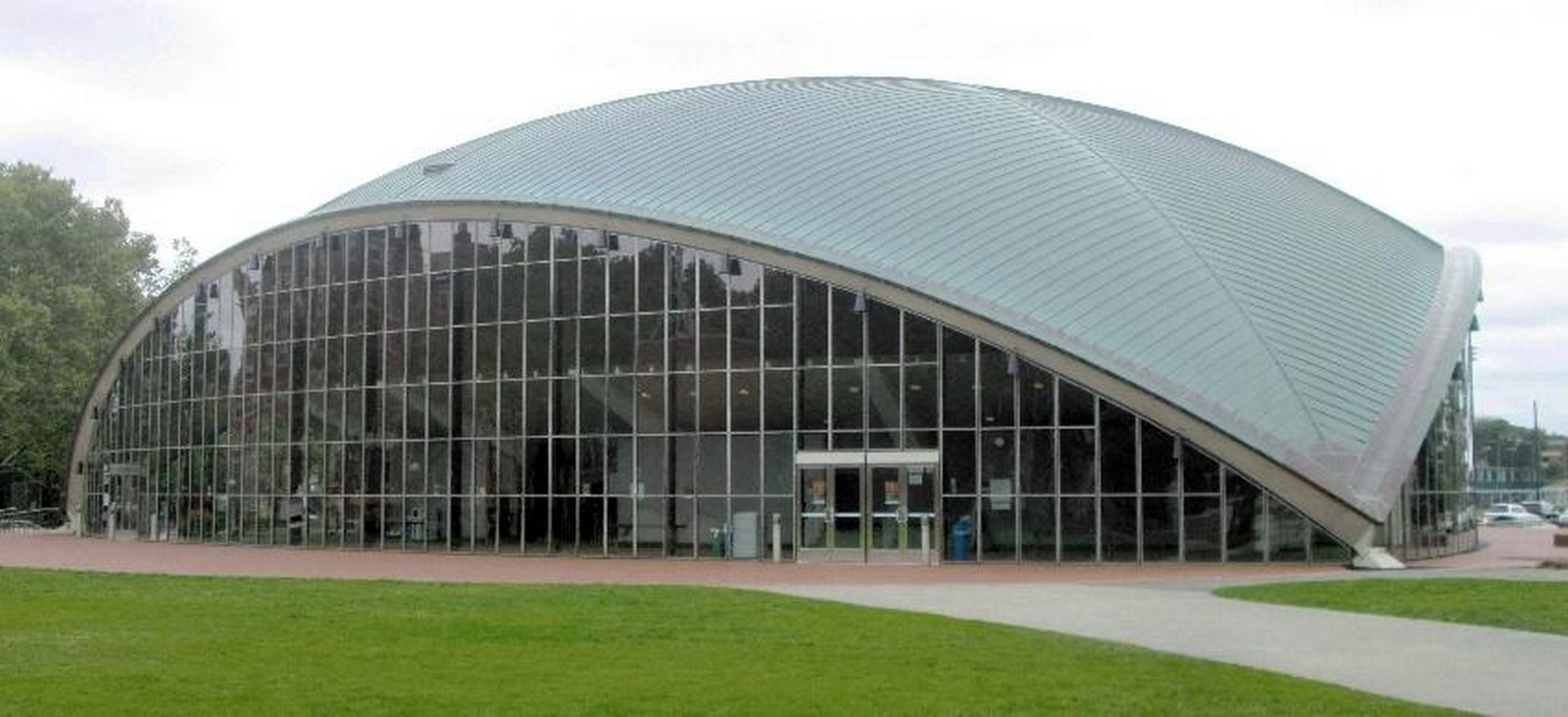
Kresge Auditorium: Structural Experimentation
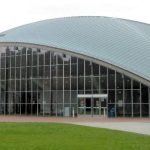
The Kresge Auditorium, built in 1955, was one of Eero Saarinen’s first significant shell projects. The building’s triangle dome, supported solely by three points, appears mathematically simple but required substantial engineering adjustment (MIT Museum, n.d.). The lecture shows how Eero Saarinen worked with structural consultants to increase shell thickness and reinforcement after stress tests showed possible flaws.
This project highlights a crucial moment in the evolution of Eero Saarinen’s structural thought. While the architectural vision was ambitious, its achievement was contingent on careful recalculation and compromise. For modern designers, the message is clear: ambitious form must be underpinned by technical precision. The Kresge Auditorium shows how teamwork may turn creative designs into buildable architecture.
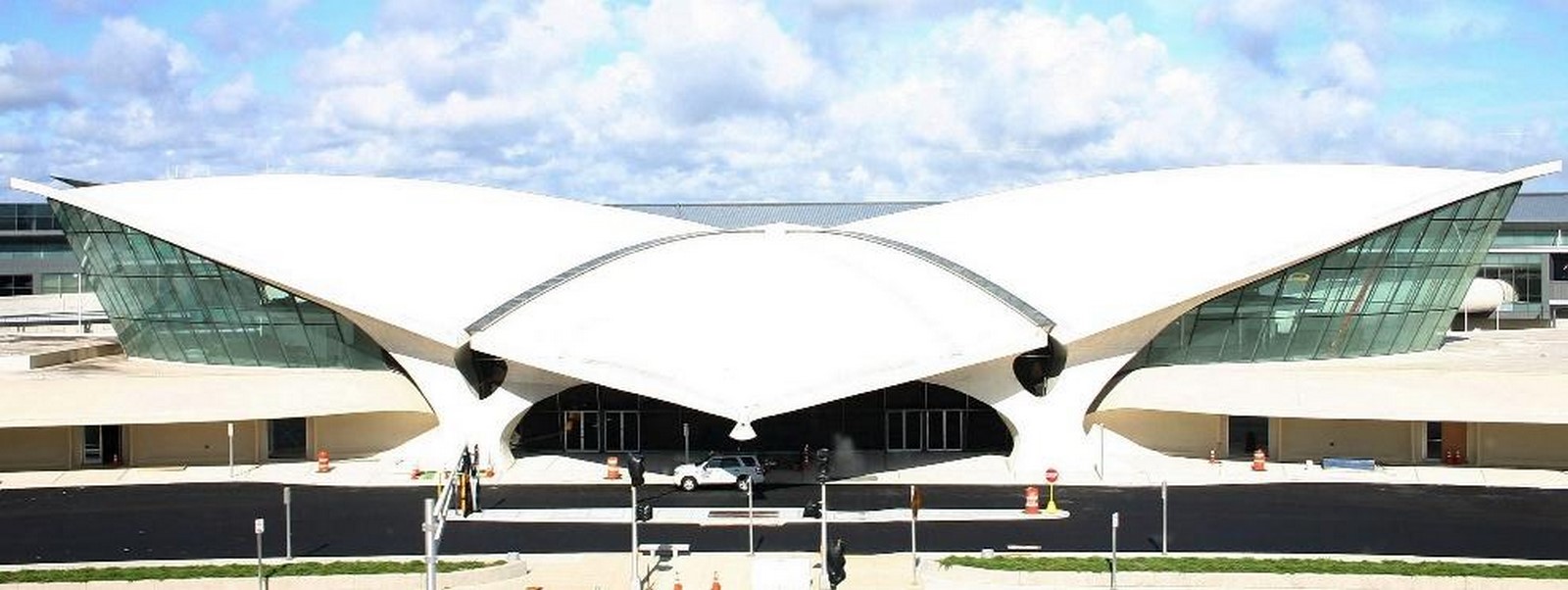
TWA Flight Center: Structural Expression in Motion
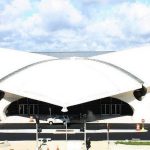
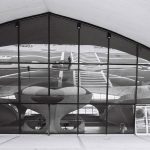
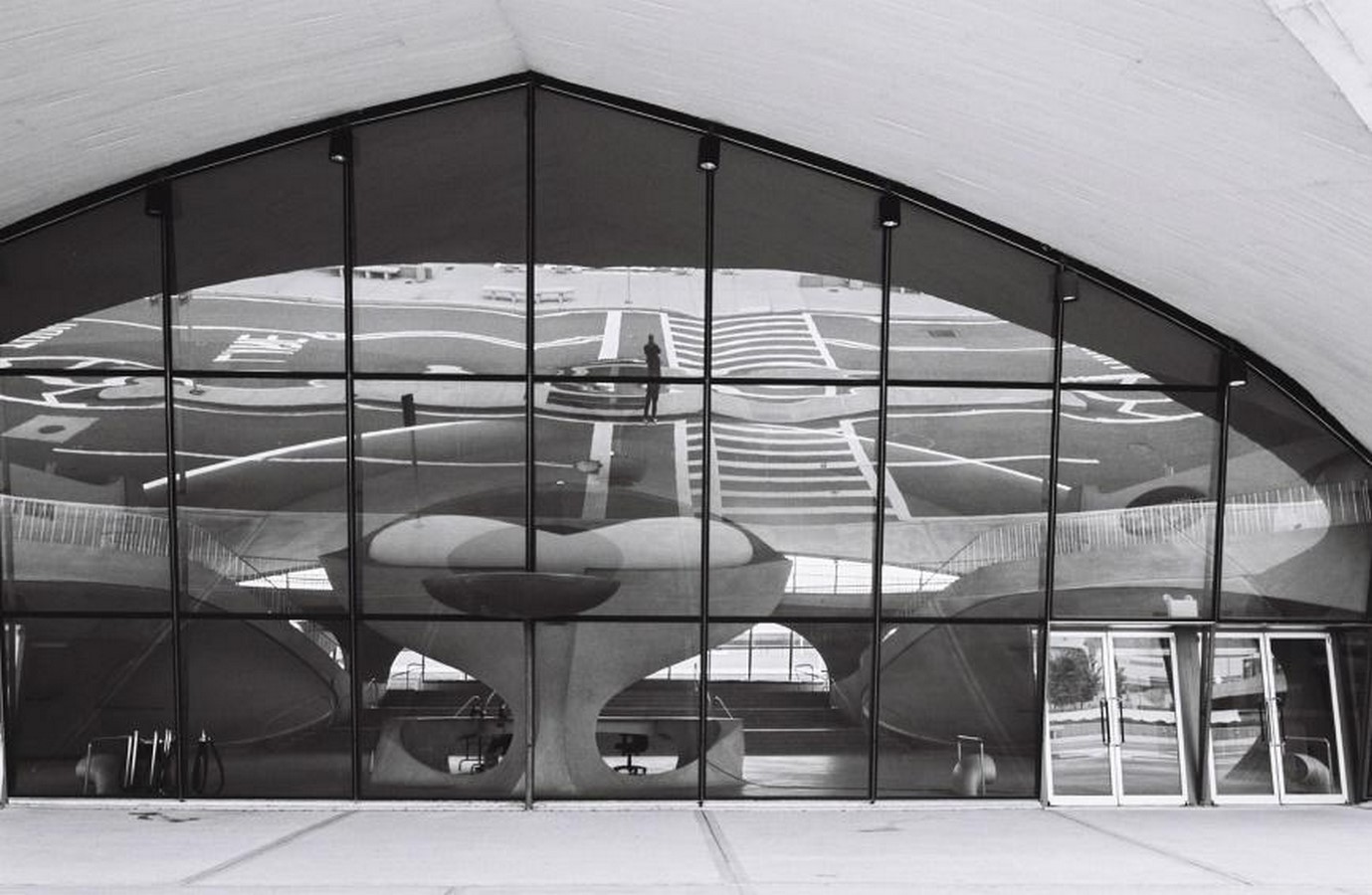
The TWA Flight Center (1962) is arguably the most prominent example of Eero Saarinen’s shell design. Its sweeping concrete forms inspire mobility and the spirit of flight, transforming narrative into structure (National Park Service, undated). The presentation focuses on how Eero Saarinen used engineering modeling and exact construction sequencing to create the intersecting shell shape.
Unlike solely decorative curves, the shells serve as integrated structural surfaces. The film shows how Eero Saarinen achieved expressive drama through structural coherence. For designers, the TWA Flight Center demonstrates how storytelling and engineering can complement each other. The project demonstrates that structural reasoning may enhance rather than weaken architectural feeling.
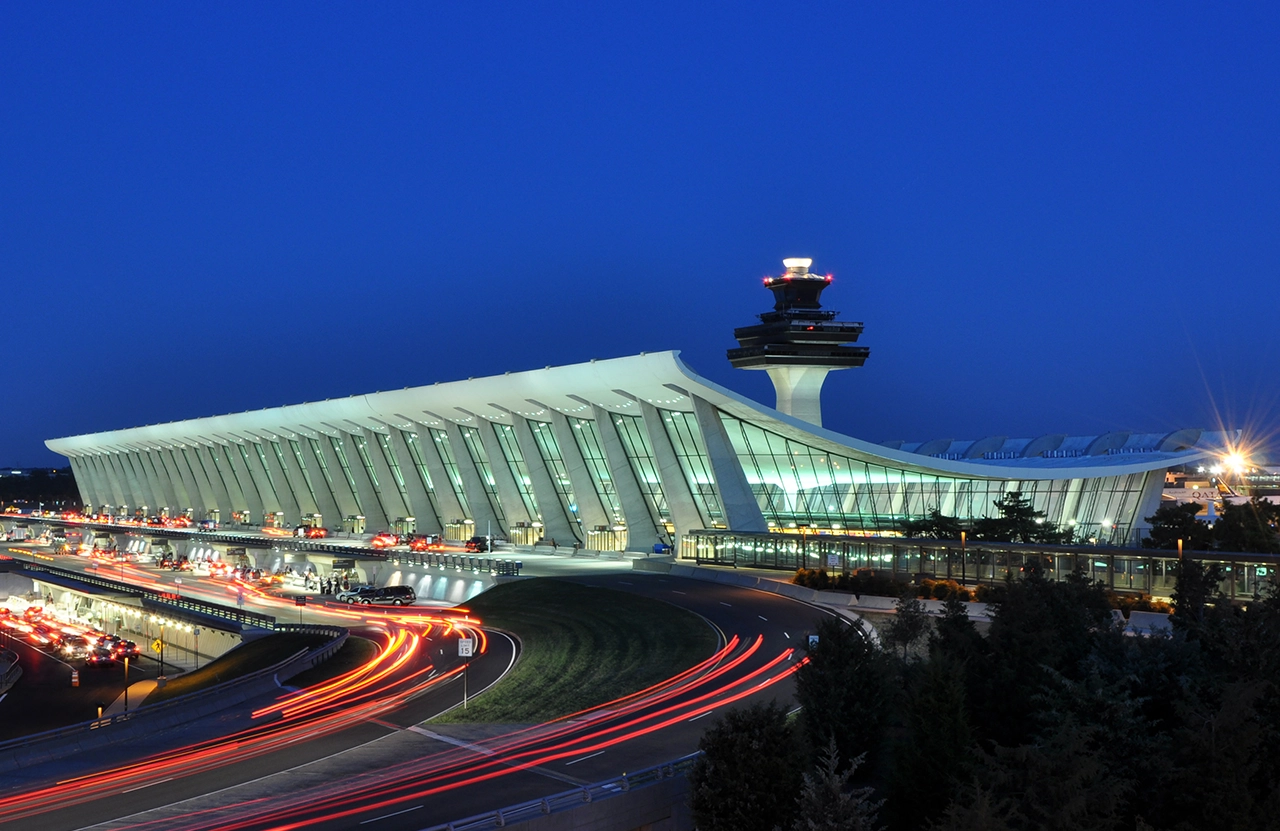
Dulles International Airport: Mature Integration
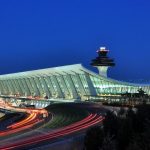
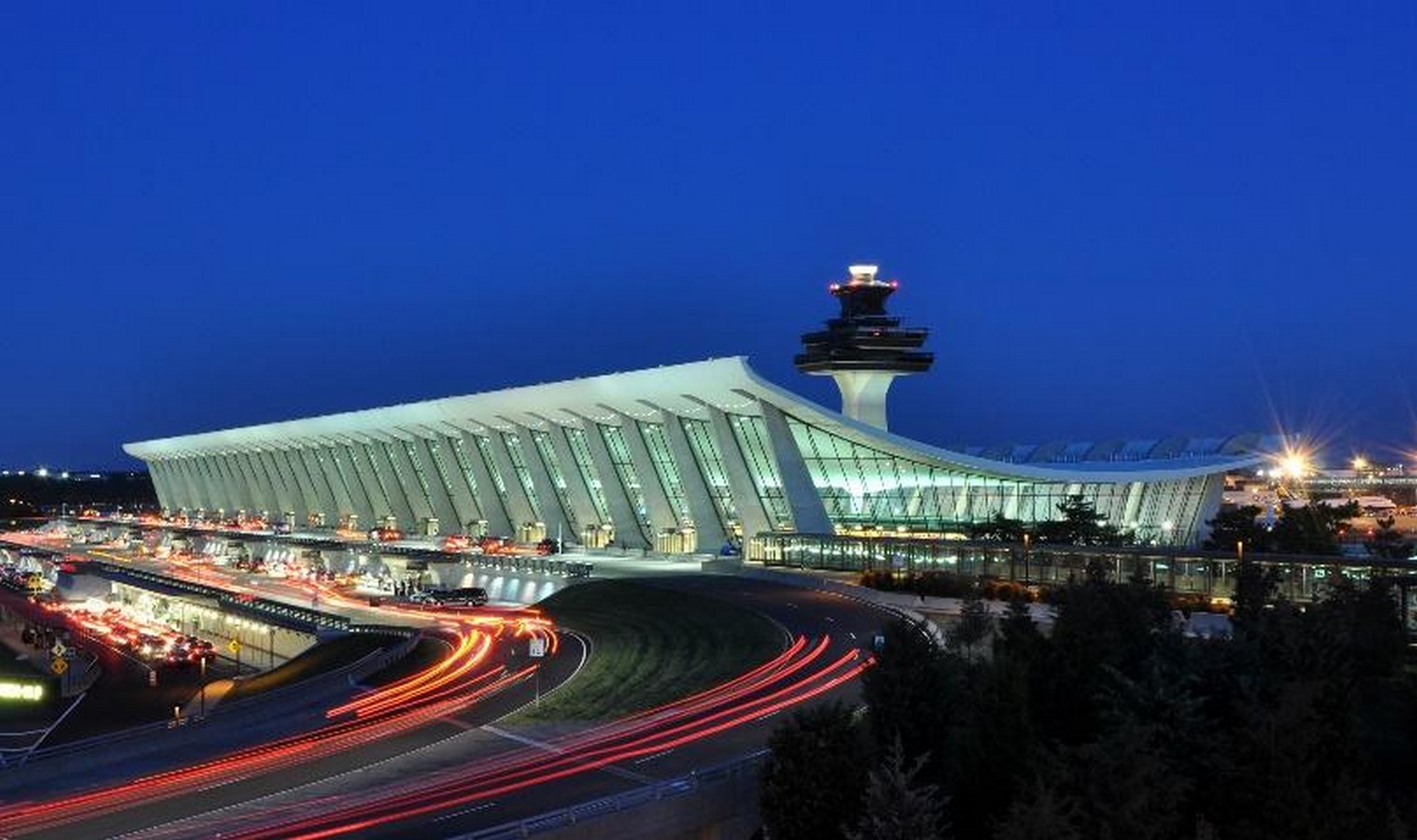
The Dulles International Airport Terminal (1962) demonstrates the maturity of Eero Saarinen’s structural integration. The terminal’s arching catenary ceiling, supported by outward-leaning columns, combines architectural vision with engineering clarity (MWAA). According to the lecture, Eero Saarinen approached this project with a better knowledge of how structural logic could influence spatial form.
In contrast to previous experiments, the Dulles roof profile is derived directly from structural principles. The film illustrates Eero Saarinen refining his process across multiple projects, demonstrating cumulative learning. This evolution exemplifies the value of iterative growth and interdisciplinary collaboration for contemporary architects.
Key Lessons for Designers
The lecture’s fundamental point is that architectural innovation is dependent on teamwork. Eero Saarinen is shown as a designer whose most ambitious work resulted from a collaboration with engineers (YouTube, n.d.). This contradicts romanticized views of authorship and instead portrays architecture as a collaborative effort.
Furthermore, the evolution of Eero Saarinen’s shell structures demonstrates the value of iteration. From Kresge to Dulles, each project influenced the next. Designers can learn that refining, recalculation, and technical humility are all necessary parts of the creative process. Eero Saarinen’s career trajectory demonstrates how artistic ambition and structural rigor can coexist constructively.
Saarinen’s Shells: The Evolving Influence of Engineering and Construction is a thorough and insightful examination of structural modernism. The movie examines three historic projects in depth to show how Eero Saarinen created progressively complicated shell systems through collaboration and technical improvement.
In my professional view, the lecture is an invaluable resource for architects interested in the junction of form and engineering. By exploring the structural progression of Eero Saarinen’s work, the movie argues that enduring architecture is created via disciplined integration of design and construction expertise, rather than by spectacle.
Video Link: https://youtu.be/vC2sEAyoGRk?si=Dmzz0ethWei-rLj_
References:
Video Link: https://youtu.be/vC2sEAyoGRk?si=Dmzz0ethWei-rLj_
Britannica (2023) Eero Saarinen.
Goldhagen, S.W. and Legault, R. (2000) Anxious Modernisms: Experimentation in Postwar Architectural Culture. Cambridge, MA: MIT Press.
MIT Museum (2022) Kresge Auditorium.
Metropolitan Washington Airports Authority (MWAA) (2023) History of Washington Dulles International Airport.
National Park Service (2023) TWA Flight Center.
Wikimedia Commons (2023–2024) Kresge Auditorium Exterior; TWA Flight Center Exterior; Washington Dulles International Airport Exterior.
YouTube (2023) Saarinen’s Shells: The Evolving Influence of Engineering and Construction.