The best external cladding ideas combine the right material, board profile, and colour to completely transform a home’s appearance while protecting it from the elements. Whether you’re renovating a tired facade, finishing a new extension, or building from scratch, cladding affects everything from kerb appeal and thermal performance to long-term maintenance costs and property value.
Selecting between timber, stone, composite, metal, and uPVC can feel overwhelming, as each material performs differently depending on your budget, local climate, and design goals. Board orientation, mixed-material layering, and colour choices add further complexity that most homeowners only discover mid-project.
From cost comparisons and materials to avoid, through to styling techniques used by architects across the UK, the sections below break down every decision you need to make before committing to a cladding system.
Why External Cladding Makes a Difference to Your Home’s Exterior?
Exterior cladding delivers three measurable benefits: it refreshes a property’s look, shields walls from rain, wind, and UV damage, and adds a thermal insulation layer that reduces energy bills. These improvements increase property value, making cladding a practical investment for homeowners planning renovations or extensions.
Material choice also determines long-term maintenance costs, fire safety compliance, and environmental impact. Not all cladding performs equally across these criteria.
Since the Grenfell Tower fire, UK building regulations under the Building Safety Act 2022 have tightened requirements for cladding materials, particularly on structures over 18 metres. Choosing compliant, high-performance materials is now a regulatory and safety priority.
Best External Cladding Materials for Houses
Five material categories dominate external wall cladding for houses: timber, stone, composite, metal, and PVC/uPVC. Each suits different budgets, climates, and design goals, so the right choice depends on your property’s exposure, aesthetic priorities, and maintenance tolerance.
Timber and Wood Cladding
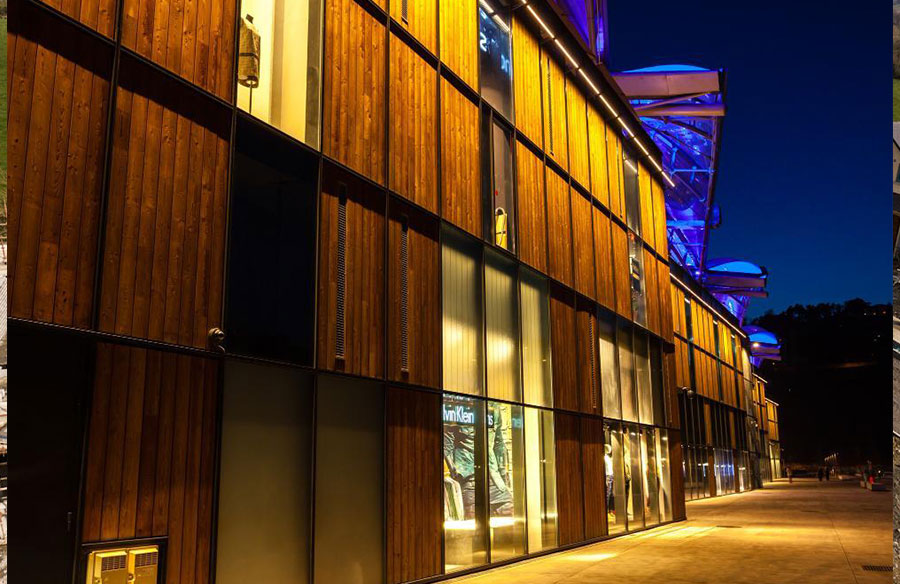
Timber remains the most sought-after cladding material for homeowners who want natural warmth and character. Western red cedar, European larch, and Siberian larch are the most commonly specified species, offering natural durability, attractive grain patterns, and strong moisture resistance.
Charred timber, produced using the Japanese Shou Sugi Ban (Yakisugi) technique, has become a standout modern option. The carbonised surface layer acts as a natural preservative, resisting rot, insects, and UV degradation without chemical treatments. TimberSol’s charred wood cladding delivers this finish with consistent quality. Thermally modified timber offers similar dimensional stability through heat treatment alone, making it another sustainable alternative.
Untreated softwood can warp and grey within 2–3 years, while treated or charred boards last 15–25 years with minimal upkeep. Pre-finishing boards off-site before installation saves labour and produces a more even, longer-lasting finish.
Stone and Brick Slip Cladding
Natural stone cladding, including slate and sandstone, delivers unmatched longevity. These materials resist weathering almost indefinitely, though weight and installation costs are significantly higher than alternatives.
Modern lightweight stone-effect panels and brick slips replicate the look at a fraction of the weight. Most homeowners use stone or brick slips selectively on feature walls and front-of-house facades, concentrating premium materials where they have the greatest visual impact to keep costs manageable.
Composite Cladding
Composite boards, whether wood-plastic composite (WPC) or fibre cement, deliver a wood-effect finish with far less upkeep than natural timber. Fibre cement boards like HardiePlank are widely favoured by UK builders for their impact, rot, and insect resistance at a mid-range price point.
Most quality composite cladding lasts 20–30 years without painting or staining. However, colour fading can occur gradually with prolonged UV exposure. Low-grade boards often delaminate or warp within a few years due to inferior binding agents, so specifying reputable manufacturers is essential.
Metal Cladding: Aluminium and Zinc
Aluminium and zinc cladding suit contemporary and industrial-style homes. Clean lines and sleek profiles create a distinctly modern facade, and both materials are lightweight, fire-resistant, and fully recyclable.
Corrugated metal paired with timber is a popular combination for modern rural and coastal properties, adding warmth against the metallic finish. Aluminium trim systems also deliver sharp, professional edges around windows, corners, and fascias.
PVC and uPVC Cladding
uPVC cladding is the most budget-friendly exterior option widely available in the UK, with a lifespan exceeding 25 years. It requires zero painting, resists weathering, and installs quickly using clip-fit systems suitable for confident DIYers.
The trade-off is clear: uPVC lacks the natural texture and premium feel of timber or stone. It works best on side elevations, outbuildings, and sheds where cost control matters more than visual impact. For street-facing facades, pairing uPVC with a premium accent material delivers better kerb appeal.
Modern External Cladding Styles and Design Ideas
Choosing the right material is only half the equation. Board orientation, material combinations, and surface texture define the overall aesthetic, turning a simple cladding project into a distinctive facade.
Vertical vs. Horizontal Cladding: Which Direction Works Best?
Both directions work, but each creates a different visual and functional effect. Horizontal cladding, including shiplap and weatherboard profiles, is the traditional UK approach and visually widens a facade, making it ideal for compact properties.
Vertical cladding draws the eye upward, suiting narrow plots, gable ends, and contemporary designs. It also sheds rainwater faster since there are no horizontal joints where moisture can pool, making it more practical for exposed or coastal locations.
Mixing both directions on a single facade creates effective visual zoning. A common approach pairs horizontal boards on the ground floor with vertical boards on the upper storey.
Mixed-Material Cladding for Standout Facades
Combining two or three external cladding materials creates depth and visual interest without looking chaotic. The key is choosing one dominant material for 60–70% of the facade, then using one or two accent finishes around entrances, upper storeys, or bay windows.
Budget-conscious homeowners often clad most of the house in fibre cement or uPVC, then add a premium timber or stone accent near the front door. This controls costs while maintaining strong kerb appeal. Charred timber feature panels against a brick or composite base work particularly well for exterior cladding inspiration, with the contrast highlighting architectural details rather than competing with them.
Minimalist and Textured Cladding for Contemporary Properties
Flush-fit, smooth-profile boards create a clean Scandinavian or Japanese-inspired aesthetic where shadow lines and joints virtually disappear. This approach suits modern new builds and flat-roofed extensions where simplicity defines the design language.
Heavily textured alternatives offer the opposite effect. Charred wood, rough-sawn timber, and riven stone produce tactile, characterful facades that catch light differently throughout the day. Textured finishes work particularly well on feature walls, garden rooms, and extensions, creating striking contrast against existing brickwork.
Cladding Colours and Finishes: From Anthracite Grey to Natural Wood Tones
Anthracite grey and charcoal dominate modern UK facades, pairing cleanly with aluminium windows, dark guttering, and contemporary landscaping. Sage green and muted blue tones suit rural properties, softening the transition between building and landscape.
Natural wood tones are equally popular. Honey, weathered silver-grey, and deep charred black age gracefully and complement both traditional and contemporary architecture. Bold accent colours like deep red or mustard work best in small doses on front doors or trim alongside neutral cladding.
Factory-applied or pre-finished coatings last significantly longer than site-applied paint, as they cure under controlled temperature and humidity conditions.
Cheapest External Cladding Options: A Cost Comparison
Exact prices vary by supplier, region, and specification, but approximate installed cost brackets help narrow the field. uPVC sits at the lowest end, fibre cement falls mid-range, timber and composite occupy the mid-to-upper range, and natural stone commands the highest prices per m².
The cheapest upfront option is not always cheapest long-term. Untreated softwood requires repainting every 3–5 years, while composite or charred wood cladding needs almost no ongoing spend.
- uPVC: Low cost, minimal maintenance
- Fibre cement: Medium cost, virtually no upkeep
- Timber (treated): Medium-to-high cost, periodic oiling or staining
- Composite: Medium-to-high cost, minimal maintenance
- Natural stone: High cost, near-zero maintenance
Is It Cheaper to Clad or Render a House?
Rendering is typically cheaper upfront, as silicone render costs less per m² than quality cladding materials. However, render carries higher long-term maintenance risks: cracks, staining, and algae growth commonly appear within 5–10 years if workmanship is poor.
Cladding panels can be removed and replaced individually, whereas render damage often requires whole-wall remediation. The better choice depends on property style, weather exposure, and your tolerance for ongoing maintenance.
What Cladding to Avoid for Exterior Walls?
Untreated softwood like pine and spruce is the most common regret purchase. These species warp, split, and rot quickly in the UK climate, often deteriorating within two to three years without regular treatment. They lack the natural oils and decay resistance found in cedar or larch.
Cheap, unbranded composite boards also underperform. Low-quality binding agents cause delamination and colour fading far sooner than reputable alternatives like HardiePlank or established WPC manufacturers.
On fire safety, certain ACM panels with polyethylene cores are restricted on buildings over 18 metres under the Building Safety Act 2022. Even for smaller properties, specifying non-combustible or limited-combustibility materials remains good practice.
External Cladding Ideas for Specific Projects
Front-of-house facades benefit most from premium materials like charred timber or stone slips, since the street-facing elevation drives kerb appeal. Less visible side and rear walls can use cost-effective uPVC or fibre cement to control the budget.
Garden rooms and outbuildings are ideal for bolder experiments. Vertical charred larch or corrugated metal panels carry less financial risk at smaller scale, yet deliver striking results.
Extensions clad in a contrasting material create a deliberate “old meets new” aesthetic that local planners often approve. Sheds and workshops, meanwhile, perform well with pressure-treated shiplap or fibre cement for durability without overspending.
External Cladding Ideas: FAQ
Which External Cladding Material Is Best for a UK Home?
No single material suits every property. Composite boards like HardiePlank deliver the lowest maintenance, while timber, especially treated or charred varieties, provides the richest natural aesthetics. uPVC wins on affordability, and natural stone offers unmatched longevity.
Exposed coastal or northern properties benefit from moisture-resistant options like charred timber or fibre cement, as these materials handle persistent rain and salt air. Sheltered southern facades allow a wider material range, including untreated larch or decorative stone slips.
Does External Cladding Need Planning Permission in the UK?
Re-cladding an existing house usually falls under permitted development rights, so formal planning permission is not required. However, listed buildings, properties in conservation areas, and buildings over 18 metres do need explicit approval from the local planning authority.
Permitted development conditions vary between councils. Always confirm with your local authority before starting work, as assumptions about permitted rights can lead to costly enforcement notices.
Can You Mix Different Cladding Materials on One House?
Yes, and mixed-material facades are one of the strongest current design trends. Limiting the palette to two or three materials with one dominant finish keeps the result cohesive rather than cluttered. The mixed-material section above covers proportions and accent placement in detail.
How Long Does External Cladding Last?
Lifespan varies significantly by material:
- uPVC: 25+ years
- Composite / fibre cement: 20–30 years
- Treated timber: 15–25 years
- Charred timber: 30+ years
- Natural stone: indefinitely
Installation quality and ongoing maintenance directly affect real-world longevity. Even premium materials underperform when poorly fitted or neglected. Conversely, factory-finished products and professional fitting consistently push performance toward the upper end of each range.
Choosing the right cladding material shapes both the character and longevity of your home, and few options deliver the same balance of durability, texture, and visual depth as charred timber. TimberSol specialises in crafting premium charred wood cladding using traditional techniques refined for modern architecture, offering bespoke sizes and finishes to suit any project.
Whether you are planning a full facade transformation or a striking accent panel, TimberSol’s team provides expert guidance from material selection through to installation. Explore the full range and bring a distinctive, sustainable finish to your next exterior project.