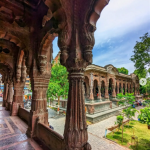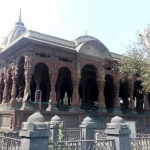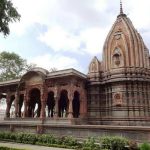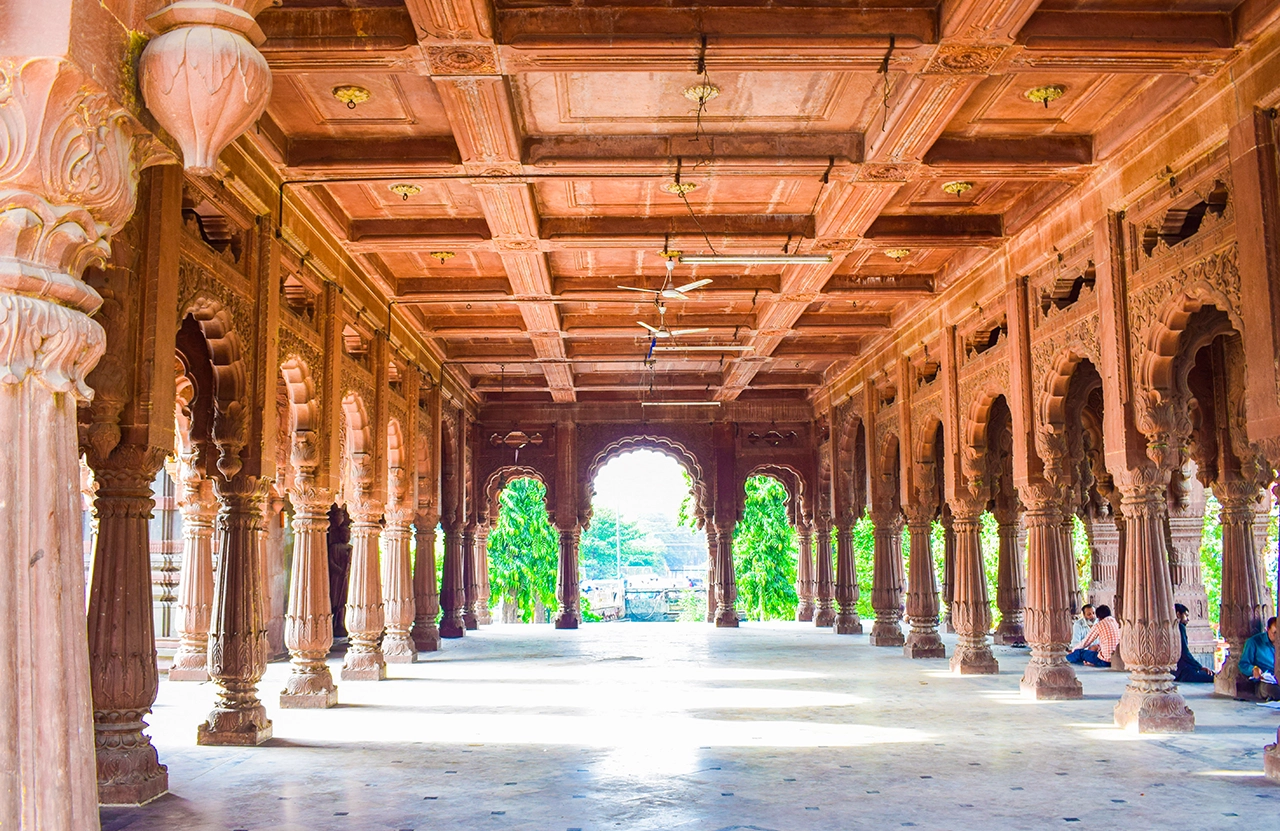
Chhatris are a unique architectural type found in Western India, serving as a death marker, political symbol, and an element of urban fabric. This case study focuses on Krishnapura Chhatri, located in the city of Indore, within the context of the development of chhatris in the regions of Rajasthan, Malwa, and Gujarat. The discussion will concentrate on the philosophical approach, planning concepts, material and construction methods, and environmental adaptability of the architecture and emphasise the socio-political significance of chhatris during the era of Marathas and Rajputs and its relevance in the contemporary era by treating it as a piece of cultural heritage architecture. The relevance of chhatris and their sustainability in the urban fabric has remained an unnoticed aspect of general architectural literature (Jain, 2003; Michell, 1995).
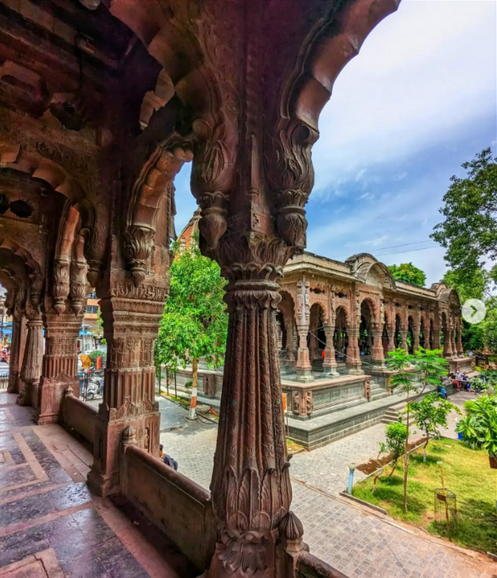
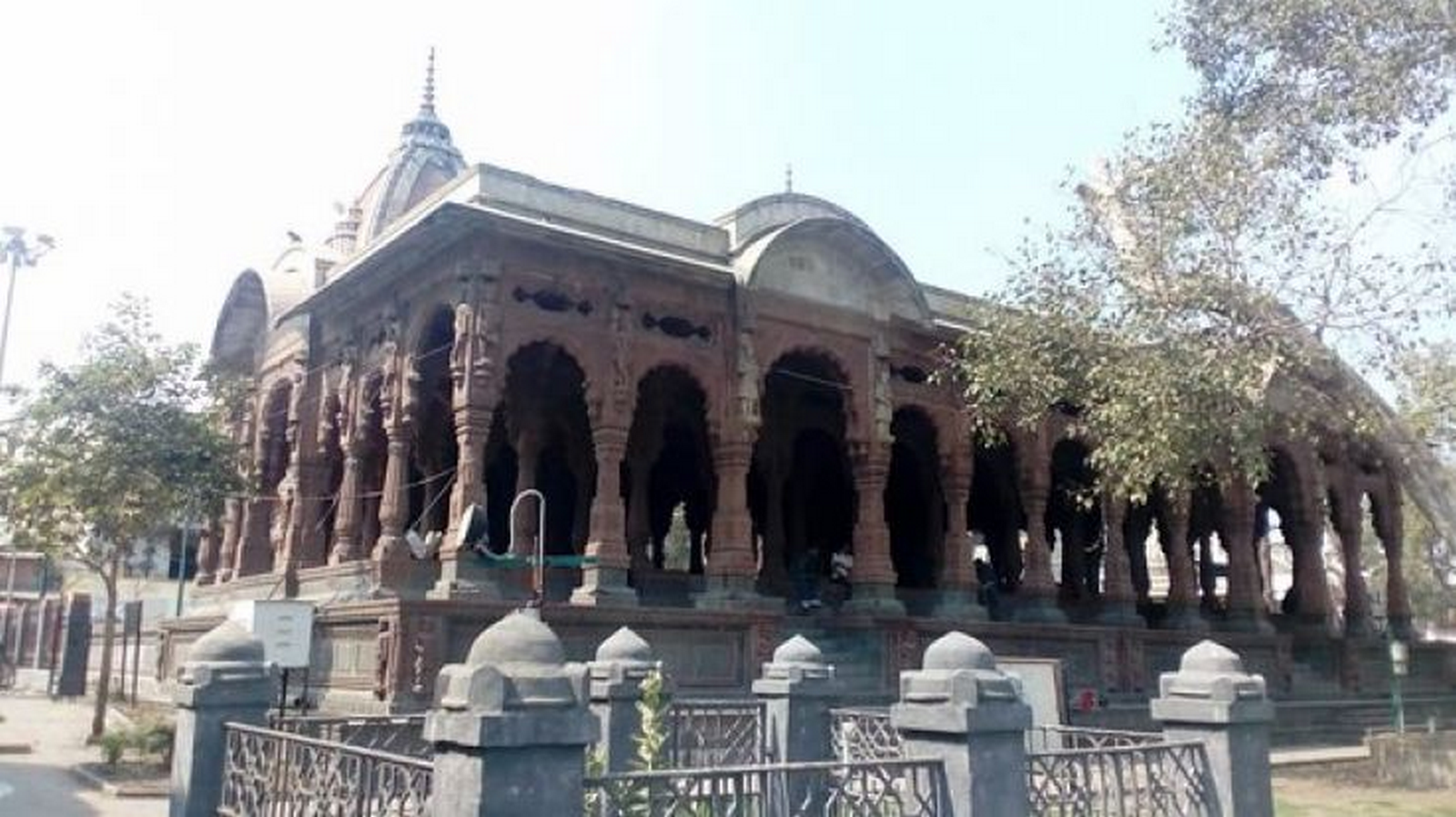
Indian funerary architecture is intricately positioned, associated with concepts of rituals, remembrance, and power. In contrast to the closed tombs prevalent in Islamic culture, the funerary architecture in Hindu culture was often associated with openness and symbolism (Brown, 1959). The ‘chhatri’ was a funerary architectural construction that originated from the ‘chhatra’ meaning ‘umbrella or canopy’ in the Sanskrit language (Tillotson, 1989).
Krishnapura Chhatri, situated in the state of Madhya Pradesh, within the city of Indore, can also be considered a less well-known instance of this typology, dating from the Holkar rule. From a modest architecture, the monument portrays considerable importance in commemoration by the culture of the historic centre of Indore, adapting itself to the Malwa context of Maratha architecture (Michell, 1995).
The objective of this paper is to record the following regarding ‘Krishnapura Chhatri as:
- A representative example of chhatri architecture in Western India
- A socially and politically significant heritage structure
- A climate-resilient and sustainable built environment
Chhatri as a Building Type in Western India
Origins and Symbolism
“The chhatri has its roots in symbols used in architecture to represent royalty or deity. In earlier Indian architectural styles, umbrellas denoted royalty or divine presence. In later years, they developed into architectural forms that stood alone to commemorate rulers or patrons,” wrote Brown in 1959.
The chhatris in medieval times stood alone to honour rulers or patrons.
In contrast to tomb structures, a chhatri does not contain remains but is a cenotaph emphasising the impermanence of life, an important tenet of Hindu philosophy (Michell, 1995).
Regional Typological Vari
Chhatris show marked regional influences in Western India:
Rajasthan: Highly decorated chhatris with cusped arches, domes, and carving (Tillotson, 1989).
Gujarat: Inhabiting temple complexes and step wells, at times acting as resting pavilions.
Malwa Region: More restrained architectural expression, massive scales, and a strong tie with the surrounding landscape and water bodies (Jain, 2003).
Krishnapura Chhatri is an example of the Malwa variant, which combines simplicity with symbolism.
Core Architectural Features
In various regions, chhatris have common characteristics.
- Raised Plinth
- Square or octagonal plan
- Slender columns
- Domical or pyramidal roof
- Open-sided pavilion form:
These factors promote efficiency in the structure, the climatic condition, and the ritual visibility (Michell, 1995)
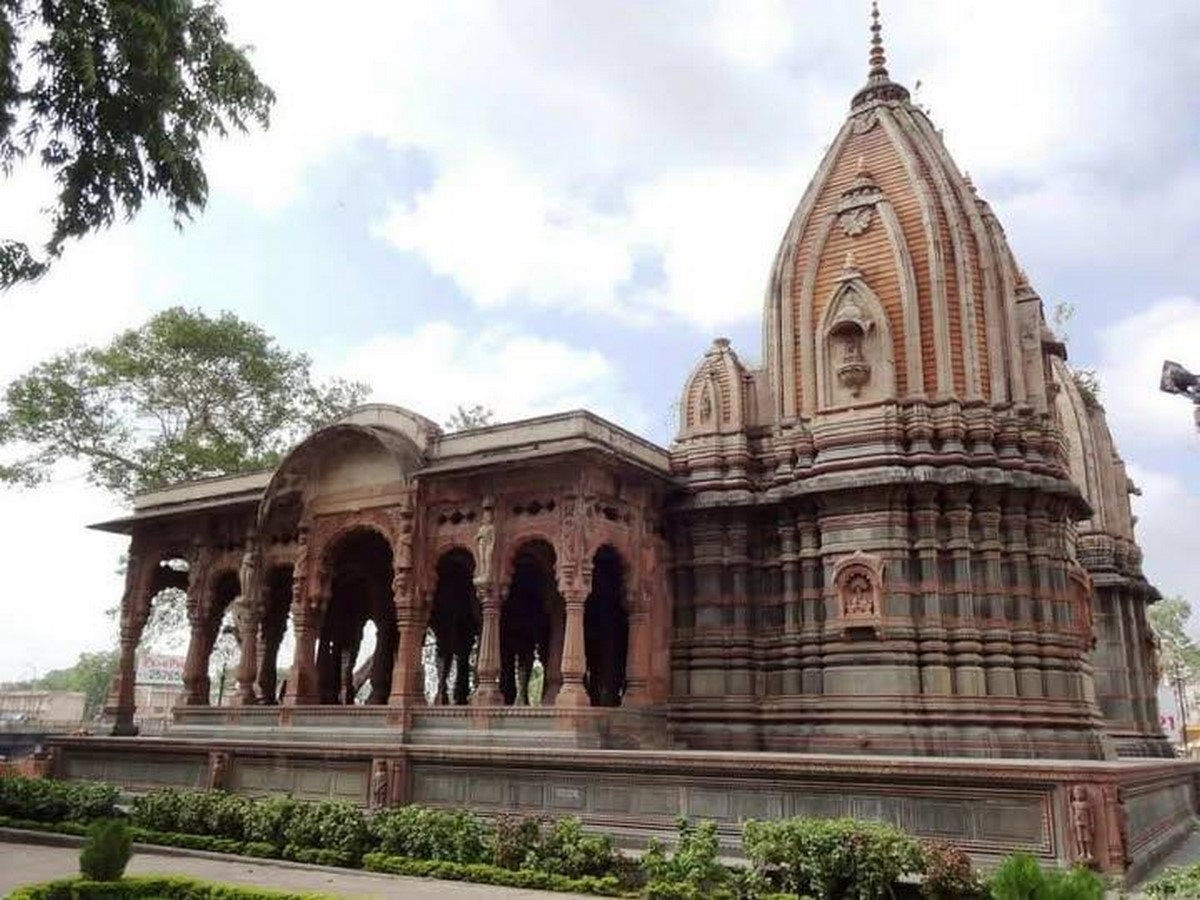
The context of Krishnapura Chhatri
Urban and Geographic Location
The other monument close to the historical place of the ‘Krishnapura’ and the ‘Khan River’ is the ‘Krishnapura Chhatri’. This is also in accordance with the ‘Hindu funeral ritual’ that the burial place should be connected with ‘water’ (Wescoat and Wolschke-Bulmahn, 1996). Close to the ‘Rajwada Palace’, it is surely situated within the ‘Historical centre’ of ‘Indore
Historical Background
Constructed during the Holkar dynasty (late 18th–early 19th century), the chhatri commemorates members of the ruling family. The Holkars strategically employed architecture to assert political legitimacy and cultural continuity following their rise from military commanders to sovereign rulers (Tillotson, 1989).
Part I – Design Philosophy and Planning
Spatial Organisation
Krishnapura Chhatri adopts a centralised and symmetrical concept, raised upon a plinth stepped up. The spatial movement, ranging from ground level to plinth level to dome, leads to a transition from profane space to the commemorative space (Jain, 2003).
Design Philosophy
The open pavilion signifies the idea of the world from the perspective of the Hindu system of cosmology, where life, death, and nature exist together. In addition, the open pavilion ensures the entry of light, air, and sound because the pavilion is not closed, hence stressing the continuity and not the ending of spiritual life (Michell, 1995).
Architectural expressions
Architectural restraint is the defining feature of chhatri design. There is a minimal use of ornamentation and emphasis on proportion and rhythmic structure. This is typical of Maratha architecture (Tillotson 1989).
Part II – Materials and Construction
Materials
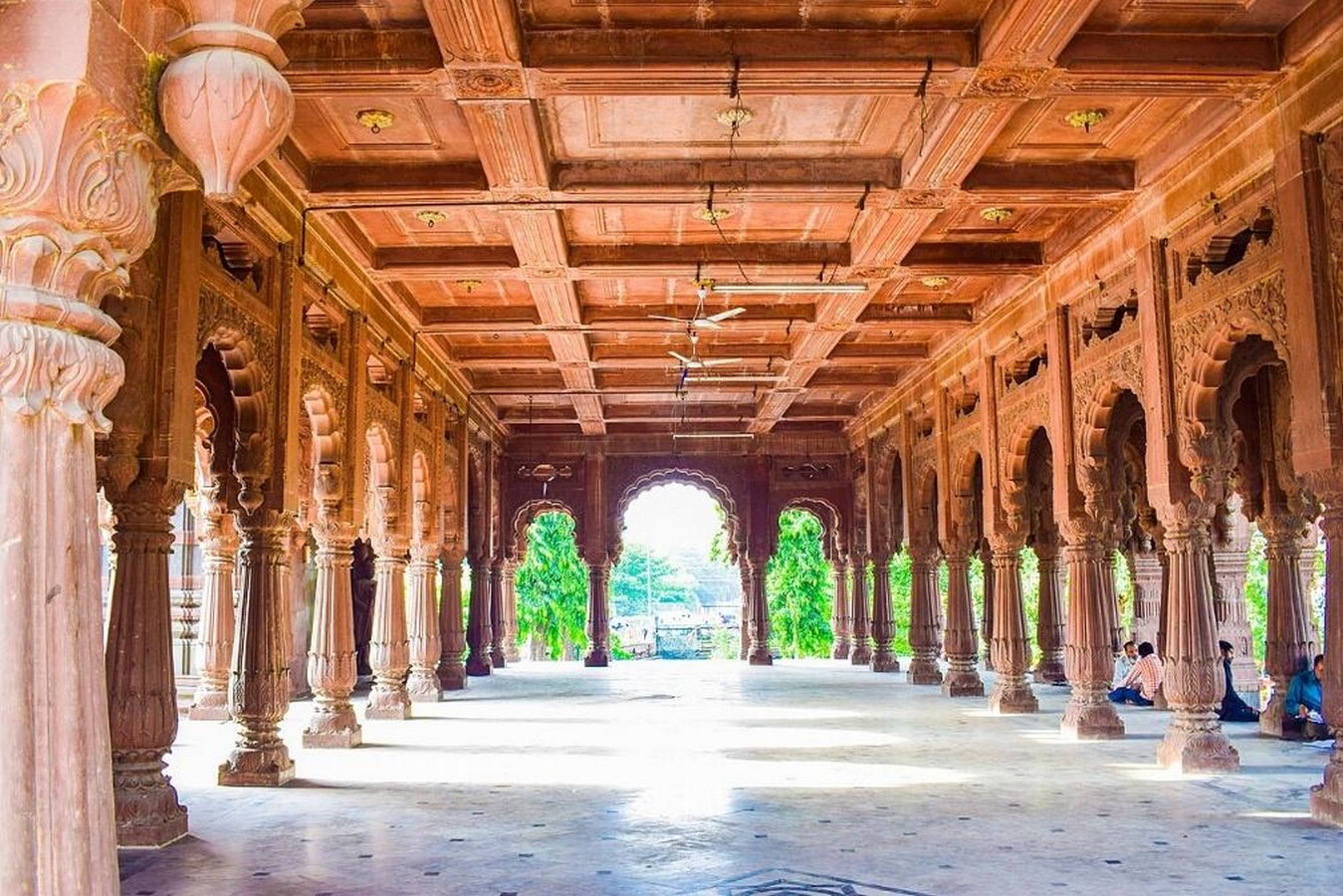
It primarily uses: Krishnapura Chhatri
- Sandstone quarried locally
- Lime-based mortar
- Stone slabs for flooring and roofing
The use of local materials meant that the design was harmonious with the climate and also resulted in construction at lower costs.
Methods of Construction
Traditional site-specific stone masonry was used for load-bearing purposes, while the dome provided a compression structure. The loads through columns into the plinth reveal expertise in structural behaviour without modern reinforcements.
Craftsmanship
The skill of stone work manifests in column proportions, bracket detailing, and surface finishes. The focus on durability rather than ornamentation reflects regional priorities and resource efficiency.
Part III: Sustainability and Environmental Responsiveness
Passive Design Strategies
The pavilion has open sides that enhance the principle of cross-ventilation, and the thermal mass of stone encourages thermal regulation at the interior. The overhanging domes allow shade to take the structure to take shade comfortably across seasons.
Landscape Integration
The riverine setting contributes to microclimatic cooling and reinforces ritual symbolism. Rather than dominating the landscape, the chhatri functions as an integrated architectural marker within it (Wescoat & Wolschke-Bulmahn, 1996).
Longevity and Resilience
The chhatri is a simple form made from durable materials with very little maintenance; thus, it has survived through centuries as a form of sustainable construction based on indigenous knowledge systems. (Rapoport, 1969).
Social, Political, and Urban Significance
The Chhatris served as non-sectarian memorial architecture, and they maintained the royal lineage without diminishing the temples’ dominance. In the context of the city, the Krishnapura Chhatri plays an important role in the spatial memory and the cultural continuity of Indore, which serves as a subtle but strong landmark in the historical context (Tillotson, 1989).
Krishnapura Chhatri presents a case study for the architectural elegance and sophisticated understanding of culture and the natural environment that is inherent in the chhatri design of western India. As a subtle and significant monument, it teaches us some valuable lessons about sustainability and the use of architecture as a memory tool. Rethinking such monuments becomes crucial for developing a broader and indigenous history of architecture (Jain, 2003; Michell, 1995).
Reference:
Brown, P. (1959). Indian architecture (Buddhist and Hindu periods). Taraporevala Sons.
Jain, K. B. (2003). Indian architecture: Forms and typologies. Mapin Publishing.
Michell, G. (1995). Architecture of the Indian subcontinent. Yale University Press.
Rapoport, A. (1969). House form and culture. Pre
Tillotson, G.H.R. (1989). *The tradition of Indian architecture: Continuity, controversy and change since 1850*.* Yale University Press.*
Wescoat, J. L., & Wolschke-Bulmahn, J. (1996). Mughal Gardens: Sources, Places,
Wikipedia contributors. (2023, May 27). Krishnapura Chhatri. Wikipedia. https://en.wikipedia.org/wiki/Krishnapura_Chhatri#/media/File:The_Krishnapura_Chhatris_Indore_2.jpg
Instagram. (n.d.). https://www.instagram.com/p/Cr7jyuCxT7V/?img_index=2
Bhopu. (n.d.). Krishnapura Chhatri Is a Structure That Will Catch. . . | Facebook. https://www.facebook.com/bhopuapp/posts/krishnapura-chhatri-is-a-structure-that-will-catch-your-eye-from-a-mile-awaythe-/903903016874779/
ONE INDORE ( इंदौर ) 🖤 | Gagan Singh (@one.indore) • Instagram photos and videos. (n.d.). Instagram. https://www.instagram.com/p/Cr7jyuCxT7V/?img_index=2
Ramadaencore. (2025, May 22). Exploring the magnificence of Krishnapura Chhatri in Indore in 2025 – Ramada Encore by Wyndham Indore. Ramada Encore Indore. https://ramadaencoreindore.com/exploring-the-magnificence-of-krishnapura-chhatri-in-indore-in-2025/