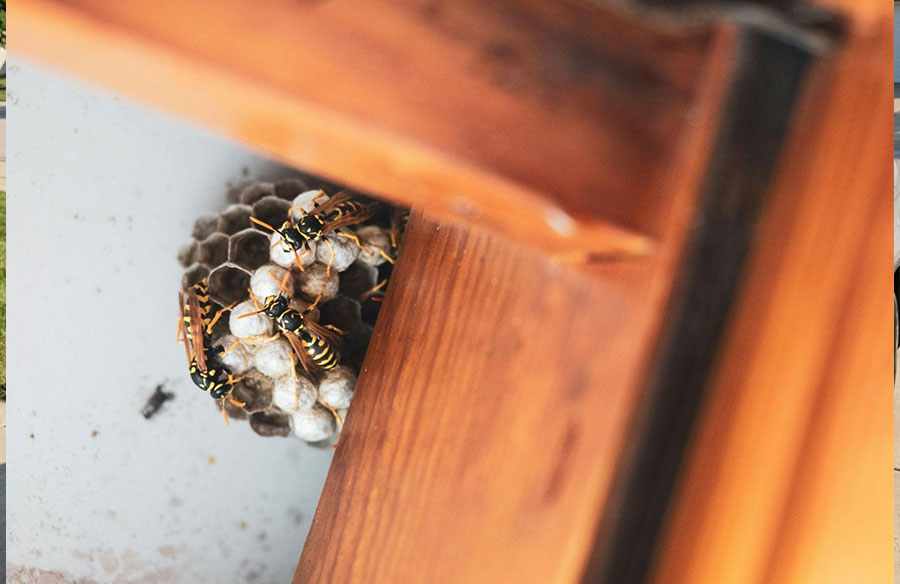
Architecture and design shape spaces people live and work in. But buildings don’t exist in a vacuum. They interact with the environment, occupants, and pests.
Pest control companies play a role that many design professionals overlook. Their work influences building performance, user comfort, maintenance planning, and long-term operational costs.
Understanding how pest management fits into building systems is part of thoughtful practice. It is not glamorous. It is practical. And it affects project outcomes.
Buildings Attract More Than People
A building’s enclosure, materials, and systems influence internal conditions. When moisture, food sources, or access points exist, structures become attractive to unwanted organisms.
Pests do not choose randomly. They seek conditions that support survival:
- Water intrusion
- Warm, sheltered voids
- Easy access through gaps or vents
- Nearby food sources
Left unchecked, pests can damage insulation, wiring, finishes, and furniture. This becomes a maintenance and safety issue over time.
Design decisions matter. They influence how easily pests enter and settle.
Pest Control Is Preventive, Not Just Reactive
Traditionally, pest control was thought of as reactive service. Find pests. Treat. Move on.
Today’s approach is more preventive. It focuses on reducing conditions that lead to infestation in the first place.
Modern pest management links directly to building health:
- Reviewing construction details that create entry points
- Addressing landscaping that attracts insects or rodents
- Coordinating with drainage and ventilation systems
- Advising on waste storage and removal
This preventive mindset aligns with broader building performance goals such as indoor air quality and durability.
Maintenance Costs Are Predictable When Pests Are Managed
Unexpected pest problems can create ripple effects in maintenance budgets.
Without early intervention:
- Mold growth may follow moisture and pests
- HVAC and ductwork can become compromised
- Structural elements may degrade faster
- Occupant complaints increase
When pest control is integrated into maintenance planning, these risks become more measurable and manageable.
This reduces financial surprises later in a building’s life cycle.
Pest Management Has a Role in Health and Safety Planning
Pests are not just nuisances. Some carry health risks or trigger sensitivities. In residential, commercial, and institutional settings, occupant wellbeing matters.
Effective pest control supports:
- Clean indoor environments
- Fewer health complaints linked to allergens
- Reduced risk of contamination in food-handling spaces
- Safer, more predictable maintenance schedules
Projects designed without thought to pest access and control often require more corrective work later.
Site Context Matters
Urban, suburban, and rural environments present different pest management challenges.
In urban areas, pests often exploit structural gaps and waste handling practices. In suburban contexts, landscaping and adjacent green spaces influence pest pressure. Rural settings may introduce wildlife species into structures.
This site context is part of the risk analysis designers and facilities managers should consider.
How Pest Control Integrates With Design Intent
Design intent and pest control need not conflict. When strategies align, outcomes improve.
For example:
- Detailing foundations and slabs to resist moisture reduces pest habitat
- Sealing penetrations around utilities limits entry paths
- Designing waste areas with secure enclosures reduces rodent access
- Coordinating drainage prevents standing water that attracts insects
These details support durability, indoor comfort, and long-term building performance.
Pest Control Is an Operational Partner
Pest control companies do more than spray chemicals.
They evaluate environmental conditions, access points, and occupant use patterns. They offer solutions that reduce pest likelihood over time.
Services often include:
- Inspections and risk assessments
- Targeted treatments
- Monitoring systems
- Recommendations for site and building adjustments
This operational partnership extends beyond one-time fixes.
Local Expertise Matters
Pest ecosystems vary by region. Coastal cities face different pressures than inland communities. Seasonal shifts influence pest activity. Climate trends also affect pest behavior.
That is why working with local professionals matters. They understand:
- Regional species and their habits
- Seasonal migration or hibernation patterns
- Environment-specific risk areas
For projects in Toronto and beyond, local insight reduces guesswork.
Pest Management and Sustainability Goals
Sustainability is part of modern architectural thinking. Pest control intersects with sustainability when strategies reduce chemical use, protect ecological balance, and improve building performance.
Integrated pest management (IPM) principles emphasize:
- Monitoring and data-informed decisions
- Targeted treatments rather than broad application
- Non-chemical approaches when feasible
- Habitat modification to reduce pest support systems
These approaches align with sustainable building operations and occupant health objectives.
Technology and Data Improve Pest Outcomes
Technology is changing how pest management works.
Digital monitoring systems can track pest activity over time. Data helps identify patterns and target interventions more precisely. This moves pest control from guesswork to measured practice.
Building managers can integrate pest analytics into facilities management software. This helps plan service cycles and anticipate problem areas before they escalate.
Risk Reduction Supports Asset Value
Buildings that experience repeated pest issues often show hidden costs:
- Tenant dissatisfaction
- Increased maintenance calls
- Shortened material lifespan
- Higher operating expenses
Integrating pest risk reduction into maintenance planning protects asset value over time. It makes building systems more predictable and reduces the likelihood of surprise expenses.
Communication Between Disciplines Improves Results
Designers, engineers, facilities managers, and pest professionals each see the project from a different perspective. When these groups communicate early, risk areas can be identified before they become problems.
Collaborative planning leads to:
- Better detailing that limits pest access
- Clear service expectations for facilities management
- Reduced need for corrective interventions post-occupancy
This cross-disciplinary thinking makes buildings more resilient.
The Market for Pest Control in Built Environments
Demand for pest management services continues to grow as buildings age, occupancy types diversify, and environmental conditions change.
This creates business opportunities:
- Ongoing maintenance contracts
- Specialized services for food handling or healthcare spaces
- Data-driven monitoring solutions
- Integration with facilities management platforms
As buildings become more complex, so do the services that support them.
A Practical Look Ahead
Designers and planners have an opportunity to rethink how support services like pest management fit into building strategy.
Rather than treating pest control as a response, it can be part of prevention. Early planning reduces risk, supports long-term performance, and lowers cost.
For building owners and managers, incorporating pest considerations into maintenance strategy improves predictability.
For design professionals, it strengthens project outcomes.
Final Thought
Buildings do not operate in isolation. They interact with climate, landscape, occupants, and unseen species.
Pest control is not glamorous. It is not always front of mind. But it is real, measurable, and connected to how buildings perform over time.
Understanding this connection helps professionals make better decisions that support comfort, safety, durability, and value.
If you want practical solutions and expertise, experienced pest control companies provide the tools and insight needed to manage risk and support long-term building performance.