Rethinking Architecture in Terms of Economics
Sustainable architecture is often discussed as a moral responsibility – something architects should pursue in order to protect the environment and reduce the built environment’s impact on the planet. However, within the professional practice, architecture also has to be influenced by budgets, feasibility, and economic pressures. Clients desire projects that are economical, profitable, and effective. This creates a seemingly contradictory question: Whether sustainable architecture can be assumed to be eco-friendly, as well as economically sustainable, or not.
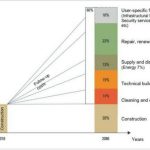
Sustainable design seems to be more costly at first sight. Specialised technologies, green materials, and energy-efficient systems are generally linked to increased initial costs. This has contributed to the idea of sustainability as a luxury, something that is introduced only when there is a spare budget. This perception, however, lies in an extremely narrow definition of cost. If a building’s financial impact gets measured not just at the time of construction, but throughout its life cycle, sustainability will not be viewed as a cost but as a rewarding future investment.
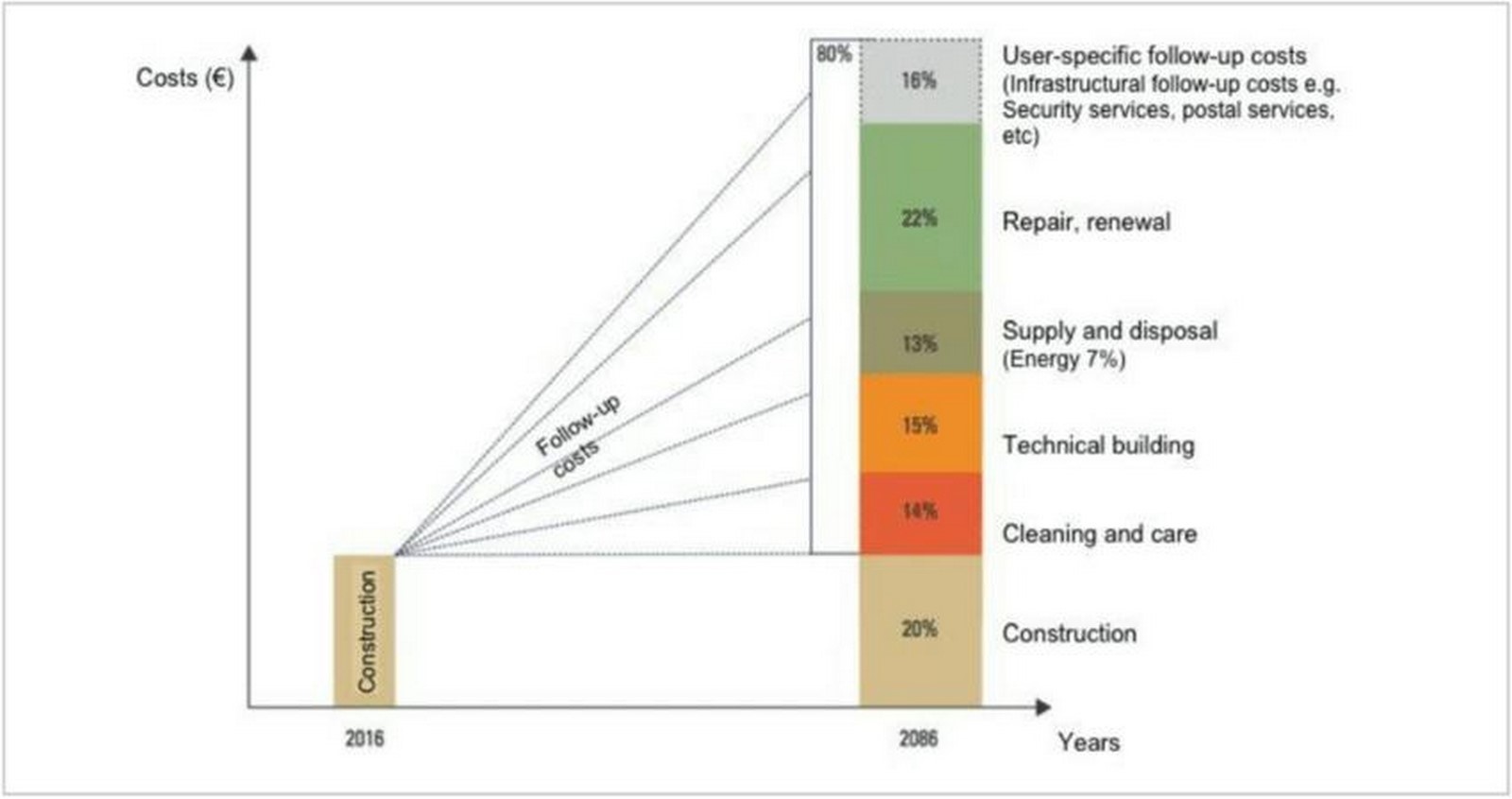
Conventionally, the architectural value has been evaluated on three main factors: initial cost, the time it takes for construction, and the aesthetic appeal. Sustainable architecture contrasts this with increasing the period of evaluation. It uses energy, needs maintenance, adapts to the new rules that are continuously altered, and finally ages. Economic sustainability, therefore, is not merely on the amount of money it takes to construct, but the costs to operate, carry out repairs, maintain, and eventually replace.
Uncertainty, Savings, and Efficiency Based on Long-term Value
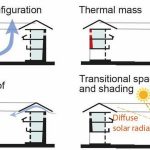
Energy efficiency is a good example of this change. Proper orientation, passive cooling methods, natural ventilation, maximisation of daylight, and insulation minimise the reliance of mechanical structures by a building. Some of the technologies like solar panels or advanced glazing, can cost more initially, but when compared with long term costs on energy, this expenditure is less. This saving can eventually outweigh the initial investment over the decades, particularly with the increase in energy prices and regulations being stricter.
A similar line of thought can be presented by water management. Collection of rainwater, grey water recycling, and low-flow fixtures can help in reducing the operating expenses and also the reliance on municipal supply. This also safeguards the buildings in the areas that face a scarcity of water in the future and price fluctuations. In this way, sustainability is not just less harmful for the environment, but is also less costly in terms of finances.
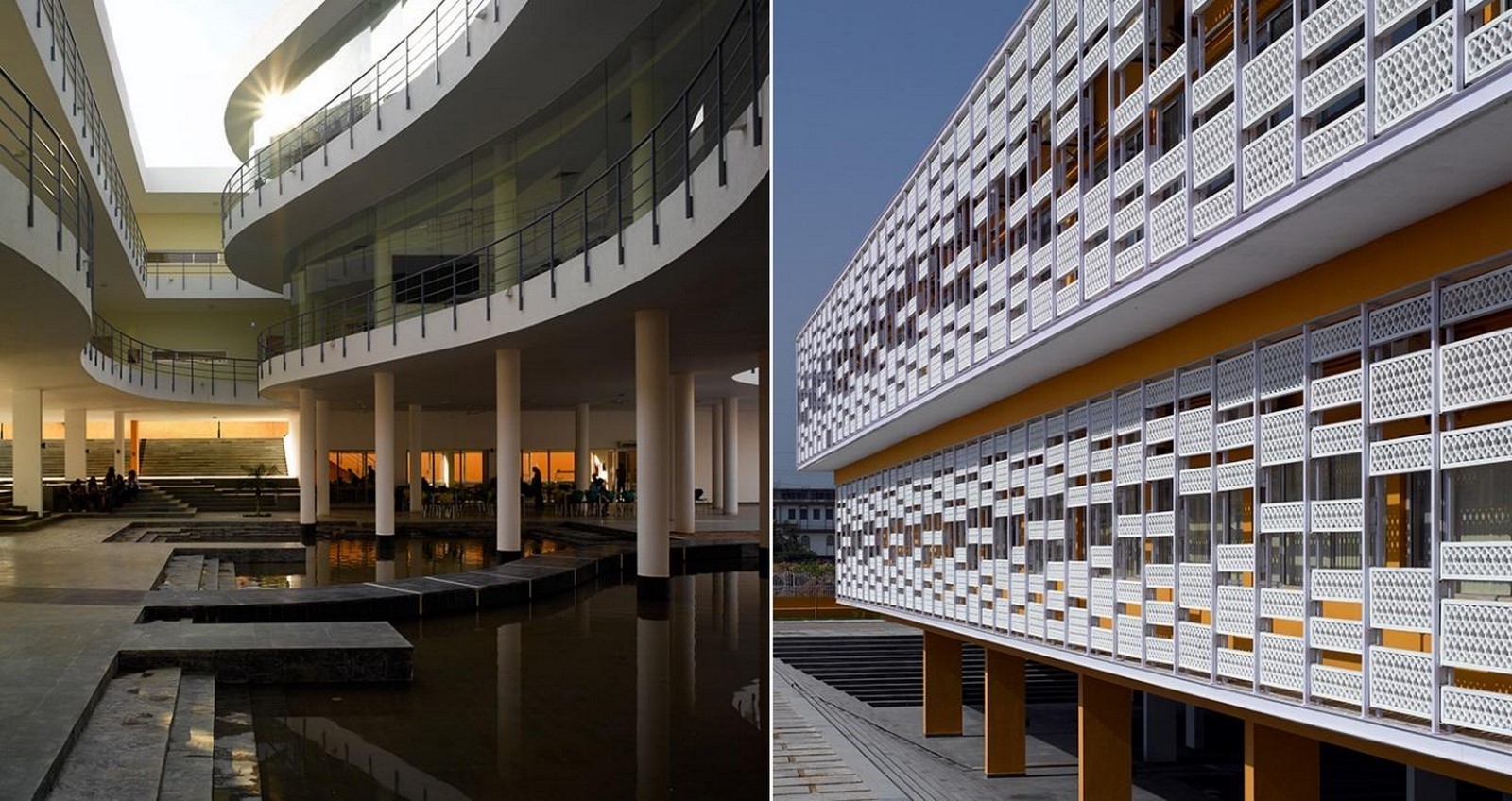
Sustainable architecture places focus on risk besides saving on operations. Climate change has brought with them new uncertainties to the built environment. Metropolitan areas are increasingly becoming more exposed to flooding, heatwaves, storms, and rising temperatures. Structures, which are not made to handle such conditions, become more expensive in terms of their repair costs, insurance premiums, and functional restrictions. Sustainable design, by its ability to mitigate risk through resiliency and flexibility, serves as a risk management approach.
Economically, it is better to lose nothing than make a profit. The structure that is functional, comfortable, and compliant over time is worth more than something that is outdated or unusable within a few decades.
The Markets, Equity, and Threat of Green Elitism
This shift is also represented in market behaviour. Green buildings are more likely to indicate a higher occupancy rate, increased user satisfaction, and a high value of the building assets in the long run. The tenants are becoming very conscious of the energy prices, indoor comforts, and the environmental value. Developers understand that sustainability credentials and green certifications go a long way in improving the image and sale price.
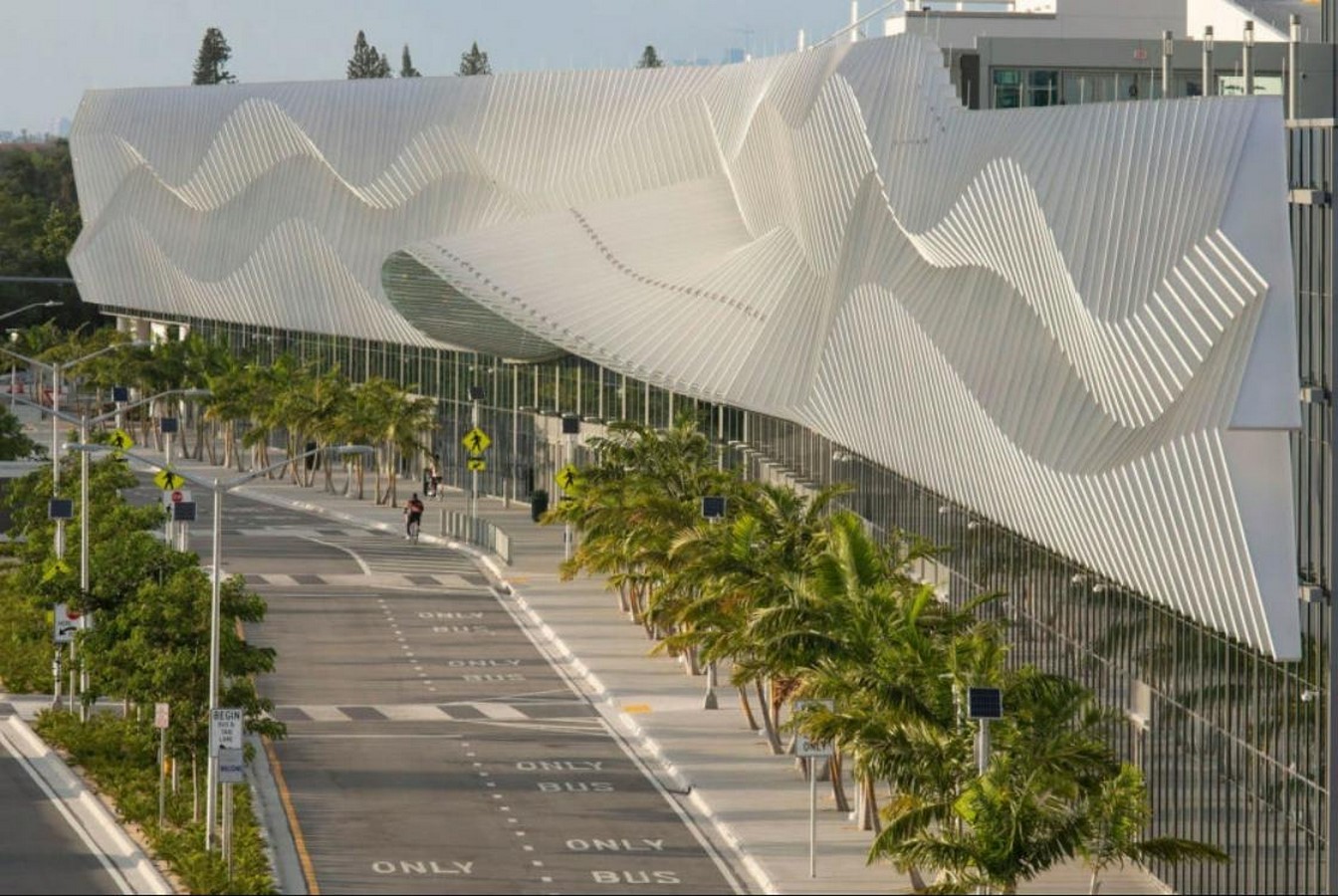
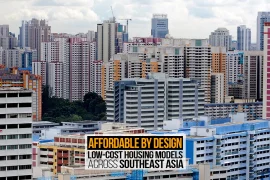
Nevertheless, sustainable architecture is not necessarily cheap and fair. Many green technologies may not be accessible to low-income housing, small developers, and informal settlements. Unless sustainability is used as a symbol of exclusivity and not a design standard, it will result in strengthening social inequality. True economic sustainability cannot exist without social sustainability.
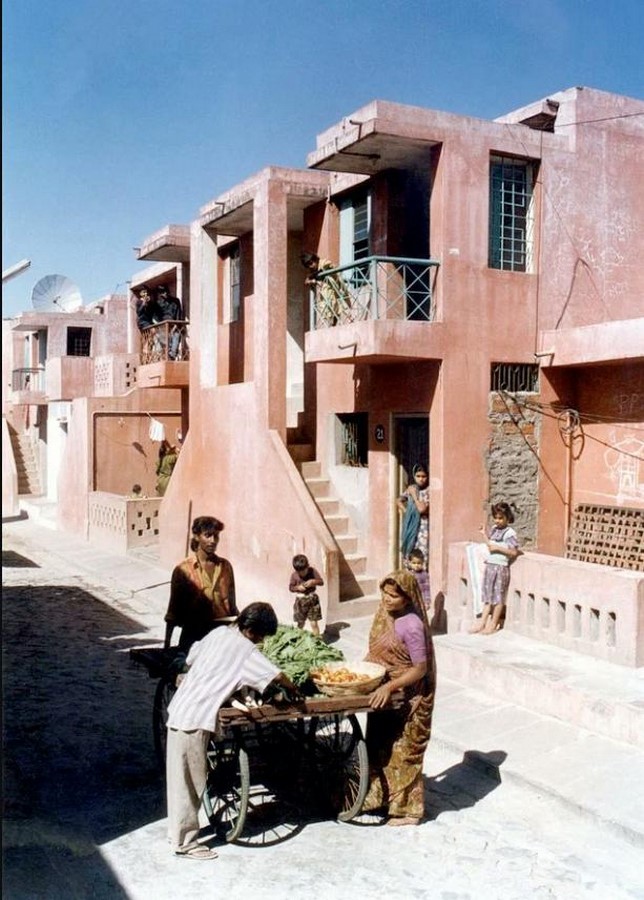
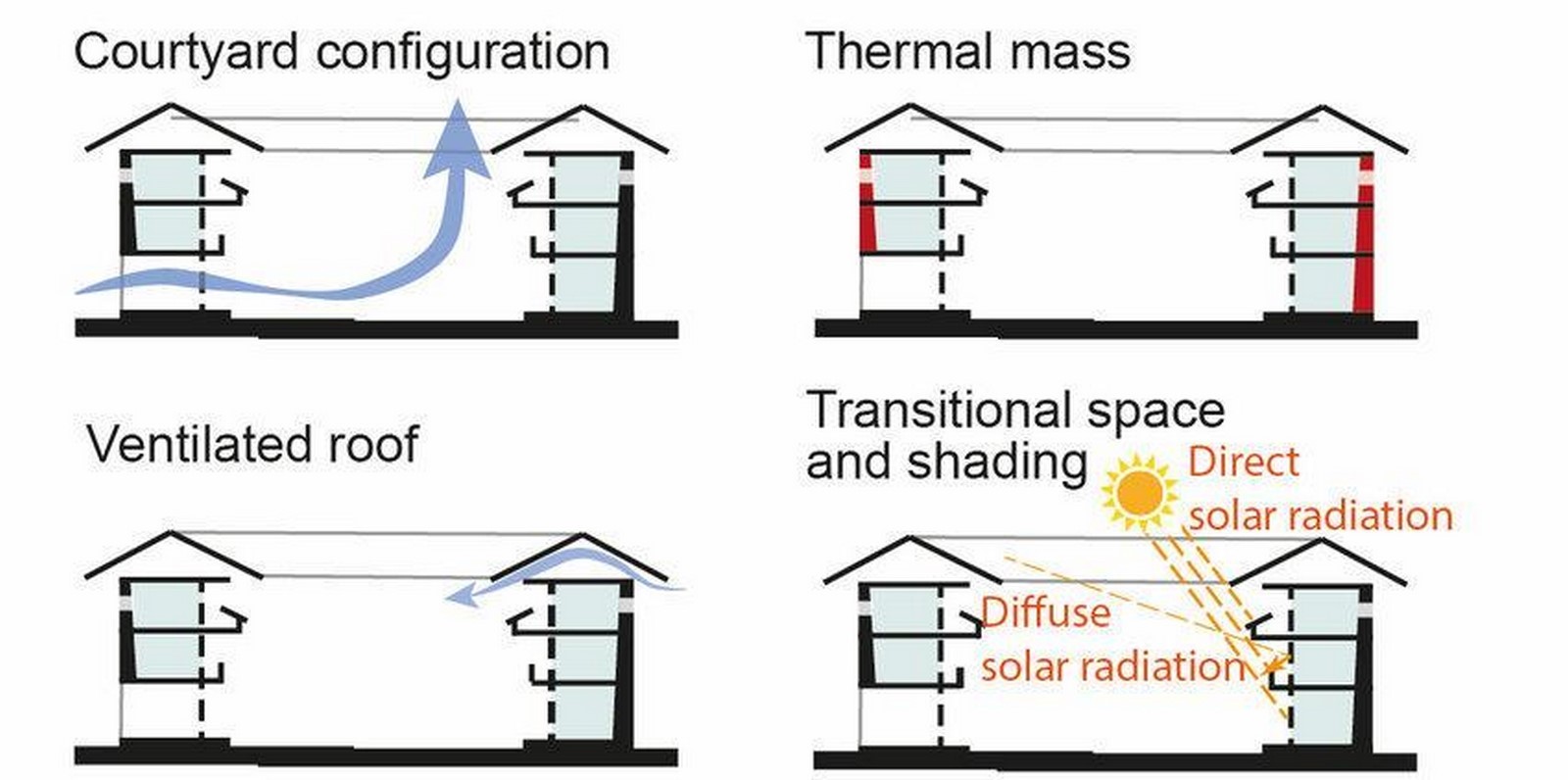
This is where climate-sensitive and low-tech design is needed. Traditional and vernacular architecture has several sustainable solutions which are affordable and efficient; thermal mass by thick walls, ventilation by designing courtyards, shading, use of local materials, and flexible planning of the space. Sustainability does not pertain to an invention of the future, but to reinventing our perception of how things can contextually fit together.
So, Is It Economically Sustainable?
Hence, the question is not whether sustainable architecture is costly, but what sort of cost we are comparing it against. Sustainability does not create a burden as opposed to increasing energy expenses, damage related to climate, depletion of resources, and social displacement; rather, it is a preventive measure. Unsustainable structures are likely to appear cheaper in the short-term, but they tend to externalise costs to the surroundings, future occupants, and urban infrastructure.
The concept of sustainable architecture mandates architects, clients, and policymakers to look at a longer perspective. It is a redefinition of value as resistant over the long term rather than between short-term and long-term affordability. This change is uncomfortable within an industry that operates on a deadline or budget, but it is needed in a world that is characterised by environmental uncertainty.
So, is sustainable architecture economically sustainable? This solution will be identified depending on the definition of the economic value. In case the value is restricted to the immediate construction cost, then sustainability may seem inefficient. However, once value incorporates the over time performance, minimization of risks, savings on resources, and enhancement of social well-being, then sustainability is not only cost-effective, but economically logical.
Economic sustainability is not about being low-cost. It is focused on maintaining intelligence, competence, and resilience. Sustainable architecture qualifies not because of some kind of trend, but because it recognizes time, climate and society as part of the design, just as much as bricks, steel, or concrete. In that sense, sustainable architecture is not only economically sustainable; it may be the only form of architecture that truly is.
References:
- Pearl Academy, Jaipur – Extract from the Morphogenesis Monograph: Available at : https://www.morphogenesis.org/media/part-3-extract-sustainability-passive-design/
- Passive Design Strategies – Research Gate: Available at: https://www.researchgate.net/figure/passive-cooling-strategies_fig3_344617668
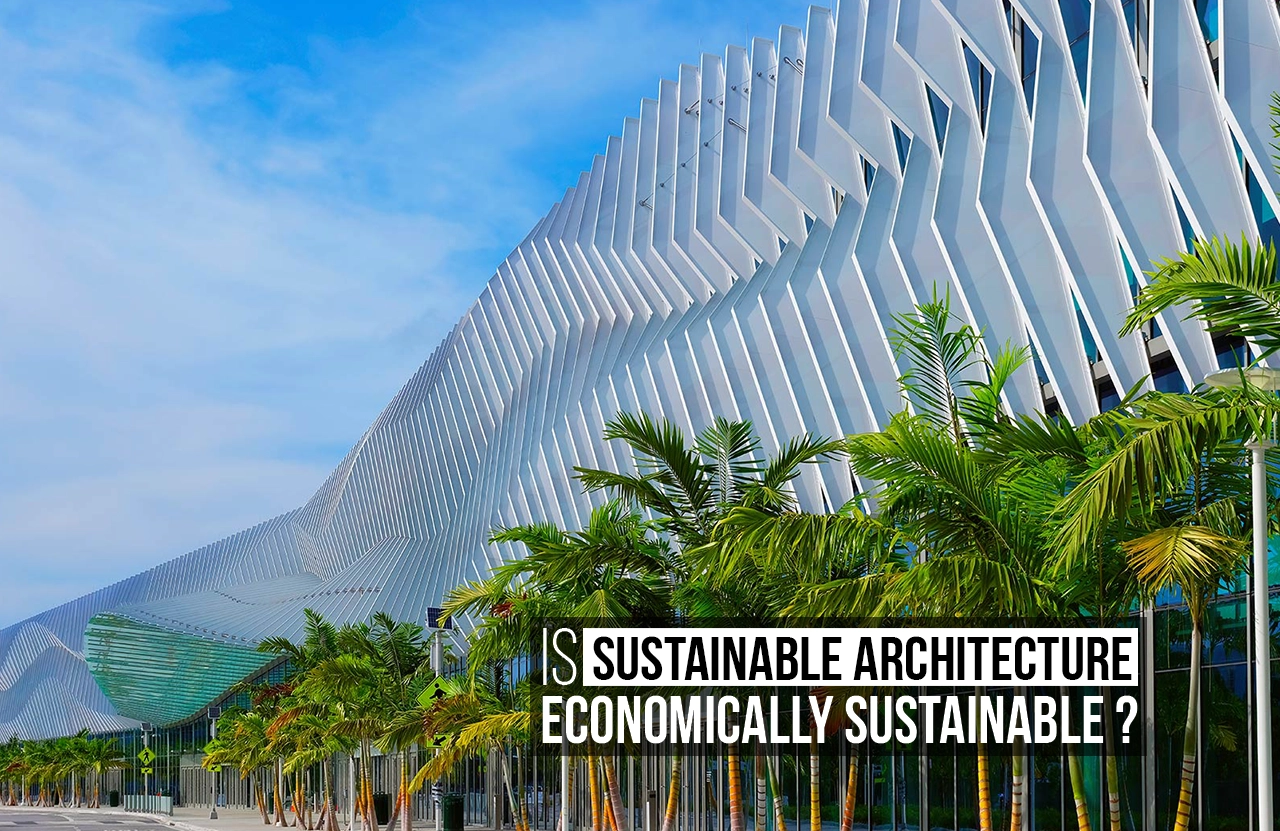
- Miami Beach Convention Centre, Miami Beach- LEED certified building : Available at : https://gbdmagazine.com/leed-examples-in-the-us/
- Building Lifecycle cost Diagram – Research Gate: Available at: https://www.researchgate.net/figure/Life-cycle-cost-of-an-office-building_fig1_356812469
- Low cost housing – Aranya Housing B V Doshi- Re-thinking the future case study: Available at : https://www.re-thinkingthefuture.com/case-studies/a5290-aranya-low-cost-housing-by-b-v-doshi-low-cost-urban-housing/
- World Green Building Council, The Business Case for Green Building: Available at : https://worldgbc.org/article/the-business-case-for-green-building-a-review-of-the-costs-and-benefits-for-developers-investors-and-occupants/
- UK Green Building Council (n.d.), World GBC Business Case Report Summary, UKGBC, Available at: https://ukgbc.org/resources/worldgbc-business-case-report/
- Whole Building Design Guide (n.d.), Life-Cycle Cost Analysis (LCCA), Available at: https://www.wbdg.org/resources/life-cycle-cost-analysis-lcca