The Illusion of Publicness
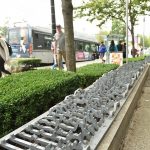
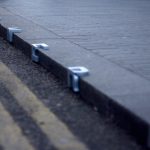
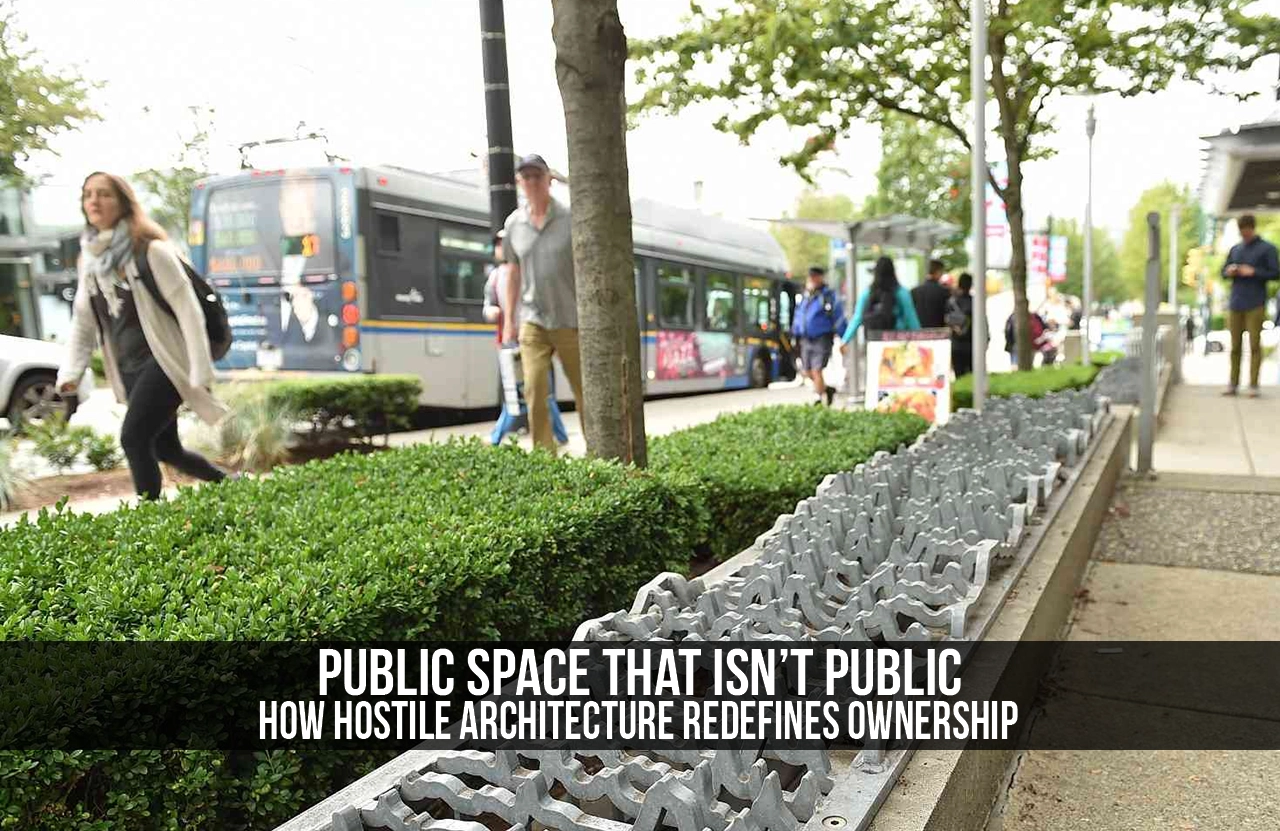
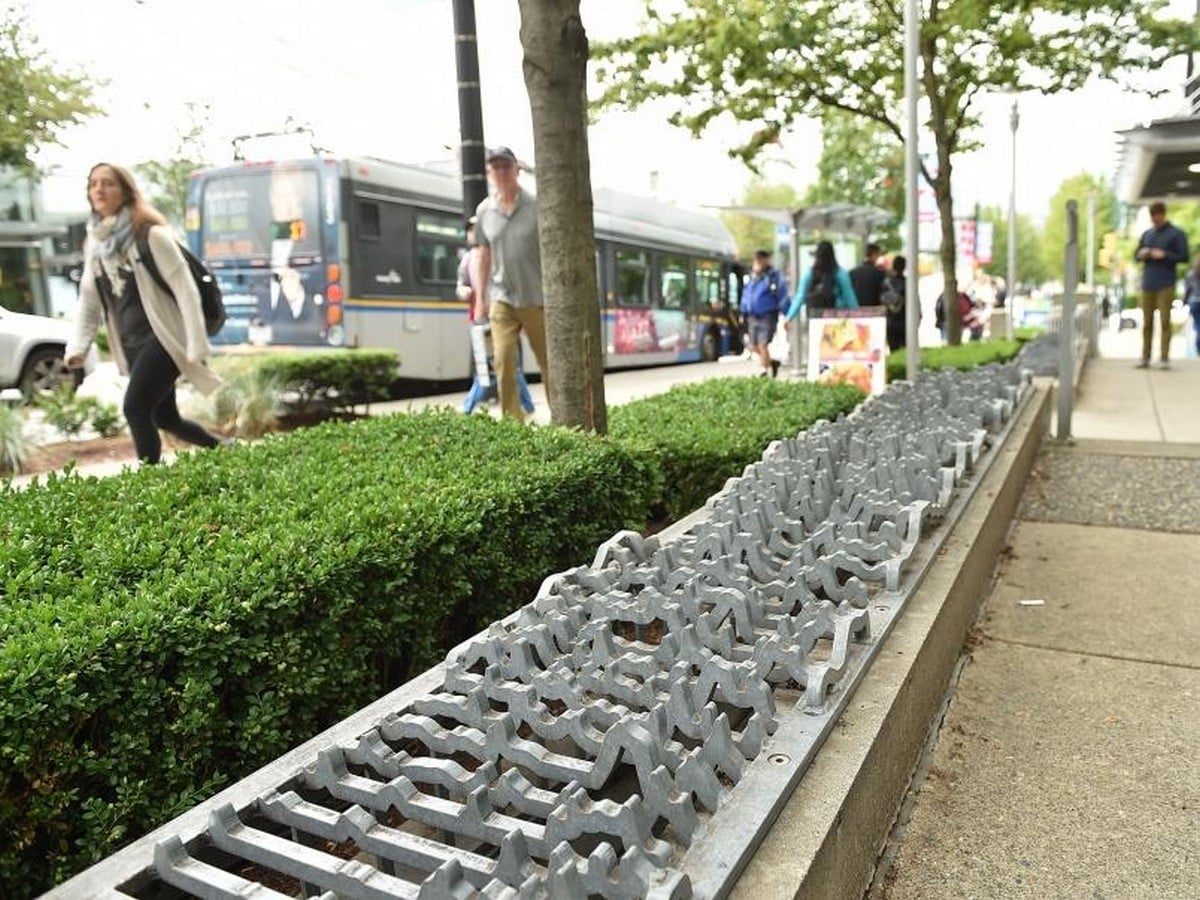
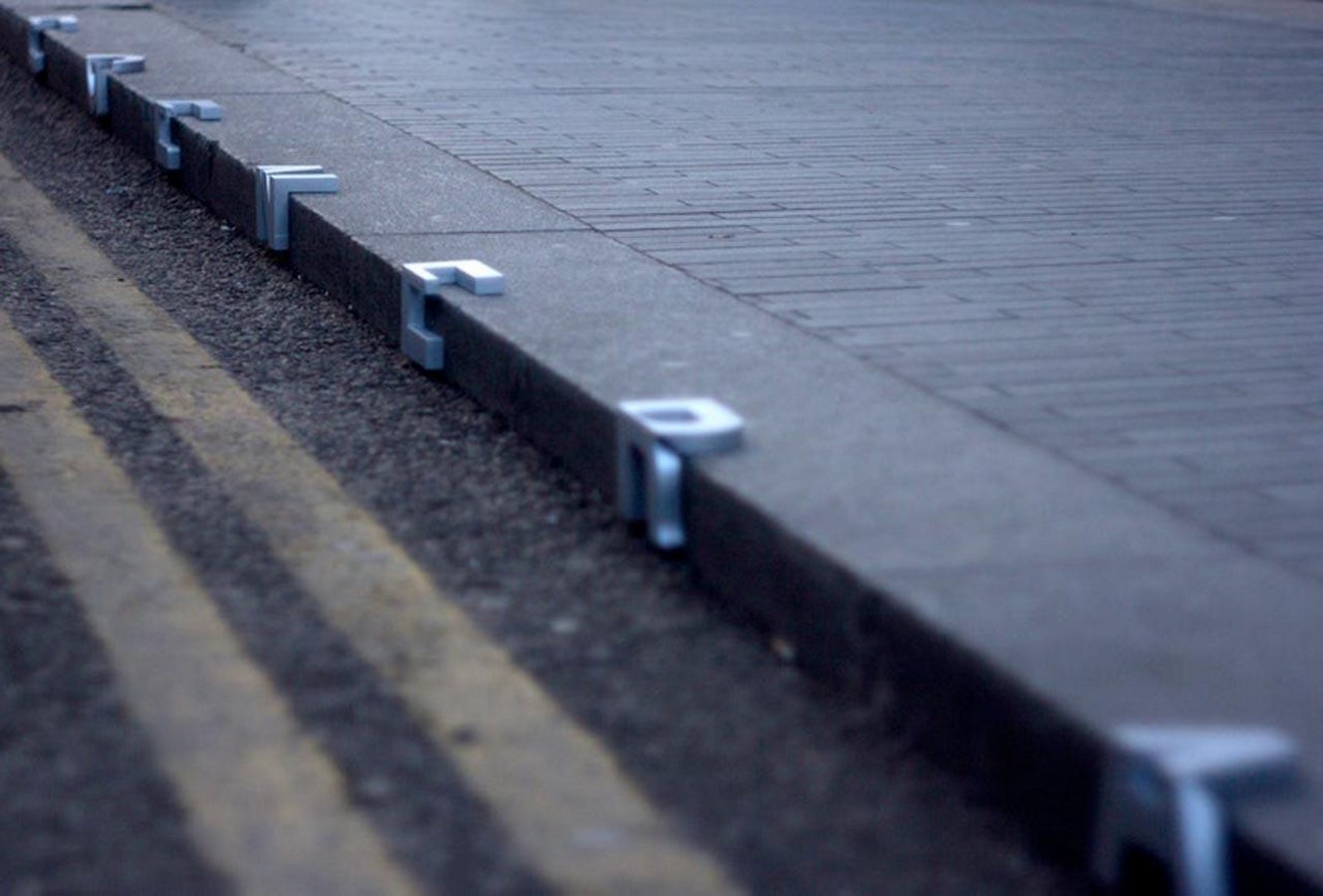
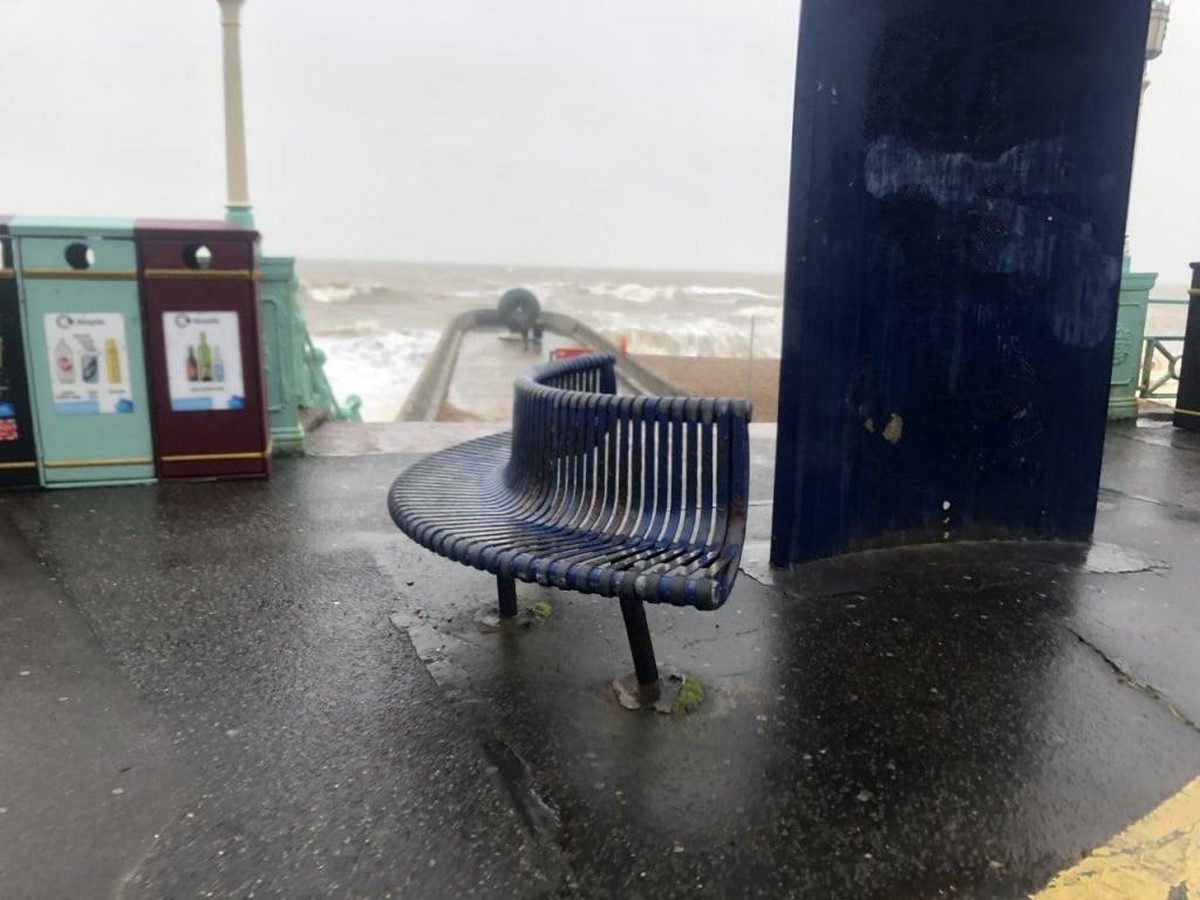
The most common understanding of the public space is the space that is open and accessible and shared by everyone. The spaces of the streets, plazas, transit concourses, and parks are presumed to be the public by definitions of being visible and accessible. Nevertheless, modern cities are likely to produce an alternative contradiction: the spaces, which seem to be collective, but, in fact, work according to the rules of privateness. The central element in this shift is hostile architecture which silently alters the concept of ownership by not defining it within the boundaries of the law, but instead by design. Hostile architecture is a type of design strategy that discourages a specific behaviour or type of users, without actually forbidding it. These strategies are based on discomfort, inconvenience, and subtle exclusion in contrast to overt forms of exclusion, e.g. fences or gates. Examples include benches that do not allow one to lie down, sloping surfaces that are not comfortable to sit against, absence of shade or seats in plazas and violent lighting under bridges. Although it is frequently explained by the terms of safety, maintenance, or order, such design choices radically redefine the design of what the public space belongs to.
Architecture Beyond Permanence.
Redefinition of ownership is one of the greatest changes brought about by hostile architecture. Historically, the civic government and the rights of the people governed the ownership of the public space. In modern urban areas, particularly central business districts, transit centers and commercial areas, the ownership is behavioural and not legal. The space is still open to everyone, however, under the condition that the user meets the anticipated movement and consumption trends. The idlers, people who hang around, sleep, or take space without economic contribution are indirectly discouraged. This change is inextricably connected with the emergence of pseudo-public spaces. Privately owned civic spaces, including shopping plazas, office forecourts and developments near transit stations are officially private but are physically indistinguishable to civic space. Hostile architecture is a form of silent enforcement at these environments. Rather than having signs which show who should be unwelcome, design itself does the control. This is not based on the enforcement of the law but on the discomfort of space.
Hostility as an Outcome in Planning.
The hostile architecture must not be considered a design failure, but the consequence of a policy. City planning systems are placing more emphasis on risk control, minimisation of liability and maximisation of the economy. With pressure on the planners and developers, it is to ensure that the environments remain orderly and appealing to investment and tourism. In this regard, hostile architecture will be an effective alternative: it will minimize the presence of homelessness, unofficial assembly, and long-term stay without the need to constantly patrol it or social workers. This strategy is a total change of social contract of the public space. Historically, public spaces furnished a variety of activities besides movement and consumption, rest, socialisation, protest, and informal use. The hostile design is a constriction of this range, in favour of circulation and not occupation. The effect is a city that serves efficiently to people who rush through it, and inefficiently to those that must stop. The old, the informal workforce, homeless groups, and individuals with restricted mobility are affected disproportionally even where the spaces technically do not violate the accessibility criteria. Notably hostile architecture never eradicates exclusion, it only renders it geographically displaced. Removing seating in plazas does not cause people to lose their need to rest, they will just go to less noticeable and less secure places. Shelter-seeking behaviour changes to the regions that offer less services when the underpasses are illuminated and acoustically aversive. Urban planning, which is based on the concept of deterrence instead of inclusion, externalizes the social responsibility instead of solving it.

Redefining Architectural Legacy
The moral dilemma facing architects and city planners is the need to be able to realise that there is no neutrality in design. Any design choice favors some users, as opposed to others. These priorities are clear in the exclusion as opposed to accommodation in hostile architecture. To restore the idea of public space as a real form of public space, it is necessary to change the design approach of deterrence to capacity-based planning 20 in which a space is designed so as to allow multiple uses, bodies, and temporal periods to coexist with one another. This does not mean that safety and maintenance issues should be overlooked. Rather, it demands planning strategies that combine social infrastructure, diverse seating, climate-responsive comfort, and straightforward governance as opposed to using discomfort as a management instrument. Publicity does not make the true property of people but the right to stay. Hostile architecture transforms cities in such subtle yet significant ways in redefining ownership via design. The acknowledgement of this shift is the initial stage to reclaiming the public space not in the function of a controlled property, but in the form of a common urban good.
Citations:
Winters, K. (2020) Dark Art: Anti-Homeless Architecture, The Athenaeum, 7 April. Available at: https://theath.ca/arts-culture.com [Accessed 26 December 2025].
Mocerino, C. and McFadden, C. (2023) 15 examples of ‘anti-homeless’ hostile architecture common to cities, Interesting Engineering Available at: https://interestingengineering.com [Accessed 26 December 2025].