Architecture is no longer negotiating how to include nature; it is being forced to reconsider how it operates within it. As climate volatility intensifies, material extraction becomes more contested, and computation reshapes design intelligence, the discipline is moving away from symbolic gestures toward systemic alignment. What emerges is not a single movement, but a convergence of practices that treat buildings as ecological participants rather than inert objects.
This article identifies five interlinked, research-backed trends that signal this shift, each grounded in built experimentation, environmental science, and technological recalibration. Together, they suggest a future in which architecture is less about form-making and more about environmental mediation.
Hybrid Ecosystem Architecture
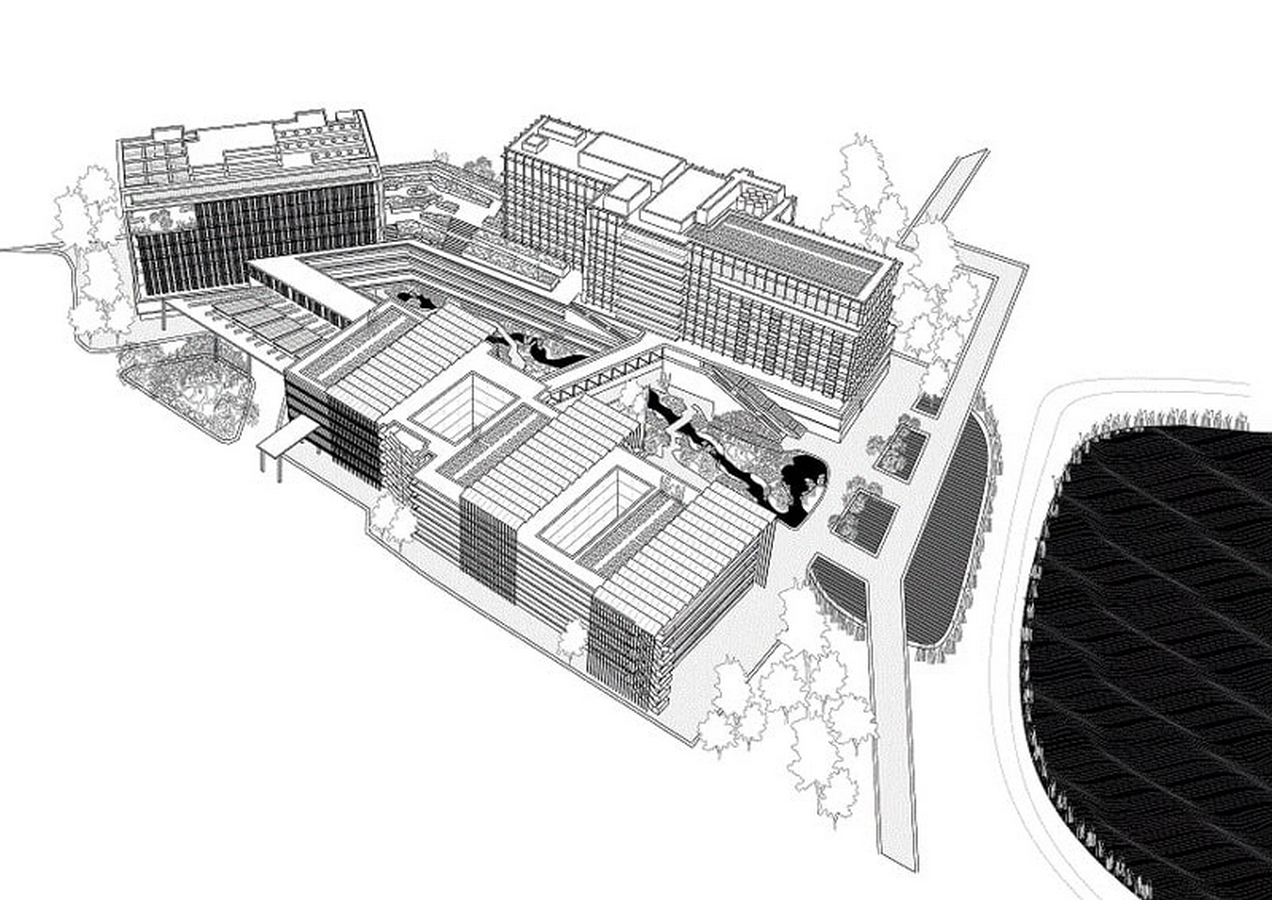
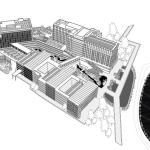
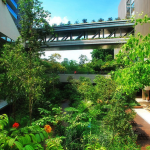
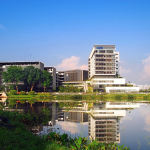
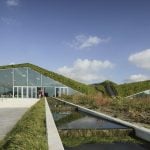
Hybrid ecosystem architecture reframes buildings as composite ecologies, systems that host, support, and exchange energy with non-human life. Rather than isolating nature to roofs or facades, this approach integrates flora, fauna, microbes, and climatic processes into the architectural core. The building becomes a scaffold for biodiversity, not a boundary against it.
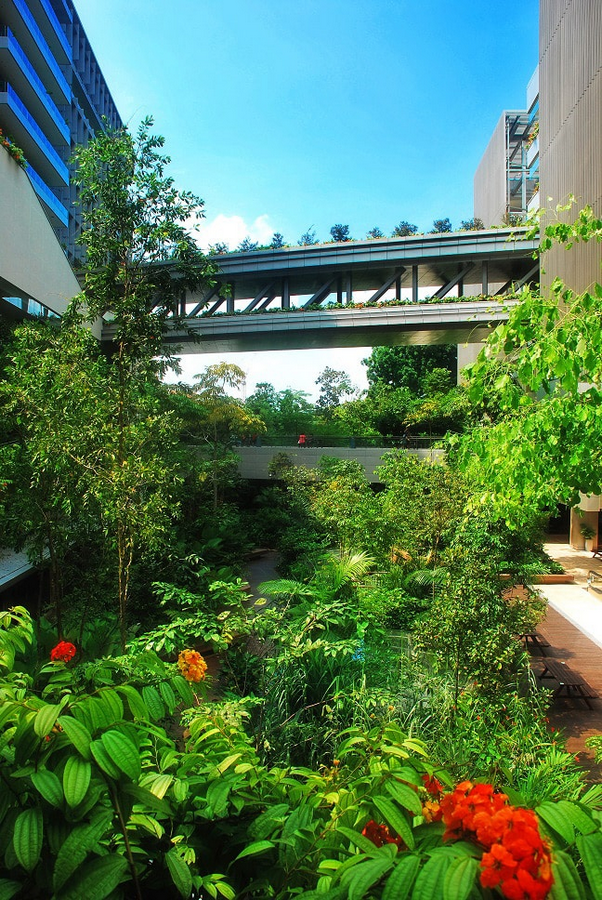
This trend builds on ecological urbanism but moves beyond metaphor. Projects now measure success through pollinator density, soil regeneration, thermal buffering, and carbon sequestration. Architecture, in this context, behaves less like a product and more like a habitat, designed to mature, adapt, and sometimes fail productively over time.
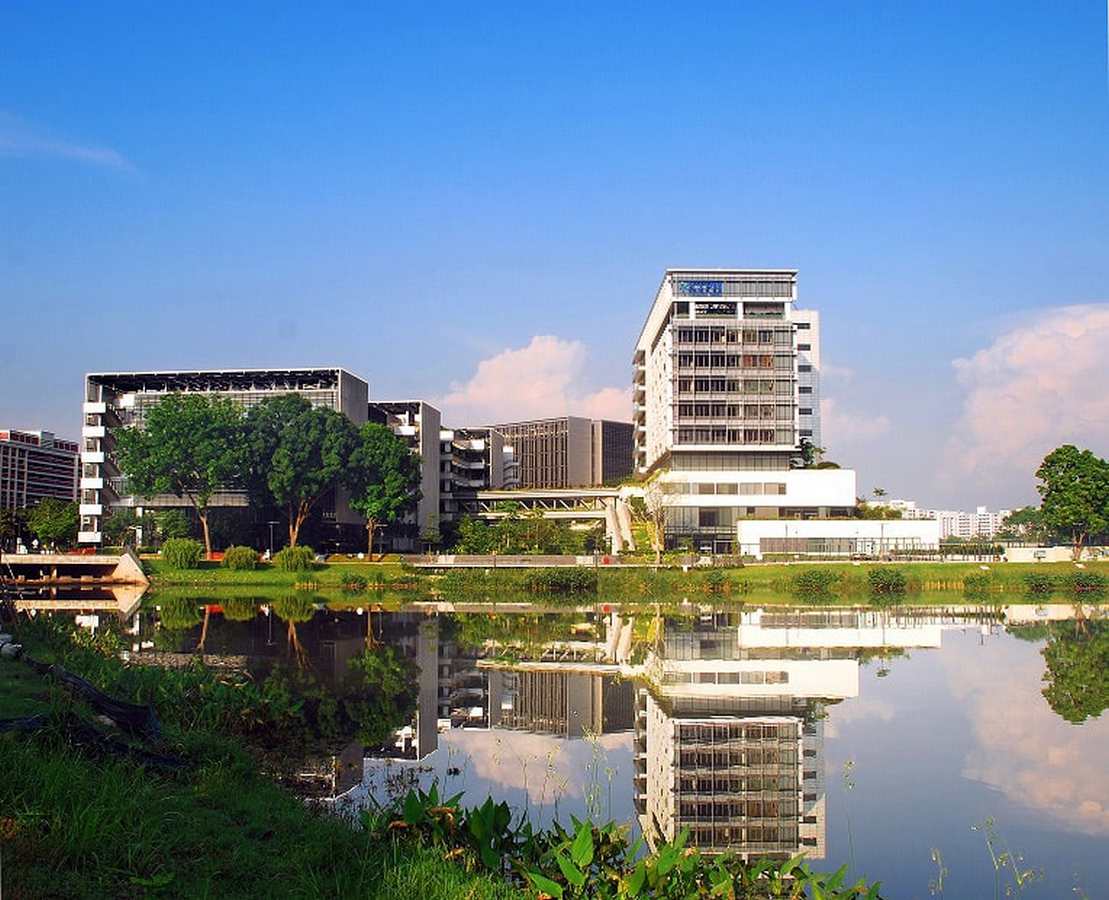
Hybrid ecosystems also challenge authorship. Once a building hosts multiple living agents, control becomes distributed. Architects increasingly collaborate with ecologists, mycologists, and landscape scientists, accepting uncertainty as a design parameter. Maintenance shifts from replacement to stewardship, redefining long-term value in architectural terms.
Geo-Material Innovations
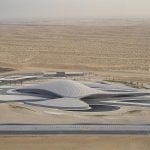
Geo-material innovation marks a return to the geological intelligence of architecture, reconsidering earth, stone, clay, and mineral composites as primary construction media. Unlike nostalgic vernacular revivals, today’s geo-materials are technologically enhanced: geopolymer concretes, enzyme-stabilized earth blocks, and mineral-based composites engineered for performance and longevity.
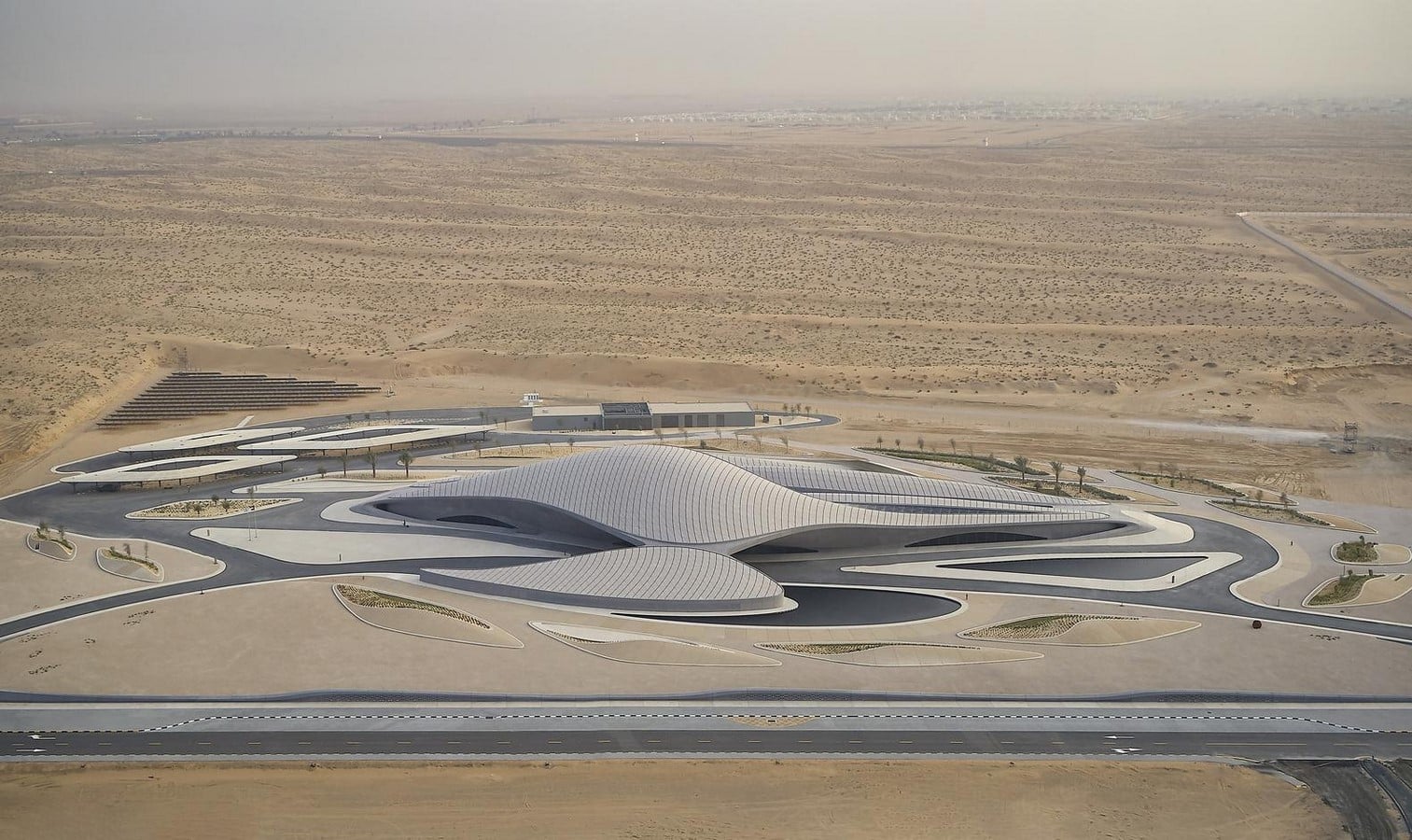
This shift responds directly to construction’s carbon burden, with cement alone accounting for nearly 8% of global CO₂ emissions. Geo-materials leverage local geology, reducing transport energy while embedding buildings within regional material cycles. Architecture becomes territorially specific again, not stylistically, but materially.
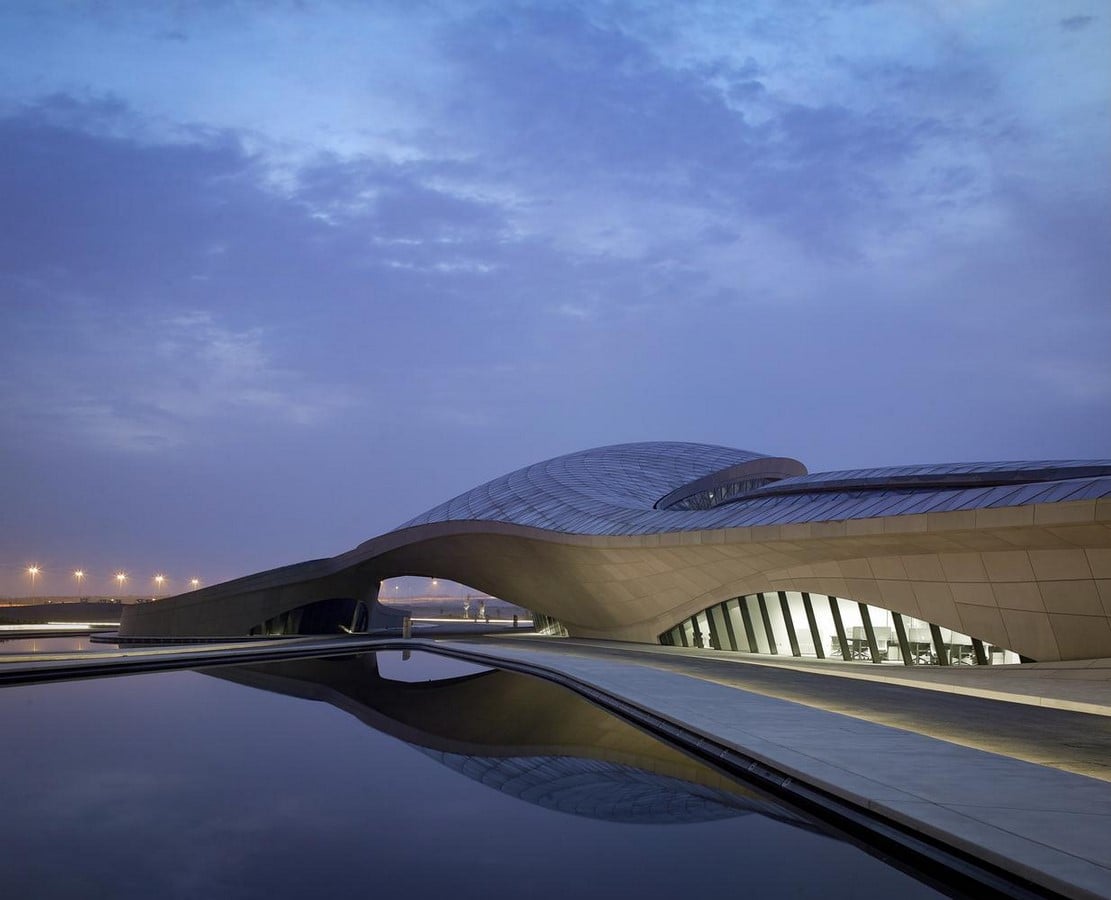
Crucially, these materials also age differently. Rather than resisting weathering, they register it. Patina, erosion, and repair become legible narratives of environmental interaction. In this way, geo-material architecture rejects the illusion of permanence, aligning architectural time with geological and climatic rhythms.
Atmospheric / Microclimate-Driven Design
Atmospheric design shifts architectural focus from static enclosure to dynamic environmental calibration. Buildings are increasingly designed as instruments that sense, respond to, and modulate microclimates, through orientation, porosity, thermal mass, and airflow choreography. The goal is not to eliminate discomfort, but to manage gradients of temperature, humidity, and light.
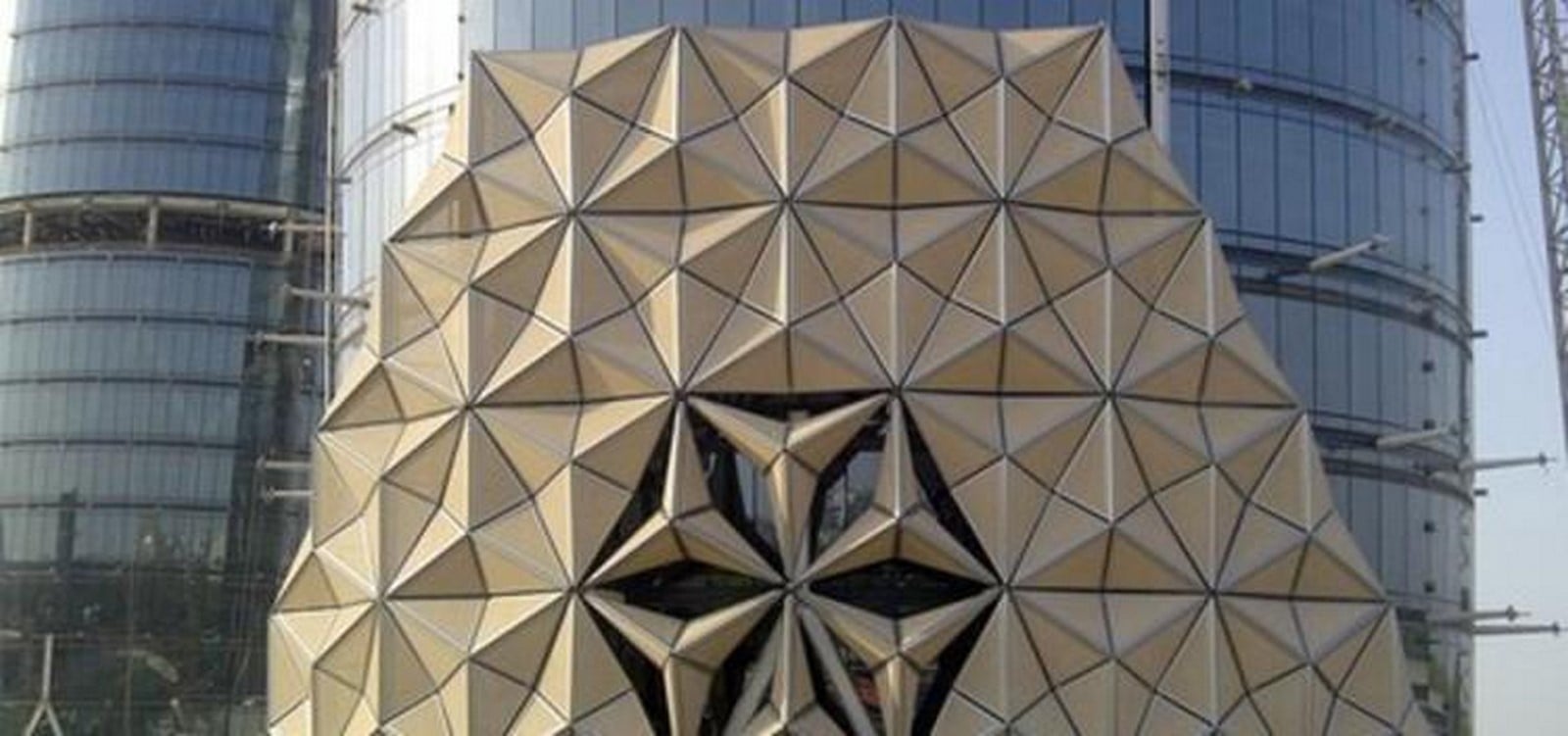
This approach draws heavily from pre-mechanical architectures, courtyards, wind catchers, thick walls, reinterpreted through contemporary simulation tools. Computational fluid dynamics and thermal modeling now guide form, allowing designers to predict microclimatic behavior with precision previously unavailable.
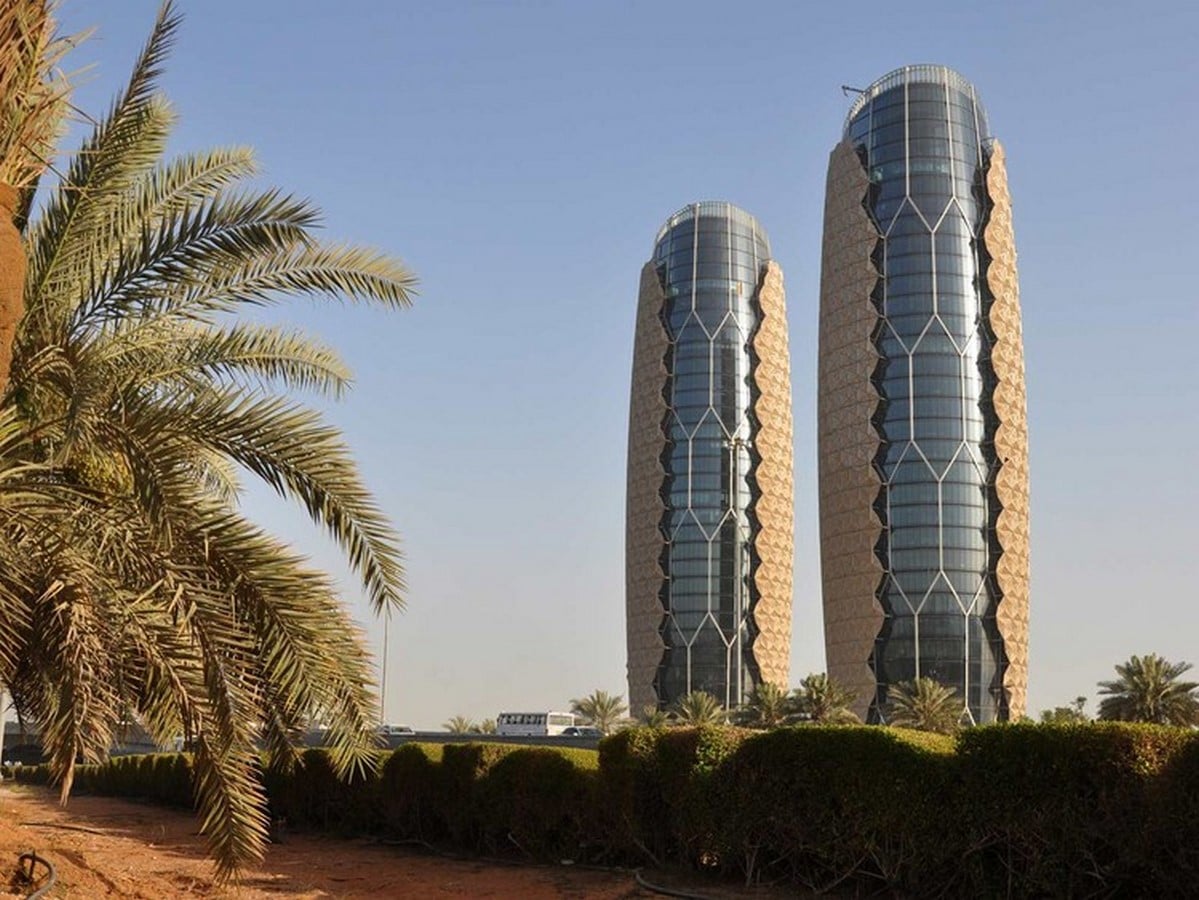
In a warming world, microclimate-driven design is no longer optional. It reduces energy dependency, enhances resilience during power failures, and reintroduces seasonal awareness into daily life. Architecture, once sealed off from weather, becomes an atmospheric mediator, negotiating rather than denying environmental forces.
Symbiotic Water Architecture
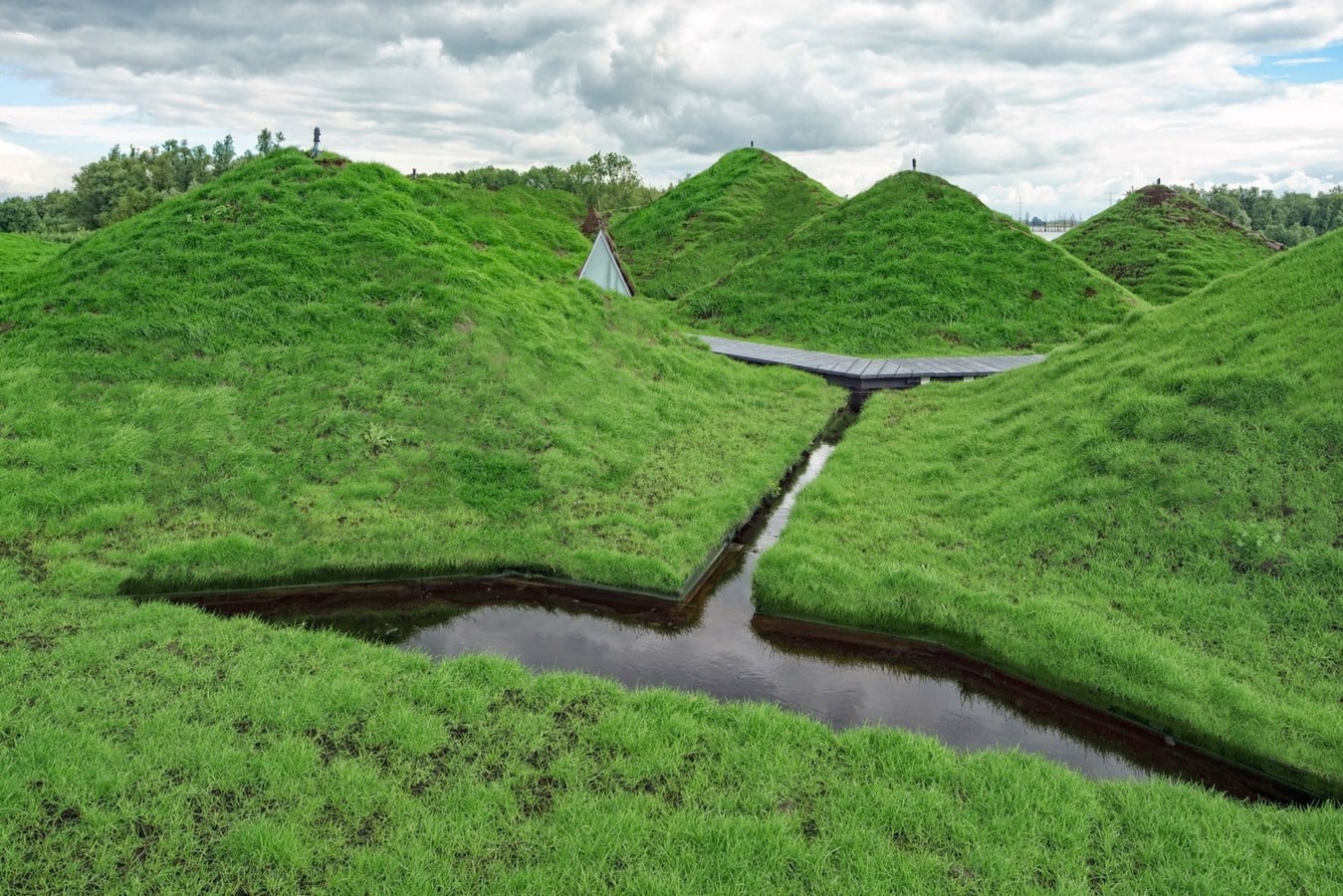
Symbiotic water architecture reconceives water as an active design partner rather than a threat or utility. As cities face both scarcity and flooding, buildings increasingly operate as hydrological devices, capturing, storing, filtering, and slowly releasing water back into their environments,
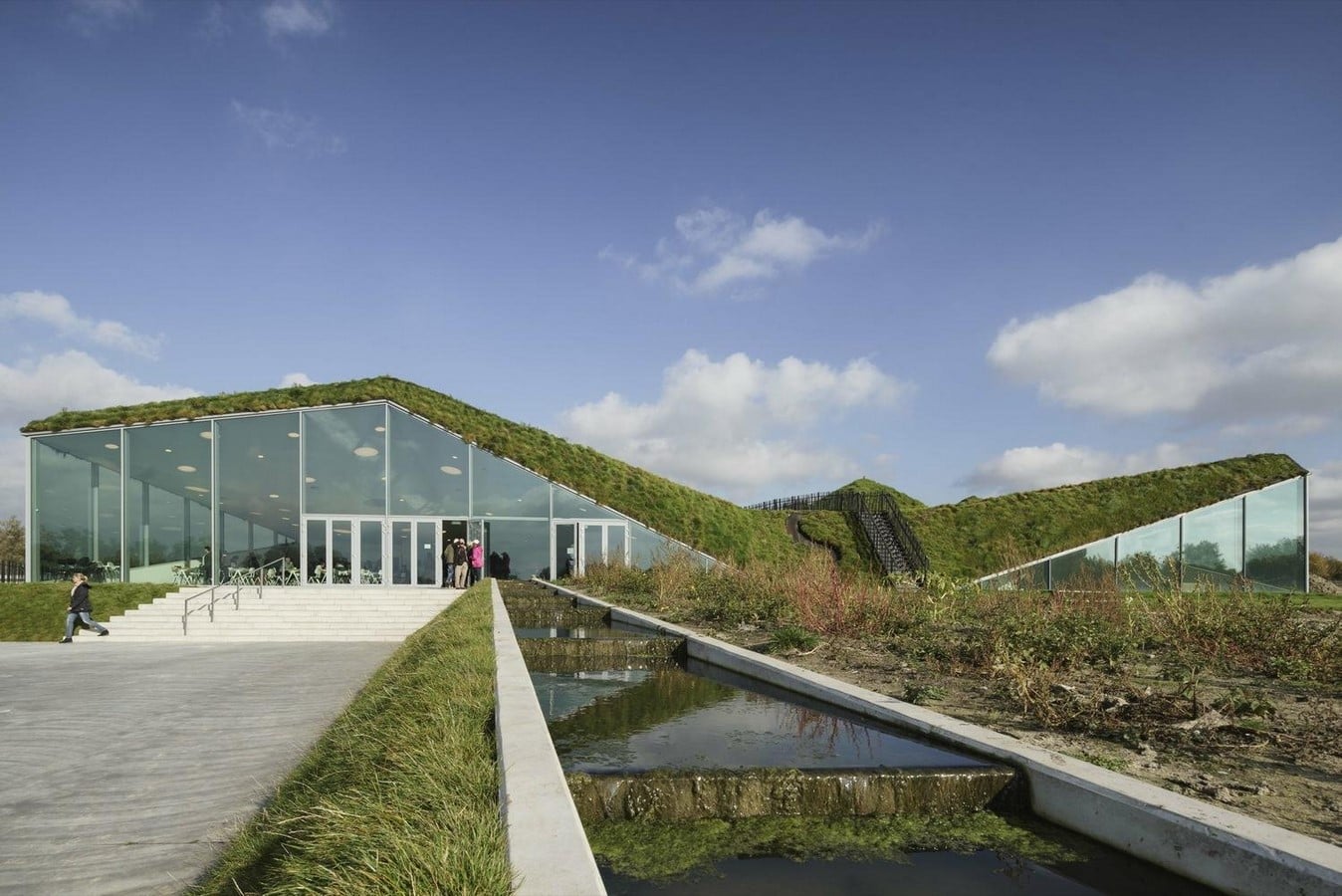
This trend draws from water-sensitive urban design and delta infrastructures, integrating roofs, landscapes, and foundations into continuous water systems. Architecture participates in watershed logic, blurring distinctions between building, landscape, and infrastructure.
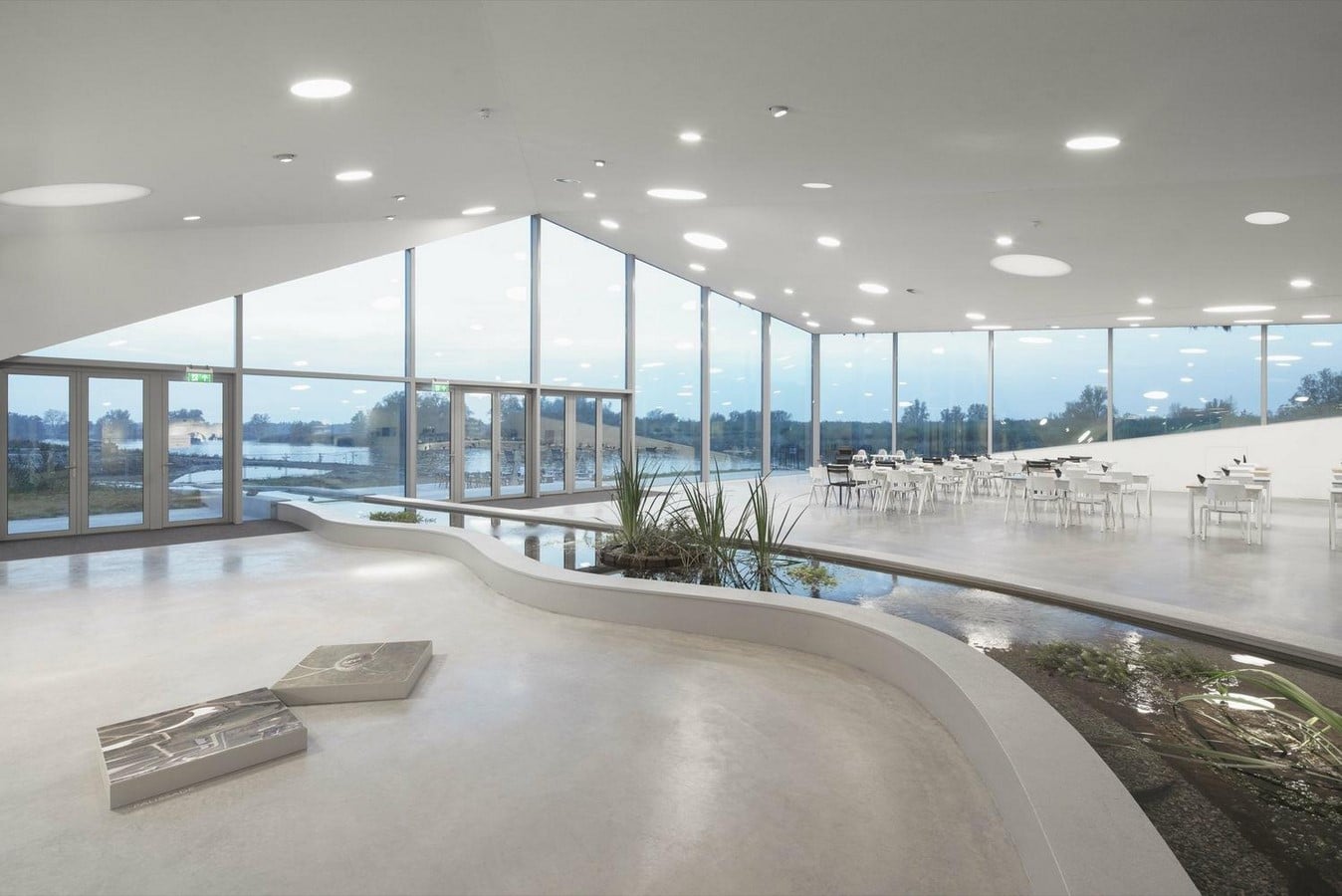
More radically, some projects embrace periodic inundation. Amphibious and flood-adaptive structures accept water level fluctuation as a design condition. Rather than fortifying against water, architecture learns to coexist with it, absorbing risk through adaptability.
Bio-Digital (AI × Biology) Design
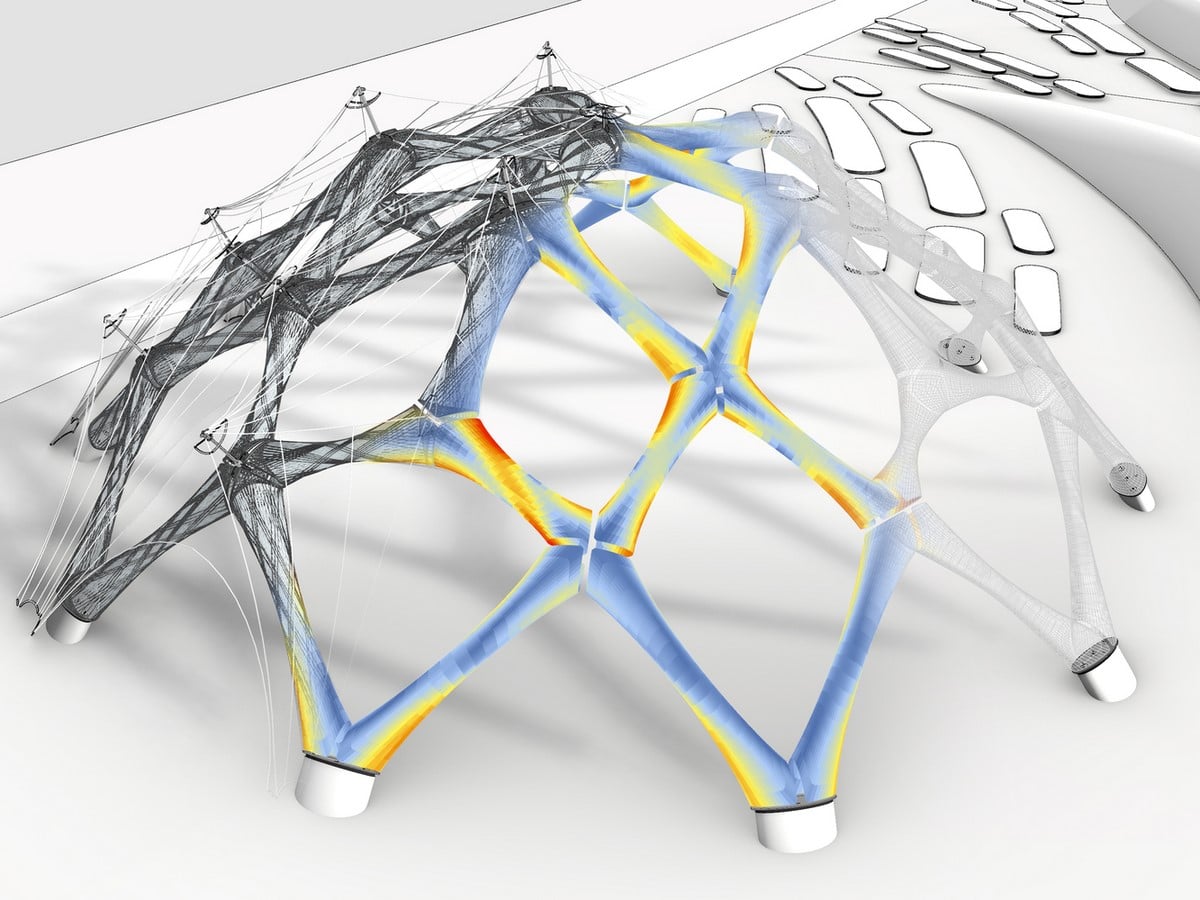
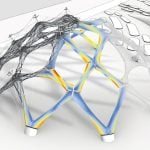
Bio-digital design represents perhaps the most transformative shift: the convergence of artificial intelligence, computational design, and biological systems. Here, algorithms do not merely optimize form; they learn from biological processes, growth, adaptation, metabolism, to generate architectural intelligence.
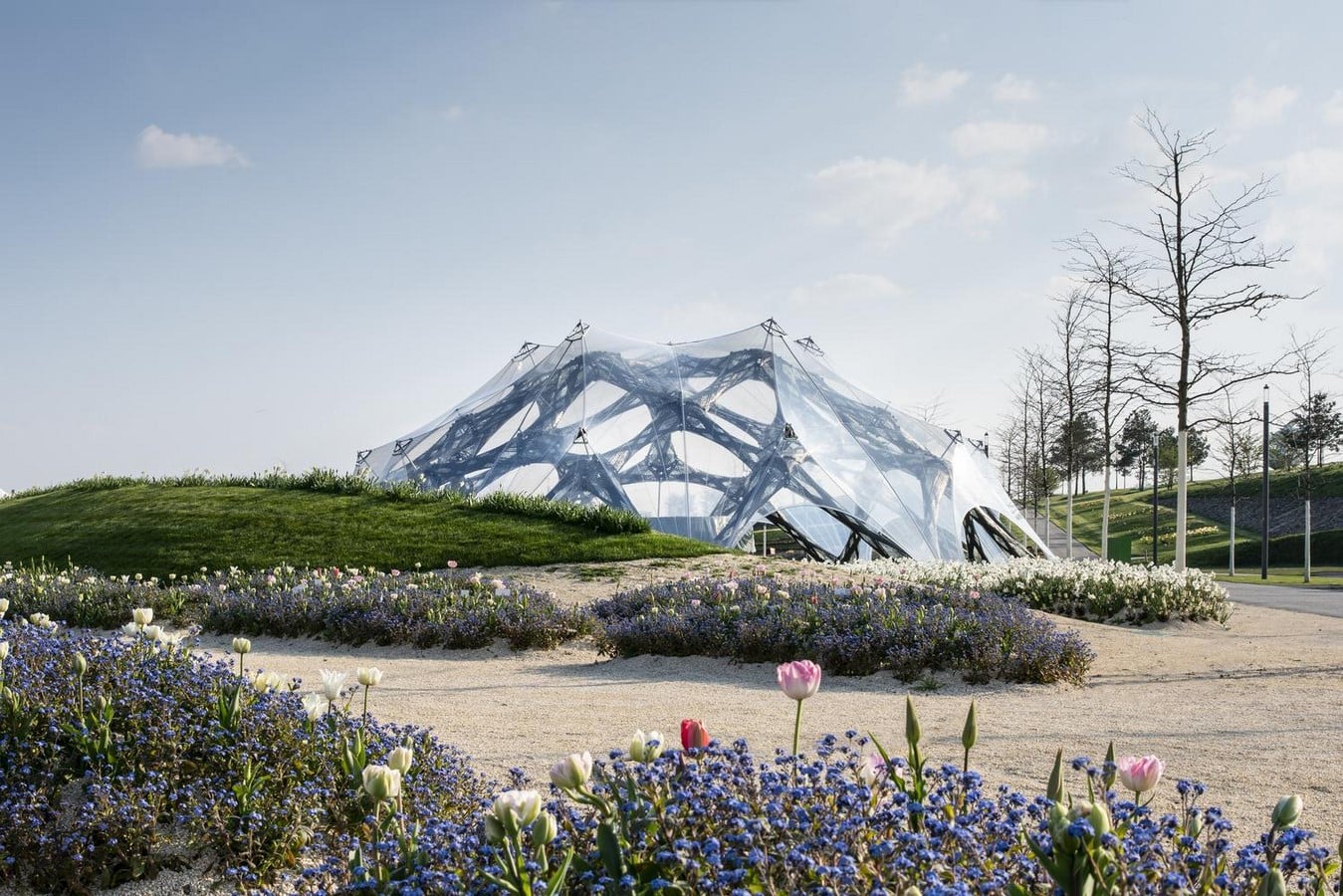
AI models are increasingly trained on ecological data, material behavior, and environmental feedback, enabling architectures that evolve rather than remain fixed. At the material scale, synthetic biology introduces living or semi-living components, self-healing concrete, bio-grown materials, that challenge traditional definitions of construction.
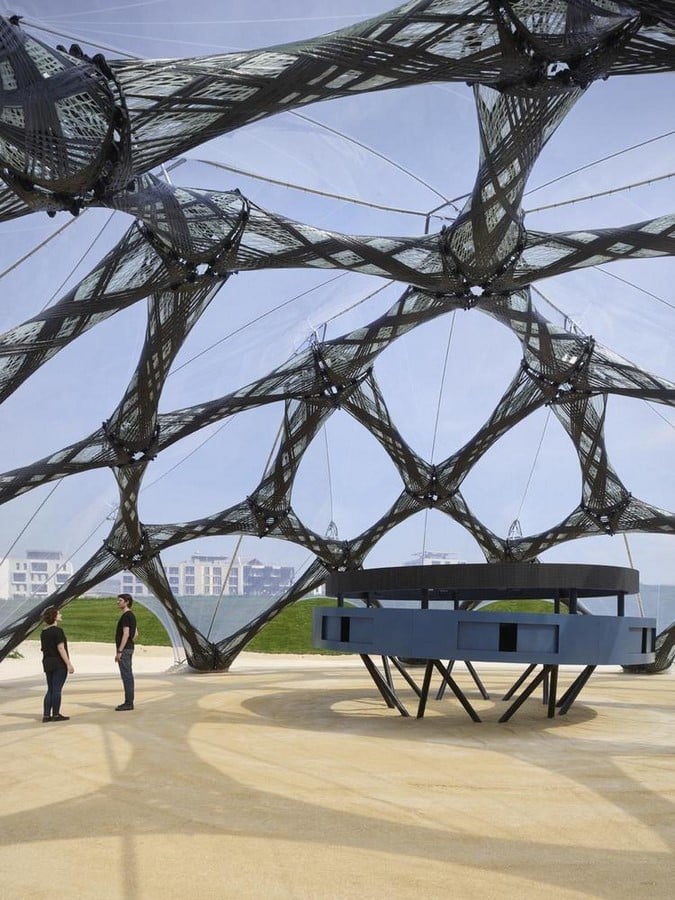
Importantly, bio-digital architecture resists technological determinism. Biology imposes constraints, growth rates, decay, interdependence, that temper computational ambition. The most compelling work emerges not from dominance, but from negotiation between machine logic and living systems.
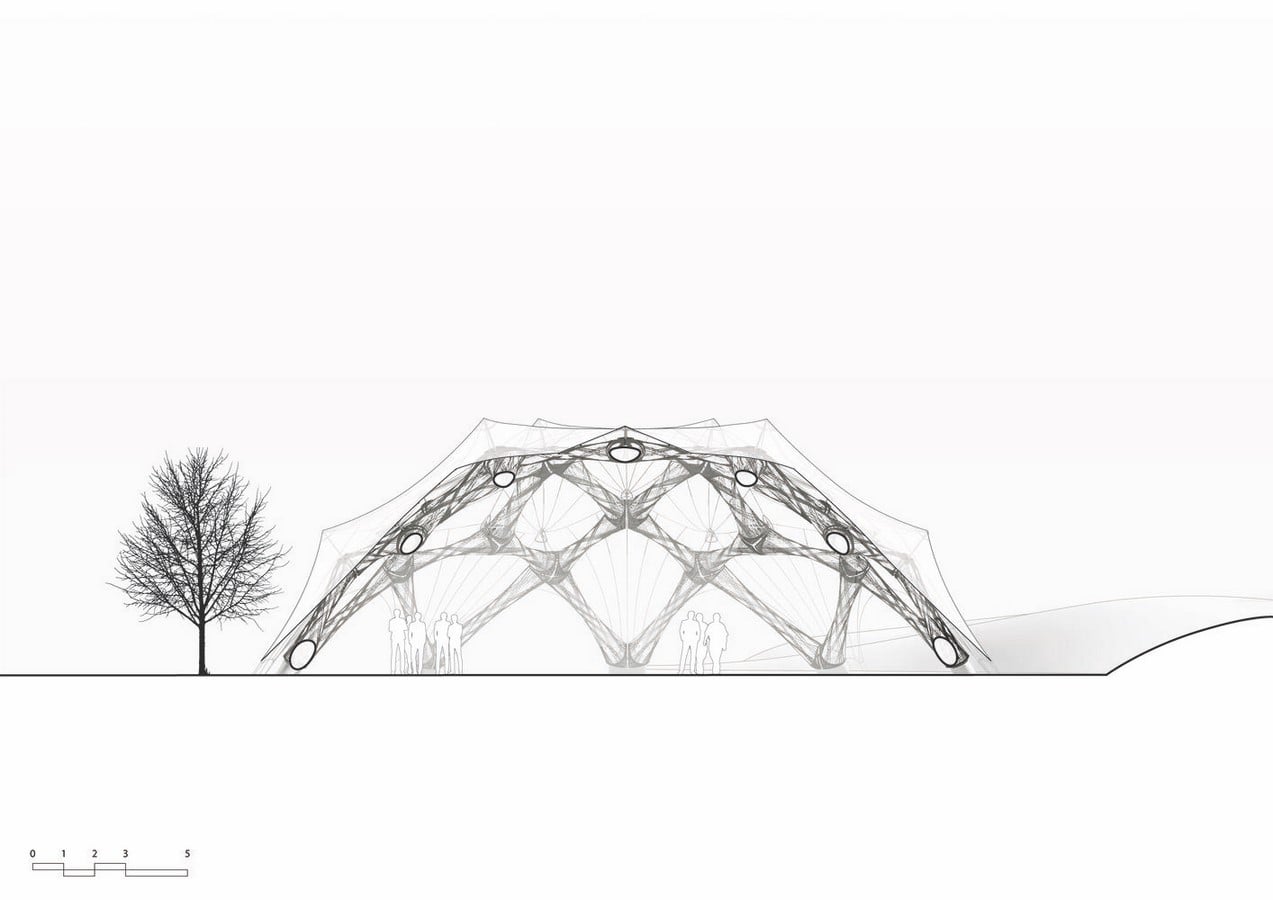
Taken together, these five trends signal a disciplinary realignment. Architecture is no longer content with representing nature aesthetically or mitigating environmental damage after the fact. Instead, it is repositioning itself as an ecological agent, embedded within material, climatic, hydrological, and biological systems.
The future of design will not be defined by iconic forms, but by calibrated relationships: between soil and structure, air and envelope, water and foundation, code and organism. In this emerging paradigm, architecture does not stand apart from nature. It operates within it, responsively, contingently, and with renewed humility.
References:
Beaumont, Eleanor. “The Architectural Review | Online and Print Magazine about International Design.” Architectural-Review.com, 2019, www.architectural-review.com/.
“Biesbosch Museum Island / Studio Marco Vermeulen.” ArchDaily, 25 Aug. 2019, www.archdaily.com/777852/biesbosch-museum-island-studio-marco-vermeulen.
“Biophilic Cities.” Island Press, 9 July 2015, islandpress.org/books/biophilic-cities#desc.
“Ecological Urbanism.” Harvard Graduate School of Design, www.gsd.harvard.edu/publication/ecological-urbanism/.
IPCC. “AR6 Synthesis Report: Climate Change 2023.” Www.ipcc.ch, IPCC, 2023, www.ipcc.ch/report/ar6/syr/.
Kishnani, Nirmal. “Singapore’s Khoo Teck Puat Hospital: Biophilic Design in Action.” Human Spaces, 8 Sept. 2017, blog.interface.com/khoo-teck-puat-hospital-singapore-biophilic-design/.
“News + Updates – MIT Media Lab.” MIT Media Lab, 2019, www.media.mit.edu/.
Steffen, Will. “Trajectories of the Earth System in the Anthropocene.” Proceedings of the National Academy of Sciences, vol. 115, no. 33, 6 Aug. 2018, pp. 8252–8259, www.pnas.org/content/115/33/8252, https://doi.org/10.1073/pnas.1810141115.
—. “Trajectories of the Earth System in the Anthropocene.” Proceedings of the National Academy of Sciences, vol. 115, no. 33, 6 Aug. 2018, pp. 8252–8259, www.pnas.org/content/115/33/8252, https://doi.org/10.1073/pnas.1810141115.