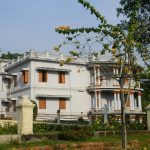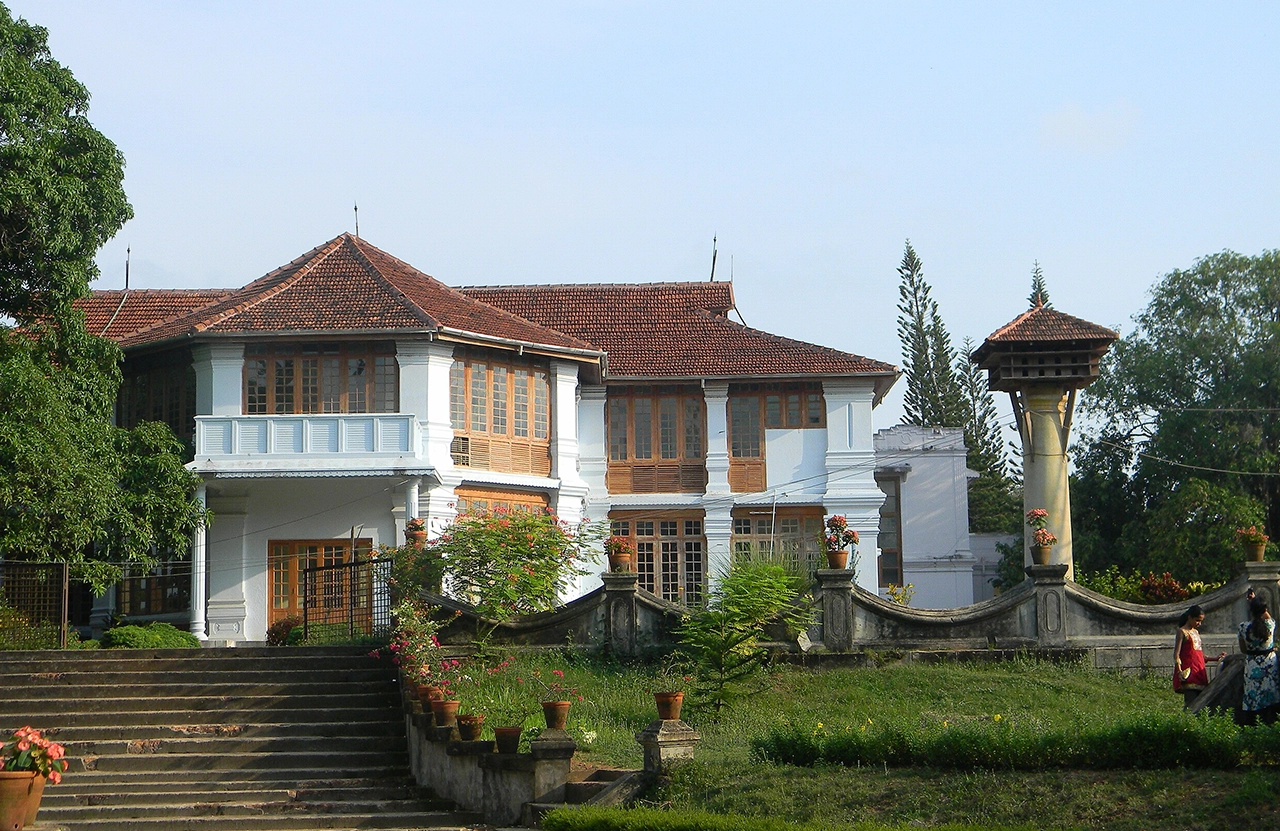
Kochi carries layers of history that reveal themselves quietly through its buildings and landscapes. Among these, one structure has continued to hold a steady place in the city’s collective memory. The Hill Palace Museum, Kochi stands on its hilltop with a presence that feels both distant and familiar. It was once the private world of a royal family, yet it now belongs to the public, becoming a space where people encounter the traces of a different time. What makes the palace significant today is not only its scale or its age but the way it extends the story of a region. The complex reflects a period when architecture expressed power, culture and identity with remarkable clarity. As the city around it changed, the palace remained a reminder of how space can carry social meaning long after its original purpose ends. This continuity forms the starting point for understanding its historical, architectural and cultural relevance in the present day.
Historical Context and Royal Legacy
The rise of the Hill Palace Museum is shaped by the political realities that defined Kerala in the nineteenth century. At the time, the Cochin Kingdom existed within a delicate framework of autonomy. It was recognised as a princely state but operated under the indirect authority of the British Crown. This arrangement required the rulers to maintain their traditional identity while also aligning with the administrative expectations imposed from outside. Tripunithura, which was steadily becoming the cultural and intellectual centre of the Kingdom, offered a setting where this balance could be managed with relative stability.
The construction of the palace complex reflected this political climate. It was intended to serve not only as a royal residence but also as a space where the affairs of the state could be conducted with a sense of dignity and measured confidence. The complex housed the rooms where land disputes were resolved, where relations with neighbouring states were discussed and where the monarchy responded to the shifting influence of the British administration. These exchanges shaped the identity of the region and reinforced the importance of Tripunithura as a seat of authority.
The palace grew as the demands of governance expanded. When the princely states were dissolved after independence, the complex carried forward these layers of political memory. It continues to illustrate how governance in Kerala functioned during a period defined by negotiation, adaptation and the subtle reshaping of power.
Architectural Style and Design Philosophy
The architectural character of the Hill Palace Museum reflects a period when the built environment in Kerala was shaped by both regional traditions and selective external influences. The complex draws heavily from the spatial logic of traditional Kerala architecture, where courtyards, long verandas and deep roof overhangs were used to create comfort in a humid climate. These elements were not merely functional. They expressed an understanding of rhythm, privacy and movement that defined domestic and institutional architecture in the region for centuries.
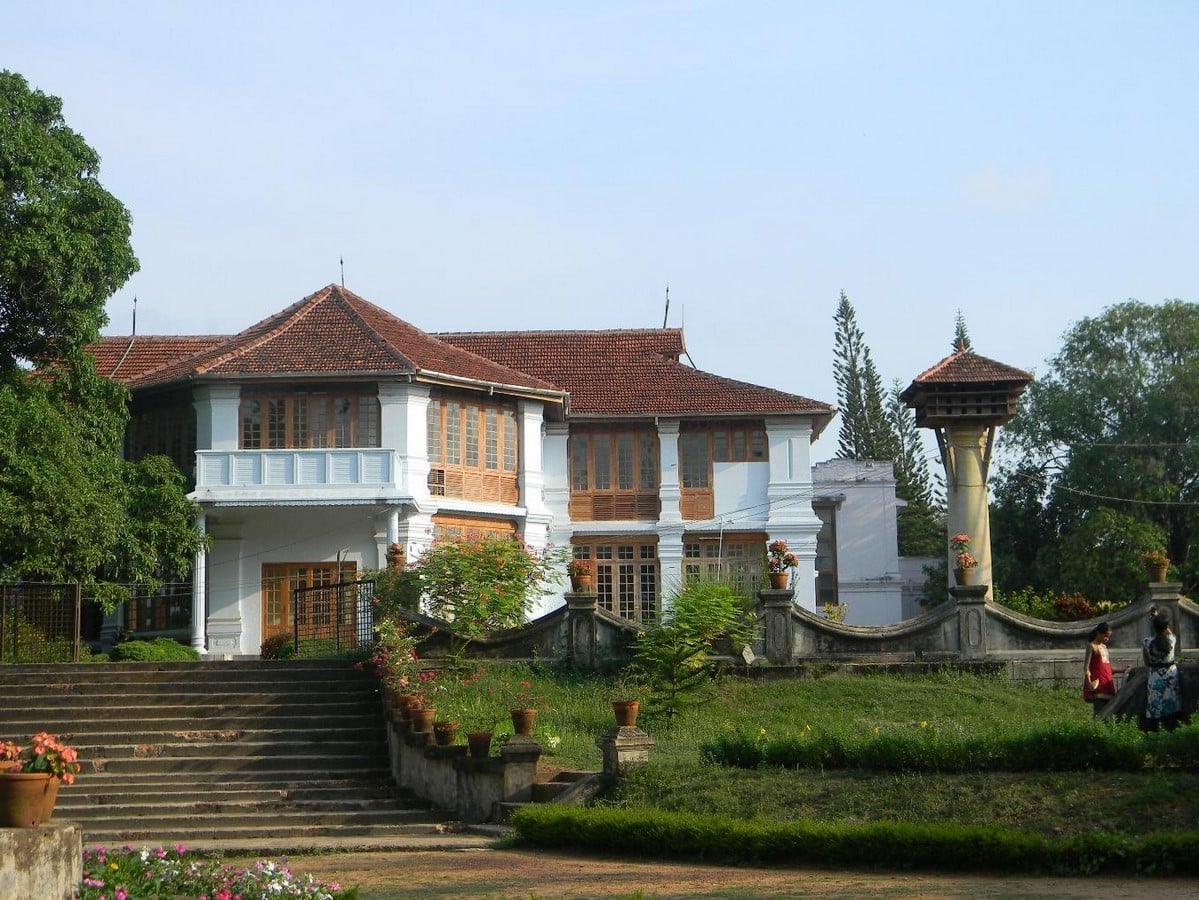
Within the palace, this traditional foundation is paired with gestures that reveal the changing ambitions of the time. The use of symmetrical planning in certain blocks, the introduction of larger ceremonial halls and the presence of imported finishes signal the influence of a broader architectural vocabulary. These choices suggest a palace that was looking outward while holding firmly to its roots.
The design philosophy of the complex is therefore not a single expression but a layered one. It captures how architecture responded to climate, culture and political expectations. It also demonstrates a thoughtful balance between tradition and adaptation, which makes the palace an important reference point for understanding the architectural evolution of Kerala in the nineteenth century.
Cultural Identity, Heritage Value, and Community Role
The cultural presence of the Hill Palace Museum extends far beyond the boundaries of its grounds. For many residents of Tripunithura and the wider region, the palace represents a shared link to a period that shaped Kerala’s identity. It offers a physical connection to stories that may no longer be part of everyday life, yet continue to influence how people understand history, lineage and belonging. The museum’s transformation from a royal residence to a public institution reinforced this role. It allowed the community to access artefacts, manuscripts and objects that once remained within the private domain of the Cochin royalty.
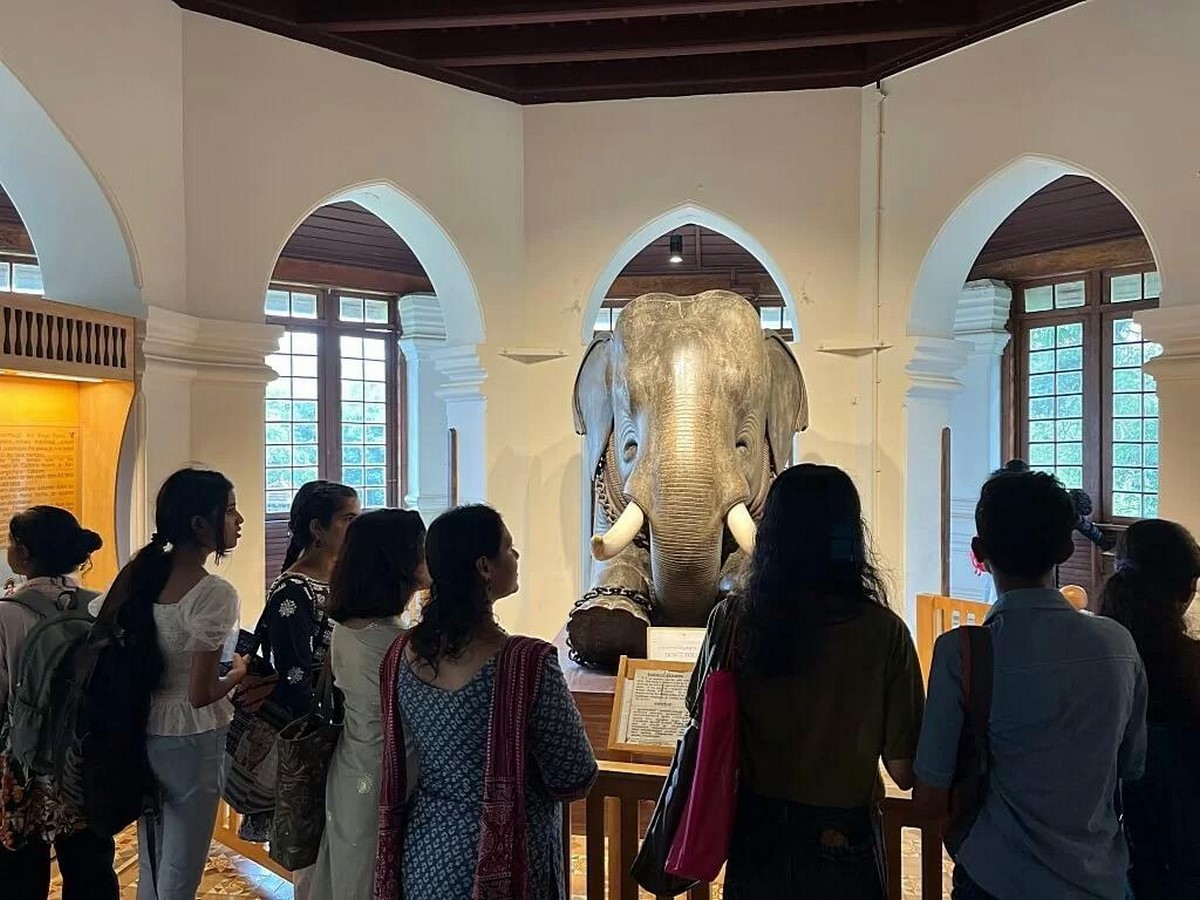
Over time, the palace has become a place where memory, education and cultural expression converge. School visits, cultural events and local gatherings have turned it into a familiar setting for people of different generations. The museum grounds also provide a rare open space within an urban environment, where visitors can explore history at their own pace and experience a quiet continuity with the past. It ensures that the narratives preserved within the complex remain relevant, not as distant symbols but as part of the cultural fabric that shapes everyday understanding of the region’s identity.
Presence in Art, Cinema, and Popular Media
For many people across Kerala, the first encounter with the Hill Palace Museum did not happen through history books or school excursions. It happened on screen. Malayalam cinema has played a central role in shaping how the palace is recognised today, especially by audiences who live far from Kochi and may not have visited the region before. The palace became part of popular imagination when the 1993 horror-comedy film Manichitrathazhu used its interiors and courtyards to create a setting that was both familiar and mysterious. The impact of that film carried the palace into households across the state and introduced it to a generation that associated its spaces with some of Malayalam cinema’s most memorable scenes.

Other films reinforced this connection over the years. Productions like Moonnam Mura (1988), Kaliyoonjal (1997), Dreams (2000) and Chotta Mumbai (2007) used different parts of the complex to build atmosphere and place. Each appearance added to the palace’s visual identity and made its architecture more recognisable to viewers who had never seen it in person. As a result, the museum gained a cultural presence that extended far beyond Kochi, becoming a place that people across Kerala felt they already knew before they ever set foot there.
Relevance to Contemporary Architecture and Tourism
The continued relevance of the Hill Palace Museum lies in its ability to speak to both architectural heritage and the evolving expectations of modern visitors. Contemporary architects often look to the palace for its approach to climate, proportion and spatial hierarchy. The buildings demonstrate how thick laterite walls, shaded verandas and carefully positioned openings can create comfort without mechanical intervention. This sensitivity to climate remains deeply relevant as architects reconsider passive strategies in response to environmental concerns.
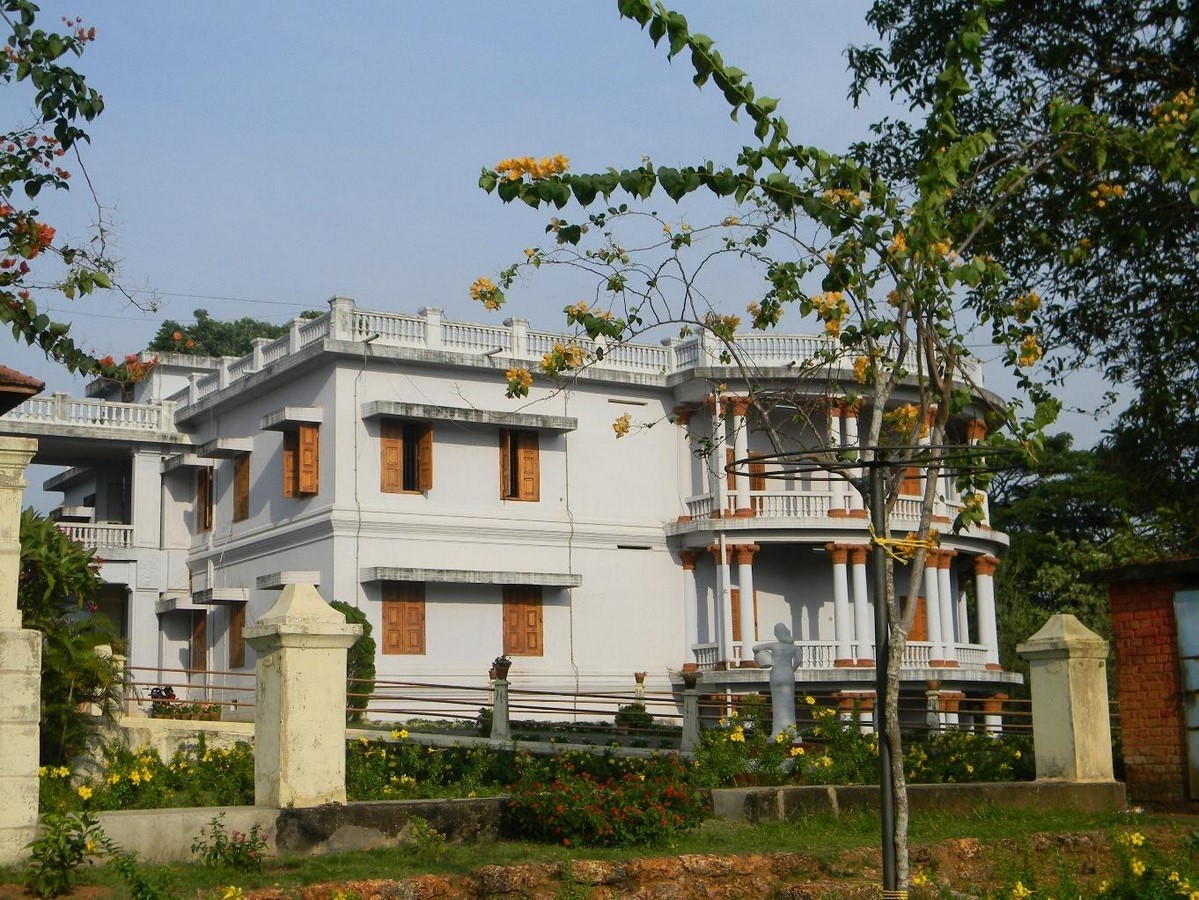
Beyond design lessons, the palace plays a major role in Kerala’s cultural tourism. Its reputation as a museum, filming location and heritage destination has created a flow of visitors who arrive not only to see artefacts but to experience an atmosphere that belongs to an earlier period. This makes the palace an important public attraction and anchors Tripunithura within the wider travel map of Kochi.
Why Hill Palace Still Matters Today
The lasting significance of the Hill Palace Museum comes from the way it holds together history, architecture and public life without losing the essence of any of these elements. It continues to stand as a reminder of a period when regional identity and political authority shaped the built environment in careful and deliberate ways. At the same time, it remains open to contemporary interpretations, whether through tourism, cinema or community engagement. The palace has adapted to new roles without compromising the values that define its character.
What makes the structure meaningful today is not only its preservation as a heritage site but its ability to remain part of everyday experience for a wide range of people. The palace endures because it brings together the past and the present in a way that feels grounded, accessible and culturally important. The museum welcomes visitors during its official hours from 09:00 AM to 12:30 PM and from 02:00 PM to 04:30 PM, with Monday as its weekly holiday, ensuring that this heritage remains open to the public.