Architecture can undeniably be stated as a field that is perpetually evolving with the latest trends and adapting harmoniously to them. Moreover, it endeavours to maximise the potential imposed by each technological, environmental, or social trend. Nevertheless, one spectrum of quintessential beliefs exerts the notion of architecture being a dying profession merely because of various digressions that have occurred with the change of times from traditional education to innovative design approaches.
Delving back into the crux of architectural design, it can be claimed that the journey essentially began with the early civilisations, such as the intricate temples in Greece. Followed by a few alterations in the Roman period, then an element of quirkiness in the design during the medieval period, with the emergence of Gothic architectural designs. Although the preceding period drifted away from classical architecture and instead emphasised further on light and verticality of structures. The Renaissance, however, revived the quintessential elements of antique design by striking a balance between function and form.
The early 20th century witnessed a paradigm shift in the way architecture was perceived due to the Industrial Revolution. Using materials such as concrete and steel initiated the modernist architecture movement by architects such as Frank Lloyd Wright and Le Corbusier. The late 1900s drifted into Art Deco, Bauhaus, and Postmodernism movements, further expanding the architectural palette. Soon after, the invention of computer-aided design became prevalent in society, which became efficient to use and optimised time with the architectural design process (www.archisoup.com, 2023).
Therefore, it can be endeavoured that architecture is a unique field where aesthetic functionality is directly proportionate to the dynamic technological advancements in the market. Subsequently, the design is progressing towards more intricacies and dynamic forms. Hence, it requires multidisciplinary collaborations throughout workflows (ArchDaily, 2023). Thus, this essay intends to explore how these technological movements are shaping the future of architecture.
BIM- Future of Architecture?
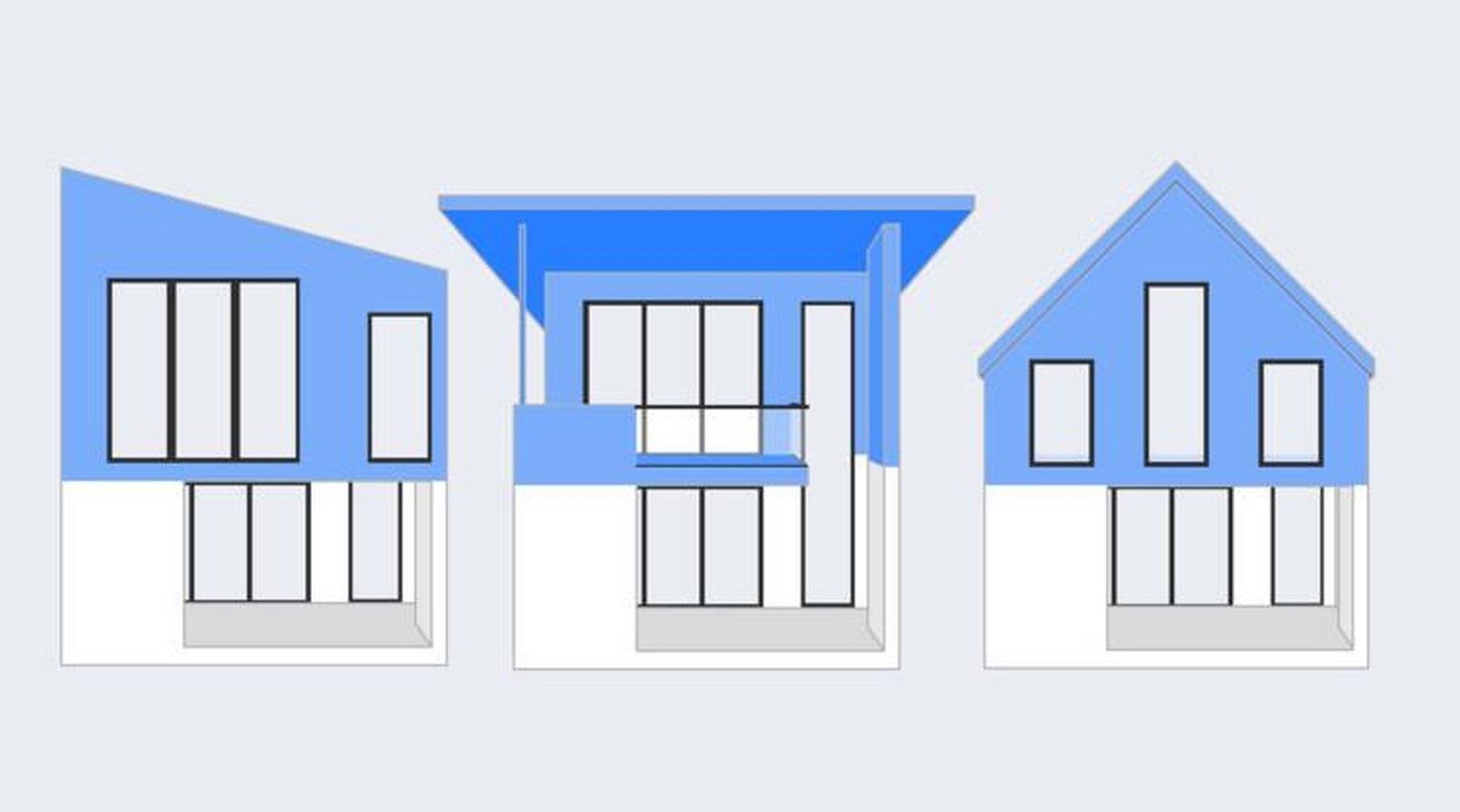
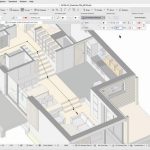
As aforementioned, the future of architecture relies highly on technological trends; therefore, one such computer-aided design application is Building Information Modelling (BIM) software. It can be argued that BIM is a huge shift in the Architecture, Engineering, and Construction (AEC) industry. The purpose of BIM serves more than just as a software; the methodical process allows designers and engineers to collaborate and integrate relevant data throughout the lifecycle of the building project construction. Visualising the project outcome beforehand, the construction minimises errors, improves sustainability, and efficiency. The fundamentals of BIM trace back to the early days of computation; however, various modifications have been installed within the software to date that allow for futuristic construction. Stated by Márton Kiss, “If you look back at the history of technology, there are these key moments when a new technology becomes available and starts a trend that reshapes how we work.” (ArchDaily, 2023). With regards to the context, the software solution developer Graphisoft, which is associated with architecture and multidisciplinary design, managed to present one of their significant milestones, ‘ArchiCAD 27’. Some of its innovative features include optimising design processes, enabling clearer modelling, documentation, and visualization of design possibilities. Therefore, it can be argued that Archicad is the most efficient and intuitive BIM software on the market that allows architects to explore their creativity in designing parametric buildings. Another feature includes the design options tool and the enhanced distance guides for positioning elements. This empowers design teams to present alternative options to clients. Moreover, it minimises the time required to identify design solutions through various iterations. It establishes a workflow that eliminates the need for workarounds like hot links, layer settings, or in-model copying (ArchDaily, 2023).
Reshaping Experiences?
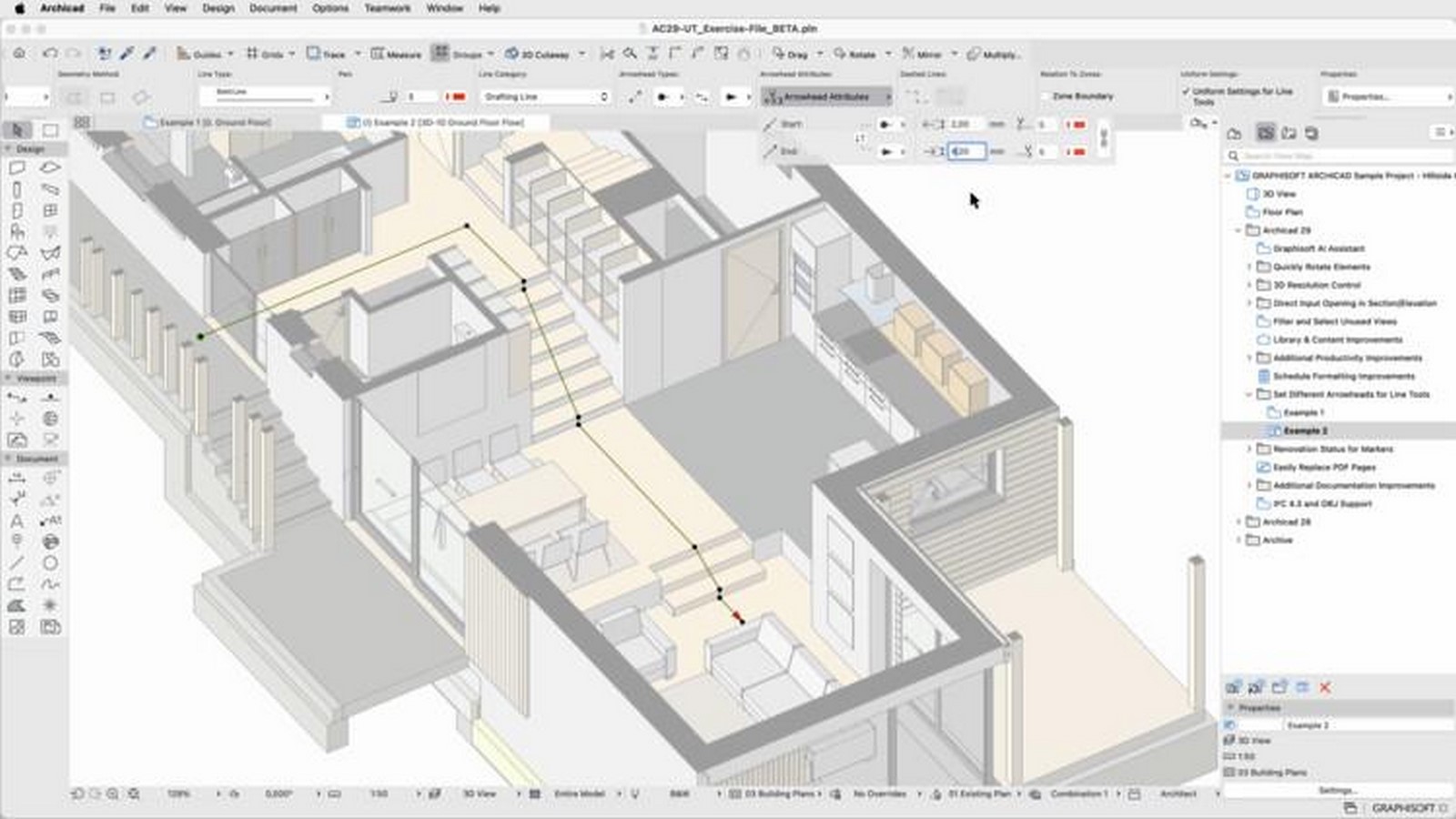
Switching gears to the present time, 2025, the evolution of technological advancements has further enhanced AI, machine learning, prompts, and integrated workflows. This shift from peripheral vision to primary focus has raised the key question: How will this reshape our experience of designing architecture for the future? Following the conversations with the key figures at Graphisoft about digital tools and how design thinking informs workflows and project development. The key insights from the conversations include the importance of utilising tools that nurture creativity and collaboration. Subsequently, it is a goal that is embodied in Archicad 29, which builds on Graphisoft’s Design Intelligence Strategy. This platform particularly empowers productivity, streamlines documentation, and allows architects and teams to focus on exploring ideas and developing complex architectural solutions (Tovar, 2025).
Assisted by a multidisciplinary and inclusive design approach, this new advancement of software includes a tool that eases collaboration with mechanical, electrical, and plumbing specialists through ‘MEP Designer’, allowing a seamless and in-sync engineering workflow. Scrutinising the electrical works further ‘DDScad 21’ tool is also embedded throughout to stick with the broader design goal. For instance, from the layout of electrical systems to the configuration of surveillance networks and the planning of fire safety measures, it allows architects and MEP professionals to approach their designs with precision, aligning every element with established industry standards (Tovar, 2025). Also, it enables automatic generation of detailed documentation (from floor plans and sections to schedules and parts lists) while incorporating visualization and communication within one model. Thus, it improves the BIM process that is synchronised and aligned with the project’s overall architectural vision.
On the whole, the debates regarding the preceding technological advancements have revolved around whether AI will replace architects in the future. Also, is the role optimizing workflows and allowing architects to focus on creativity and more streamlined processes? Frequent interactions with AI, specifically with prompts, model queries, and guidance. An example includes the AI Assistant ‘AI Visualizer 2.0’ that enables model-based visualizations through simple guides, styles, comparing before-and-after states with a slider, and editing specific areas with precision (Tovar, 2025).
References:
- ArchDaily. (2023). BIM and the Future of Architecture: Accelerating Design Processes with Archicad 27_© https://www.archdaily.com/1008860/bim-and-the-future-of-architecture-accelerating-design-processes-with-archicad-27.
- Tovar, E. (2025). How Will BIM 2.0, AI Assistance, and Integrated Workflows Shape the Architect’s Design Experience? [online] ArchDaily. Available at: https://www.archdaily.com/1035178/how-will-bim-ai-assistance-and-integrated-workflows-shape-the-architects-design-experience.
- www.archisoup.com. (2023). Is Architecture a Dying Profession? – archisoup. [online] Available at: https://www.archisoup.com/is-architecture-a-dying-profession.