
We pass through several spaces being unknown of how strongly they shape our behavior and unconscious habits. A lamppost by the side of the street, a tea shop by the roadside, Greetings to the vendors, each and every activity and material set the human behaviors and a rhythm in life. A design isn’t just about making a cube out of bricks, but creating a space that gives a sense of belonging and quietly becomes part of human life. The spaces silently observe and appreciate the beauty of the struggle and adversity we endure in our everyday lives, from the beginning of the day until we throw our sluggish bodies back into bed.

The Whispering Power of Sunrise
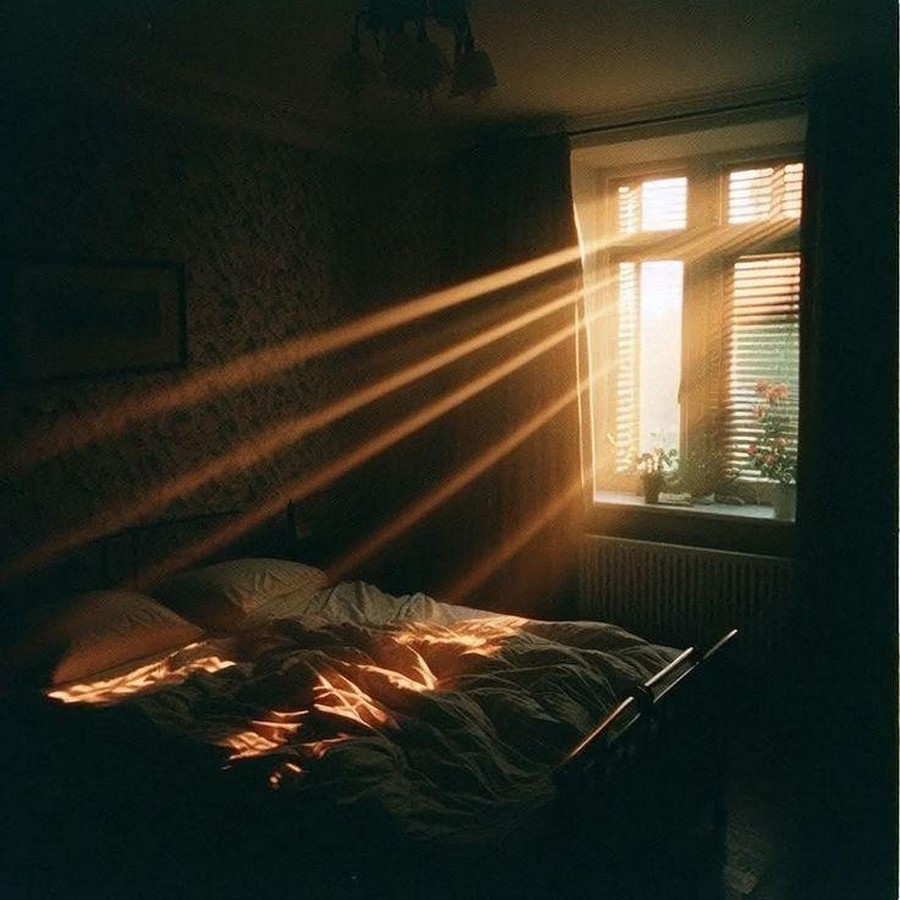
How does it feel when the first rays of the sun touch your forehead simply to wake up and whisper “Good Morning”? From Sun peeking through the window to the gentle touch of the morning breeze, It’s the result of a thoughtful orientation of the building, inclination of the louvers of the facade, and the subtle color of the room, which actually guides the rhythm of the morning. Natural light regulates our internal clock, lifting our energy gradually and allowing us to wake up without the abruptness of artificial illumination. It encourages a peaceful start, a happy mood to initiate the day, while dim and poorly designed spaces can drag our mood downward before the day even begins.
Ergonomics: Making Comfort Feel Effortless
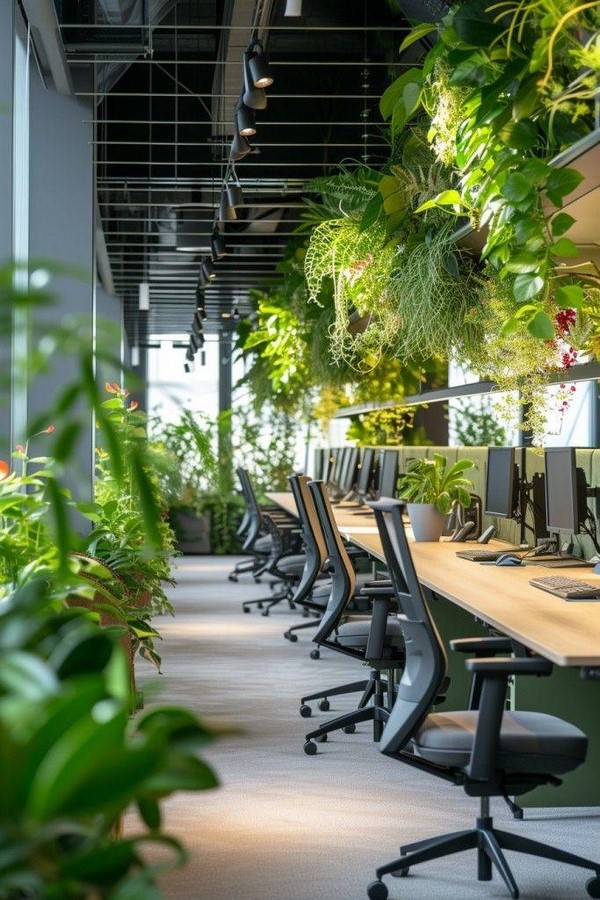
Simply leaning the body on the chair of the office decides how the future health is going to be. A well-designed sofa to the kitchen Cabinet affects how we sense comfort and ease. Ergonomic design steps in exactly at this point. It ensures that movement feels natural, that tasks are effortless, and our bodies are supported rather than drained and burned out. Ergonomics isn’t a luxury; it’s a silent effort that we put to survive and respect for the human body.
Ventilation: The Quiet Architect of Well-Being
Air is something we never see, but it strongly impacts our daily activities and molds human health. Our emotional states shift constantly throughout the day, and spaces amplify or ease those transitions. A gentle breeze of air warmly touching every corner of the room makes the spaces lively and breathable. A home with cross-ventilation feels instantly refreshing likewise a workspace with proper airflow supports sharper concentration and reduces fatigue. Well-ventilated spaces refresh the human mind and make a person more conscious of the responsibilities they perform. When a space breathes well with windows, shaded openings, and materials that humans breathe together.
Workspaces: Shaping the Way, We Think
In the 21st century of science and technology, people are more workaholics, spending most of the time in the office. Simply, the work environment molds the thought pattern and the common psychology of the human being. A window beside a desk can improve mood more effectively than a motivational quote on the wall. Likewise, a chair that supports posture can increase productivity far more than forcing longer working hours.
Ceiling heights, room temperature, lighting color, noise control, and even wall textures influence cognitive function. A workspace arranged for natural flow encourages creativity. One overloaded with clutter or fluorescent glare can drain enthusiasm within minutes. When we say a place “feels inspiring,” we are responding to a combination of design choices that align with how humans think and feel.
Magic of Good Design
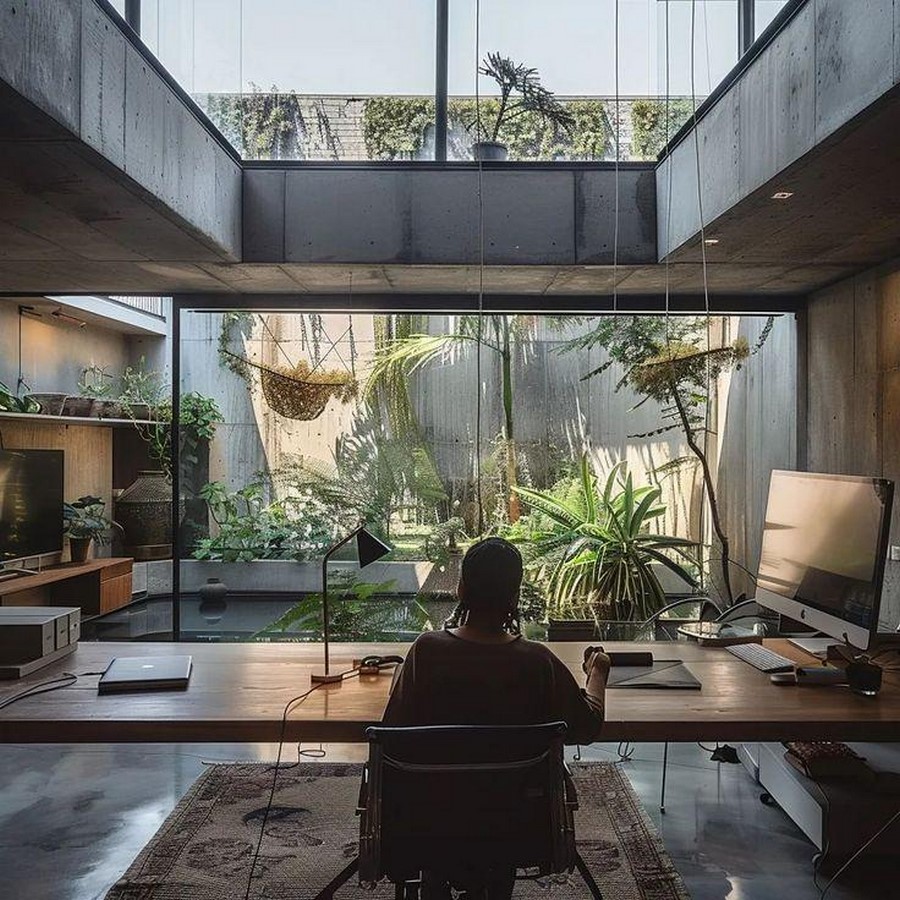
Our Happiness is not separate from the spaces we inhabit. It grows and flourishes with them. Every morning sunbeam, every breath of fresh air, every cozy chair, every strategically positioned workstation, and every street corner that takes us to our place of employment are not coincidences. These things seem so random fortune but actually are the choices made by designers who understand that architecture is not just the background of life and something not as a part of Luxury, but as an active part of living.
We just sense that life flows when architecture is done well. Doors open without hurting the corner of the thumb, exactly at the point it is supposed to open at. Light appears where it needs to. The movement becomes flawless without hurting the body. We feel healthier without knowing why. We feel calmer without identifying the source. This is how good design shows its magic, silent yet powerful.
References:
Ergonomics – overview (no date) Occupational Safety and Health Administration. Available at: https://www.osha.gov/ergonomics (Accessed: 16 November 2025).
Kothari, Ar.P. (2025) Beyond function: The power of storytelling in creating memorable design experiences, Medium. Available at: https://medium.com/@Architects_Blog/beyond-function-the-power-of-storytelling-in-creating-memorable-design-experiences-17c877f4ff5d (Accessed: 16 November 2025).