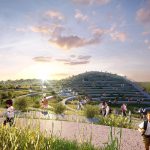
Architectural evolution is a two-fold phenomenon, where on one hand, settlements are expanding, and on the other hand, construction techniques are advancing. The Age of Steel paved the way for the development of skyscrapers and urban growth. Furthermore, during the White Goods Era, skylines became the identity of the cities. However, the negative impact of the massive construction caused ecological distress on the planet. To satisfy the ever-growing human needs, building construction activity has overlooked its impact on the environment. This article examines how sustainable and regenerative practices are the future of construction. The goal of construction henceforth should be to restore the ecological balance.
Malcolm Wells wrote (as cited in Higginson, 2006), “The act of building, whether it involves giant hydroelectric dams or a single small home, is an act of land-destruction. Buildings destroy land for as long as they stand.”
Problems Till Now…
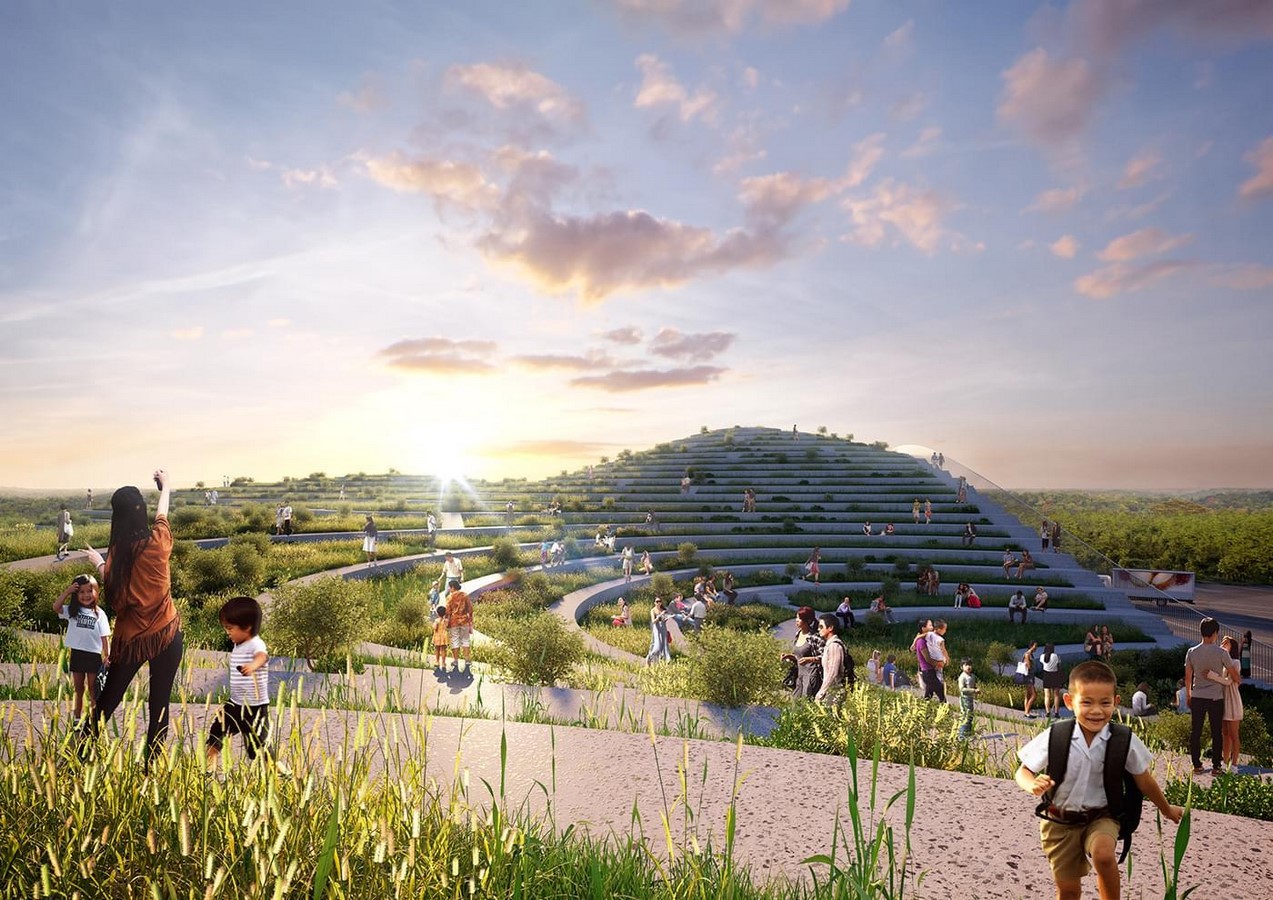
For the rapid expansion of construction, natural landscapes were converted into settlements. Human encroachment into the natural habitat has led to environmental degradation, thus affecting the ecology. Construction activities worldwide consume 30% of primary energy, 25% of freshwater resources, and 40% energy related to Carbon Dioxide emissions (Fahmy et. al., 2019). These activities have also endangered the ecological balance of nature and are the major contributors to the depletion of the ozone layer and natural resources (Kaja and Goyal, 2023). This level of deterioration of the environment has shifted the attention towards sustainable architectural practices.
Towards a Green Future…
To reimagine the future of urban growth, the design approach must deviate towards sustainable and regenerative architectural practices. Various organisations globally are establishing benchmarks and standardised codes to encourage climate-friendly practices (Fahmy et. al., 2019). It is expected and realised in some cases that such benchmarks help in restoring the ecological balance while fulfilling the need for human settlement. The idea is for the peaceful coexistence of humans, flora, and fauna.
Sustainable and Regenerative Architecture
According to Lyle (as cited in Fahmy et. Al., 2019), practitioners are increasingly shifting from linear to cyclical systems. Sustainable urbanism emphasises walkable, transit-oriented communities that integrate high-performance buildings and infrastructure (Roggema, 2016). Within this framework, the city functions as a self-sustaining loop, where the energy generated is consumed locally (Roggema, 2016). Given the rapid urban development of recent decades, it is essential to prioritise ecological regeneration. Regenerative architecture not only relies on renewable energy sources but also restores and enhances the surrounding environment. Such projects create a net-positive impact on the environment by returning surplus energy to the grid for broader use.
Green Practice Adoption
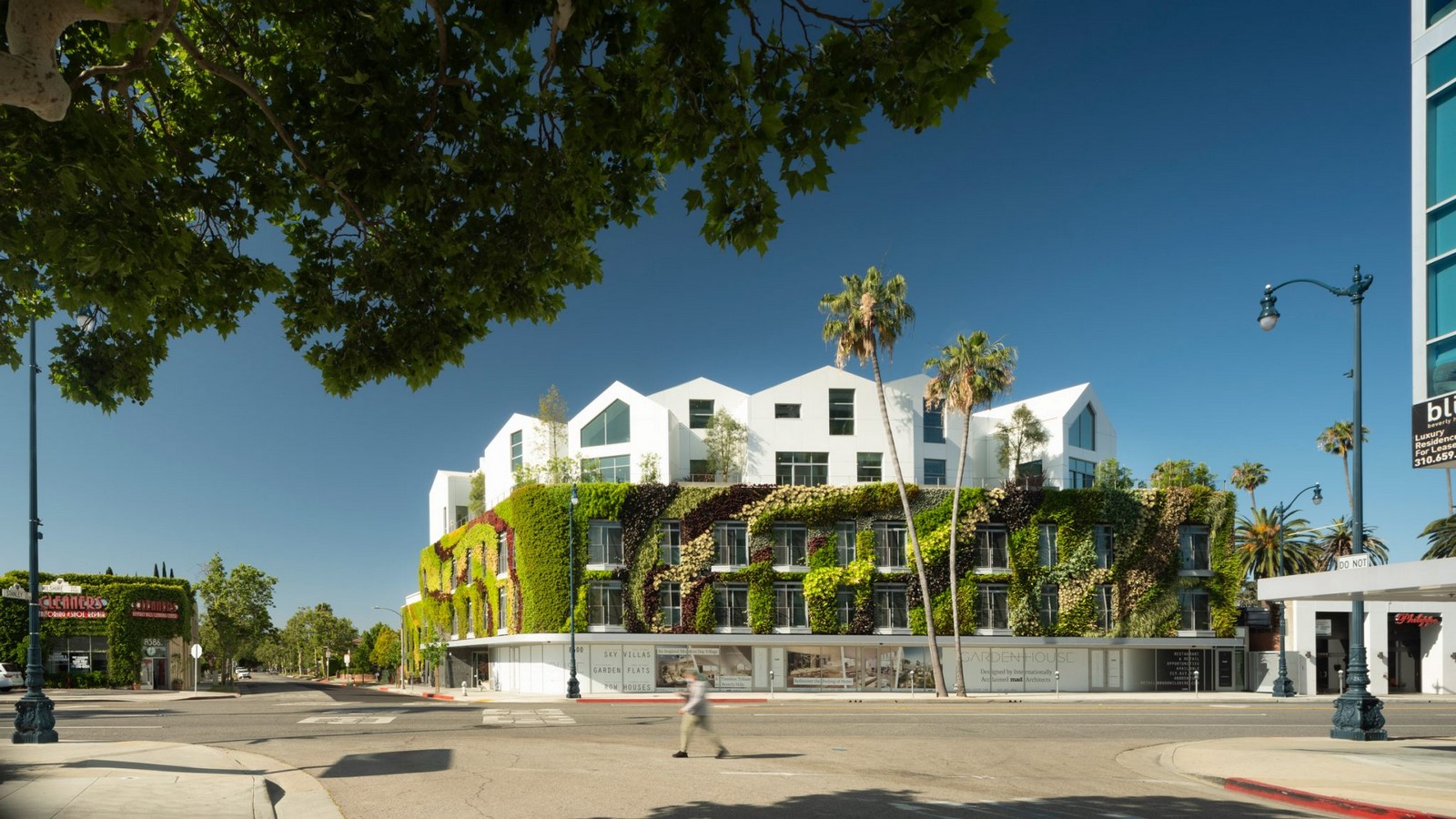
Globally, the projects have increasingly started deploying diverse applications of vegetation in the architecture. With knowledge transfer in interdisciplinary teams, native vegetation species are used for indoor and outdoor benefits (Butt & Dimitrijević, 2022). Xeriscaping, water-conserving landscaping, allows for efficient use of water and provides greenery (U.S.G.B.C., 2014). Further research on the impacts of steel on the environment has led to technological advancements in the product. New technology has enabled the invention of lighter and high-strength steel. The new steel is taller, stronger, and lightweight, which increases the efficiency of wind turbines and reduces the carbon emissions produced from its construction (World Steel Association, 2023). Similarly, photovoltaic solar panels are now combined with galvanized steel, which has further positive impacts on energy and the environment (World Steel Association, 2023).
Within the broader context of sustainability, the implementation of biomimetics and biomaterials has gained increasing traction. Insights derived from natural systems have informed strategies aimed at advancing sustainable development. For instance, thermal regulation observed in cold-blooded animals has guided professionals toward the application of temperature-responsive energy systems (Butt and Dimitrijevic, 2022).
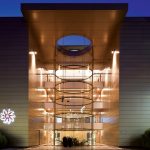
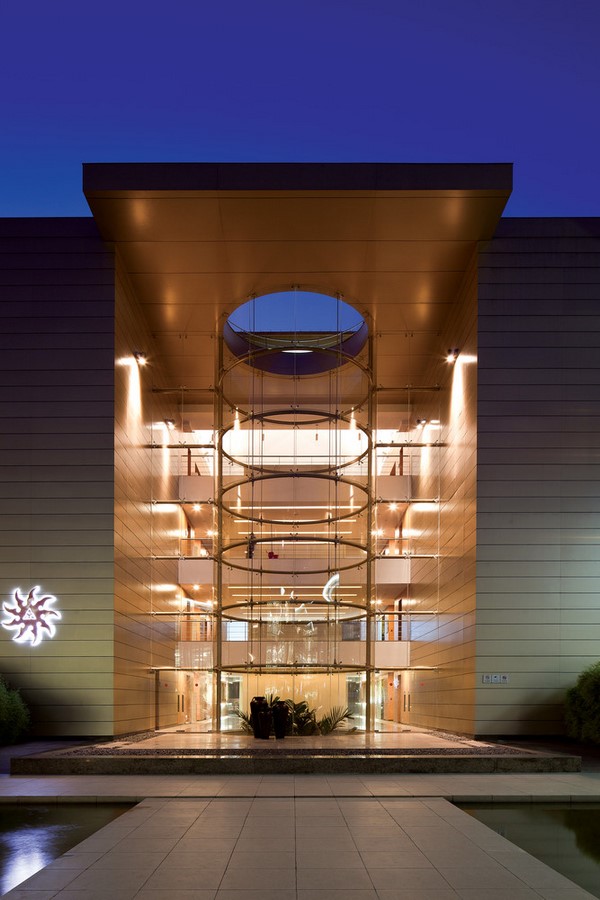
Suzlon One Earth Headquarters
The stakeholders of Suzlon One Earth, a leading wind energy company headquartered in Pune, India, were committed to making a green office. With multiple green building certifications from international and domestic organisations, the complex has incorporated on-site renewable energy generation, thereby qualifying the complex as a net-zero-energy project (Valenzuela, 2014). The facade allows for daylight and cross-ventilation. The landscape extends indoors along the perimeter of the building, thus allowing the fresh air, nature, and natural light into the workplace for increased productivity (Valenzuela, 2014). The project has set an example for sustainable architecture.
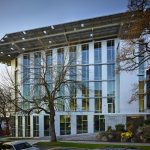
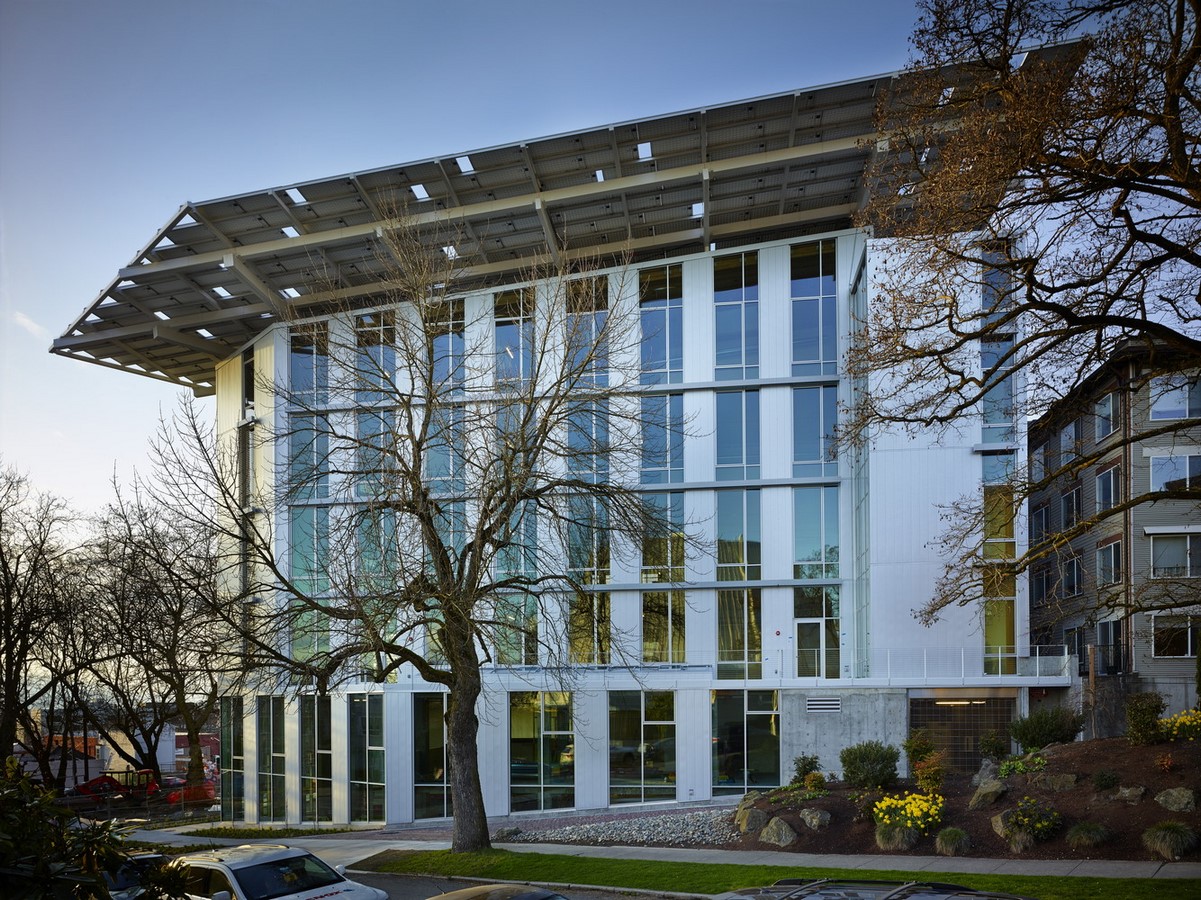
Bullitt Centre
Bullitt Centre in Seattle, Washington, USA, was developed considering the growing needs of the environment. While addressing aspects of sustainability, it is one of the first net-zero impact buildings in the area (Fahmy et. al., 2019). Additionally, the excess water from the site flows down to the wells, thus recharging the groundwater levels (Fahmy et. al., 2019). By restoring the surrounding hydrology, the project has made a positive impact on the environment, thus qualifying as a regenerative building.
Urban Transformation and Eco-conscious Cities
The consciousness is growing for sustainable and fuel-free living among citizens globally. The centre of development, cities, play a strategic role in taking forward the idea. Stockholm is one of the global cities that was granted the European Union’s Green Capital award in 2010 (Bibri, 2020). The city has no heavy industry but a fossil fuel power plant, and yet it continues to improve the environmental conditions. Eco-conscious cities, such as Stockholm, around the world have committed themselves to the sustainability goals. They continually put initiatives that adhere to the industry standards. For example, a district was redeveloped in Stockholm on a brownfield site into homes, workplaces, parks, and commercial spaces for inhabitants to live and work (Bibri, 2020). Eco-conscious cities are a part of the solutions to current environmental threats. Developing environment-friendly strategies, guidelines, and policies can help replenish nature. Individual buildings and complexes can follow these strategies as well.
The Freiburg charter provides insights into the guidelines of a sustainable city (Roggema, 2016). In the era of large-scale developments, professionals must reimagine urban growth with the notion of sustainable and regenerative design. The need of the hour is to restore the ecological balance and replenish nature. Urban growth must now follow the laws of nature. The scale of urban growth is unprecedented, so shouldn’t the approach be consciously sustainable for the benefit of the environment and future generations?
References:
- Bibri, S.E. (2020) ‘The eco-city and its core environmental dimension of sustainability: Green energy technologies and their integration with data-driven Smart Solutions’, Energy Informatics, 3(1). doi:10.1186/s42162-020-00107-7.
- Butt, A.N. and Dimitrijević, B. (2022) ‘Multidisciplinary and transdisciplinary collaboration in nature-based design of sustainable architecture and Urbanism’, Sustainability, 14(16), pp. 1–23. doi:10.3390/su141610339.
- Fahmy, A., Abdou, A. and Ghoneem, M. (2019) ‘Regenerative architecture as a paradigm for enhancing the urban environment’, Port-Said Engineering Research Journal, 23(2), pp. 11–19. doi:10.21608/pserj.2019.49554.
- Higginson, C. (2006) Malcolm Wells: The father of Earth-sheltered architecture – mother earth news, Mother Earth News. Available at: https://www.motherearthnews.com/sustainable-living/green-homes/malcolm-wells-earth-sheltered-architecture-zmaz06onzraw/ (Accessed: 13 November 2025).
- Kaja, N. and Goyal, S. (2023) ‘Impact of construction activities on environment’, International Journal of Engineering Technologies and Management Research, 10(1). doi:10.29121/ijetmr.v10.i1.2023.1277.
- Roggema, R. (2016) ‘The Future of Sustainable Urbanism: A Redefinition’, City, Territory and Architecture, 3(1), pp. 1–12. doi:10.1186/s40410-016-0052-y.
- Suzlon one earth global corporate headquarters. / CCBA design (2014) ArchDaily. Available at: https://www.archdaily.com/466958/suzlon-one-earth-global-corporate-headquarters-christopher-benninger (Accessed: 13 November 2025).
- U.S.G.B.C. (2014) ‘Green building core concepts and application strategies’, in LEED Core Concepts Guide. 3rd edn. Washington D.C.: U S Green Building Council, pp. 65–67.
- Valenzuela, K. (2014) Suzlon one earth global corporate headquarters. / CCBA design, ArchDaily. Available at: https://www.archdaily.com/466958/suzlon-one-earth-global-corporate-headquarters-christopher-benninger (Accessed: 12 November 2025).
- World Steel Association (2012) The Steel Story. Brussels: World Steel Association. Available at: https://worldsteel.org/wp-content/uploads/The-Steel-Story-1.pdf
Image References:
- John Stamets. (2013) The ‘World’s Greenest Commercial’ Building Opens in Seattle Today – Exterior View [online image]. © John Stamets / ArchDaily. Available at: https://www.archdaily.com/363007/the-world-s-greenest-commercial-building-opens-in-seattle-today (Accessed: 13 November 2025).
- Lehoux, N. (2020) Gardenhouse, Beverly Hills – exterior view [photograph]. Dezeen. Available at: https://static.dezeen.com/uploads/2020/08/gardenhouse-mad-architects-residence-beverly-hills_dezeen_hero-a-2048×1152.jpg
- MVRDV. (2020) “MVRDV’s Winy Maas on Dipping Our Planet in Green in Design and the City Podcast” [online image]. © MVRDV. Available at: https://www.archdaily.com/953040/mvrdvs-winy-maas-on-dipping-our-planet-in-green-in-design-and-the-city-podcast/5fd1dbd063c0174876000001-mvrdvs-winy-maas-on-dipping-our-planet-in-green-in-design-and-the-city-podcast-image (Accessed: 13 November 2025).
- 3. Naidu, A. R. (2014) Suzlon One Earth Global Corporate Headquarters. / CCBA Design [online image]. ArchDaily. Available at: https://www.archdaily.com/466958/suzlon-one-earth-global-corporate-headquarters-christopher-benninger/52d7ef50e8e44e52690001c0-suzlon-one-earth-global-corporate-headquarters-christopher-benninger-photo?next_project=no (Accessed: 13 November 2025).