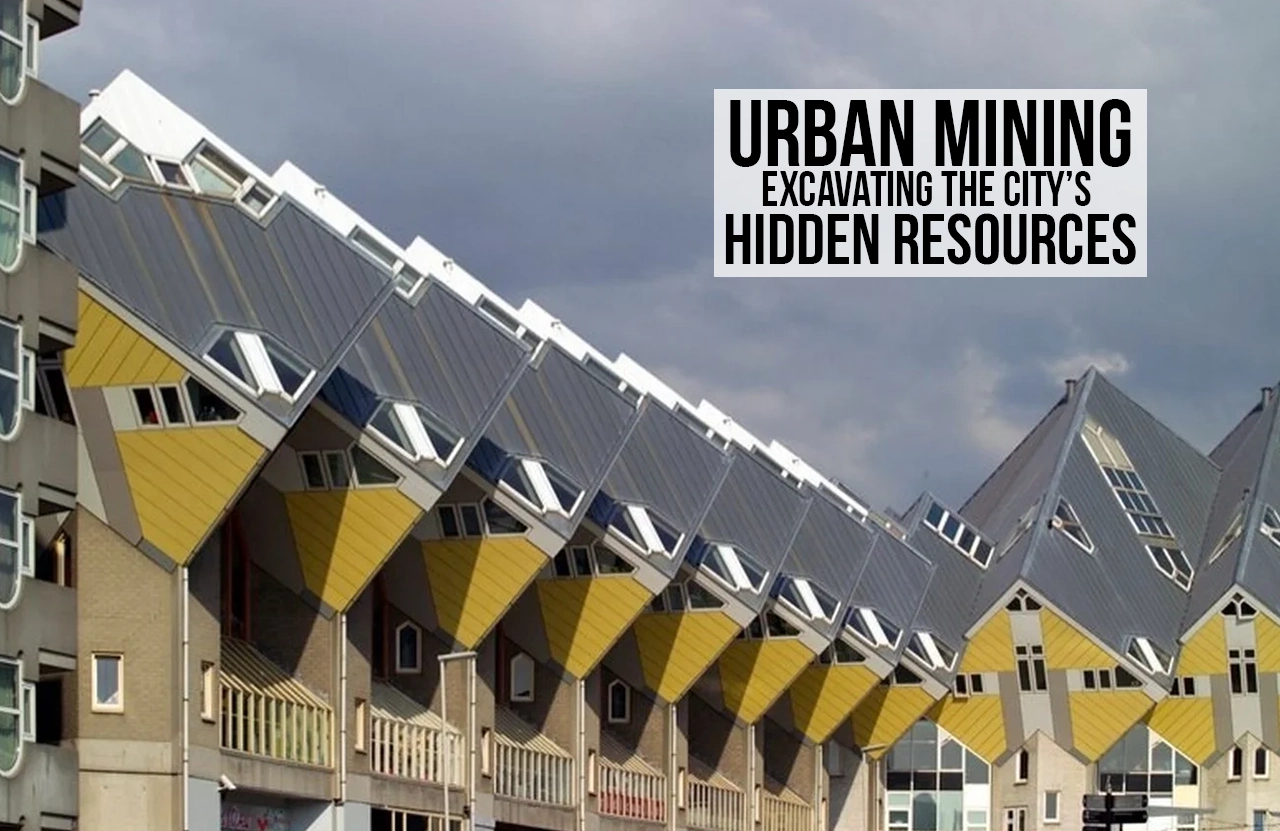
Cities have long been understood as consumers, like vast engines that inhale natural resources, transform them into buildings, infrastructure, and commodities, and eventually exhale waste. But this extractive model is no longer sustainable. As the construction industry faces resource scarcity, soaring carbon emissions, and mounting demolition debris, the city itself is being reconsidered not as an endpoint but as a mine. It is an abundant repository of reusable materials waiting to be re-extracted. Urban mining, once an ecological concept, is rapidly evolving into an architectural and construction strategy that can reshape how we design, source, and build. It challenges the linear “take–make–discard” model and reframes the built environment as a circular ecosystem in which materials continuously re-enter the cycle of creation.
This shift is not merely technical; it is cultural. Architects today must navigate the ethical implications of waste, the aesthetics of reuse, and the logistical choreography required to reclaim materials from buildings at the end of their life. As climate urgency accelerates, urban mining is emerging as a discipline that combines sustainability and creativity. Rather than extracting granite from mountains or timber from forests, architects are learning to extract value from the “geology” of the city itself, its bricks, steel, concrete, glass, and forgotten histories embedded within them.
Why Urban Mining Matters Now?
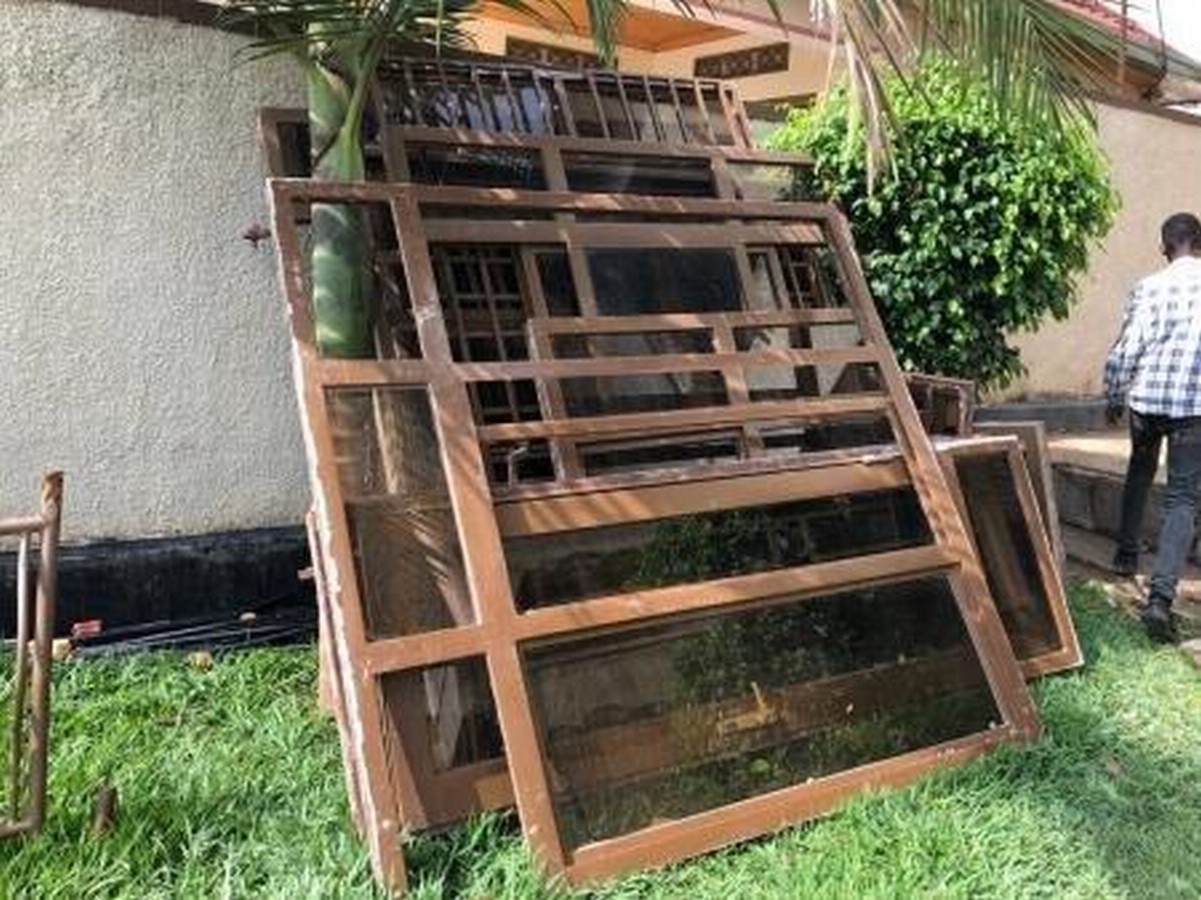
Urban mining’s relevance is driven by a combination of environmental pressure and economic necessity. Worldwide, the construction sector consumes nearly 40% of raw materials, producing vast emissions and contributing to landfill crises in major cities. As natural quarries are depleted and extraction becomes more destructive, demolition waste represents one of the most abundant material sources available to architects. Urban mining seeks to restore that identity, acknowledging the embedded energy and craft that already exist in buildings. Today’s climate discourse demands solutions that go beyond recycling, which often downgrades material quality. Urban mining, by contrast, keeps materials at high value by carefully dismantling rather than destroying. It simultaneously reduces carbon footprints, shortens material transportation distances, and preserves resources. The post-pandemic resurrection of local supply chains has further pushed cities to adopt circular practices, while progressive building codes in Europe and Japan increasingly encourage reclaimed components. Moreover, urban mining aligns with contemporary cultural expectations: younger generations demand transparency, ecological responsibility, and meaningful engagement with the material life cycle. In this context, urban mining is not a trend; it is a critical response to ecological limits, reframing architecture as a steward of matter rather than a consumer of it.
How Urban Mining Works: Systems, Processes, and Strategies
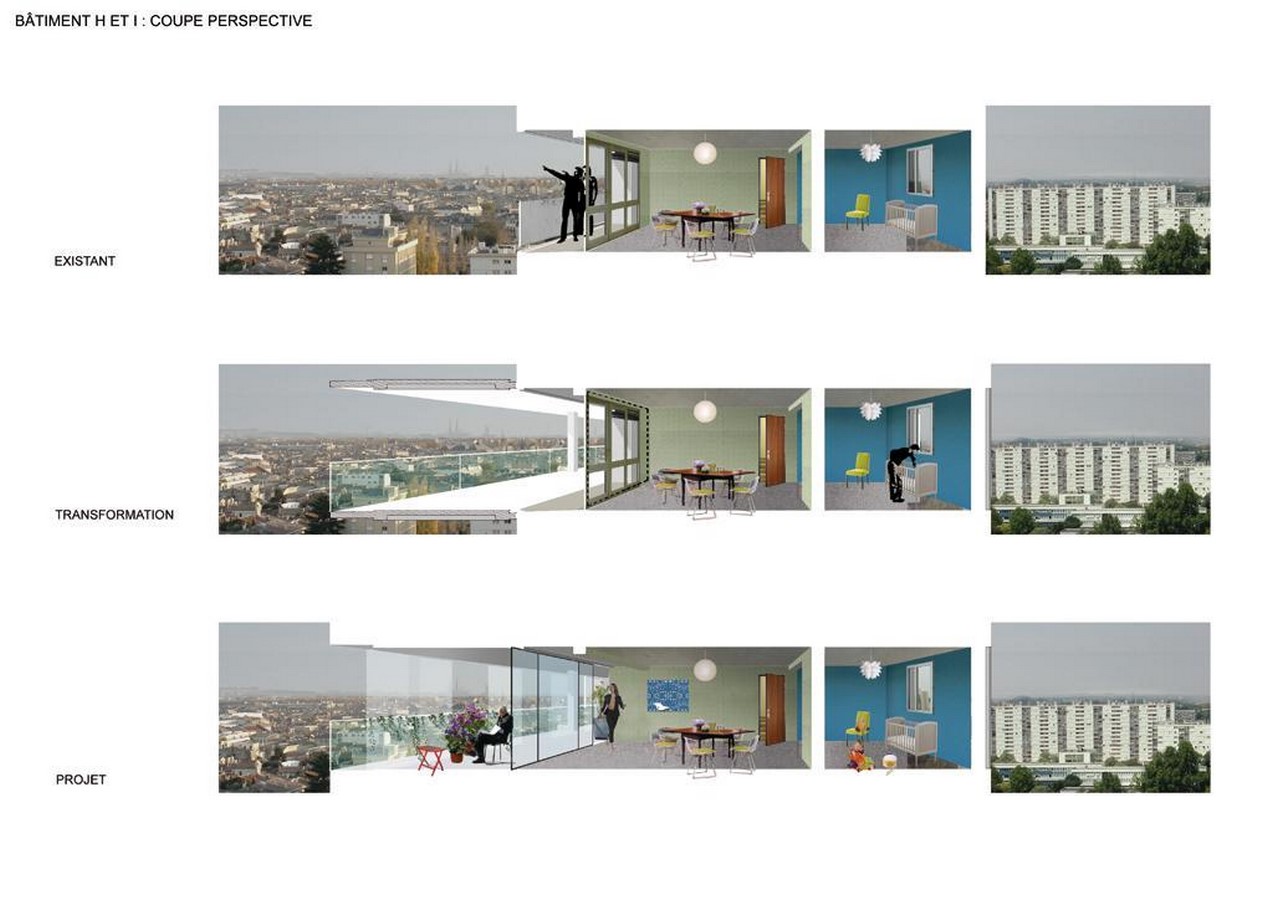
Urban mining transforms the demolition site into a meticulously orchestrated extraction zone. Instead of bulldozing structures into rubble, buildings are deconstructed layer by layer. Windows are removed intact, steel carefully unbolted, bricks cleaned, timber catalogued, and fixtures preserved. The process involves digital material inventories, advanced scanning tools, and selective dismantling strategies that map every component’s structural integrity and potential for reuse. Modern tools such as Material Passports and Building Information Modelling (BIM) track the origin, lifespan, and reusability of components, enabling future architects to “mine” buildings more efficiently. Cities like Amsterdam have begun maintaining urban material databases that estimate available resources before demolition begins, effectively treating the city like a mineral reserve. Architects collaborate directly with demolition contractors to determine salvage routes, while specialised warehouses store reclaimed elements for resale. Some developers retrofit on-site crushing plants to turn old concrete into fresh aggregate for new construction. As architect Anne Lacaton, known for her transformative reuse work, states, “The most sustainable building is the one that already exists.” Urban mining operationalises that philosophy, embedding sustainability into each material’s journey rather than relying solely on new technology or high-performance materials.
Architectural Applications: Designing with the City’s Remnants
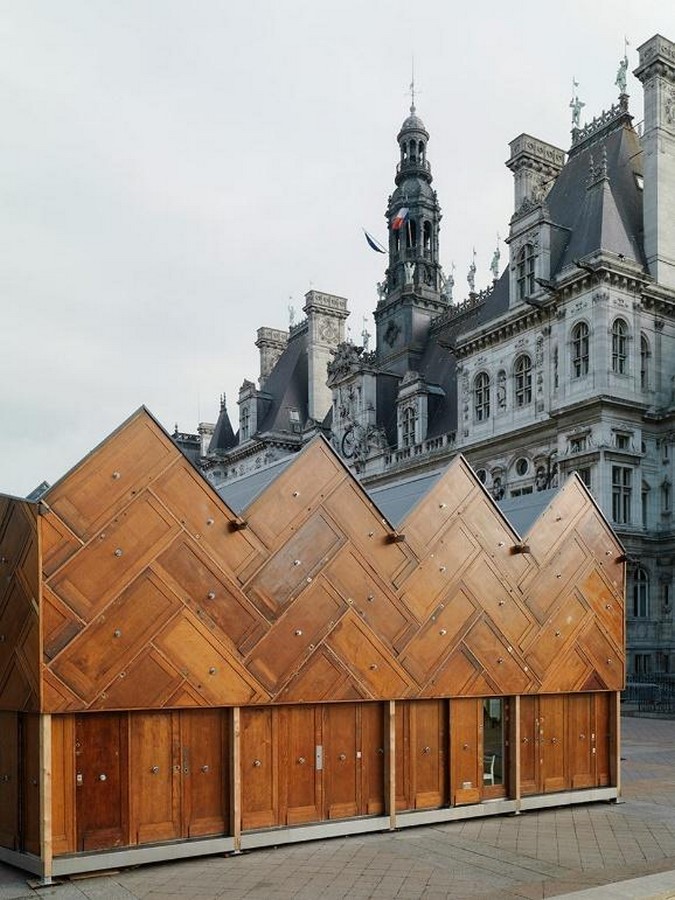
Urban mining introduces a creative frontier for design. Reclaimed materials are not merely substitutes. Bricks with patina, steel beams with industrial markings, old timber with scars of previous use: these elements embody memory, craft, and authenticity. For architects, designing with salvaged materials demands ingenuity, flexibility, and a willingness to let material histories influence form. One exemplary application is the Material Source House in Rotterdam, where reclaimed steel trusses and façade elements were integrated as visible features, adding both structural efficiency and aesthetic richness.
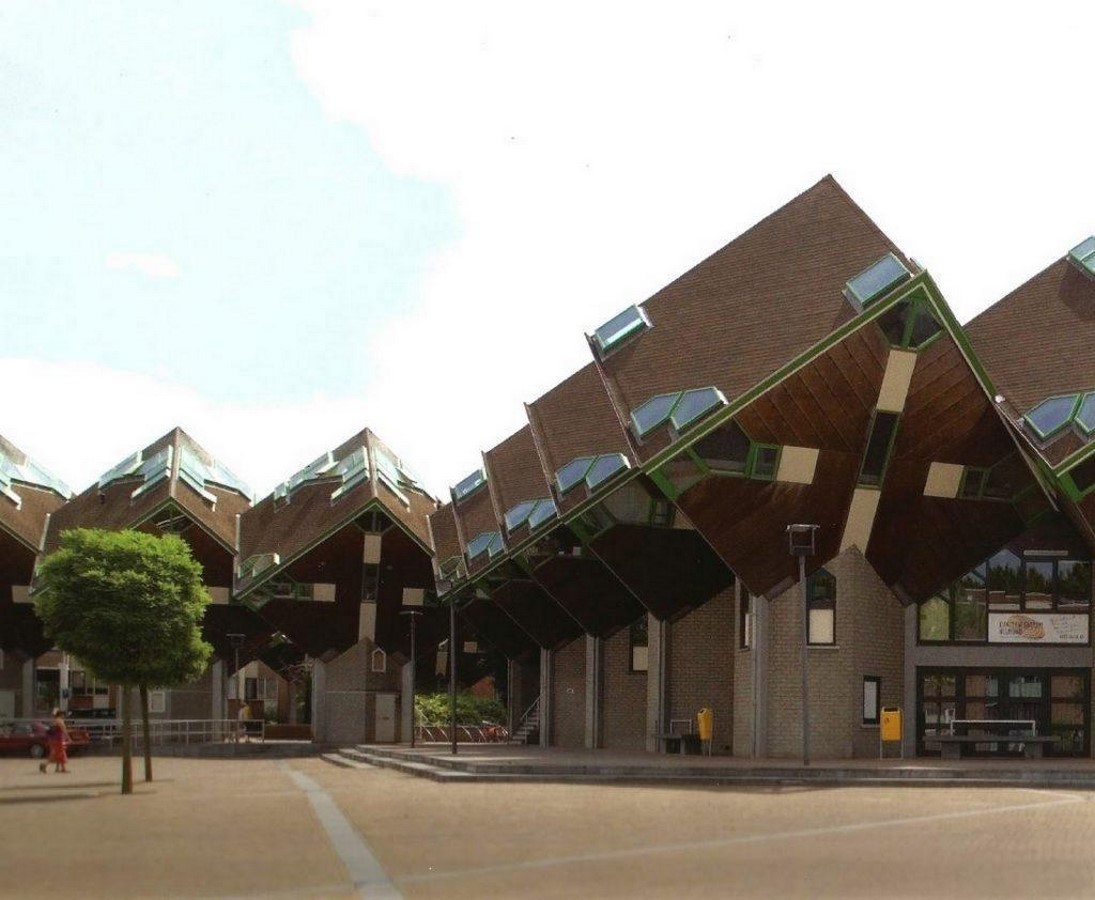
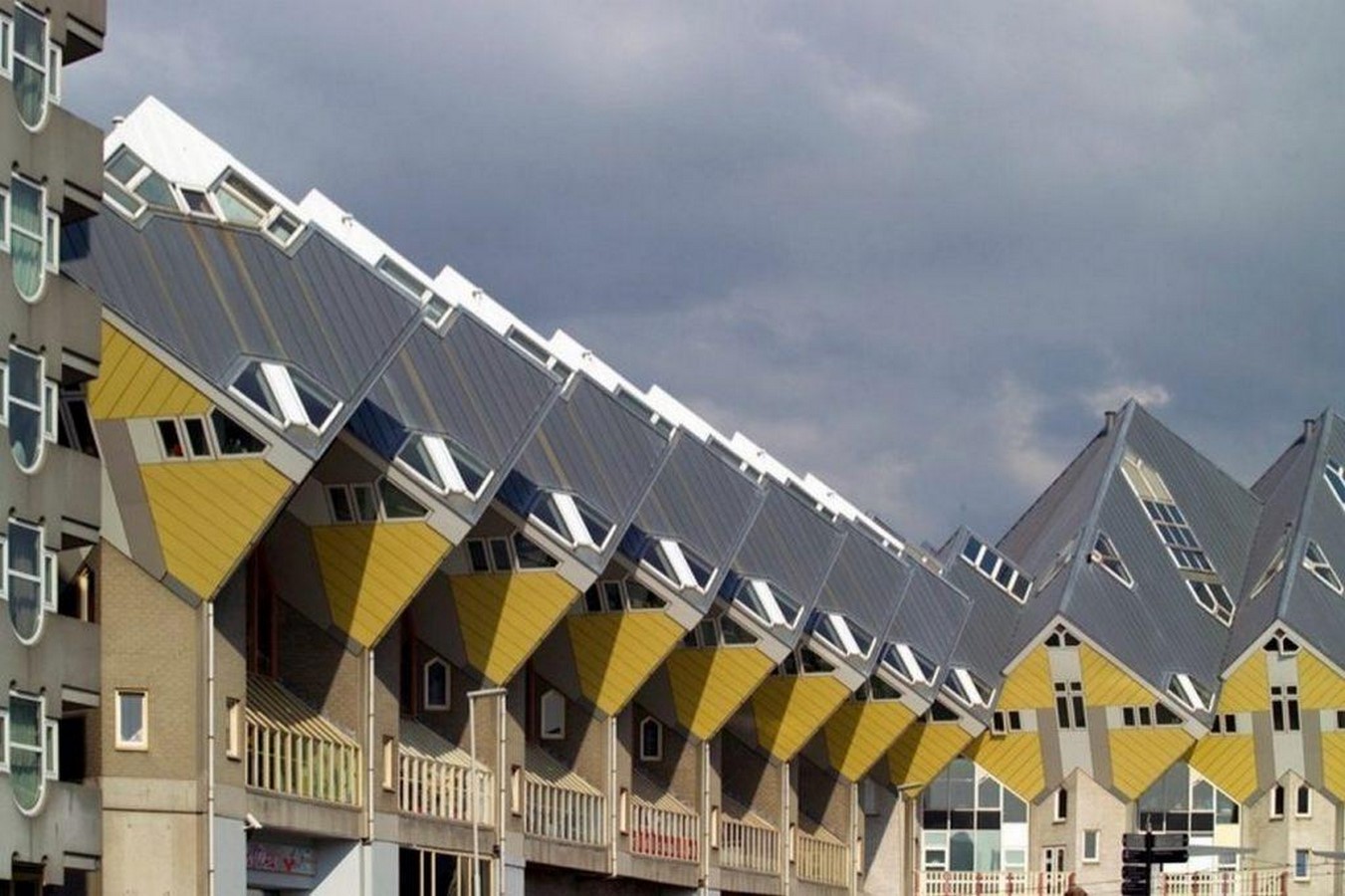
Urban mining also supports social architecture. In India, adaptive-reuse studios working in Mumbai’s dense neighbourhoods salvage teakwood doors, colonial-era iron elements, and basalt stone, transforming them into contemporary interiors while honouring local heritage.
Case Studies, Future Potential & Challenges
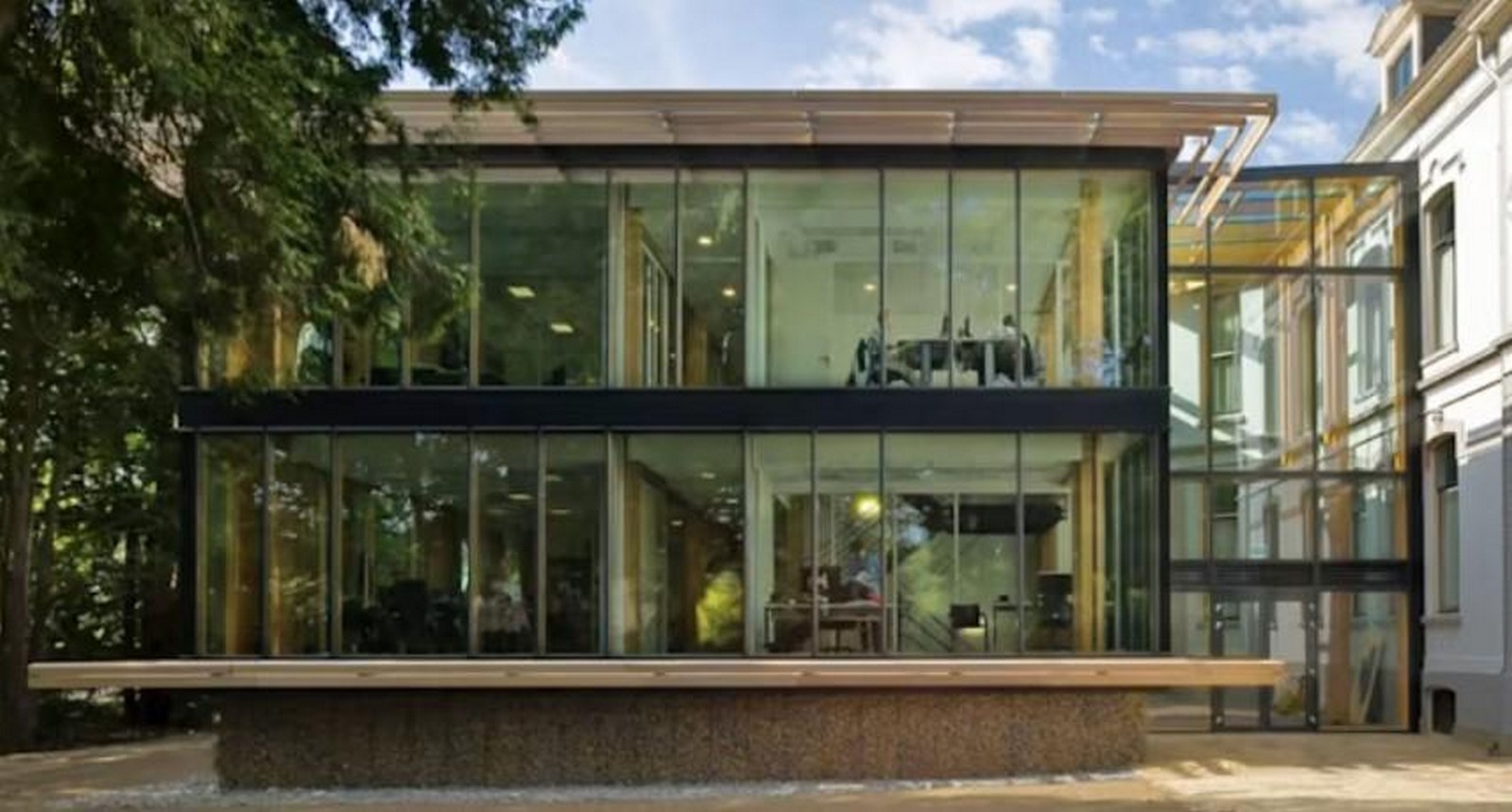
The Brummen Town Hall in the Netherlands, designed to be fully demountable, is a landmark case demonstrating how buildings themselves can become material depots for the future. Meanwhile, the Circular Pavilion in Paris, constructed entirely from reclaimed windows and timber elements, stands as a manifesto for low-carbon architecture.
Despite these successes, challenges remain. The lack of standardised certification for reused materials slows adoption. Many contractors still perceive deconstruction as costly or time-consuming. Material durability, fire ratings, and structural variation require careful testing and documentation. Yet the future is promising. Emerging technologies, robotic deconstruction, AI-based material mapping, and carbon-tracking platforms are streamlining the process. Cities are beginning to mandate material recovery rates in building approvals. As environmental deadlines tighten, urban mining will shift from an optional sustainability gesture to an architectural requirement.
Urban mining reframes the city as a renewable landscape, one where materials never truly die but circulate, transform, and reappear in new architectural expressions. It dismantles the illusion of endless extraction and positions architects as custodians of matter rather than mere consumers. More importantly, it ignites a cultural shift: buildings are no longer temporary monuments but participants in a continuous material dialogue. If the 20th century belonged to mass construction, the 21st may well belong to circular construction, where architecture becomes regenerative rather than extractive. Urban mining is not merely a trend but a necessary evolution in practice, pushing us to see cities not as finished products but as dynamic repositories of potential. By excavating the hidden resources of our built environment, we move closer to a truly sustainable urban future.