When Cities Change by Inches, Not Masterplans
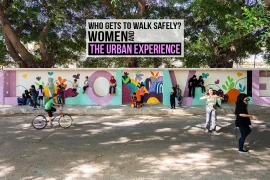
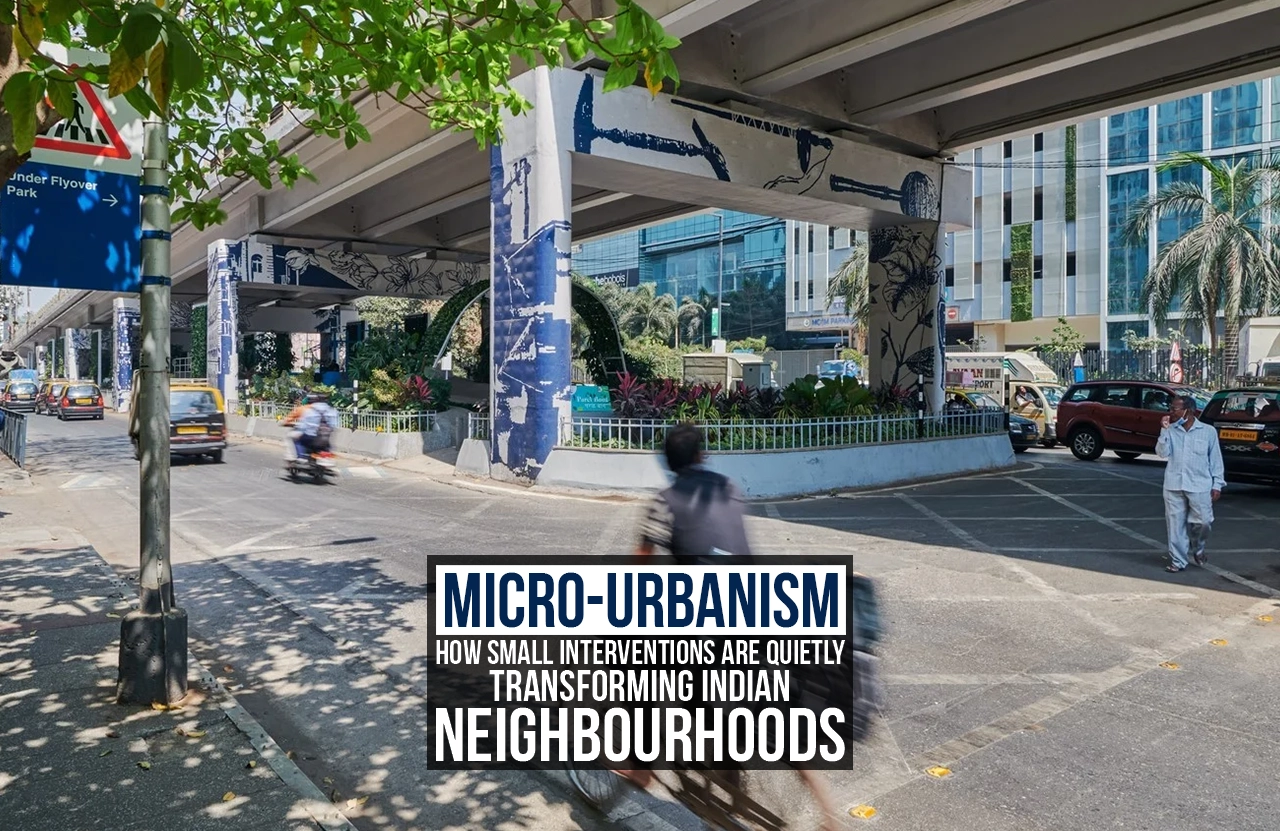
India’s cities rarely change all at once. They change slowly, in fragments, through ordinary acts of spatial care, in the form of a shade-giving tree planted outside a shop, a bench under a flyover, a revived lake edge, a painted staircase, a courtyard opened to community use. This is micro-urbanism: the transformation of neighbourhoods through small, low-cost, highly contextual interventions that give people more comfort, dignity, identity, and belonging.
Unlike large planning schemes that look the same everywhere, micro-urbanism is as diverse as India itself. Its forms respond to the culture, climate, material traditions, and everyday urban habits of each region. To understand this, we look across India – west to east, north to south, to see how different cities are shaping their local micro-urban futures.
West India: Mumbai & Pune
These two cities are geographically close, yet spatially and culturally distinct. So are their micro-urbanisms.
Mumbai: Under-Flyovers, Edges, and Vertical Voids
Mumbai’s micro-urbanism is shaped by extreme density and a long history of “making do” with what the city offers. Space is not created; it is reinterpreted.
1. Under-Flyover Urbanism
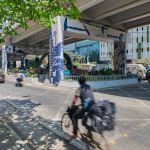
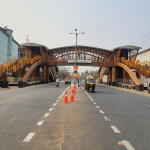
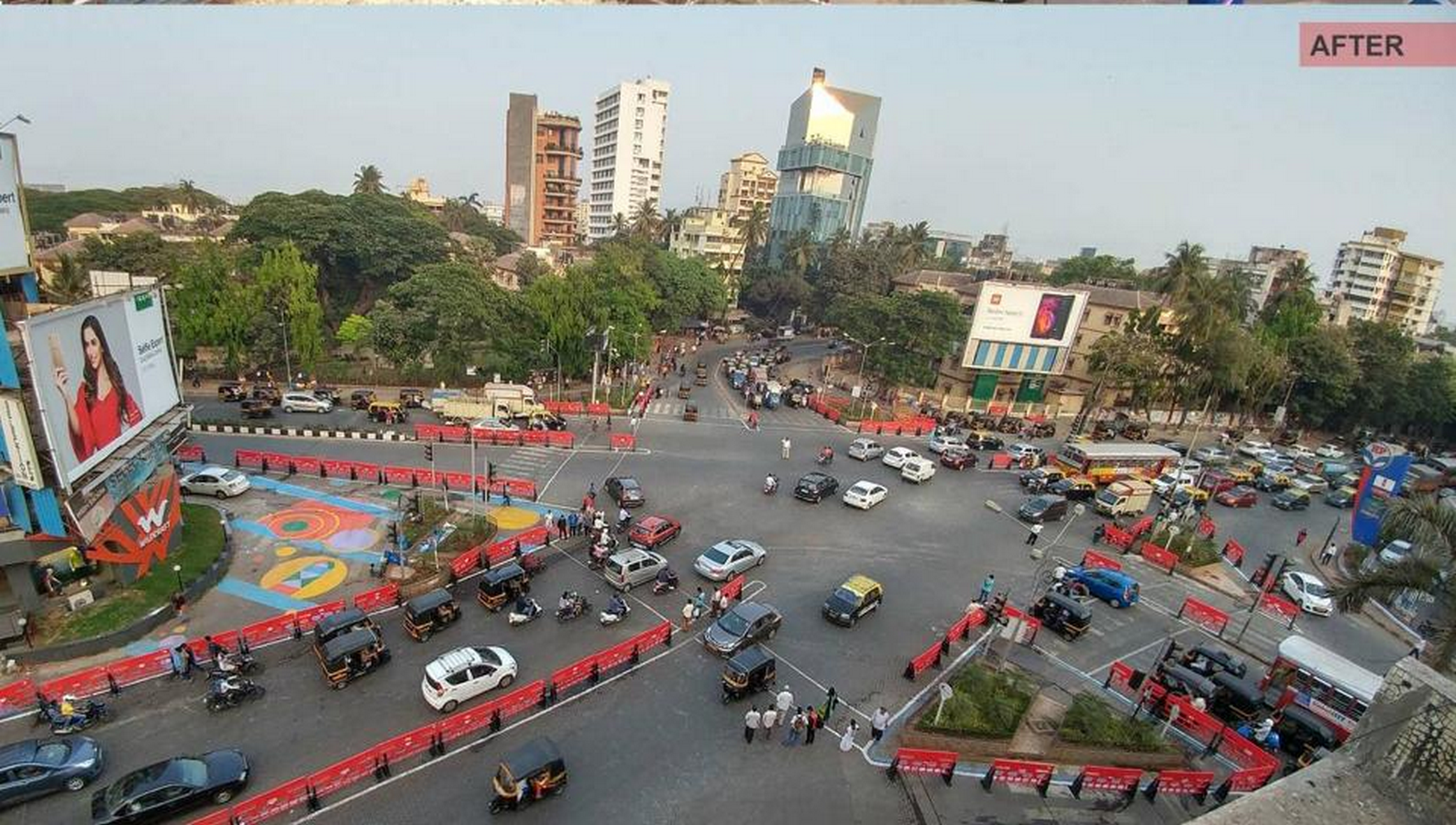
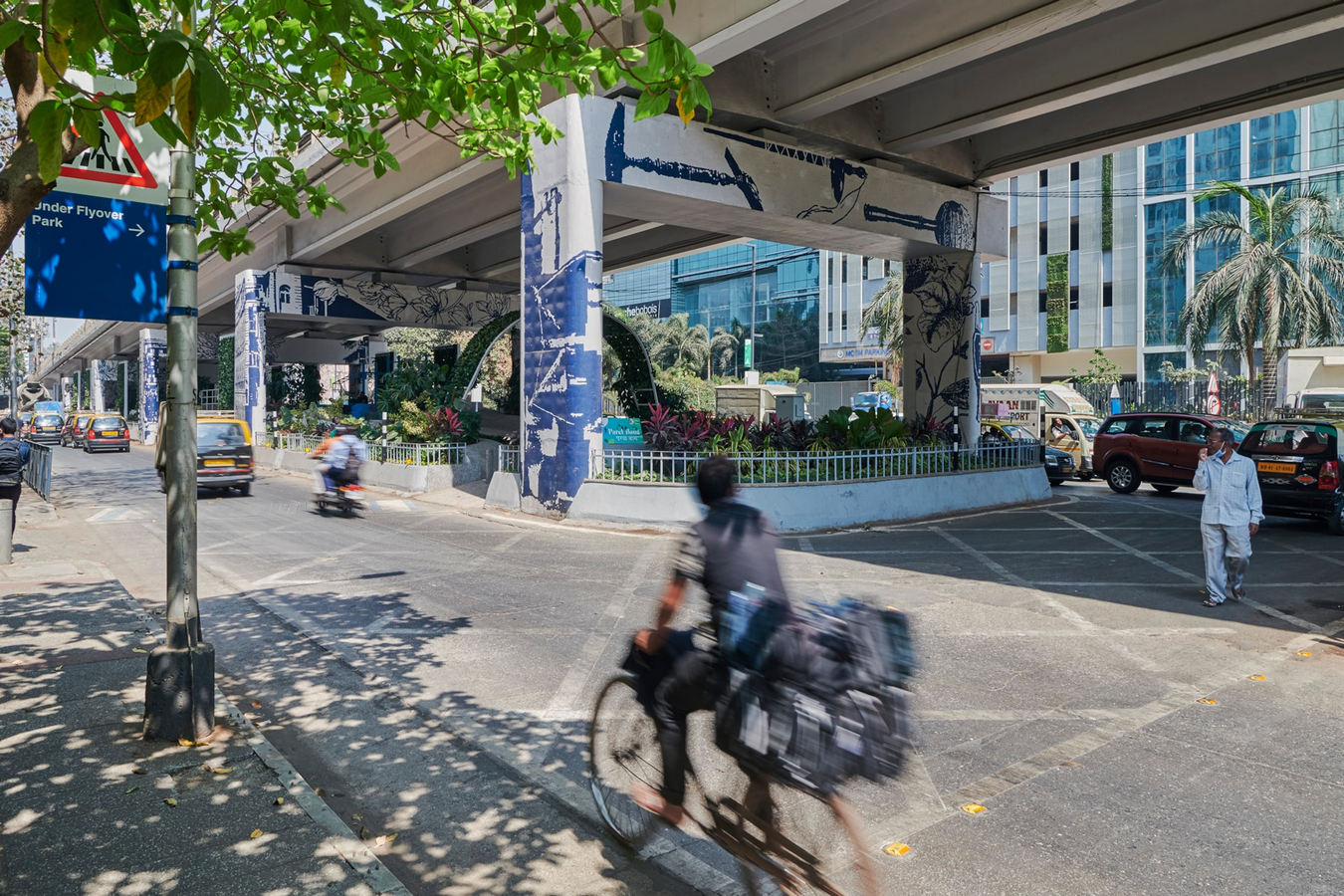
Projects like One Green Mile (Mahalaxmi) and the Matunga Flyover Garden show how the city converts infrastructural leftovers into shaded public rooms. These are not pedestrianisation efforts; instead, they are vertical leftovers turned into shared social infrastructure.
2. Edge Urbanism
In neighbourhoods like Bandra and Girgaum, residents carve out micro-public edges in the form of :
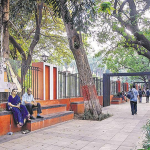
- stone seats around banyan trees
- tiny shrines integrated with steps
- community-managed planters outside old buildings
These are not formal “parks” but micro-commons created from threshold spaces.
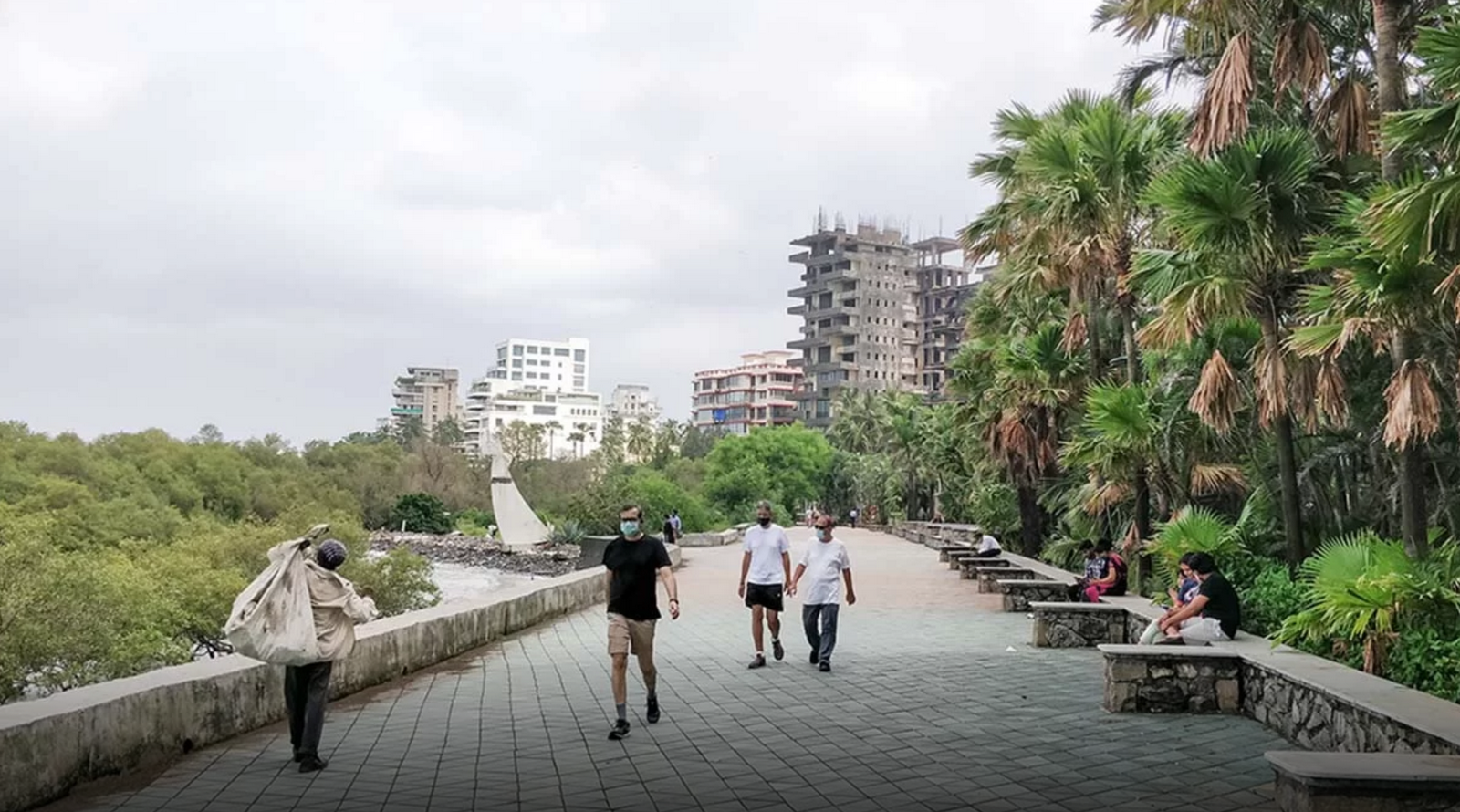
3. Sea-Facing Micro-Adapters
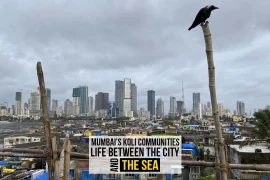
On Carter Road and Worli Seaface, low-scale design exercises: porous seating, stepped edges, tide-responsive railings. They help the public re-inhabit the waterfront without an expensive overhaul.
Pune: Courtyards, Chowks, and Katta Culture
Pune’s micro-urbanism borrows from Marathi spatial traditions: the angan, wada courtyards, public chowks, and the famed katta: an informal social seating culture.
-
Chowk Activation through Culture
In old-city neighbourhoods like Shaniwar Peth, micro interventions revive forgotten chowks. Some ways of reviving these areas are :
- restoring old stone steps
- inserting modular lamps
- enabling evening classical music baithaks
Each is a social micro-intervention, rooted in culture.
-
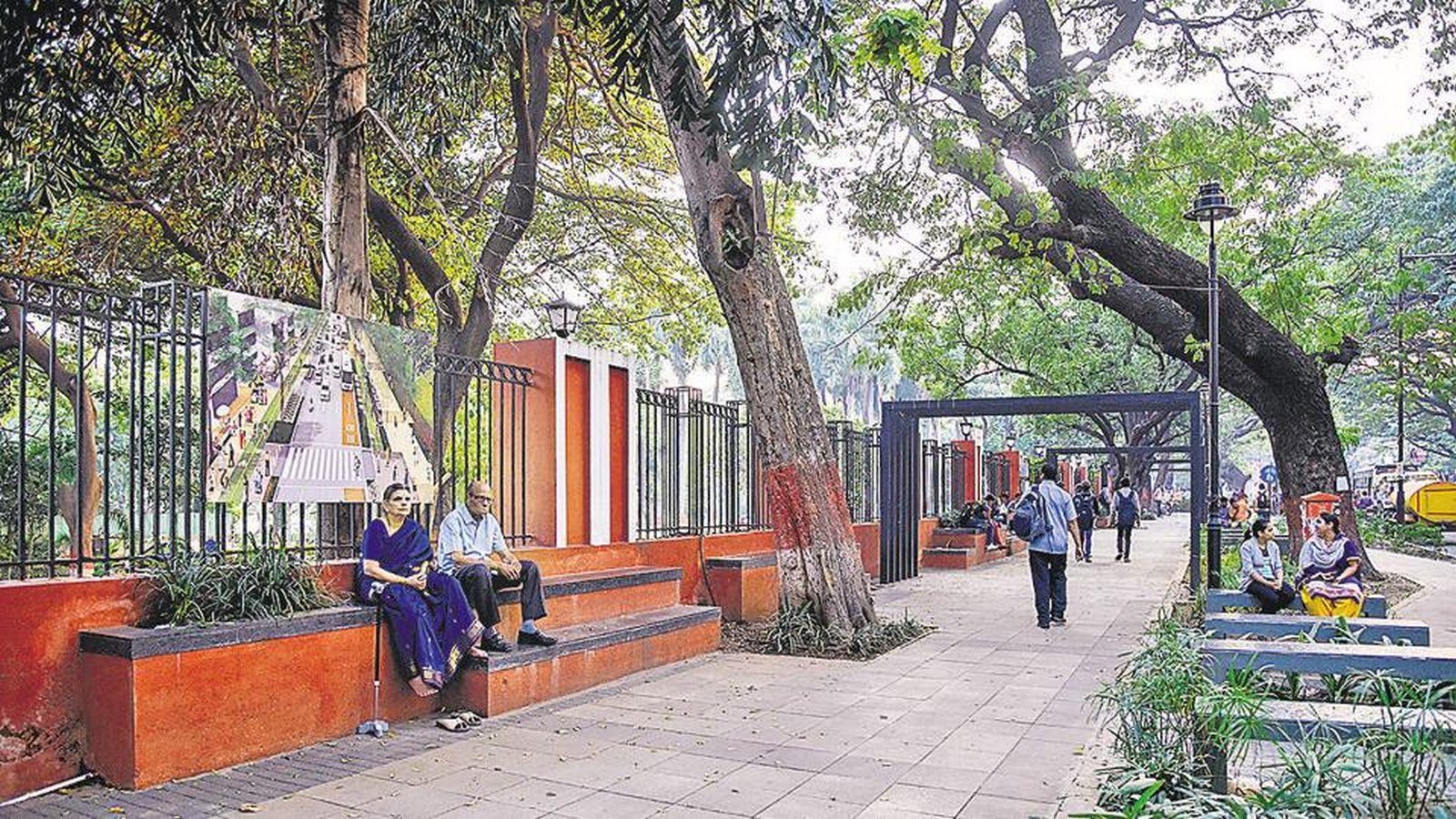
‘Katta’fication of Modern Neighbourhoods
Contemporary suburbs like Aundh and Baner now integrate designed kattas by integrating:
- low-height basalt seating
- shade-giving native trees
- Reading corners introduced by local libraries
These bring back Pune’s public intellectual culture, not by redesigning roads but by installing spaces for conversation.
3. Courtyard Re-Activations
Wada courtyards in Kasba Peth and Ghorpade Peth are being retrofitted with soft lighting, temporary bamboo stages, and children’s play corners. This is an example of family-scaled micro-urbanism, not public-space overhaul.
North India: Delhi
Delhi’s micro-urbanism emerges from heritage, democracy, and reclamation and not solely through pedestrianisation.
Delhi: Heritage Edges, Cultural Pockets, and Climatic Micro-Design
1. Heritage-Adjacent Micro-Spaces
Around Mehrauli and Nizamuddin, conservation groups create:
- shaded sitting niches along heritage walls
- micro-plazas near stepwells
- interpretive panels made of sandstone
2. These interventions weave micro-spatial dignity into centuries-old precincts.
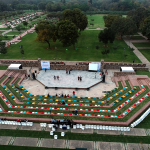
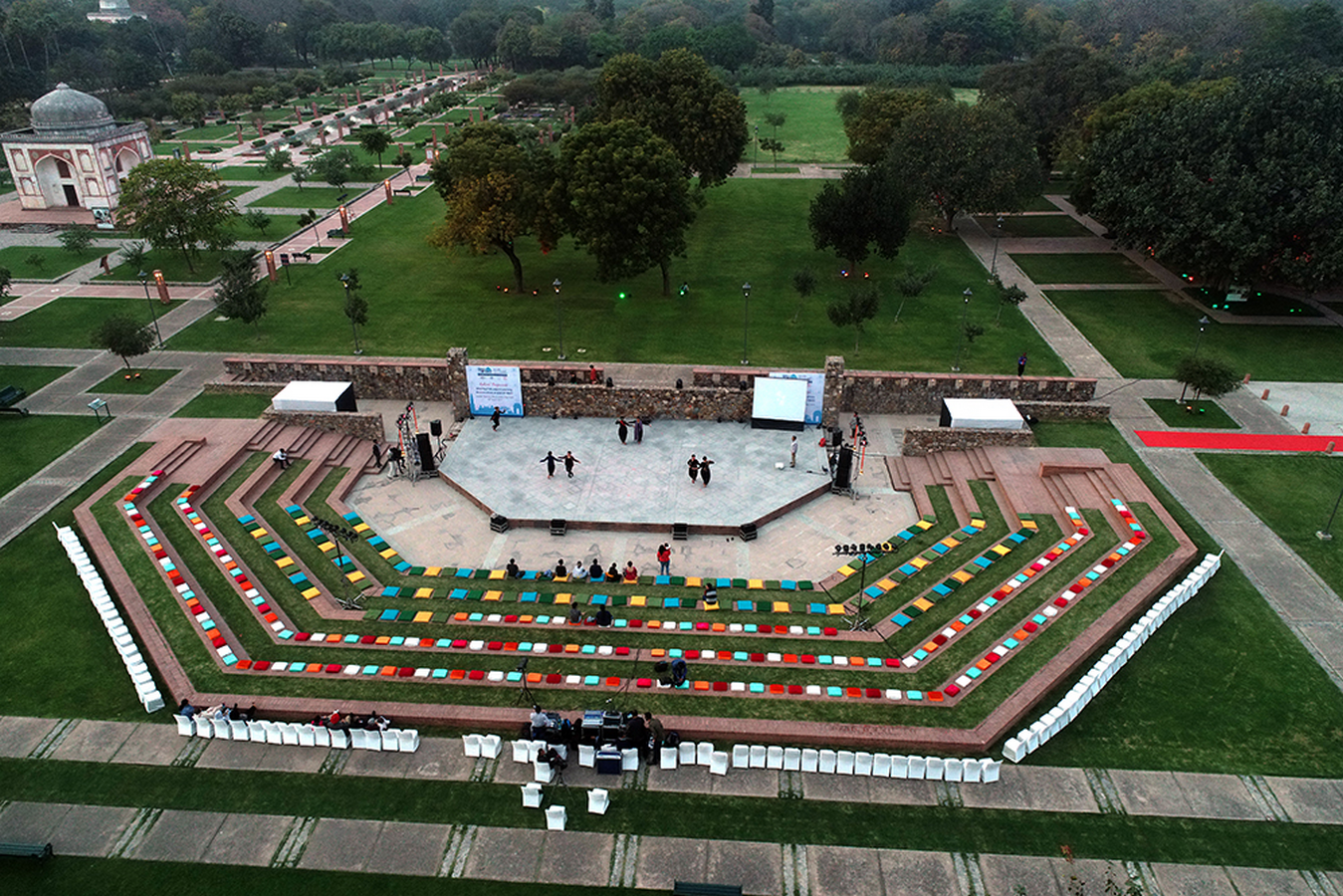
Projects like Sunder Nursery include micro-gardens within a larger landscape:
- butterfly patches
- storytelling circles
- community-run craft corners
These create small urban rooms where heritage meets contemporary community life.
3. Climatic Micro-Architecture
Delhi’s heat drives micro-shading interventions:
- tensile canopy corners
- evaporative-cooling mist poles
- pocket pergolas inside markets
These are not aesthetic gestures but micro-climatic adaptations, vital for public life.
South India: Bengaluru & Hyderabad
Bengaluru’s culture of public activism produces a green-led micro-urbanism.
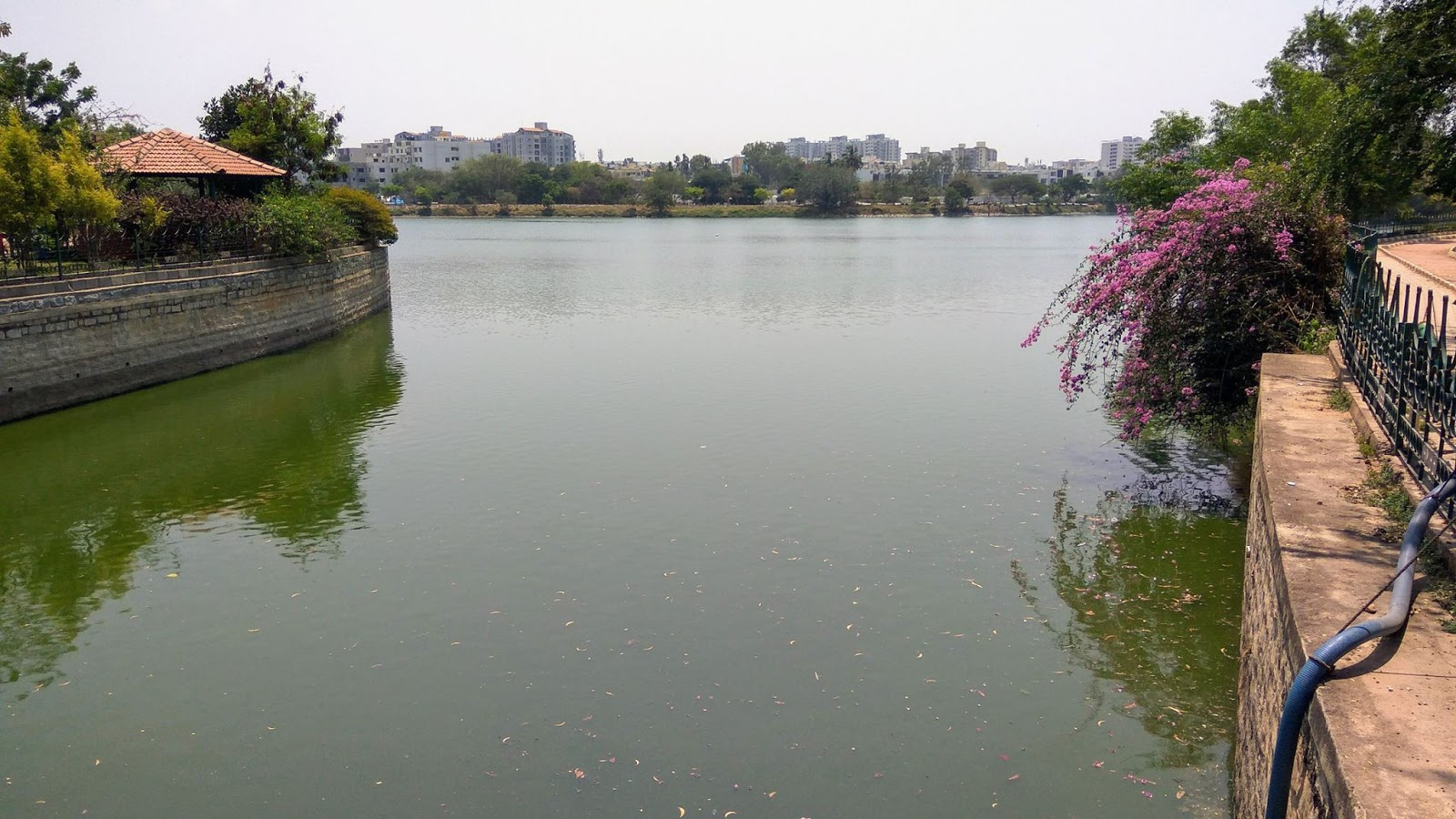
1. Lake Micro-Restorations
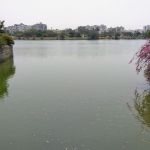
Beyond major restorations, Bengaluru thrives on micro-interventions at lake edges:
- bird-watching decks
- porous stone paths
- reed pockets for water filtration
Each intervention is tiny but deeply ecological.
2. Footpath Green Extensions
Citizens add micro-gardens outside gated communities in Jayanagar and Koramangala, where they use:
- repurposed terracotta pots
- compost pits
- medicinal plant pockets
This is bottom-up ecological stewardship.
3. Cycle Micro-Hubs (Not Lanes)
Instead of full cycling tracks, Bengaluru is known for micro-cycle nodes. They have:
- shaded cycle stands
- repair kiosks
- water stations
These punctuate neighbourhoods and encourage mobility through infrastructure clusters, not long corridors.
Hyderabad: Dual Micro-Urbanism – Heritage & Tech Corridors
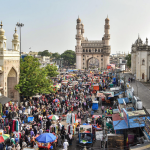
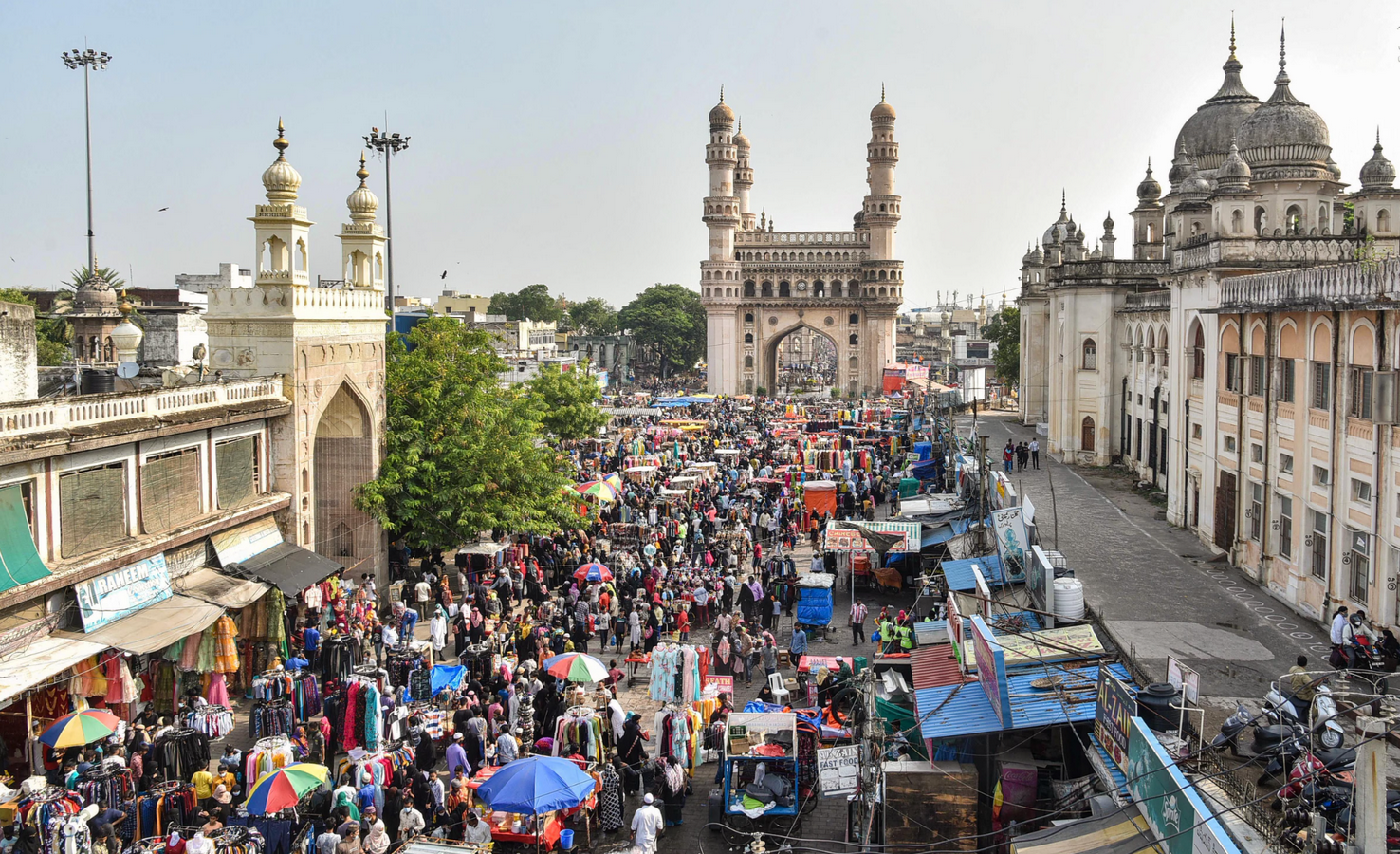
1. Charminar’s Micro-Heritage Inserts
Beyond pedestrianisation, Hyderabad activates the old city through:
- restored stone plinths for community sitting
- micro markets for artisanal goods
- fabric canopies referencing Deccani craft traditions
2. Tech-Corridor Micro-Plazas
At Mindspace and Gachibowli, tech campuses introduce:
- outdoor “focus pods”
- shaded micro-plazas with local stone seating
- Wi-Fi-enabled garden corners for flexible working
3. Water Memory Interventions
In parts of the city, small-scale interventions interpret Hyderabad’s lost lake network, using stone markers, water-runoff channels, and rain gardens.
This is hydrological micro-urban storytelling, not beautification.
East India: Kolkata & Assam/Northeast
Kolkata: Social Micro-Urbanism
1. Adda Nodes
Instead of designing plazas, Kolkata installs:
- shaded benches under colonial-era verandahs
- refurbished tea kiosks as community anchors
- free newspaper stands
It is a micro-infrastructure for conversation and a cultural trademark.
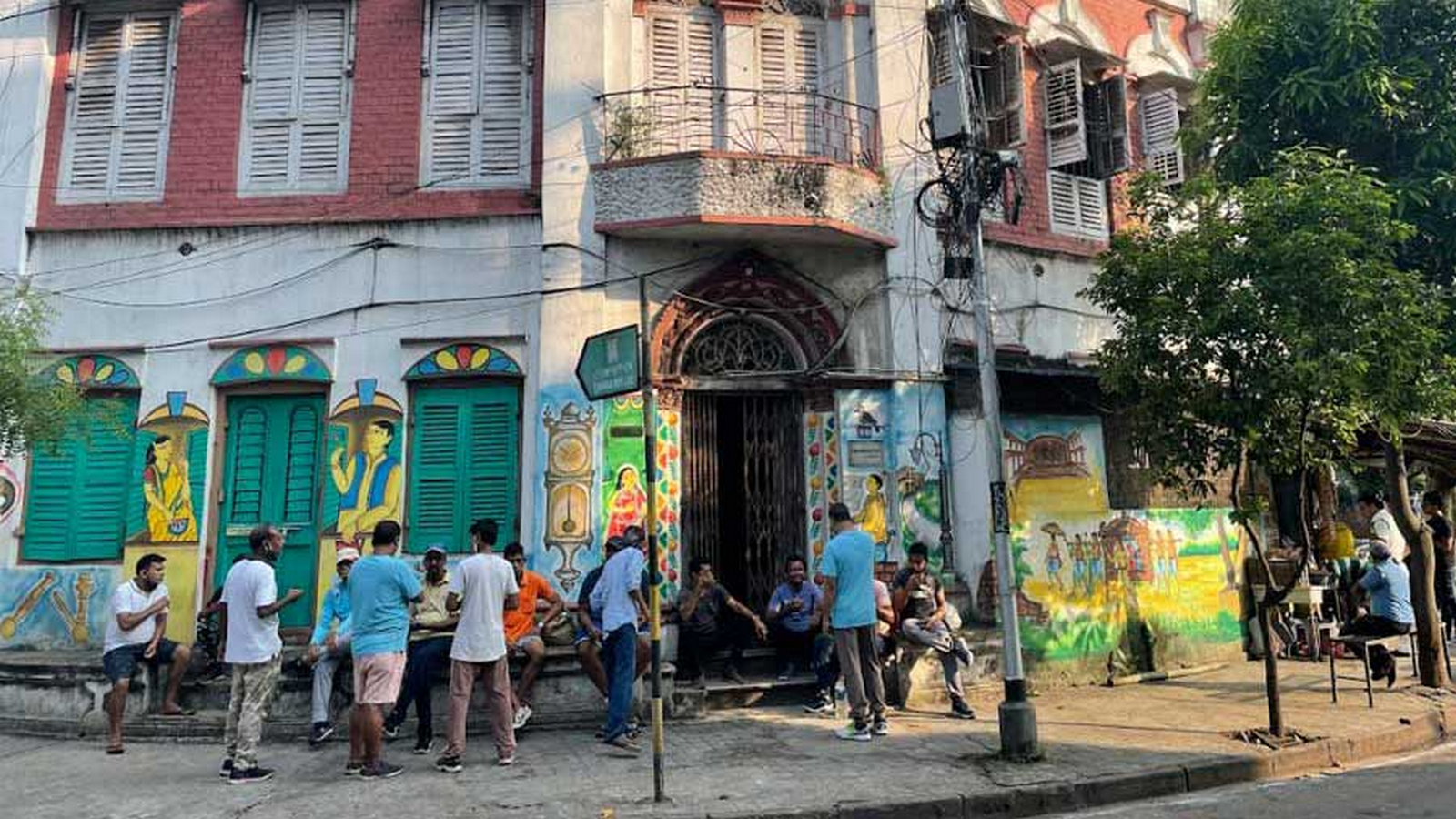
2. Staircase Urbanism
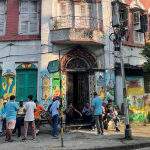
In ByLane Commons projects in North Kolkata, old staircases are painted, lit, and given handrails, transforming them into safer shared connectors without altering the building fabric.
3. Micro-Festival Architecture
Durga Puja neighbourhoods create small structures – gateways, themed partitions, offering platforms – temporary but highly architectural.
Kolkata’s micro-urbanism is ephemeral, creative, and community-made.
Assam & Northeast: Terrain-Responsive Micro-Urbanism
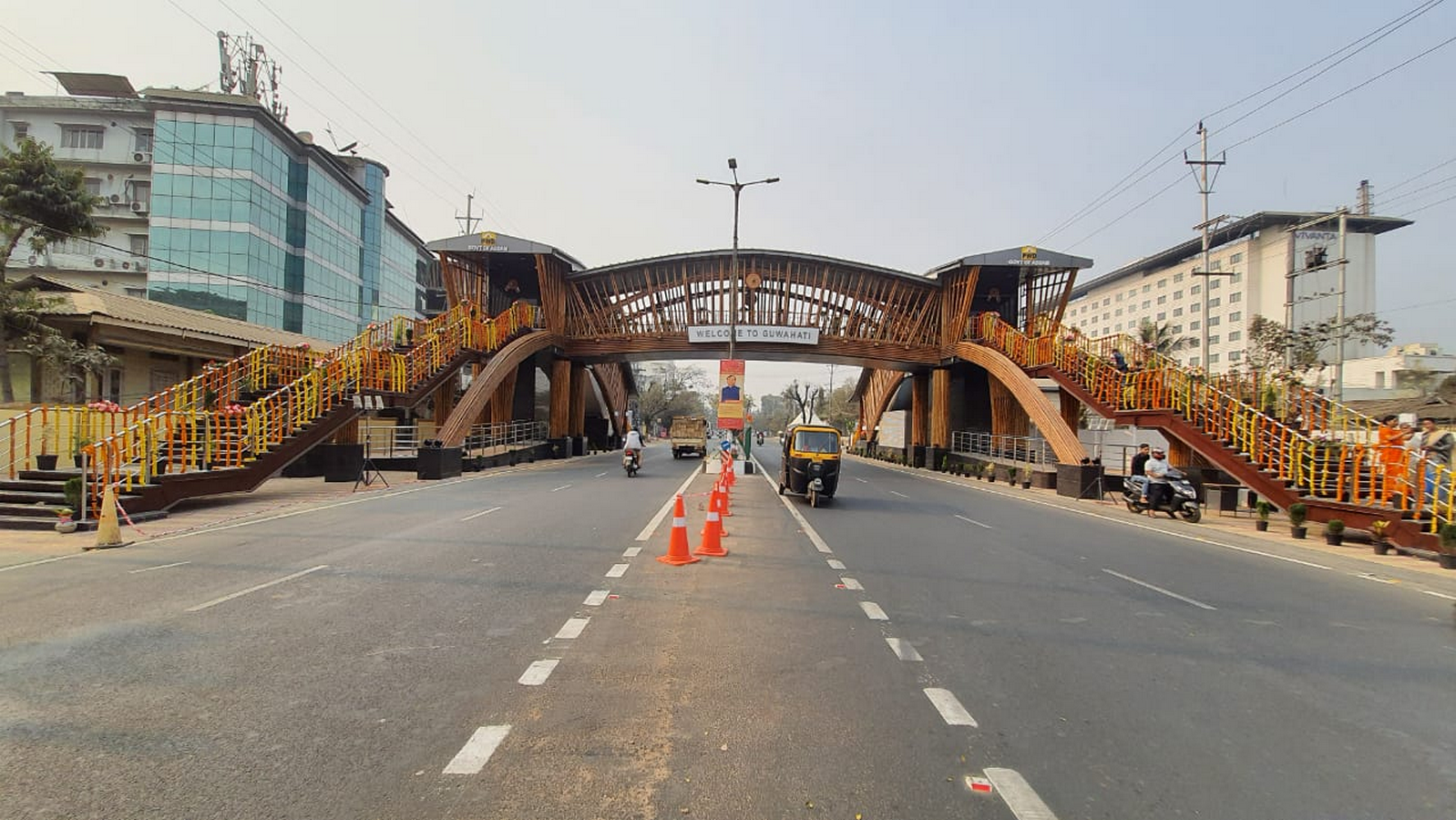
1. Bamboo Micro-Infrastructure
Villages and towns craft integrate:
- flood-resilient bamboo walkways
- elevated gathering platforms
- riverbank steps that can be dismantled seasonally
Micro-urbanism here is adaptive ecology.
2. Hill-Street Interventions
In Shillong and Aizawl, winding hill lanes use:
- mural-led wayfinding
- small resting platforms with local timber
- shaded overlook points
3. Market Micro-Shelters
In Guwahati’s Uzan Bazaar, small kiosks, bamboo shading devices, and terraced seating help organize riverfront informal markets without full redevelopment.
Why These Micro-Interventions Matter
Across cities, the methods differ, but the impact is unified:
- They increase dignity (shaded seating, safe stairs).
- They respond to culture (addas in Kolkata, kattas in Pune).
- They respect ecology (Bengaluru lakes, Assam bamboo).
- They reuse what exists (Mumbai under-flyovers, Delhi heritage edges).
- They celebrate people first, not cars or capital.
Micro-urbanism does not transform the city wholesale. It transforms the city where it matters most: where people walk, pause, gather, and belong. It is architecture at the scale of life.
Conclusion: The Future of Indian Cities Is Incremental, Local, and Human
Micro-urbanism reminds us that urban change doesn’t always require massive budgets or mega-infrastructure. Sometimes, it requires:
- a community willing to paint a staircase
- a local artisan building bamboo seating
- a neighbourhood reviving its courtyard
- a tech campus adding a shaded corner
Cities evolve through such everyday acts of care. In a country as diverse as India, micro-urbanism becomes a palette of local futures, each neighbourhood choosing how it wants to grow.
The story of India’s next urban chapter will not be written only by skyline-changing projects, but by the thousand small footprints of shared humanity across its cities.
References:
- StudioPOD. (n.d.). Senapati Bapat Marg. [online] Available at: https://studiopoddesign.com/portfolio-item/one-green-mile/.
- Reimagining Pune: Mission Smart City Detailed plan to transform Pune into a world-class Smart City. (n.d.). Available at: https://data.opencity.in/dataset/7301dbc9-77ac-411f-9f2b-d789c4ce1200/resource/333e95cc-ed9b-4a23-a7ed-189efa4adb7a/download/pune-smart-city-proposal-part-i.pdf [Accessed 16 Nov. 2025].
- Trust, B. (2017). Visit to Kaikondrahalli Lake for collecting data (Part 1) – March 10, 2017 – Biome Environmental Trust. [online] Biometrust.org. Available at: https://biometrust.org/visit-to-kaikondrahalli-lake-for-collecting-data-part-1-march-10-2017/ [Accessed 16 Nov. 2025].
- Raahgirifoundation.org. (2022). Raahgiri Days – Raahgiri Foundation. [online] Available at: https://raahgirifoundation.org/raahgiri-days/ [Accessed 16 Nov. 2025].
- Intach.org. (2021). INTACH Art and Material Heritage | INTACH Art and Material Heritage. [online] Available at: http://heritageici.intach.org [Accessed 16 Nov. 2025].
- URBAN DESIGN RESEARCH INSTITUTE. (n.d.). URBAN DESIGN RESEARCH INSTITUTE, MUMBAI. [online] Available at: https://www.udri.org/.
- Urbandesigncollective.org. (2020). Tactical Urbanism Guidebook – URBAN DESIGN COLLECTIVE. [online] Available at: https://urbandesigncollective.org/projects-initiatives/urban-mapping-and-research/tactical-urbanism-guidebook/ [Accessed 16 Nov. 2025].
- Tak, R. (2017). How Tactical Urbanism Can Improve Road Safety. [online] WRI India. Available at: https://wri-india.org/blogs/how-tactical-urbanism-can-improve-road-safety [Accessed 16 Nov. 2025].