Imagine pushing someone out of a window and inadvertently starting a war. It happened here. Or imagine a Goldsmith working mysteriously in a tiny house in Golden Lane, desperately seeking out the secret to turning lead into gold while the emperor lives and looks out from the palace above. Welcome to Prague Castle, where history is charging through windows, whispering from the walls in the dungeon, and cursing those foolish enough to wear a crown not theirs.
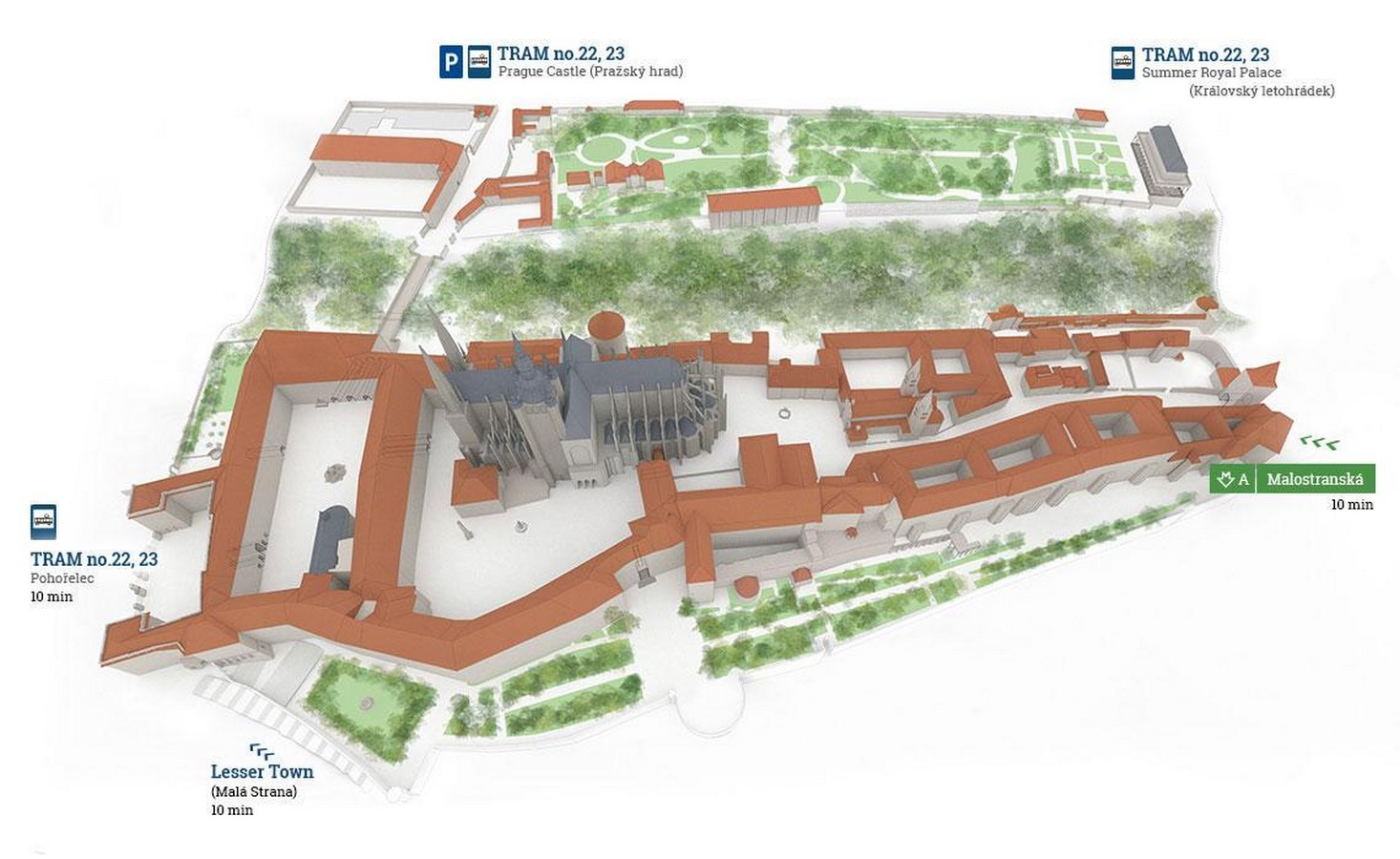
According to the Guinness Book of Records, Prague Castle is the largest ancient castle in the world, spanning almost 70,000 square metres. It measures around 570 metres in length and 130 metres in width on average. But here’s the amazing thing: The initial building work began in 870 CE. From a simple wooden fort, it was built on and altered numerous times. Continuous upgrades and extensions went as late as 1929. And more than a thousand years of construction, the longest home renovation project in the world.
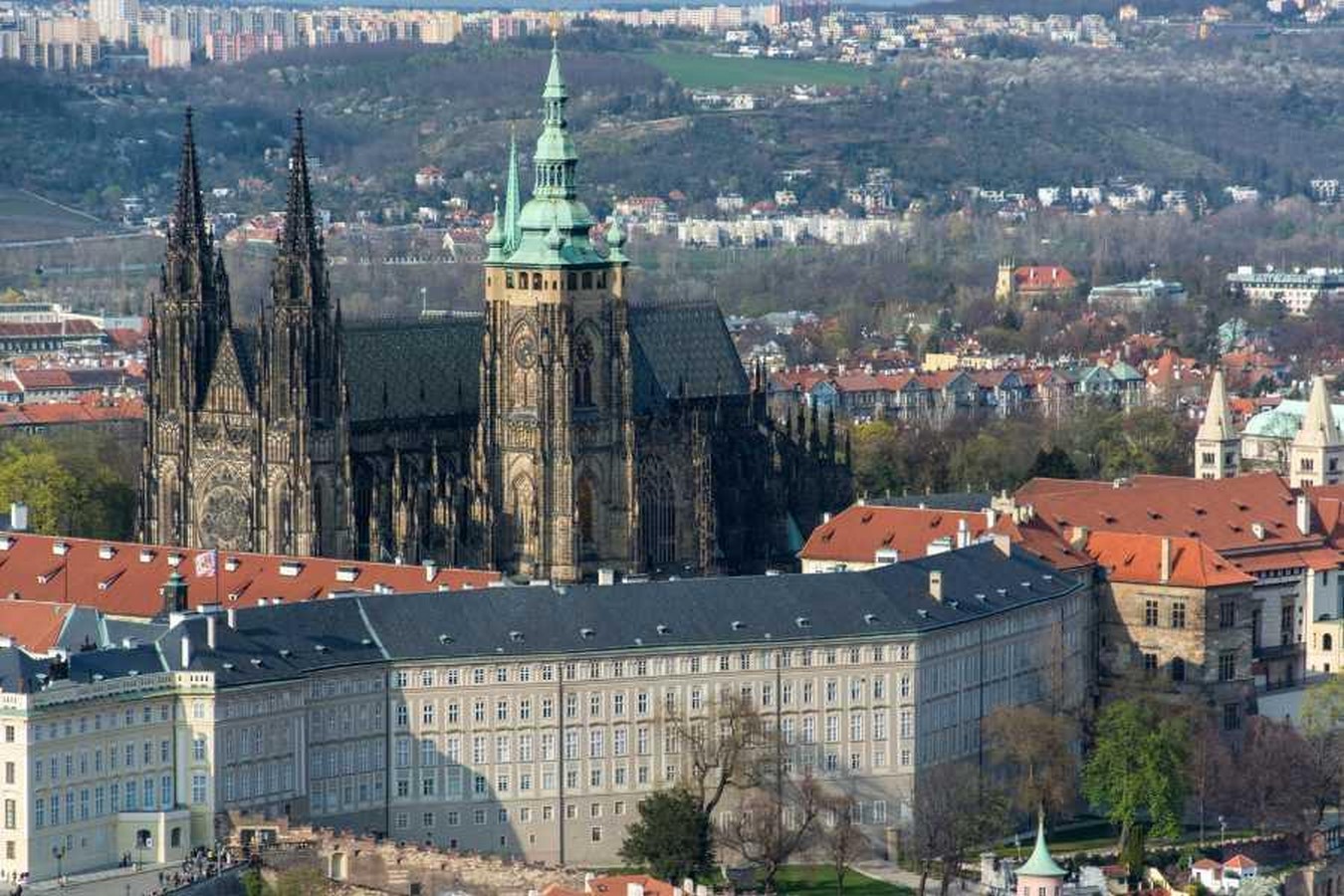
The result? A magnificent architectural hodgepodge where Romanesque and Gothic mingle, the Renaissance hurls itself into the Baroque, and it somehow works. Walk through Prague Castle and you’re time-travelling through European architectural history in one afternoon.
A Word That Began With a Window
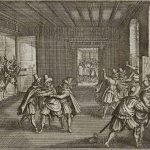
The term “defenestration,” which means throwing someone out of a window, came about due to an event that took place at Prague Castle. Roman Catholic rulers closed Protestant chapels. Angry Protestants demanded a trial and won. Well then, something wild did happen. Two Catholic officials, known as suppressors of religion, were thrown out of the window.
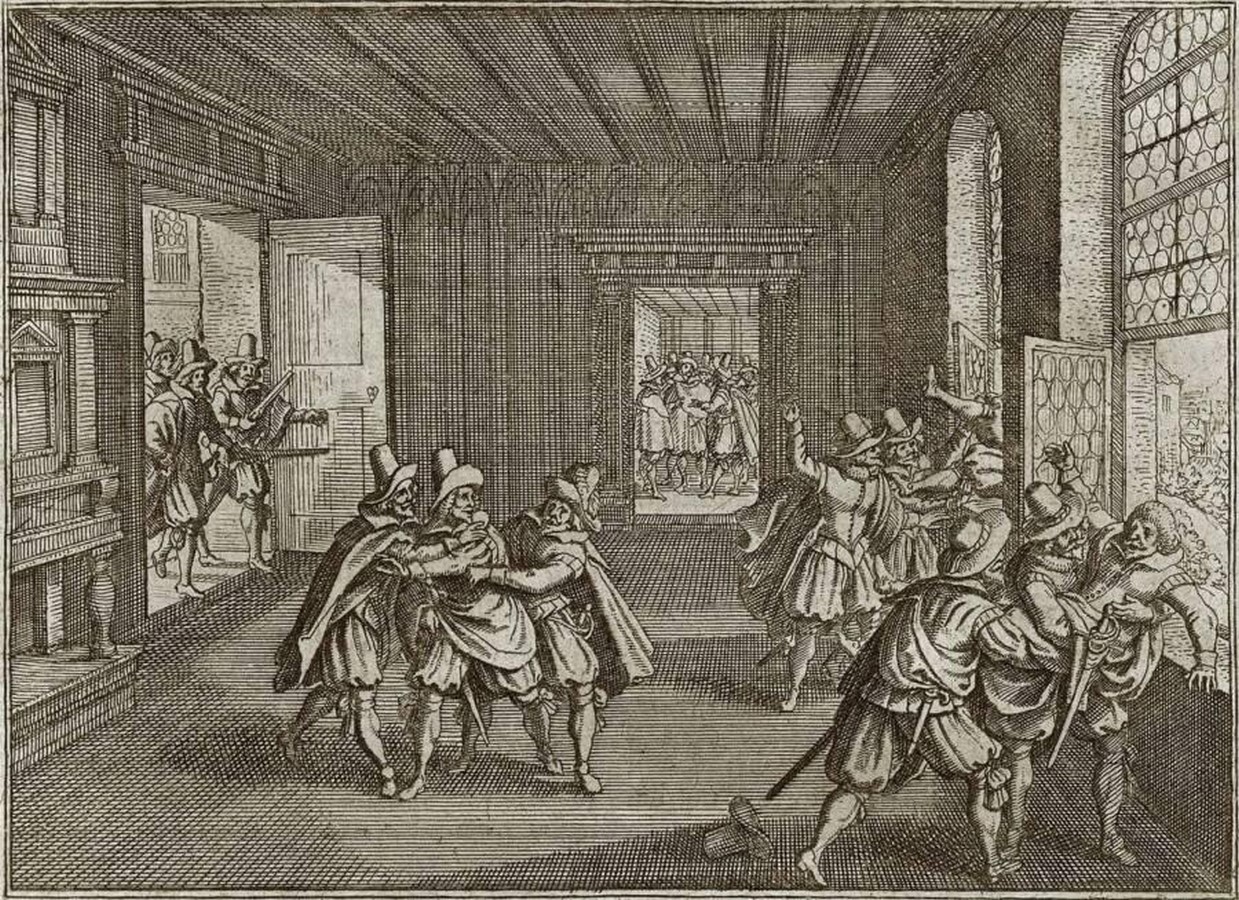
Thankfully, they did land in a heap of horse dung and escaped unharmed. However, the incident resulted in a long and devastating war throughout Europe – The Thirty Years’ War. Only in Prague, horse crap saves two men and Europe decades of war.
Where Alchemists looked for Gold, Kafka Found Words.
To the north of the fortified area is Golden Lane, which is a street of small row houses that were originally constructed for the royal alchemists and castle servants. From 1916 to 1917, Franz Kafka lived with his sister in House No. 22, where he wrote such works as A Country Doctor and found inspiration for The Castle. The tiny, colorful houses lean against one another like drunk friends as they hardly stand wider than the width of a car.
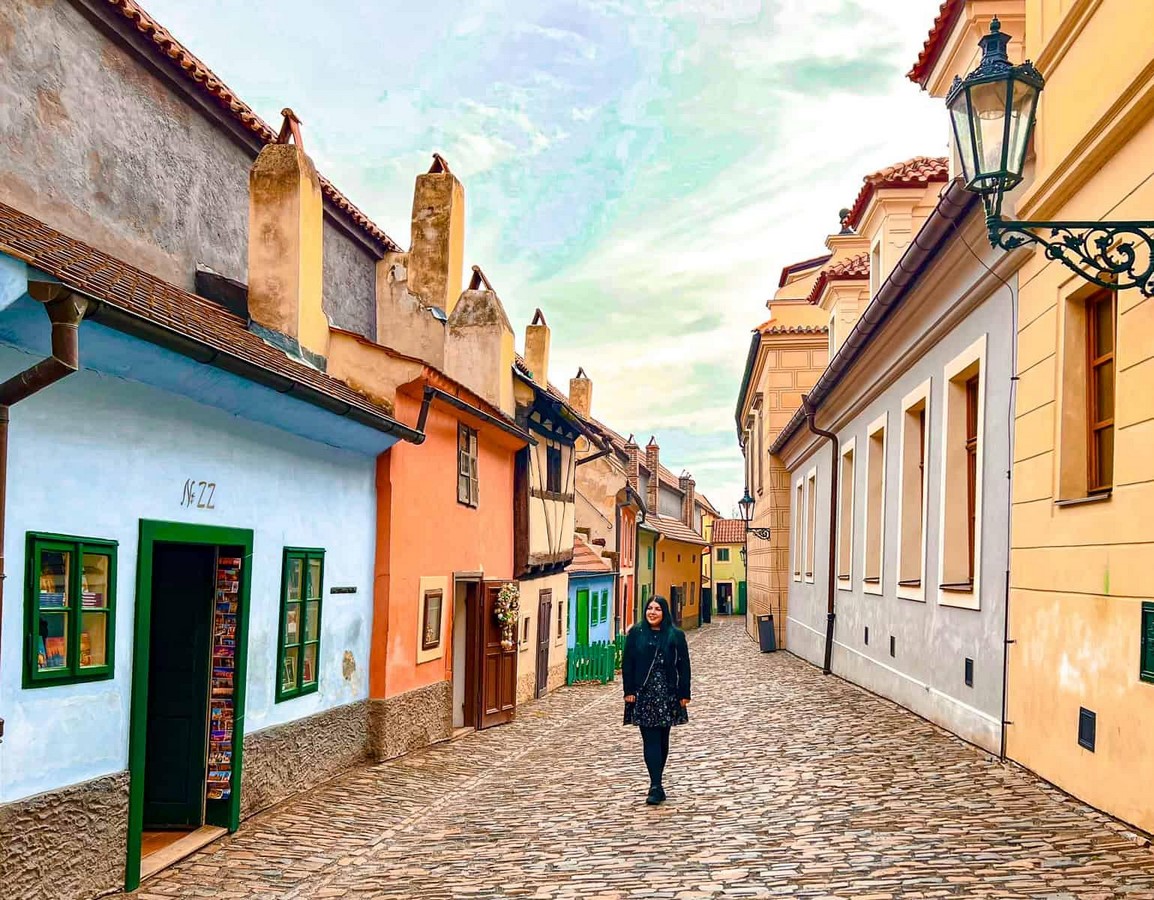
At the end of Golden Lane, where the house of the last lantern is located, it is said that the world of the visible and the invisible is hidden. Today, its galleries and gift shops, but the atmosphere is still hushed with mysteries and midnight experiments.
The Crown Jewels and Could Be Its Curse
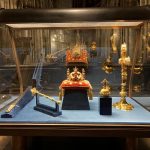
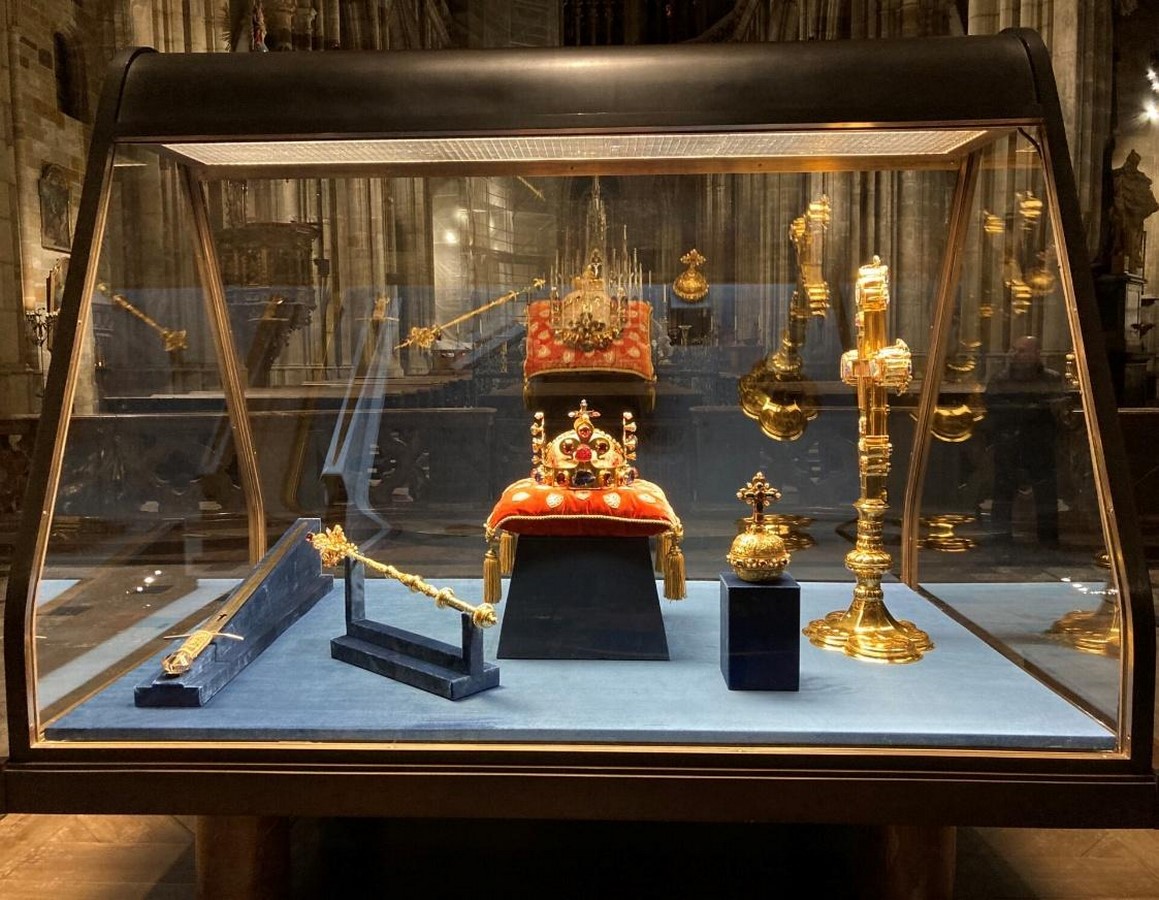
The precious crown jewels of Bohemia, consisting of the St. Wenceslas crown, are safely deposited in a chamber in St. Vitus Cathedral. To ensure their safety, the chamber door and the iron safe are equipped with seven locks, each of which is held by a different key holder, such as the president and the prime minister.
But there’s a curse. According to old legends that put the crown on his head, a usurper is doomed to die within a year. Less than a year after Reinhard Heydrich, the Nazi Reich Protector, supposedly put the Bohemian crown on his head, he was ambushed on the 27th of May 1942, and a week later, he died of his wounds. Klaus, his firstborn son, died the next year in a traffic accident, also in line with the legend. Coincidence? The Czechs don’t think so.
World Architectural Wonders That Took Centuries
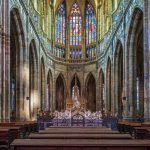
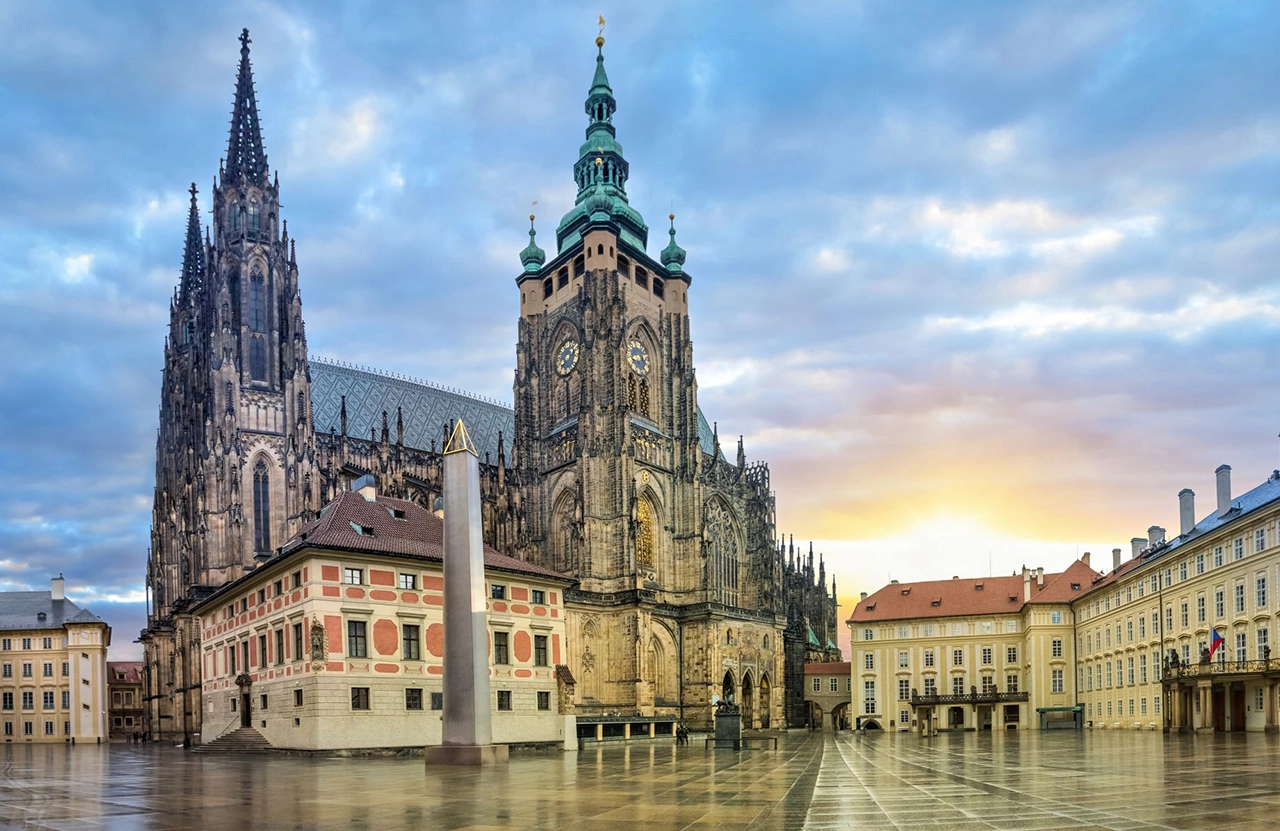
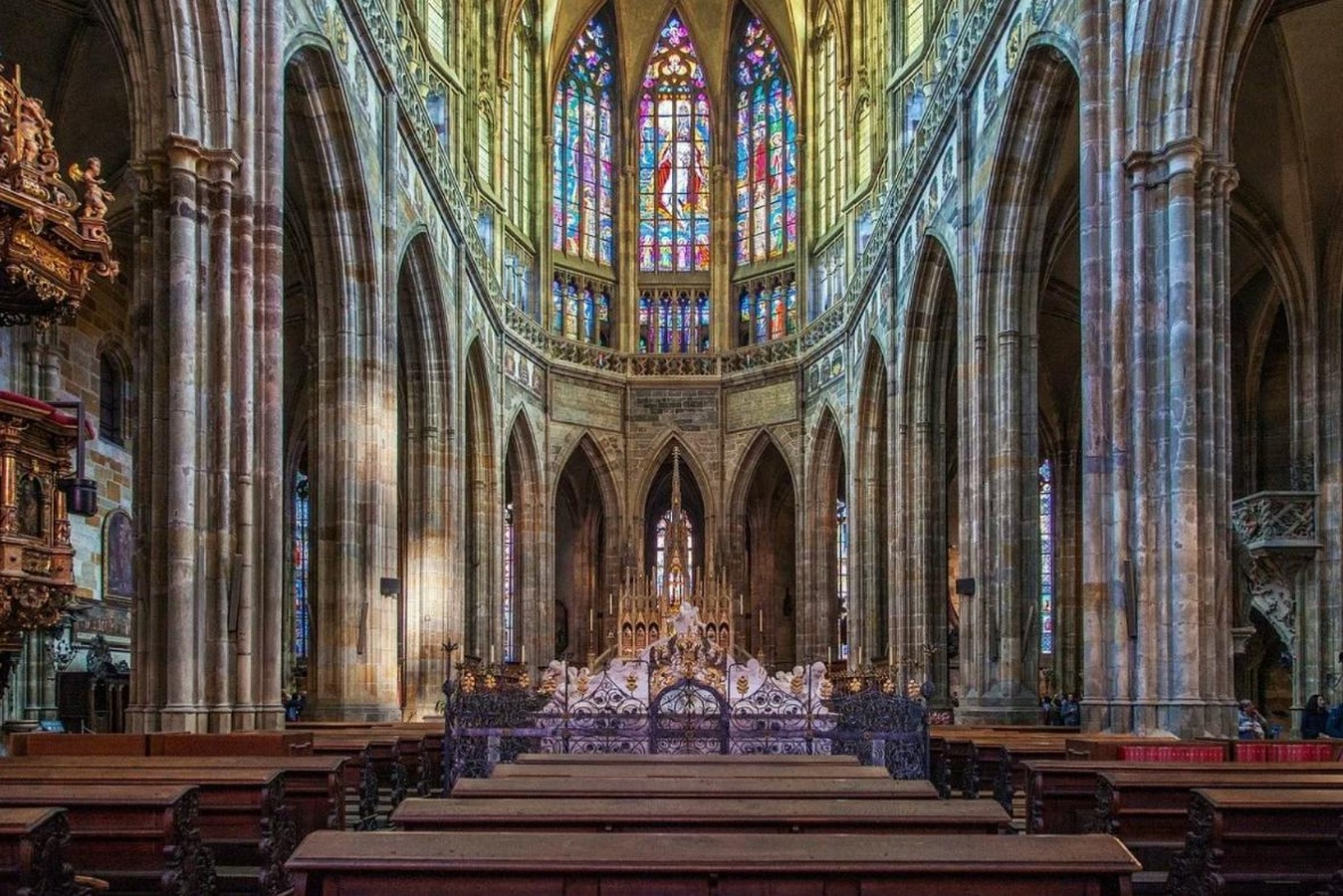
The foundation stone of St. Vitus Cathedral was laid in 1344, but the building was not completed until 1929 – a total of 585 years. The architect Petr Parler developed soaring Gothic vaults that made the visitors instinctively whisper.
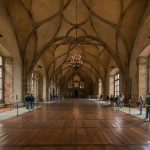
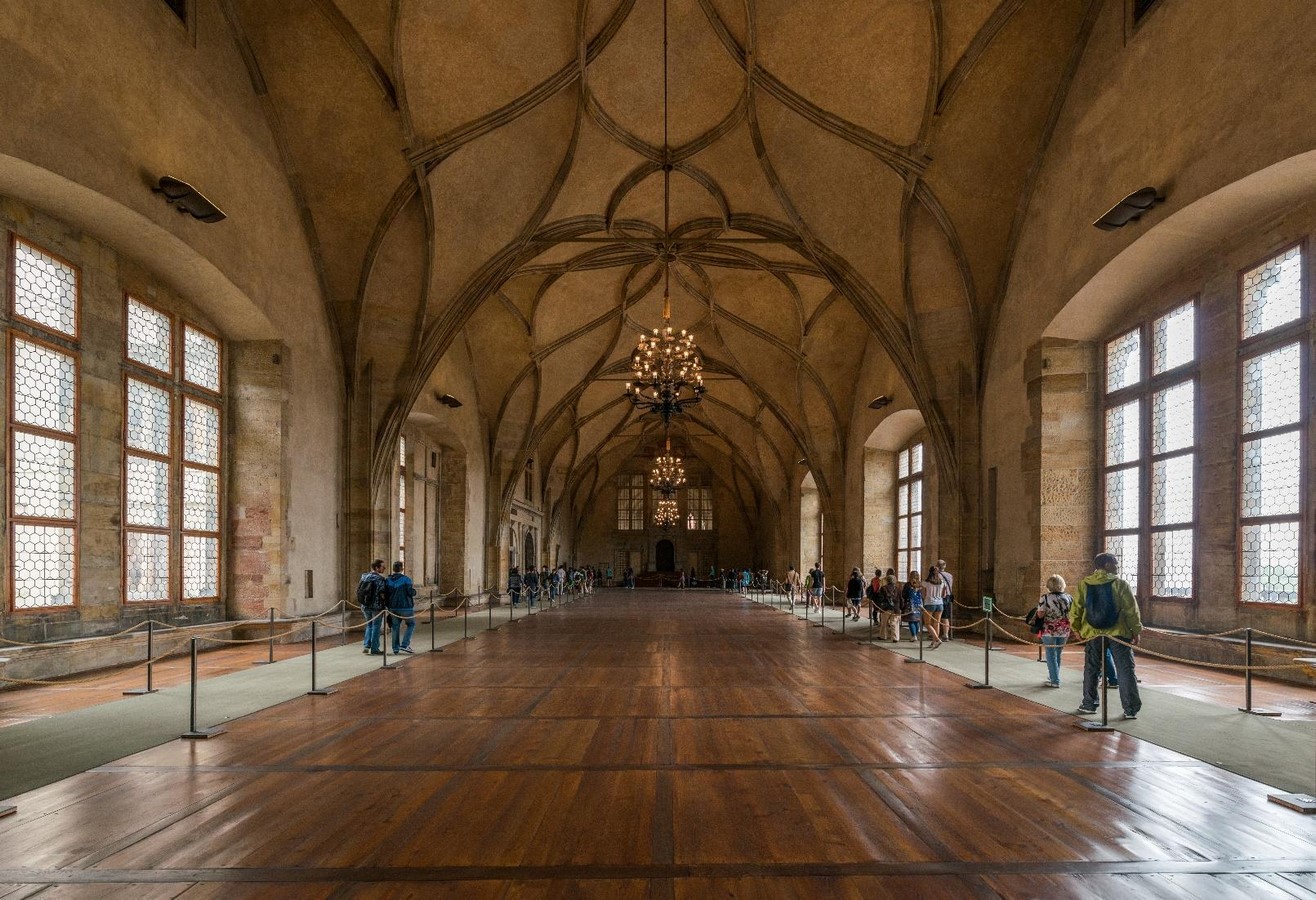
Vladislav Hall, which was used for state occasions used e.g., at coronations and royal feasts. The scale of the hall is staggering – medieval knights were able to ride horses up the staircases for jousting tournaments inside the hall.
A Living Monument
Today, the castle is the most visited tourist attraction in the Czech Republic. In the year 2024, the number of visitors went as high as 2,590,000 to the castle. It’s both a presidential workplace and a national monument, as well as one of Europe‘s best tourist destinations.
Legend says that if the heart of the Sigismund bell breaks, misfortune falls on the territory of the Czech territory. Terrible flooding occurred in Prague after the heart of the Sigismund bell broke. There is also Vodnik, a water man with a height of just 60cm, who walks through the castle and laughs madly. Once someone looked at him, and little Vodnik disappeared into the walls of the castle.
Prague Castle is proof that the best fortifications aren’t only military, but are storied in legends, cursed, architecturally experimented upon, and have been the subject of dramatic history. It’s where empires were born, wars launched out of windows, and presidents worked among ghosts and gold diggers. Not bad for an enlargement-obsessed wood.
Websites and Images:
Castle map – prague castle for visitors. Available at: https://www.hrad.cz/en/prague-castle-for-visitors/castle-map
urb20trav (2023) Explore the magic of Prague Castle: A must-see treasure, Urbaki Travel. Available at: https://urbaki.com/travel/explore-the-magic-of-prague-castle/
Pearce, S. (2025) Golden Lane prague – things to do in the street of alchemists (2025)!, Third Eye Traveller. Available at: https://thirdeyetraveller.com/things-to-do-golden-lane-prague/
Stories, H. (2025) Dual bohemian crown jewels, Our Beautiful Prague. Available at: https://www.ourbeautifulprague.com/dual-bohemian-crown-jewels/
Houston, C.C.M. (2024) Prague Castle St. Vitus Cathedral Czech Center Museum houston – a meeting place for Czech and local culture, What to do in Houston? Visit the Czech Center Museum Houston. Available at: https://www.czechcenter.org/blog/2021/2/3/pragues-st-vitus-cathedral
Vladislav Hall (2024) Wikipedia. Available at: https://en.wikipedia.org/wiki/Vladislav_Hall