Some movies tell stories, while others create entire universes from scratch, resembling surreal oil paintings stitched together with a sense of madness. Tony McNamara’s “Poor Things,” directed by Yorgos Lanthimos, exemplifies the latter. It is messy, mesmerizing, and unique in recent filmmaking; it offers an experience as much as it is a movie.
Based on Alasdair Gray’s 1992 book, “Poor Things” follows the adventures of Bella Baxter, a young woman who is brought back to life in a reimagined Victorian setting. That’s all you need to know before watching, as delving deeper would spoil the film’s strange enchantment. What unfolds is a bizarre journey of self-discovery rather than a typical tale of life and love.
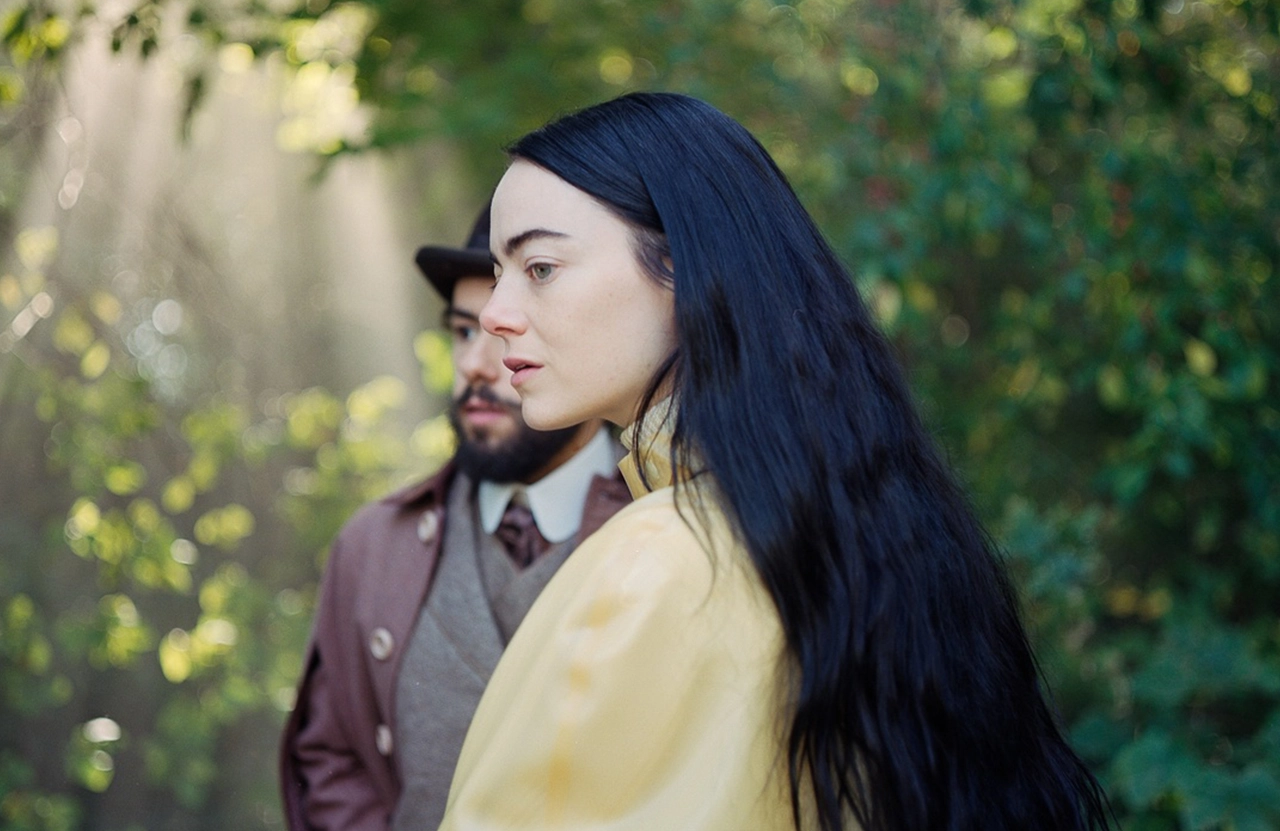
The film’s co-producer, Emma Stone, gives what may be her most audacious performance to date. She portrays Bella as a curious, naïve, and very alive creature rather than as a victim of circumstance. She seems to be learning to inhabit her own body in real time, as evidenced by the tragic and humorous sense of every gesture.
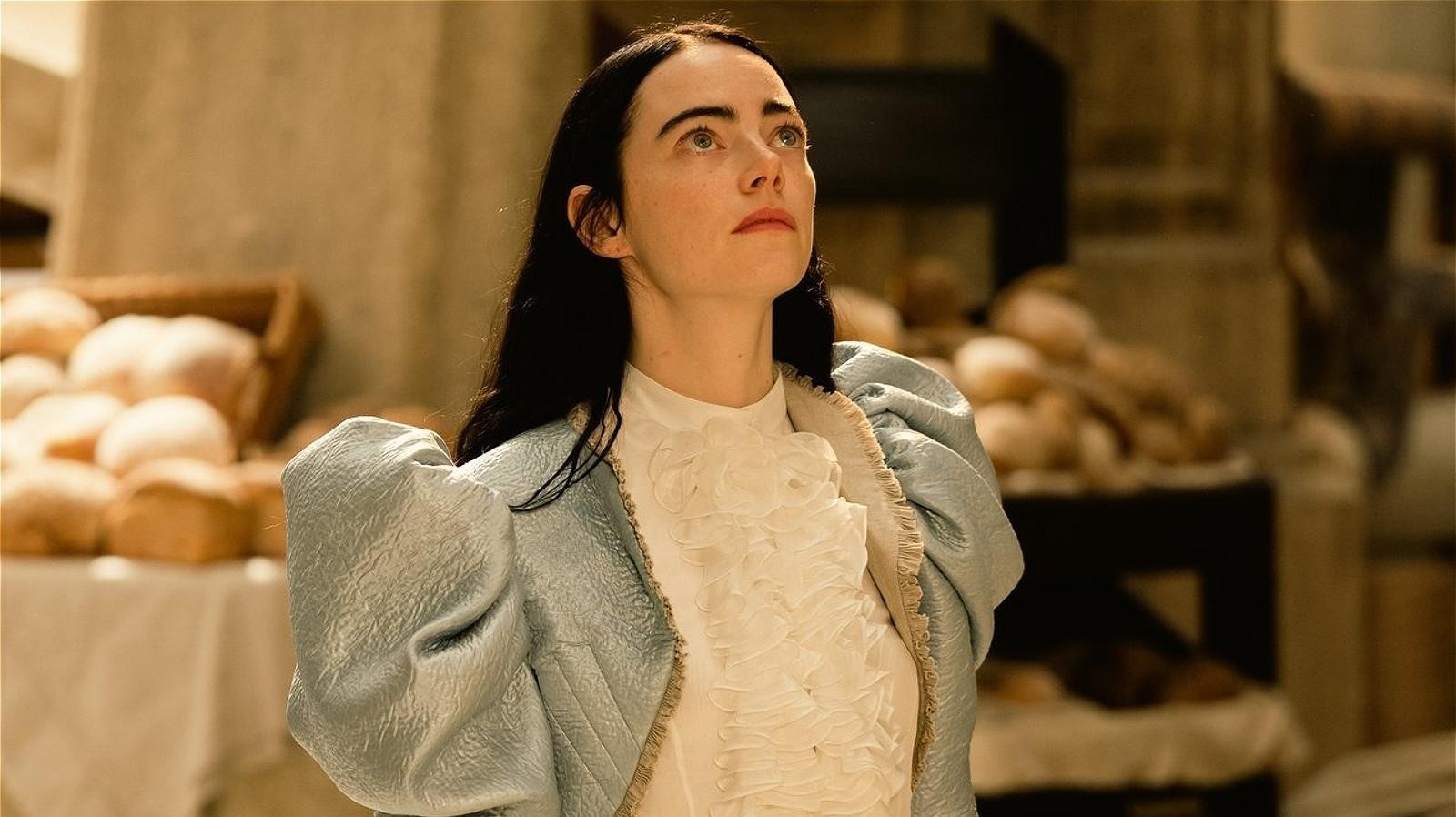
A World Both Strange and Seductive
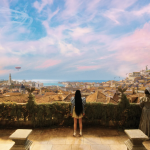
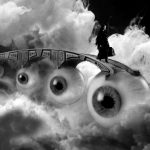
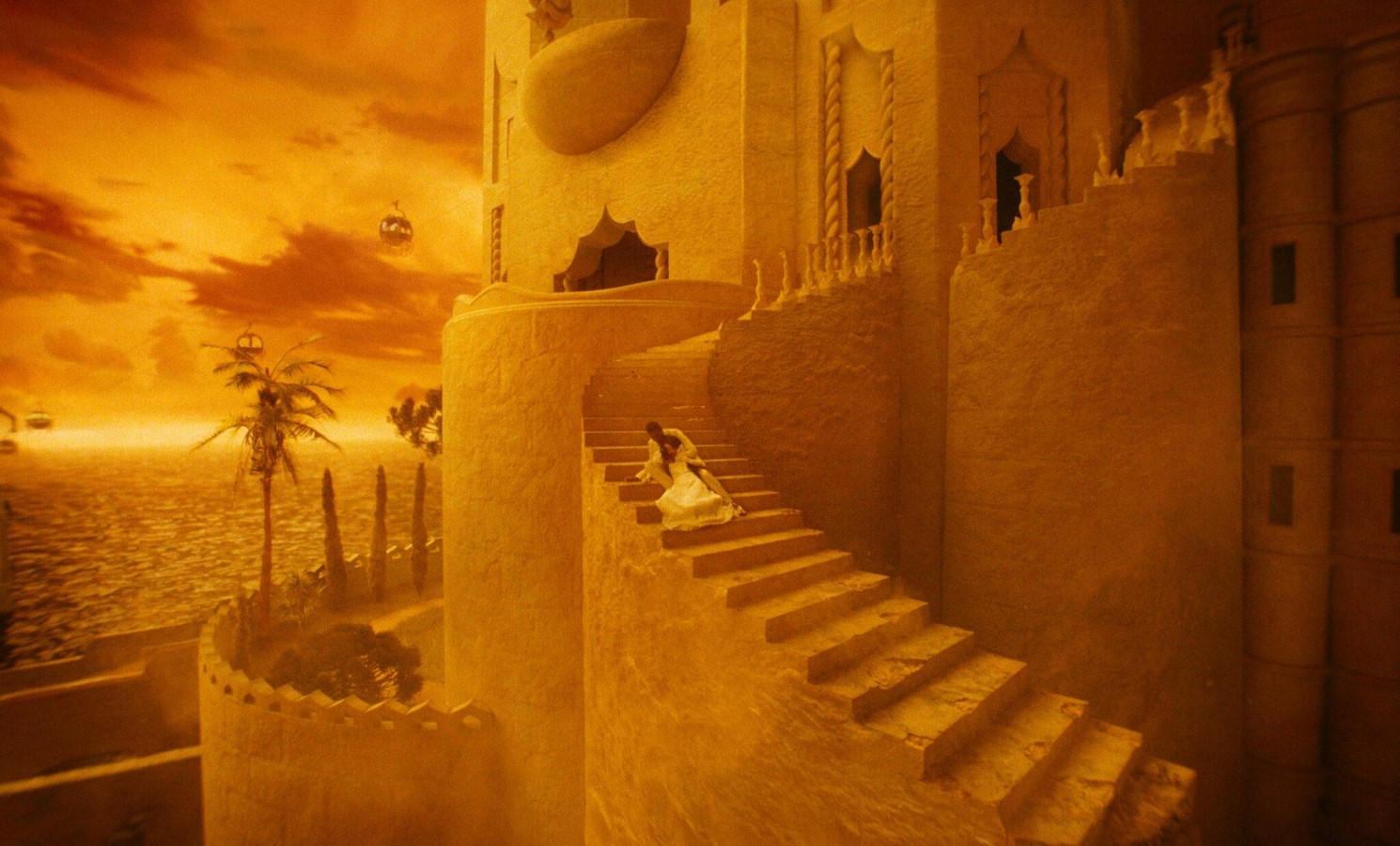
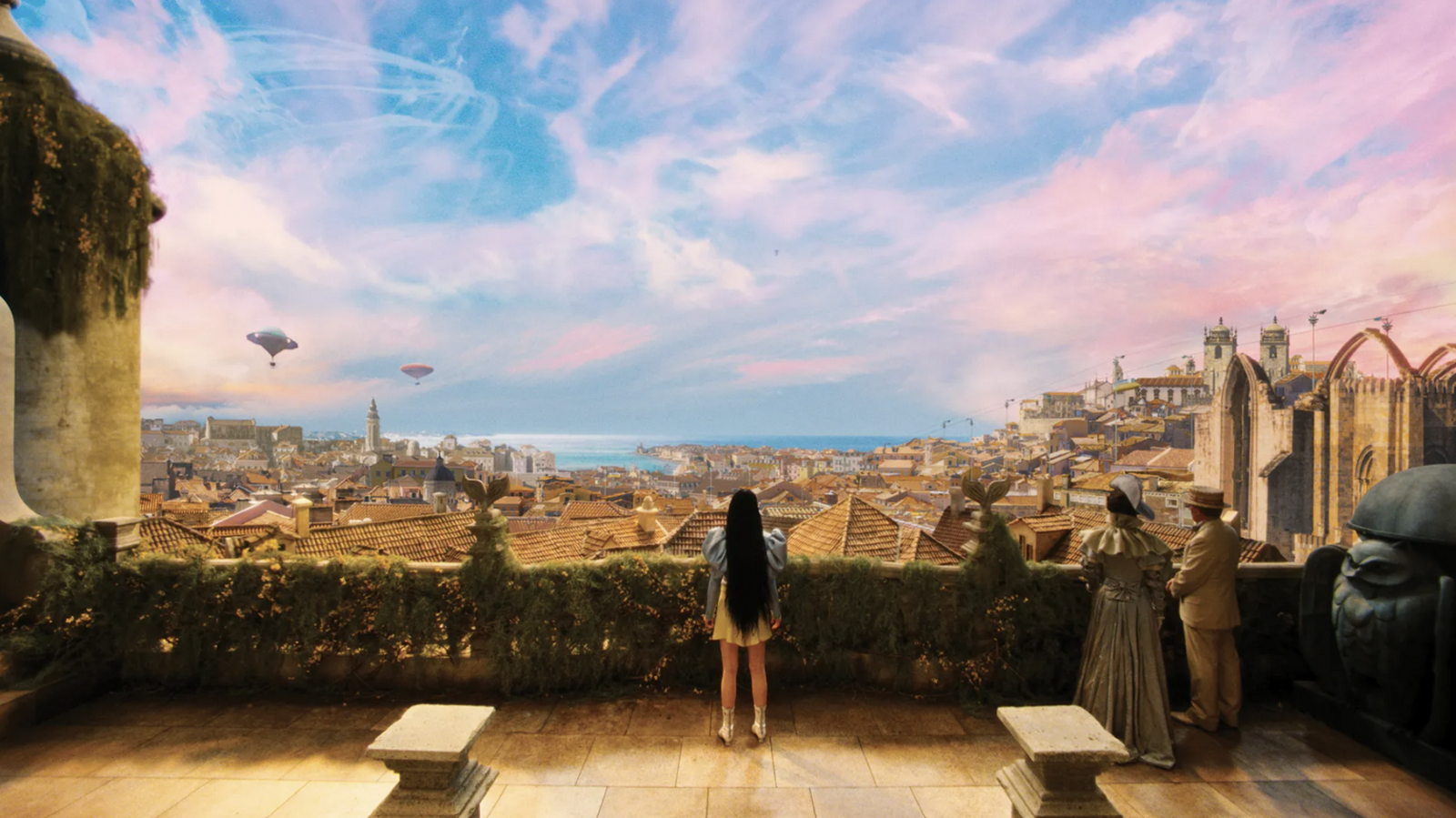
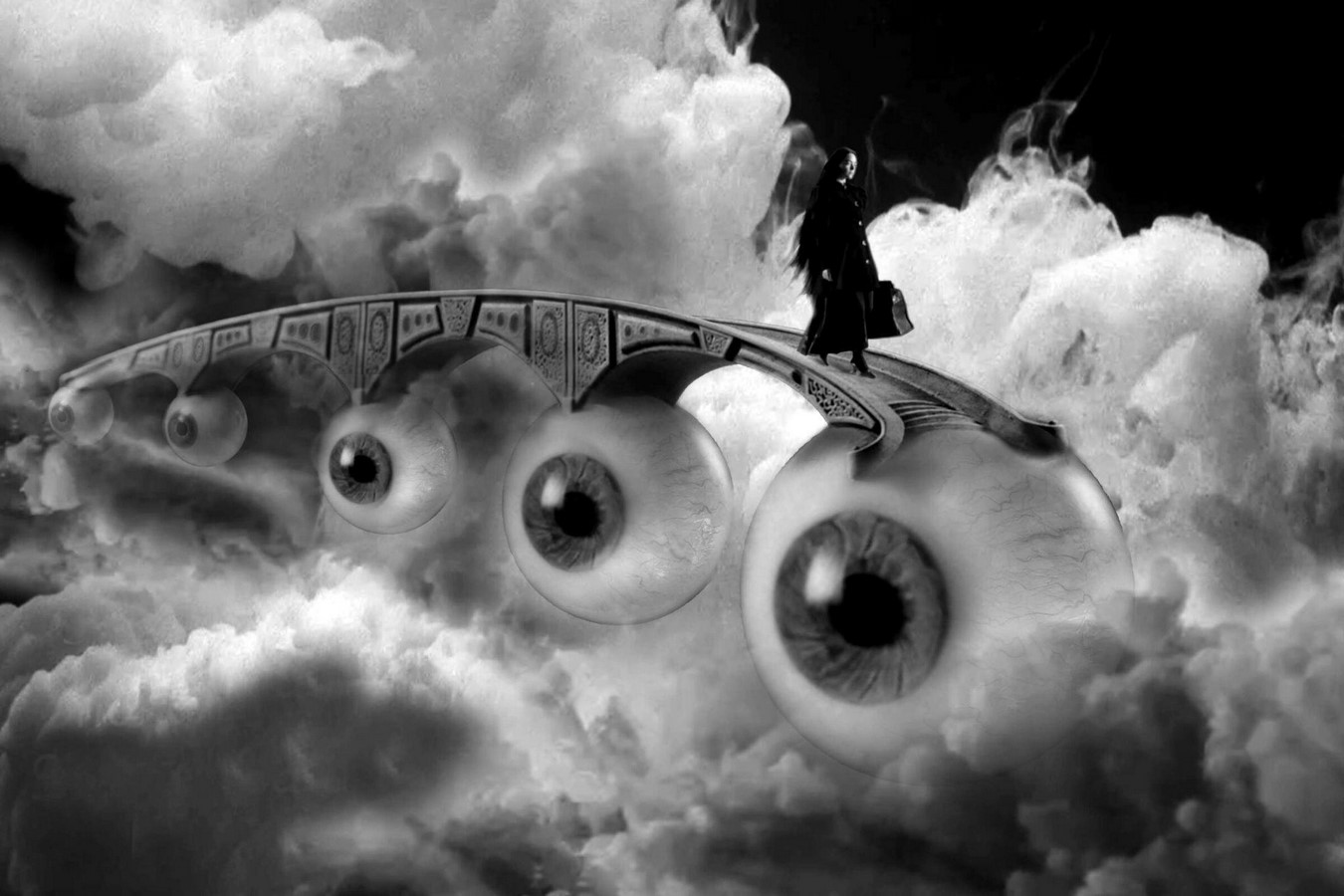
Poor Things’ appearance is the first thing that strikes you. Every frame is treated like a living painting by filmmaker Robbie Ryan and director Lanthimos. Monochrome, fisheye, and twisted, the film starts in a world devoid of color before exploding into pastel excess as Bella’s consciousness grows. The transition from black and white to vibrant colors is a metaphor for awakening more than merely a visual trick.
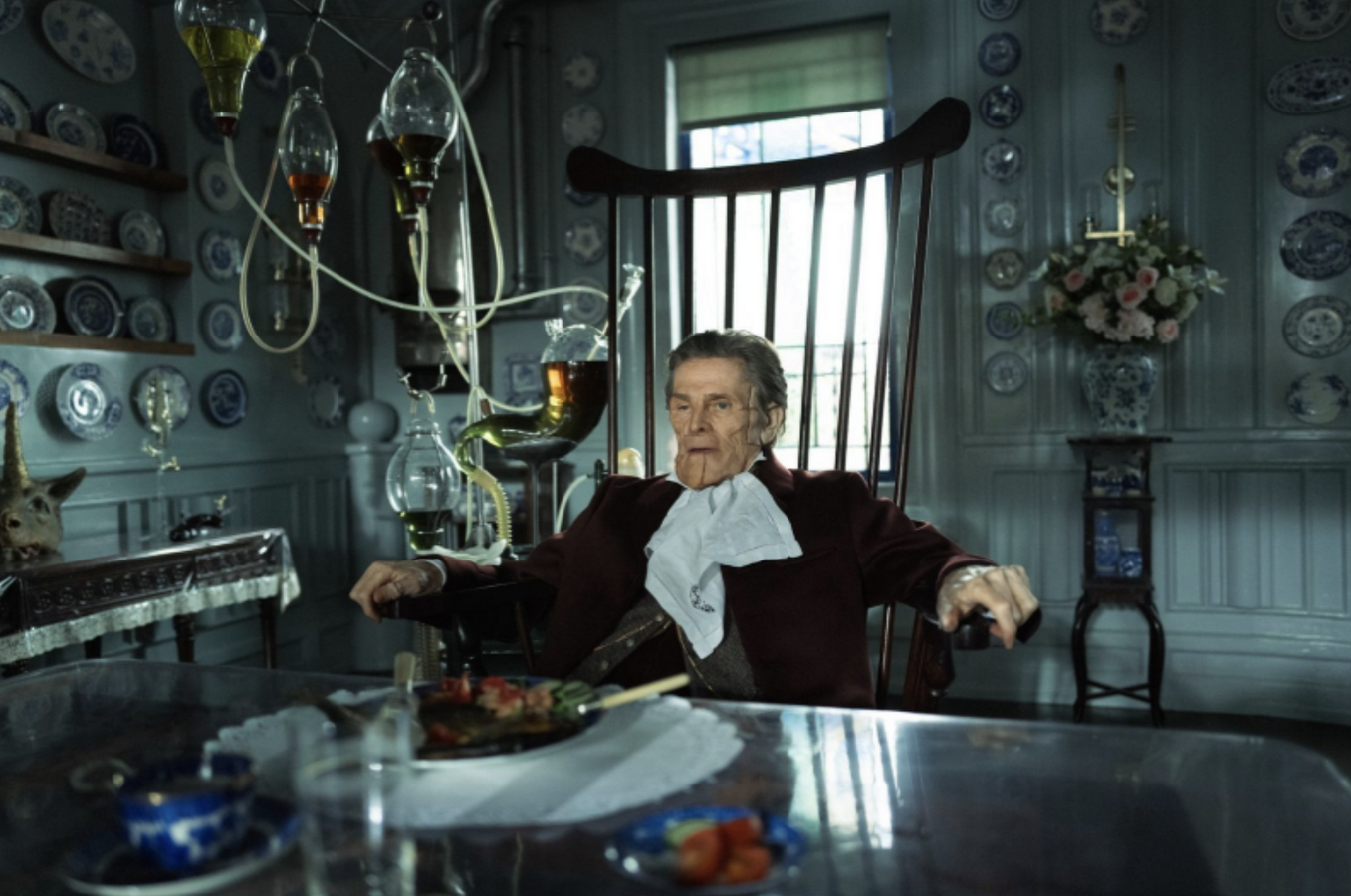
Part laboratory, part dreamscape, this is a Victorian London that never was, where staircases seem to wind endlessly and carriages glide like marine life. An environment that feels both historical and alien is created by James Price and Shona Heath’s production design. Though nothing seems lifted, there are references to baroque theater, steampunk, and surrealism. From the gentle blur of painted skies to the metallic sheen of prosthetic instruments, it’s a multisensory experience.
Poor Things is visually stunning and would still captivate viewers even without its plot. It serves as a masterclass in world-building for designers, artists, and those who appreciate aesthetics. For everyone else, it invites exploration, encouraging us to enter a realm where passion takes precedence over reason.
Comedy, Carnality, and Chaos
Absurdity has always been a favorite of Lanthimos. He transformed love into a dystopian experiment in The Lobster and twisted courtly drama into black comedy in The Favourite. His most unfettered work, however, is Poor Things, which is obscene, humorous, profane, and surprisingly compassionate.
McNamara’s script is filled with infectious wit and audacity. The dialogue is absurd yet authentic, blending elements of both the past and present. The film courageously delves into themes of female autonomy, sexuality, and agency without appearing preachy. Bella’s journey, from imprisonment to freedom, and from ignorance to awareness, captures the complexity of what it means to be human.
However, Bella’s metamorphosis isn’t the only aspect of Poor Things. It explores what happens when civilization and innocence mix and how knowledge can both liberate and corrupt. Like a sculptor using a chisel, Lanthimos uses comedy to expose the hideous beauty beneath.
The Cast That Carries the Madness
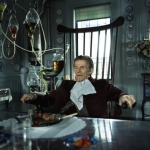
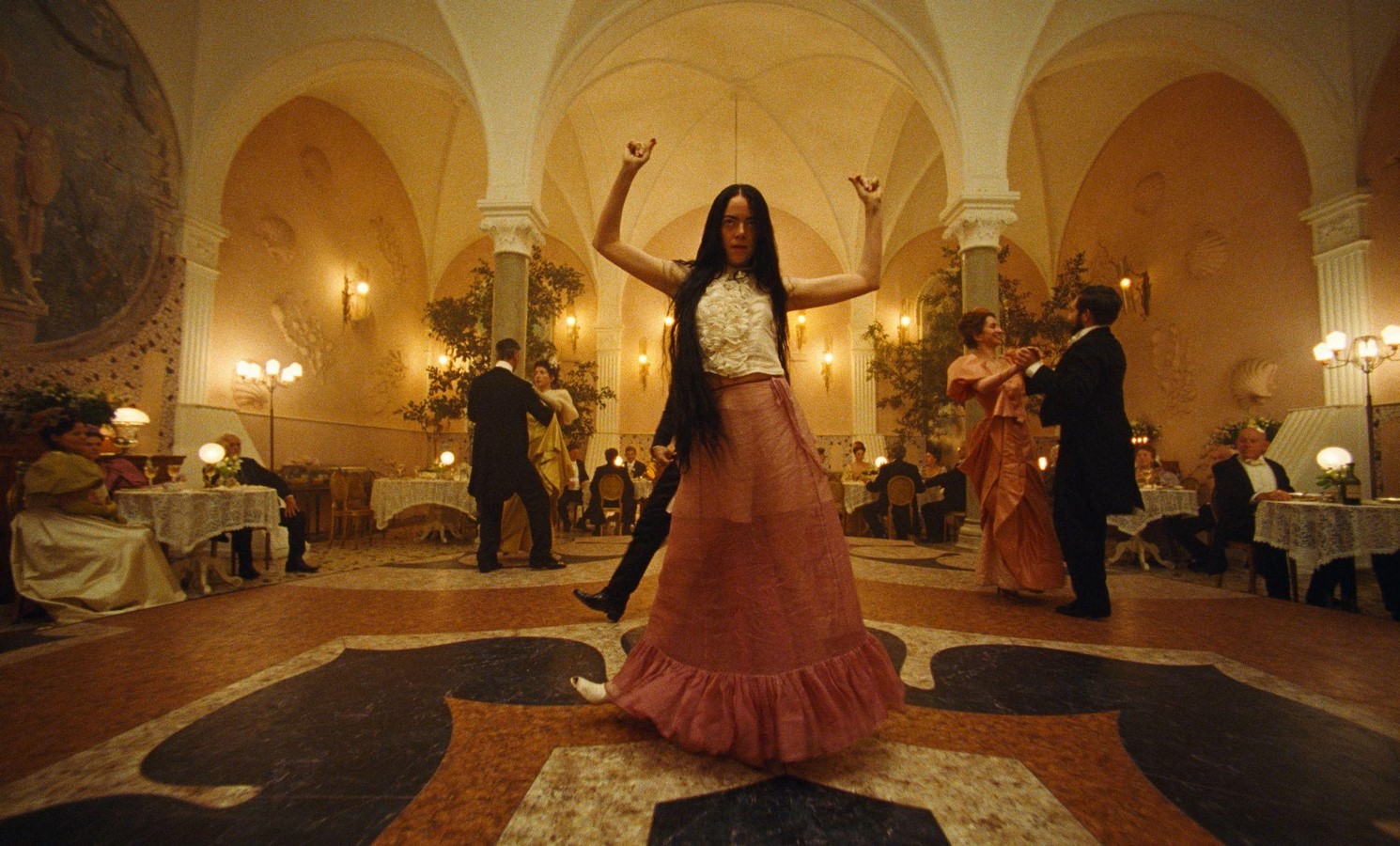
Emma Stone is dazzling, erratic, and fearless; she embraces every ridiculous situation with emotional candor and physical humor. Her scientist-creator, Dr. Godwin Baxter, is played by Willem Dafoe, who delivers one of those performances that remind you why he is one of the greatest eccentrics in film: a man of scars and compassion. Mark Ruffalo, who plays Bella’s suitor-turned-foil Duncan, turns tenderness into comic by stealing situations with his inflated vanity.
Lanthimos’s peculiar rhythm, which is a combination of theater and circus, is wonderfully matched by each supporting character. When combined, they produce an ensemble that veers between tenderness and satire, giving the bizarre tale a disturbingly human sense.
A Feast for the Senses
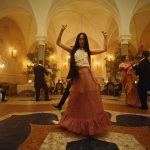
“Poor Things” is remarkable for its bold appeal to the senses. Holly Waddington’s costumes range from restrictive Victorian corsets to flowing, almost futuristic designs, marking subtle revolutions in fabric. Bella’s emotional journey from constraint to enlightenment is mirrored in the textures, colors, and patterns of the costumes.
The score by Daniel Pemberton resonates like a mechanical heart, featuring rhythms that stumble before finding their groove again, with brass instruments groaning and strings bending. In harmony with the visual complexity of the film, the sound design is vibrant and engaging.
Together, these elements create a wonderfully dizzying experience for viewers, akin to standing in front of a surrealist painting that transforms each time you blink while watching “Poor Things.”
Beyond Aesthetics: What It Really Says
Beneath its surface of excess, *Poor Things* offers profound reflections. The film delves into the concept of freedom and raises the question of whether true freedom is possible without knowledge. It satirizes the hypocrisies of “civilized” culture, where women are judged for pursuing the same pleasures as men, while men claim moral superiority. This work can be interpreted as a feminist fable disguised as a farce, blending satire with celebration.
Director Yorgos Lanthimos avoids delivering heavy-handed lectures; instead, he allows the absurdity to speak for itself. As a result, the movie serves as a carnival mirror, reflecting the contrasts of contemporary life and evoking feelings that are both liberating and deeply unsettling.
Why Designers, Dreamers, and Ordinary Viewers Alike Should Watch It
Even if you have no background in design, you will sense that this movie is naturally well-made. Every fabric stitch, every light beam, and every wall curvature has a function. The visual language of the movie serves as a lesson in the relationship between world-building and storytelling.
It serves as a reminder to designers that materials can have significance, to filmmakers that images can express philosophy, and to the general public that imagination is a kind of resistance. Poor Things challenges you to see past your comfort zone and embrace beauty, even if it seems hideous.
Don’t worry, though; you don’t have to “understand” anything in this movie. The fun of it actually comes from not getting it, from allowing the ridiculousness to pass over you like a fever dream.
Maybe……The Madness is the Magic!
Describing “Poor Things” as “unique” feels like an understatement. This film only exists because its creator defies all established conventions. It is emotionally intense, intellectually bold, and visually stunning. You will either find it completely perplexing or fall in love with it, possibly experiencing both reactions.
An honest opinion, “Poor Things” is too whimsical to grasp fully. Its greatest strength and its biggest weakness lie in its inventiveness. It often felt as though it was just beyond my understanding, leaving me in awe of its beauty while also captivated by its excess. This is a movie to be experienced for the emotions it evokes, rather than for a sense of comfort.
That may be the point. Some art is meant to be felt, debated, or even resisted; maybe “Poor Things” is intended to overwhelm us and serve as a reminder that not all art requires comprehension. Regardless of whether you enjoy it or not, you will leave the theater with your mind racing and your senses heightened. Few films possess the audacity to be simultaneously bizarre, sensual, and authentic. Such a unique and flawed innovation feels like a minor miracle in an age when stories are often told in conventional ways.
References
ColorCulture. (2024, January 22). Cinematography analysis of Poor Things (in depth). ColorCulture. https://colorculture.org/cinematography-analysis-of-poor-things-in-depth/
Frederic Magazine. (2024, February 5). Inside the set design of Poor Things. Frederic Magazine. https://fredericmagazine.com/2024/02/poor-things-set-design/
Lanthimos, Y. (Director). (2023). Poor Things [Film]. Searchlight Pictures.
Lodge, G. (2024, January 14). Poor Things review – Yorgos Lanthimos and Emma Stone in Frankenstein fantasy. The Guardian. https://www.theguardian.com/film/2024/jan/14/poor-things-review-yorgos-lanthimos-emma-stone-frankenstein
Raftery, B. (2024, February 8). How Poor Things’ production designers brought its freaky, fantastical world to life. Vogue. https://www.vogue.com/article/poor-things-production-designers-james-price-shona-heath-interview
Rogerebert.com. (2023, December 7). Poor Things movie review (2023). Roger Ebert. https://www.rogerebert.com/reviews/poor-things-movie-review-2023