The Idea of Everyday Heritage
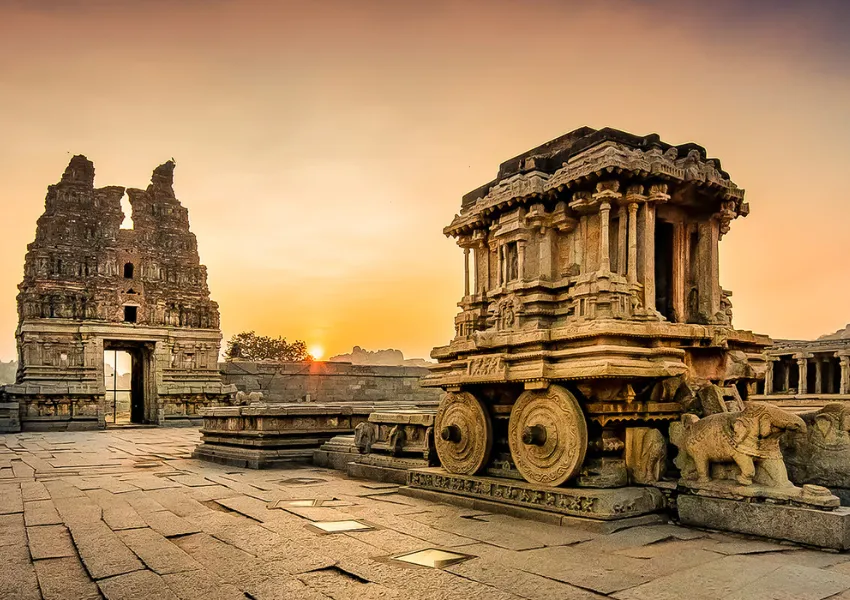
When the word ‘Heritage’ comes to mind, the images of popular forts, temples, and monuments come to mind. However, it is first important to understand the true definition of heritage. According to UNESCO, the definition states ‘Our legacy from the past, what we live with today, and what we pass on to future generations. Our cultural and natural heritage are both irreplaceable sources of life and inspiration.’ This includes the idea of both living and past heritage, so why is the concept of everyday heritage often overlooked?
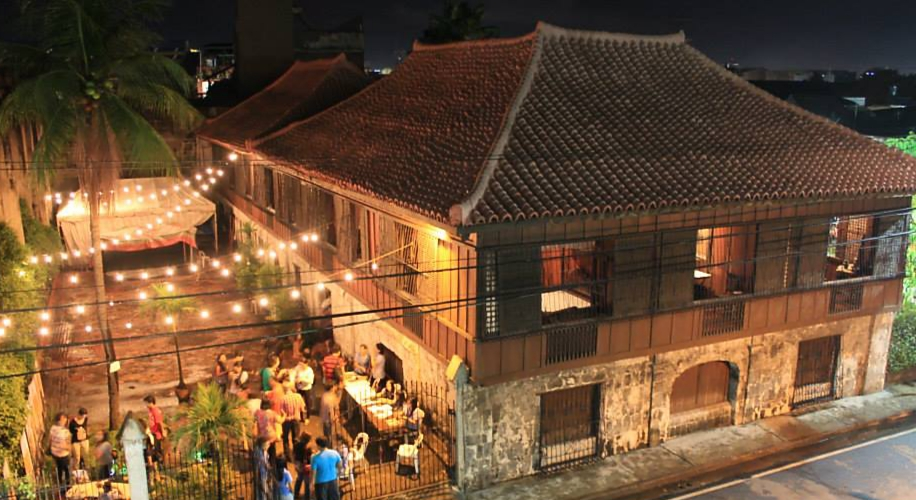
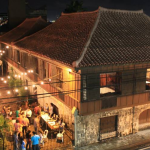
Everyday heritage is a term that means ordinary aspects of everyday life that hold a collective memory and have a personal, social, and emotional significance. It has become a heritage through repetitive patterns of the community and is now cherished as their identity. It can be anything, an ordinary building like an ancestral house, a stepwell, markets, schools, toys, which come under tangible aspects, as well as sound, smell, stories, and oral narratives, which come under intangible aspects. The purpose of this concept is to think beyond monuments and also incorporate lived heritage in conservation practices.
Theoretical Foundations of Everyday Heritage
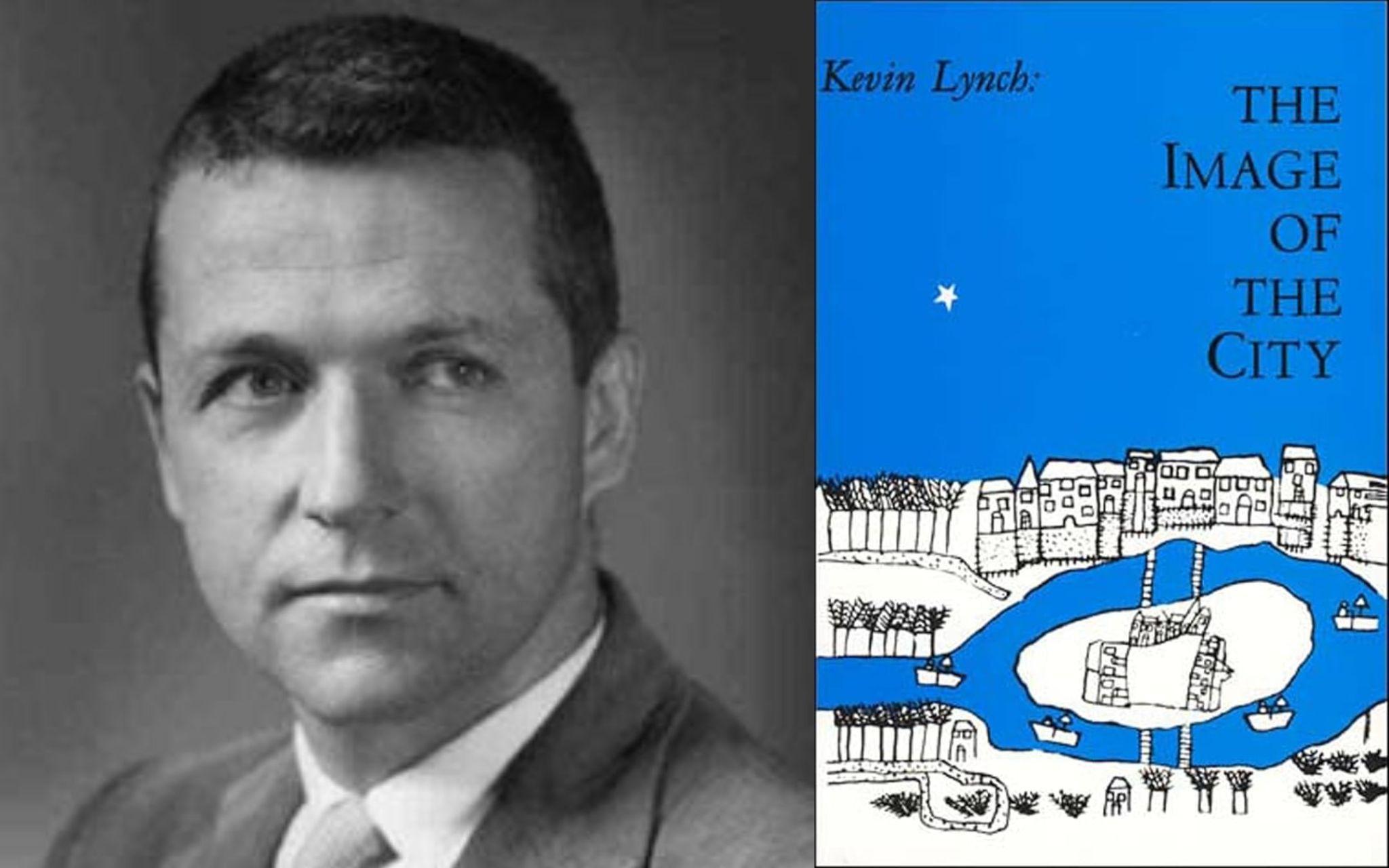
Kevin Lynch, in his book ‘The Image of the City’, identified five key elements of urban spaces: Paths, Edges, Districts, Nodes, and Landmarks. These tangible elements create the mental image of the space, which is shaped by memory and attachment to a place, formed through repetitive patterns. In terms of Heritage, it can be seen as the lived and collective memory as the place identity of a space. Take an example of a daily ritual happening at a place at a particular time of a day; this will become a landmark of that space, which creates a mental image associated with that place.
Aldo Rossai also gave the concept of the city as an artifact in his book ‘The Architecture of the City’. He introduced the idea that the city is the repository of history and culture, passed down through time. He also distinguished between the monuments and the daily-use structures and argues their importance as well in preserving the city’s identity and memory. This perspective also anchors the historical consciousness of the community.
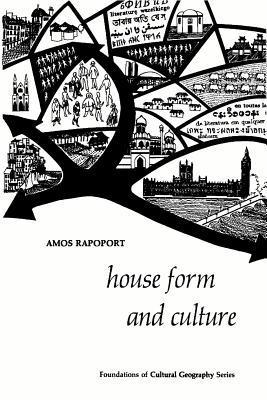
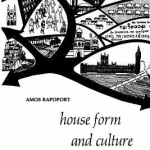
Amos Rapaport also argues this in his book ‘House, Form and Culture’, that place identity is always associated with the grand, iconic monumental architecture, but often forgets the lived vernacular essence of a place. To actually understand the culture of a space, the living everyday heritage and the smallest dwelling need to be studied rather than looking at it in the well-known structures. They are also important, but everyday heritage helps to understand the evolution of culture and its existence in present times.
Why Everyday Heritage Matters?
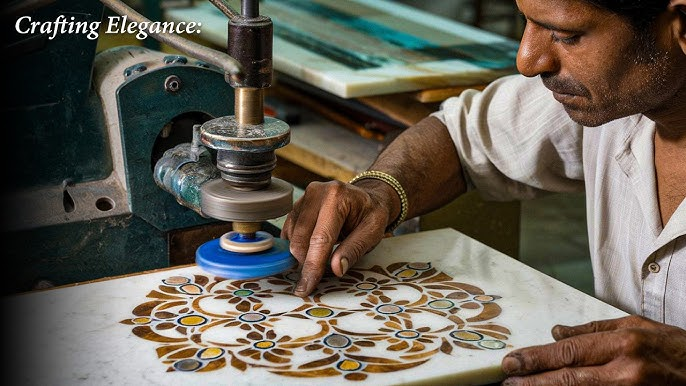
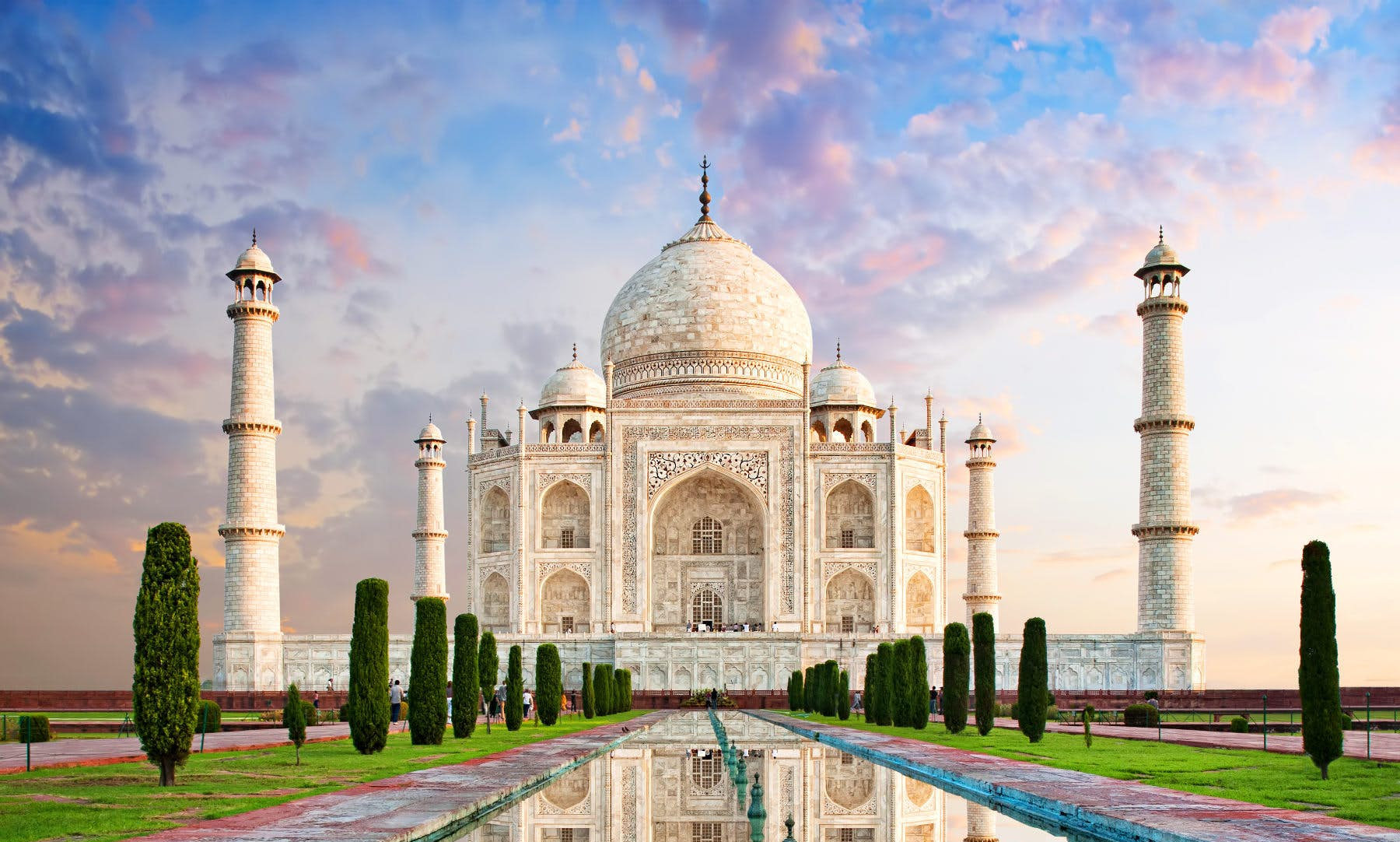
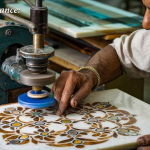
Everyday Heritage is equally important as the iconic heritage, and both should co-exist to provide a unique identity to a place. Sometimes one dominates, but both aspects still, this coexistence is important for the cultural identity of a place, which has evolved due to various factors. These factors include the geography, climate, religion, shared beliefs of tradition, and others as well. When considering the example of Agra, it is often associated with the Taj Mahal, which is the seventh wonder of the world. But the everyday heritage of that area, that is, marble inlay, which has been living and existing there for years, gives a true reflection of the local society. Everyday Heritage is also important for social continuity of place in the contemporary world. It supports the rituals and livelihood of the people, which further fosters the community bonds. This heritage is also subconsciously related to the emotions people hold toward these practices. This creates a sense of belongingness and nostalgia for them. As far as sustainability is considered, these heritage practices are the best examples of ecological intelligence in terms of climate responsiveness and resource conservation. Without the everyday patterns, a city risks losing its soul and becoming homogenous.
Tangible and Intangible Threads of Daily Life
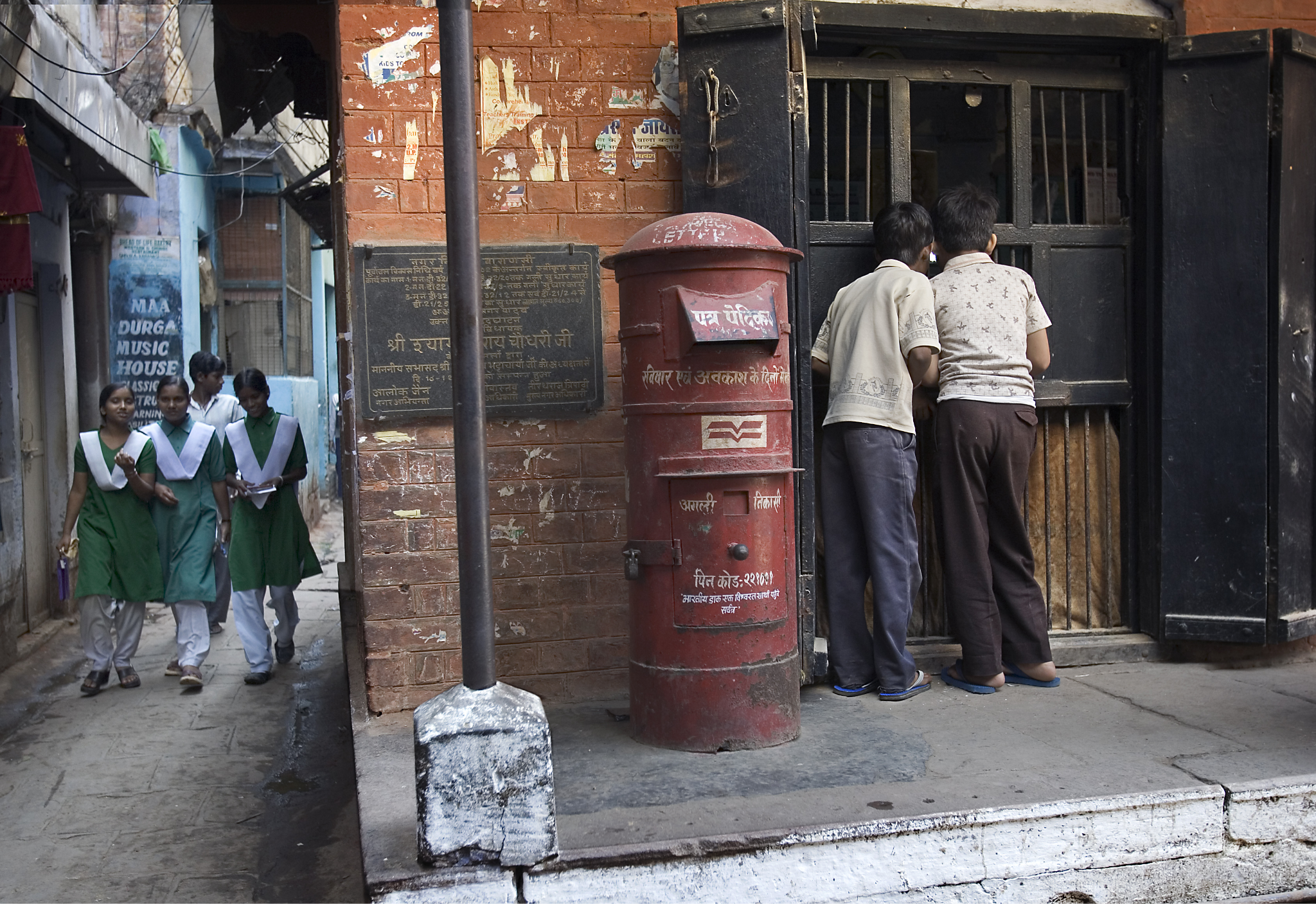
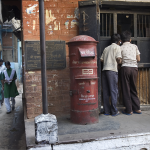
Old Post offices and telegraph offices serve as the representation of the historical development of the postal system in India, as well as the history of influences on their architectural style. Earlier, the only means of communication was through postcards, letters, and couriers, which held a special place in the hearts of people till now, as they used to wait for them. The nostalgia it holds of once being a universal communication system, and as a part of their communication ritual. Also, the Britishers built the GPOs in India, which shows their historical influence on its architecture and the societal needs over time. Even though they are not monuments, they were once central to community life and have evolved.
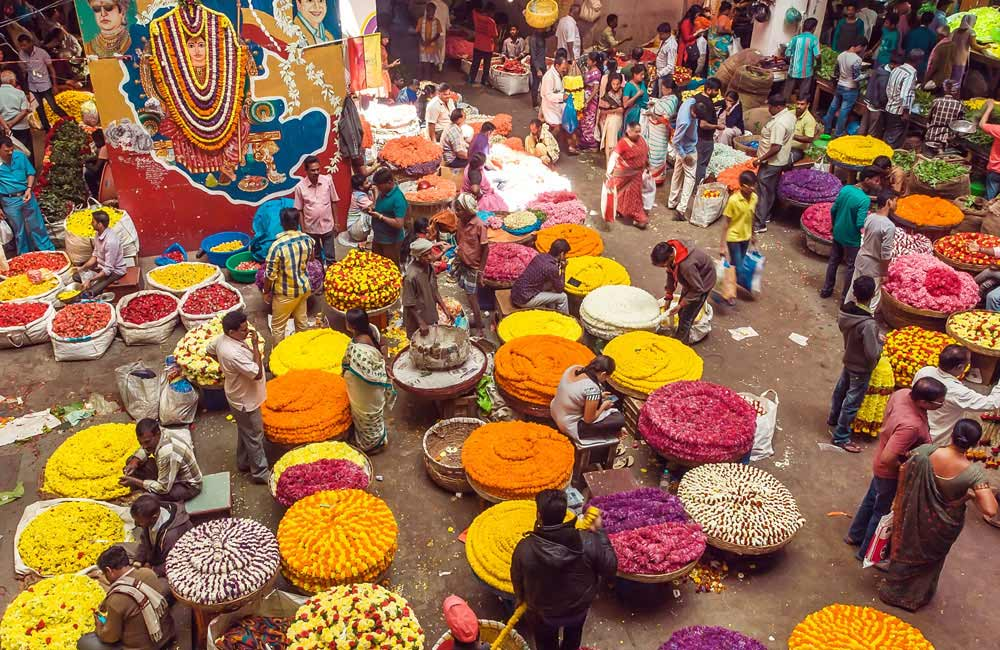
Bazaars and streets are also a part of living heritage. Markets on Chandni Chowk, Sarojini Nagar, and Lajpat Nagar in Delhi have a layered history of memory, ritual, and routine rather than merely existing. They are not just for commerce but a living heritage of people gathering, emotions they share with the vendors and surroundings. Also, the sensory experience they create during festivities by smellscapes of food, soundscape of music, and the experiences they create are truly enchanting. They are inviting all, irrespective of their social and economic status. Simply being present at these spaces, one can feel their joy, nostalgia, and automatically connect to that place. The emotion they hold for years as a socio-cultural hub cannot be replaced by the tall buildings of shopping complexes.
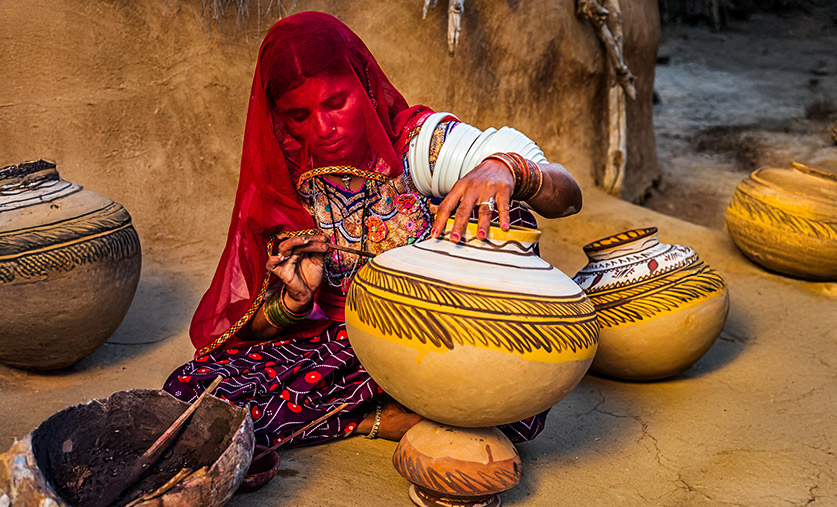
Another example is the local crafts which have existed for generations in a place. They evolved through the cultural practices, needs, and beliefs of the people. They not only carry the traditional knowledge system people possess as a society, but also the stories of the society that once existed. Doing things with the hands can never be compared to what is done by machines. That can be mass-produced, but it never holds the emotion and joy of doing things by hand. They give a full sensory experience of touch, smell, vision, and sound, which is produced by traditional machines which was once done by their ancestors. It also comes under the idea of everyday heritage, which needs to be preserved as they are living stories of the people.
Challenges and Pathways for Everyday Heritage
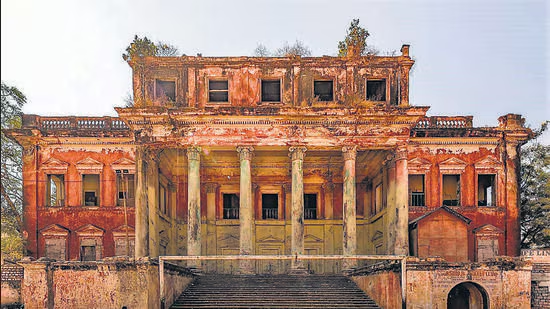
Conserving the Everyday heritage is not just as simple as it seems to be; it is far more than this. The primary problem is that people don’t recognize it as heritage, and insufficient emphasis is placed on integrating it into our urban fabric. Its importance is known by the local people rather than by the designers who are positioned to make decisions on their behalf. This highlights the necessity of awareness among the people and community-led projects that cater to the participation of people who are directly affected by the decision-making process. Also, the heritage laws are biased towards the iconic Monuments only and neglect the everyday sites, which also need to be preserved while designing. Heritage lists always mention these monuments only, but they should include these everyday spaces as well, so that policies can address them as well.
Rapid urbanization is also a major problem, which leads to the demolition of ordinary structures and favors high-rise buildings. Also, a sense of gentrification can be seen in the traditional homes or markets that are turning into Boutique hotels. So the original essence and role they have in people’s lives is turned into something elitist, which changes its meaning. The process of adaptive reuse should also cater to the original essence of that place rather than completely changing it to something that is not there, as the word adaptive implies minimal changes. This also leads to the loss of craft skills and local material, and the people have this perception that everyday Heritage can be replaceable. In these terms, education and awareness are very important and can be achieved through Heritage walks, documentation making, and making the younger generation aware of these terms, oral histories in written form, which can be preserved for generations.
Conclusion:

Let’s redefine what people think about heritage. Heritage is not always the past, but it is something that lives with us. It exists not just in palaces, Forts, or monuments, but it exists within the everyday ritual we do, every place we visit, every ancestral thing we hold. It is as significant as the iconic structures in the urban fabric, contributing to the livelihood and emotional connection of the community. Challenges do exist in preserving this Heritage as it is far more Complex than the image people have about heritage, as it consists mainly of the intangible part of Heritage rather than something physically existing. However, since it represents the living tissue of a city, it is crucial to integrate it into the designs and plans for the community. Its significance lies in the continuity of traditional knowledge and practices, as it tells the actual state of society. Conserving everyday Heritage is resilience, not nostalgia. It can even be found in small objects that are passed down from generation to generation, and then the concept of Heritage in every home emerges. Heritage is not what we visit once a year; it’s what we live with every day.
Citations:
- Lynch, K. (1960) The Image of the City. Cambridge, MA: MIT Press.
- Rapoport, A. (1969) House Form and Culture. Englewood Cliffs, NJ: Prentice-Hall.
- UNESCO (2003) Convention for the Safeguarding of the Intangible Cultural Heritage. Paris: United Nations Educational, Scientific and Cultural Organization.
- Smith, L. (2006) Uses of Heritage. London: Routledge.