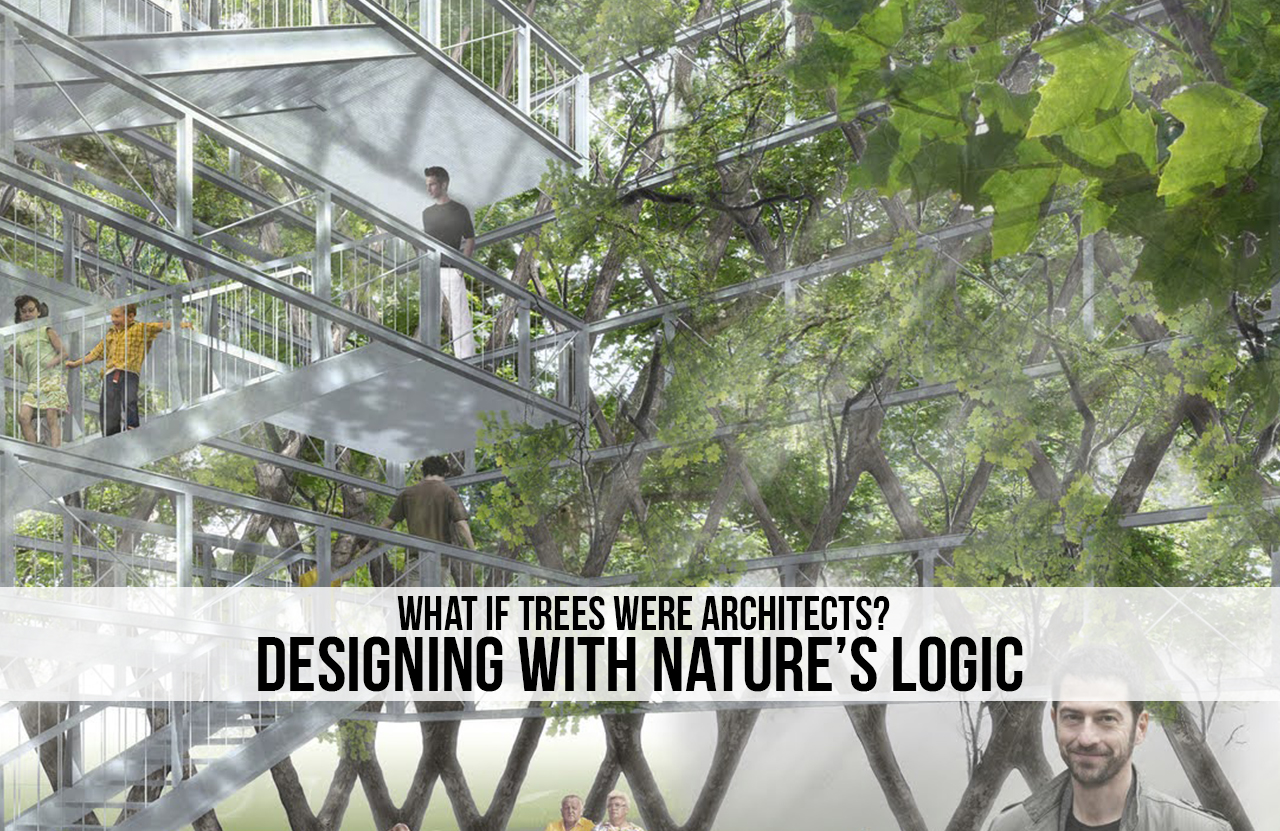
Imagine a building that grows from nature. A structure where branches draft corridors, roots knit foundations, and walls breathe through leaves. This is the idea of designing with nature’s Logic.
The next time you walk past a tree, pause. That silhouette overhead, branches weaving air, roots descending into soil, may be more than just a backdrop for architecture. It could already be the world’s most elegant designer.
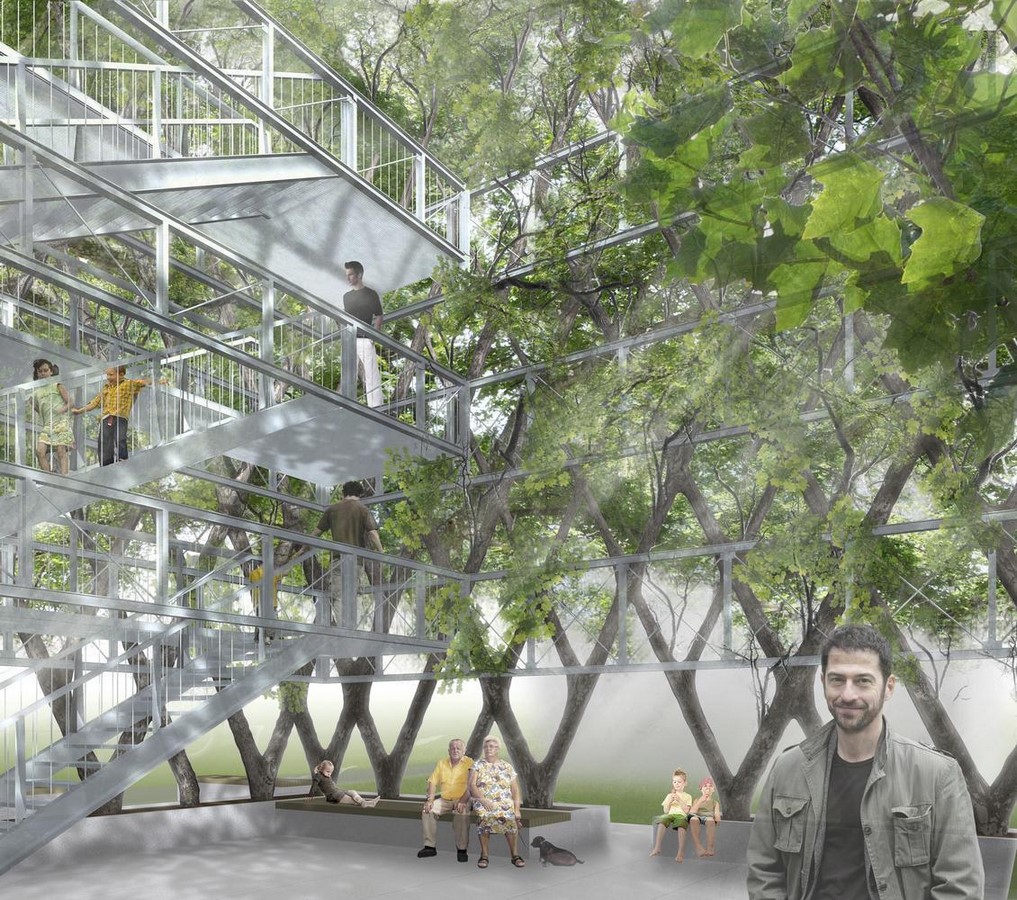
In modern cities, architecture frequently asserts itself through sharp angles, hefty materials, and tight orders. However, nature communicates in a different language. Trees do not “impose”; they negotiate. They grow according to guidelines developed over millions of years. What would architecture be like if we embraced that language and infused buildings with Nature’s Logic?
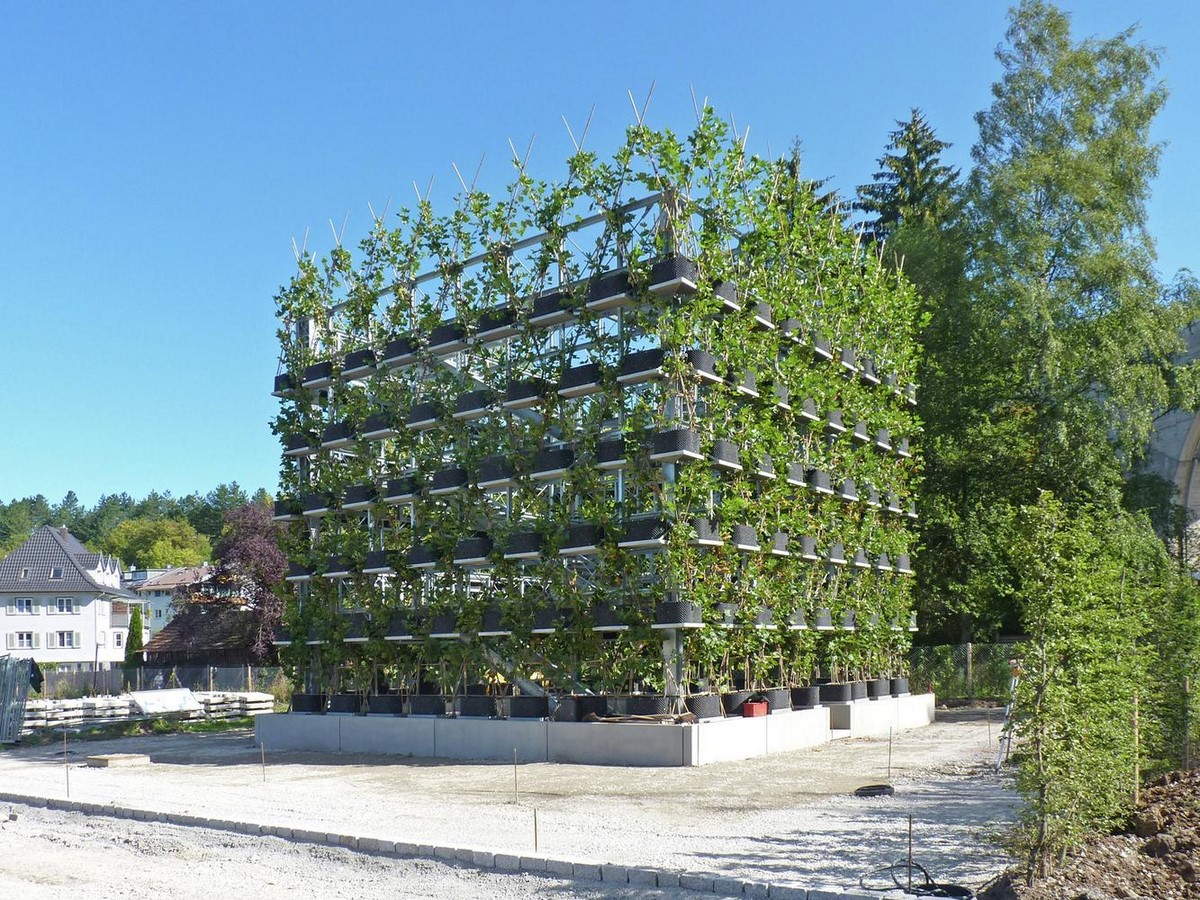
Living Structures in Practice: Baubotanik and Living Tree Hybrids
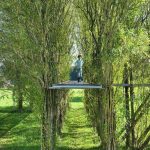
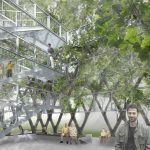
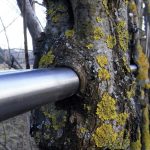
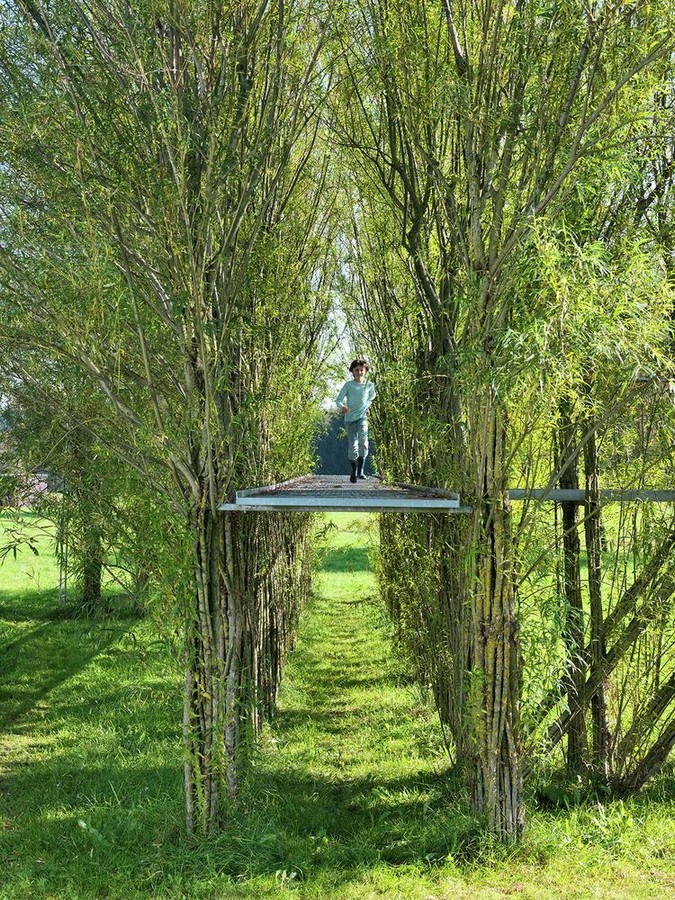
Baubotanik is a botanically inspired design system that creates living buildings. Ansel Oommen discusses Baubotanik’s approach to trees as major structural systems rather than decorative elements. The technique enables live growth to function as both a carbon sink and a structural element, combining ecology and architecture.
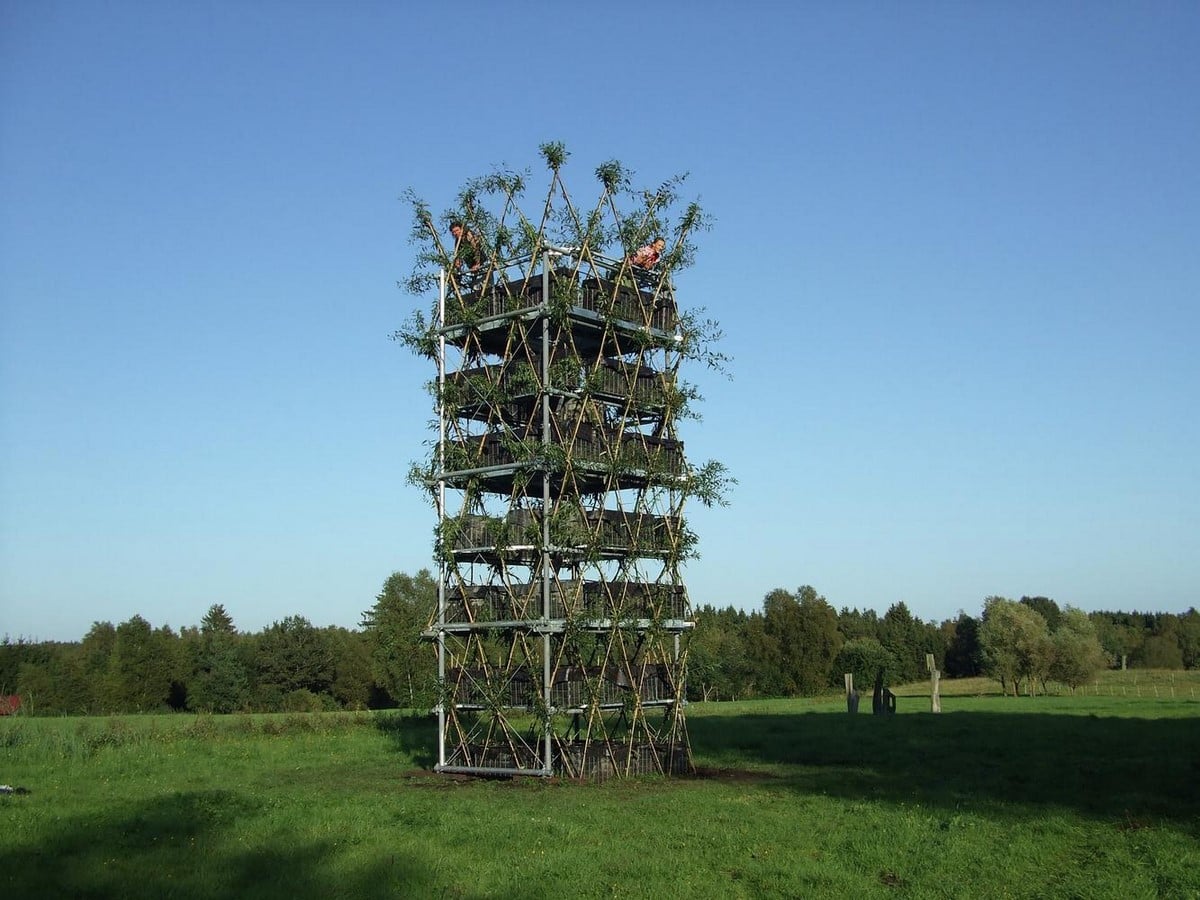
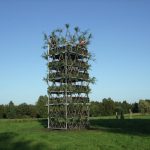
Architect Ferdinand Ludwig explains how scaffolding, steel, and trees are combined to create towers and bridges. Over time, the technical parts go away as the trees take on more structural responsibility.
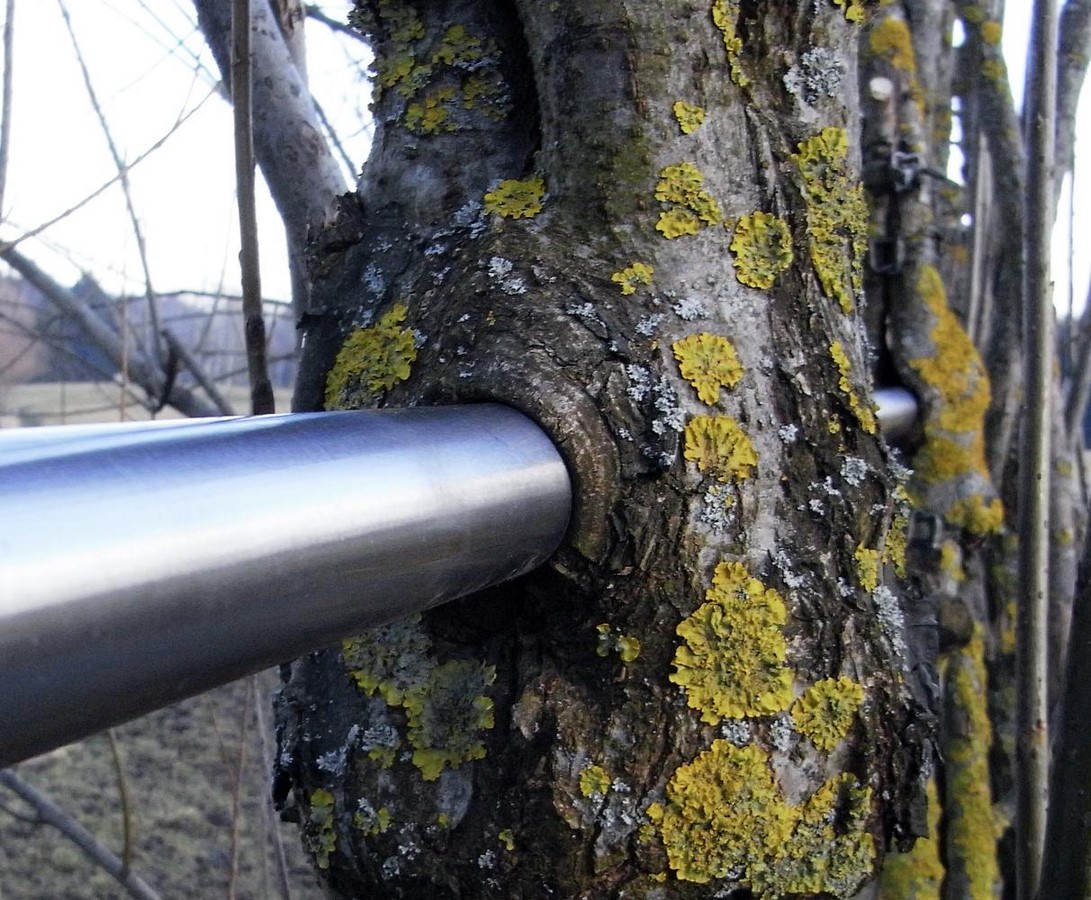
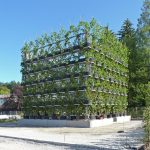
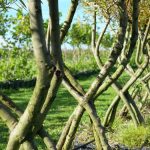
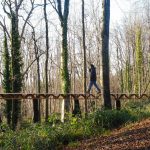
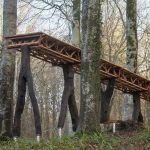
Ludwig’s work at the Platanen-Kubus near Nagold, Germany, combines over 1,000 plane trees (Platanus) to form a lattice-like living structure. Some steel supports may be eliminated away as the botanical component gains strength.
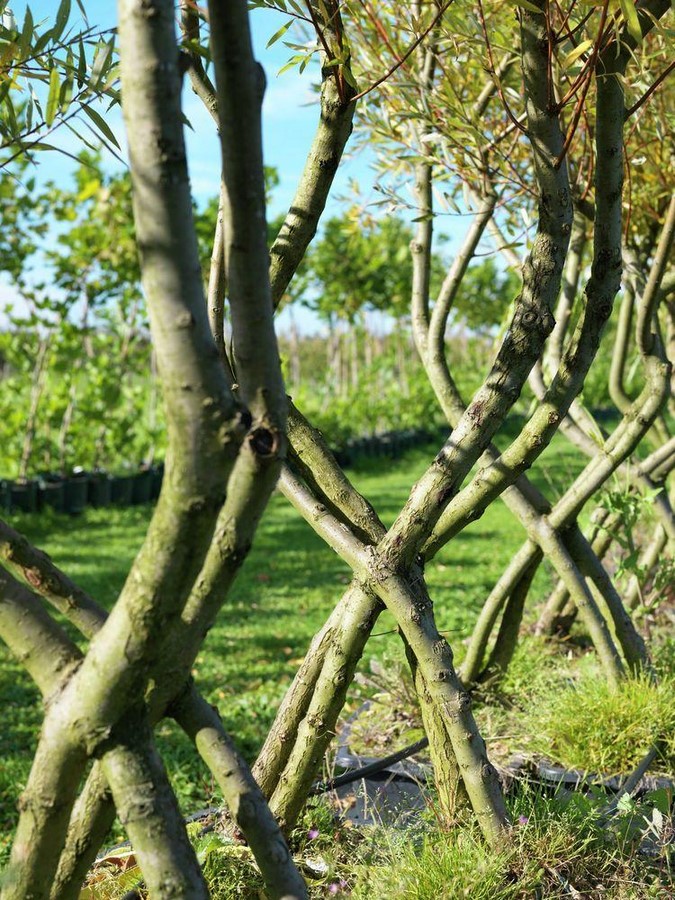
These experiments are not magic, they are slow, patient, uncertain. But they are proof that Nature’s Logic can reshape how we think about structure, program, and time.
Lessons from the Root Bridges: Ancient Design, Living Infrastructure
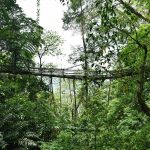
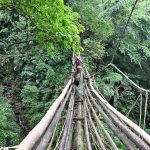
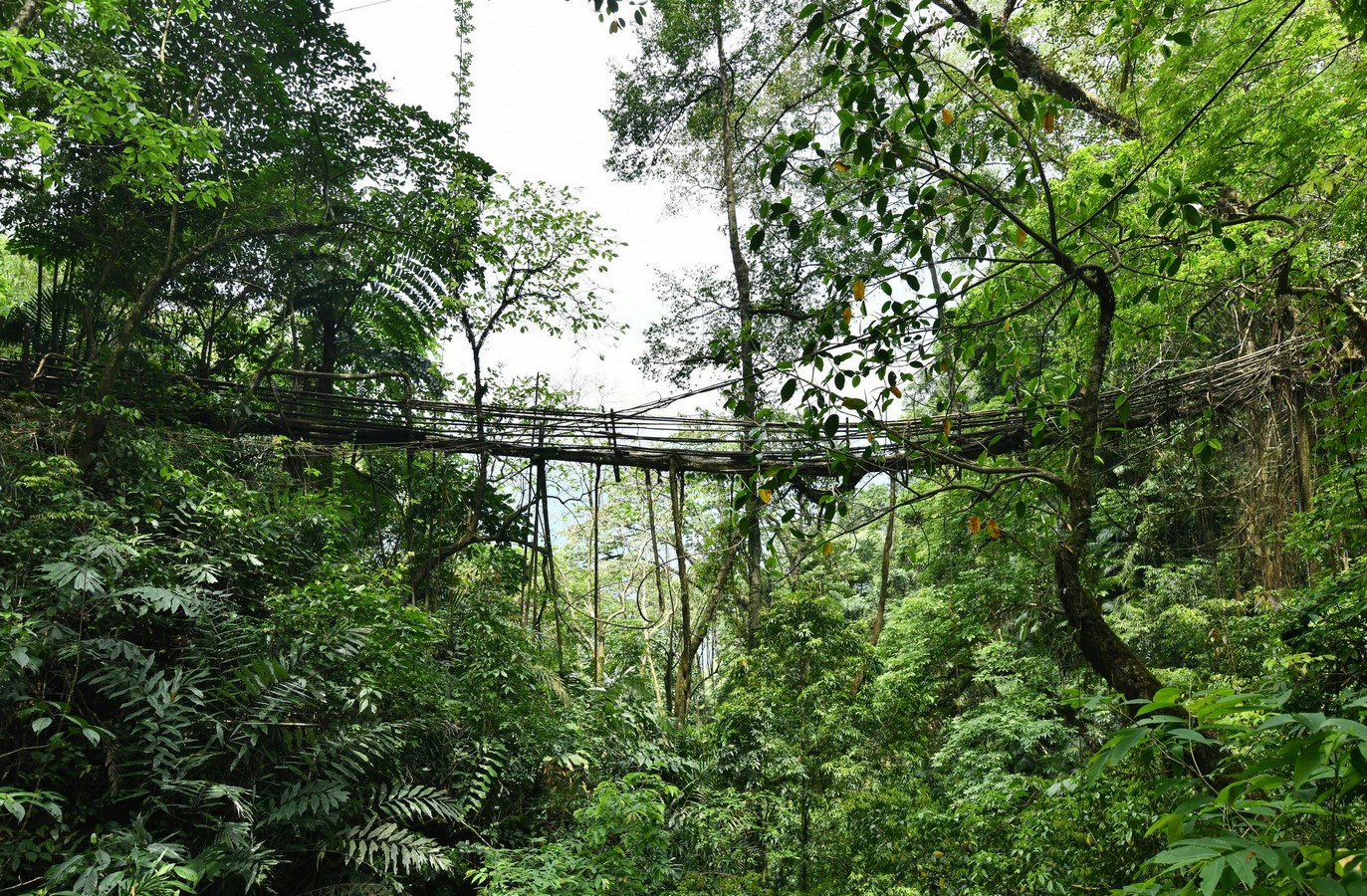
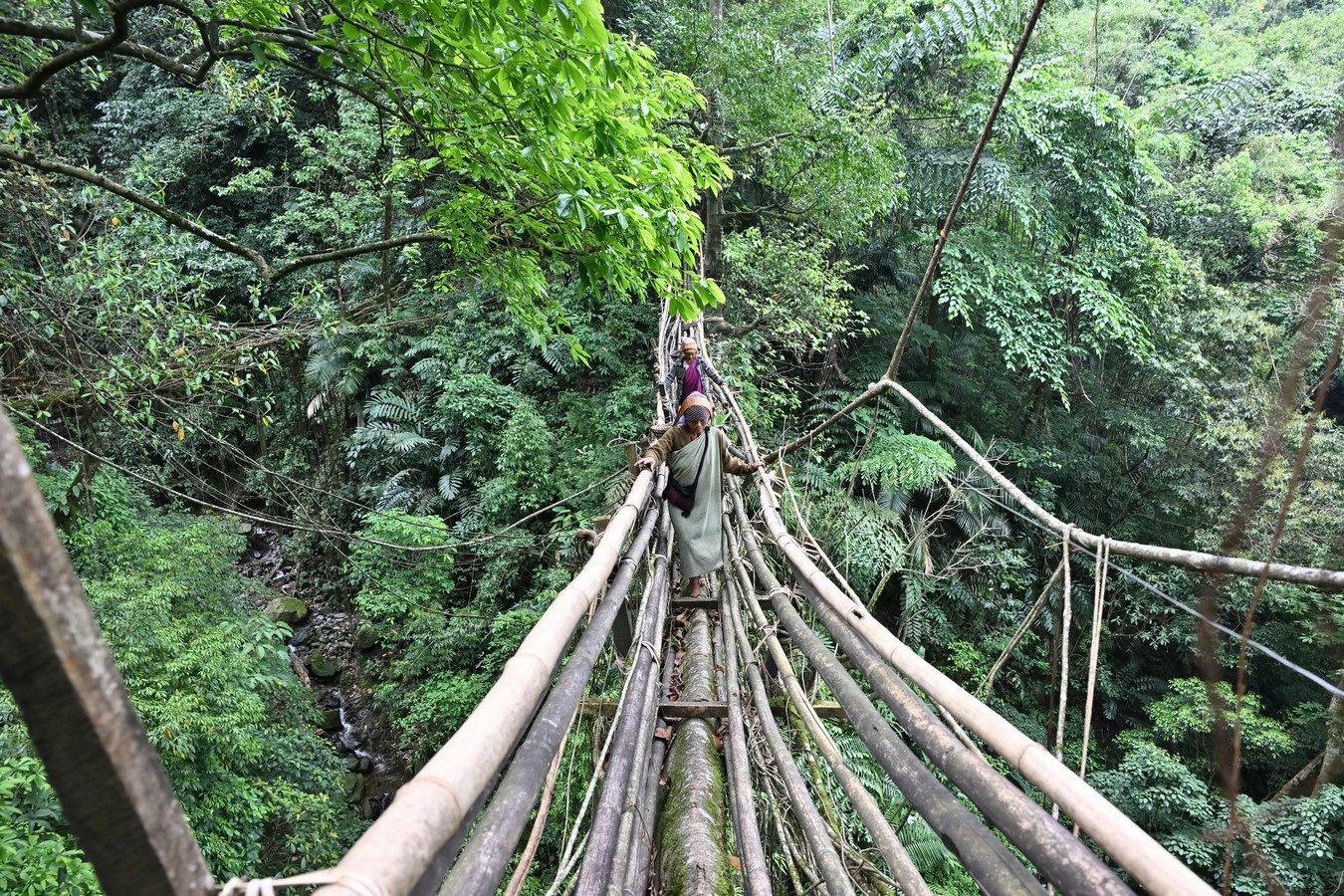
Long before Baubotanik entered academic discourse, societies had been constructing trees. The living root bridges of the Khasi and Jaintia peoples in Meghalaya (northeast India) are perhaps the most poetic example. Instead of building stone or timber bridges, locals use rubber-fig tree (Ficus elastica) roots to cross rivers. Over the years, these roots thicken, intertwine, and form effective crossing structures.
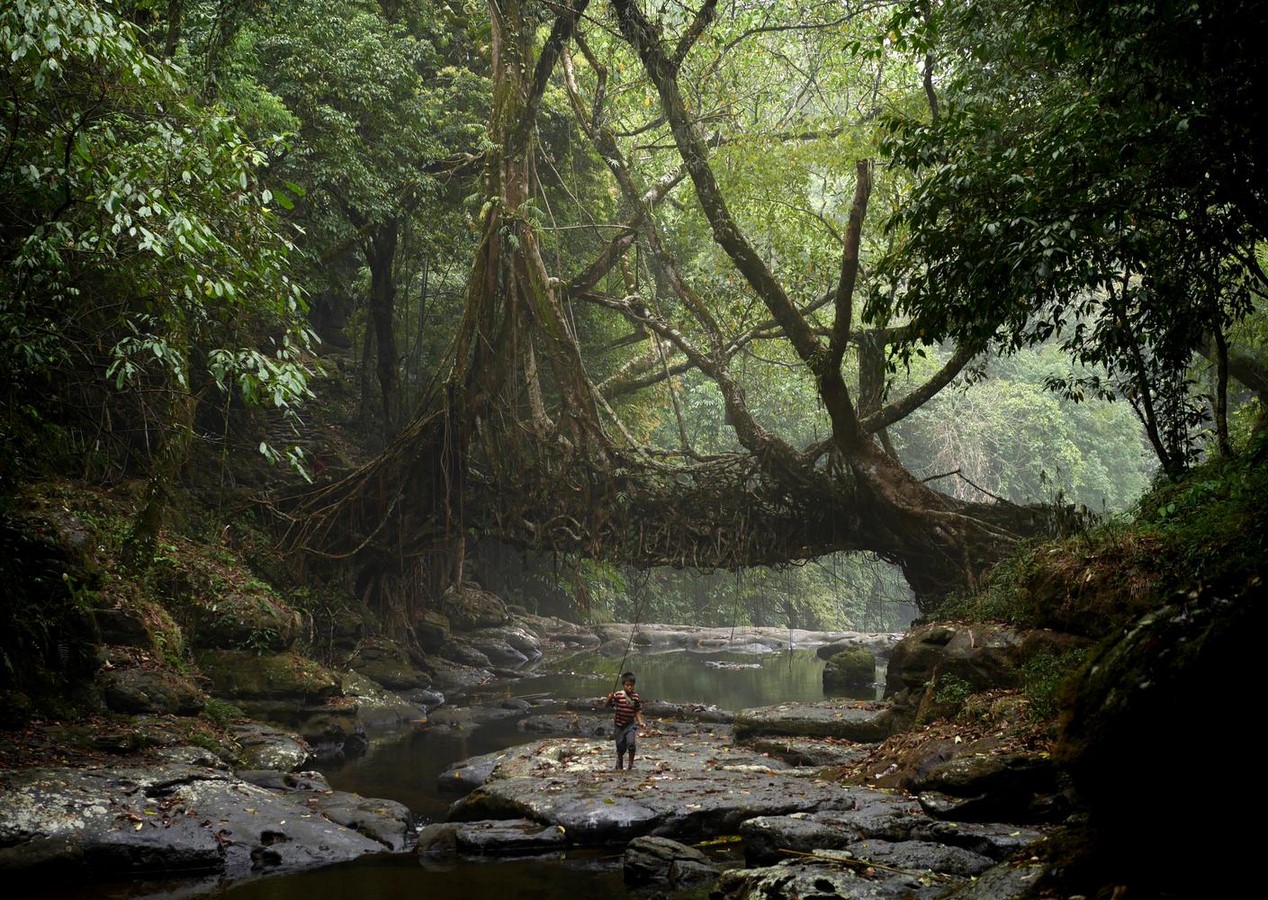
These bridges are self-renewing and can be strengthened over the course of the tree’s life. They respond to flooding, wind, and shifting soils. They represent Nature’s Logic: growth, adaptation, and symbiosis.
Toward an Architectural Imagination Grounded in Nature’s Logic
To imagine a future created by trees is not to indulge in imagination, but to confront and flip some of our most fundamental architectural assumptions. What if, instead of putting structure first, we let the botanical network guide and assist the technical elements? What if rooms, passageways, and walls could change with the seasons and decades, rejecting the idea of a set program? What if a building’s skin could breathe, change, and evolve over time?
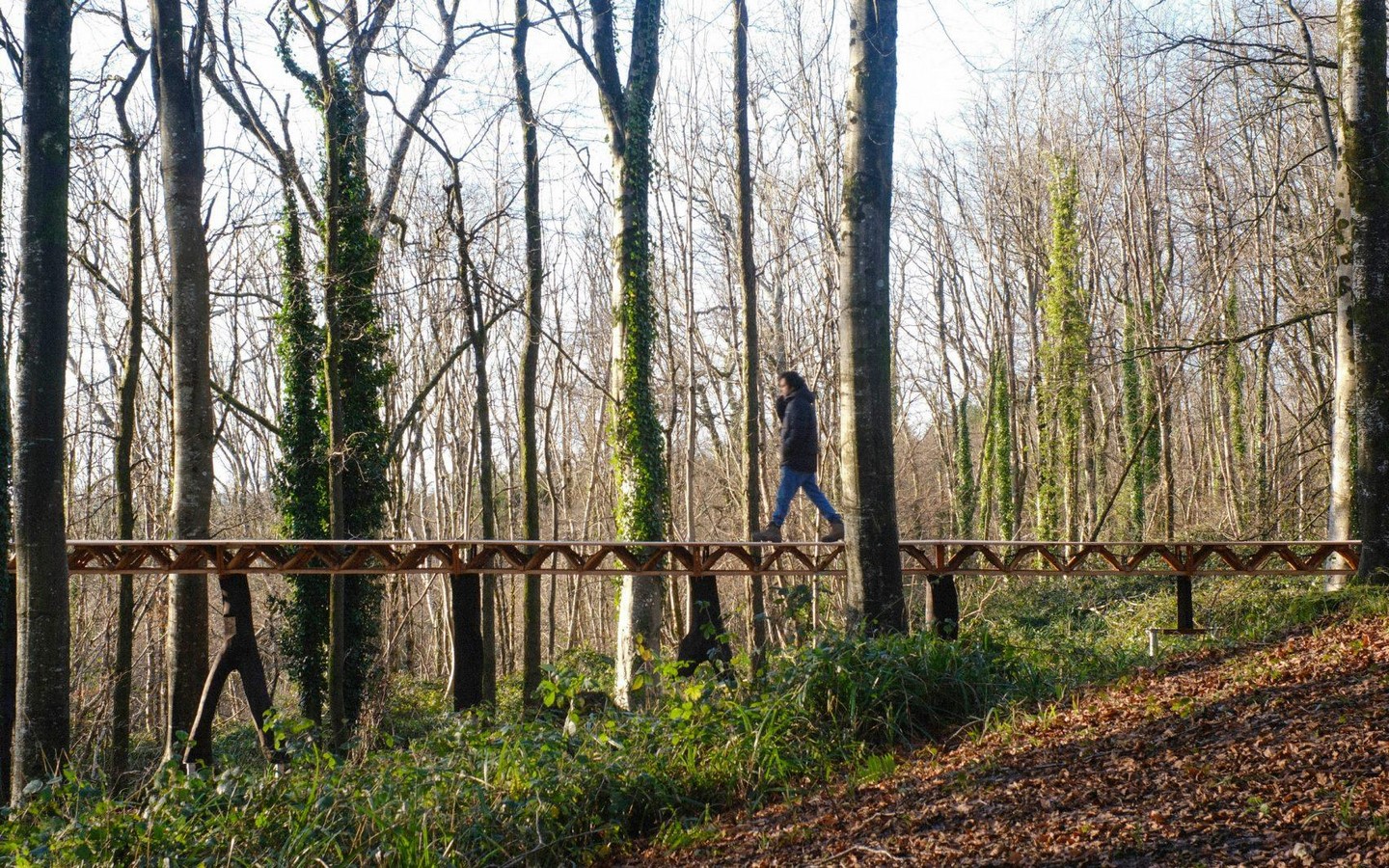
In such a vision, trees teach us about resilience and redundancy, rerouting loads when one branch breaks. Buildings, in turn, may include feedback loops in which self-monitoring and self-repair are intrinsic rather than supplementary. Time would become a friend, enabling materials to age, heal, and evolve. This shift replaces stasis’ rigidity and stagnation with an architecture based on cooperation and ongoing growth.
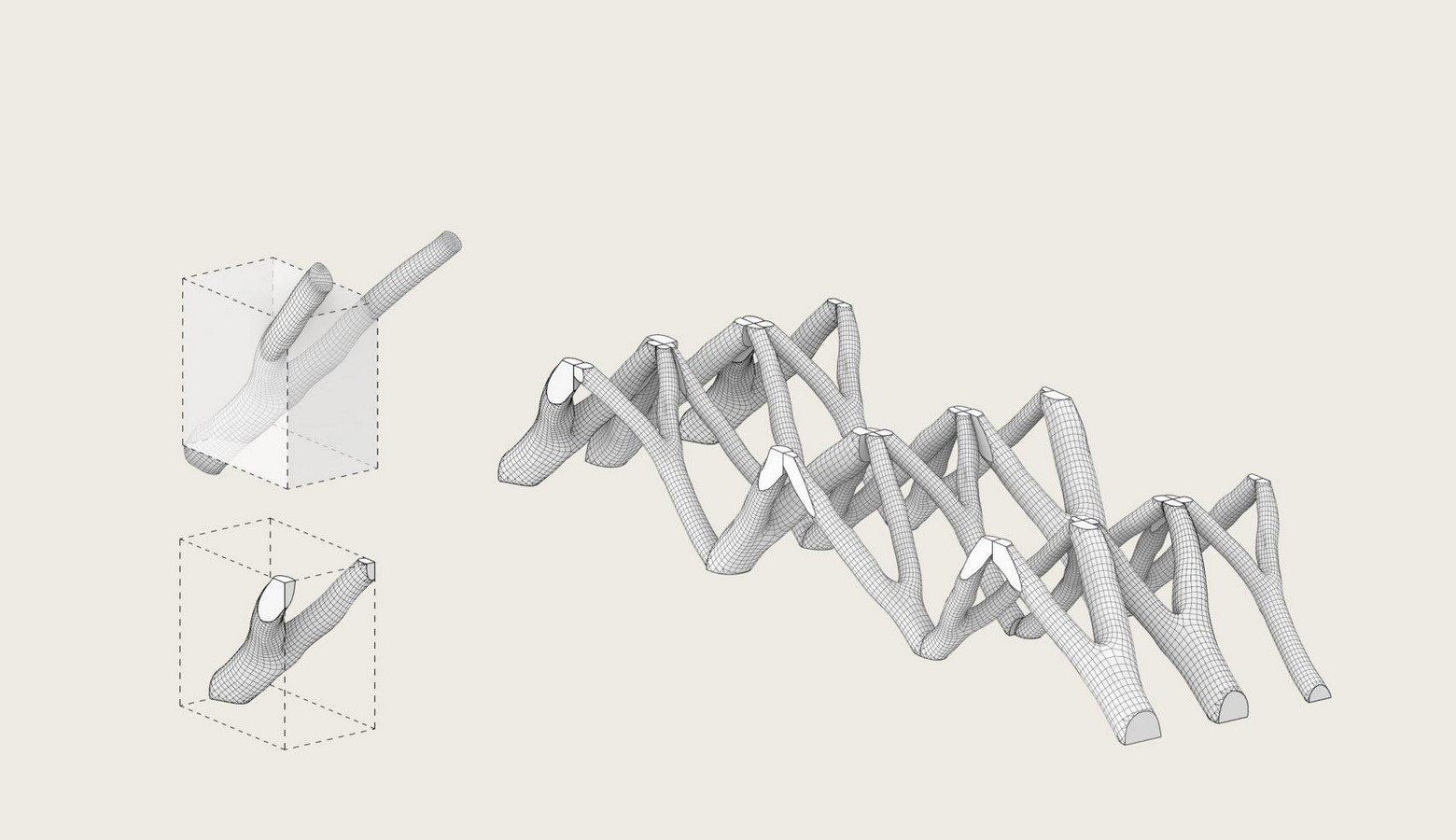
However, this is not a utopia. The challenges are considerable, including safety regulations, predictable load routes, fire protection, longevity, maintenance, disease, and climate stress. However, hybrid systems that respect Nature’s Logic are already emerging as viable experiments.
Structural Intelligence from Trees: A Glimpse at Mechanics
Some fascinating technical morsels emerge when engineering meets botany:
Damping by branching : trees dissipate wind energy via branch geometry. The branching itself acts as a built-in damper to reduce oscillations.
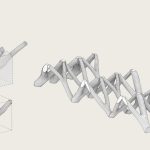
Modular growth and inosculation: plant stems can graft to each other, merging tissues and load paths, a direct analog to adaptive joints in architecture.
These phenomena suggest that if buildings could incorporate those geometric rules, they might gain resilience we now treat as exotic.
Architectural Manifesto in Nature’s Logic
Cultivate before you build; let living systems dictate structure and form. Design for iteration rather than finality; let adaptation, pruning, and evolution define the end. Fuse ecology and programming such that dirt, microorganisms, species, and light all collaborate in the creation of space.
Honor slow time, when building is no longer created in seasons but rather over years. Be a gardener, not a monarch, the architect as custodian, collaborator, and nurturer, caring for environments that live, breathe, and constantly evolve.
If we begin to think of trees as architects, architecture becomes less about forcing shape on nature and more about engaging in a centuries-long dialogue with it. We might see that Nature’s Logic, patience, redundancy, feedback, and symbiosis, is not an afterthought in sustainable design, but rather its core foundation.
References:
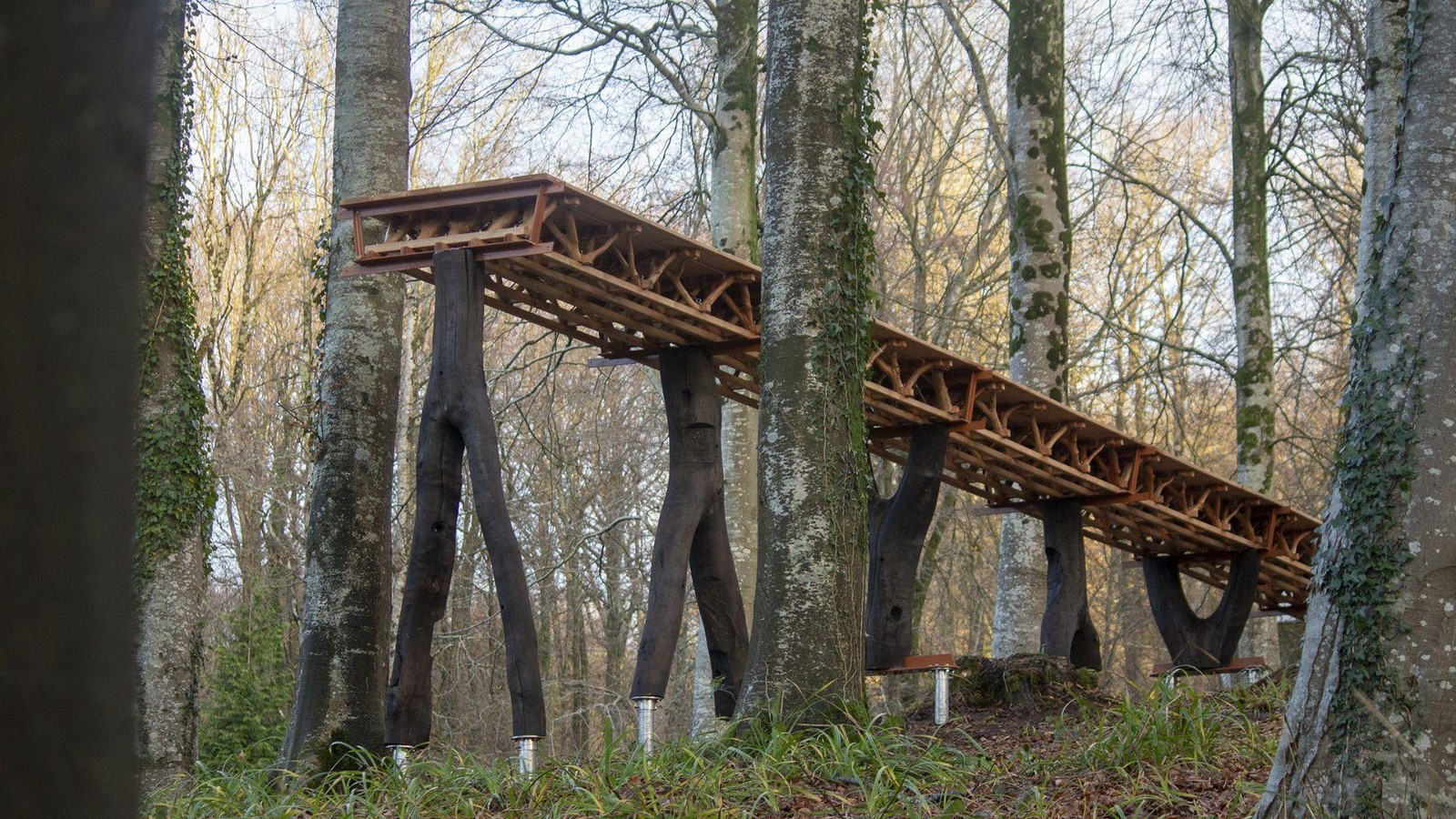
Aouf, Rima Sabina. “AA Design & Make Students Devise Simple Way to Build with Tree Forks.” Dezeen, 29 Sept. 2025, www.dezeen.com/2025/09/29/aa-design-make-tree-forks-architecture/. Accessed 6 Oct. 2025.
“Baubotanik: The Botanically Inspired Design System That Creates Living Buildings.” ArchDaily, 23 Oct. 2015, www.archdaily.com/775884/baubotanik-the-botanically-inspired-design-system-that-creates-living-buildings?utm_source=chatgpt.com. Accessed 6 Oct. 2025.
“Conserving the Living Root Bridges of Meghalaya.” UNDP, 2024, www.undp.org/stories/conserving-living-root-bridges-meghalaya.
“Gallery of Baubotanik: The Botanically Inspired Design System That Creates Living Buildings – 5.” ArchDaily, 2015, www.archdaily.com/775884/baubotanik-the-botanically-inspired-design-system-that-creates-living-buildings/56295b72e58eceb4c400001c-baubotanik-the-botanically-inspired-design-system-that-creates-living-buildings-photo?next_project=no. Accessed 6 Oct. 2025.
“Gallery of Cities of the Future: Julia Watson on Nature-Based Technologies and Radical Materials – 2.” ArchDaily, 2022, www.archdaily.com/982141/cities-of-the-future-julia-watson-on-nature-based-technologies-and-radical-materials/6287cfd23e4b31a67f000002-cities-of-the-future-julia-watson-on-nature-based-technologies-and-radical-materials-photo. Accessed 6 Oct. 2025.
Post, Sponsored. “A Hybrid of Living Nature and Technology.” ArchDaily, 9 Nov. 2016, www.archdaily.com/798292/a-hybrid-of-living-nature-and-technology?utm_source=chatgpt.com. Accessed 6 Oct. 2025.