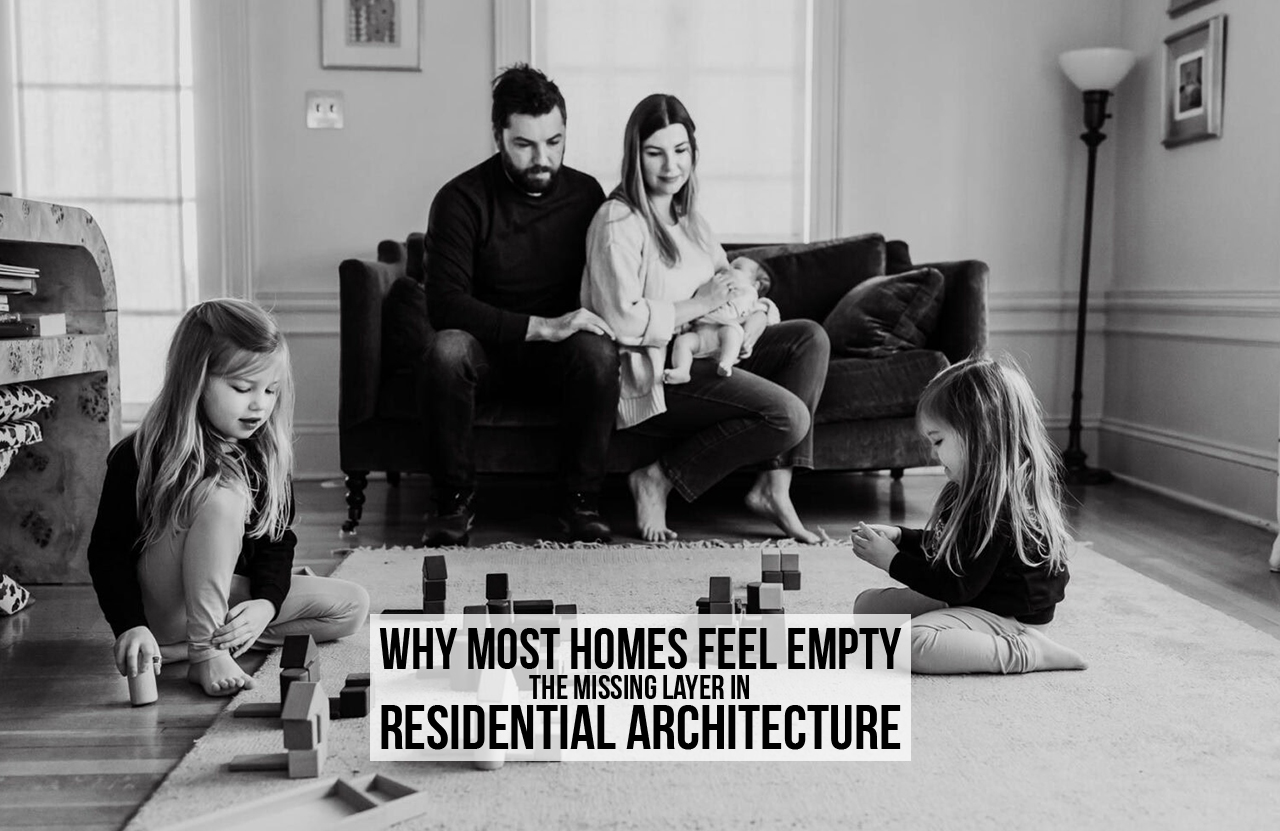
The Hollow Beauty of Modern Homes
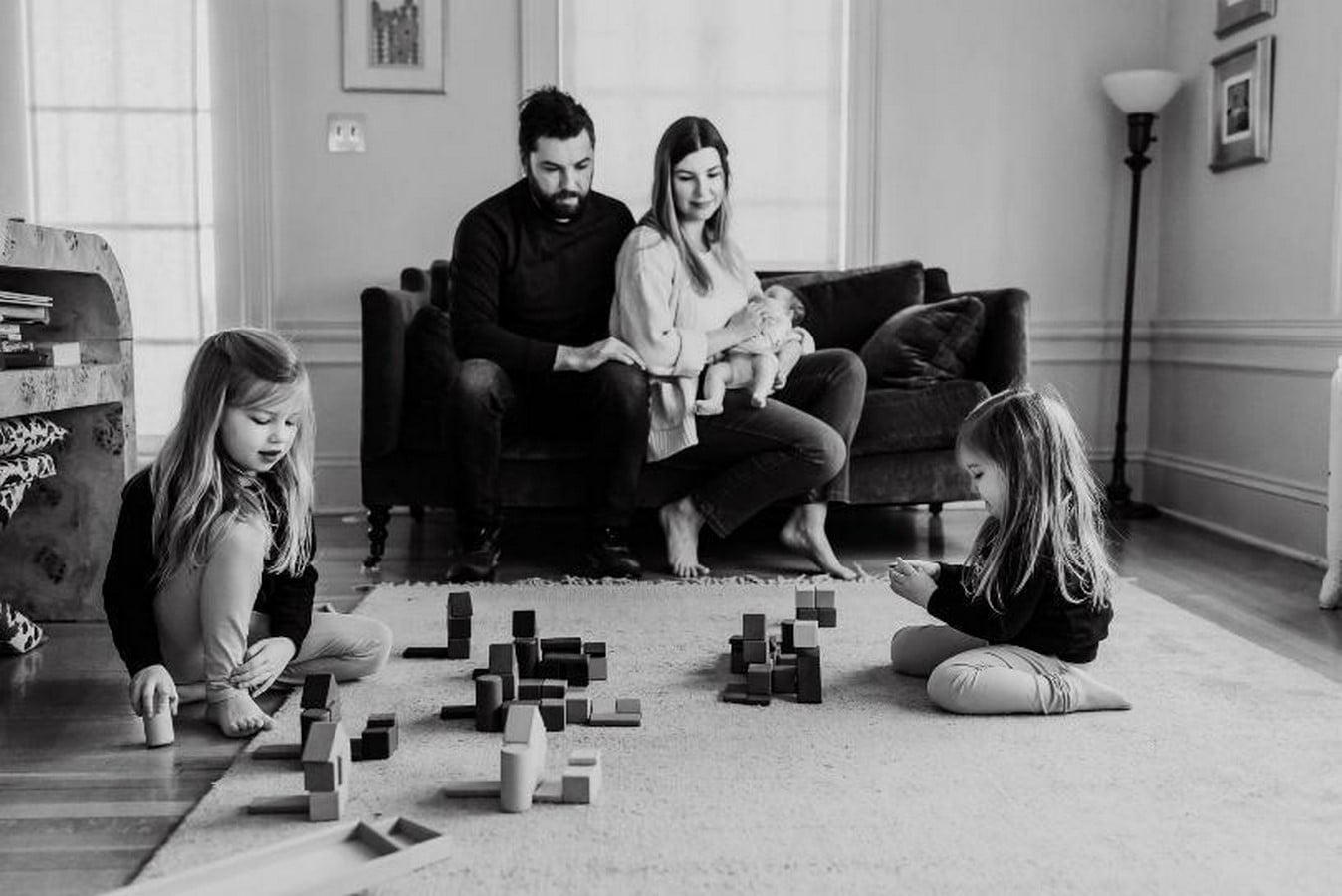
In today’s times, how often is a home reduced to Pinterest boards, catalogues, and perfectly rendered angles? How frequently are homes designed with visual appeal in mind, for people to see the design but not necessarily feel it?
The answer would be a solid chunk of times. The culture of design today often chases imagery rather than intimacy. We design for a photograph, a post, a page in a magazine, forgetting that a home isn’t meant to perform; it’s meant to hold lives. When the dust settles, designs can either cater to ego or be empathetic.
Homes are not meant to perform; they are meant to hold lives.
Designing for Empathy, Not Ego
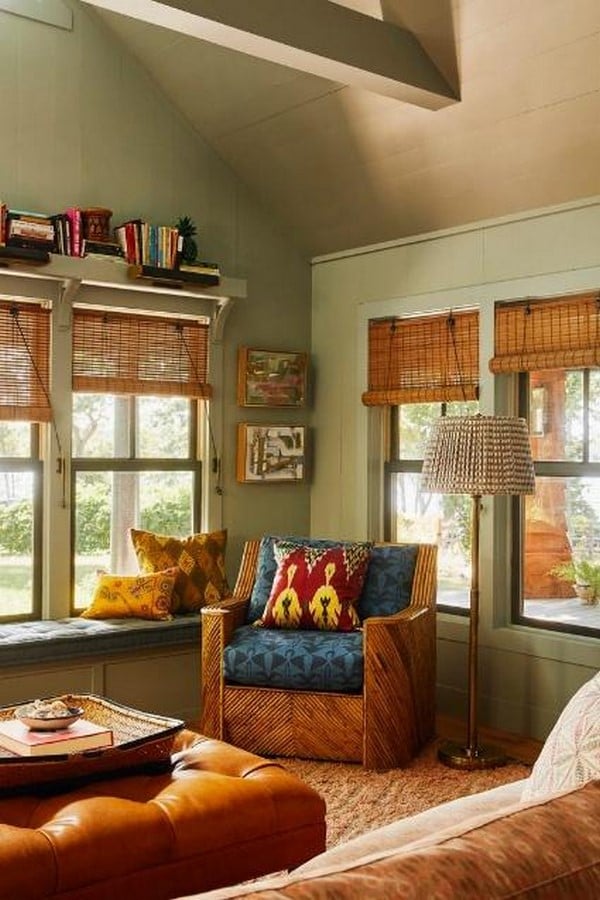
Designing a home is about empathy; it’s about stepping into the client’s shoes and retracing the steps of their life, making sure that each step they take is perfectly rounded up by the design of their home. It’s about what makes them feel inspired, safe, and alive.
When listened to, not just what they want but how they want it, why they want it, the essence of what they’re longing for can be pieced together. Everyone’s version of comfort is different, and an architect’s job is to figure out what their definition of comfort is.
Empathy, in that sense, is not a stylistic choice but an approach. It is what separates a home that only looks good from one that feels right. The design that listens will always outlast the design that only shows.
The Connection Between Stories and Spaces
The key is to pay attention to their stories and aspirations and try connecting their past to their present, giving them what they’ve always had and what they’ve always wanted. Deciding what home suits people the best is not a formula; it’s a blend of empathy and intuition that comes from interactions and experiences, to give them a sense of belonging and truly make their house a home.
Belonging is the word that often goes missing in the discourse of modern architecture. Spaces can be exquisite and still feel alien. The smallest gestures, a familiar texture, the way light enters a room, the smell of an old material, can connect people back to themselves. Architecture, at its best, is memory built in form.
Architecture, at its best, is memory built in form.
Listening Beyond the Brief

Personalization depends on listening beyond the brief. People, more often than not, get ideas by bouncing them off others. It’s a sudden realization, something clicks during a conversation, making them realize what they’ve longed for all along.
People find out more about what they want by re-jogging their memories, so the utmost essential piece of designing a house is a heart-to-heart. It can be as subtle as the side table placed on the right side of the bed or as substantial as the living room placed on the second floor; every design decision speaks to the comfort of the resident.
These details are not trivial; they are the points where design meets life. The smallest detail that makes someone’s morning smoother or their evenings calmer is what transforms a structure into a sanctuary.
The Invisible Perfection
Everyone may admire a design that is aesthetically pleasing and easy on the eyes, but over time, subtle flaws begin to surface. The moment someone thinks, “It might have been better if this weren’t quite like this,” the design has already failed to serve its purpose.. If an element of residential design goes unnoticed, the design fails, as going unnoticed is the sign of blending in with one’s lifestyle seamlessly.
True design is invisible. It should never call for attention but allow life to unfold within it effortlessly. The moment a design element draws attention to itself unnecessarily, it breaks the rhythm of living. Architecture succeeds when the person no longer notices the perfection surrounding them; it simply feels right.
The most beautiful homes are the ones that disappear into daily life.
Between Reference and Reflection
It’s not right to say that inspiration and assistance cannot be sought from catalogues and Pinterest boards; designing is like an open-book test. All the answers exist, but it’s the architect’s job to find the one that is best suited and tailor it to the requirements of the question.
Copying and pasting is not what gets full marks; it’s a perfectly tailored answer suited to pacify the question in the best manner.
Inspiration is valuable, but imitation is shallow. The architect’s role is to interpret, to blend references with the essence of the person for whom they are designing. Every client brings their own puzzle, a mix of habits, emotions, and aspirations, and every home must be an answer uniquely crafted for that puzzle.
The Missing Layer

The missing layer in today’s residential architecture is this layer of tailored design, the depth of knowing the client, knowing their lifestyle, and merging design with their lifestyle in a way that goes much beyond the brief.
A home should not be a finished product, but a growing reflection of its people. When design listens deeply, it learns to speak softly, through materials that age gracefully, spaces that adapt, and corners that cradle human emotion.
Architecture finds its meaning when it stops being about the architect and starts being about the person who lives within it. And maybe that’s the real measure of success, when a client walks into their house and says, This feels like me.
The truest compliment to a home is not that it looks beautiful, but that it feels inevitable.