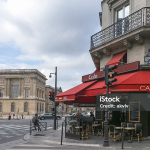
I take a stroll. I linger. I see. I read. I glance at the display. I enter. I buy. I sit and have coffee. I exit. I walk. Again. And again.
I walk. I cannot linger. Neither can I see nor can I enter. I leave. I zoom past.
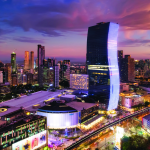
I drive. I navigate the traffic. I see, but do not enter. I zoom past. Everything is a blur.
Well, these aren’t just fragments of words written down as a first-person narrative, but are three different types of experiences (walking, walking along a hard edge, driving) from a million types that one can have in a city. These are not only based on the modes of transport but also on the physical form of the ground floor of the urban scape and the associated urban life. Walking has proven to be the best mode of mobility to experience a city; its physical form and urban life can create a slow-paced, lingering alternative to the fast-paced automobile-based experience of the city. And therefore, it matters what one sees and how much of the town is accessible as a public space and arena for the residents.
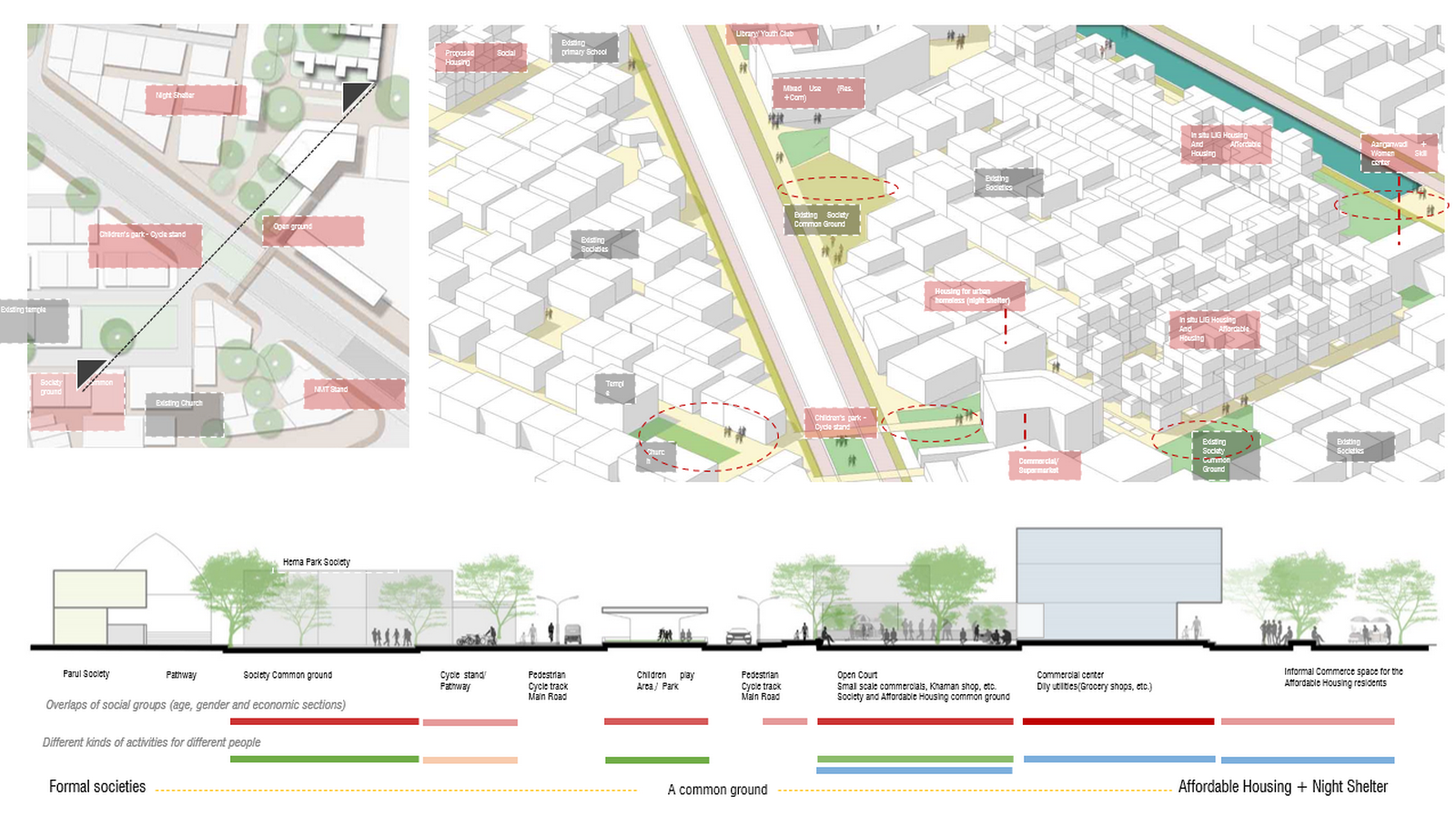
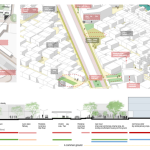
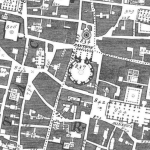
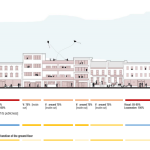
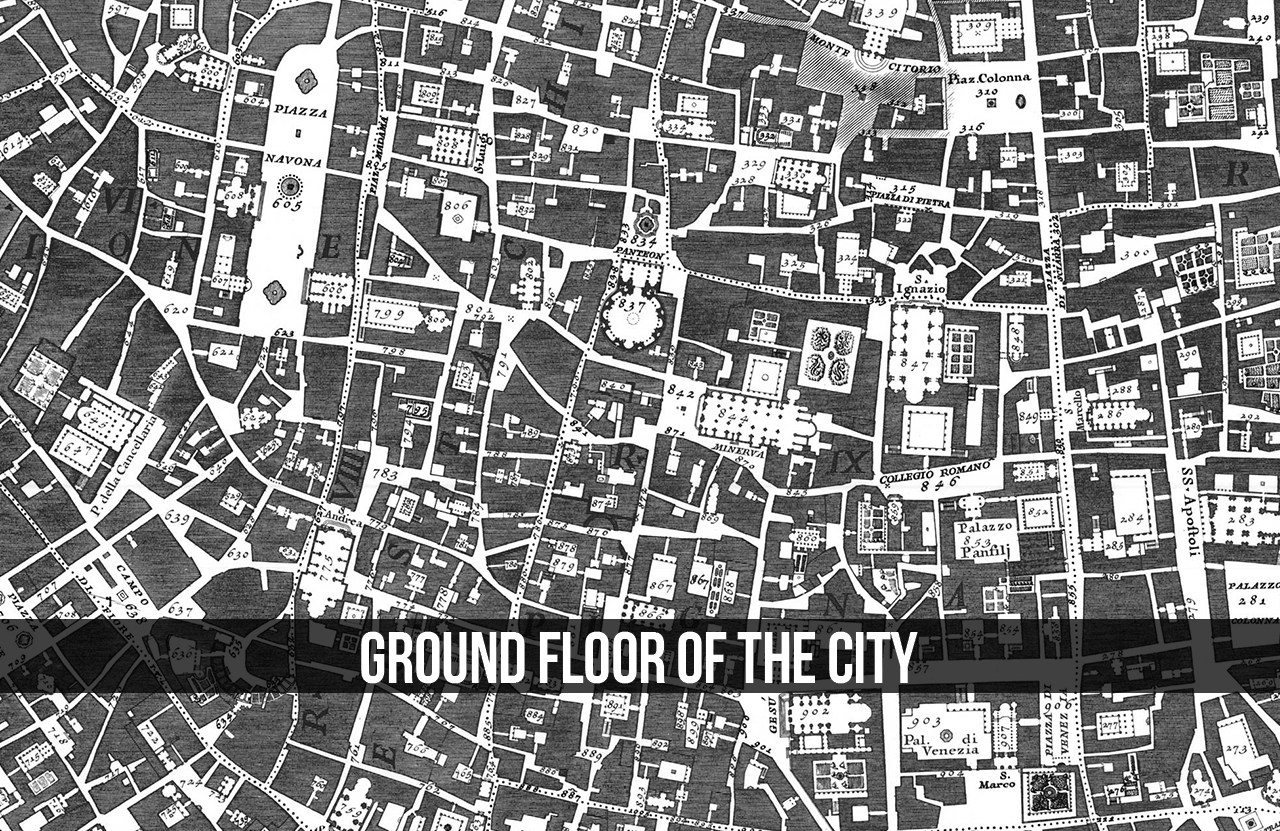
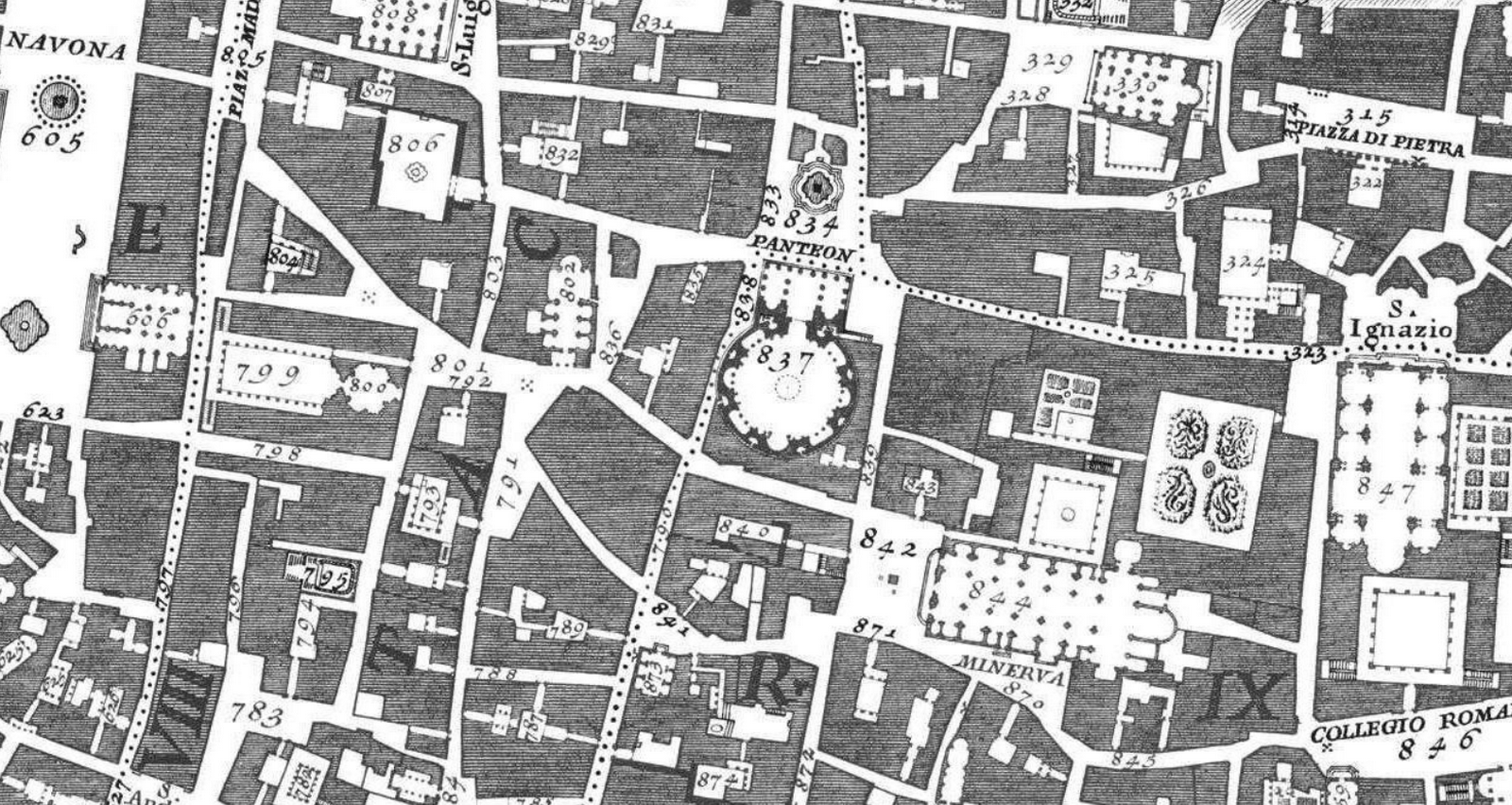
The ground floor of the city refers to the street-level condition of the buildings and the urban life they foster. As users move through the city, this condition plays a vital role in fostering positive sociability and harmonious public life. Buildings that are porous and interpenetrable offer a diversity of edge conditions that are vital for street life. A combination of open space typologies, and focus on the white areas (open spaces) in a Nolli’s map (a black and white map of the ground floor of the city as prepared by Nolli) as much as on the black areas (built spaces), ensures this diversity. The theatrics of street life and street ballet that occur when the streets merge beautifully with the arcades leading to inner courtyards and mixed-use typologies with ground-floor commercials are astounding. Buildings set up the popular stage for such theatrics to take place. The hard edge consists of a boundary wall, or any such barrier that prevents users from seeing or entering the buildings. While hard edges of some nature are required for private dwellings, they can be rethought to create a more pleasing street experience. Soft edges provide the users with diverse experiences and street-level theatrics.
Imagine walking on a street or an arcade flanked with commercial edges on both sides, permeable, both visually and locomotively (movement-wise), granting access and providing movement to public plazas and courtyards. Beautiful, isn’t it?
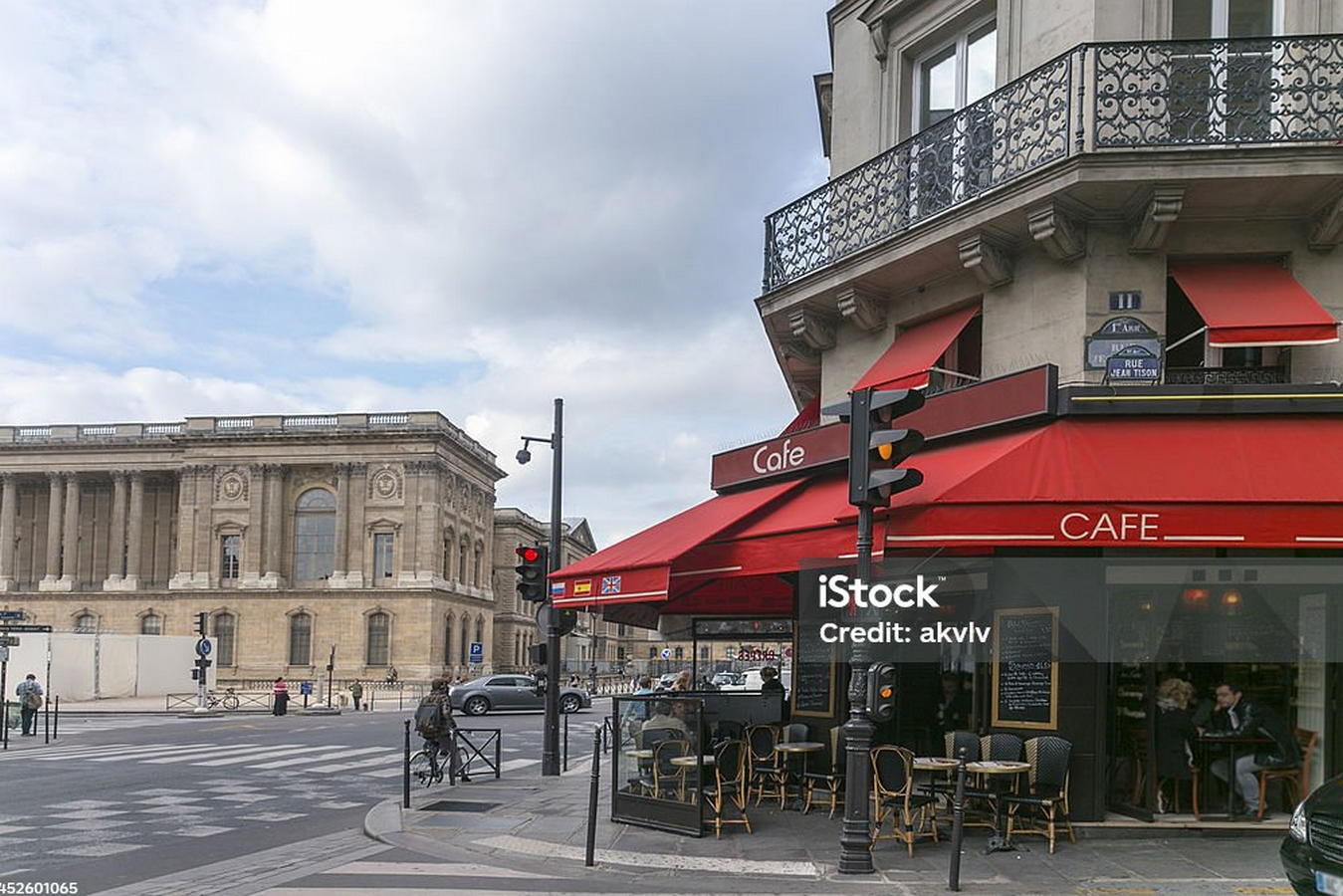
The kind of experience the above-mentioned configurations provide is truly enriching. This layering and amalgamation of different types of spaces describes an architecture of permeable or perforated borders at the street level and ambiguous thresholds that animate the streets.
Is it architecture? Is it urban design? These questions plague one when speaking of the ground floor of the city. Where does architecture end, and urban design begin? Since time immemorial, the design field has been dominated by the understanding that the plot is a boundary for architecture, and beyond it, the in-between public areas are urban design. I say yes, but urban design starts at the level of architecture. It is the plot that multiplies and creates an urban fabric; thus, the plot is the zeroth unit of urban design and architecture. Thus, the architecture of the city is also the public component of the plot-level design. The windows, the veranda, the arcade, the thresholds, the balconies, all form the skin of the plot-level-built unit that contributes to a truly enriching urban life. Thus, architecture and urban design are indispensable because both inform each other and are interdependent. Conversations and social interactions flow from the veranda and balcony to the streets, window shopping happens from the arcade to the shop, and thus, many such experiences are generated by careful design of the ground floor of the city.
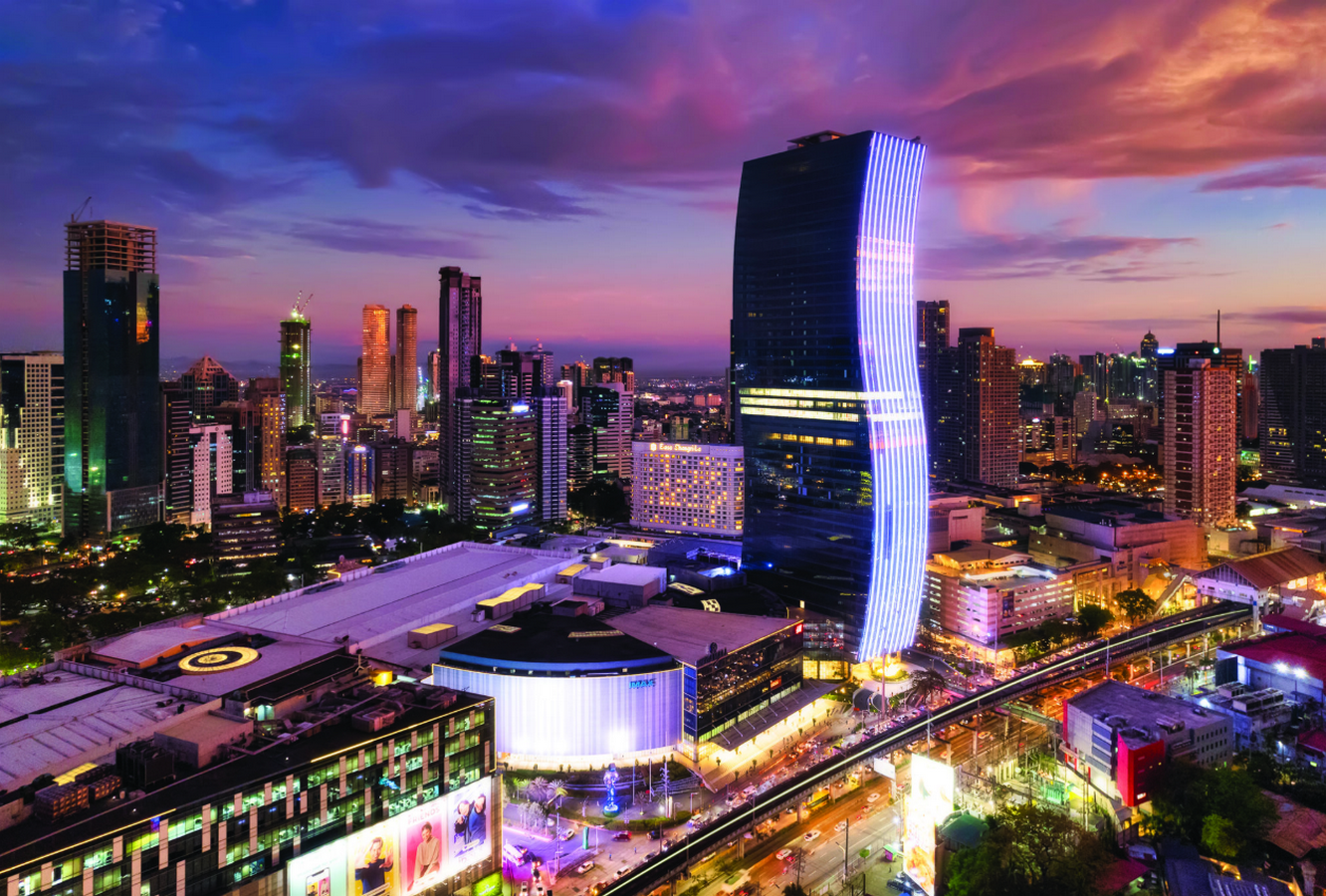
Mono-programmatic land use plans, as well as single-use megatowers, create a hostile ground floor that doesn’t consider human-level street designs, and thus, create streets that are abandoned and dominated by automobiles. Cities designed as such lack richness and diversity, which is crucial for urban life. Privatised and cordoned off designs of buildings at plot level and coarse built fabric create an urbanism that is neither safe and appealing nor pleasant and enriching. The newly developing peripheries of our cities are all mono-functional and consist of privatised spaces. Even leisure and recreation are privatised to the point where streets have lost their character as social and public spaces. This truly calls for a relook into the design of our cities, where public and private are balanced and the lines and boundaries blurred for a cohesive socio-spatial conduct.
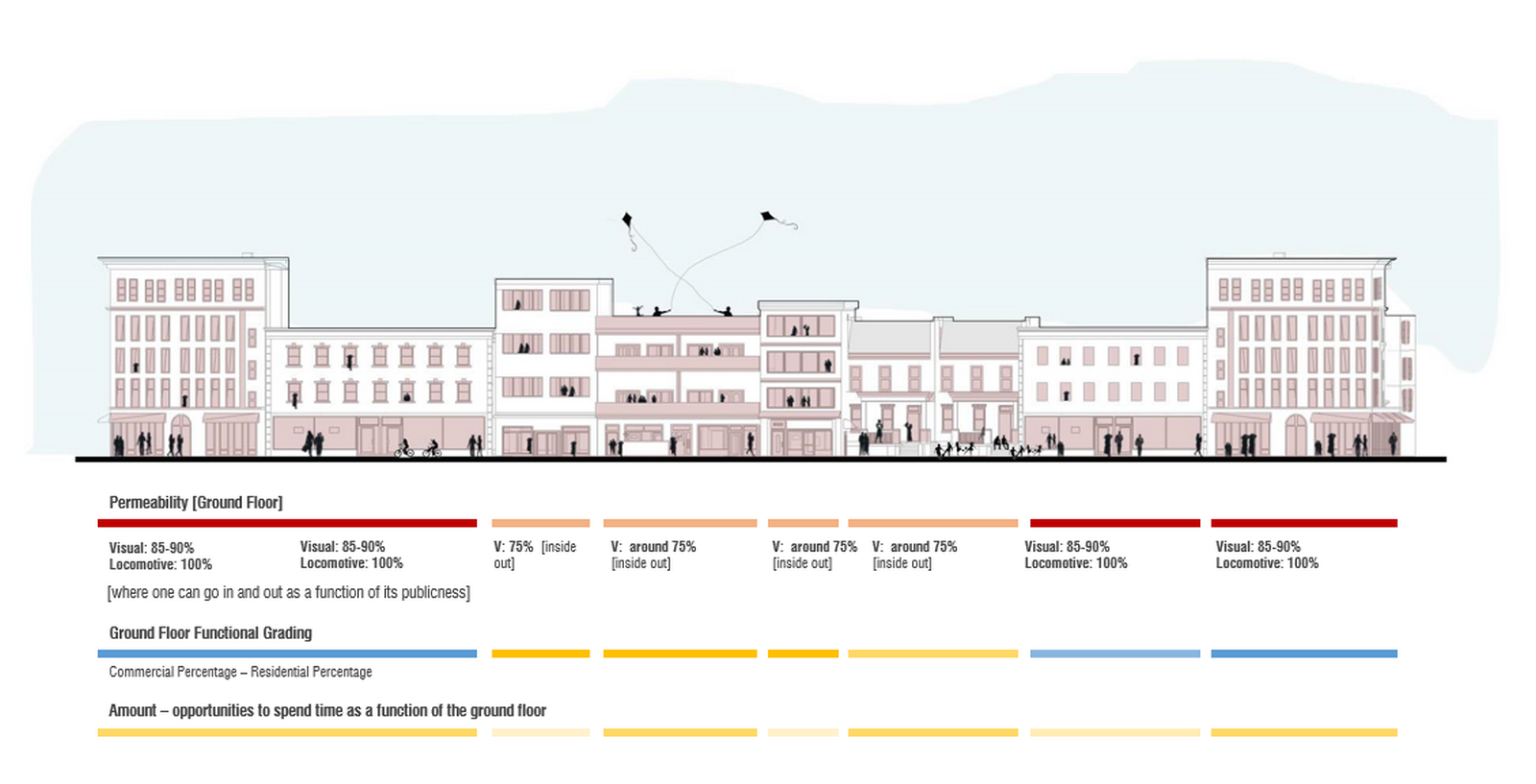
Can I walk? Do I have opportunities to linger and be a flaneur? Can I navigate the city one arcade, courtyard, street at a stretch? Will I be safe as well as entertained? These are all questions to ask and answer through design. Moreover, the blacks and whites have to be designed as a cohesive whole, and the design of whites should be prioritised to be for the public rather than being walled and cordoned off. Therein lies the true nature of urbanism, as it becomes for all, and by all. Spatial design should ensure that sociability is enriched in today’s fractured world. Let us not add to the already fragmented societal life and, through spatial design, emphasize a cohesive whole, spatially and socially.