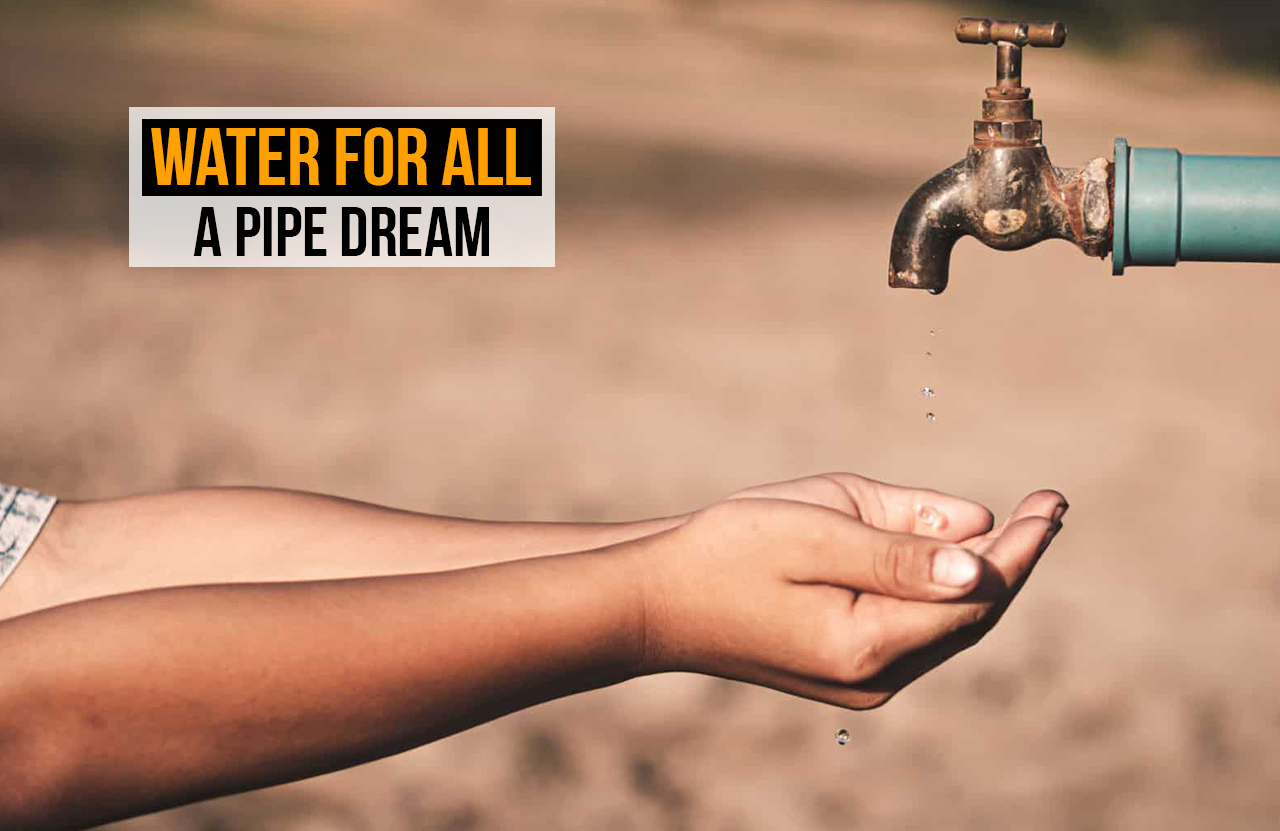
The aspect of water being a necessity for every individual, though seemingly diversified, remains an unattainable dream for a majority of citizens. In this scenario, the extreme contrast in piped water access across the city has been scaled exponentially, but with constraints attached to it. Despite having one of the widest networks of supply, in actual terms, for millions, the quest for reliable access to clean water gets masked as impossible. The factors behind this disconnect lie in a complex web of socio-economic inequalities, infrastructure issues, and large-scale mismanagement.
Depleted Aquifers from Urban Growth
Mumbai city rests on a basaltic base, which in the remote past contributed to a set of confined and unconfined aquifers. Traditionally, these aquifers enabled sustainable extraction of water, but now, with urbanization and rapid population growth, they are losing their capabilities. With the population growth from about 1 million in 1900 to almost 20 million at present, the demand for these natural resources has increased profoundly. In addition, the paving over of recharge areas was permitted during urban expansion, which has further degraded the aquifers’ ability to recharge themselves naturally.
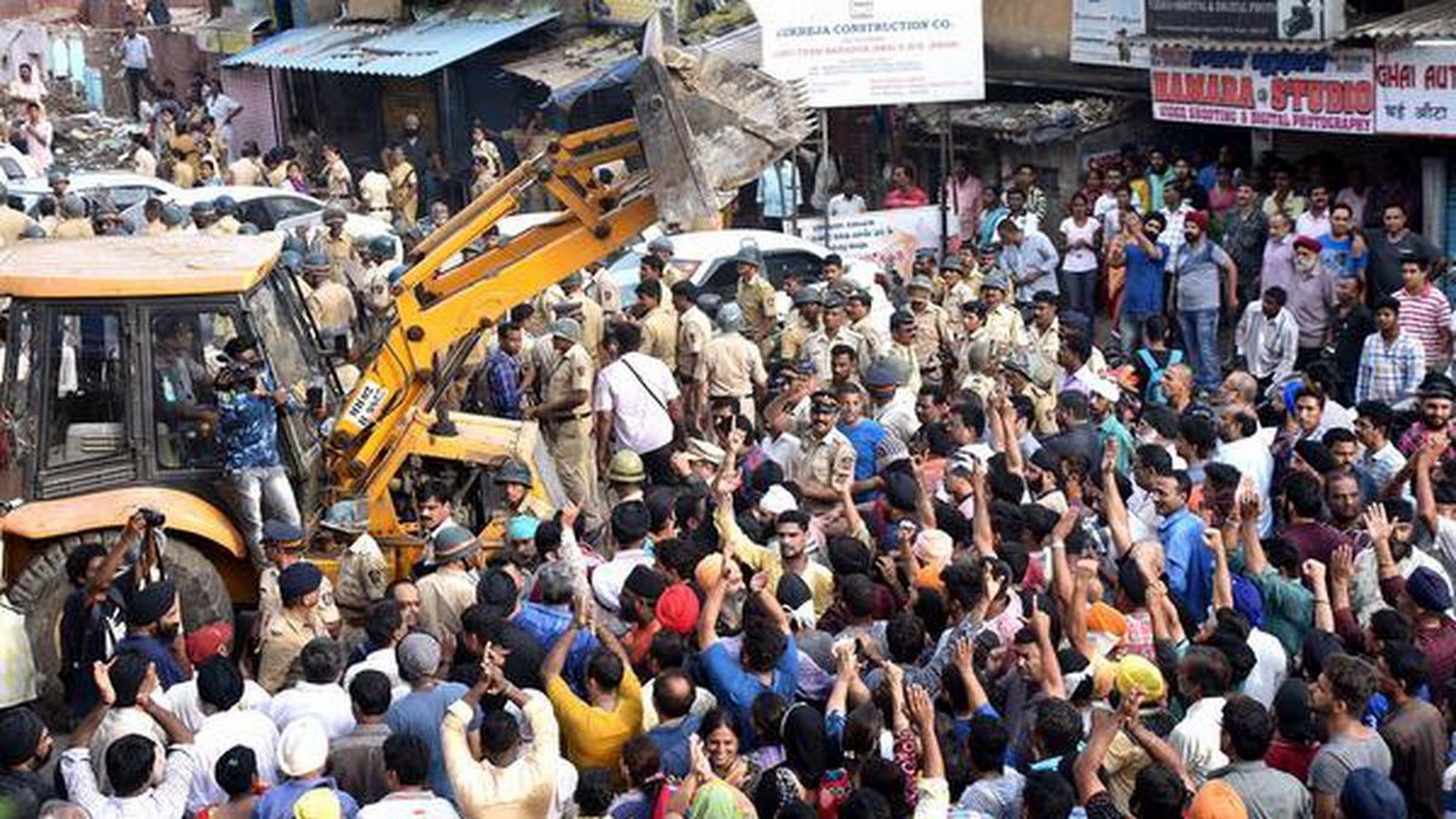
Rising Demand and Massive Leakages
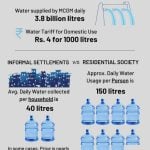
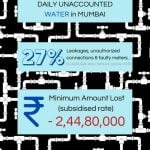
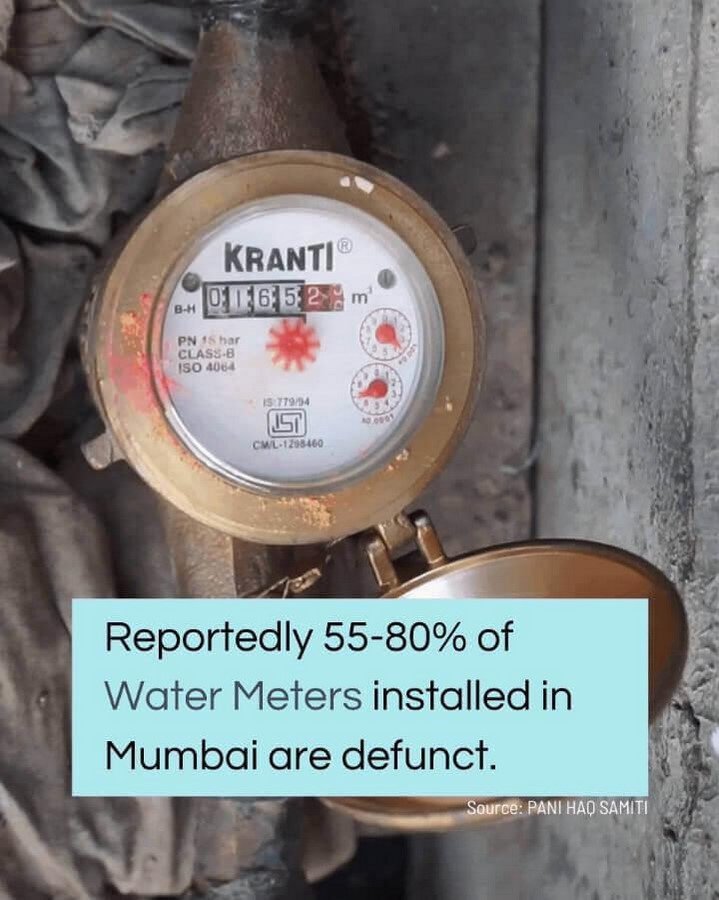
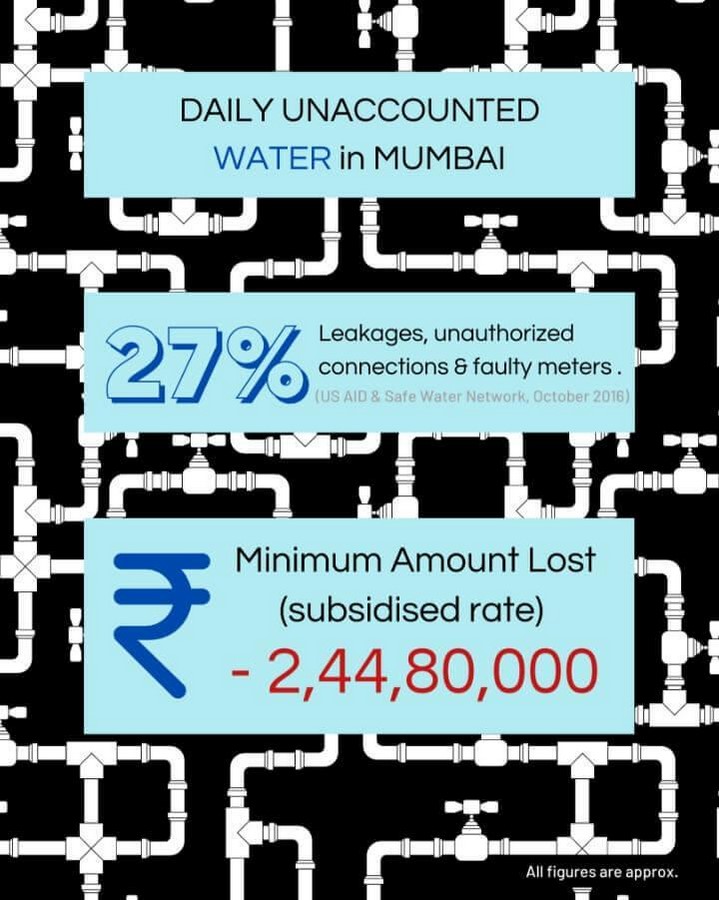
Water for Mumbai mainly comes from its seven-source reservoirs, which together provide an estimated 3.9 billion Liters of water daily, whereas the present-day requirement is fast eclipsing supply, currently exceeding 4.2 billion Liters a day. Water loss up to the tune of an estimated 30 percent, such as through leakages, illegal connections, and poorly maintained, aging infrastructure, is worsening the shortfall of 300 million Liters. According to the Municipal Corporation of Greater Mumbai, a whopping 1.1 billion Liters of water is wasted daily due to the ineffective distribution system!
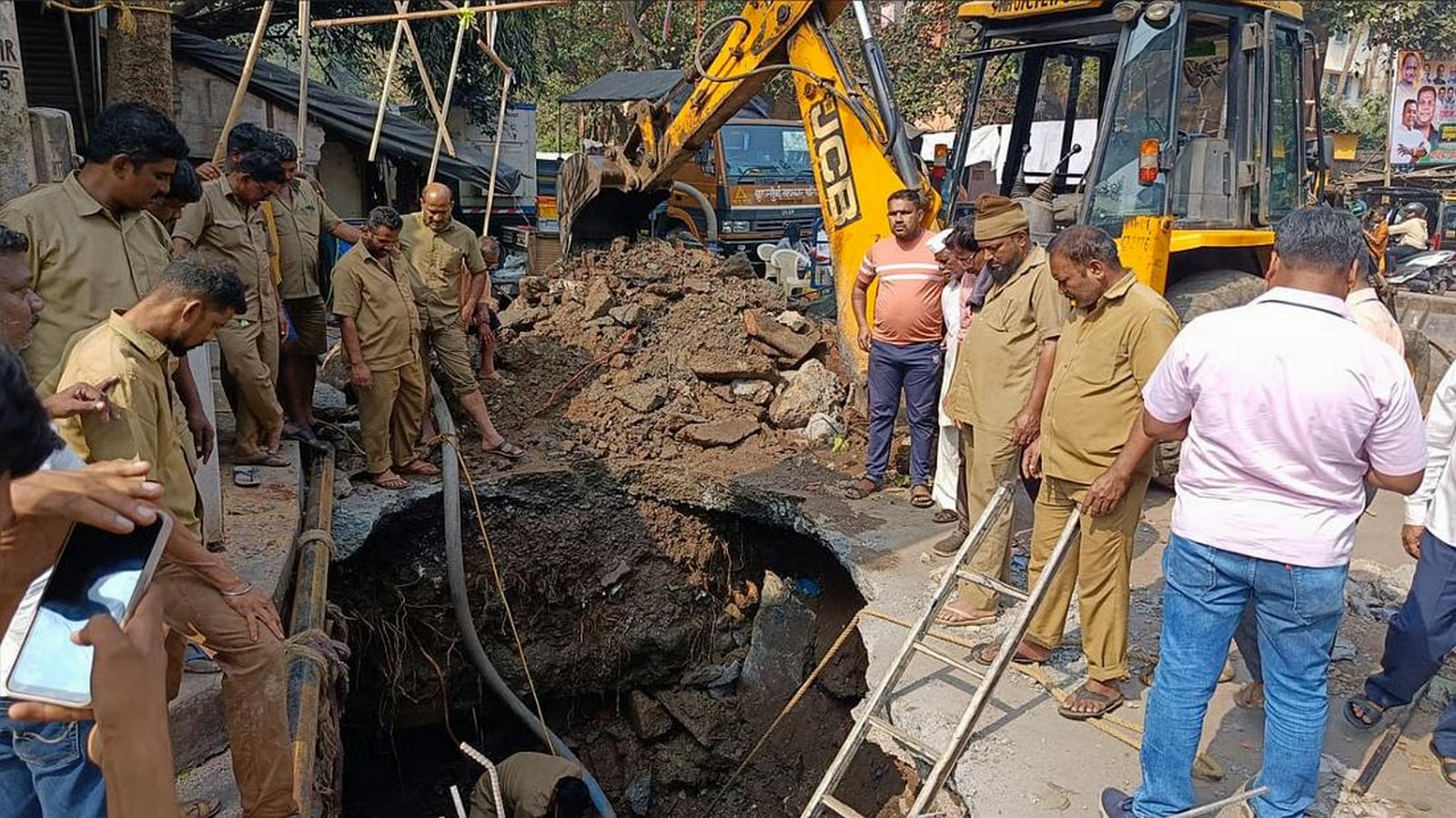
Kanheri Caves: Near Water, No Access
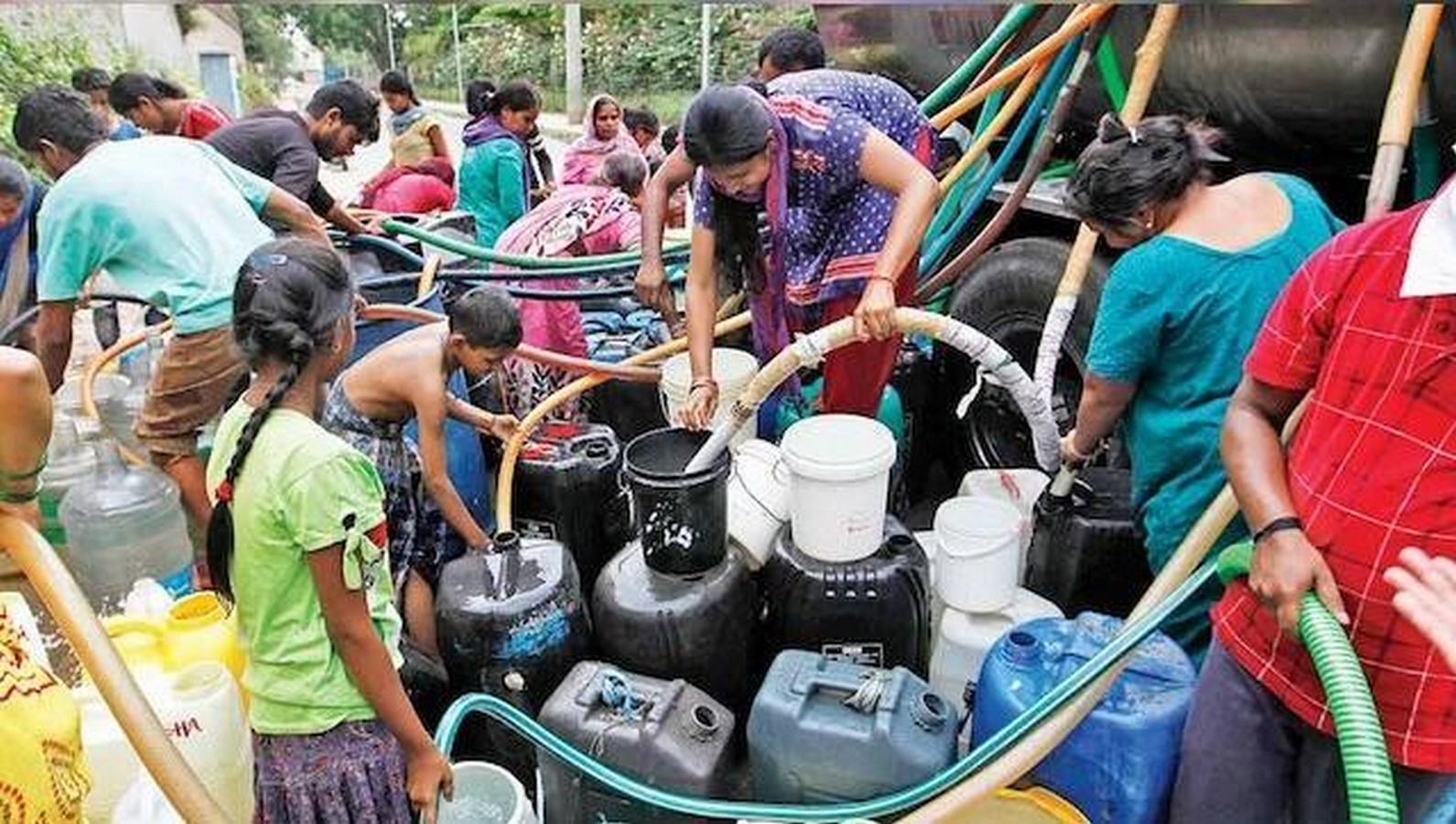
The example of Kanheri Caves in Sanjay Gandhi National Park apprises us of how there is a drastic difference in access to sources of water, in this case, natural sources, and then actual fundamental access to water. Despite being close to water sources, the locals struggle to fulfill even the most pressing minimum requirement for water. Most people are dependent on erratic tanker supplies or taps that are too far from their homes, which stands as a testament to larger systemic inequalities in access to water. The preferred alternatives’ quality and reliability are low on both counts, rendering them a health hazard.
Kokri Agar’s Costly Tanker Dependence
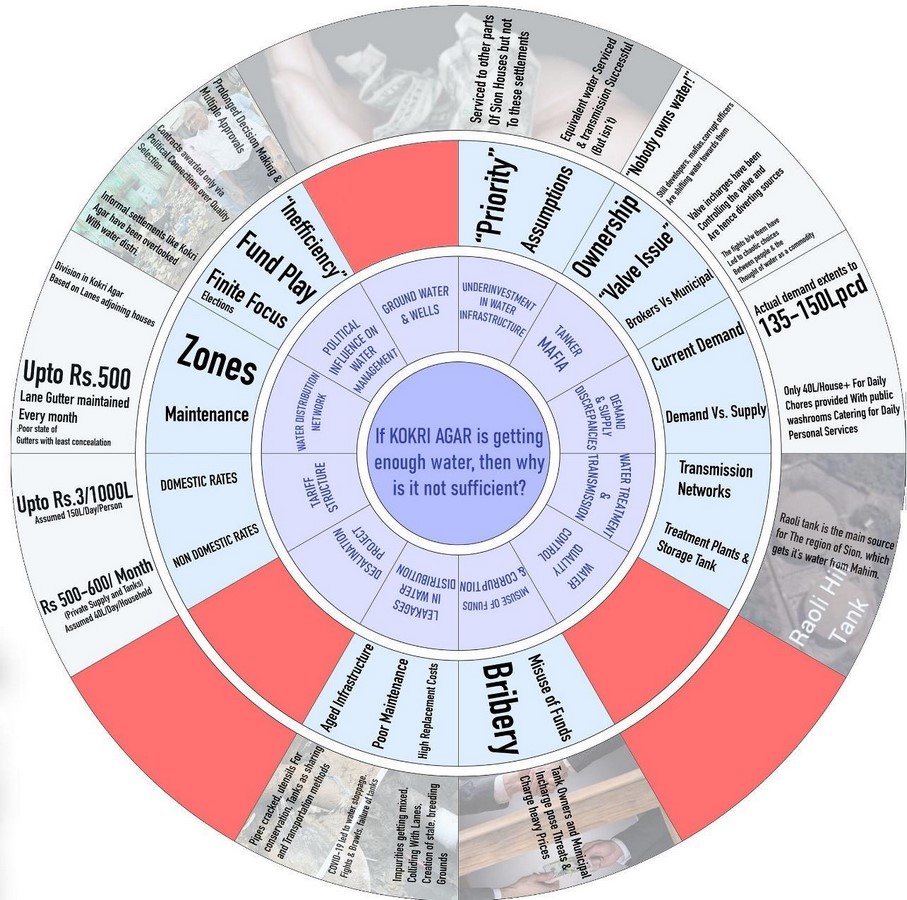
Kokri Agar, Sion: residents are almost deficient in a systematic piped water supply. For a few hours on certain days, they might get blessed with the service, but it is erratic. In 2020, many residents reported that they often purchase water from private tanker suppliers, with the cost being extremely exorbitant and sometimes amounting to even ten times the municipal rate. This inequity in the price for accessing what should be a basic necessity further highlights the stark class divisions between rich and poor neighborhoods, where access to something as basic as water has become a matter of “stress” and gobbles a huge chunk of household budgets.
Dharavi: Congested and Unreliable Taps
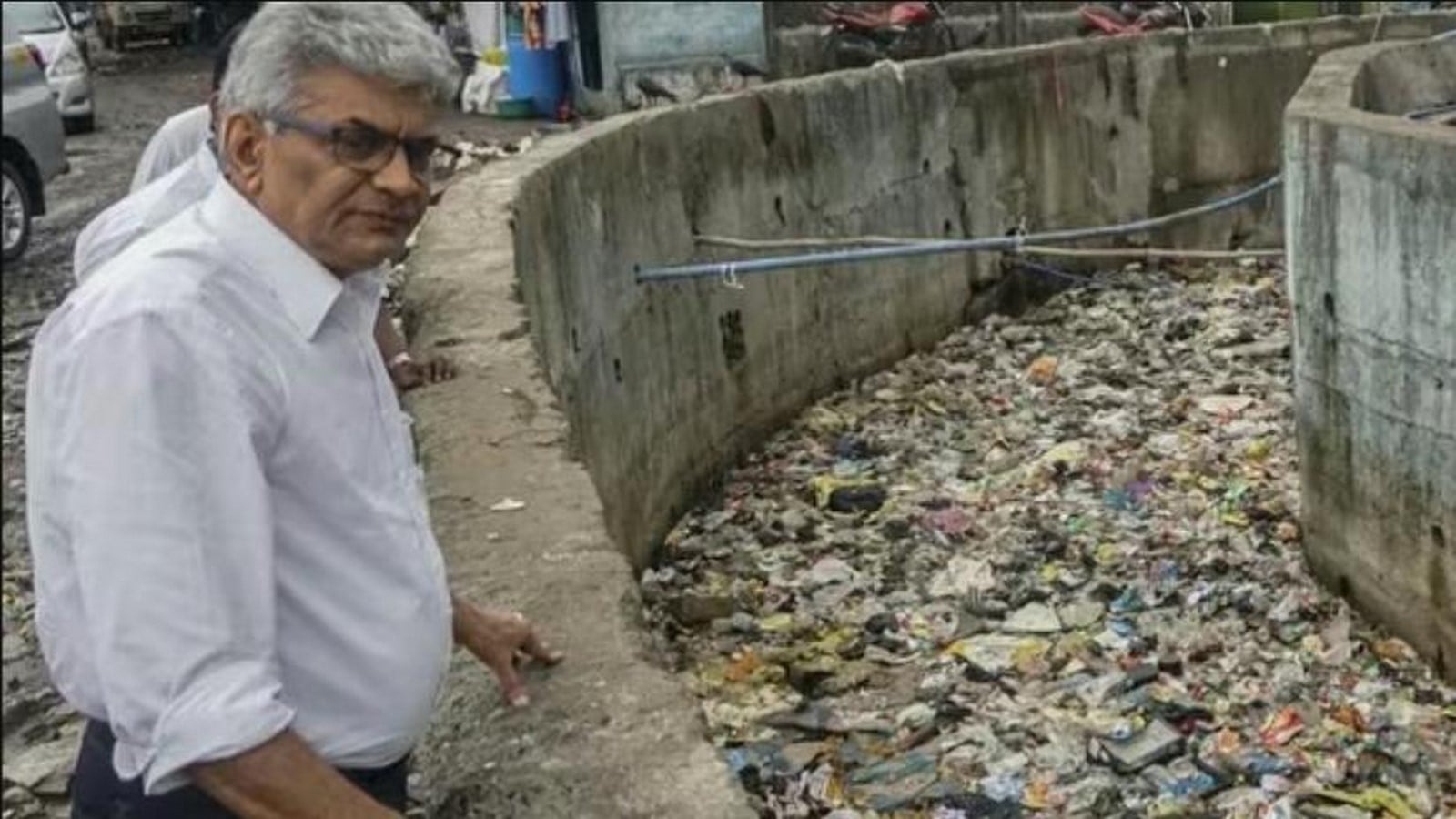
Countless slums illustrate the water access crisis confronting many residents. Here, around 1 million people live in this agglomeration, which is almost entirely unserved and devoid of any formal water connection. According to a 2018 study by the Tata Institute of Social Sciences, around 40% of Dharavi residents have piped water directly to their homes. Community taps are available, but they are often congested and unreliable, forcing people to wait for hours trying to fill their containers. Sometimes these taps dry up altogether, compelling families to replay their suburban lives of dependence upon informal alternatives wherever sanitation ends.
Mankhurd: Household Budgets Strained by Water Costs
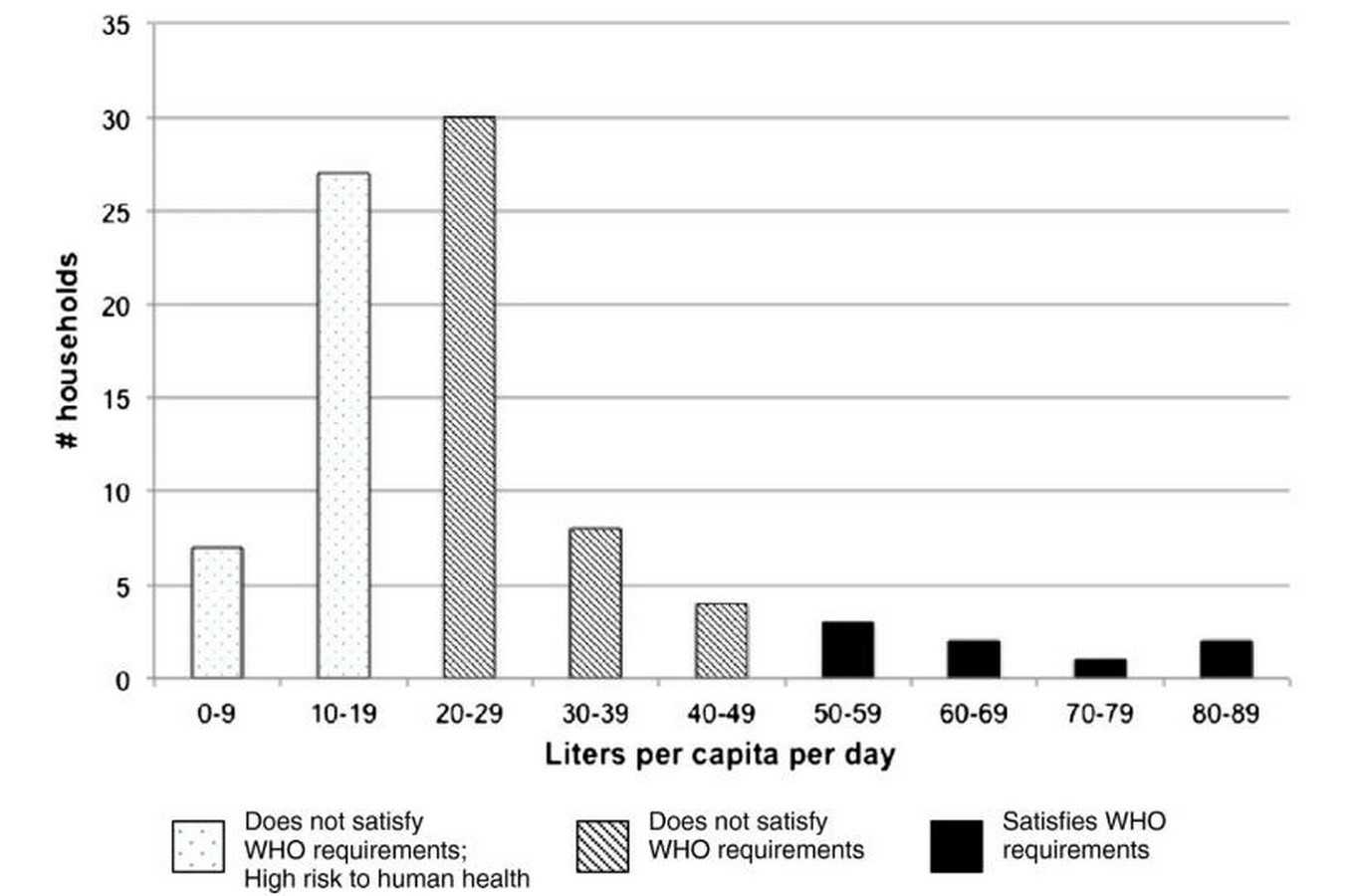
Life in Mankhurd is analogous to that in Dharavi. Reports indicate that nearly half of the population has been unable to rely upon a piped water supply. The unsatisfactory situation with respect to the MCGM assessment finds several households purchasing water from private vendors at exorbitantly high prices, as per their own assessments. Families report spending up to 600-800 INR or more per month on tanker water, which constitutes a significant portion of their monthly income. Such scarcity creates social tensions, where families compete for limited water supplies during the scarce hours it is available.
Govandi and Malvani: Hierarchical Mismanagement
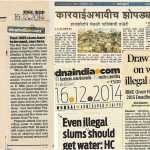
Govandi, meanwhile, is still struggling, although it does enjoy some piped supply. An investigation carried out in 2019 revealed that nearly 60% of the population in Govandi depended upon unlawful connections for their water supply. These illegitimate taps impact the quality of the water and place the residents at risk of being cut off by the municipal authority. The insecurity they live under refers to the audacity of the residents to go illegal for the sake of water.
Malvani in Malad, another neighborhood in Mumbai, is a perfect example of equity in access to water. Considering the presence of a formal supply system, the residents witness chronic water shortages, exacerbated by systemic corruption and crumbling infrastructure. Another 30% is estimated to have seen siphoning by illegal means, with rampant corruption among various stakeholders, involving mafia groups that manipulate the valve system to divert water illegally to wealthy neighborhoods. The robbery denies real residents of their rightful share and is a tinderbox for community tensions.
BKC vs. Dharavi: Stark Socio-Economic Divide
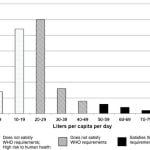
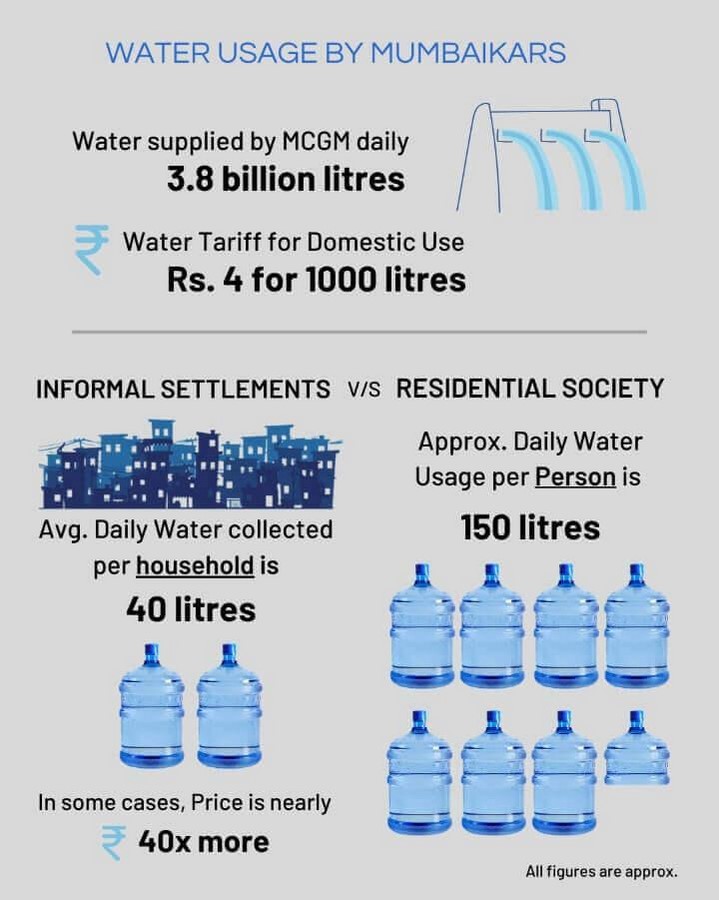
Inclining towards the affluent area of Bandra Kurla Complex (BKC), the contrast in water access is starkly documented. Modern infrastructure and uninterrupted water supply characterize BKC, while neighboring areas like Dharavi and Mahim suffer from daily shortages. Reports say that affluent residents are beneficiaries of upwards of 200 Liters (about twice the volume of a mini fridge) per capita per day, whereas those in slums often struggle to gain even 40 Liters. This level difference illustrates socio-economic divisions so deep that they define all the intricacies of Mumbai, where access to basic resources is dependent on the capacity to pay. Leakage leads to wastage of quantities of water and is an even greater concern, as leaky pipes do not lead to contamination. However, most of the water that does actually reach the households remains unfit for consumption. In several slum areas, residents have begun to complain that the water is often discolored and smells foul, leading to serious health issues.
Involvement of Paani Samitis
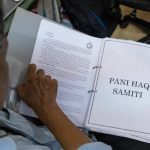
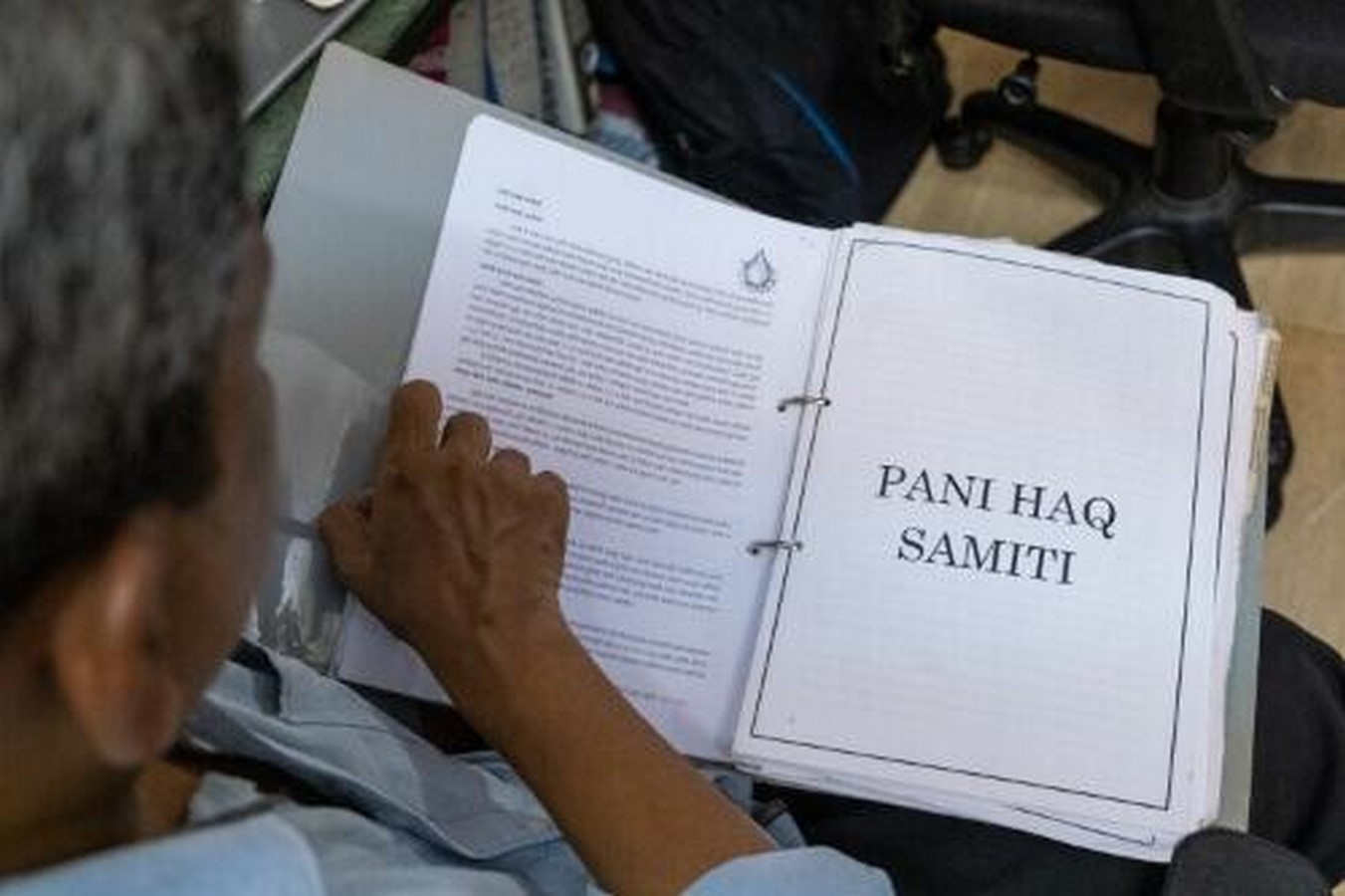
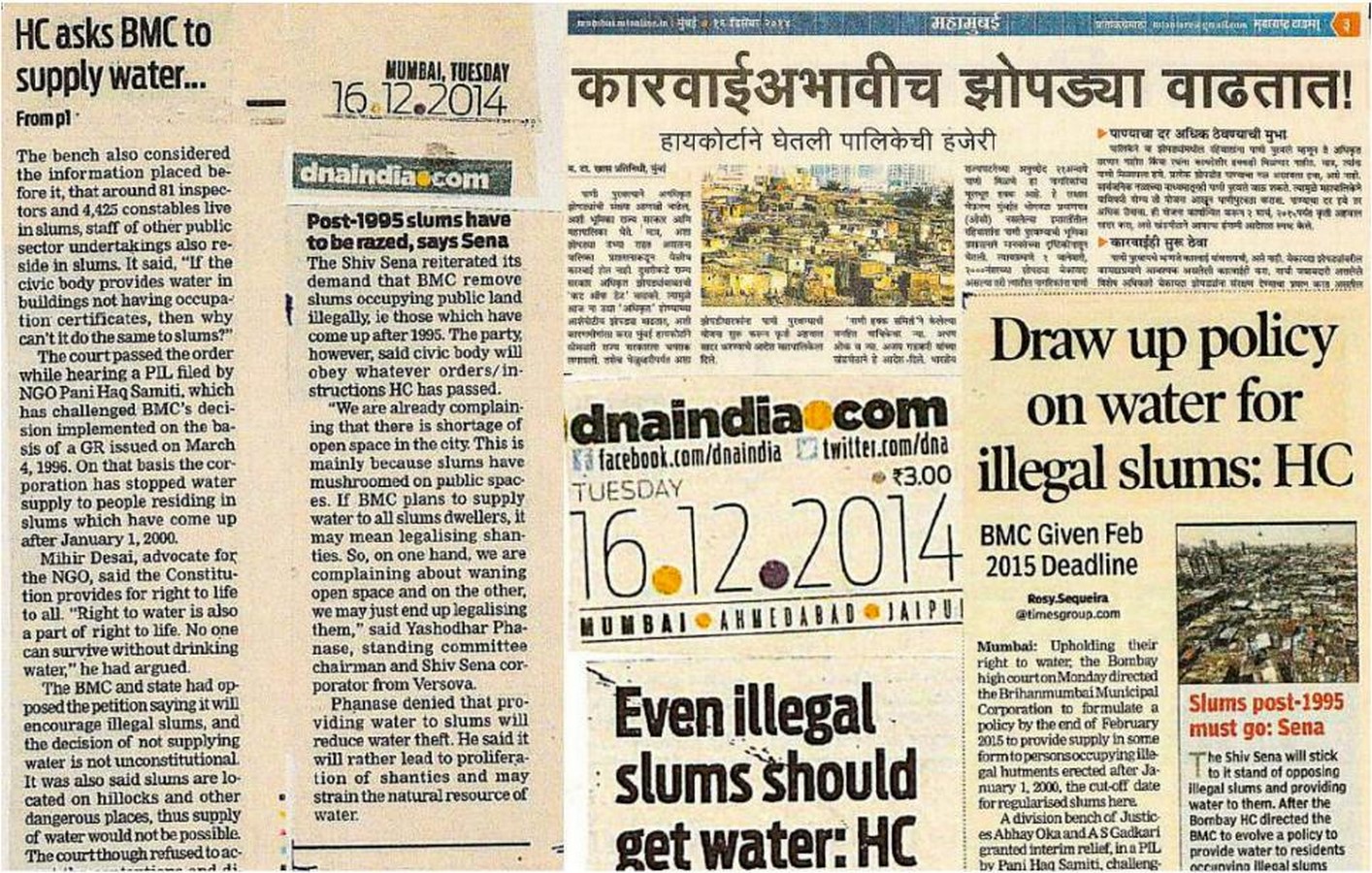
Grassroots movements such as Paani Samitis have been initiated to fight against inequality. These are community-based organizations that advocate for better management of water resources by holding accountable those in authority and ensuring reliable and clean piped water, regardless of socio-economic status, to every resident. Unfortunately, these initiatives usually run against vested interests and a bureaucratic structure that has not yet prioritized fair distribution of resources. The outcomes of these endeavors have been mixed; some communities have improved access while others continue to struggle.
Water as a Common vs. Commodity
Water, viewed as a common, is even more scarce in the current scenario. Water, formerly perceived as a common property for the very sustenance of societies, has now been transformed into a right that only wealthier citizens can access. Currently, both types of water trading or treating water as a commodity indicate the urgent need for policies, far more than infrastructural deficits, which hold equitable access as a major social justice concern.
Indeed, this is how the government must tend to the serious investment in infrastructure, especially in marginalized areas. These infrastructure improvements would include the repair of existing pipelines, greater expansion coverage up to informal settlements, and stricter laws against illegal tapping of water. Community engagement through interventions such as Paani Samitis may also motivate residents to take charge of their water resources and rights into their hands.
Images and Websites:
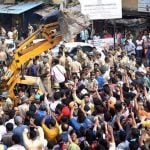
Khanna, V. (2017) Police lathicharge residents protesting cutting of power, water supply in Sion, The Hindu. Available at: https://www.thehindu.com/news/cities/mumbai/police-lathicharge-residents-protesting-cutting-of-power-water-supply-in-sion/article18701716.ece
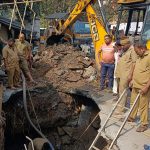
Mhamunkar, K. (2024) Mumbai: Residents face water supply disruption as major pipeline burst at Antop Hill; repair work underway, Free Press Journal. Available at: https://www.freepressjournal.in/mumbai/mumbai-residents-face-water-supply-disruption-as-major-pipeline-burst-at-antop-hill-repair-work-underway
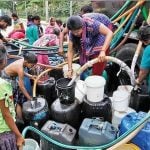
Correspondent, dna (no date) Drive against water mafia, borewells, tankers sealed: Delhi Government, DNA India. Available at: https://www.dnaindia.com/delhi/report-drive-against-water-mafia-borewells-tankers-sealed-delhi-government-2618860
BMC’s clean nullah claim called out by Congress as a whole lot of garbage (2024) Hindustan Times. Available at: https://stg-www.hindustantimes.com/cities/mumbai-news/cong-leader-ravi-raja-calls-attention-to-incomplete-nullah-cleaning-in-wadala-101718909793832.html
Subbaraman, R. et al. (2013) The social ecology of water in a Mumbai slum: Failures in water quality, quantity, and reliability – BMC public health, BioMed Central. Available at: https://bmcpublichealth.biomedcentral.com/articles/10.1186/1471-2458-13-173
Confluence (no date) MWN – Water and Equity. Available at: https://confluence.livingwatersmuseum.org/water-equity/january.php
Confluence (no date a) MWN – Water and Equity. Available at: https://confluence.livingwatersmuseum.org/water-equity/february.php
Panihaqsamiti. Available at: http://panihaqsamiti.org/wp-content/uploads/2021/04/Pani-Haq-Samiti-2021-Calender.pdf