Gaudí’s Inspirations and Lasting Impact
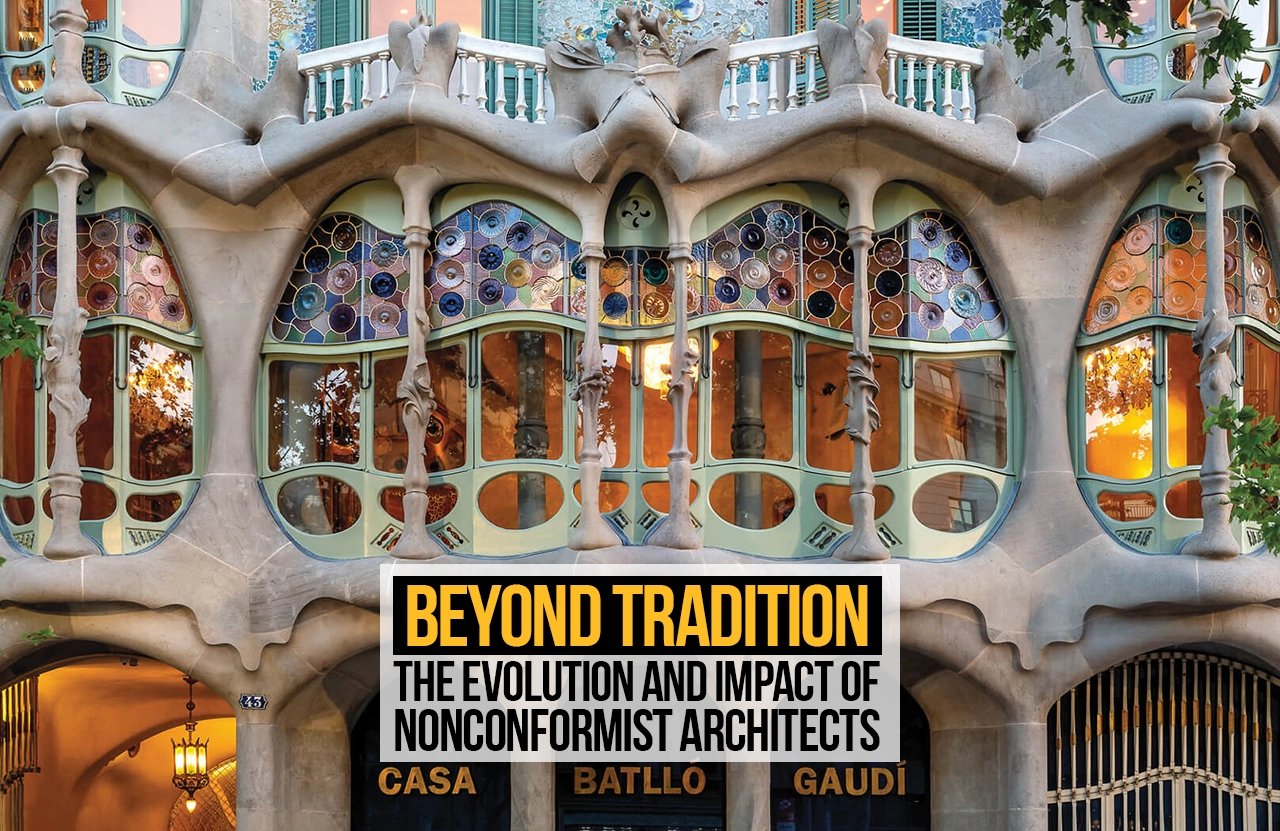
Architecture is a practice that is rooted in tradition. When the visionaries challenge the prevailing norms, crucial shifts come to light. Architects who push boundaries, reimagine the built environment, and challenge traditional norms to create provocative and different structures are the “Nonconformist Architects”. Let’s take an example of such an architect: Antoni Gaudí. Gaudí represents a hallmark of this essence by merging the Art Nouveau, religious symbolism, and recreating forms seen in nature through establishing a new architectural paradigm. Antoni Gaudí is a renowned architect for his distinctive, unique aesthetic, combining Art Nouveau and Gothic elements.
The term nonconformist architects describes creative professionals who purposefully diverge from traditional styles. Gaudí, Zaha Hadid, and Frank Gehry share a deliberate resistance to convention, each following a unique vision by pioneering new spatial and structural experiences. Within these innovations, Gaudí is notable for uniting the Gothic revival, Art Nouveau, and biomimicry principles. (Pablo Luna Studio, 2024).
Gaudí was known to be a deeply religious fellow who drew major inspiration from Catholicism. His work not only addressed religious subject matters, but he has also received widespread praise for the cutting-edge construction methods and engineering techniques he has created. Gaudí’s structures are all illustrations of dramatic and intricate designs, which are a result of his use of novel materials, bright colours, and unique construction techniques. He is therefore admired by various architects and designers, other than the religious groups. Nonconformist Architects, similar to Gaudí, tend to pose a challenge to the foundations of traditional building practices by creating new paradigms for future generations.
Iconic Works that Transformed Architecture
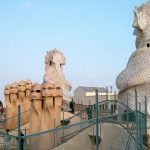
Among the works of Nonconformist architects, Antoni Gaudí’s Casa Batlló, Casa Mila, and Cripta de la Colònia Güell are some structures that stand as examples for their organic shape and nature-inspired facade, followed by many other Gaudí buildings. His most significant works display a major influence from the later art trends, including the Art Nouveau and Modernism, which have also shaped his natural aesthetic style.
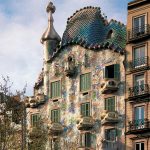
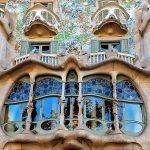
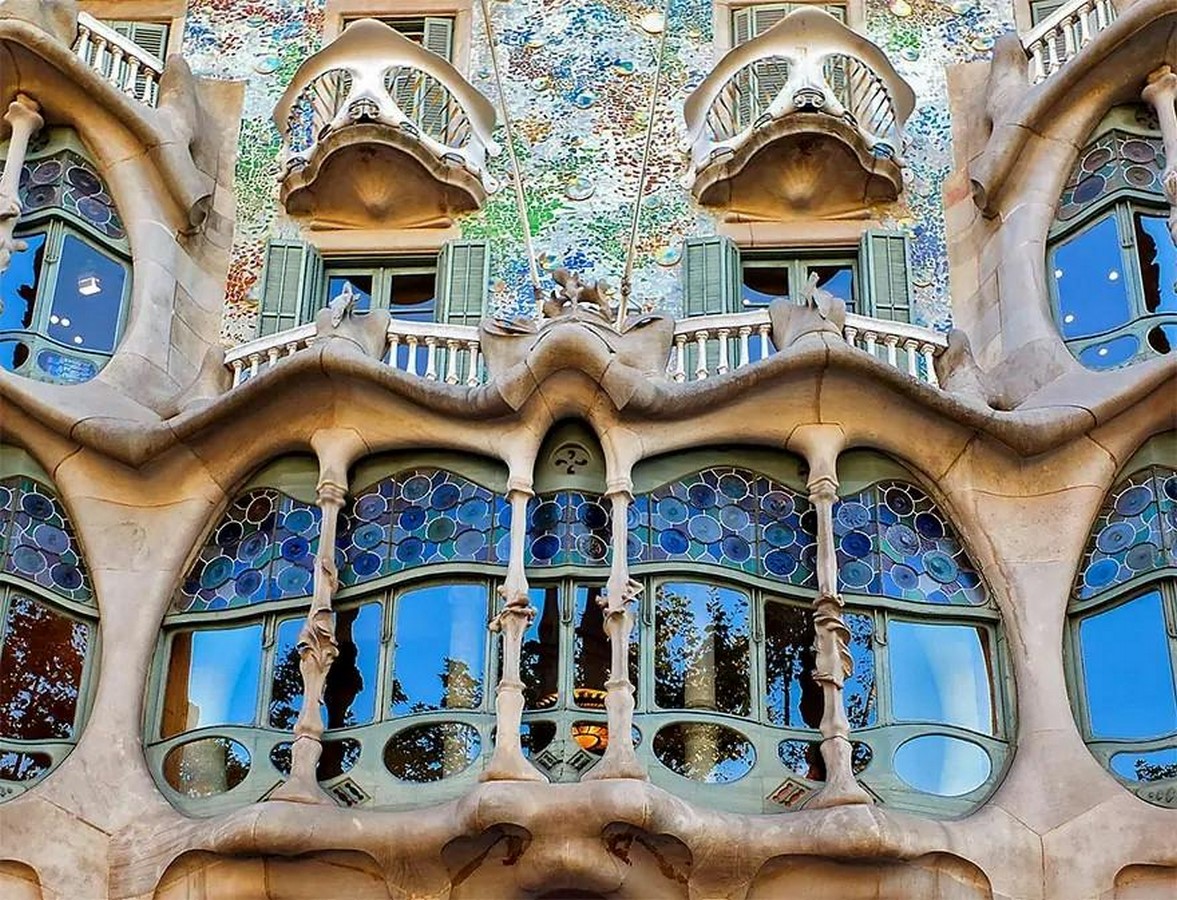
Particularly, Casa Batlló illustrates how Nonconformist Architects approach design with unconventional and revolutionary thinking. Natural shapes greatly influenced Gaudí’s construction of Casa Batlló. Together with the predominance of curves over straight lines, it exhibits many traits of modernist art. Asymmetry is frequently used in conjunction with ornamental aspects, the representation of nature through structural elements, and the presence of decorative details. Many religious allusions may be found throughout Casa Batlló, characteristic of Gaudí’s artistic style.
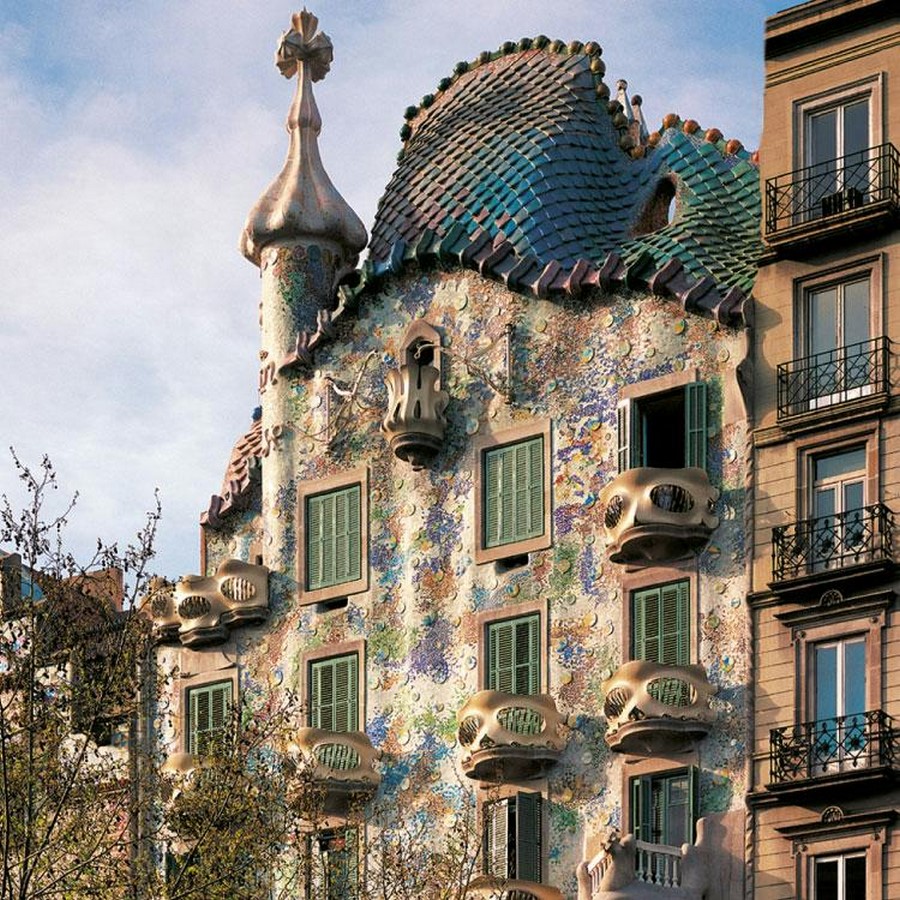
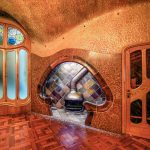
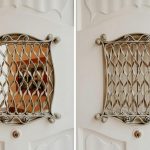
The structure is made of various materials that blend to reflect Gaudí’s traditional design. The Casa Batlló’s exterior was repaired, and the rear facade was built using the trencadis method. Natural Montjuic stone was polished to produce the main facade’s rounded surfaces, giving the appearance of a clay sculpture that is cast in moulds. Gaudí also created the windows and doors, adhering to organic shapes as he was always aware of the artistic possibilities of natural materials like wood.
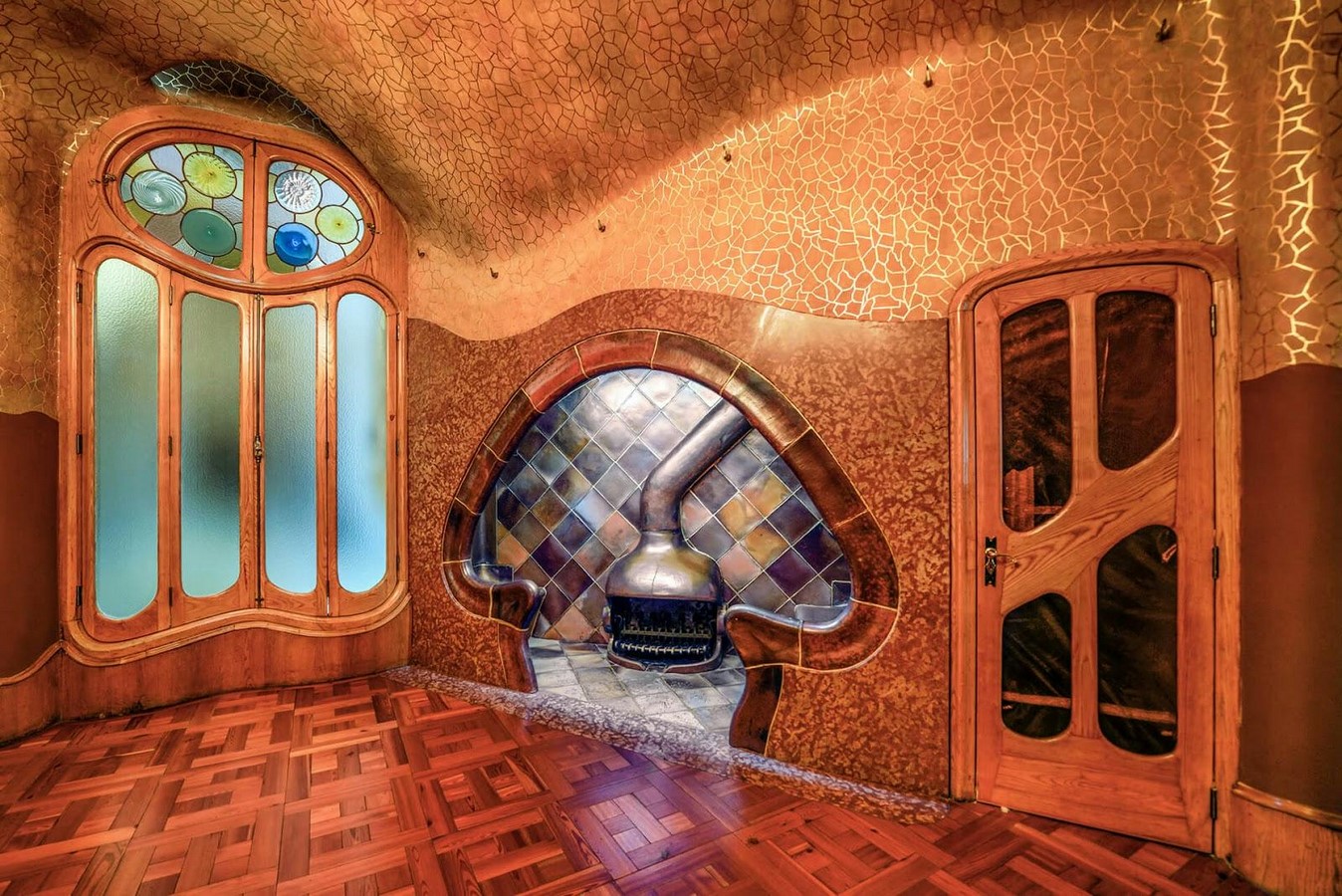
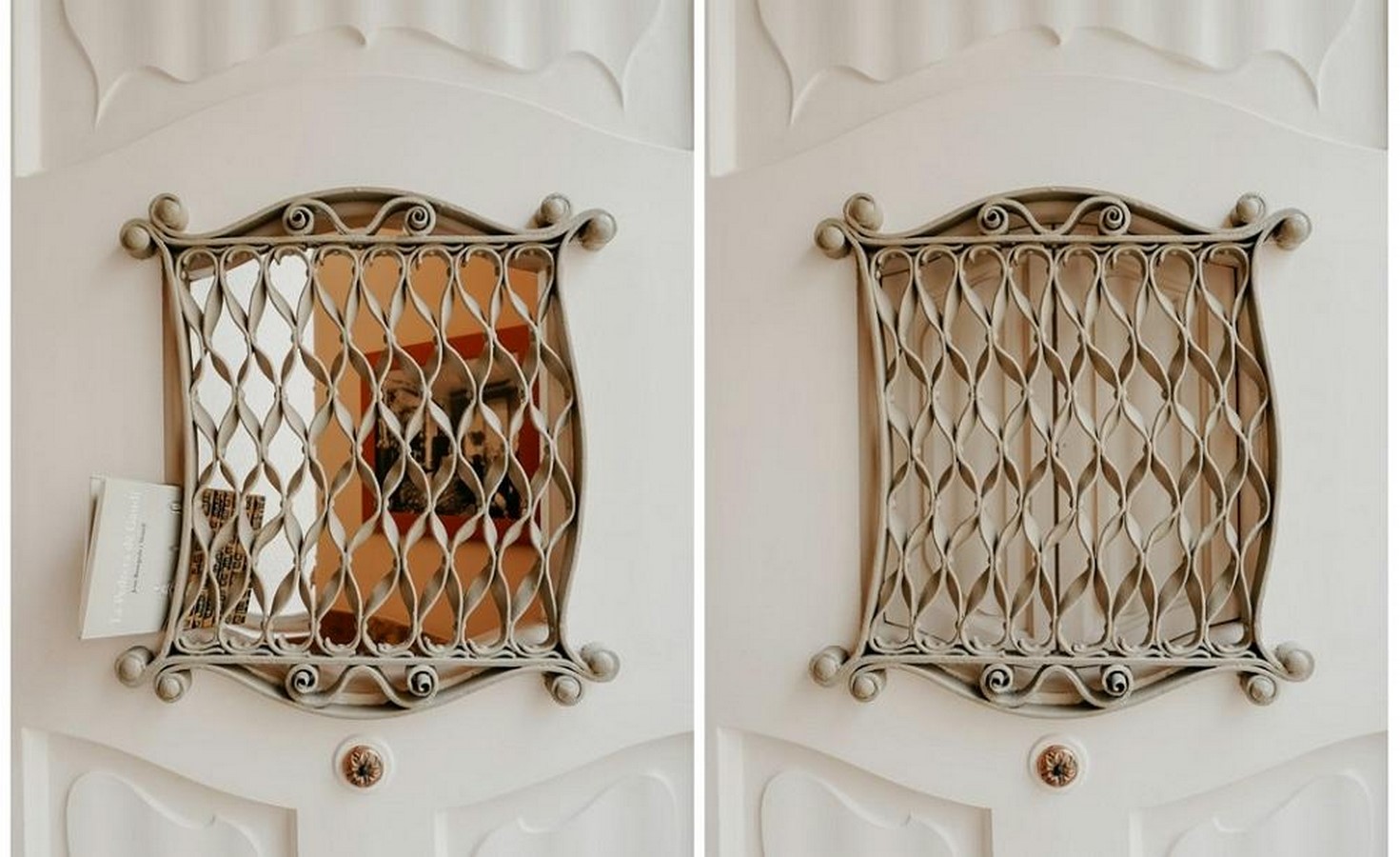
While Gaudí did follow the necessary geometry, not a single right-angled corner could be seen anywhere in Casa Batlló. Despite the lack of perfect symmetry, the asymmetrical spatial arrangement does not impede the building’s freedom of movement. Every detail, like the doors, skylights, and railings designed by Gaudí, has its own rhythm. Even though the columns are structural, they are designed using an organic shape that resembles human bones. They also add to the aesthetic of the building. These approaches to the primary design elements and structural components illustrate how these nonconformist architects can achieve structural integrity along with artistic expression.
Social and Cultural Ripples
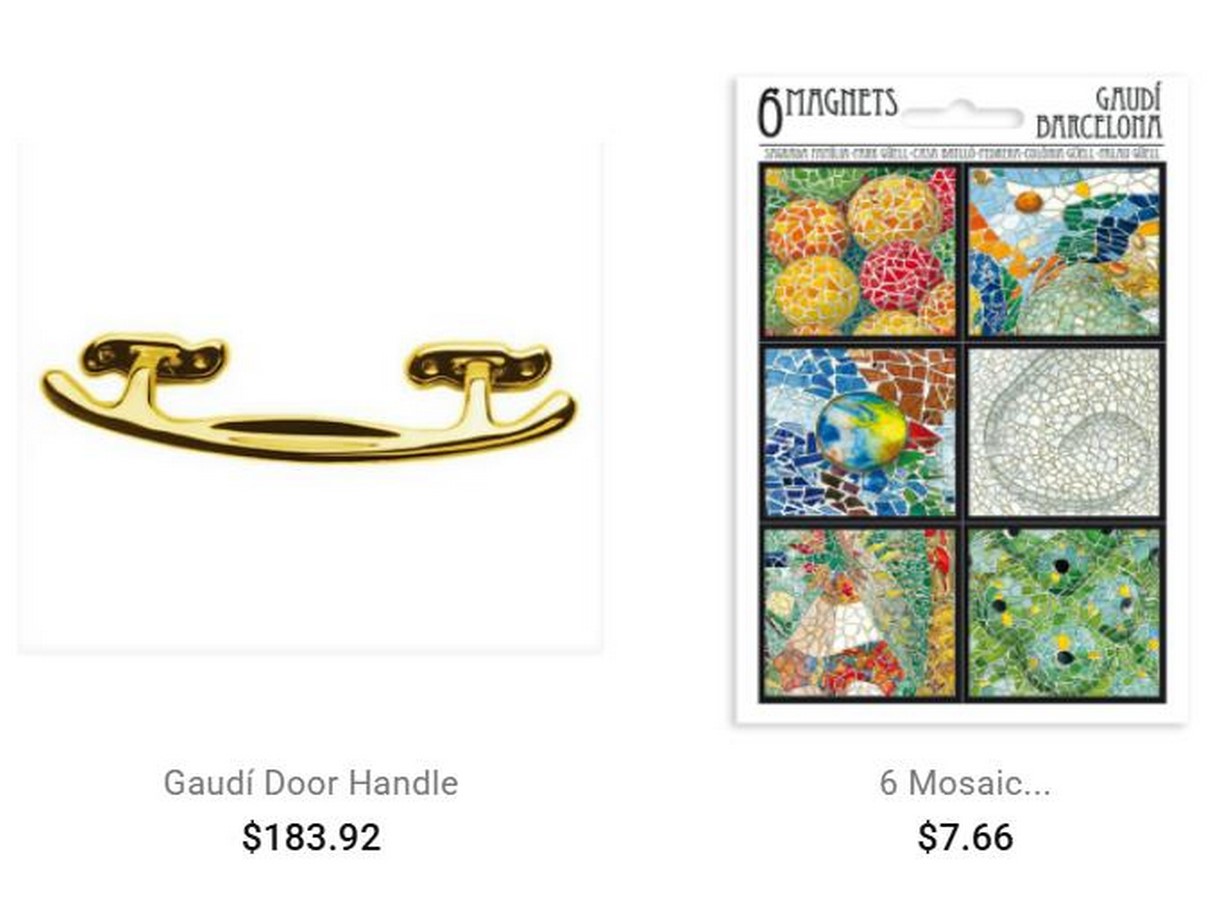
The impact of nonconformist architects, such as Gaudí, goes beyond the realm of architecture itself. Along with the architectural community, Gaudí’s work has also had a major influence on artists all over the world. Even Barcelona’s tourism was impacted, resulting in a dramatic rise in the international fame of Gaudí’s works. Many people were attracted to its rich heritage due to Gaudí’s influence. Souvenirs were sold around Barcelona, which featured Gaudí’s colourful art style and nature-inspired sculptures. The designation of his buildings as world heritage sites had a major impact on the mixed media as well.
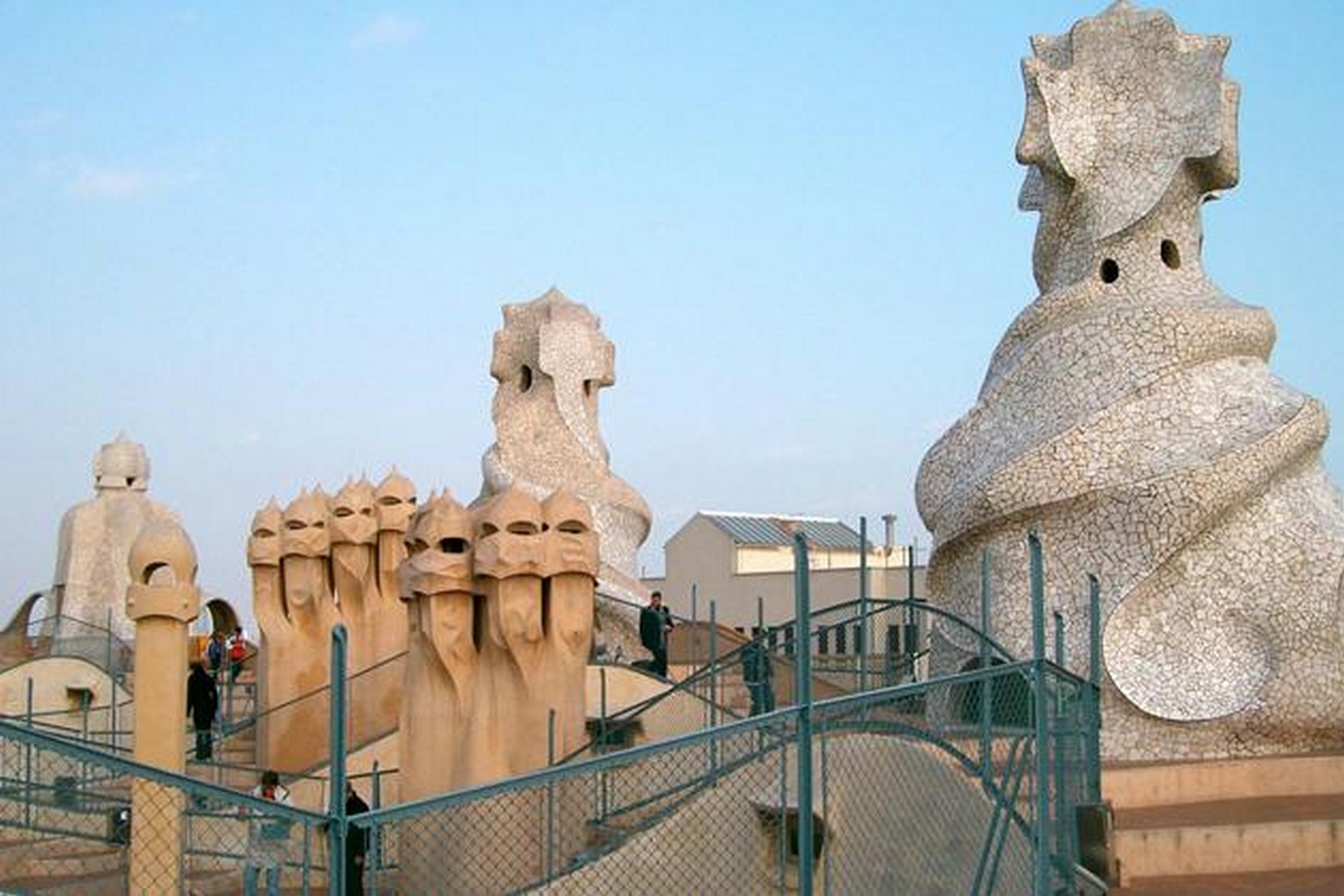
The 6 World Heritage sites recognised by UNESCO are situated around Barcelona, are modernistic buildings with impossible shapes designed by Gaudí, which are inspired by nature and are full of symbolism related to religion, Catalan culture, and politics. These structures have played an important role in influencing other architects by bringing a change in the Catalan cultural movement with a great revolution.
There is also an impact on the culture of cinema and literature by nonconformist architects like Gaudí. In 2003, the Catalan cinema academy started to celebrate Premios Gaudí, which reward the best Catalan cinematographic productions of the year. Films like Casper and Vicky Cristina Barcelona have Gaudí’s building featured as an inspiration for photography and decoration. Painters like Picasso were well inspired by Gaudí’s style. Many books were written on his style, lifestyle, and works. Exhibitions featured his works globally.
Gaudí not only impacted several artists and architects who shared his chronological birth order, but the later generations, like Norman Foster, Frank Gehry, Santiago Calatrava, and Octavio Mendoza, who are the designers with naturalistic, modernist, and futuristic style, were also influenced by his sources of inspiration. This showcases how the work of such nonconformist architects tends to create a ripple effect that impacts an entire generation of designers.
Lessons for Future Design
The legacy of Gaudí as a nonconformist architect has given invaluable insights to contemporary design practice. A significant impact emerged from the formative experiences in Gaudí’s early life and the profound impacts that have shaped his creative works. Coming from a family of boilermakers, Gaudí learned to visualise volumes from the surfaces themselves through lending a helping hand to his father at work. His interest in natural forms was developed while recuperating at their summer house owing to illness, which is known to be one of his earliest influences.
Antoni Gaudí incorporated Moorish Art, Islamic abstract and geometric designs on materials like stained glass and glazed tiles, by creating a combination of conventional and Catalan elements like the brick, stone, and wrought iron. These materials were largely utilised in his later projects. He thoroughly studied geometrical structures and shapes while employed as a draughtsman before, during, and after graduation.
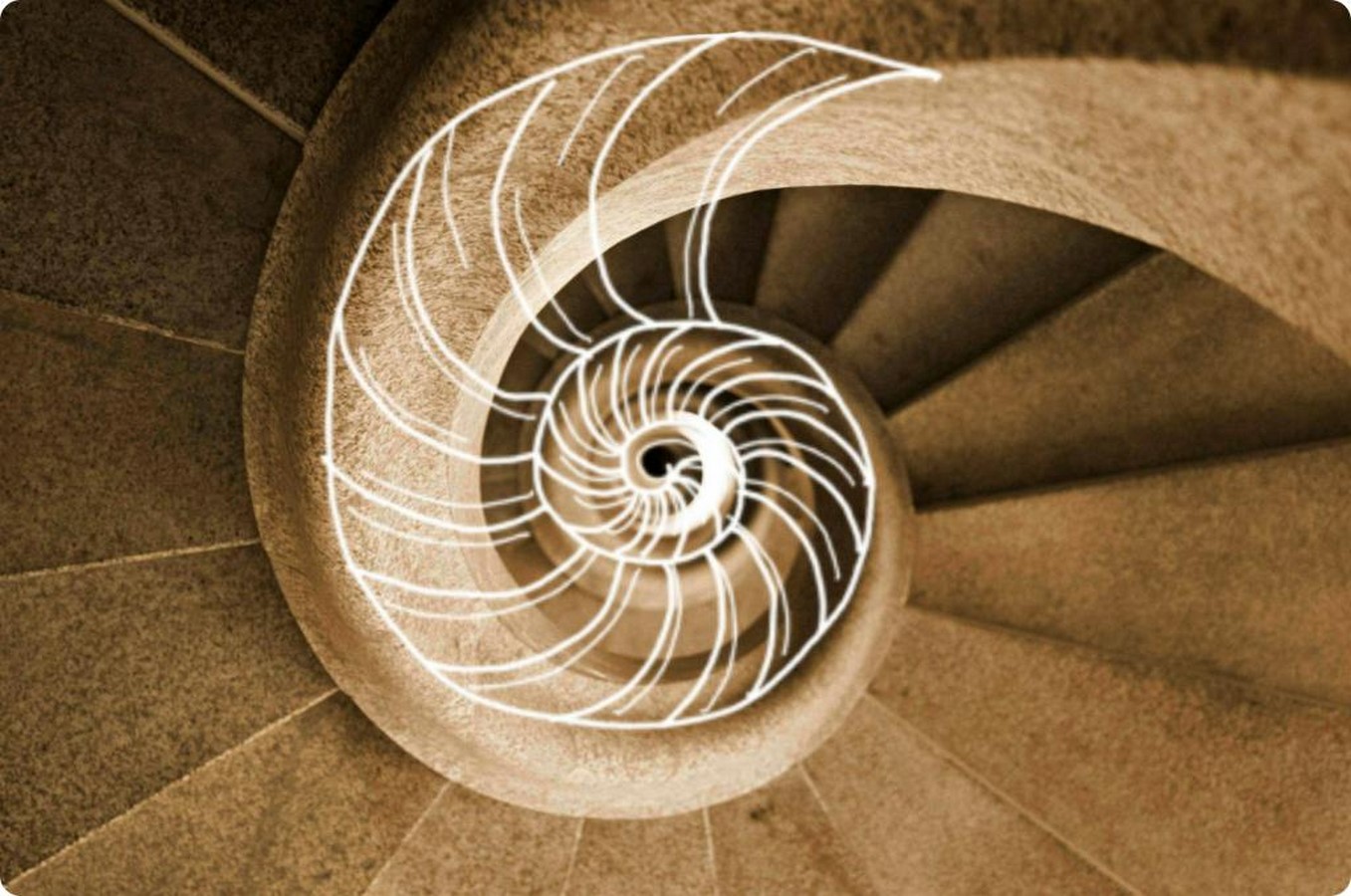
A traditional Catholic, Gaudí’s works often include religious symbolism and motifs, along with abundant natural inspiration. He sought to integrate nature’s organic forms into his designs, viewing nature as the greatest creator. Today, biomimetic architects aim to use nature’s intelligence for designing efficient systems to conserve resources. “We have to make buildings that do more, using less… The example of where that works the best is nature itself,” says Dr Rupert Soar (Douglass, 2015).
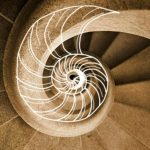
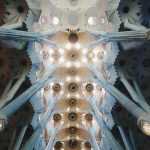
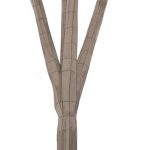
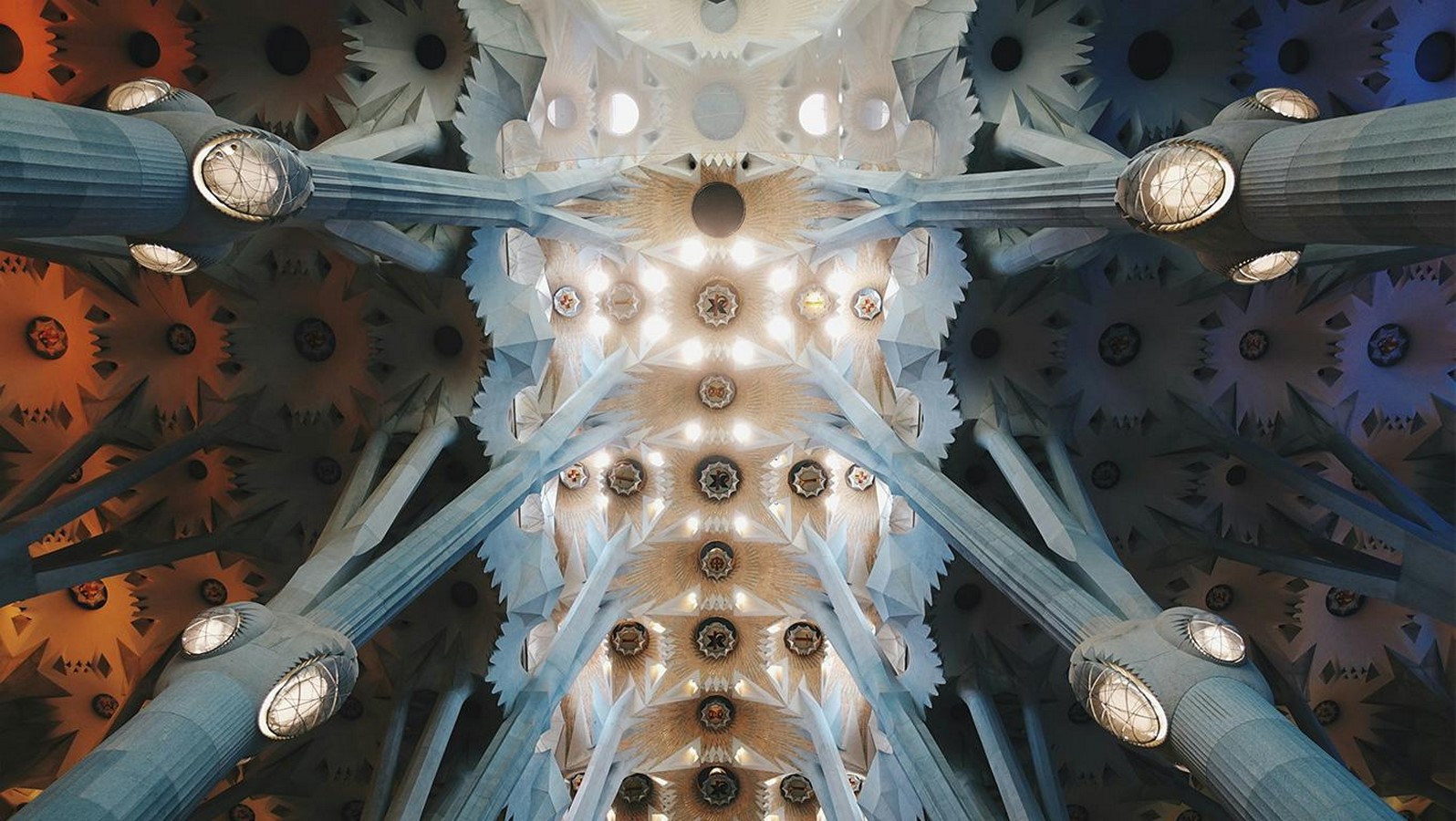
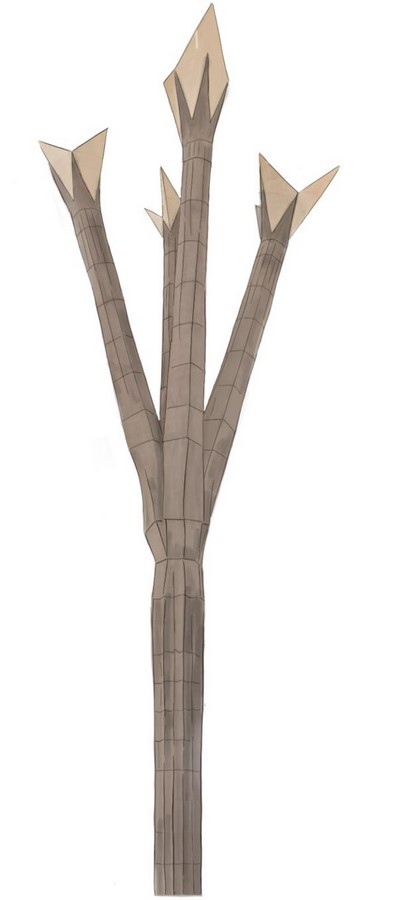
Gaudí did not explicitly design to conserve resources; instead, his buildings are structurally lighter. The roofs’ organic curves provide strength with less material, and the tree-like columns support greater weight with smaller diameters (Baptista & Yarnall, 2010). In the Sagrada Familia, his most famous work, the soaring ceilings mimic a leafy canopy and the tall columns resemble tree trunks.
The approach of nonconformist architects is a lesson for us that unique innovations come from questioning the established norms whilst preserving the structural and functional integrity of the building. It is undeniable that religion had a major impact on Gaudí’s art, but it is also crucial to understand that his work was not only a tribute to religion. It was also an expression of his peculiar artistic vision, which is a result of various factors such as his nature, his faith, and the evolving perspective through time.
The present-day architectural community can learn from this holistic approach, understanding that nonconformist architects succeed not only by being rebellious but also through their thoughtful integration of diverse influences, unique materials, and a respect for function and aesthetics. Gaudí’s legacy shows that architecture’s greatest milestones come from those brave enough to illustrate new territories, while remaining grounded in determined design.
References:
Sahni, E. (2022) ‘15 architects who were inspired by Gaudí, and their works’, RTF: Rethinking the Future, 24 January. Available at: https://www.re-thinkingthefuture.com/rtf-fresh-perspectives/a2012-15-architects-who-were-inspired-by-gaudi-and-their-works/ (Accessed: 13 September 2025).
Sugranyes I Gras, D. (n.d.) ‘Barcelona Modernista y Singular’. Available at: https://modernismobarcelona.com/autor/domenec-sugranyes-i-gras/ (Accessed: 13 September 2025).
Barcelona Life. (2018) ‘Modernisme or Catalan Art Nouveau – Modernista architecture in Barcelona’, 5 June. Available at: https://www.barcelona-life.com/barcelona/modernisme (Accessed: 13 September 2025).
Barcelona Life. (2019) ‘Casa Lleo I Morera Barcelona – Review by Barcelona Life 2023’, 26 July. Available at: https://www.barcelona-life.com/casa-lleo-morera (Accessed: 13 September 2025).
Gautam, U. (2017) ‘Antoni Gaudí: Remembering the “master of Catalan modernism” on his 165th birth anniversary’, Architectural Digest India, 25 June. Available at: https://www.architecturaldigest.in/content/antoni-gaudi-happy-birthday-master-catalan-modernism/ (Accessed: 13 September 2025).
ArchDaily. (n.d.) ‘Gallery of Palau de les arts Reina Sofía / Santiago Calatrava – 1’. Available at: https://www.archdaily.com/909673/palau-de-les-arts-reina-sofia-santiago-calatrava/5c420872284dd1f40f00005a-palau-de-les-arts-reina-sofia-santiago-calatrava-photo?next_project=no (Accessed: 13 September 2025).
Casa Terracota. (2022) ‘The architect. Octavio Mendoza Morales’, 12 December. Available at: https://casaterracota.com/en/the-architect/ (Accessed: 13 September 2025).
ArchDaily. (n.d.) ‘Gallery of AD classics: Wohnhaus Schlesisches Tor (Bonjour Tristesse) / Álvaro Siza Vieira + Peter Brinkert – 1’. Available at: https://www.archdaily.com/519337/ad-classics-wohnhaus-schlesisches-tor-bonjour-tristesse-alvaro-siza-vieira-peter-brinkert/53cf361fc07a80c64a000462-ad-classics-wohnhaus-schlesisches-tor-bonjour-tristesse-alvaro-siza-vieira-peter-brinkert-photo (Accessed: 13 September 2025).
ArchDaily. (n.d.) ‘Gallery of AD classics: Casa Milà / Antoni Gaudí – 6’. Available at: https://www.archdaily.com/367681/ad-classics-casa-mila-antoni-gaudi/51e55492e8e44e9f68000123-ad-classics-casa-mila-antoni-gaudi-photo (Accessed: 13 September 2025).
AinB. (2018) ‘The influence of Gaudí around Barcelona’, Apartments in Barcelona – Blog, 5 September. Available at: https://www.ainb.net/blog/gaudi-around-barcelona/#:~:text=Even%20after%20his%20dead%2C%20Antonio,building%20in%20Barcelona%3A%20Torre%20Agbar (Accessed: 13 September 2025).
Figueras, X. (n.d.) ‘Amigos de Gaud’. Available at: http://www.gaudiallgaudi.com/EA002%20G%20Amics.htm (Accessed: 13 September 2025).
Blystone, D. (2021) ‘Gaudí Exhibition Centre’, Barcelona Navigator, 9 July. Available at: https://barcelonanavigator.com/gaudi-exhibition-center/ (Accessed: 13 September 2025).
Dazey2. (2020) ‘Gaudí’s Whipstaff Manor’, Endlessly Waffle, 31 October. Available at: https://endlesslywaffle.wordpress.com/2020/10/31/gaudis-whipstaff-manor/ (Accessed: 13 September 2025).
SCEEN IT. (n.d.) ‘Vicky Cristina Barcelona – filming locations’. Available at: https://www.sceen-it.com/movie/288/Vicky-Cristina-Barcelona (Accessed: 13 September 2025).
Gaudi Club. (n.d.) ‘Gaudí and the Barcelona Club’. Available at: http://www.gaudiclub.com/ingles/i_links/miralles2.asp (Accessed: 13 September 2025).
Casa Batlló. (n.d.) ‘The interior | casa batlló – casa batlló by Antoni Gaudí, Barcelona’. Available at: https://www.casabatllo.es/en/antoni-gaudi/casa-batllo/inside/ (Accessed: 13 September 2025).
Wikimedia Foundation. (2023) ‘Antoni Gaudí’, Wikipedia, 11 March. Available at: https://en.wikipedia.org/wiki/Antoni_Gaud%C3%AD (Accessed: 13 September 2025).
UNESCO World Heritage Centre. (n.d.) ‘Works of Antoni Gaudí’. Available at: https://whc.unesco.org/en/list/320/ (Accessed: 13 September 2025).
Casa Batlló. (n.d.) ‘Barcelona and Modernism – Casa Batlló by Antoni Gaudí, Barcelona’. Available at: https://www.casabatllo.es/en/antoni-gaudi/barcelona/modernisme/ (Accessed: 13 September 2025).
Casa Batlló. (n.d.) ‘Works of Antoni Gaudí – Casa Batlló by Antoni Gaudí, Barcelona’. Available at: https://www.casabatllo.es/en/antoni-gaudi/works/ (Accessed: 13 September 2025).
Stott, R. (2019) ‘Spotlight: Antoni Gaudí’, ArchDaily, 25 June. Available at: https://www.archdaily.com/519298/happy-birthday-antoni-gaudi (Accessed: 13 September 2025).
The Art Story. (n.d.) ‘Gaudí architecture, bio, ideas’. Available at: https://www.theartstory.org/artist/gaudi-antoni/#pnt_8 (Accessed: 13 September 2025).
Arya Chatterjee, D. C. (2019, July 10). Discover Gaudí’s first project through the lens of David Cardelus. Architectural Digest India. Retrieved March 19, 2023, from https://www.architecturaldigest.in/content/antoni-gaudis-casa-vicens-lens-david-cardelus/
Tardiff, S. (2016, August 15). See 7 of the world’s Best Modernist structures designed by Antoni Gaudí. Architectural Digest. Retrieved March 19, 2023, from https://www.architecturaldigest.com/gallery/architect-antoni-gaudis-most-influential-modernist-designs?redirectURL=https://www.architecturaldigest.com/gallery/architect-antoni-gaudis-most-influential-modernist-designs
Baptista, F.G. & Yarnall, K. (2010) ‘Gaudí’s Masterpiece: Nature-Inspired Architecture’, This Big City. Available at: http://thisbigcity.net/Gaudís-masterpiece-nature-inspired-architecture/ (Accessed: 14 September 2025).
Douglass, M. (2015) ‘Nine Incredible Buildings Inspired by Nature’, BBC, 15 September. Available at: http://www.bbc.com/earth/story/20150913-nine-incredible-buildings-inspired-by-nature (Accessed: 14 September 2025).