The Story and Philosophy of Daniel Libeskind
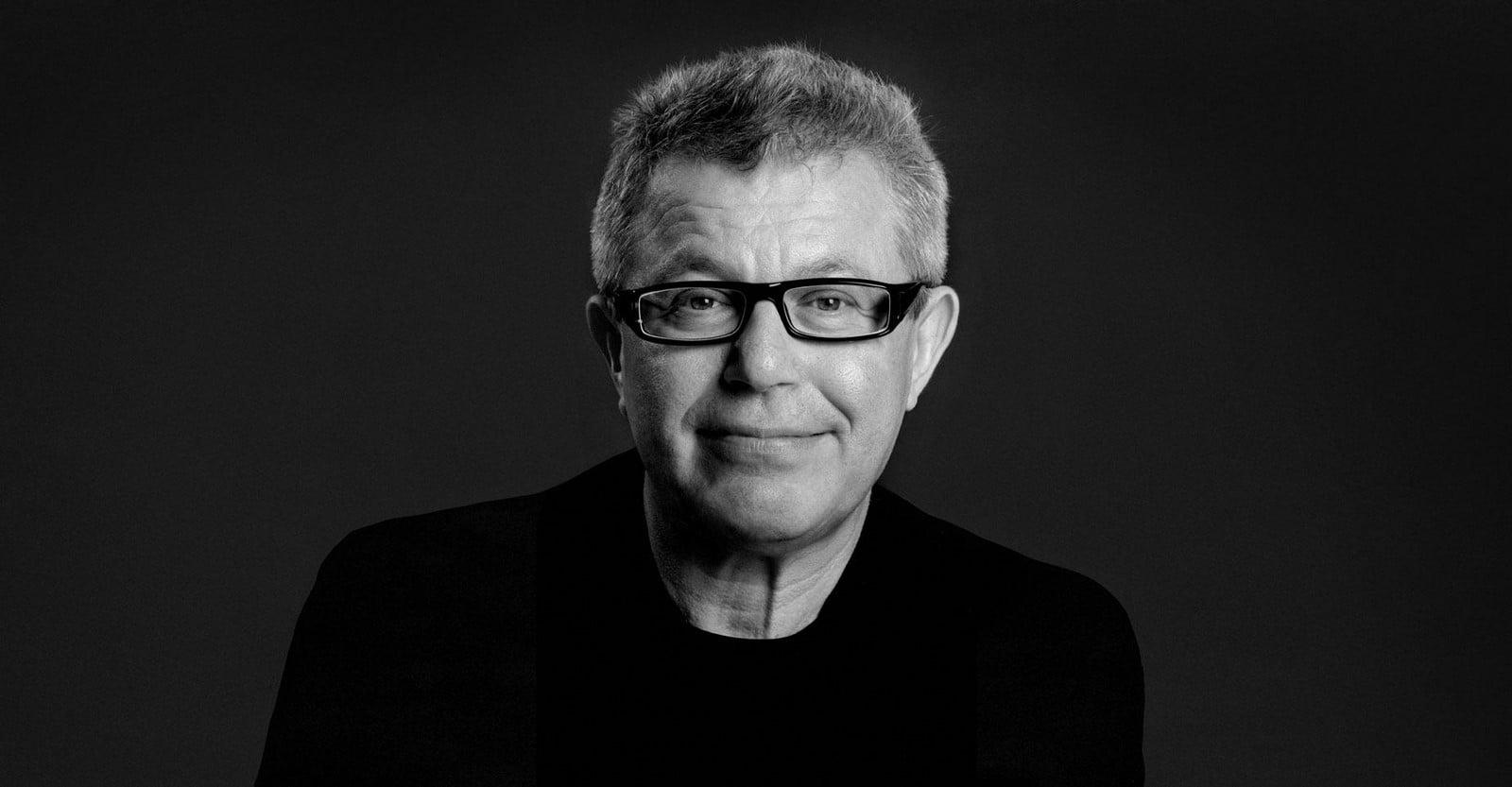
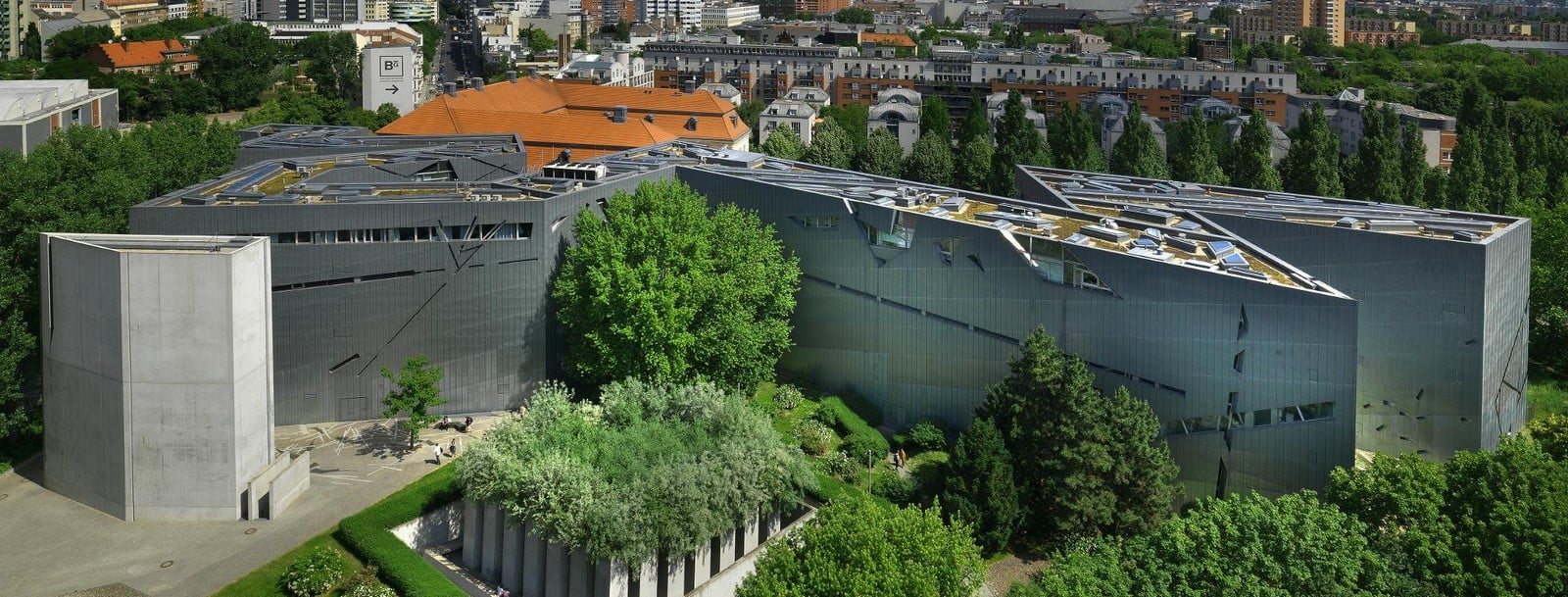
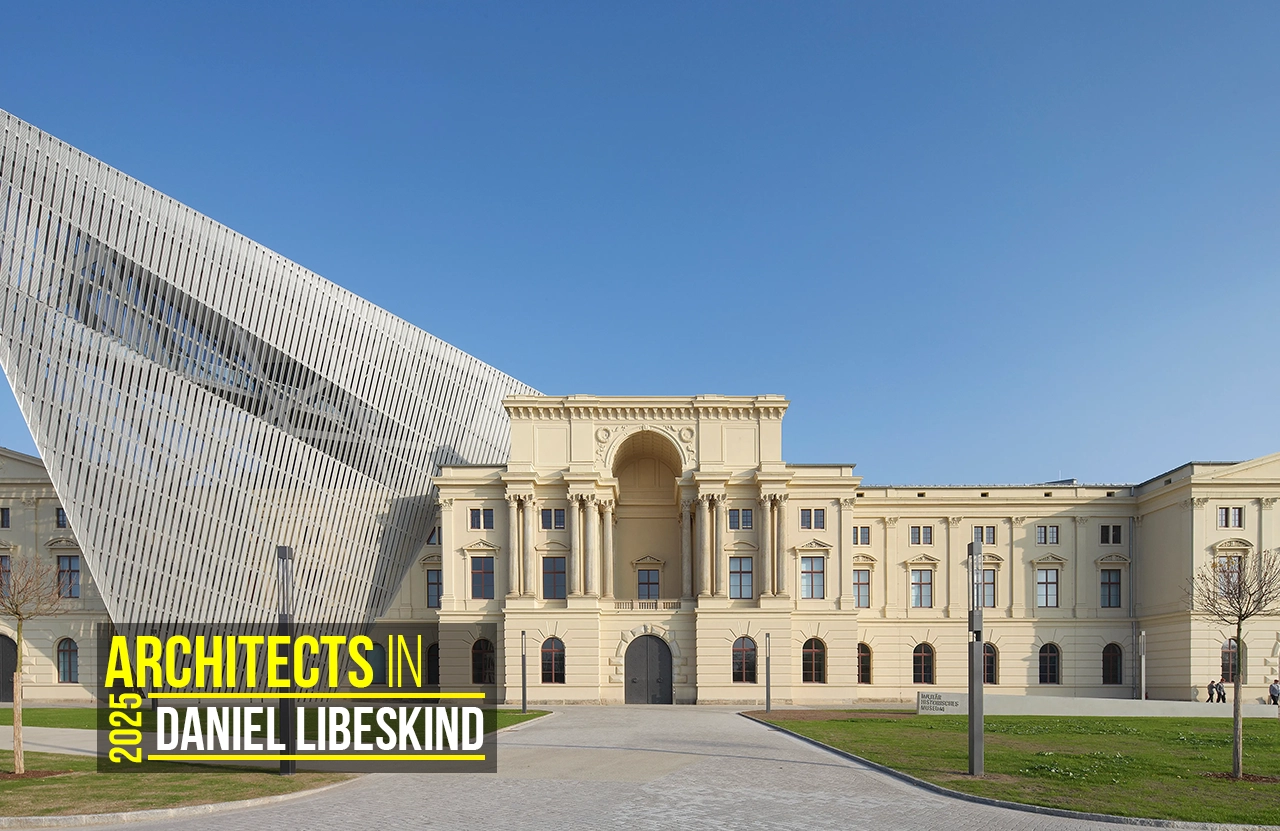
Renowned for projects like the Jewish Museum Berlin(1999) and World Trade Center masterplan (2003), Daniel Libeskind is a Polish American architect, designer, and educator. He was born on 12th May 1946 and was a World War II Holocaust survivor who emigrated to the USA in 1959. He was initially trained as a musician before pursuing architecture at The Cooper Union (New York) and Essex University (UK). By 1989, he established his firm Studio Daniel Libeskind with his wife. He is known as the architect of memory and identity who bridges the gap between what was experienced in the past and translates it into future spaces. His design ideology is sharp geometry characterized by sharp fractured lines, tilted planes, and dramatic forms, symbolic forms that depict the history and trauma through the spaces, and emotionally charged architecture that evokes a feeling of connection and reflection. However, as the world moves forward and evolves, how does Libeskind evolve his practice in 2025 to stay relevant?
From Iconic Memory to Social Responsibility
As the world is progressing, a shift can be seen in the needs of the people in terms of architecture as well. Architects are moving towards AI-driven tools, sustainability, adaptive reuse, the climate crisis, and social responsibility. Earlier, his projects were based on symbolism and monumental thinking, but now a shift can be observed in terms of serving the community needs in terms of their social, cultural, and historical significance. It shows evolution from iconic “starchitecture” to empathetic, socially responsible design, which can be seen in his examples.
Rosenberg Residences, Long Island (2024–25)
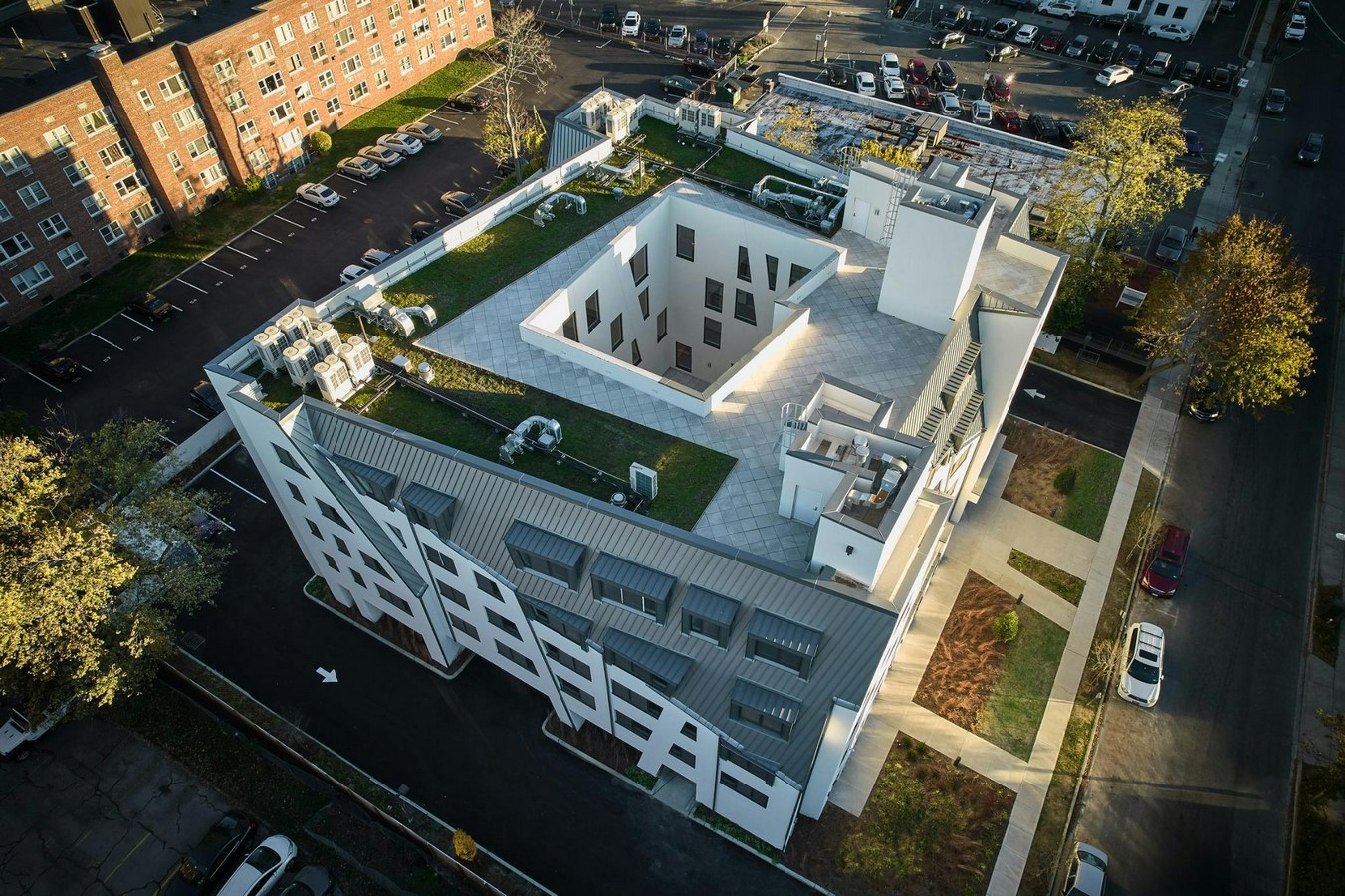
Rosenberg Residences, located in Long Island, New York, is one of the most human-centred designs of Daniel Libeskind. This project caters to the most difficult challenge of providing beauty, light, and comfort in low-cost housing for a vulnerable group, low-income seniors, and formerly homeless individuals. Designers often compromised on aesthetics in such cost-effective buildings, but his idea was to provide shared communal spaces by arranging residential dwellings along courtyards to break the feeling of isolation. Building Orientation and large windows allow the maximum penetration of natural light and ventilation for the emotional and mental well-being of the residents.
Atrium at Sumner, Brooklyn (Completed 2023–24)
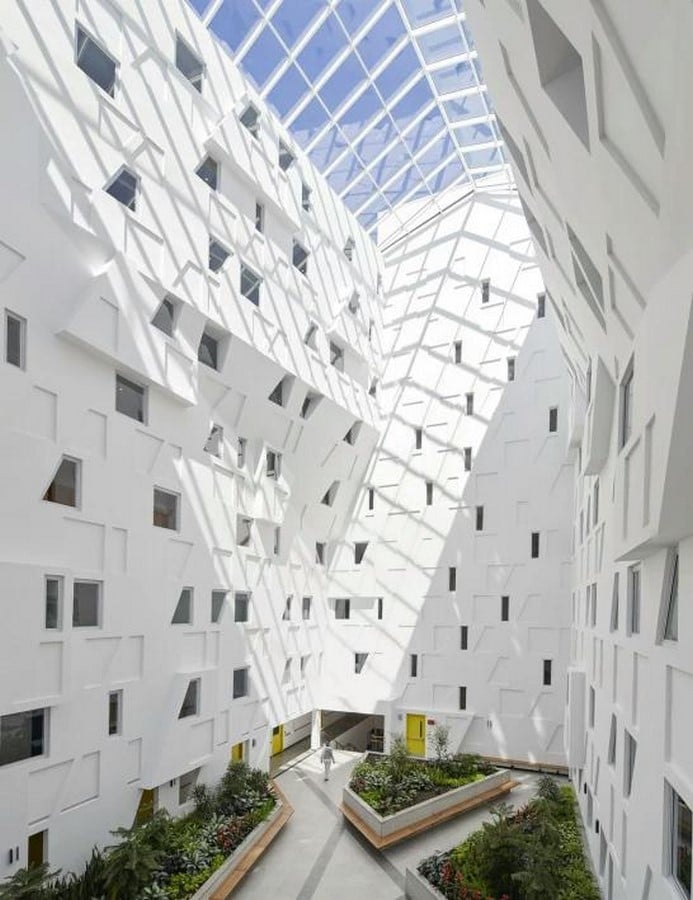
Another great example of socially responsive and inclusive design for the most addressed urban issue, which is housing for aged people. Located in Brooklyn, New York, this project is in collaboration with a non-profit organization dedicated to this cause. This caters to the user group of elderly people who face displacements, health issues, and social isolation. The ‘Social Heart’ of the project is the atrium, which acts as a focal point for interaction, visibility, and community building. It also includes health and wellness centres to serve their needs and turn it into a thriving social Hub which is responsive towards their needs.
Léon Blum District Project (2023–Ongoing)
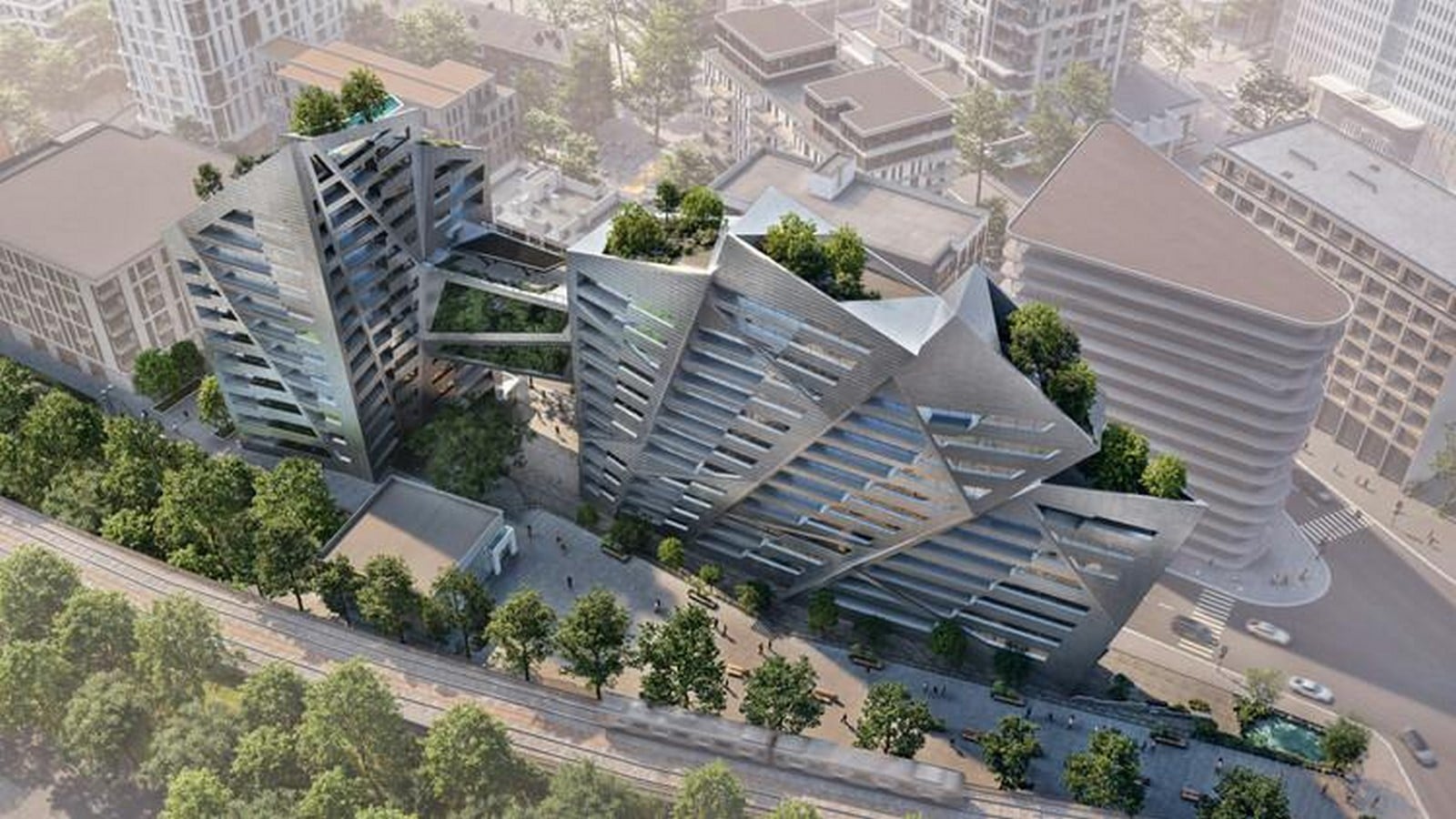
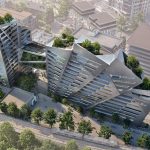
Located in the vibrant cityscape of Paris, this project tried to blend bold architectural form with social and environmental factors. This project stands out because of Daniel Libeskind’s idea of inclusive programming and urban sensitivity. It has a fan-shaped facade that depicts how it unfolds towards the city. It serves two purposes: Firstly, it breaks the monotonous block-like structures by evoking the feeling of openness. Secondly, for daylight penetration, improved airflow, and visual porosity, which increases the connection of city life to the occupants rather than being a barrier. This results in reducing energy loads and creating a microclimate in the building. It also welcomes the idea of Mixed-use urbanism by placing offices, social housing, and sports facilities within one district. It serves Daniel’s idea of integrating working, living, and leisure in close proximity for community engagement and healthier lifestyles.
Adaptive Reuse & Heritage Revival:
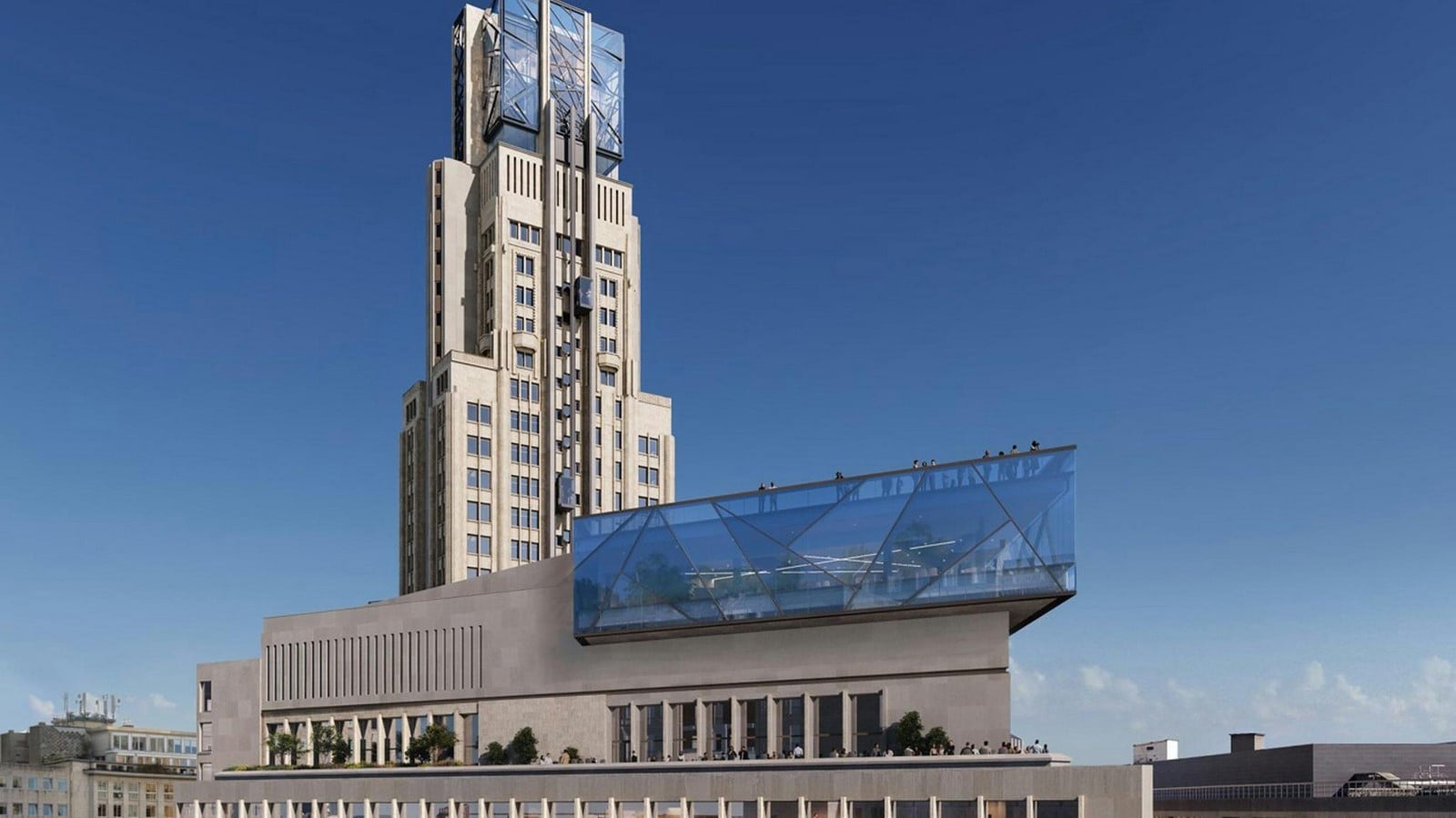
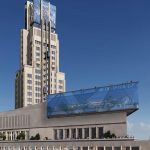
Daniel Libeskind also adopted the idea of Adaptive Reuse. He started implementing this idea of reviving existing heritage with new meaning rather than only focusing on building new monuments. His approach emphasizes continuity, layering history, and giving meaning to preexisting structures. One such example can be seen in Boerentoren, Antwerp, located in Belgium, which is one of the earliest skyscrapers built in the 1930s. It was an Art Deco Landmark, which was reimagined into a cultural hub that turns it into a new focal point for art, culture, and community. This includes integration of multifunctional cultural centers, including exhibition spaces, performance areas, and public amenities. One of the striking features is the rooftop gardens, which connect users with nature and boost interactions. He kept the building’s art deco bones intact but added a futuristic, dramatic crown on the top, which complements the structure. He tried to preserve its original essence while updating it to align with the 21st century.
Technology, Sustainability & Future Thinking
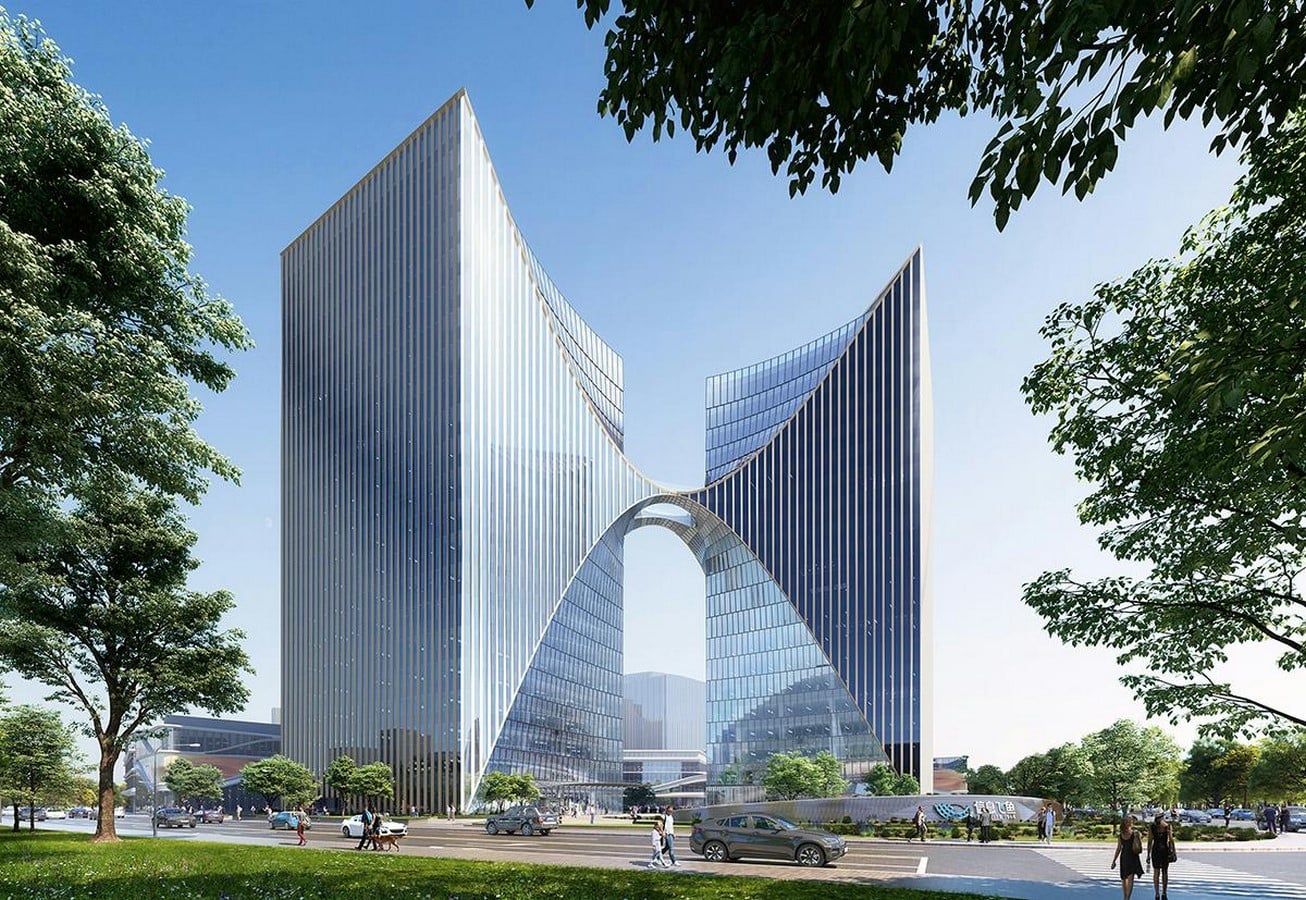
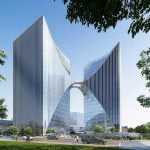
Daniel Libeskind Studio is known for evoking emotions, but now they are incorporating innovative tools along with their essence of storytelling. In the era of sustainability, Studio Libeskind is using AI-driven modelling along with parametric tools and BIM simulations to make buildings not only aesthetically pleasing but also in an urban responsive context. This allows them to test structural efficiency, daylight penetration, energy performance, and material lifecycles in real time. By trying different iterations, it helps to achieve maximum balance between functionality and aesthetics. In his high-rise project in Shanghai, they tried to build seismic resistance and wind loads by optimizing geometries, stating how technology can be used in such vulnerable conditions. They also use low-carbon construction systems and energy-efficient facades to bring natural ventilation, shading, thermal insulation, and less dependency on artificial means. Renewable sources of energy like solar panels, rainwater harvesting, and recycled materials are also integrated by following global green building standards. By incorporating all these, Daniel Libeskind Studio remains dedicated to the humane, narrative, and cultural essence of design.
Libeskind as Educator & Curator
Daniel Libeskind is sharing his ideology not only by designing buildings but also by participating in architecture discourse through teaching, writing, and mentoring. He served as a jury member in many competitions, including the Architizer Vision Awards 2025, which is one of the most influential platforms for sharing his vision. It allows him to help define standards of innovation, sustainability, and cultural relevance for the next generation of architecture. He is also a frequent lecturer at universities, symposiums, and public forums, which helps him to share his ideas on merging culture with architecture. This helps young minds to know the current needs of society, which bridges the gap between studio and real-life learning. Unlike other modernist architects, he kept storytelling and evoking emotions at the core of his design philosophy. He mentored these young students through teaching, participating in competitions, and exhibitions. He not only serves society by designing but also as a cultural critic and educator, which sets him apart.
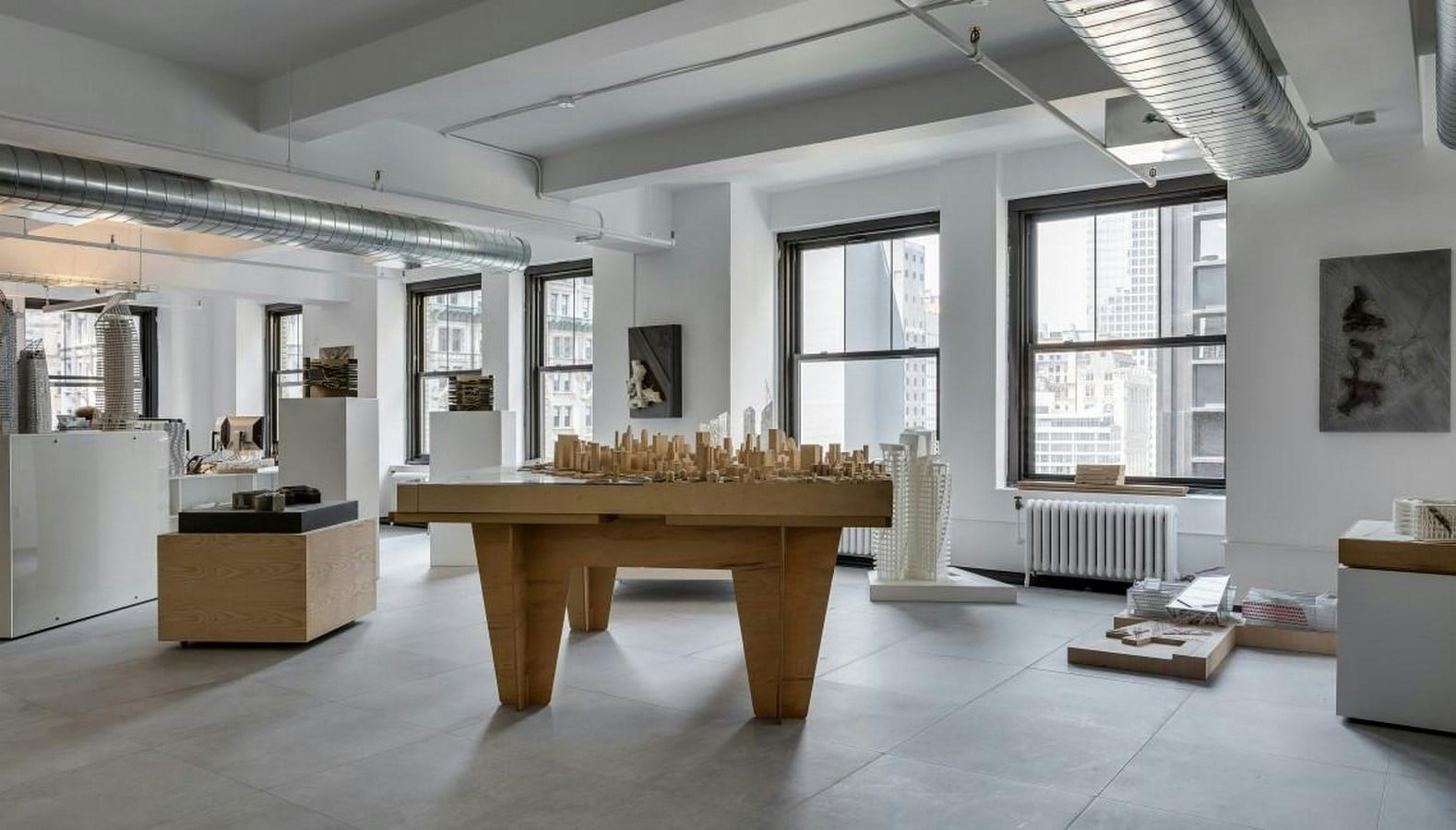
The Evolution of work of Daniel Libeskind shows how an architect addresses real-life problems and society by forgetting his core principles that shape their identity. Earlier, their primary focus was to design monumental, aesthetically pleasing buildings with memory, resilience, and identity in them, which still remains relevant. But now they have expanded into projects like affordable housing, adaptive reuse, and sustainability, and yet remain iconic. They also focused on innovation by updating themselves with the latest technology, like BIM, simulations, parametric designs, and integration of AI. Now, Libeskind Studio has the dual strength of bold symbolic gestures and human-centric designs. Also, he proved that keeping knowledge to himself will not create awareness in the young minds; therefore, he engaged as an educator as well. Libeskind proves architecture can carry memory forward, while also shaping resilient, inclusive futures. This gives future architects an inspiration to grow in their practice, understand their responsibility, and serve society as they hold immense power in shaping the future.