For centuries, the art world has been a stage dominated by men, with the stories and contributions of women often relegated to the background. In a patriarchal system that denied them access to formal training, galleries, and critical recognition, women artists were systematically written out of art history. Today, however, a profound shift is underway. Across the world, and particularly within India’s vibrant art scene, women artists have not only reclaimed their rightful place but are also leading the charge in using art to challenge social norms, ignite dialogue, and create a more inclusive and representative global narrative.
The Global Context: From Invisibility to Protest
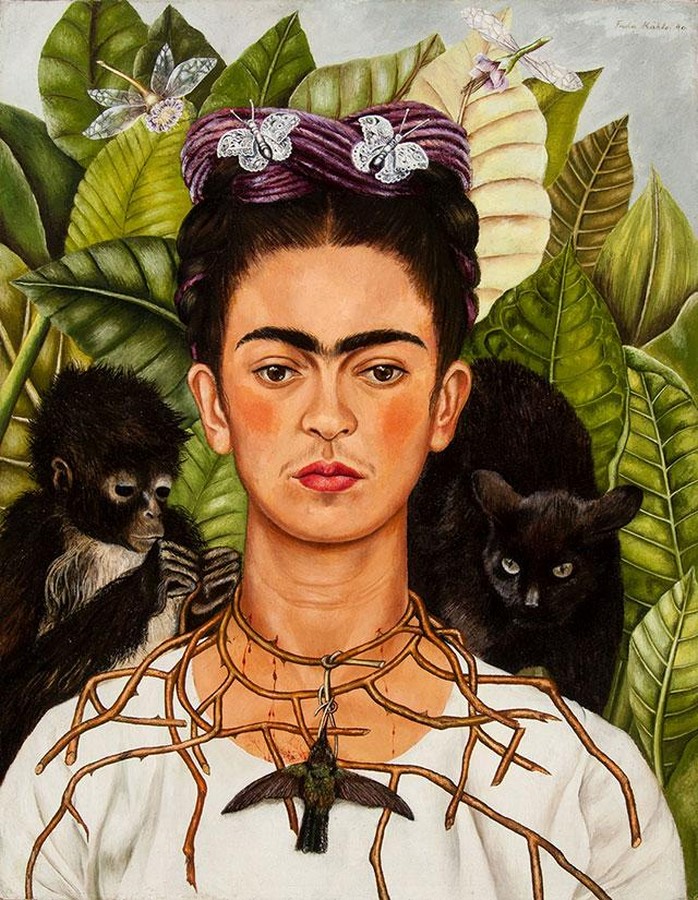
The historical exclusion of women from the art world is a well-documented story. During the Renaissance, women were forbidden from studying the male nude, a fundamental part of a painter’s training, severely limiting their opportunities. Their contributions were often erased, with their works attributed to male relatives or simply left uncredited. This long period of invisibility began to crack in the 20th century. Women like Frida Kahlo and Georgia O’Keeffe defied the male-centric art establishment by exploring deeply personal and powerful themes of identity, nature, and the female form. Their unique visions could not be ignored, and they became foundational figures for future generations.
The true turning point arrived with the feminist art movement of the 1970s. Artists began to use their work as a direct form of protest against sexism. The Guerrilla Girls, an anonymous collective of female artists, famously exposed gender and racial inequality in the art world with posters that asked, “Do women have to be naked to get into the Met. Museum?”
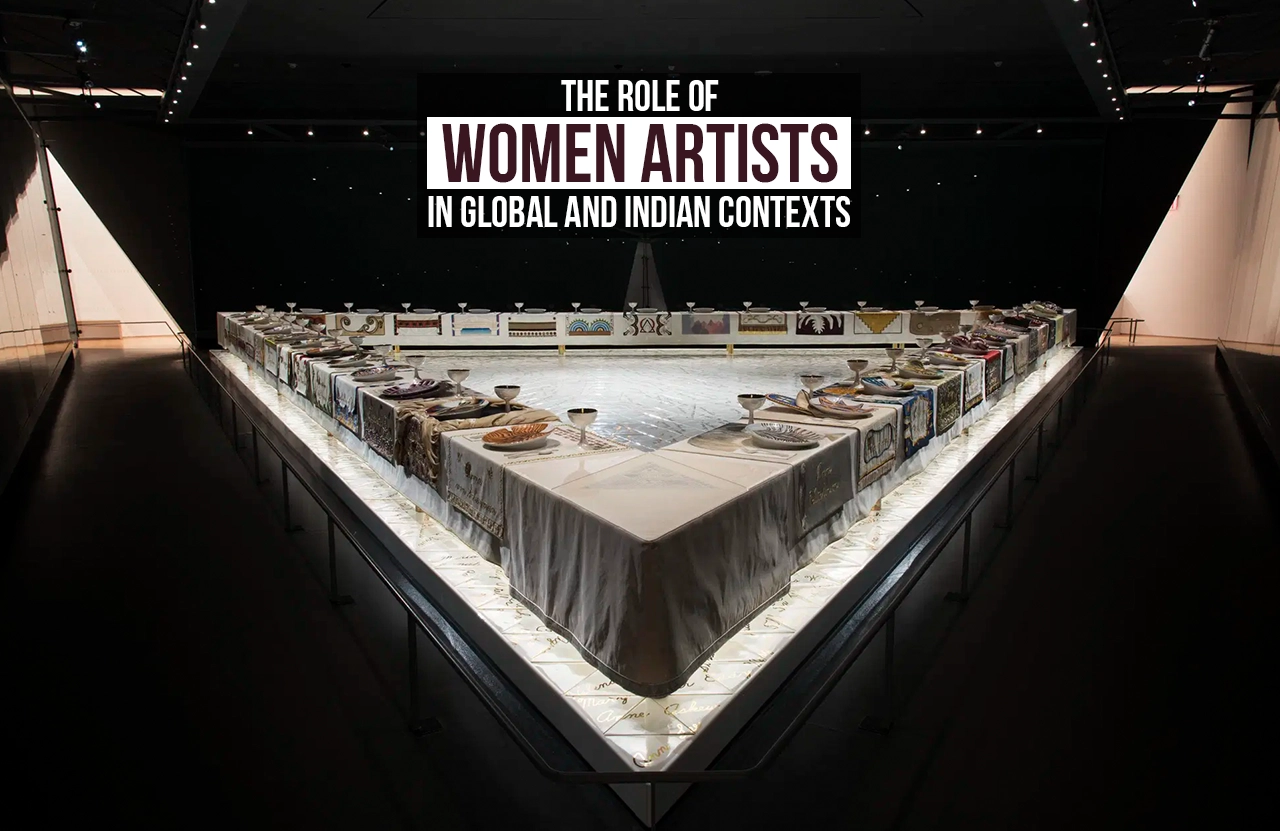
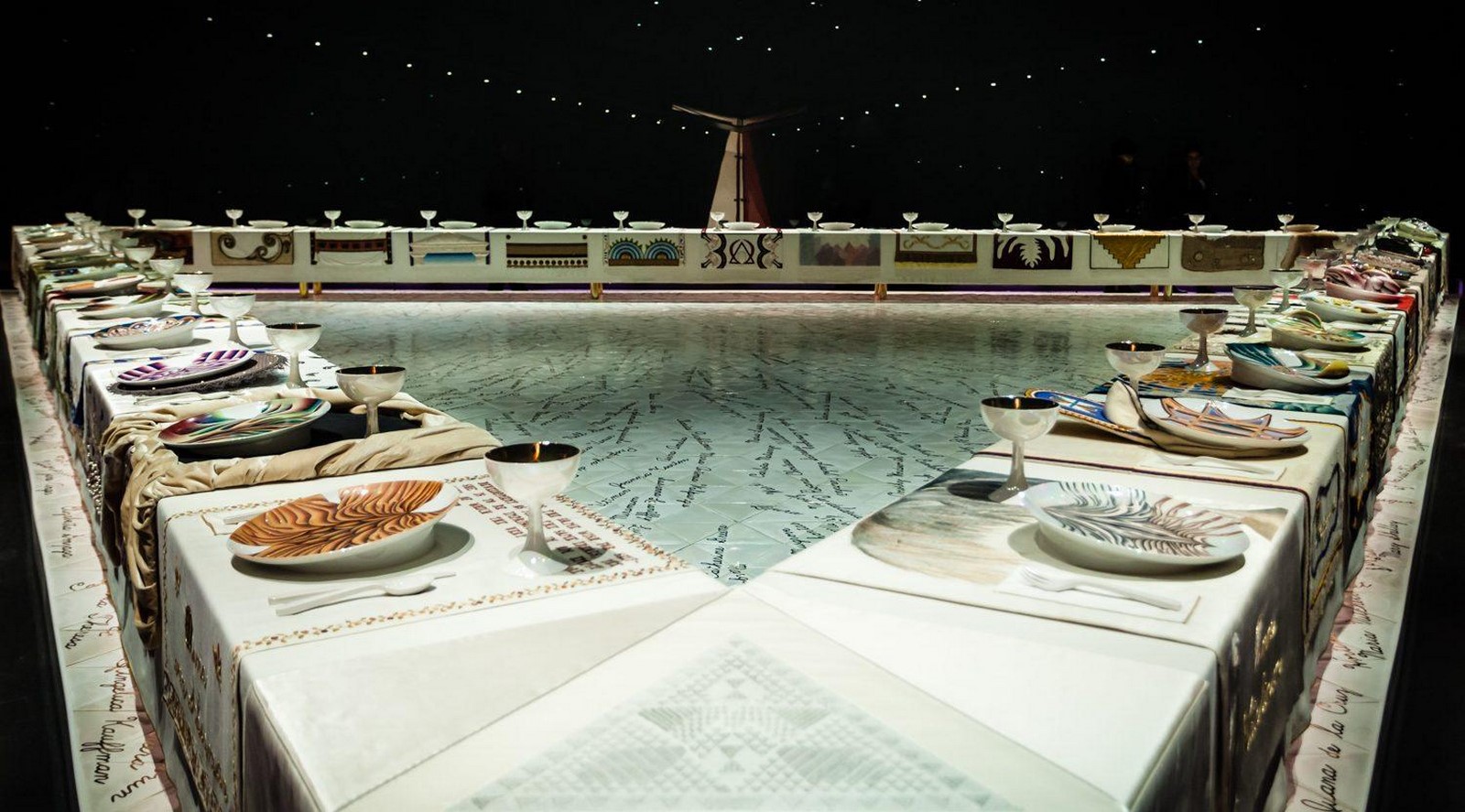
This era of outspoken activism and performance art, led by figures like Judy Chicago and her monumental installation, The Dinner Party, brought feminist issues to the forefront and demanded institutional change. Today, a new generation of global artists continues this legacy, exploring themes of gender identity, sexuality, and environmental justice, ensuring that the conversation remains alive.

The Indian Context: Breaking Tradition and Patriarchy
In India, the story of women artists is woven into a complex tapestry of tradition, gender, and caste. For centuries, women were the uncredited creators of traditional and folk art, from the vibrant walls of Madhubani paintings to the intricate patterns of rangoli. While this work was culturally significant, it was not seen as “fine art” and was almost always anonymous.
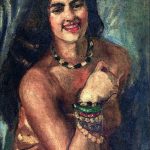
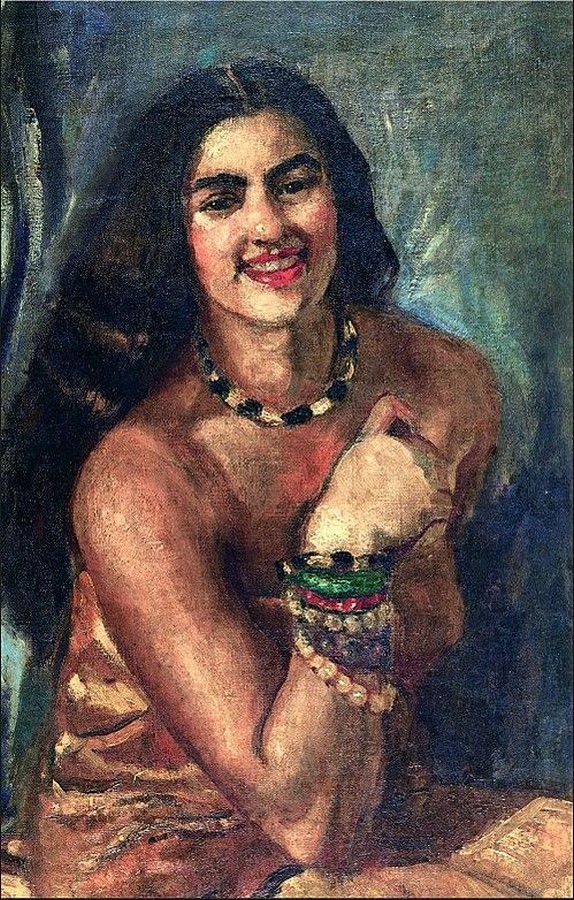
The first major shift came with pioneers like Amrita Sher-Gil, who is often called the “Indian Frida Kahlo.” Trained in Paris in the 1930s, she returned to India and rebelled against both Western art traditions and the patriarchal norms of her time. Her portraits of Indian women, often melancholic and introspective, were a profound departure from the romanticized, male-gaze depictions of the female form. She was a fearless trailblazer who opened the door for a new generation of women artists to enter the modern Indian art scene.
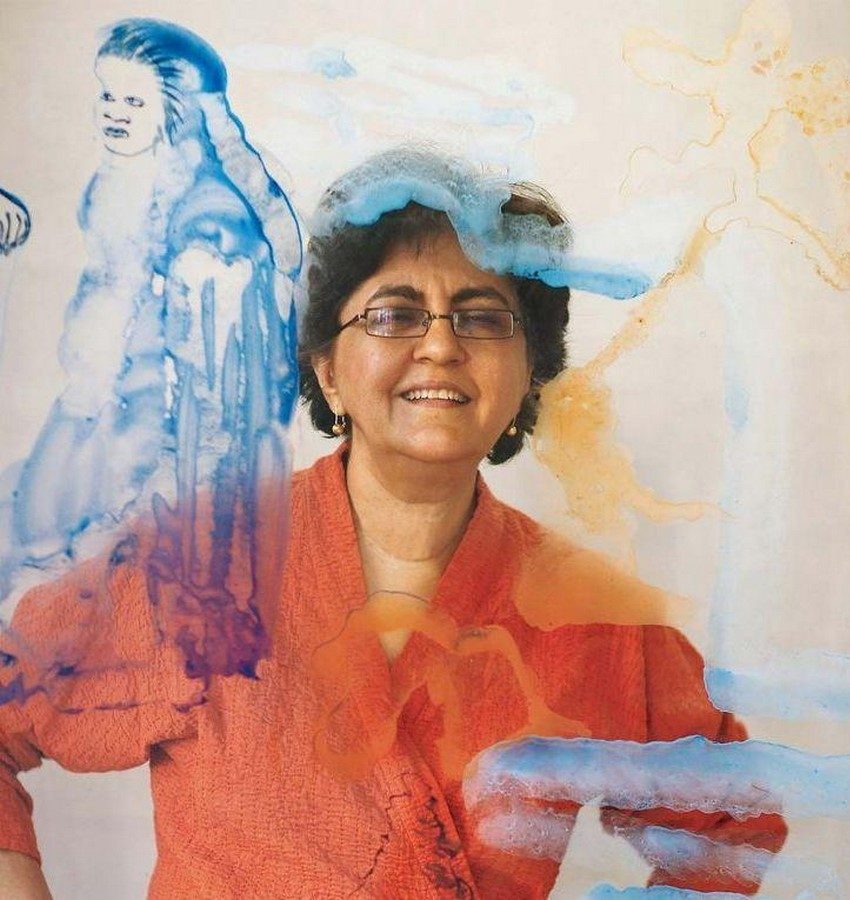
Today, Indian women artists are at the heart of the country’s artistic renaissance. Artists like Nalini Malani, known for her powerful video and shadow plays, use mythological narratives to critique gender violence and social injustice. Arpana Caur explores themes of time, loss, and the silent suffering of women. Younger artists like Bharti Kher and Shilpa Gupta continue to push boundaries, using a diverse range of media, from sculpture and installation to digital art, to explore identity, globalization, and social critique. Their work is a vibrant and essential dialogue on the intersection of gender, class, and politics in contemporary India.
Themes and Contributions: From Personal to Universal
While women artists operate within different cultural landscapes, their work often shares common themes. A key contribution is the exploration of personal identity and the female body, transforming it from a passive object of male desire into a site of power, vulnerability, and narrative. Their art often challenges traditional power structures, providing a platform for marginalised voices and stories that would otherwise go unheard.
Furthermore, women artists have played a crucial role in bringing new perspectives to environmental issues, politics, and social justice. Their art often acts as a bridge between the personal and the political, making complex issues accessible and emotionally resonant for a wider audience. In both the global and Indian contexts, women artists have proven that their work is not just a reflection of society, but a powerful force for shaping it.
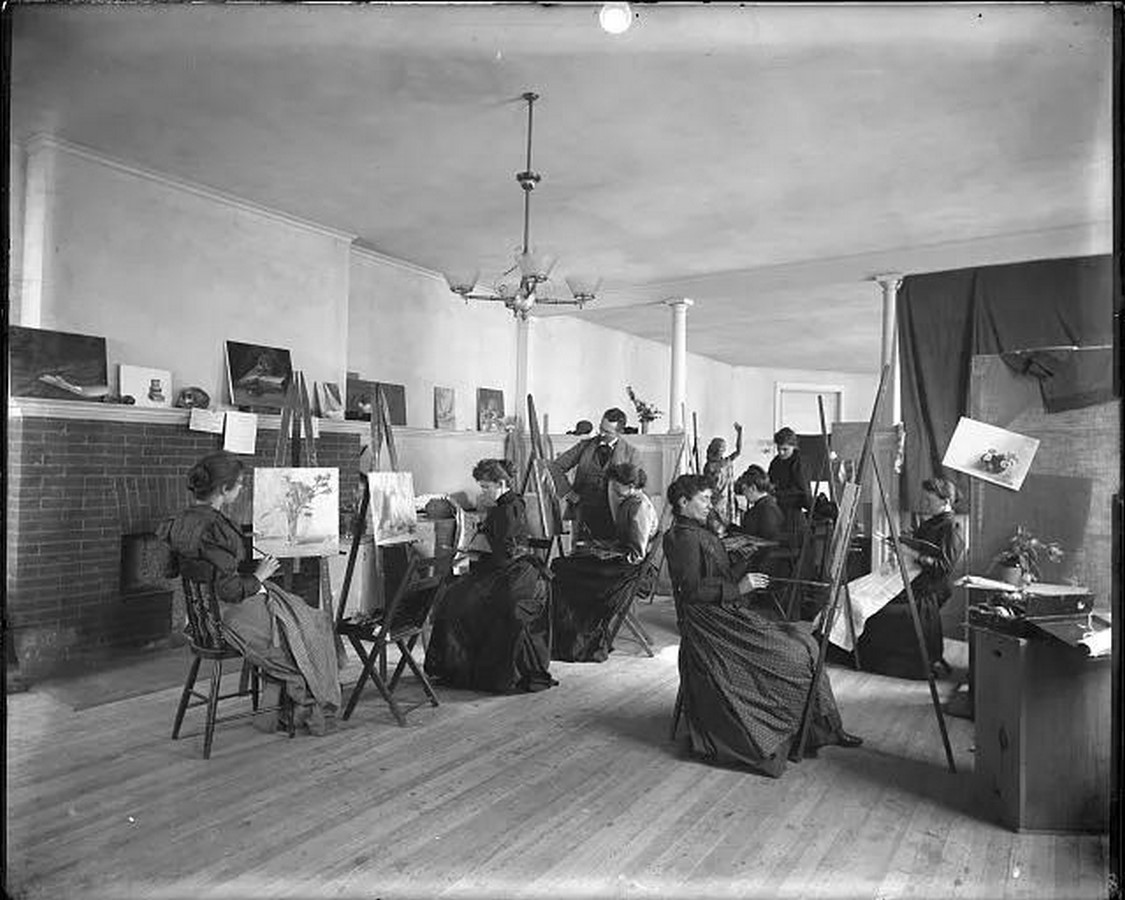
The journey of women artists is a testament to their resilience, creativity, and unwavering determination. From being silent, anonymous creators of tradition to becoming powerful, recognized voices on a global stage, their role has evolved from simply participating in the art world to fundamentally transforming it. Today, women artists are not just adding to art history; they are actively rewriting it, ensuring that the global artistic narrative is richer, more truthful, and more inclusive for generations to come.
References:
- Guerilla Girls (2025). About. [Online]. Available at: https://www.guerrillagirls.com/about/ (Accessed: 11 September 2025).
- The Art Story (2025). Judy Chicago. [Online]. Available at: https://www.theartstory.org/artist/chicago-judy/ (Accessed: 11 September 2025).
- Lal, A. (2024). Indian Women Artists: A Journey from Obscurity to Global Acclaim. [Online]. Available at: https://www.contemporaryindianart.com/indian-women-artists-journey/ (Accessed: 11 September 2025).
- Mitter, P. (2023). The Triumph of Indian Women Artists. [Online]. Available at: https://www.artforum.com/features/the-triumph-of-indian-women-artists/ (Accessed: 11 September 2025).
- Tate (2025). Feminist Art. [Online]. Available at: https://www.tate.org.uk/art/art-terms/f/feminist-art (Accessed: 11 September 2025).
- Artnet News (2025). Amrita Sher-Gil: The Indian Artist Who Defied Her Time. [Online]. Available at: https://news.artnet.com/art-world/amrita-sher-gil-indian-artist-1234567 (Accessed: 11 September 2025).