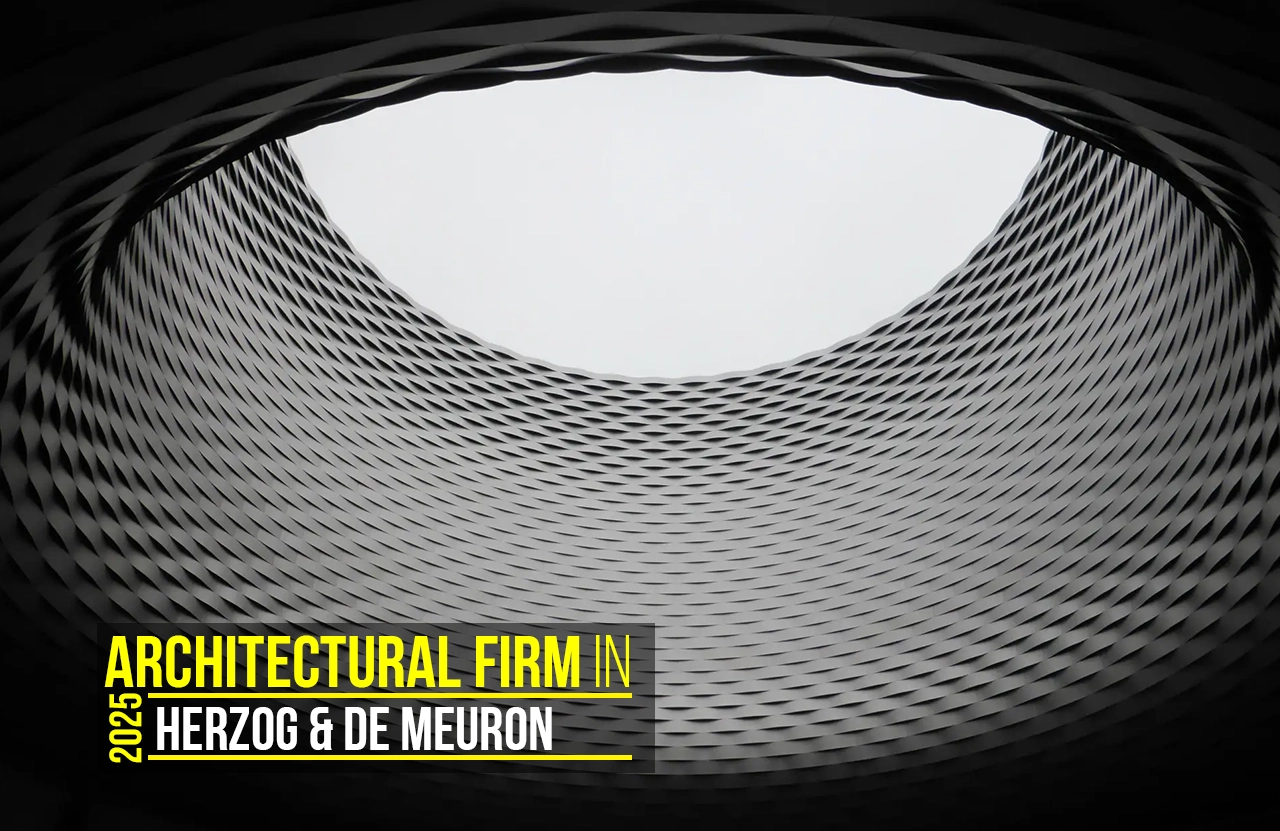
Herzog & de Meuron has been pushing the envelope farther within and outside the aseptic walls of architecture, navigating climate change and today’s digital and social challenges in 2025. Headquartered in Basel, this avant-garde firm does not profess to adhere to any single architectural style but allows each project to emerge organically according to its local environmental setting. This can be starkly observed from their recent work, which combines the axis of adaptive reuse, sustainably sourced materials, and avant-garde experimentation with AI.
AI and the Provocation of Hansel & Gretel
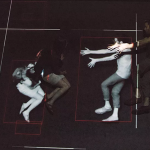
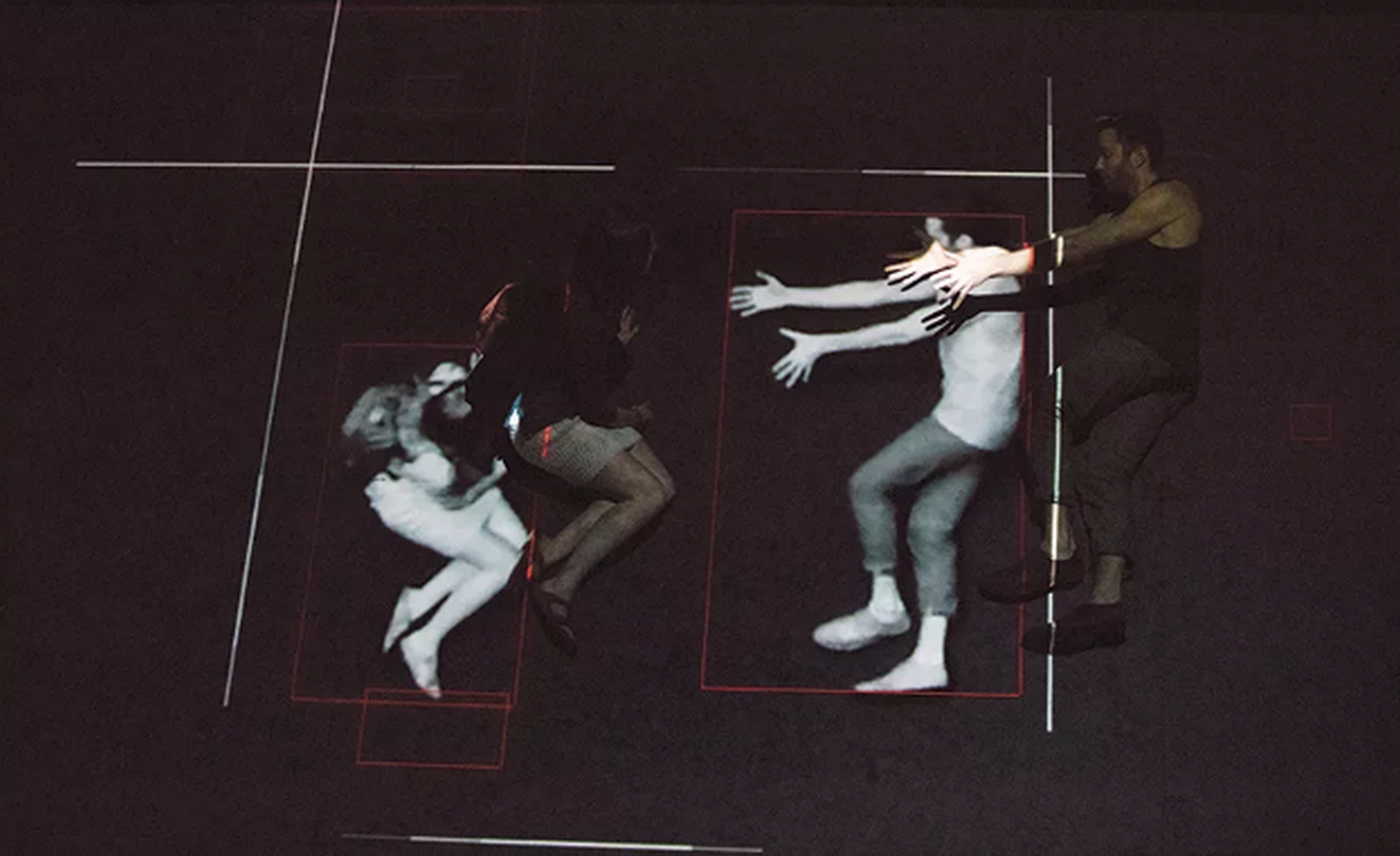
Amongst many provocative projects in recent times, Hansel & Gretel, an installation designed in collaboration with Ai Weiwei for the Park Avenue Armory in New York City. In 2022, they incorporated AI-run surveillance algorithms, which provide yet another perspective on the tale, something ironic about the original caption; as people wander through the drill hall, drones track them while “breadcrumbs” projected towards the ground light up and scramble according to their movements.
For Herzog & de Meuron, this is not just another exhibition; it is a serious critique of surveillance in architecture. It emphasizes that urban spaces today are potentially and increasingly transforming into control areas. Architect Jacques Herzog has been sharing views with Ai Weiwei: “Architecture today only has a weight proportionate to the recognition of its role in systems of control: Hansel & Gretel makes visible that role, defined and inescapable” (Architectural Record, 2017).
In 2025, this has now morphed into a project likely potent enough to represent the firm’s intent to explore AI concerning more than mere efficiency in design enhancement, but also the challenge of culture. The structure of this installation creates an architectural emblem in which important social problems are addressed and invites the audience to experience a discussion of those issues in a very visceral way.
Adaptive Reuse as Cultural Community
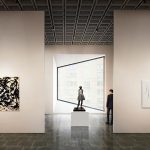
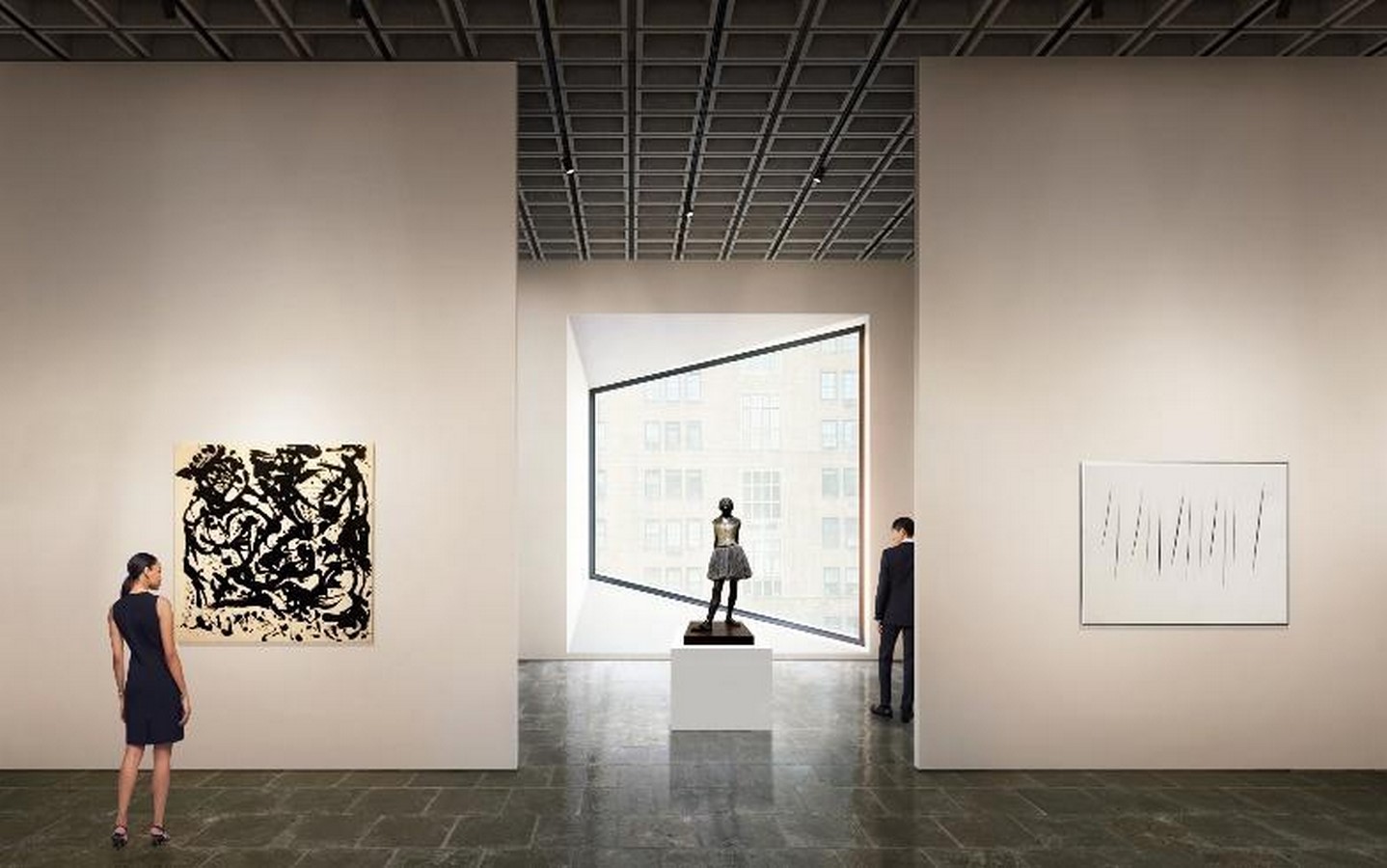
While the Hansel and Gretel show exhibit, which pushes boundaries, the company exercises another muscle through their adaptive reuse work whereby consideration is given in regards to what came before. In New York, they stealthily converted the erstwhile Whitney Museum building, designed by Marcel Breuer, into the global headquarters of Sotheby’s. The brutalist form of the original building was honored in conversion but adjusted to allow for transparency, accessibility, and programmatic elasticity (Architectural Digest, 2025).
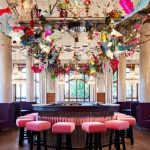
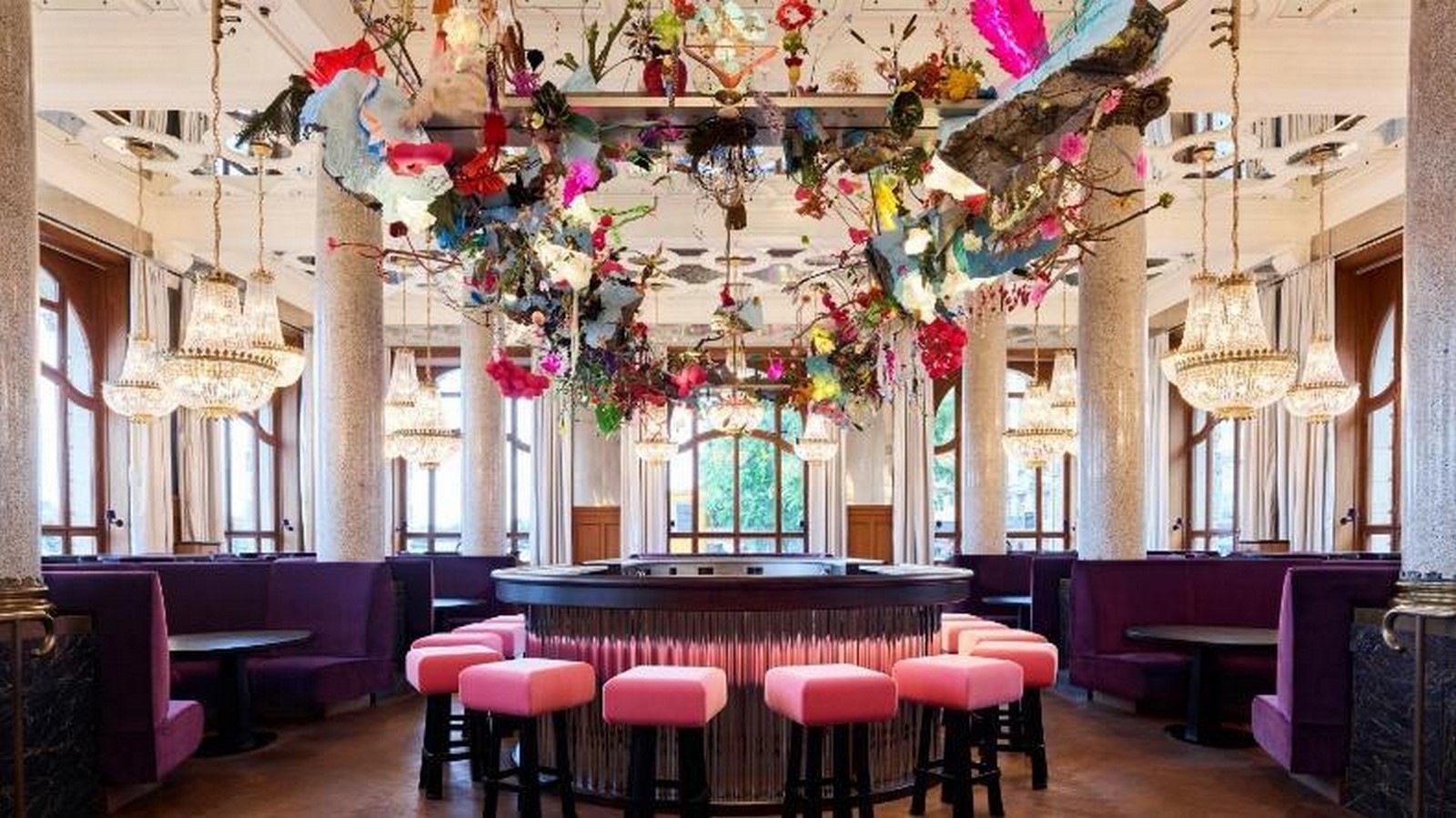
The same sense of importance is shown also in Basel with their hotel extension for Hotel Les Trois Rois. The new spa wing would be contemporary yet respectful of the main building, finished in warm timber that echoes the ancient stone property. Heritage is not set as a static entity but rather as a closely interwoven and expandable fabric (Wallpaper, 2025).
This goes even deeper into statements in 2025 that phrase with saying: The most sustainable building is the building that has already been built and can now be imagined for a purpose different from what has been written in its history.
Climate Responsive Civic Architecture
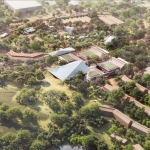
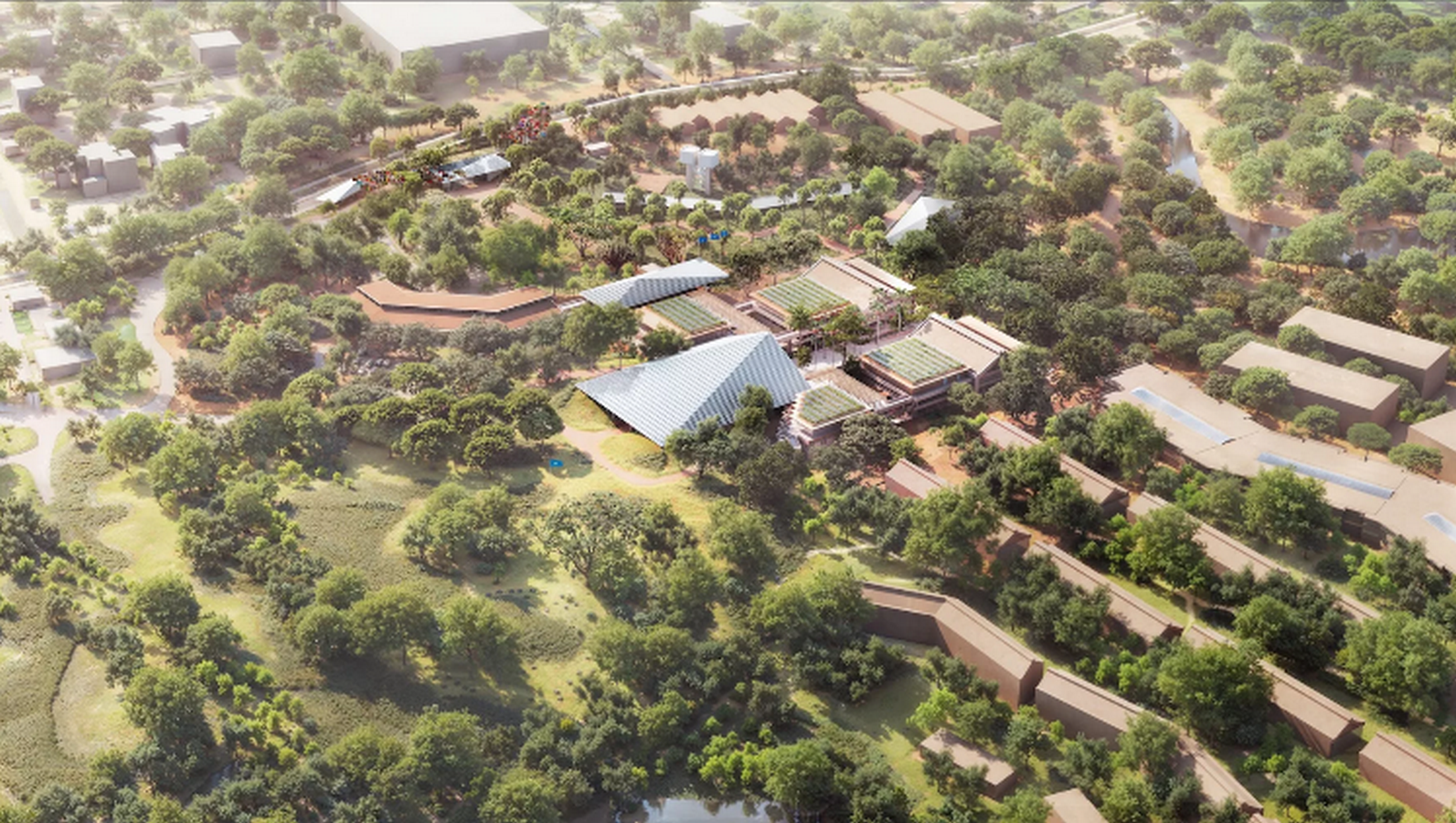
At the level of the city, Herzog and de Meuron faced the direct challenges of resilience and institutional responsibility. Their co-leadership of the expansion of the United Nations Nairobi campus aptly demonstrates that. The aim was to surpass net zero for this building, which employs thick local stone walls and deep shading used in combination with naturally ventilated atria to minimize reliance on mechanical cooling. Built in full accord with the fabric and materials of the structures, the UN operations are thus integrated with the prevailing Kenyan climate conditions (Architectural Record, 2025).
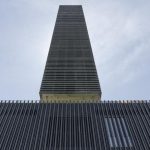
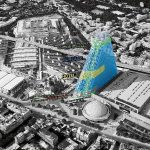
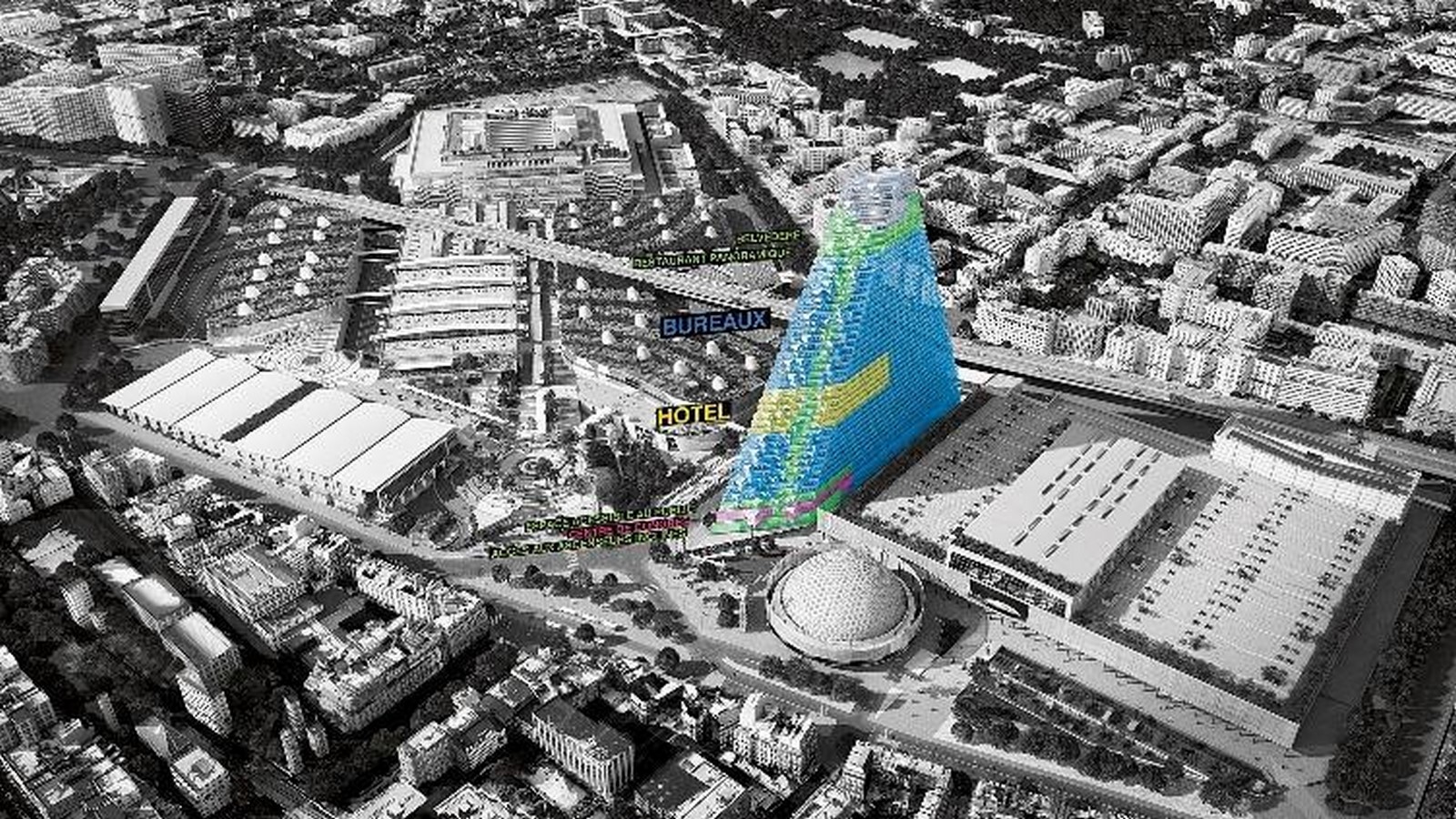
Meanwhile, in Europe, the long-awaited Tour Triangle in Paris is nearing completion. It will rise 180 meters on the edges of the city, incorporating photovoltaic facades with mixed-use programs and generous public terraces. Although previously heavily criticized for disrupting the Parisian skyline, the project now epitomizes high-density verticality, harmoniously integrating itself into the cityscape through civic and environmentally focused initiatives (Dezeen, 2025).
Both projects recognize that civic architecture also has a budget, and this budget will be measured in terms of its environmental footprint.
Designing with Care: Architecture as Healing
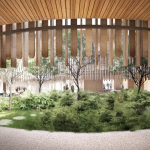
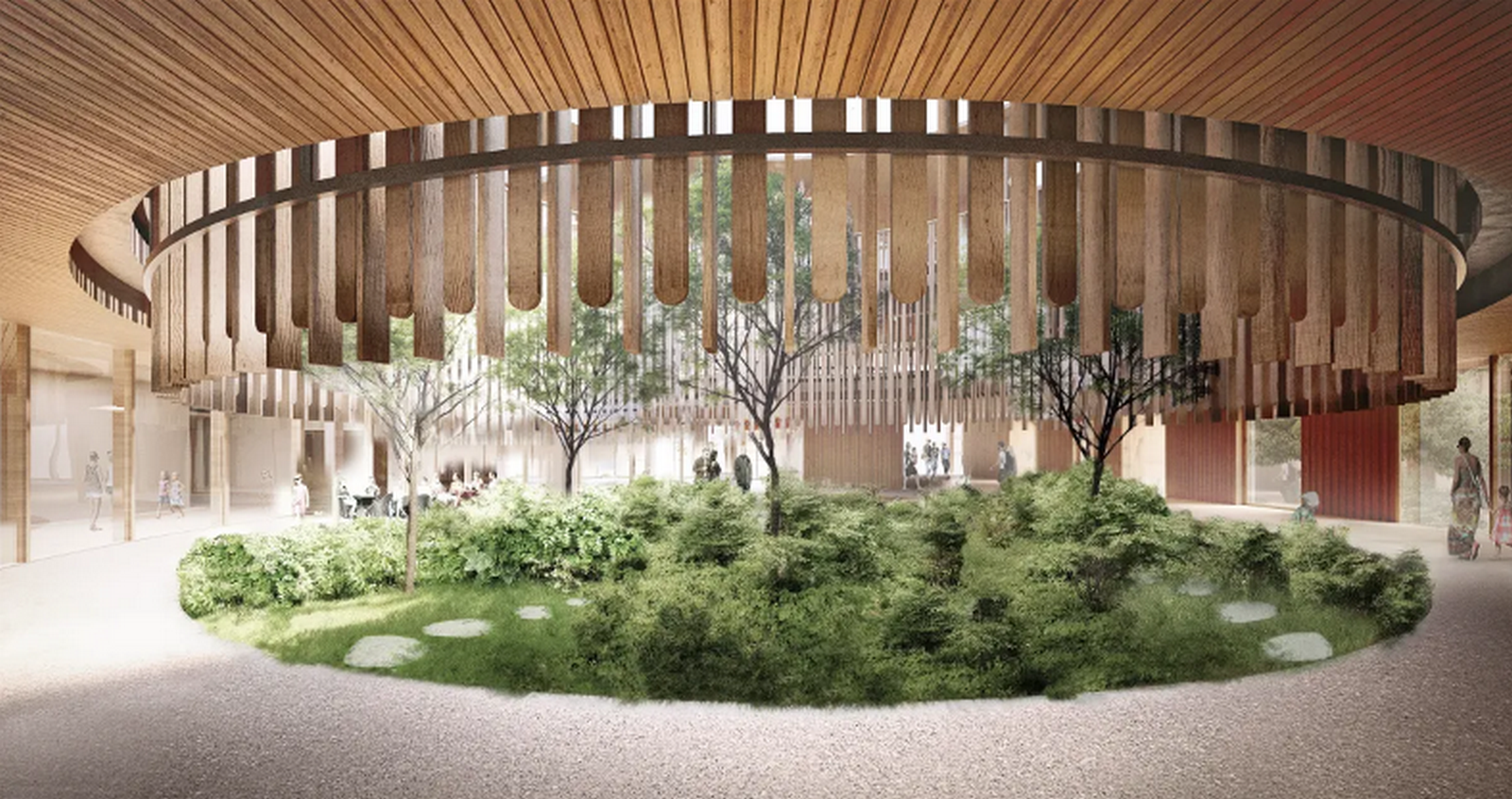
Herzog & de Meuron made health their concern while designing buildings for the health sector; they understood the duty of architecture in the area of well-being. Kinderspital Zurich, Children Hospital , received the award of “Healthy Architecture” by Construmat in the year of 2025. The hospital resembles a small city, made up of streets, squares, and courtyards that replace sterile corridors. Rooms for patients are bright with natural light; they are furnished with garden spaces with which they can continue recuperating outside the confines of the clinic (Construction21, 2025).
Museums as Cultural Infrastructures
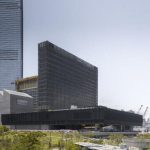
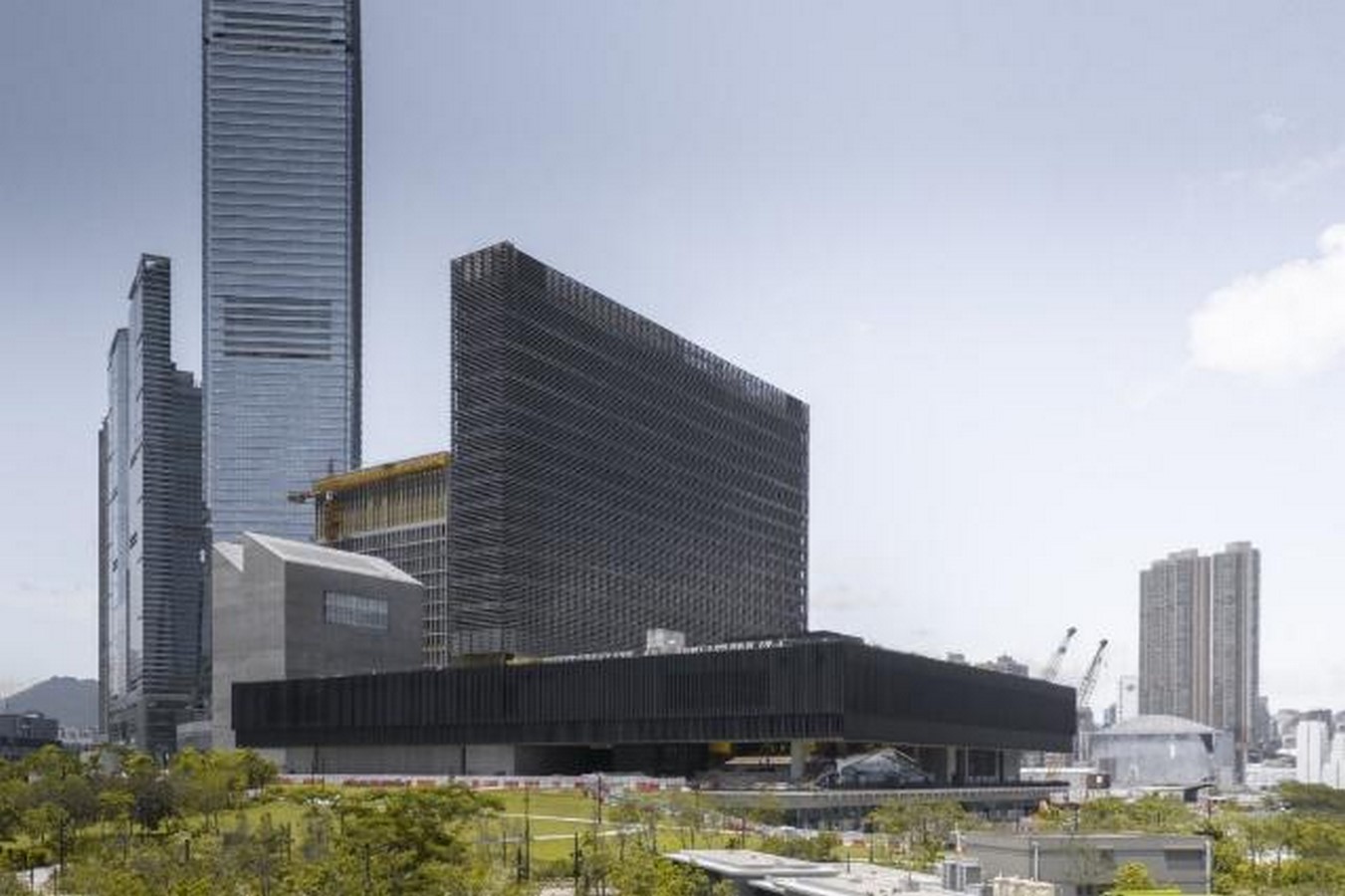
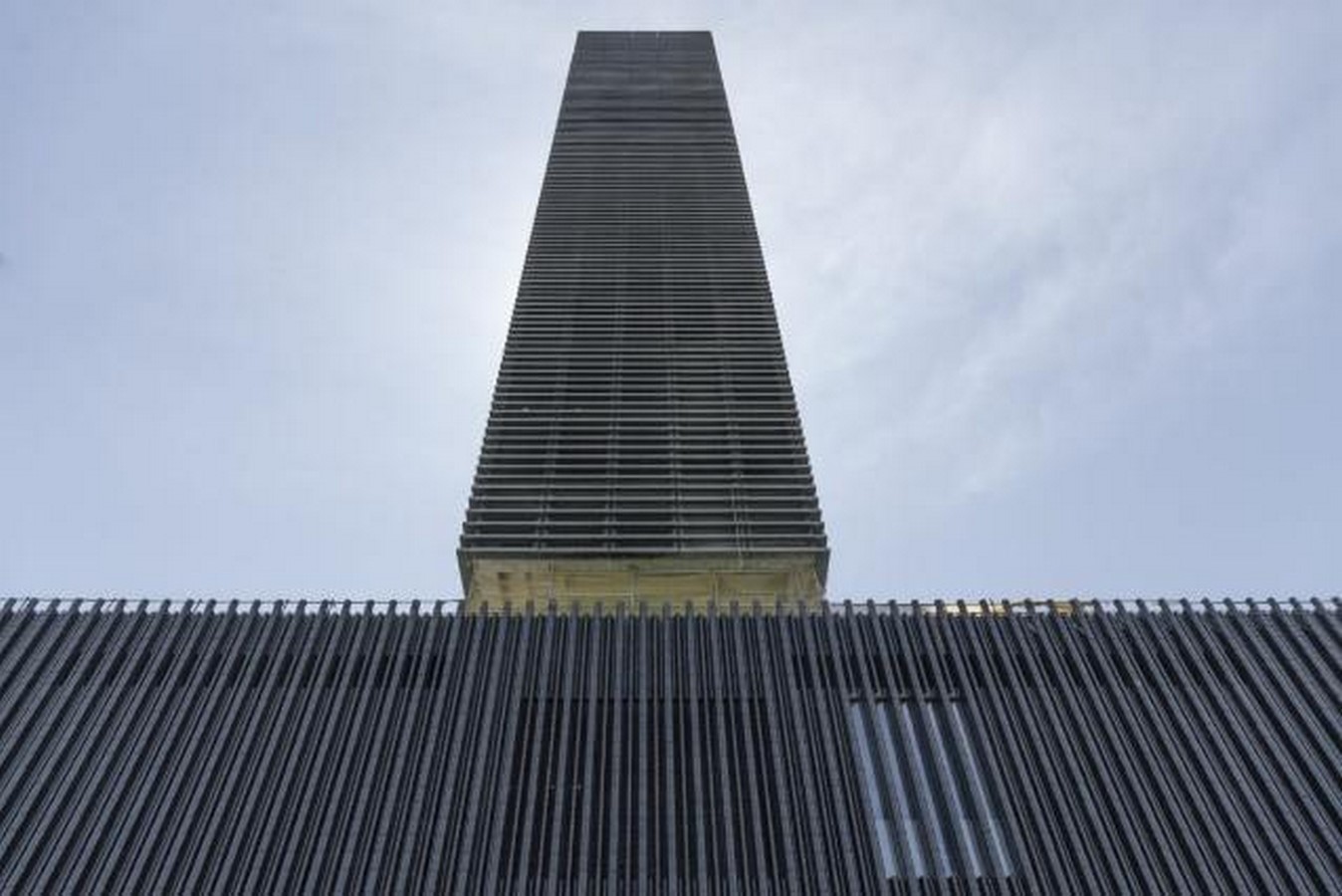
The firm continues to stamp its mark on cultural infrastructure through 2025. The first global hub of visual culture, the M+ Museum, is being opened in Hong Kong, and it is quite remarkable in Asia. Above the subway depot is an extensive horizontal slab focusing on openness and accessibility; it is activated by an LED façade, claiming the museum as a civic screen. Here, Herzog & de Meuron redefine what a museum might be: not just a container for art, but a porous public commons (Global Design News, 2025).
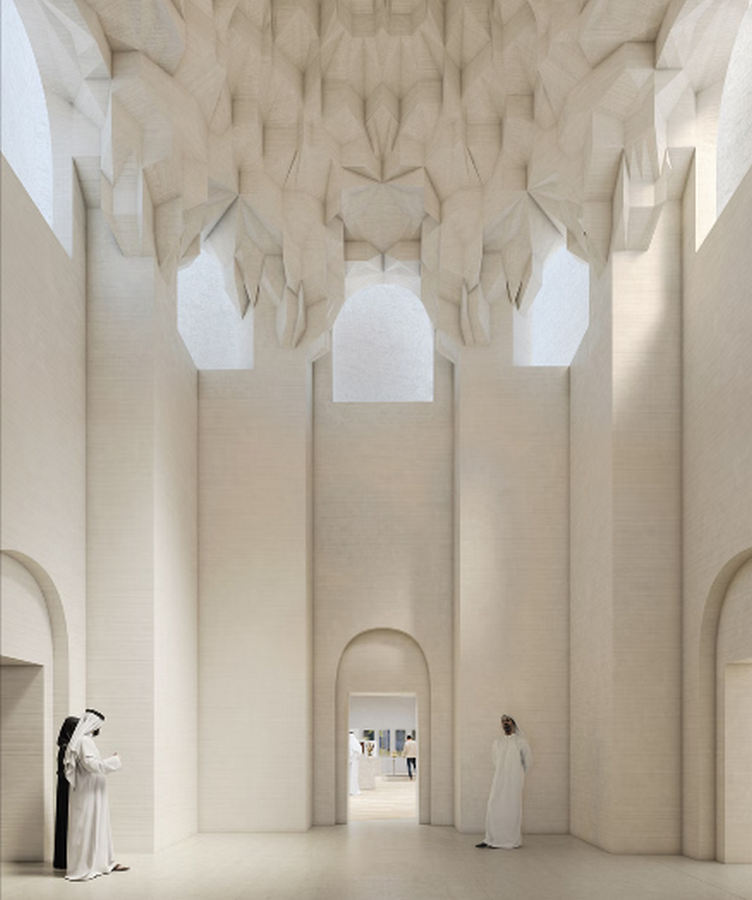
Construction of the Lusail Museum has commenced in Qatar. It consists of an ambitious architectural conception that has been fashioned to hang as a series of interlocking vaults and arcades. Based on the tradition of the Islamic types of architecture, the museum, while based on the advanced kinds of structural systems, asks the question about how contemporary architecture can mean cultural identity (Archinect, 2025).
All of these projects together signify how cultural edifices are instruments of identity, diplomacy, and soft power, and thus demonstrate how between the architecture and the end-user can affect health outcomes, a real potential to impart emotional and psychological as well as medical resilience.
Beyond Style, Towards Substance
In 2025, Herzog & de Meuron are not about this one style; rather, they are about context-whether it is an AI installation critiquing surveillance, a brand-new brutalist museum whose very heft is represented in the market space, or the children’s hospital thought to be a miniature city.
What the practice reveals is that architecture is today no more than one of pure aesthetic proclamations but an interweaving of sustainability, technology, heritage, and human experience that makes built forms reflective of the complexities embedded in contemporary society.
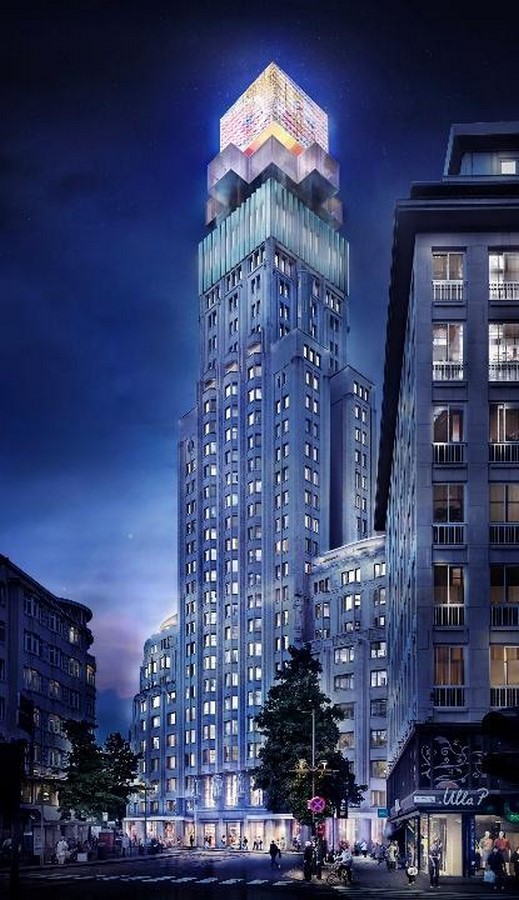
As the volatility of climate change continues to advance and the changes in technology continue to express themselves in public life, the works of Herzog and de Meuron herald a future of architecture, no longer static, but responsive: in history and yet ready to face the uncertain tomorrow.
References:
Website
Architectural Record (2017). Ai Weiwei and Herzog & de Meuron: Hansel & Gretel. Available at: https://www.architecturalrecord.com/articles/12807-ai-weiwei-explores-surveillance-with-hansel-gretel-at-the-park-avenue-armory?
Hyperallergic (2017). Ai Weiwei and Herzog & de Meuron Turn Surveillance Into a Gimmick. Available at: https://hyperallergic.com/389060/ai-weiwei-and-herzog-de-meuron-turn-surveillance-into-a-gimmick/
Architectural Digest (2025). Sotheby’s Adapts a Marcel Breuer Icon. Available at: https://www.architecturaldigest.com/story/sothebys-adapts-a-marcel-breuer-icon-into-the-auction-house-of-tomorrow?
Wallpaper (2025). Hotel Les Trois Rois Review. Available at: https://www.wallpaper.com/travel/hotels/hotel-les-trois-rois-basel-switzerland-review?
Architectural Record (2025). UN Nairobi Campus Expansion. Available at: https://www.architecturalrecord.com/articles/17124-herzog-and-de-meuron-selected-as-co-design-consultant-for-expansion-project-at-the-uns-nairobi-campus?
Construction21 (2025). Kinderspital Zürich Wins Healthy Architecture Award. Available at: https://www.construction21.org/articles/h/herzog-de-meuron-and-peris-toral-arquitectes-jointly-win-the-construmat-2025-award.html?
Global Design News (2025). M+ Museum Hong Kong. Available at: https://globaldesignnews.com/herzog-de-meuron-and-tfp-farrells-complete-the-new-permanent-space-for-m-the-first-global-museum-of-contemporary-visual-culture-in-asia/
Archinect (2025). Lusail Museum Update. Available at: https://archinect.com/news/article/150416663/herzog-de-meuron-update-plans-for-the-lusail-museum-in-qatar?utm_source=chatgpt.com
Referenzen von 4B (no date) 4B. Available at: https://www.4-b.ch/de/referenzen/
648 Sotheby’s Madison Ave (no date) Herzog & de Meuron. Available at: https://www.herzogdemeuron.com/projects/648-sothebys-madison-ave
307 triangle (no date) Herzog & de Meuron. Available at: https://www.herzogdemeuron.com/projects/307-triangle/lightbox/27002/
213 Messe basel – New Hall (no date) Herzog & de Meuron. Available at: https://www.herzogdemeuron.com/projects/213-messe-basel-new-hall/
575 boerentoren (no date) Herzog & de Meuron. Available at: https://www.herzogdemeuron.com/projects/575-boerentoren/