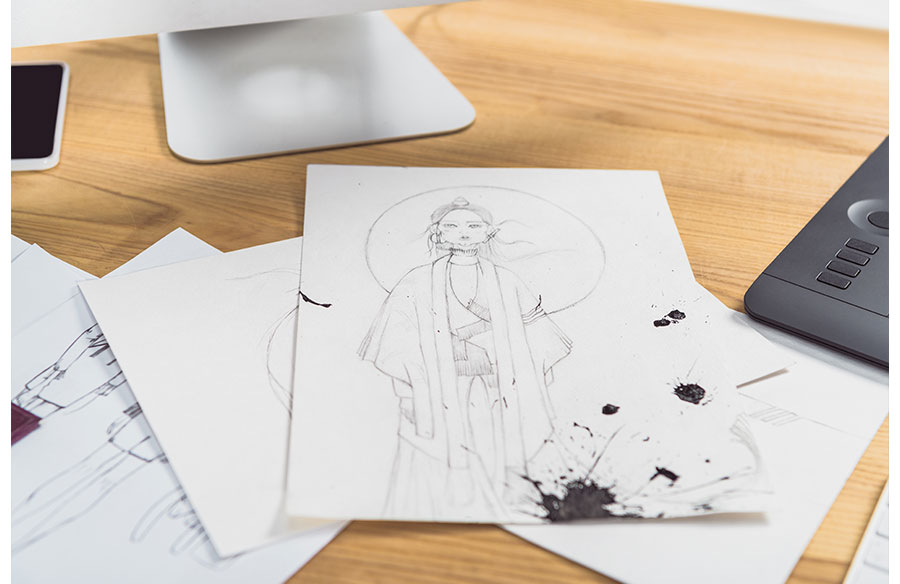
Illustration has always balanced originality with accessibility, yet the value of a single drawing or painting is limited to one collector. For illustrators who want to expand their reach, professional reproduction offers a way to preserve quality while creating new opportunities for income and visibility. Advances in giclée processes, archival fine art papers and precise colour management allow every subtle line and tonal gradient to be faithfully reproduced, ensuring the integrity of the original artwork is never lost. This level of fidelity makes it possible to produce both open and limited editions that retain the character of the original while serving wider audiences. Exhibition preparation, online sales and portfolio building all benefit from expert support that elevates artwork beyond studio walls. In this respect, professional printing services for illustrators are not simply technical processes but vital strategies for artistic growth and collector engagement.
Why Professional Printing Matters for Illustrators
For illustrators, the decision to reproduce artwork is as much about safeguarding integrity as it is about extending reach. Professional printing ensures that every line, wash and tonal gradient is captured with precision, preserving the expressive qualities that define hand-rendered pieces. Without such fidelity, the translation from original to print risks diluting the very qualities that make an illustration distinct. Professional fine art printing services are also calibrated to industry standards, using archival-grade inks and substrates that resist fading, discolouration and physical deterioration. This technical assurance transforms a print from a temporary copy into a durable, exhibition-ready artefact. Beyond conservation, professional printing positions illustrators competitively within the market. High-quality reproductions provide opportunities for open editions, limited runs, and tailored products for online shops and galleries, expanding income streams without exhausting original works. In short, professional printing is not a luxury but a strategic necessity for illustrators aiming to elevate their practice from studio output to collectable fine art.
Paper and Substrate Choices That Suit Illustration Styles
Selecting the correct surface is one of the most critical decisions when reproducing illustrations, as the substrate directly influences how colour, texture and linework are perceived. Smooth cotton rag papers, for instance, are often favoured for pen-and-ink or digital line drawings, as their fine grain preserves clarity and ensures that intricate detail remains crisp. In contrast, textured watercolour papers add depth and tactile presence to painted illustrations, subtly enhancing tonal transitions and brushwork. Beyond traditional papers, alternative substrates such as canvas, aluminium or acrylic can radically shift the visual language of an illustration, providing bold options for exhibitions or large-scale displays. Each material introduces unique reflective qualities and longevity factors that contribute to the overall impact of a print. For illustrators, experimenting with substrates is not purely aesthetic but strategic: it allows them to align their work with specific audiences, contexts and price points, ensuring their printed editions resonate across both personal collections and professional galleries.
The Power of Scarcity in Limited Edition Illustration Prints
Scarcity has always played a decisive role for artists seeking to establish prestige and collector interest. By limiting the number of editioned prints, illustrators can significantly heighten the perceived rarity of their work, which often translates into stronger demand and higher value. When every print bears a number and comes with a certificate of authenticity, it adds provenance that collectors respect. This sense of rarity not only increases demand but also elevates the perceived prestige of the illustrator.
It is also important to recognise that scarcity alone does not guarantee success. The quality of the printing process must match the exclusivity of the edition. Consistency in colour, precise calibration and the use of archival materials ensure that every piece meets gallery standards. Many artists benefit from industry insights on collector demand, which show how professional craftsmanship can transform exclusivity into collectability. When scarcity is combined with excellence in production, a limited edition becomes more than a reproduction: it is a prized collectable that enhances the illustrator’s reputation while meeting the expectations of discerning buyers.
Framing and Presentation Tips for Illustration Prints
Presentation is often underestimated, yet it can be the difference between a print that feels commercial and one that resonates as fine art. Bespoke framing allows illustrators to elevate the perceived value of their work while also protecting it for long-term display. Choosing the right frame material and finish can subtly echo the palette and mood of the illustration itself, creating a harmonious whole that strengthens visual impact. Mountboards offer further opportunities for refinement, with variations in colour and thickness influencing the sense of depth and space around an image. Glazing options, from standard glass to non-reflective or UV-protective coatings, add another layer of professionalism while safeguarding the print against environmental damage. For illustrators, the frame is not an afterthought but a strategic choice: it shapes how audiences engage with the artwork, whether in a gallery exhibition, an online sale or a private collection, and reinforces the narrative of quality and intention.
Preparing Illustrations for High-Quality Reproduction
Before sending work to print, illustrators benefit from establishing a rigorous preparation process that ensures accuracy and consistency in the final output. High-resolution scanning or professional photography is the foundation, capturing every detail with sufficient depth to support enlargements without loss of clarity. Once digitised, files should be checked for colour balance, tonal range and contrast to make sure the reproduction aligns with the artist’s intent. Working in calibrated colour spaces, such as Adobe RGB, allows for smoother transitions and more faithful rendering when matched with professional printing profiles. File formats also matter: uncompressed TIFFs, for example, retain integrity better than compressed JPEGs. Beyond technical considerations, illustrators should reflect on how scale affects impact. An image intended for intimate viewing may not translate effectively to large formats, while bold, graphic styles can thrive at size. By refining these decisions before production, illustrators reduce the risk of compromise and ensure that every print represents their vision with precision, authority and artistic intent.
Conclusion
For illustrators, professional reproduction is more than a practical service; it is a strategic means of amplifying visibility, building reputation and creating sustainable income. From selecting papers that complement style to framing choices that elevate presentation, every stage of the process contributes to how the work is valued by audiences and collectors. Scarcity adds exclusivity, preparation ensures fidelity, and craftsmanship turns prints into collectable works of art. By embracing high standards in reproduction and presentation, illustrators can extend the life of their creations, engage wider audiences and establish a lasting presence within the contemporary art market.