Transit as Urban Choreography
Public transportation is more than just movement; it’s choreography. The movement of buses entering plazas, subways disappearing beneath city squares, and trams connecting several districts forms the invisible rhythm of urban life. Transit is more than just engineering or logistics; it serves as a stage for the city’s civic rituals.
To speak of Public Transit Innovations is not about listing technology, but about addressing larger questions, such as, what types of spaces do these transit spaces create and what agreements between the citizens and the city do they imply.
In the following case studies, we visit Curitiba, Bogotá, London, Singapore, Paris, Tokyo, Copenhagen, and Dubai, cities where public transportation innovations have become about infrastructure as well as civic architecture. Each narrative demonstrates how movement, when designed, becomes meaningful.
The Bus as Urban DNA
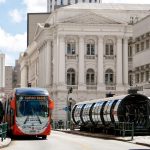
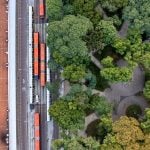
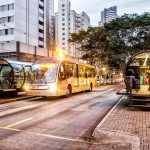
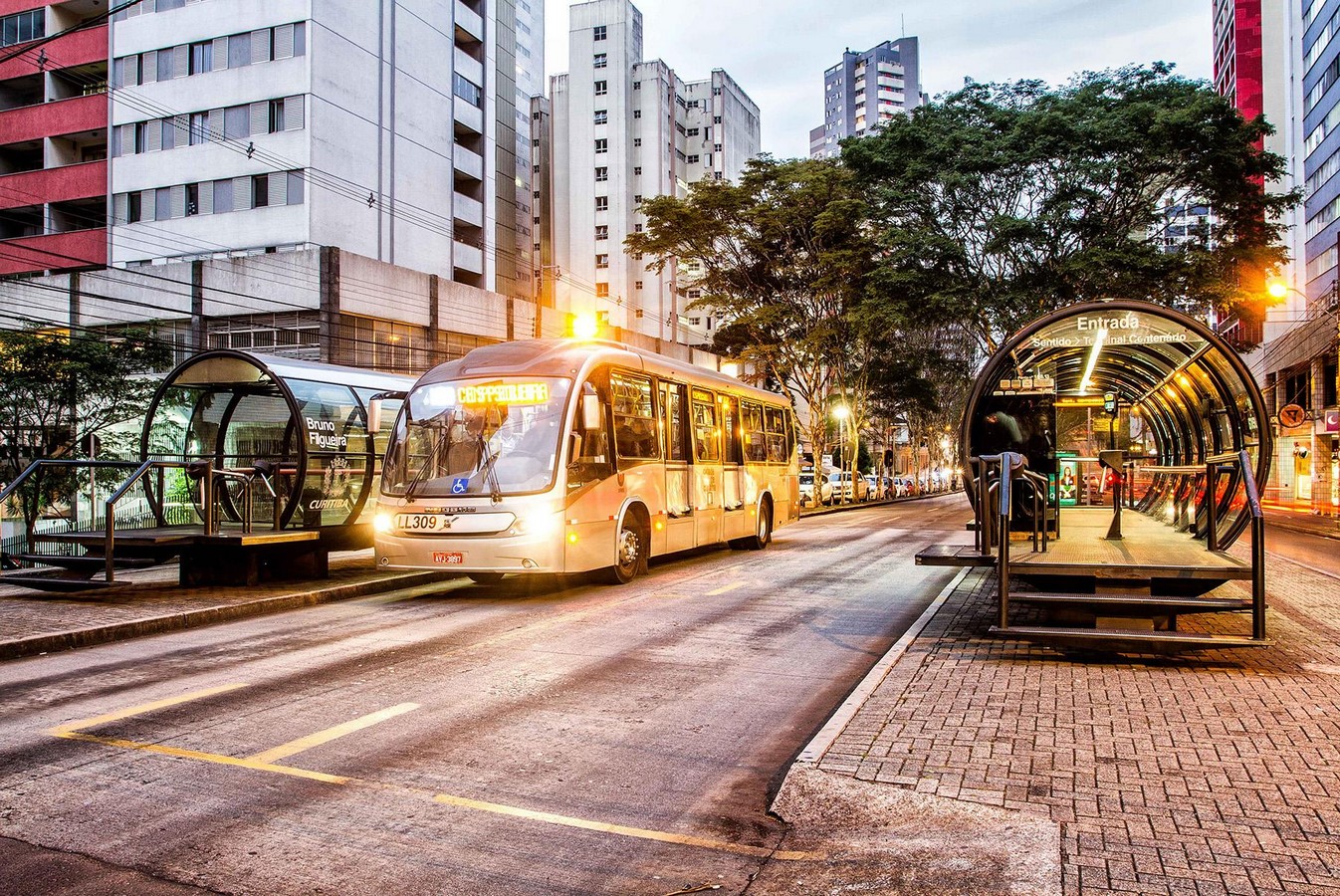
In the 1970s, Curitiba redesigned the bus. The city, led by architect-mayor Jaime Lerner, was a pioneer in public transportation innovation with its Bus Rapid Transit (BRT). What first appeared to be asphalt corridors with glass tube stations evolved into a radical rethinking of growth.
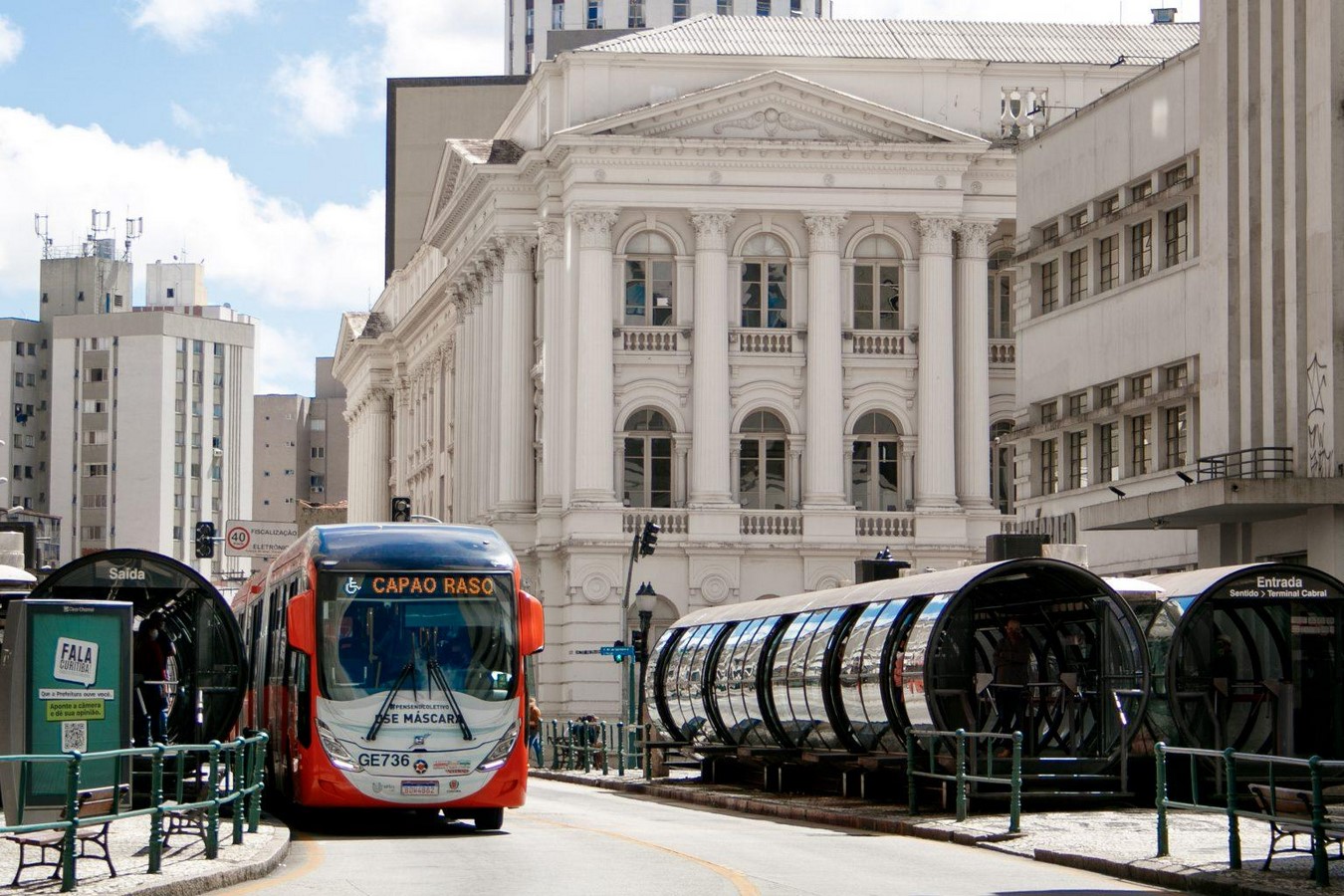
The design was simple but effective: pre-paid boarding, level platforms, and articulated buses that ran as efficiently as metro trains. But the ultimate talent was urbanism. Transit corridors became structural spines of density, linking growth to accessibility.
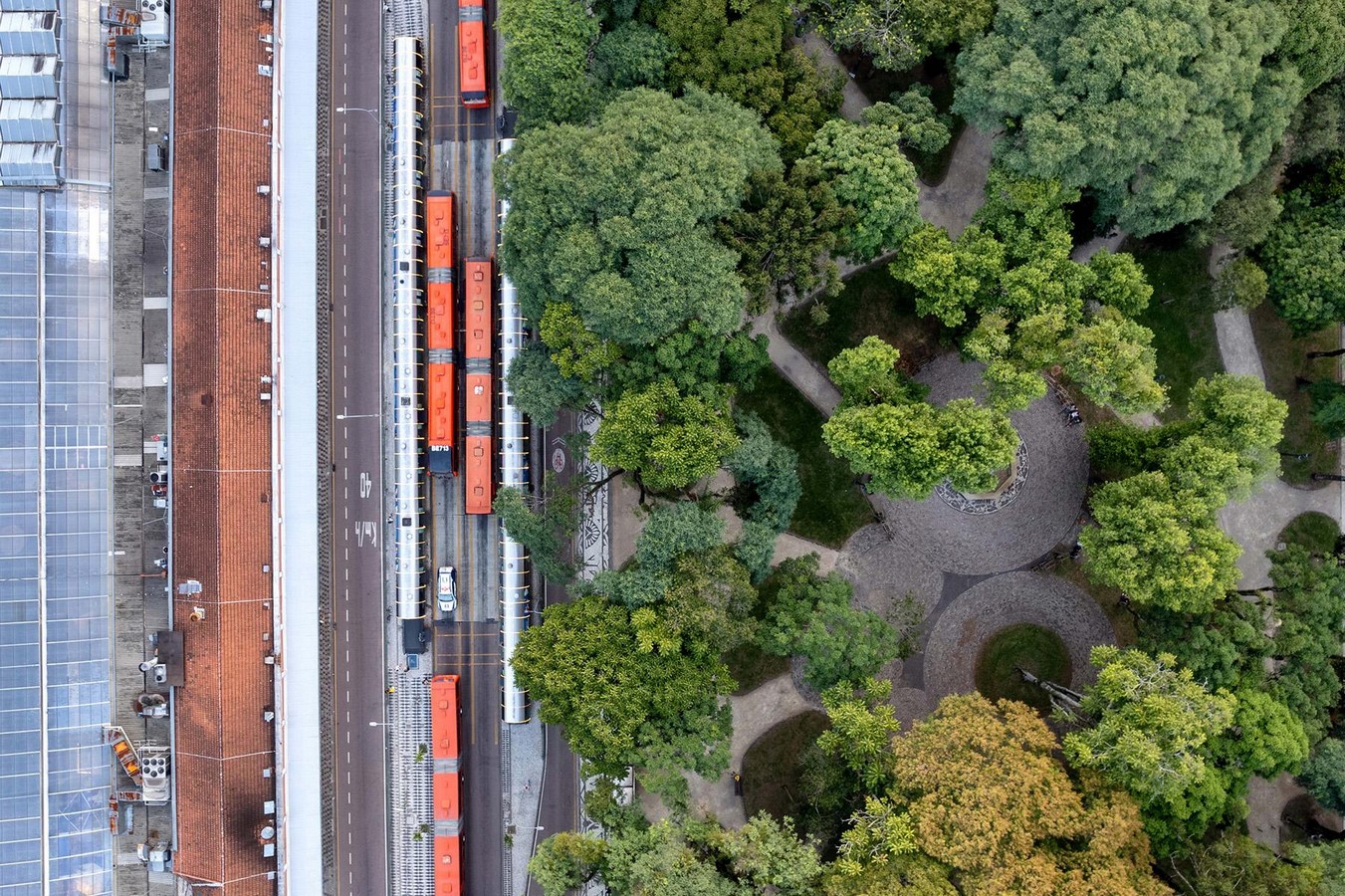
For citizens, the glowing glass tubes represented speed and equity. Curitiba demonstrated that even a bus, when planned as civic infrastructure, can script an entire city.
Digital Choreography and Subterranean Cathedrals
London‘s success lies in integration. Contactless payment and fare capping converted a confusing system into frictionless mobility, making it one of the most influential public transit innovations in the world.
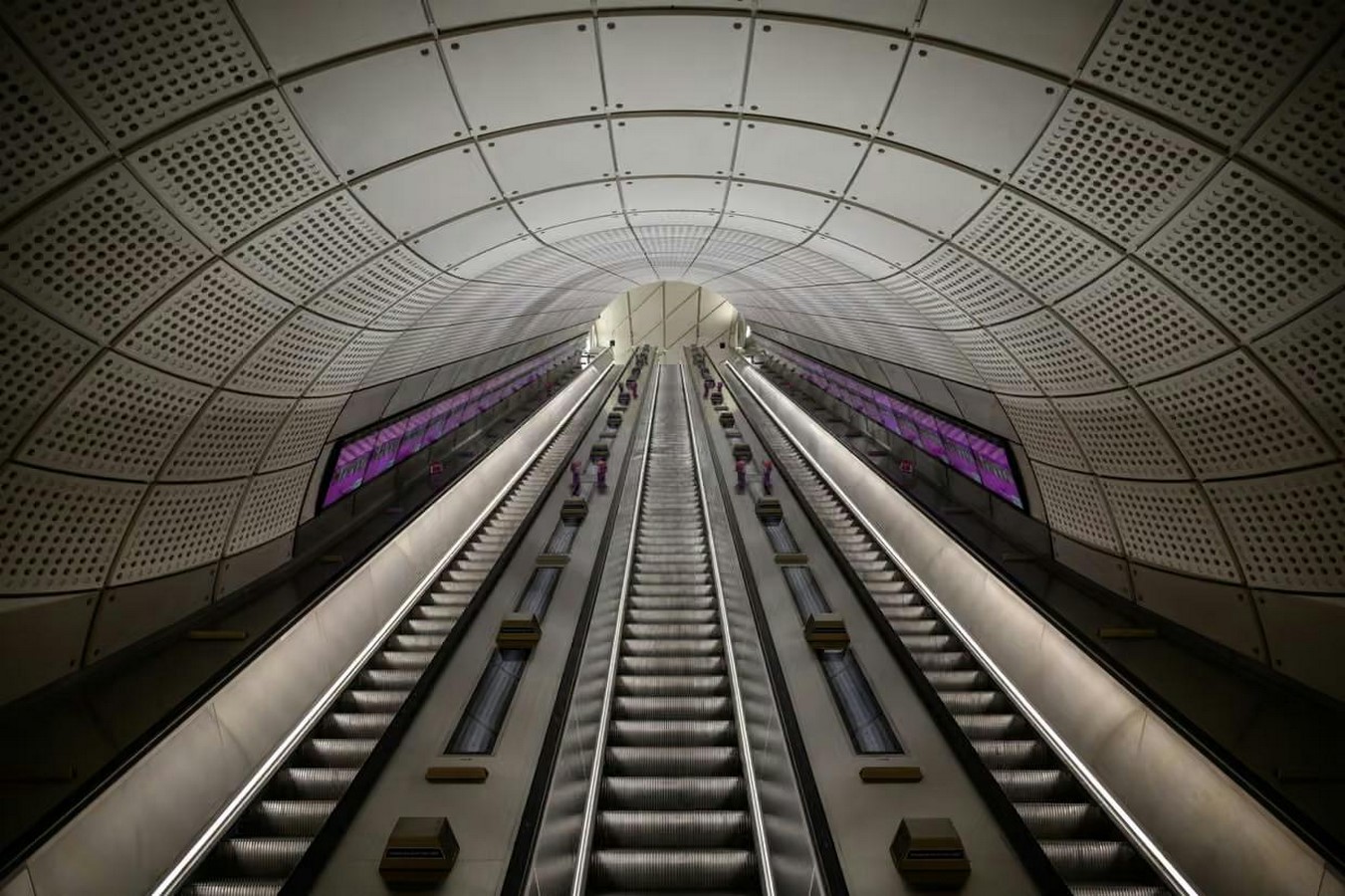
Open data was also transformational, allowing apps to orchestrate millions of travels. The city became legible, navigable, and frictionless.
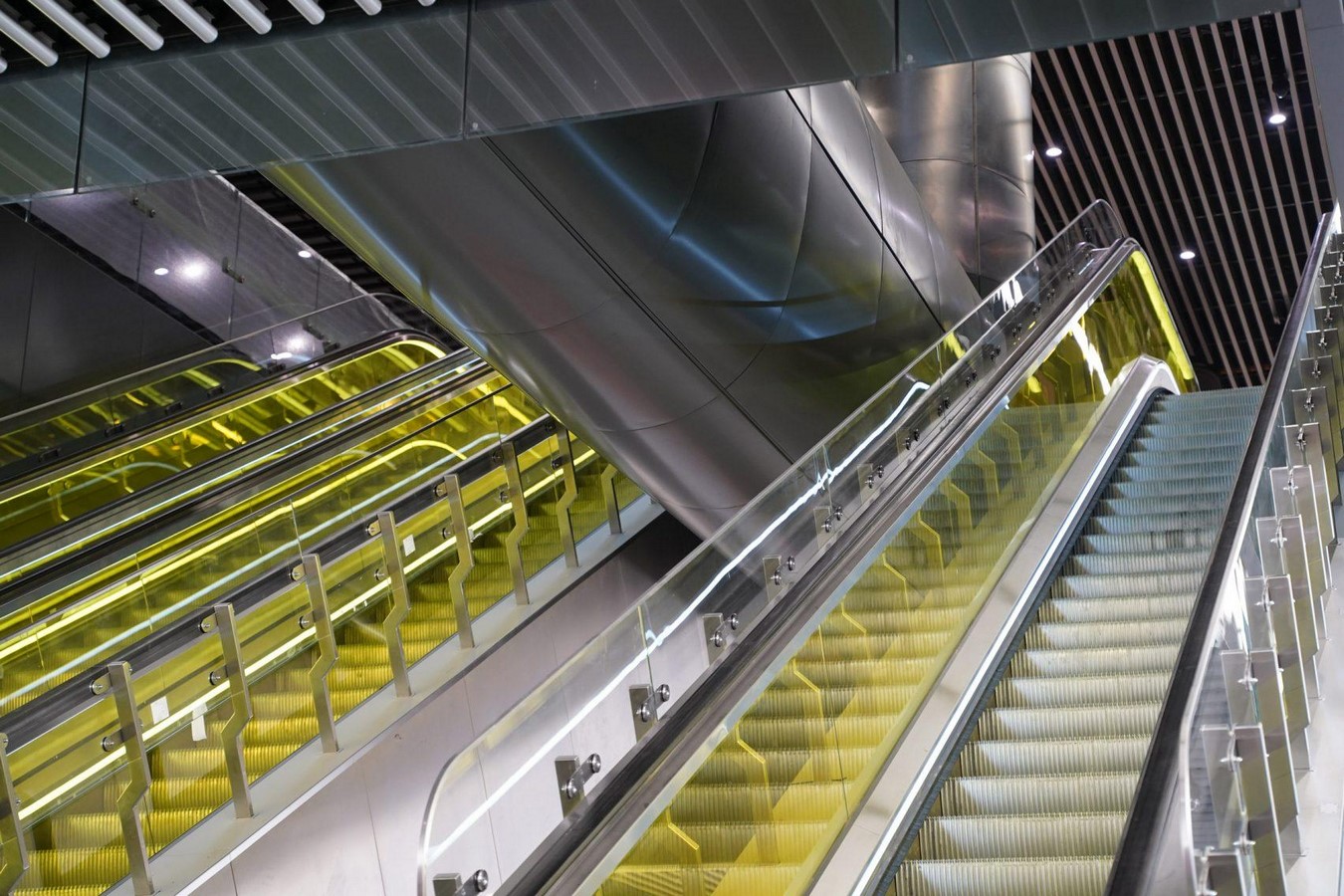
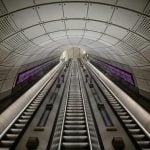
However, London also invested in grandeur. The Elizabeth Line, which features cathedral-like stations at Canary Wharf and Tottenham Court Road, demonstrates that public transit innovations may be both digital and monumental. Here, infrastructure transforms into civic theatre, reminding commuters that transit is more than just practical; it is also architectural.
The Discipline of Incremental Futures
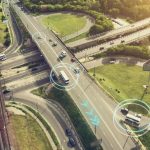
While others disrupt, Singapore practises discipline. The Land Transport Authority is testing autonomous buses, on-demand shuttles, and smart ticketing. These serve as practical public transit innovations that are gradual rather than disruptive.
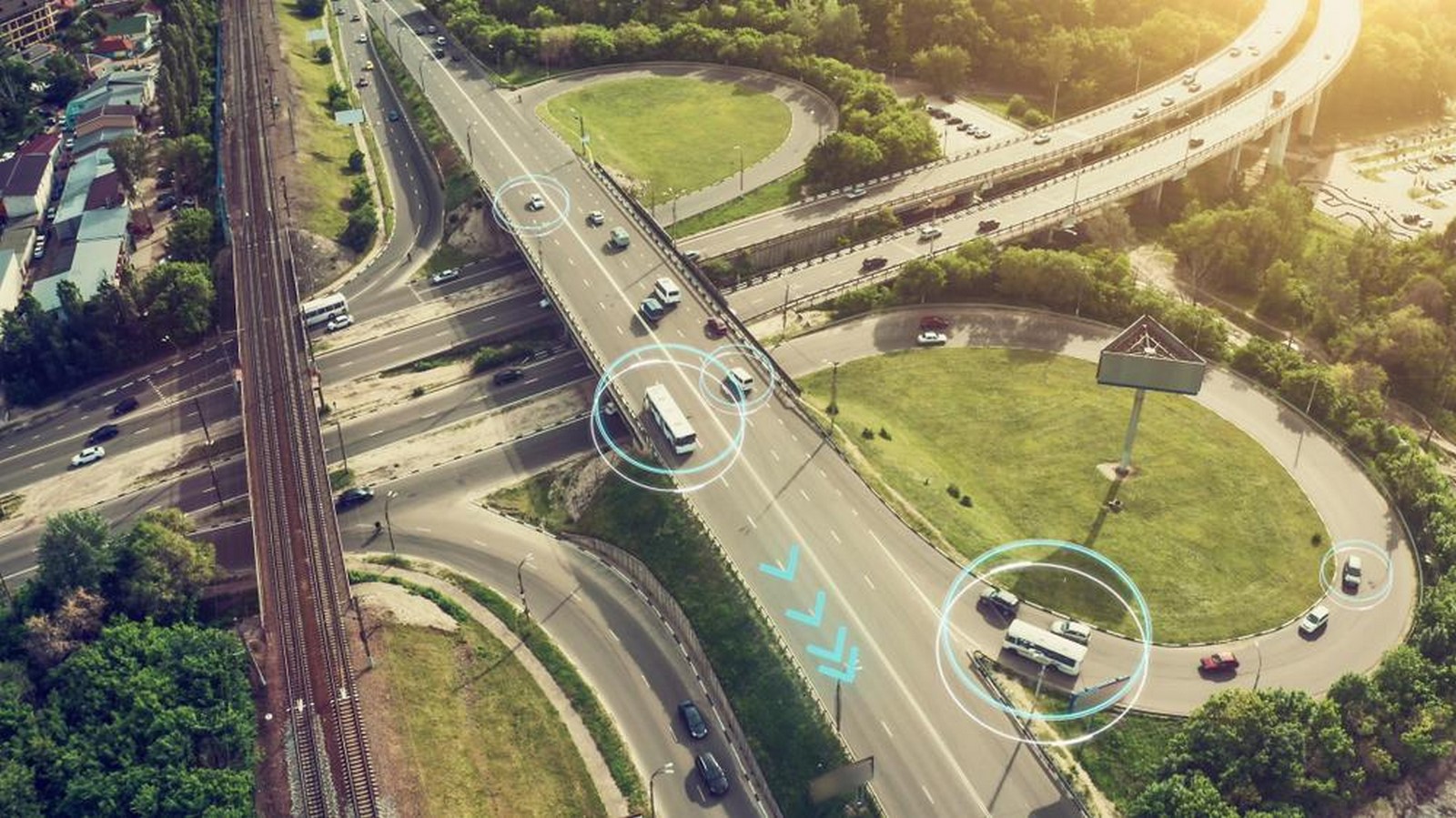
Transit is fused with housing estates and mixed-use nodes, ensuring efficiency and resilience. For citizens, the benefit is reliability and for the city it is long-term integration.
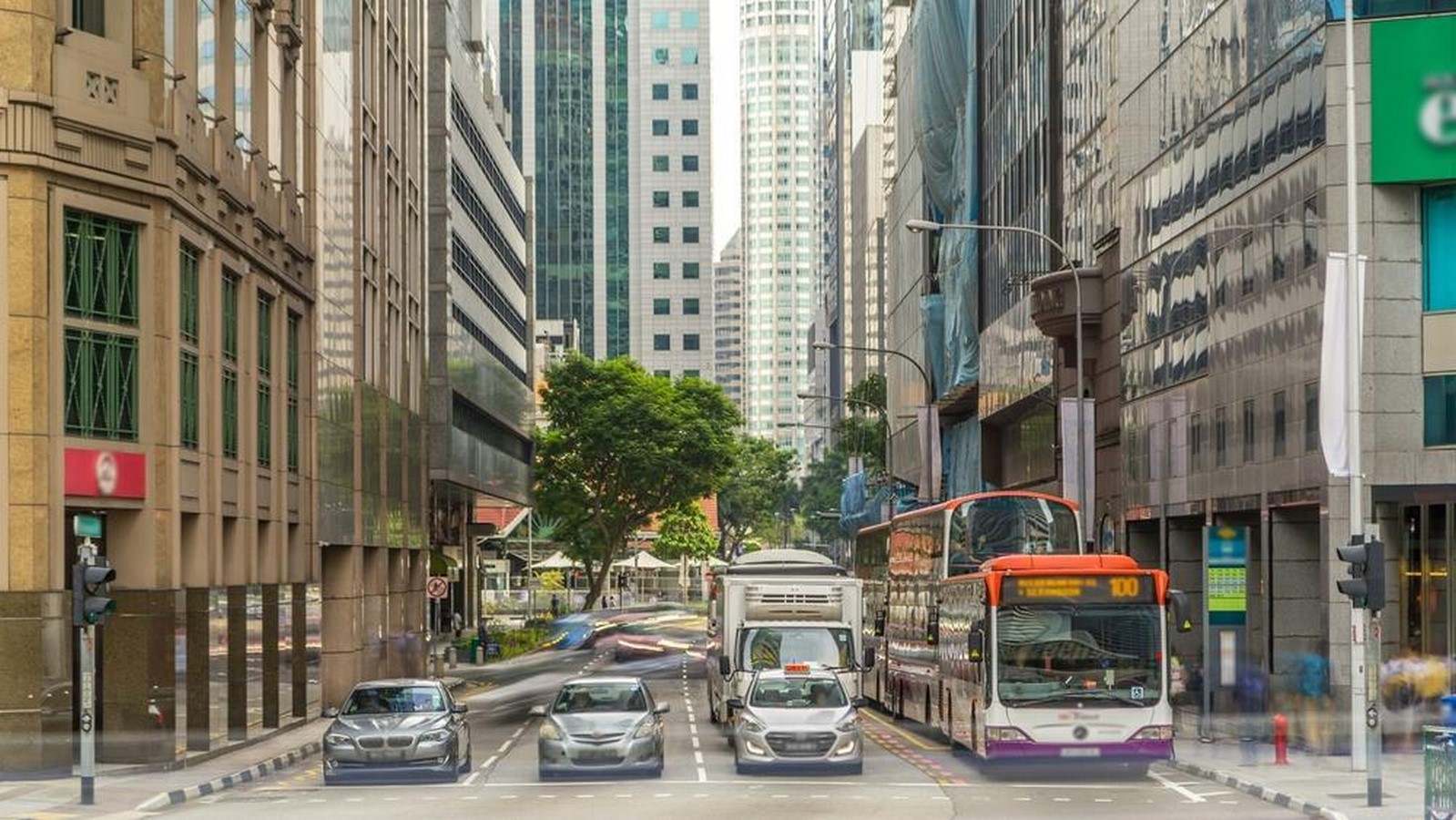
However, Singapore serves as a reminder that public transit innovations come with trade-offs, where efficiency transitions into surveillance, and optimisation becomes control. Innovation in this context is less show and more governance, with discipline ingrained in design.
Transit as Metropolis in Motion
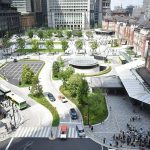
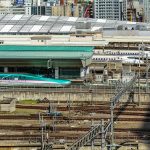
Tokyo’s transit-oriented developments exemplify Public Transit Innovations as urban choreography. Hubs like Tokyo Station blur boundaries between rail, retail, and civic life.
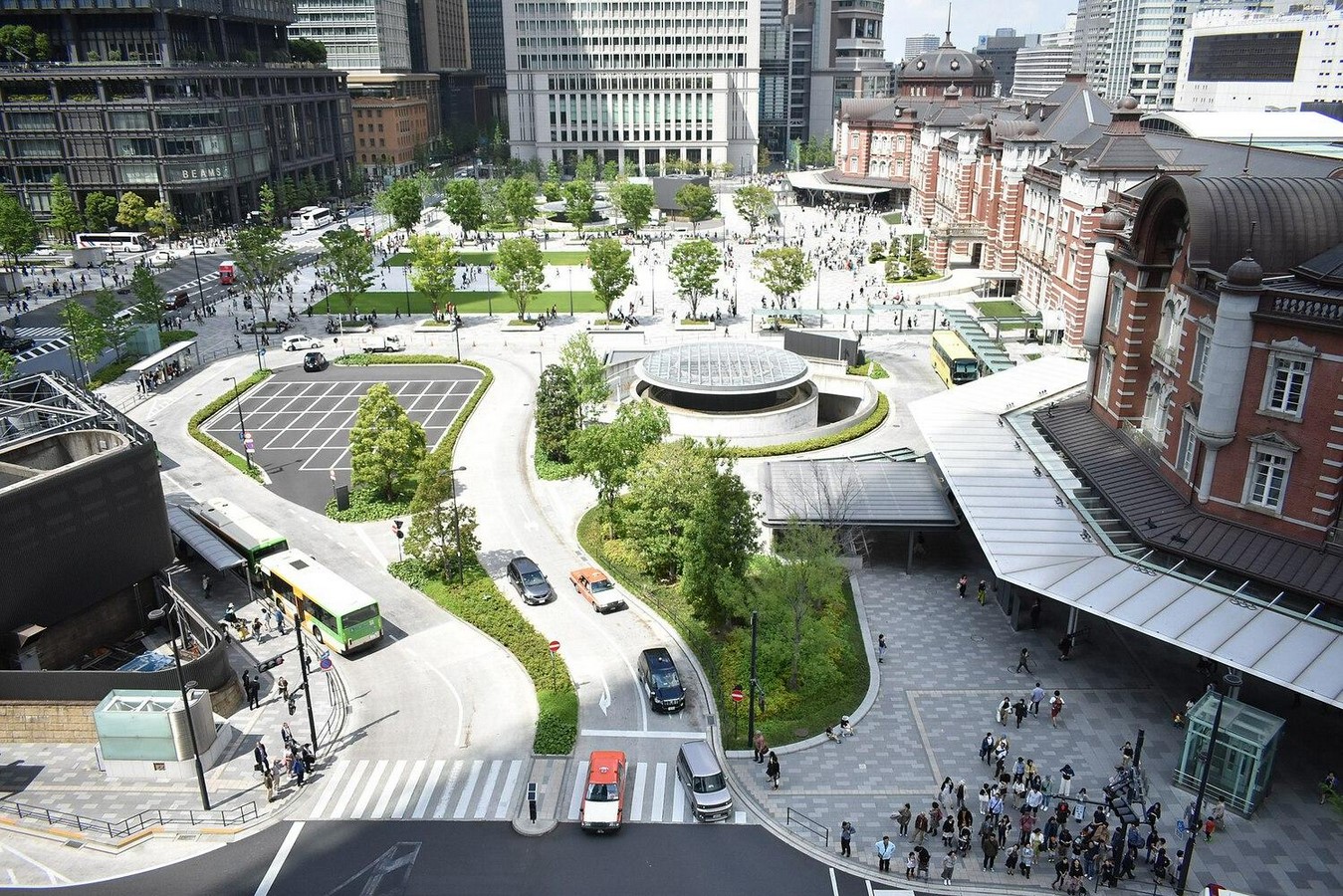
For commuters, seamless travel through stacked concourses, signs, and on-time services become second nature. These hubs are not only portals, but stages of daily performance.
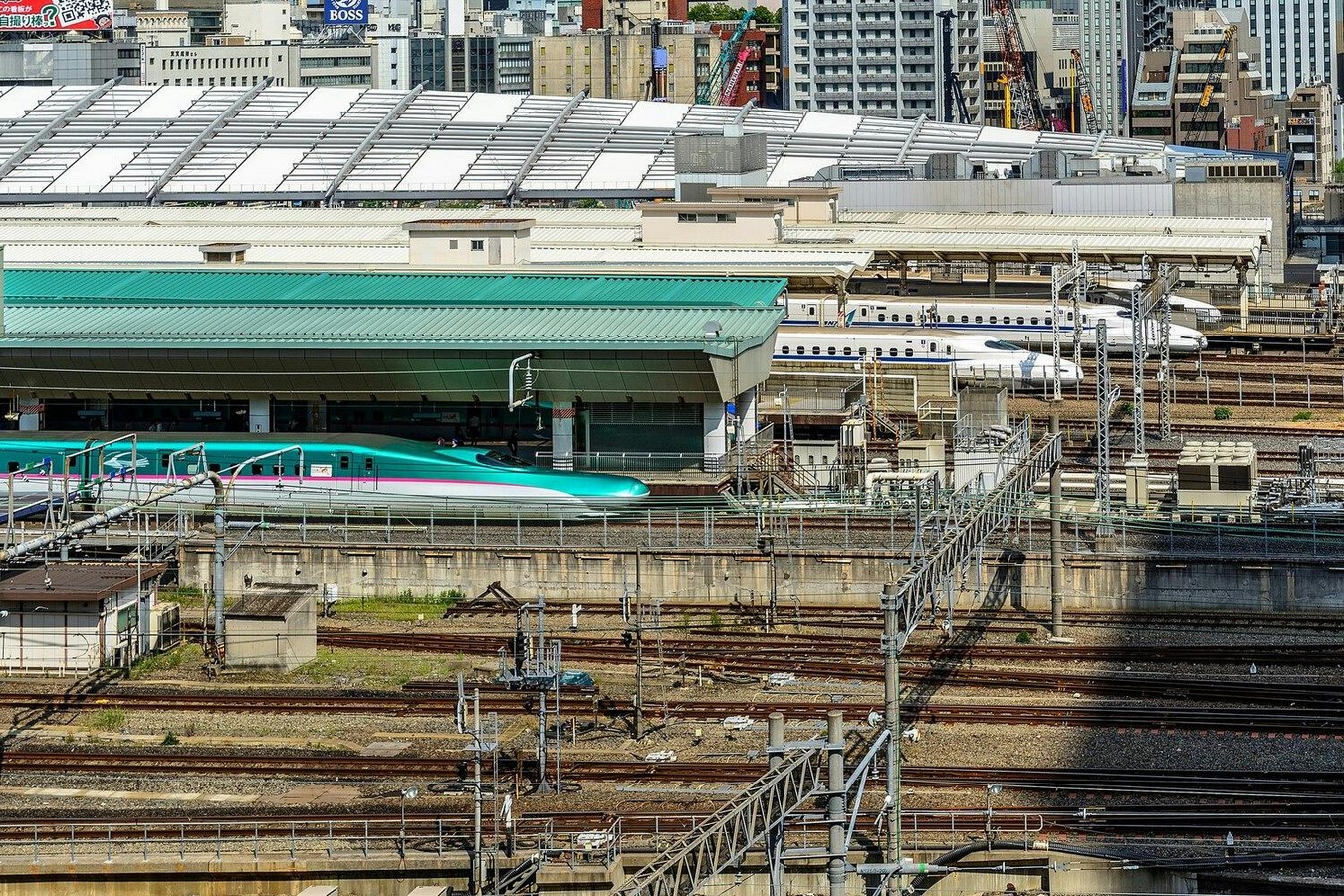
Tokyo demonstrates that the most effective public transit innovations are not just efficient but also capable of adapting to massive volumes, climate stress, and evolving accessibility requirements.
Bike-Transit Symbiosis
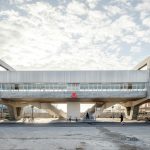
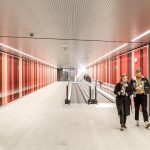
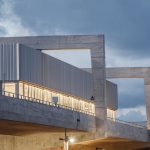
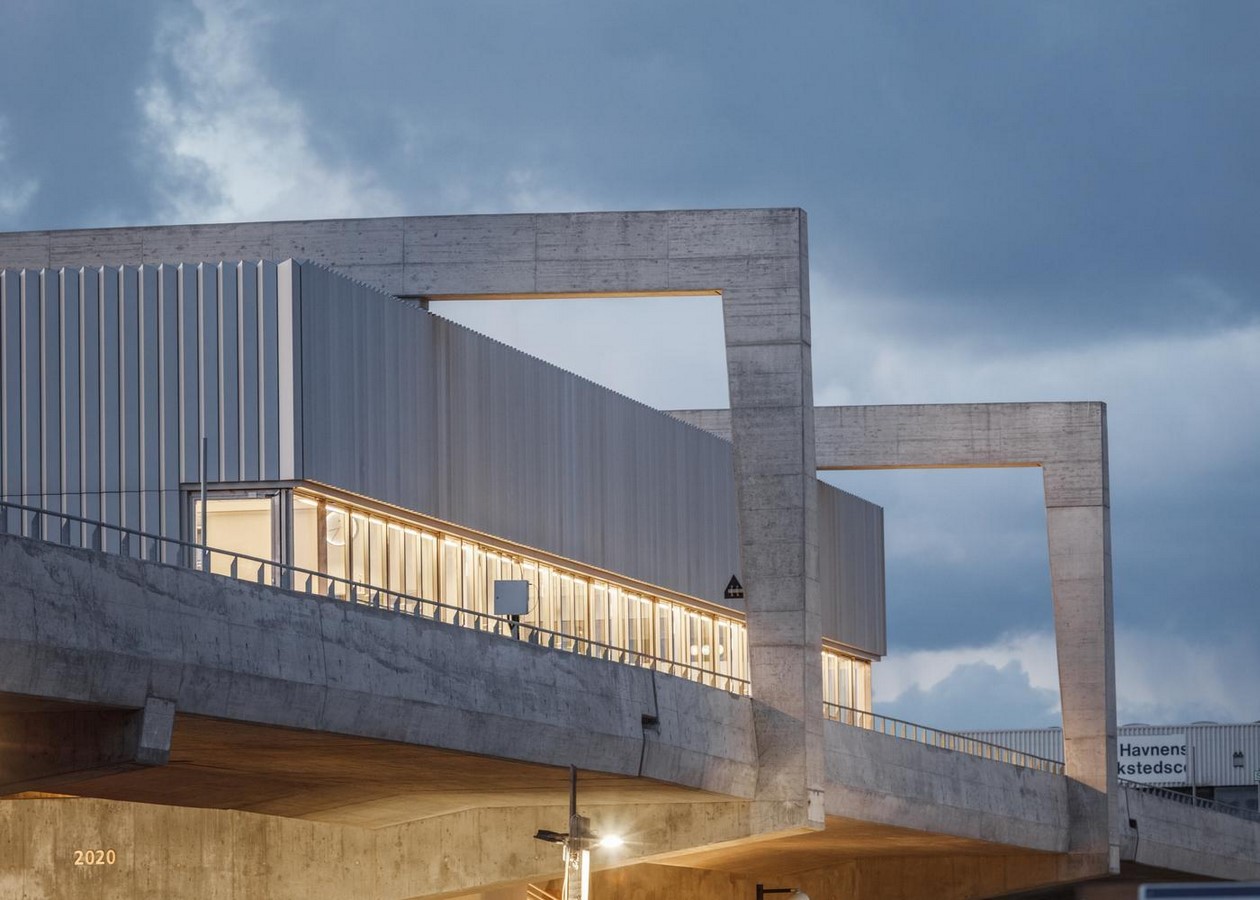
Copenhagen‘s metro stations, Orientkaj and Nordhavn, showcase human-scale public transit innovations.
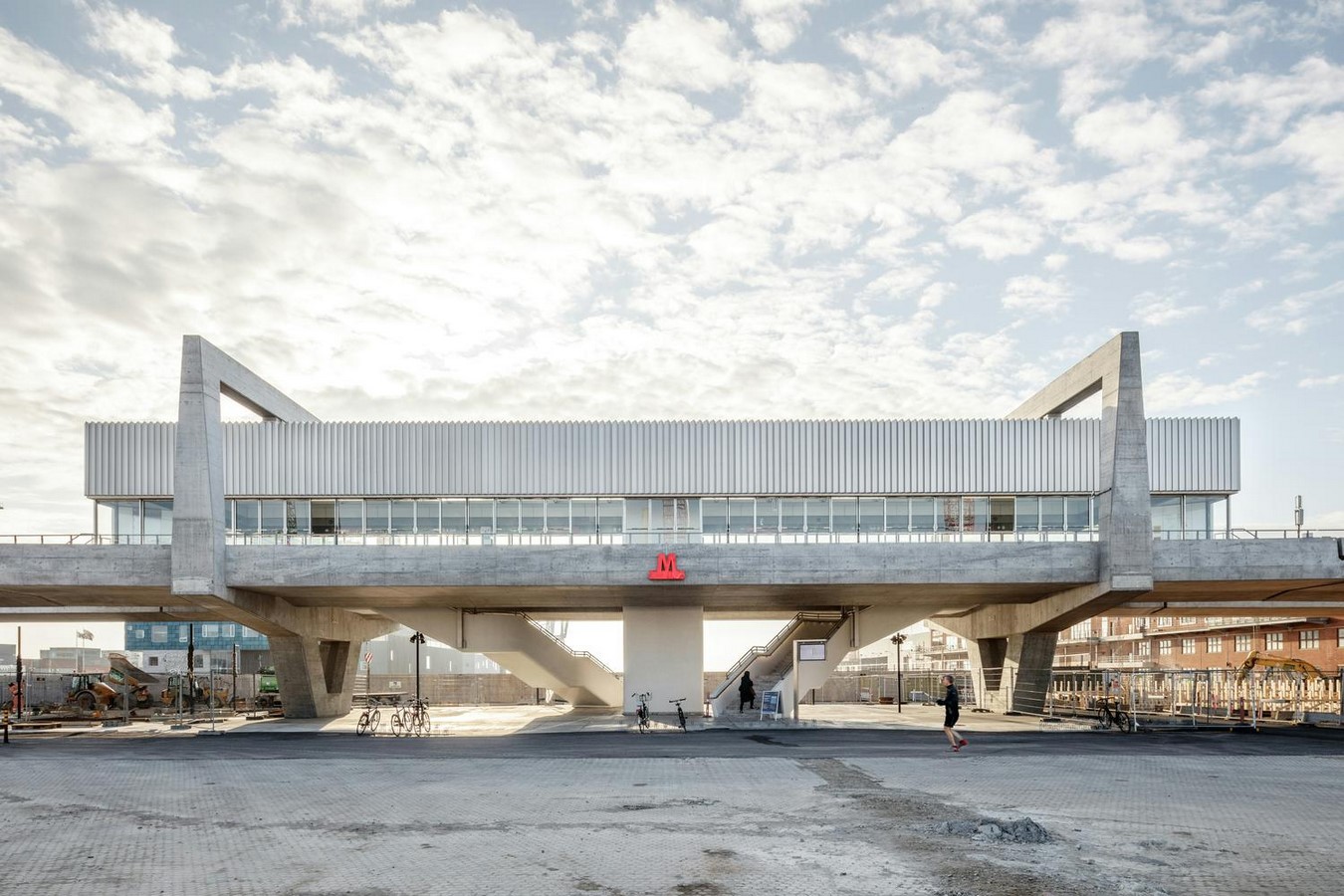
Orientkaj uses panoramic harbour vistas, whilst Nordhavn incorporates daylight into underground concourses. Both function seamlessly with bike networks and pedestrian paths.
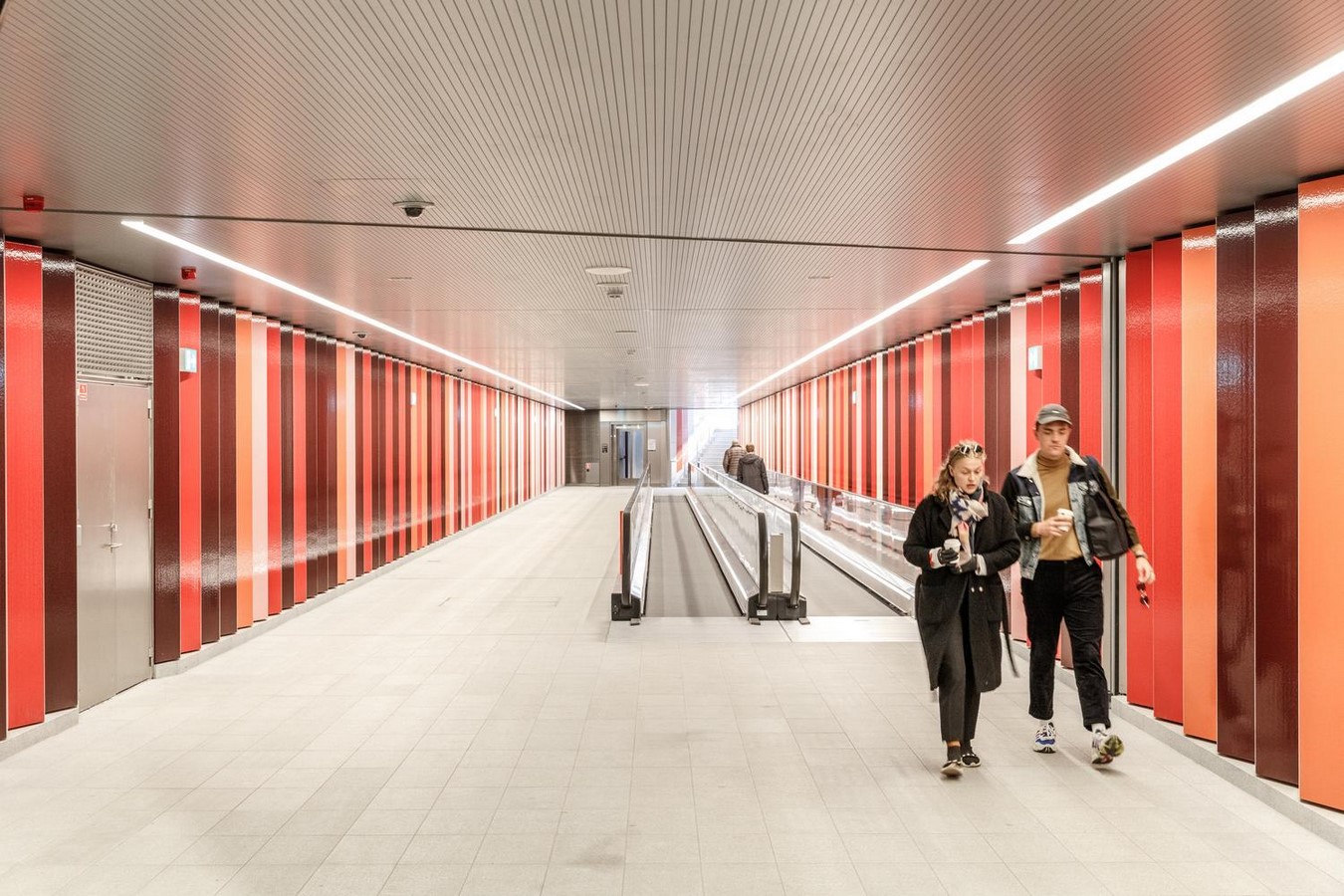
For travelers, these places convert stress into flow. Copenhagen demonstrates that public transit innovations do not need to be massive; they can be modest, contextual, and very human.
Spectacle, Climate, and Autonomous Futures
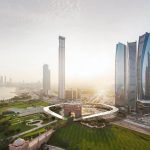
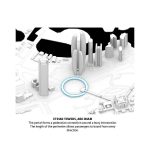
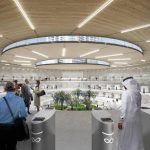
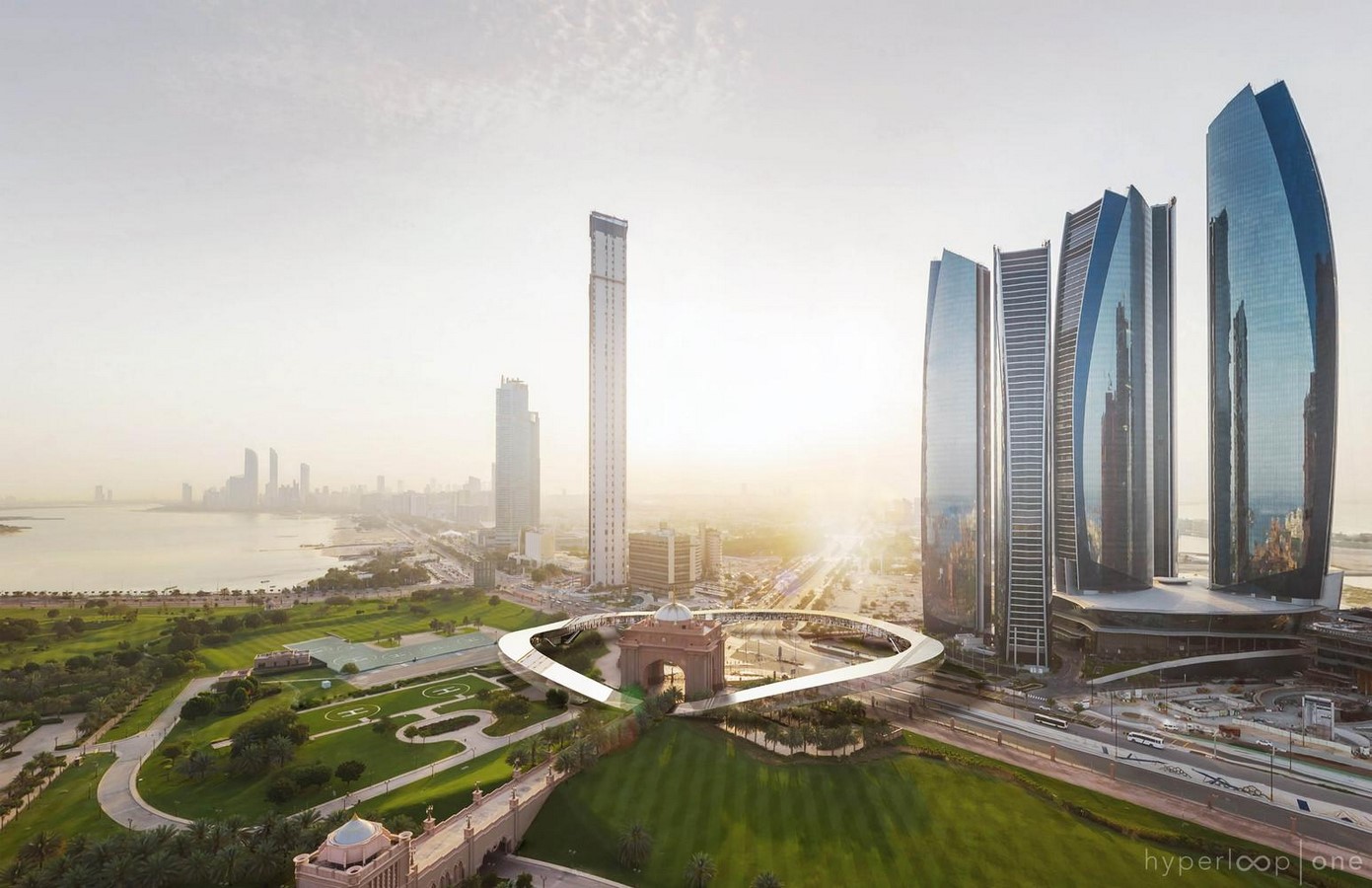
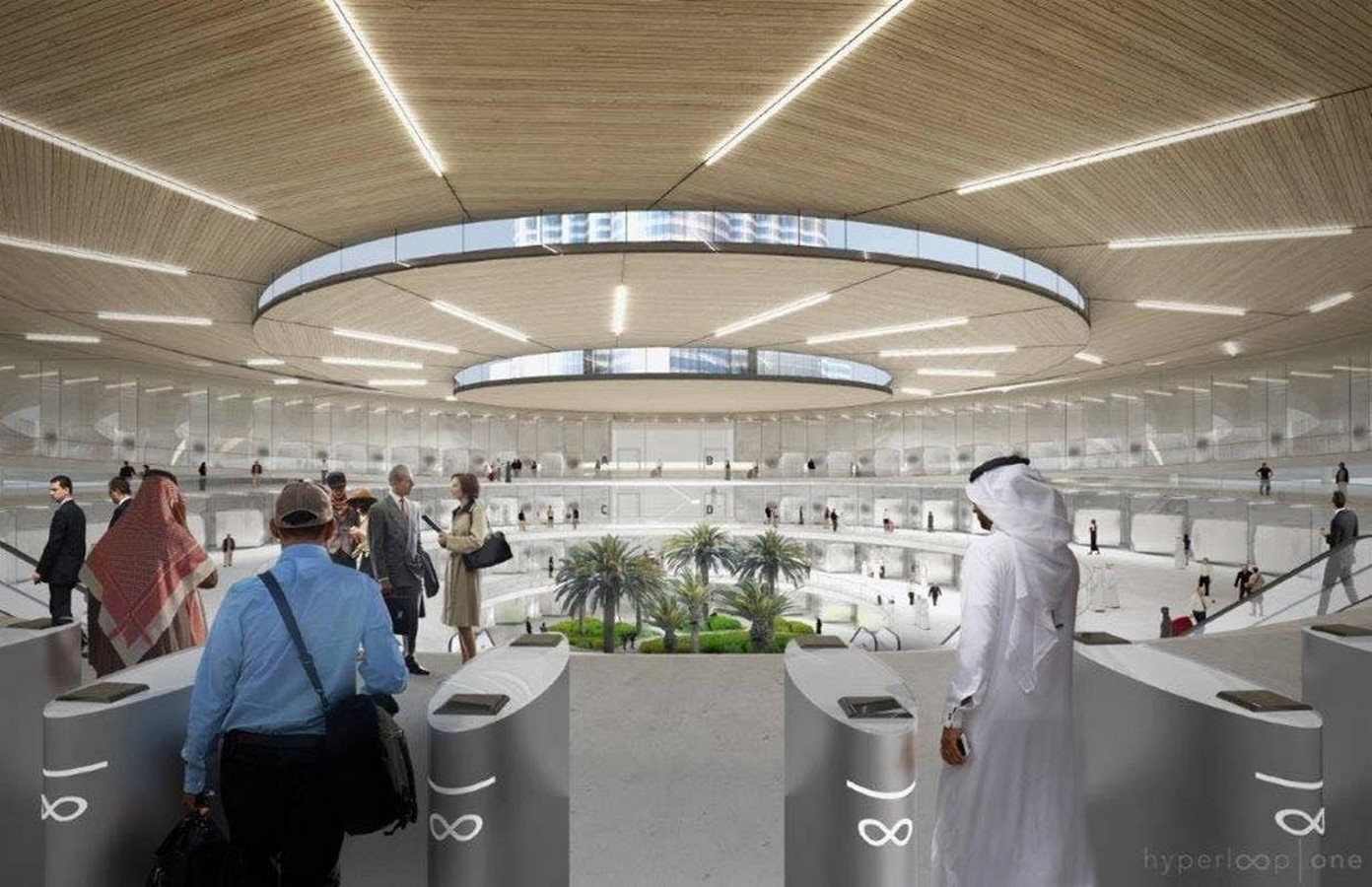
Dubai‘s initiatives are pushing Public Transit Innovations towards spectacle. Proposals such as BIG’s Hyperloop portals and autonomous tunnels promise futuristic speed and climate-adaptive hubs.
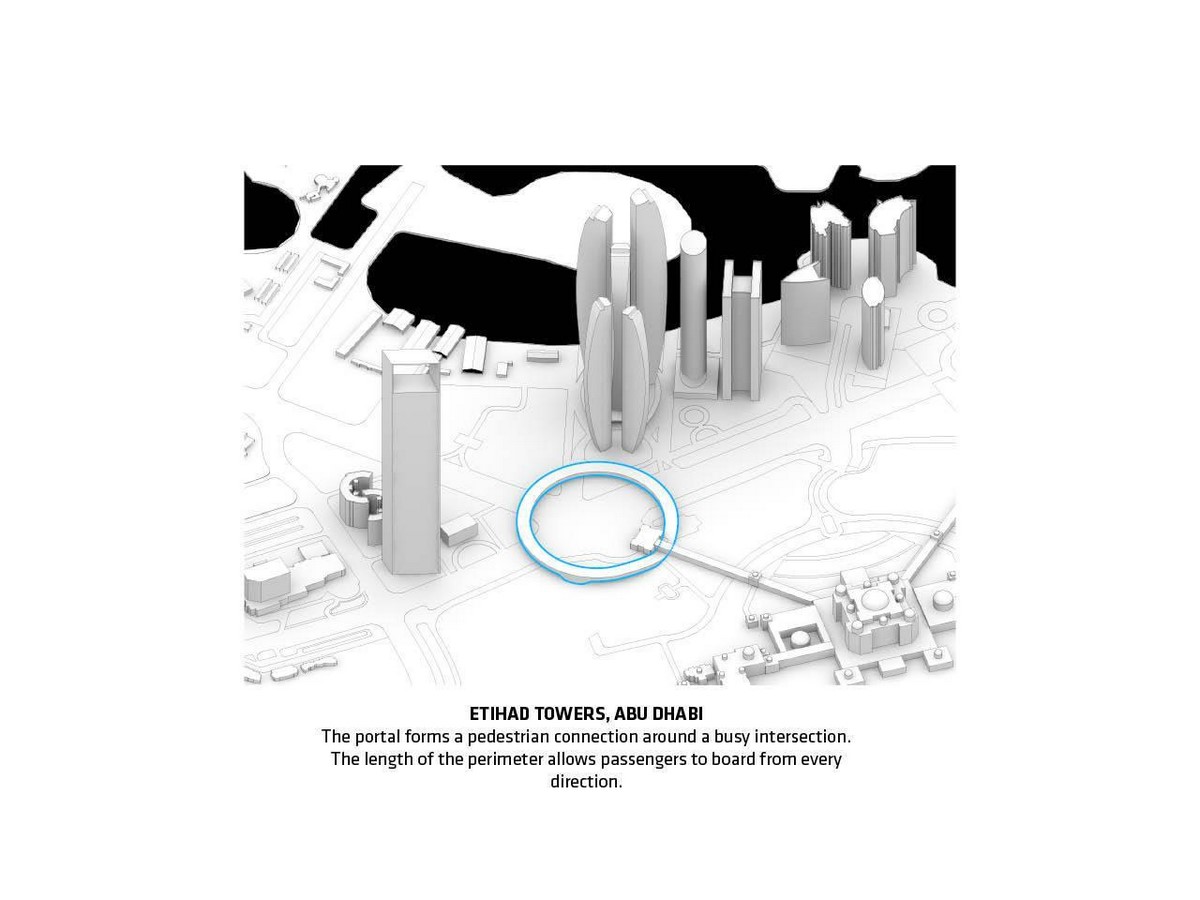
These hubs are designed to be both luxurious and resilient to desert heat. For the time being, they remain aspirational, raising the question of whether Dubai’s ambitions will become a reality or just architectural projections of the future.
The MRT Station
The Bras Basah MRT station in Singapore, designed by WOHA, demonstrates that public transportation innovations can be lyrical. Daylight floods through a water-filled skylight 35 metres underground, transforming a reflection pool into a brilliant emptiness.
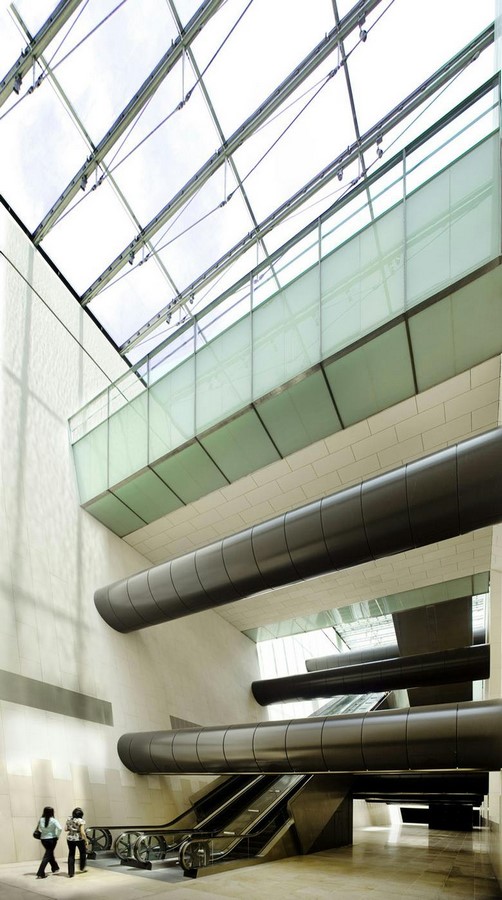
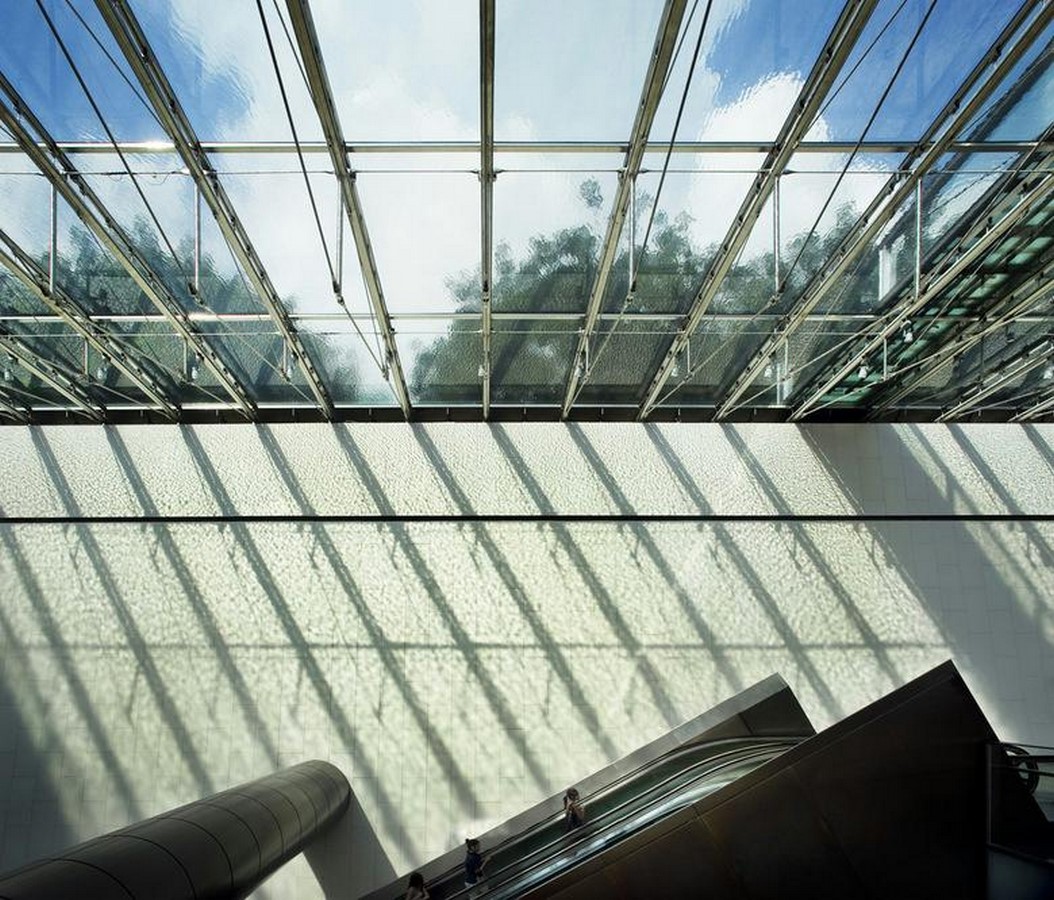
For commuters, this is not just orientation but relief, a reminder that even in subterranean depths, design can elevate the everyday.
Villejuif-Gustave Roussy Station
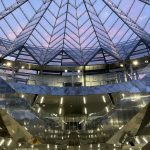
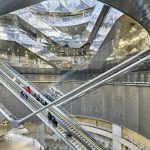
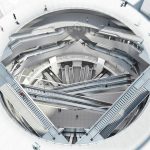
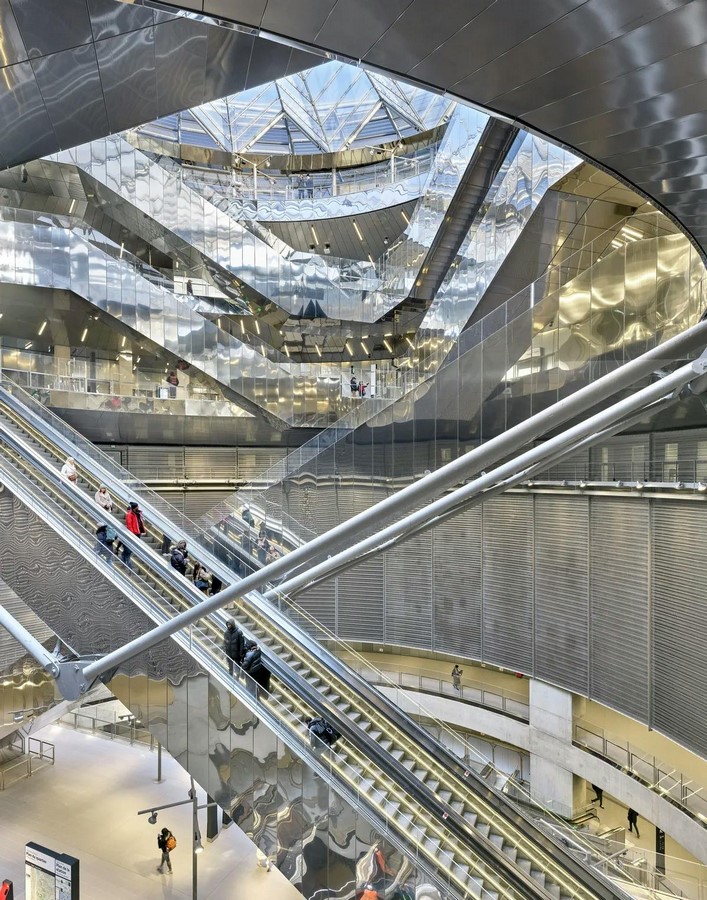
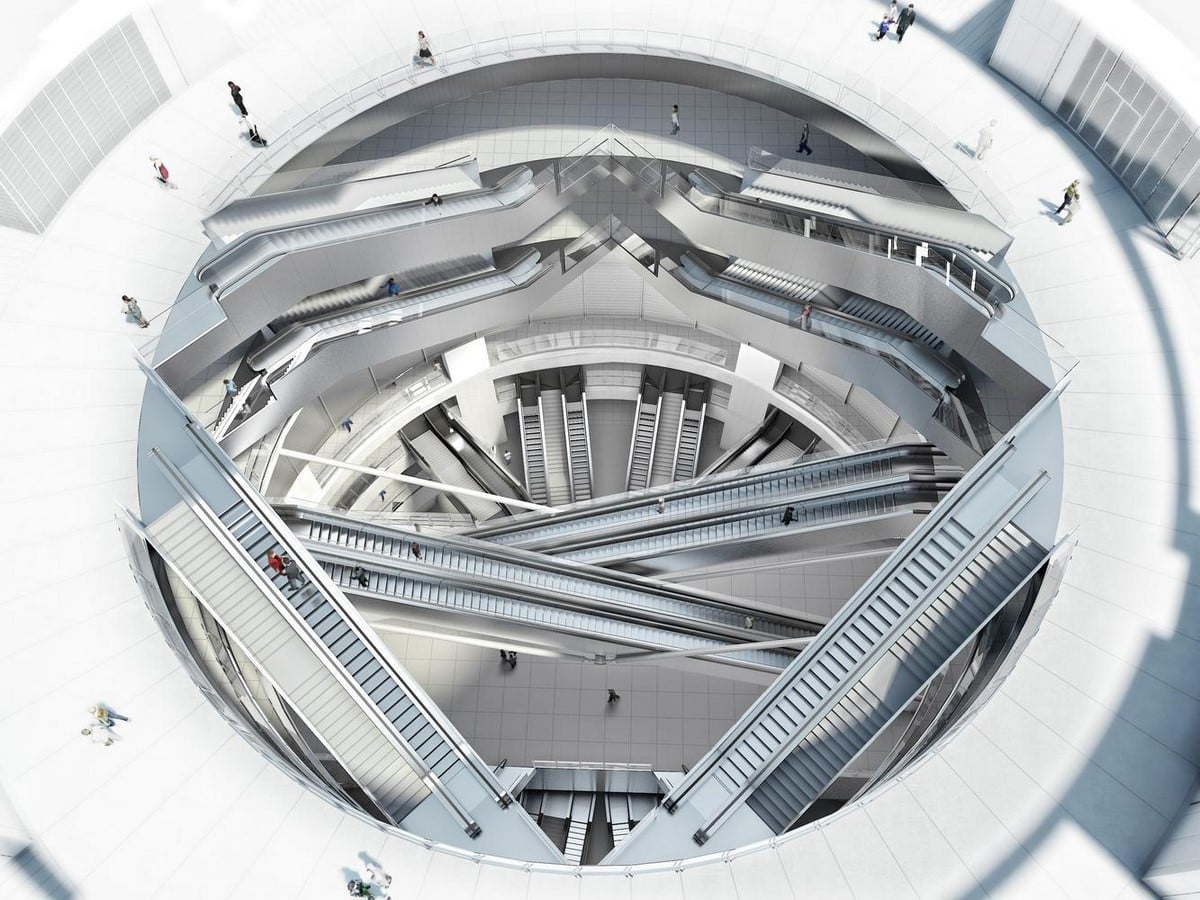
Paris’ Villejuif-Gustave Roussy station, hidden beneath a gigantic concrete cylinder, transforms depth into drama. Galleries and footbridges crisscross the enormous interior, which is lighted by transparent roofs.
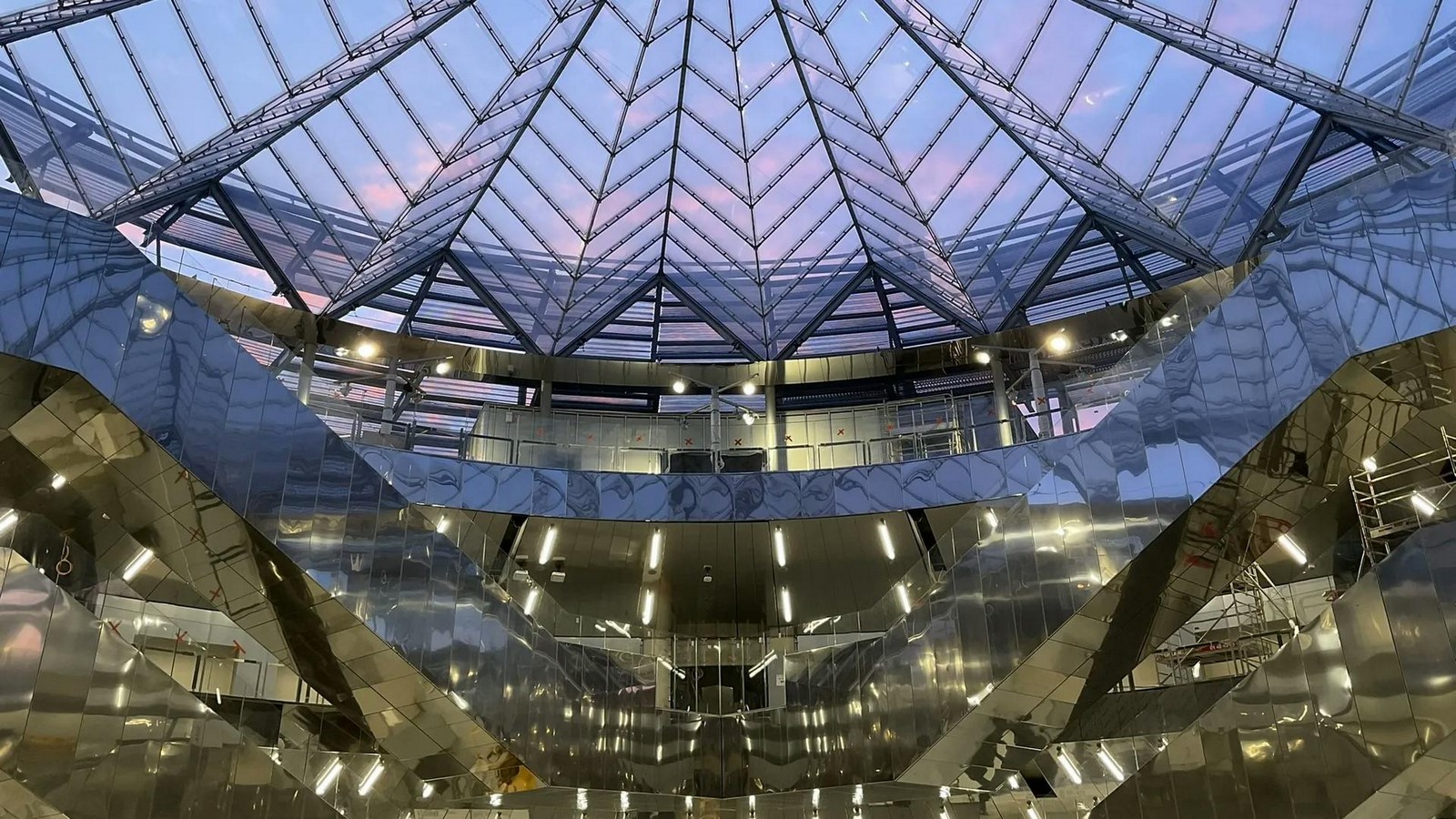
For users, art-lined passages transform waiting into contemplation. For the city, it anchors growth near Europe’s largest cancer institute. This, too, is an example of a public transit innovation that is entwined with civic necessity.
Public Transit Innovations are not gadgets; they are civic architectures that influence how we live together. Curitiba and Bogotá spoke about asphalt, London digitized transportation, Singapore polished government, Paris brightened the suburbs, Tokyo staged daily life, Copenhagen humanized scale and Dubai advanced visions of the future.
Transit will be the defining landmark of the twenty-first century. The goal now is simple yet profound: design them as public rooms of dignity, where movement is meaningful and the city finds its shared ground.
References:
Bras Basah Mass Rapid Transit (MRT) station WOHA. Available at: https://www.world-architects.com/en/woha-singapore/project/bras-basah-mass-rapid-transit-mrt-station (Accessed: 14 September 2025).
Bras Basah Mass Rapid Transit Station, Singapore (no date) ArchitectureAu. Available at: https://architectureau.com/articles/bras-basah-mass-rapid/?utm_source=chatgpt.com (Accessed: 14 September 2025).
Solomon, A. (2025) Paris’ Architecturally Fascinating Villejuif-Gustave roussy metro station is now open, Wallpaper*. Available at: https://www.wallpaper.com/architecture/public-buildings/villejuif-gustave-roussy-metro-station-paris?utm_source=chatgpt.com (Accessed: 14 September 2025).
Station neighbourhood of Villejuif – Gustave Roussy Observatory of the Grand Paris Express Station Neighbourhoods (2025) Apur. Available at: https://www.apur.org/en/urban-planning/station-neighbourhood/station-neighbourhood-villejuif-gustave-roussy?utm_source=chatgpt.com (Accessed: 14 September 2025).
Yeung, J. (2025) Not just a train stop: The evolution of transit-oriented developments in East Asia, ArchDaily. Available at: https://www.archdaily.com/1027273/not-just-a-train-stop-the-evolution-of-transit-oriented-developments-in-east-asia?utm_source=chatgpt.com (Accessed: 14 September 2025).
Pintos, P. (2020) Orientkaj and Nordhavn Metro stations / COBE + arup, ArchDaily. Available at: https://www.archdaily.com/941807/orientkaj-and-nordhavn-metro-stations-cobe-plus-arup?utm_source=chatgpt.com (Accessed: 14 September 2025).
Mills, S. and Photography, R.H.- (2022) Copenhagen’s new metro station reflects its Brutalist Dockland Location, Wallpaper*. Available at: https://www.wallpaper.com/architecture/arup-cobe-design-new-metro-station-copenhagen-orientkaj-nordhavn?utm_source=chatgpt.com (Accessed: 14 September 2025).
Team, A.E. (2016) Big and Hyperloop one unveil designs for unprecedented autonomous transportation system, ArchDaily. Available at: https://www.archdaily.com/799008/big-bjarke-ingels-hyperloop-one-unveil-designs-for-unprecedented-autonomous-transportation-system-uae?utm_source=chatgpt.com (Accessed: 14 September 2025).
Modernizing Bus Rapid Transit: Curitiba, Brazil (no date) EBRD. Available at: https://www.ebrdgreencities.com/policy-tool/modernizing-bus-rapid-transit-curitiba-brazil/ (Accessed: 14 September 2025).
Curitiba, Brazil – Transportation Research Board. Available at: https://onlinepubs.trb.org/onlinepubs/tcrp/tcrp90v1_cs/Curitiba.pdf (Accessed: 14 September 2025).
Transmilenio: Bogotá, Colombia (no date) EBRD. Available at: https://www.ebrdgreencities.com/policy-tool/transmilenio-bogota-colombia/ (Accessed: 14 September 2025).
Verma, S. (2017) Redesigning the public transportation experience: London’s Contactless Card System, McKinsey & Company. Available at: https://www.mckinsey.com/industries/travel-logistics-and-infrastructure/our-insights/redesigning-the-public-transportation-experience-londons-contactless-card-system (Accessed: 14 September 2025).