Architecture has never been only about constructing walls and roofs. At its core, it has always been a form of expression, telling stories about the culture, society, and economy of its time. Today, as the world confronts urgent environmental challenges, a new chapter is unfolding through sustainable architecture. This way of thinking about design goes far beyond functionality and appearance. It carries with it a responsibility to care for ecosystems, improve human well-being, and reimagine how we experience urban life. Sustainable architecture is not only transforming skylines but also reshaping the waycommunities connect with their built environments, offering a vision of progress that stays in balance with the planet.
The Shift Towards Regenerative Design
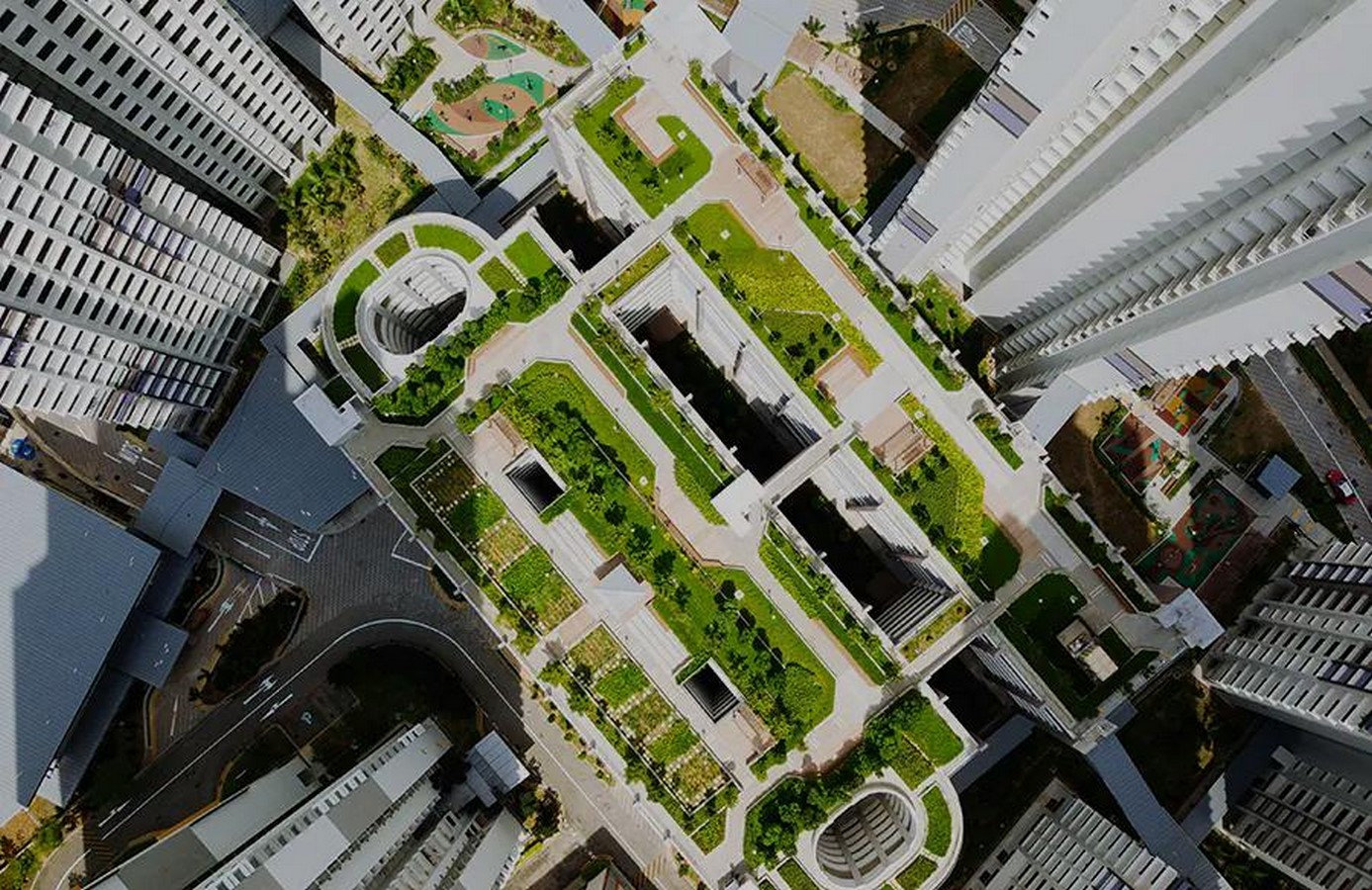
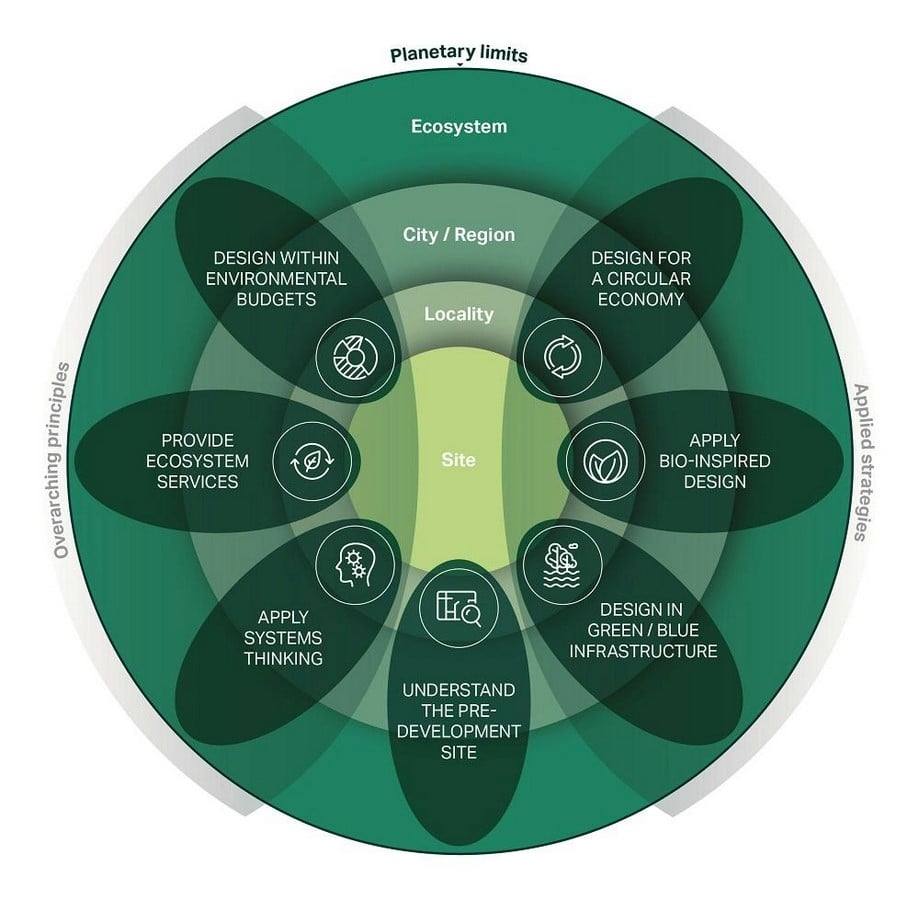
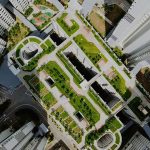
At first, sustainable architecture was largely about minimising harm, improving energy efficiency and lowering environmental impact. But it is now evolving into something deeper, that is, regenerative design. This philosophy is not just about doing less damage but about actively giving back to the environment. In this view, buildings are not seen as static structures but as living systems, woven into the cycles of nature. Green roofs, living walls, and self-sustaining water systems are examples of this shift, where architecture becomes part of ecological renewal rather than a source of depletion. Regenerative design invites us to imagine cities and neighbourhoods that heal, inspire, and reconnect people to the natural world.
Innovation Through Green Architecture Projects
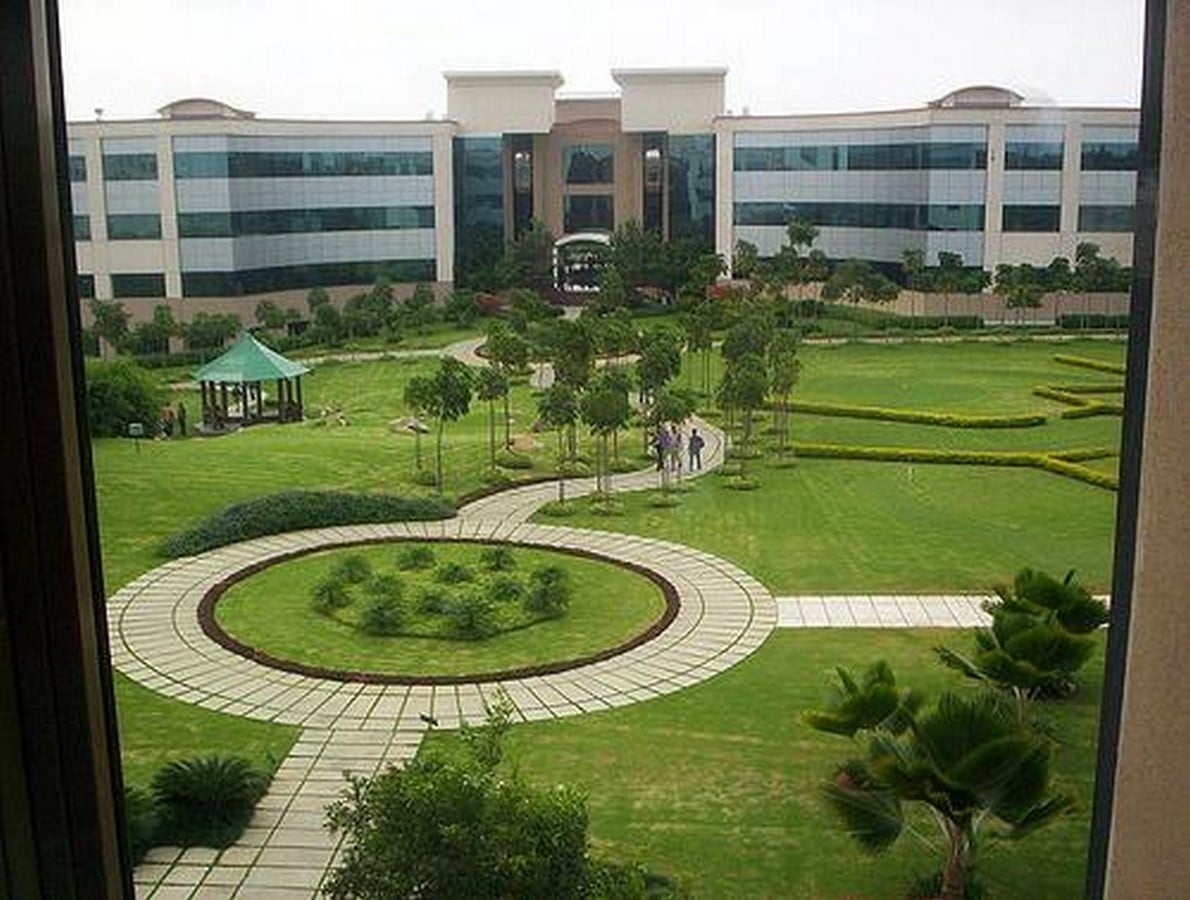
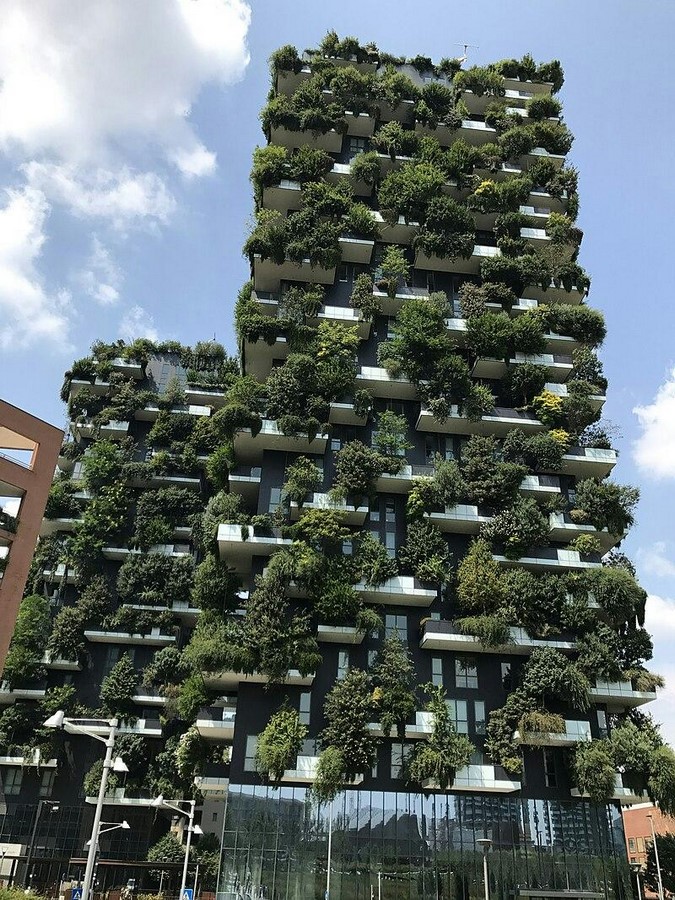
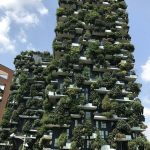
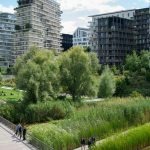
Across the globe, pioneering projects are showing us what this future can look like. In Milan, the Bosco Verticale demonstrates how vertical forests can turn dense urban towers into thriving ecosystems. In Singapore, Gardens by the Bay blends architecture with ecology to create spaces that feel both futuristic and rooted in nature. Closer to home, the Infosys campus in Hyderabad exemplifies how net-zero energy buildings can run with almost no carbon footprint. Each of these projects is more than just functional; they send a powerful message of resilience, adaptability, and harmony between people and the environment.
Renewable Materials: Building Blocks of Tomorrow
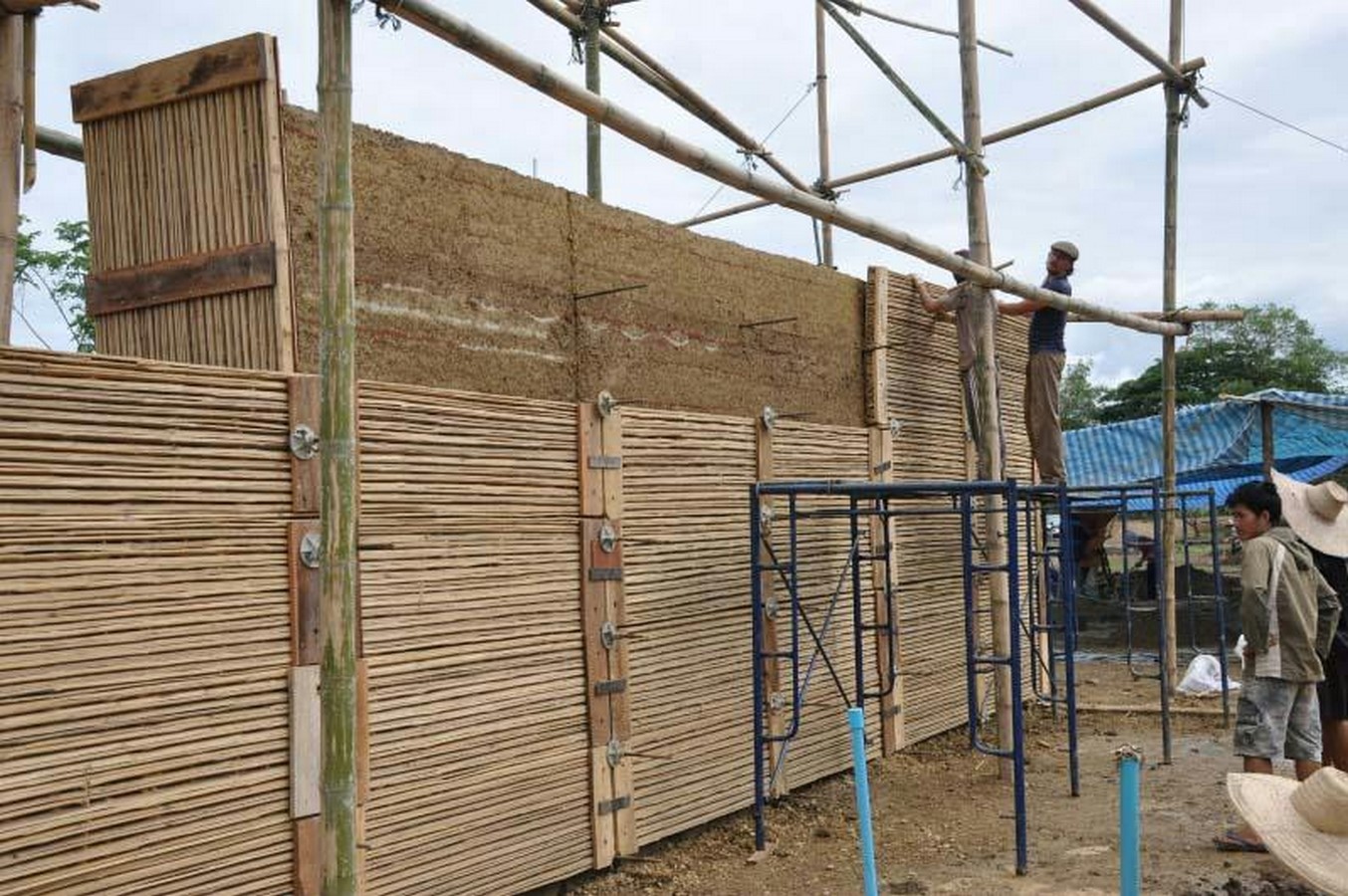
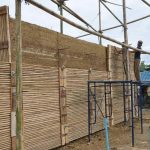
The materials used in construction have always carried meaning, and in sustainable design, that meaning is even more powerful. Renewable and recycled materials are now seen as the true building blocks of the future. Bamboo, rammed earth, reclaimed wood, and even mycelium-based composites are reshaping the palette of modern construction. These materials are not just environmentally responsible; they embody the spirit of sustainability, proving that architecture can be strong, beautiful, and respectful of natural limits at the same time. By embracing renewable resources, buildings become more than shelters; they become statements of responsibility, teaching us that progress doesn’t have to come at the cost of the planet.
Addressing Environmental Concerns Through Design
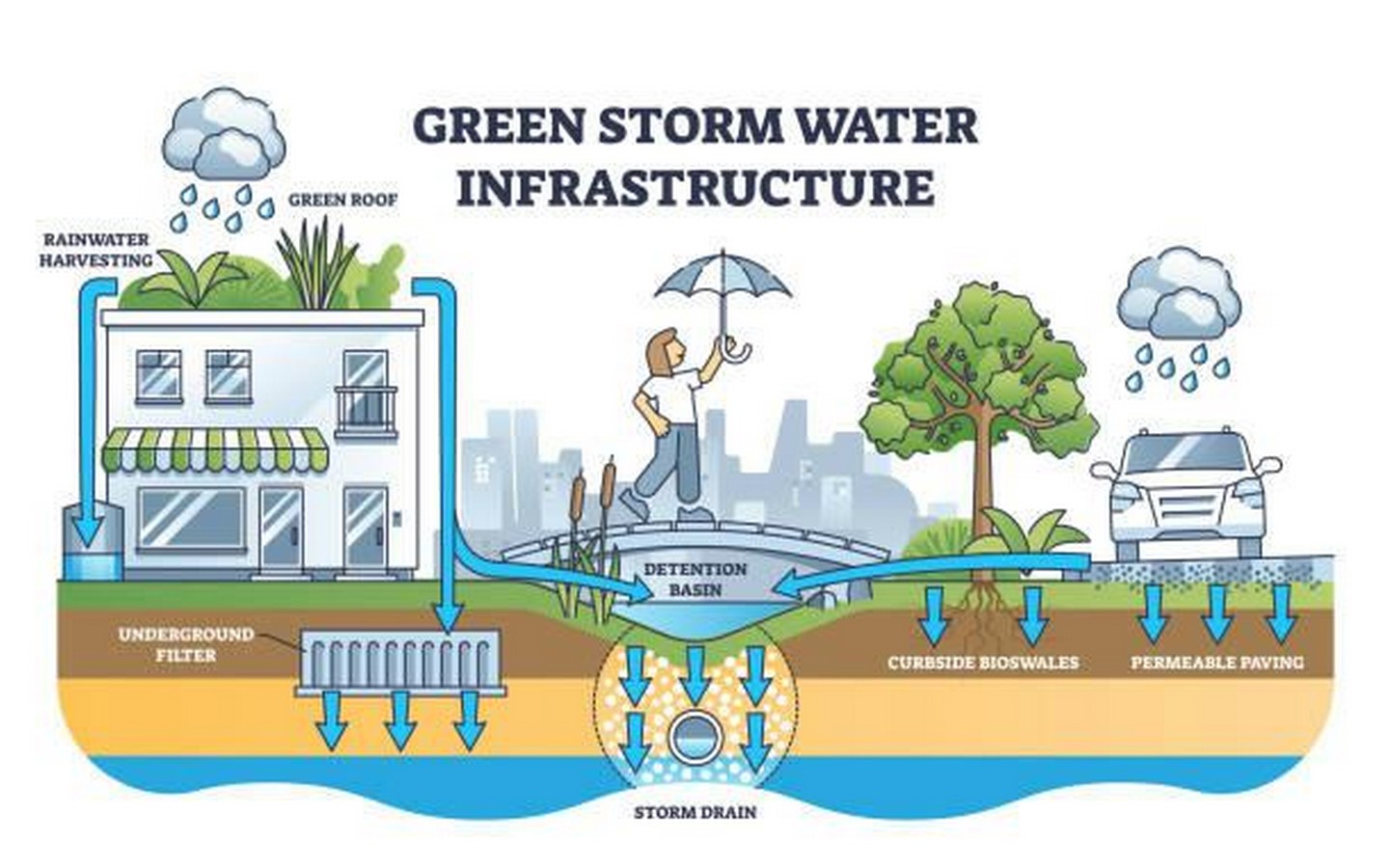
The realities of climate change, pollution, and resource scarcity demand direct responses from architecture. This has led to buildings that integrate energy efficiency, water conservation, and waste management as standard features rather than optional add-ons. Passive solar design, rainwater harvesting, and smart waste management systems are now everyday practices shaping sustainable development. These approaches turn architecture into an active problem solver, showing that cities can grow without exhausting the earth’s resources. Instead of being part of the problem, architecture becomes part of the solution, demonstrating that human ingenuity can evolve alongside ecological care.
Reimagining Urban Landscapes
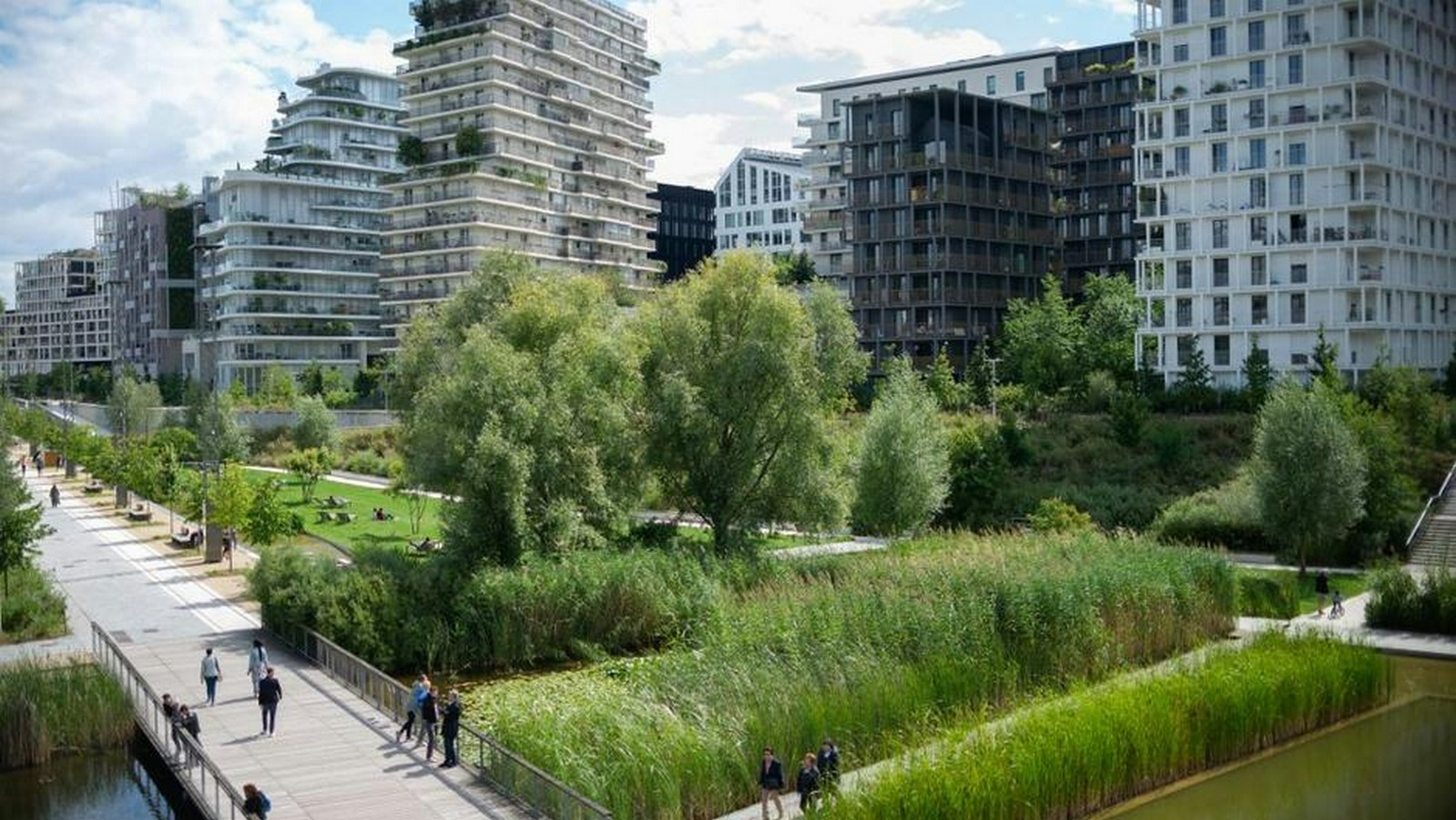
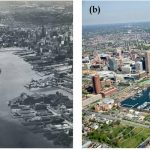
Since cities are where most of humanity’s future will unfold, sustainable architecture is reimagining their very foundations. Eco districts, carbon-neutral housing, and transit-oriented development are already shifting urban design toward sustainability. In cities like Delhi, Mumbai, London, and New York, we see the rise of mixed-use neighbourhoods, green corridors, and community-centred spaces that bring sustainability into daily life. Even night markets and shared public areas are being designed to support both social interaction and ecological responsibility. These changes suggest a future where cities are not just dense and functional but inclusive, green, and centred on the well-being of both people and the planet.
The Role of Expression in Sustainable Architecture
What sets sustainable architecture apart from traditional building practices is its ability to carry meaning. A zero-energy school, for example, is not just saving on utility bills; it is teaching the next generation how to live sustainably by making sustainability part of their daily experience. A residential tower with rainwater harvesting is more than a home; it is a symbol of resilience in the face of water scarcity. Each project becomes a voice in the broader conversation about climate action, reminding us that design choices have the power to influence culture, change behaviours, and inspire new ways of living.
Case Studies: Narratives of a Sustainable Future
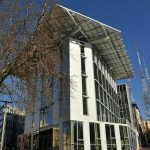
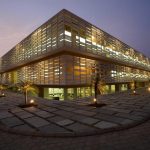
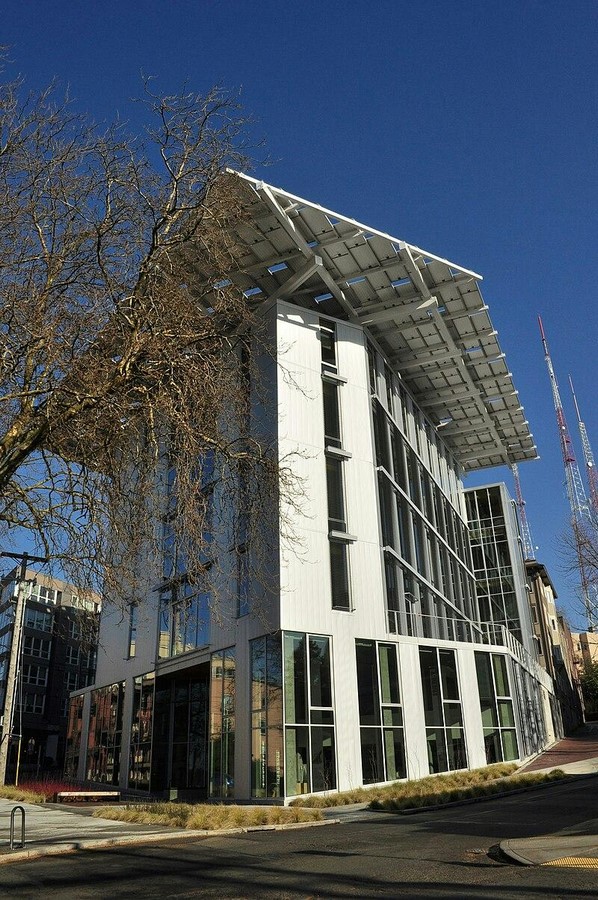
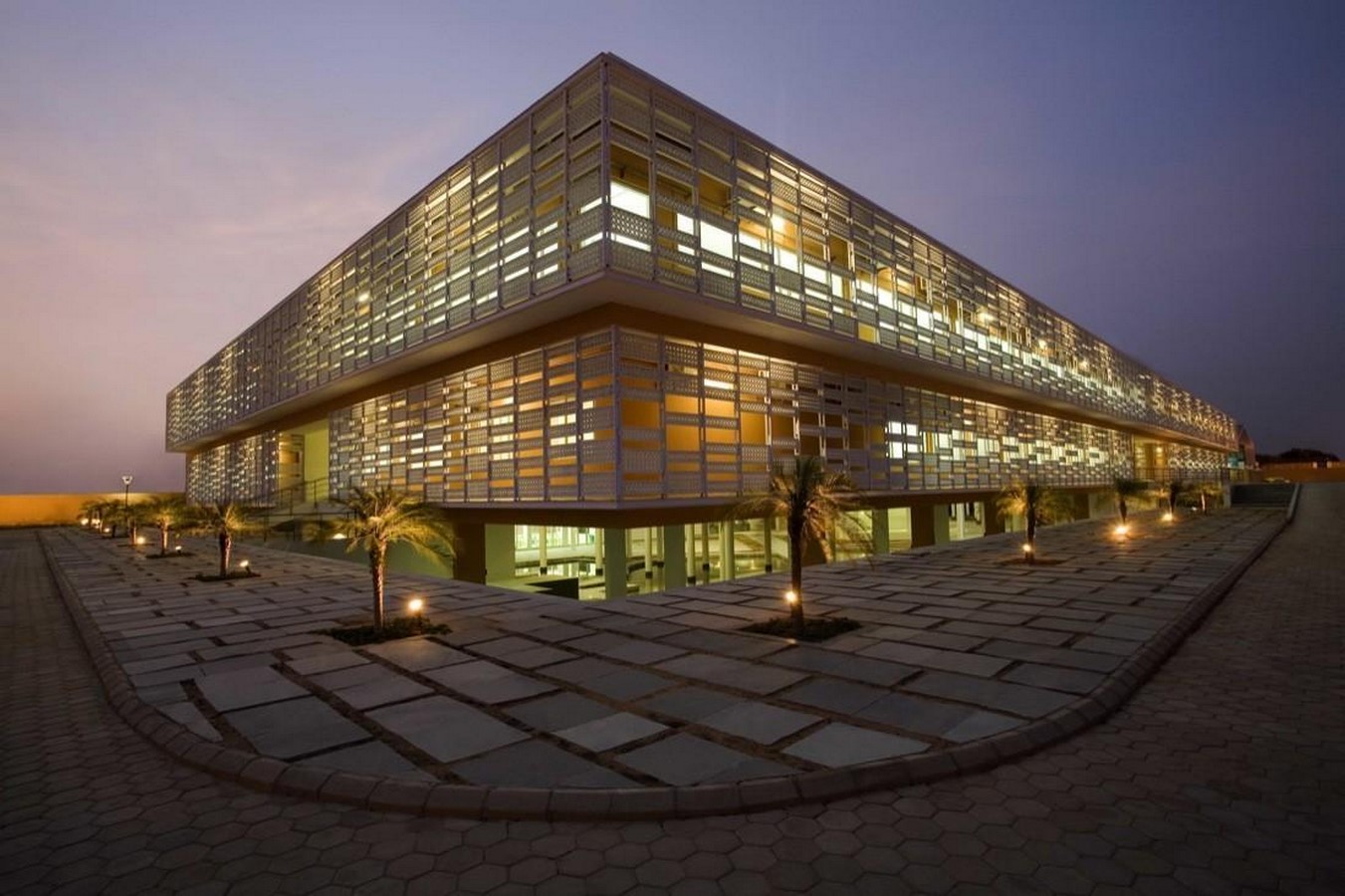
Some projects make this point especially clear. The Bullitt Centre in Seattle, often called the “greenest commercial building in the world,” generates more energy than it uses, has composting toilets, and avoids toxic materials altogether. It isn’t just an office building, it’s a statement of environmental leadership. In India, the Pearl Academy of Fashion in Jaipur draws on traditional techniques like jaali screens and courtyards to naturally cool its spaces, proving that heritage wisdom can blend beautifully with modern sustainability. These examples show how architecture can weave together culture, technology, and ecology, creating not just buildings but narratives of possibility for the future.
Community-Centred Approaches
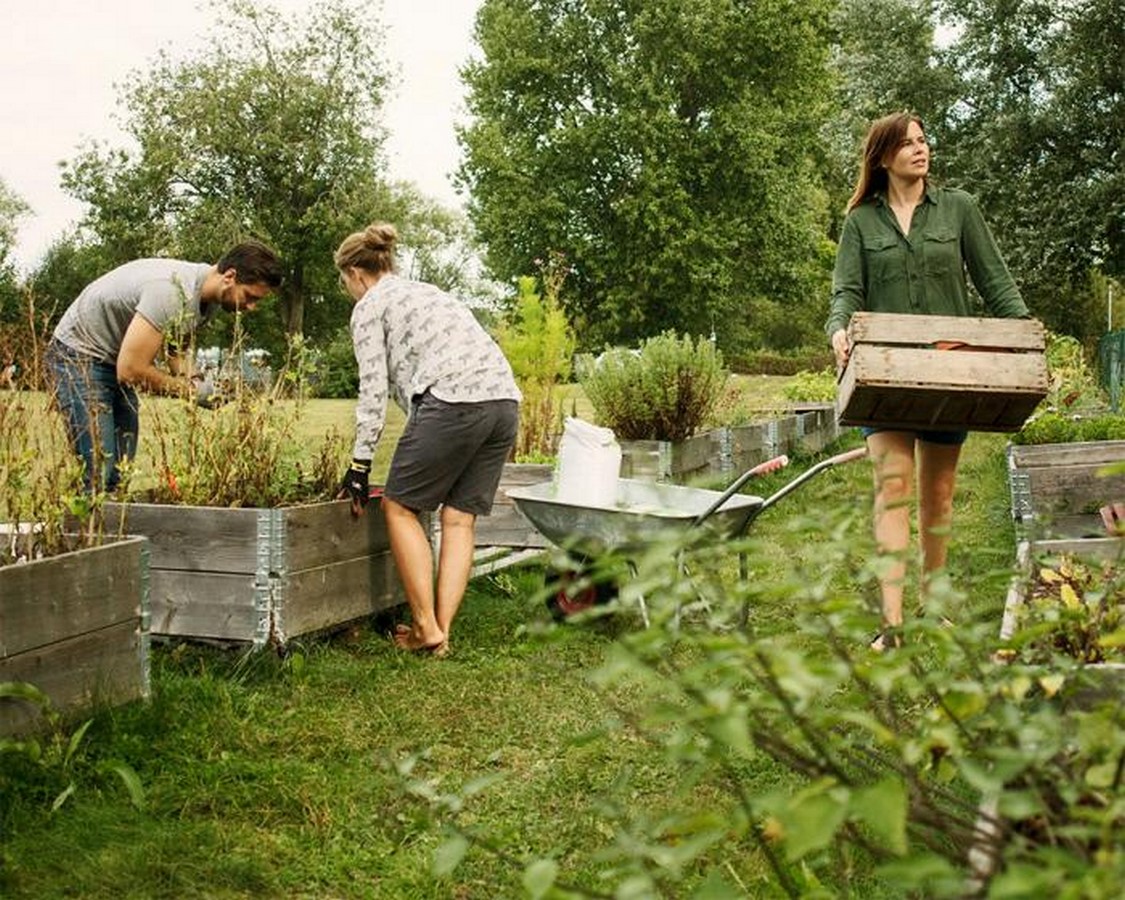
Sustainability also gains strength when rooted in communities. Housing developments that include shared gardens, renewable energy co-ops, and pedestrian-friendly designs are doing more than providing shelter; they are creating lifestyles of shared responsibility and care. When architecture supports collective practices, it fosters inclusivity, resilience, and a deeper sense of belonging. This community-driven approach ensures that sustainability isn’t imposed from the outside but grows organically from within neighbourhoods. In this way, architecture becomes not just a product of design but a reflection of the people who live in and shape those spaces.
Towards an Eco-Conscious Urban Future
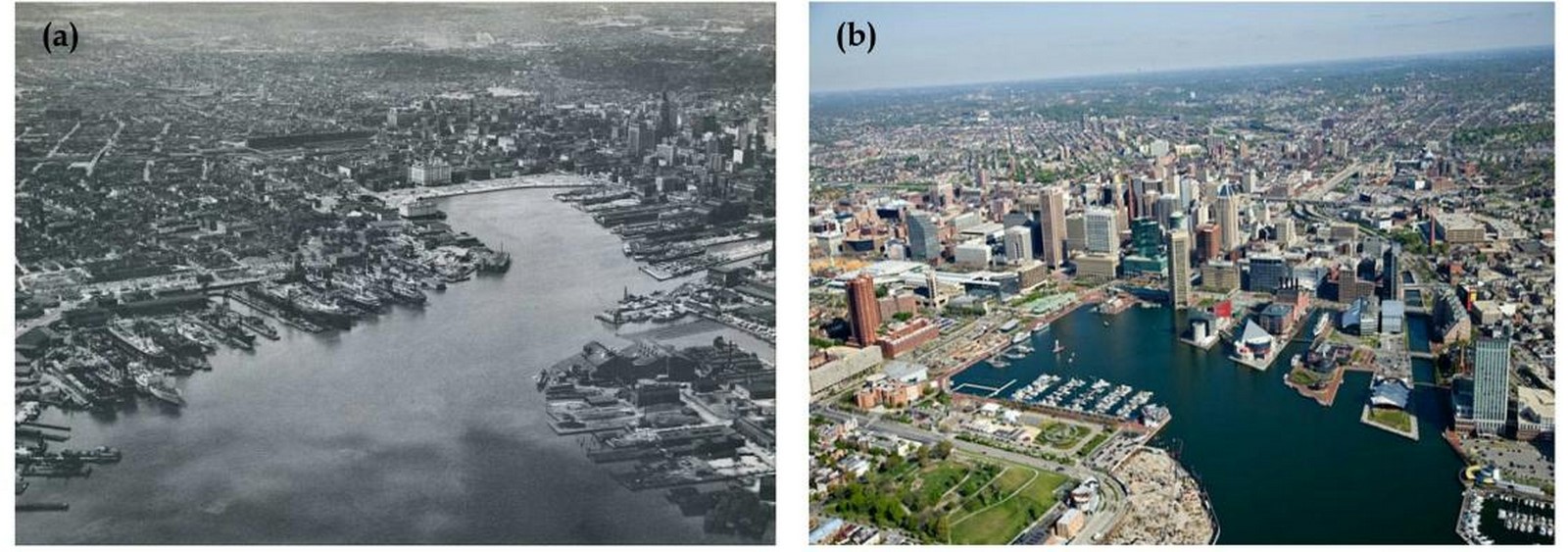
The future imagined by sustainable architecture is not a distant dream; it is already unfolding around us. Thanks to new technologies, stronger policies, and changing cultural values, regenerative buildings, renewable materials, and resilient urban planning are moving into the mainstream. Skylines of tomorrow may be filled not just with glass and steel, but with greenery, solar panels, and water-sensitive landscapes. Sustainable architecture shows us that human progress and ecological care are not opposites but partners, threads woven together to create a fabric strong enough to carry us into the future.
Writing the Next Chapter
As climate challenges intensify, sustainable architecture stands as both a practical solution and a cultural shift. By embracing renewable resources, regenerative design, and community-driven ideas, it offers hope for a future built on balance and resilience. This future won’t be defined solely by policy decisions or technical blueprints; it will be visible in the way our cities look, the way our neighbourhoods feel, and the way our daily lives unfold. In shaping that reality, sustainable architecture is writing a story where human progress and planetary health go hand in hand, and where every building becomes part of a larger narrative of survival, renewal, and hope.
References:
- ArchDaily. (2014). Bosco Verticale / Boeri Studio. Retrieved from https://www.archdaily.com/775355/bosco-verticale-boeri-studio
- Gardens by the Bay. (n.d.). Sustainability at Gardens by the Bay. Retrieved from https://www.gardensbythebay.com.sg
- Infosys. (2018). Sustainability Report – Net Zero Campus Initiatives. Retrieved from https://www.infosys.com/sustainability
- Rethinking The Future. (2021). Green Roofs: An Urban Agricultural Opportunity. Retrieved from https://www.re-thinkingthefuture.com/sustainable-architecture/a4582-green-roofs-an-urban-agricultural-opportunity/
- The Bullitt Foundation. (n.d.). The Bullitt Centre: The Greenest Commercial Building in the World. Retrieved from https://bullittcenter.org
- Pearl Academy of Fashion. (2008). Pearl Academy, Jaipur – Morphogenesis Architects. Retrieved from https://www.morphogenesis.org
- United Nations Environment Programme (UNEP). (2020). 2020 Global Status Report for Buildings and Construction. Retrieved from https://www.unep.org
- World Green Building Council. (2019). Bringing Embodied Carbon Upfront: Coordinated Action for the Building and Construction Sector. Retrieved from https://www.worldgbc.org