Human settlement has always been marked by conflicting priorities and unintended consequences. Over the years, certain patterns have evolved, yet many challenges remain unresolved. A crucial yet often overlooked distinction between human settlement and human migration remains a pressing concern. Human migration, in most cases, is just shifting the existing socioeconomic and cultural challenges to a new location, which might, in return, breed an unstable and unhealthy lifestyle. In contrast, settlement focuses on improving the lifestyle, enhancing their livelihood, and fostering inter-generational growth by thoughtful design and planning. The major concerning outcome of migration is that it requires a start over in terms of work, lifestyle, and adaptability, which does not always lead to positive outcomes. The Dhoolpet rehabilitation project in Hyderabad stands as a testament to this challenge.
But with a proper vision and empathy, urban spaces can be transformed to ensure dignity, equity, and opportunity for all. One such community that needs to be addressed is a historically significant craft-based settlement exemplifying the complexities in preserving cultural heritage within the tiny lanes, but filled with divinity on all sides, the slum with an identity, KUMARTULI.
The story of hands behind the divine:
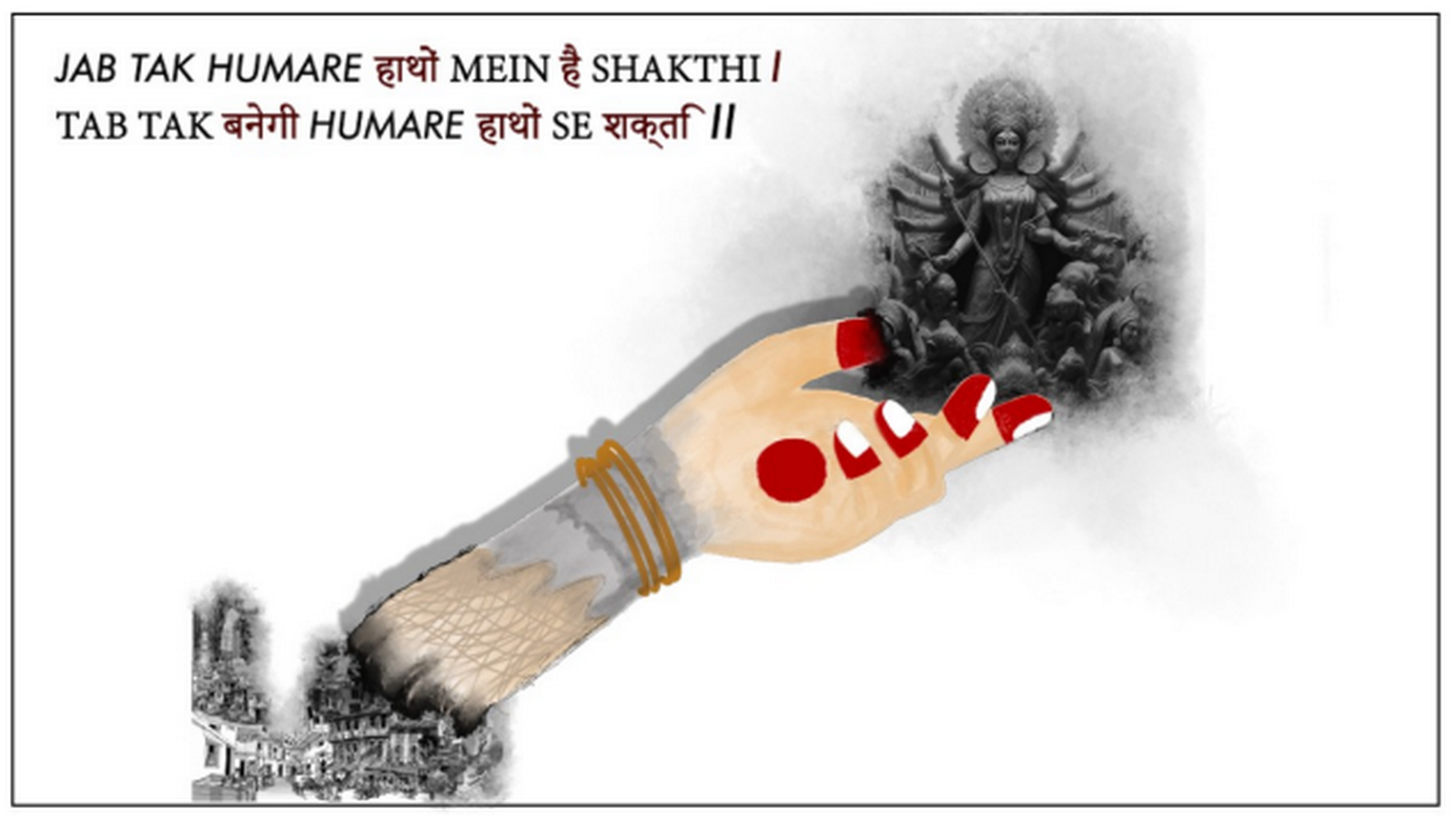
The story dates back to the 18th century, when Raja Nabakrishna Deb of Shobhabazar Rajbari in the northern part of Kolkata was inspired by Raja Krishnachandra and started the tradition of Durga Pujo at his family home. Later, the popularity grew, and potters were brought from Krishnanagar to make the idols. Initially, they were reluctant to make the goddess because they were afraid of offending the goddess. However, Raja Nabakrishna Deb convinced them that their work would be a form of worship and divinity, and they eventually agreed to make the idols.
The very first Durga Pujo was held in 1757, and it was a huge success. Idols were well received, and the demand for clay idols from Kumartuli skyrocketed. Soon, Kumartuli became a major center for the production of clay idols – a legacy that continues to this day.
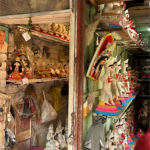
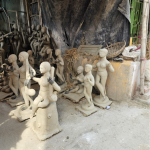
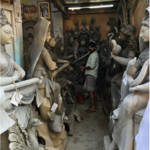
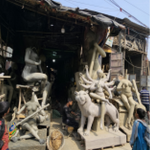
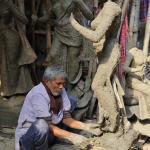
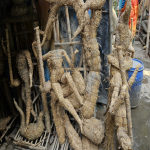
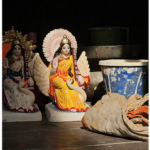
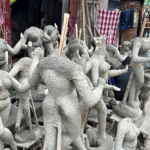
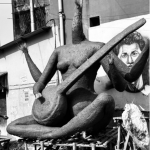
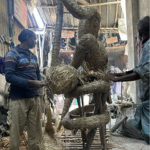
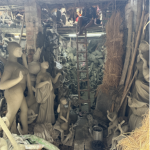
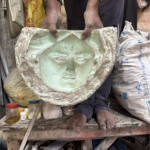
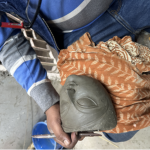
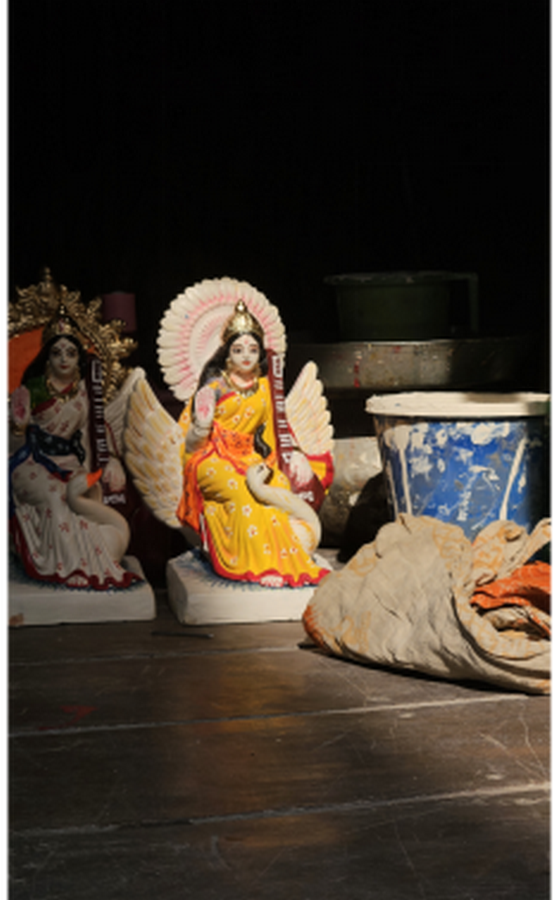
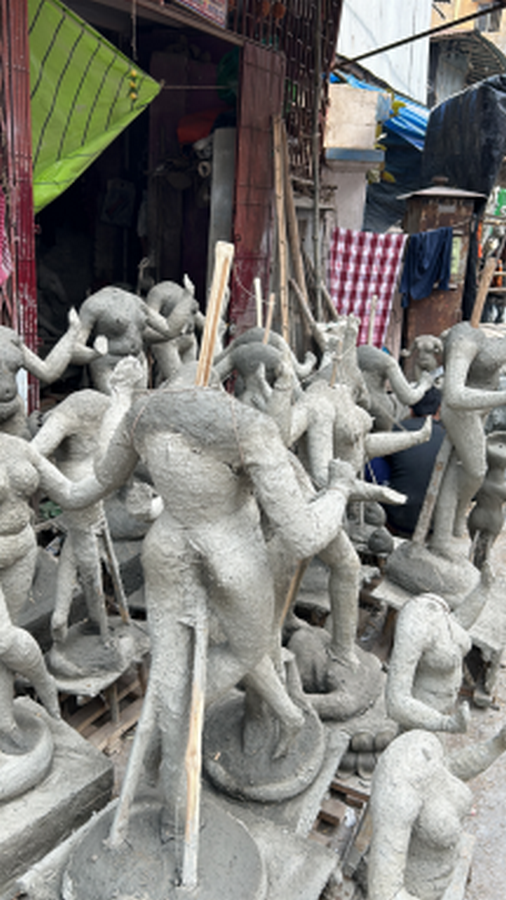
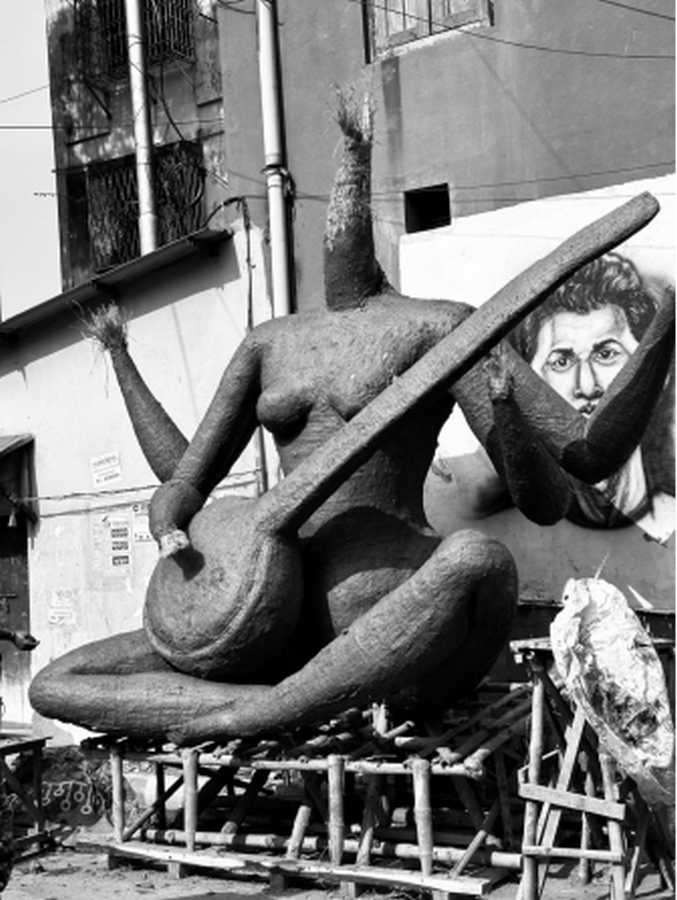
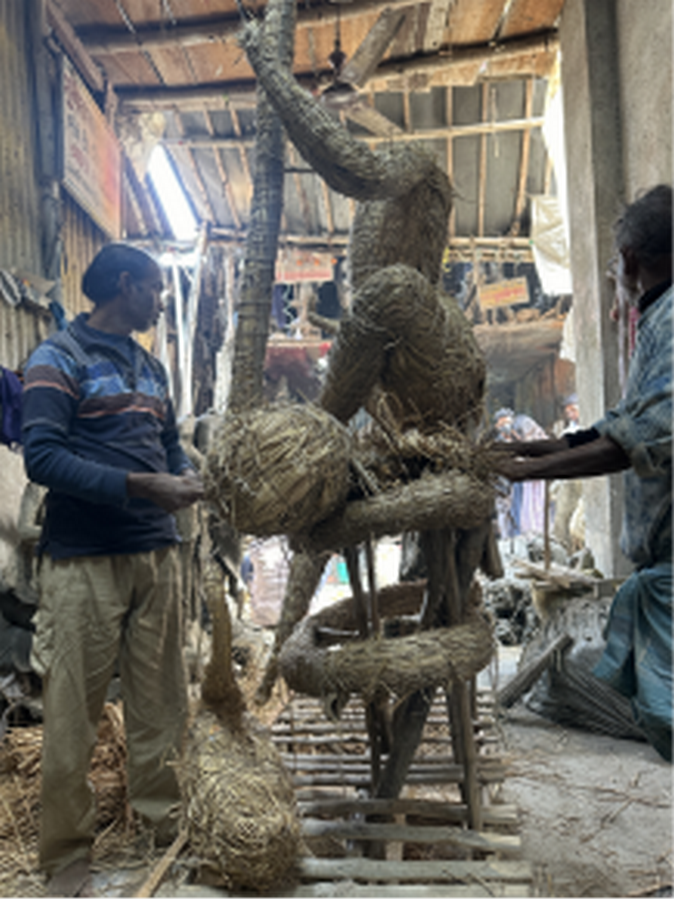
The kumors (potters in Bengali) take great pride in their work. What makes their work unique from the rest is the clay they use. The clay is collected from the banks of the river Hoogly, which is very unique in itself. This clay is later hand sculpted, and vibrant colors, along with gold and silver leaves, are used to adorn the goddess.
These idols are known for their beauty and intricate details. The word kumartuli itself translates to kumar, meaning potters, and tuli, meaning colony. And today, Kumartuli is recognized on the tentative list of UNESCO World Heritage sites.
Silent whispers of the lanes:
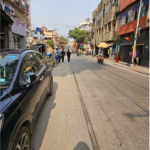
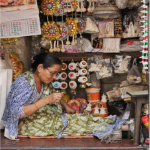
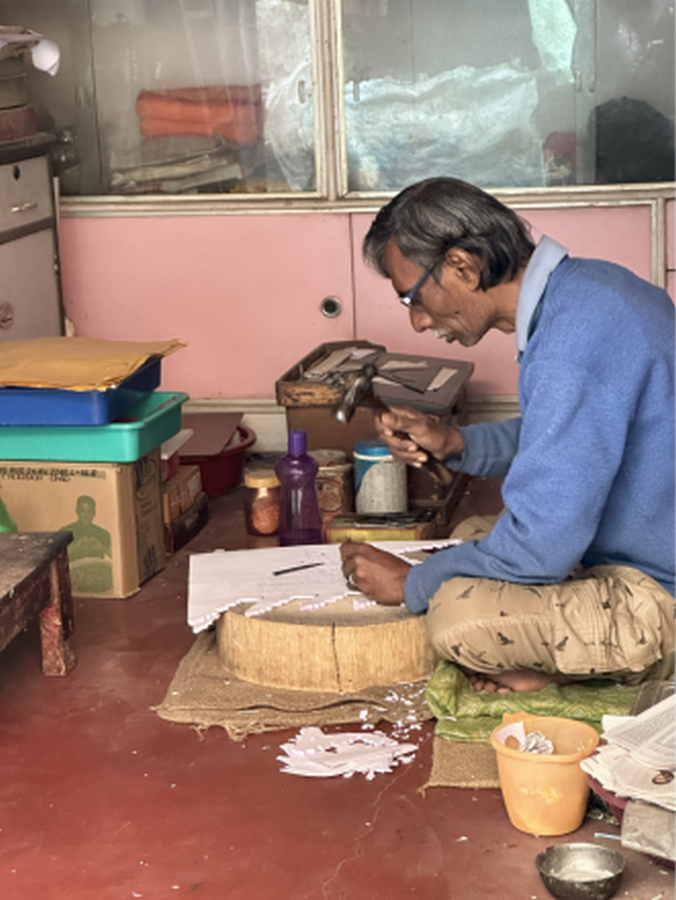
Despite having rich art and culture, the place is still falling apart for various reasons. Kumartuli consists of around 522 families residing, out of which the majority of them are idol makers, and the rest are into craft works like making the jewellery used to adorn idols, etc. The existing area is spread across approximately 5 acres, which includes houses, temples, and market spaces. This area lies within wards 8 and 9 of the Kolkata municipal corporation. The 4 major access roads surrounding Kumartuli are Rabindra Sarani Road on the east, Durga Charan Banerjee Road on the north, Strand Road on the west, and Banomali Sarkar Road on the south.
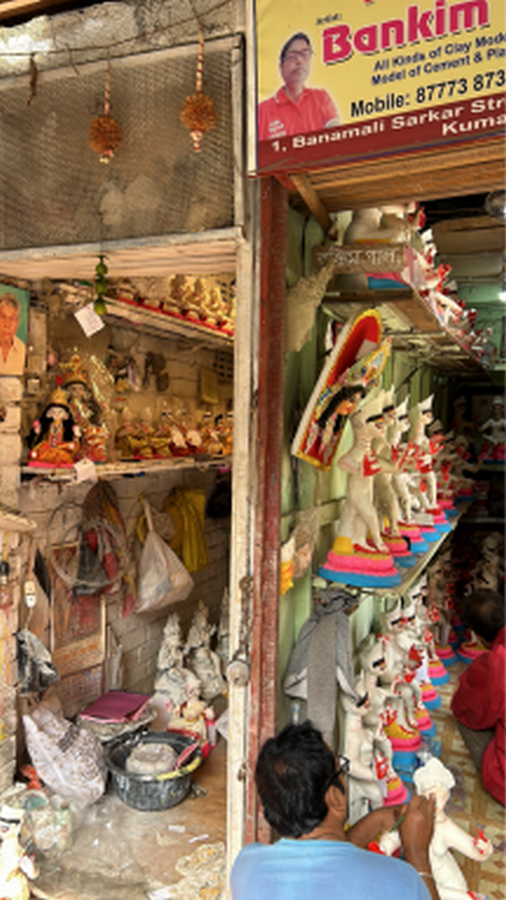
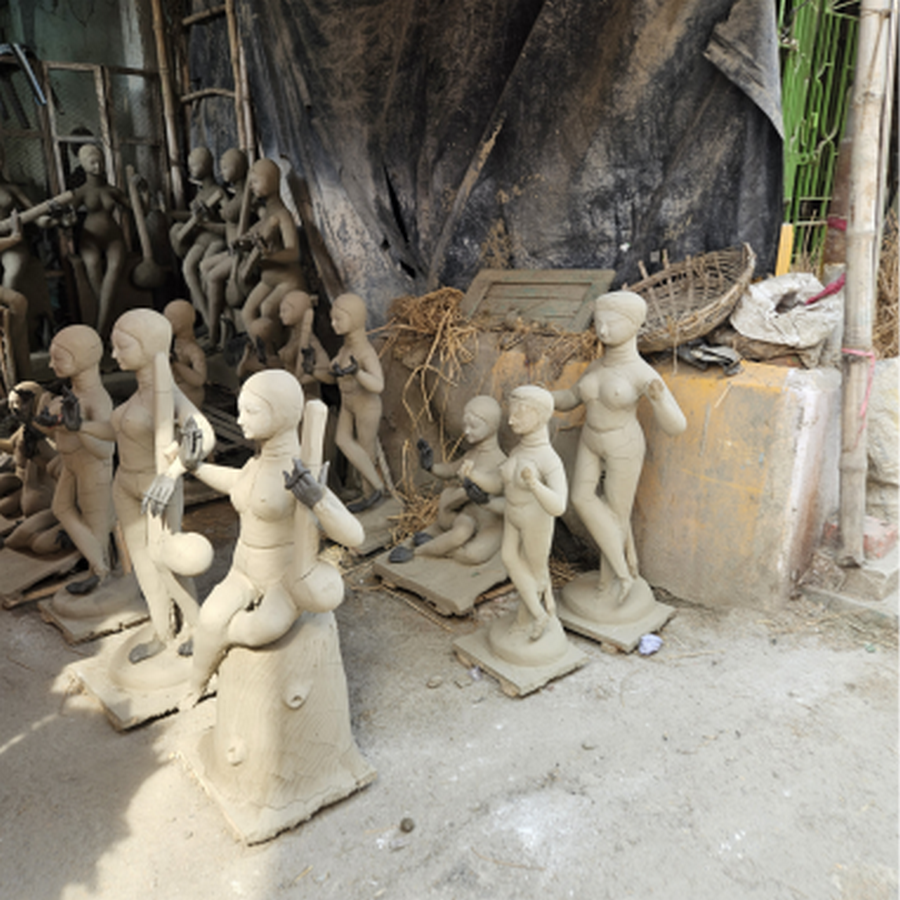
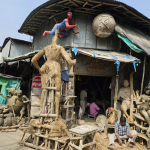
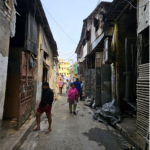
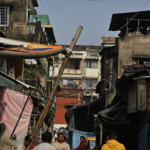
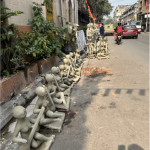
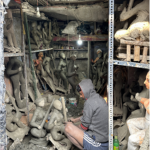
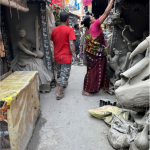
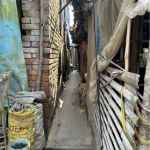
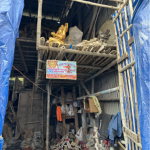
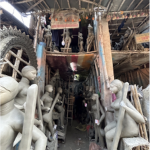
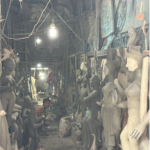
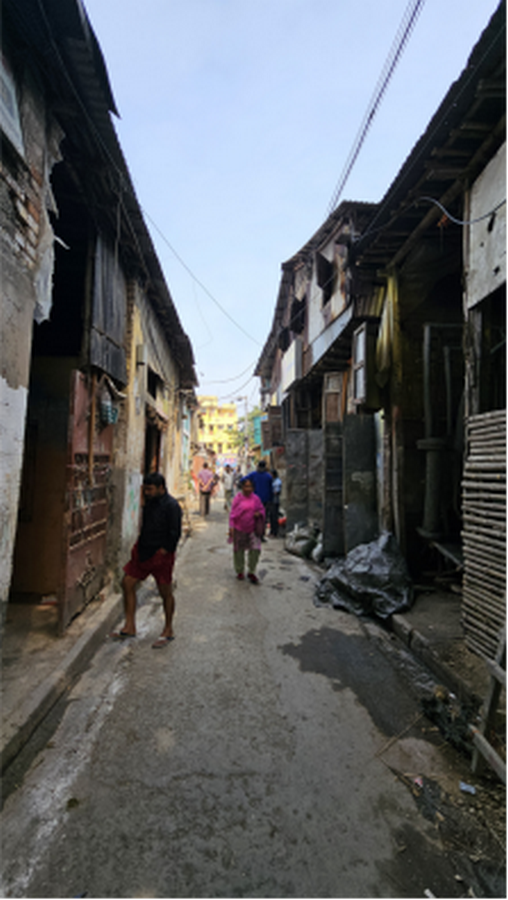
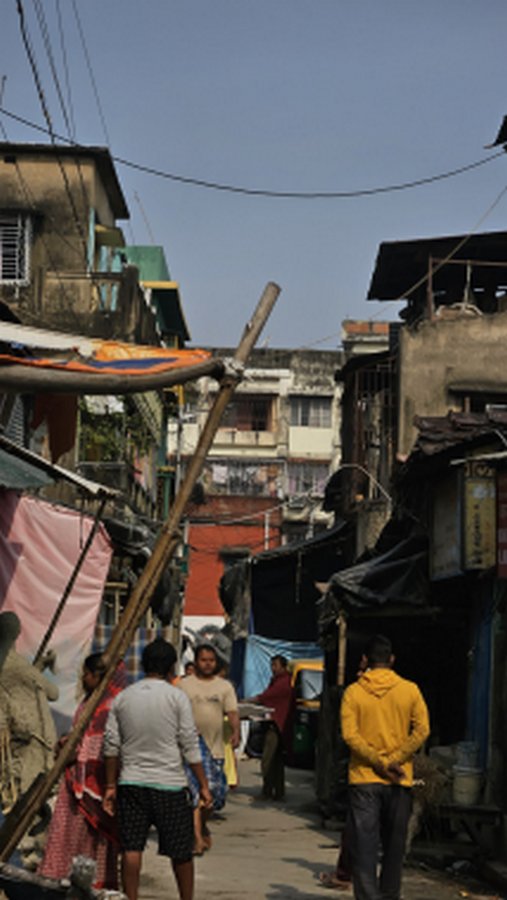
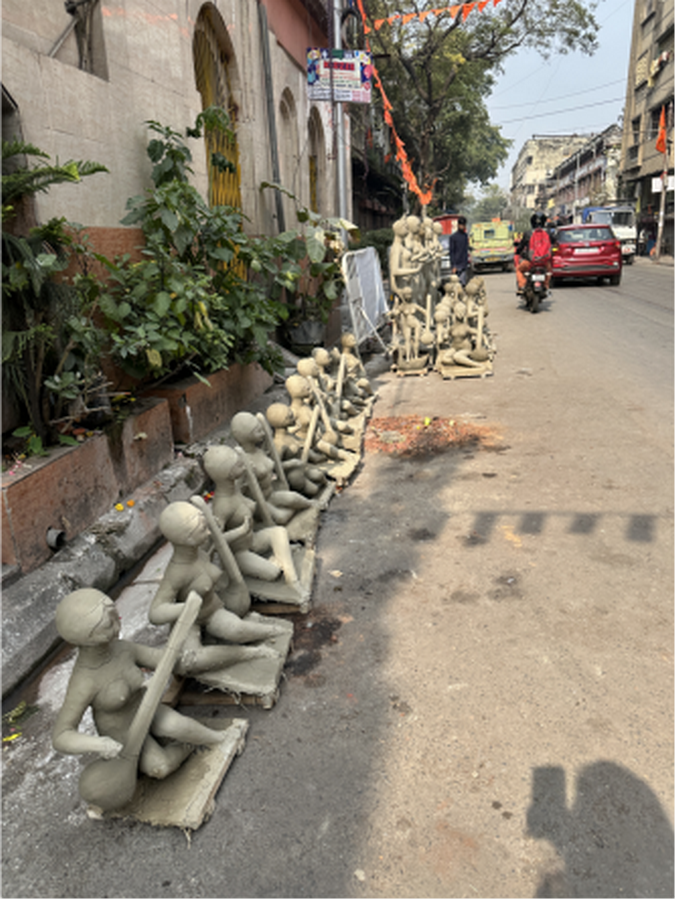
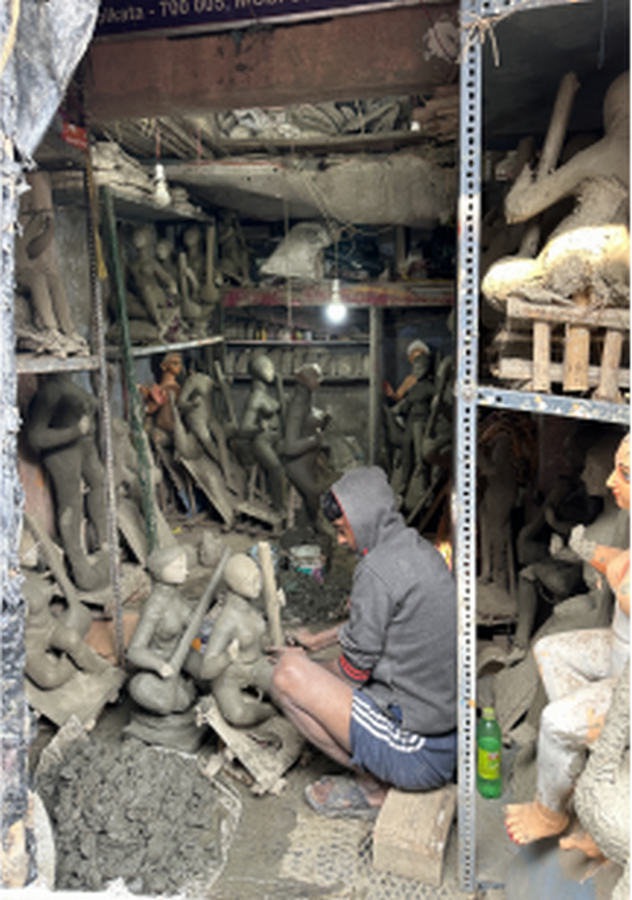
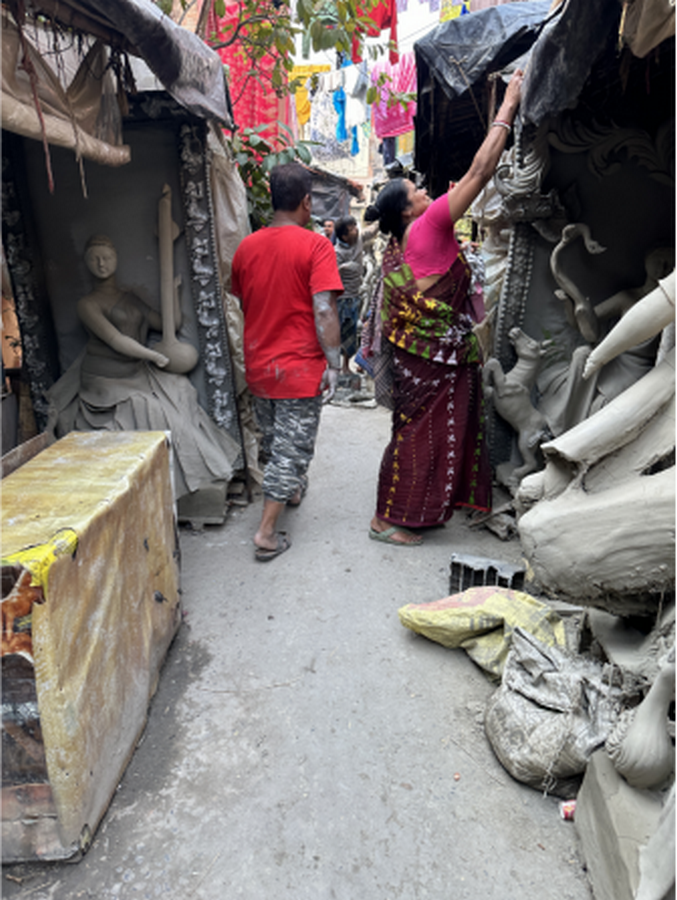
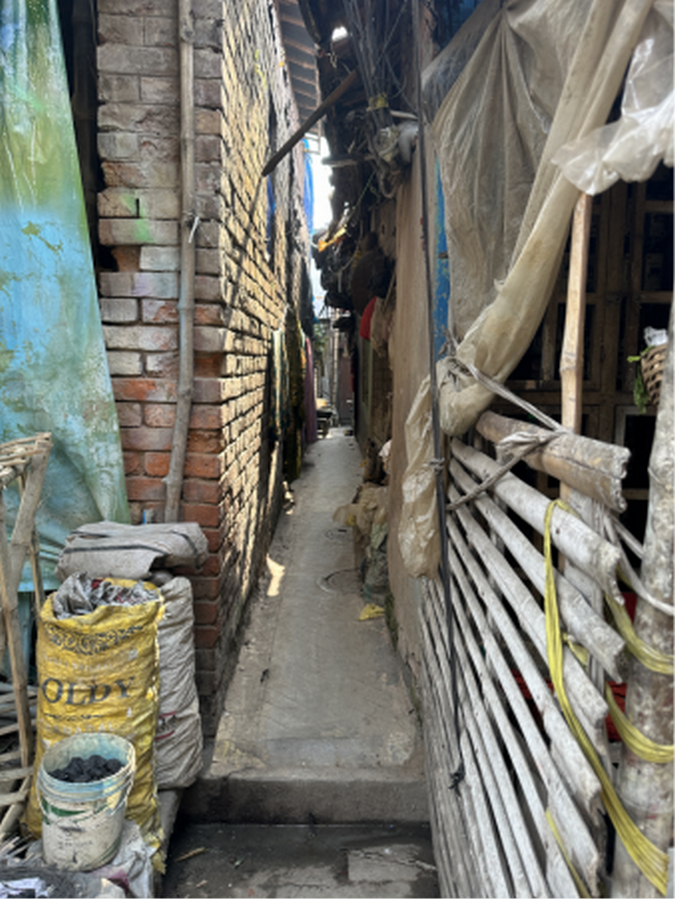
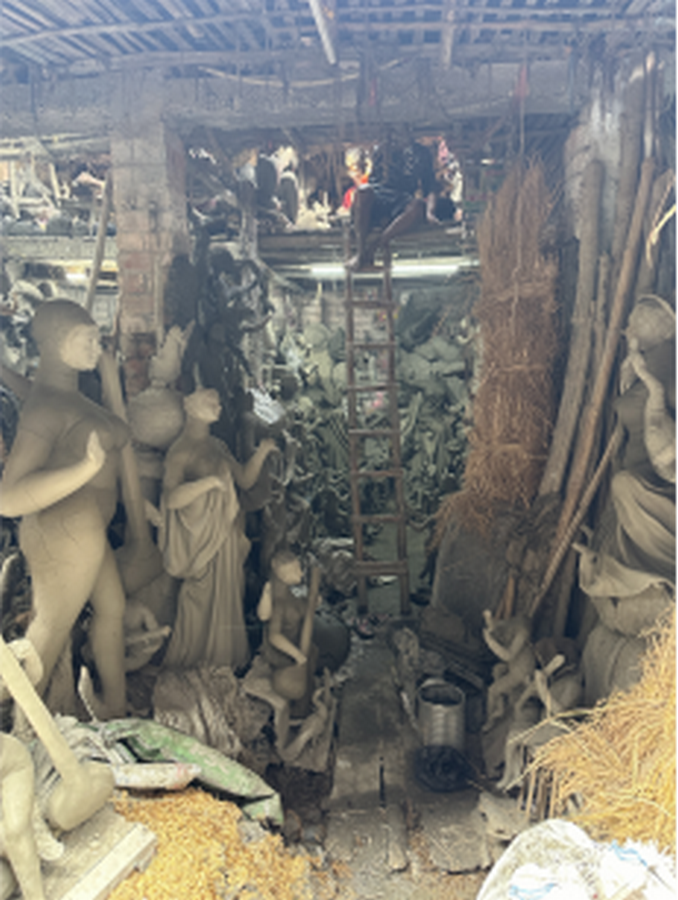
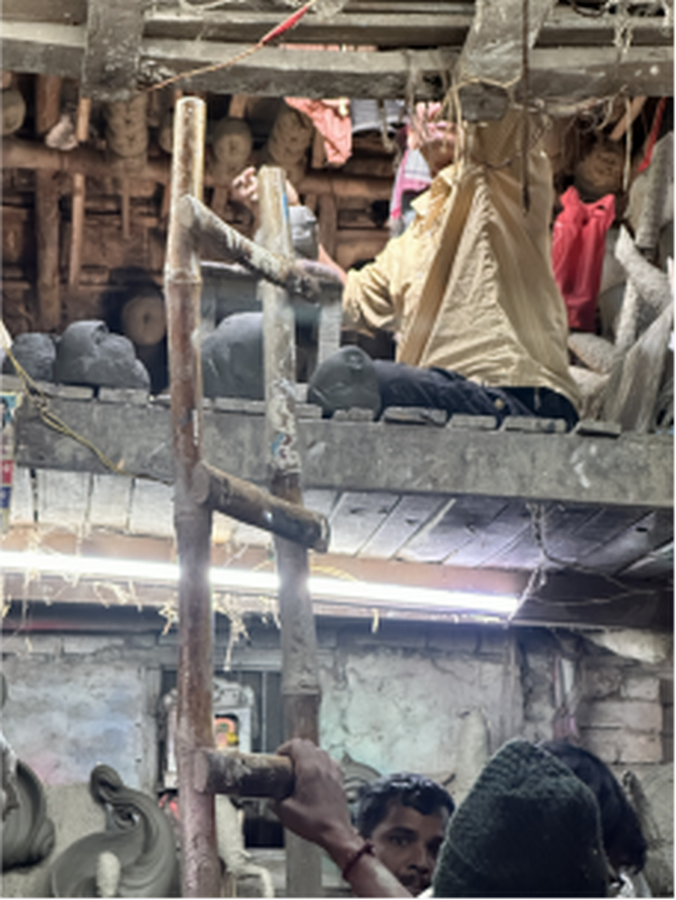
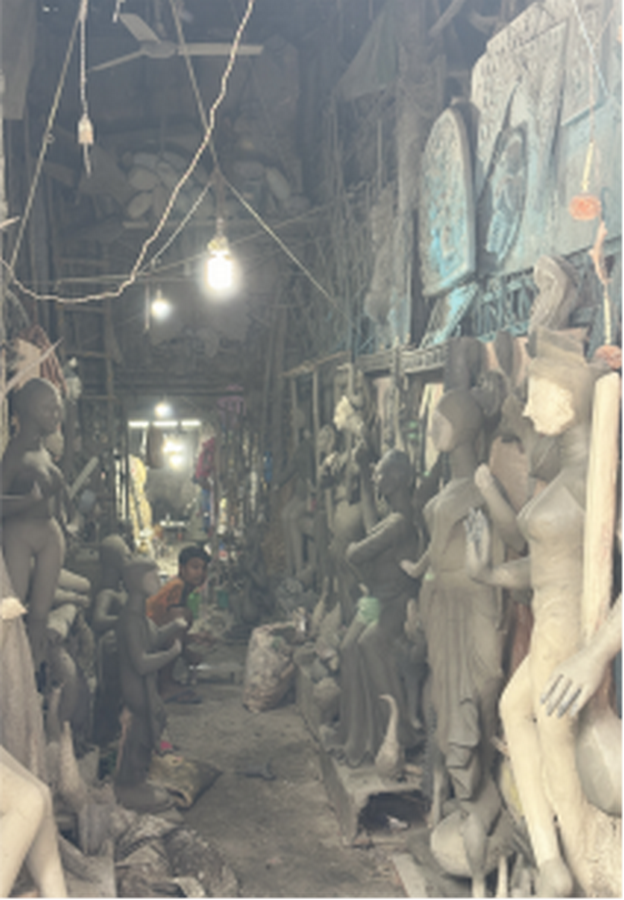
The inner lanes of Kumartuli are mostly pedestrian-only. All the workshops and residences are combined, and they are mostly built with a wooden framework. Seasonal workers from various places move to Kumartuli during June, that is, before the start of the festive season, to help with the market demand. The major concern is that there is no proper place for them to stay because most of the kumorbari (potter residences) are also their workshops, and they make everything within those constrained spaces. During the peak period, the roofs of the workshops extended into the streets, creating a cover with polythene overhangs, leaving only two to three feet of space for people to walk.
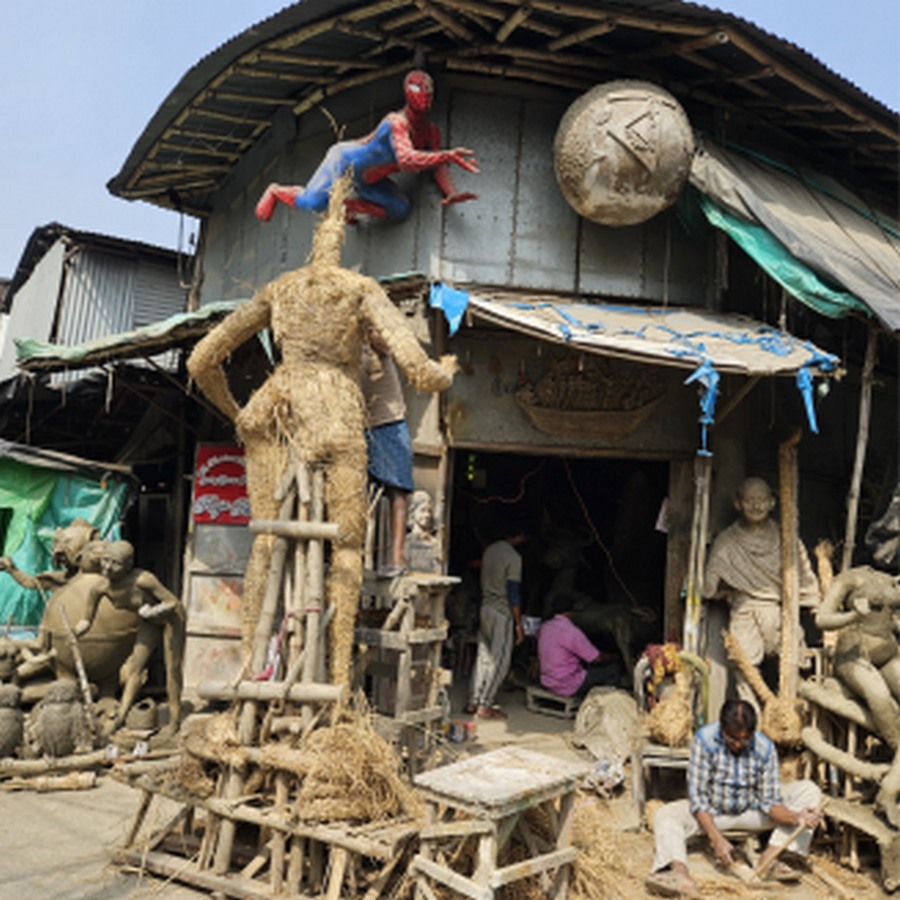
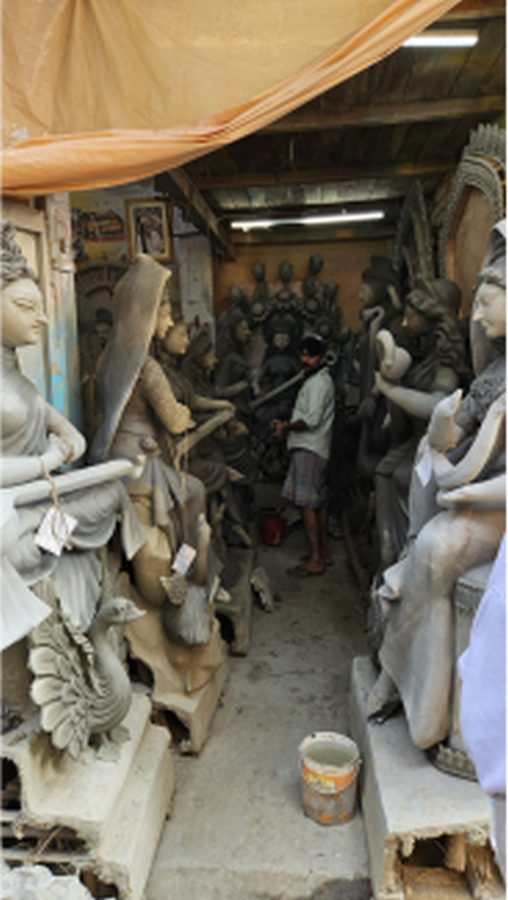
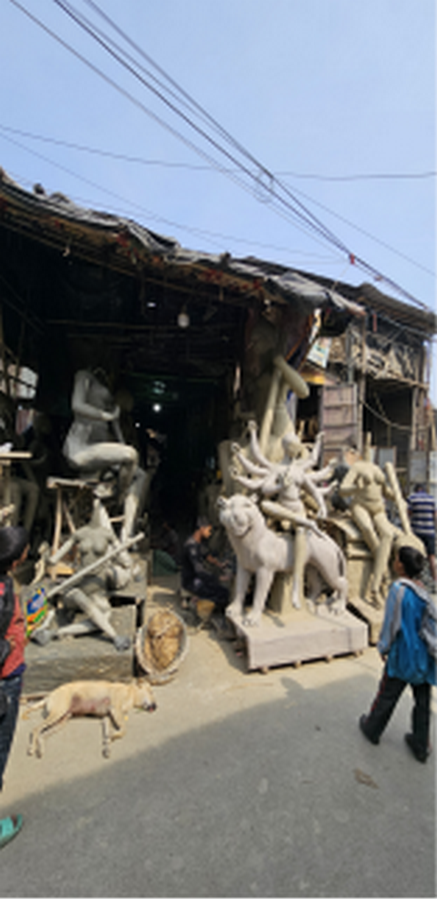
Apart from that, the road conditions are very important for the pulling of idols through the streets. But here, the roads are black topped and very uneven. There are open drains on either side of the roads, or there are workshops along the alleys, which make the movement very difficult. Most of the work, like clay mixing, straw cutting, and sundrying, happens on the street itself. Though the Kumartuli core work reaches the world and serves a larger community across the world, the world still cannot reach its inner alleys.
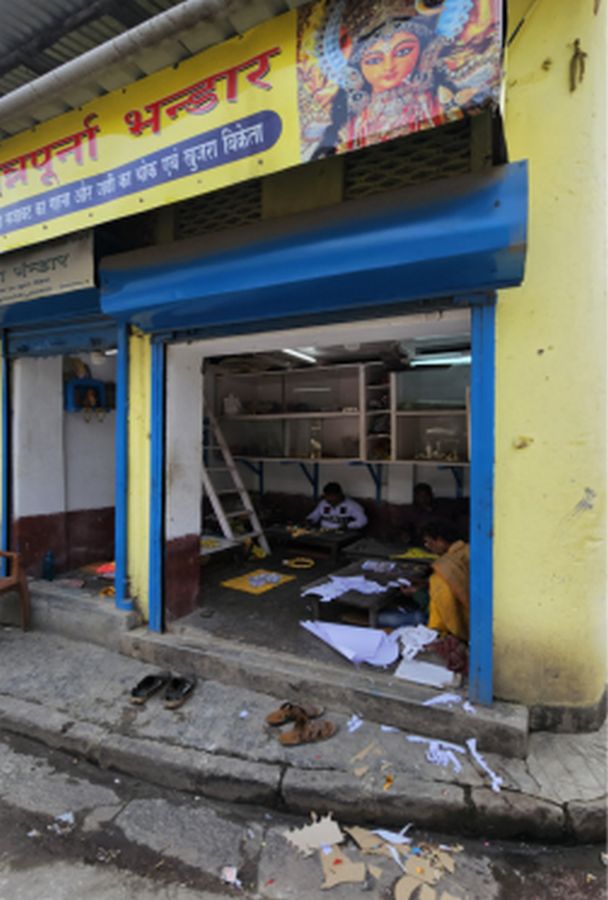
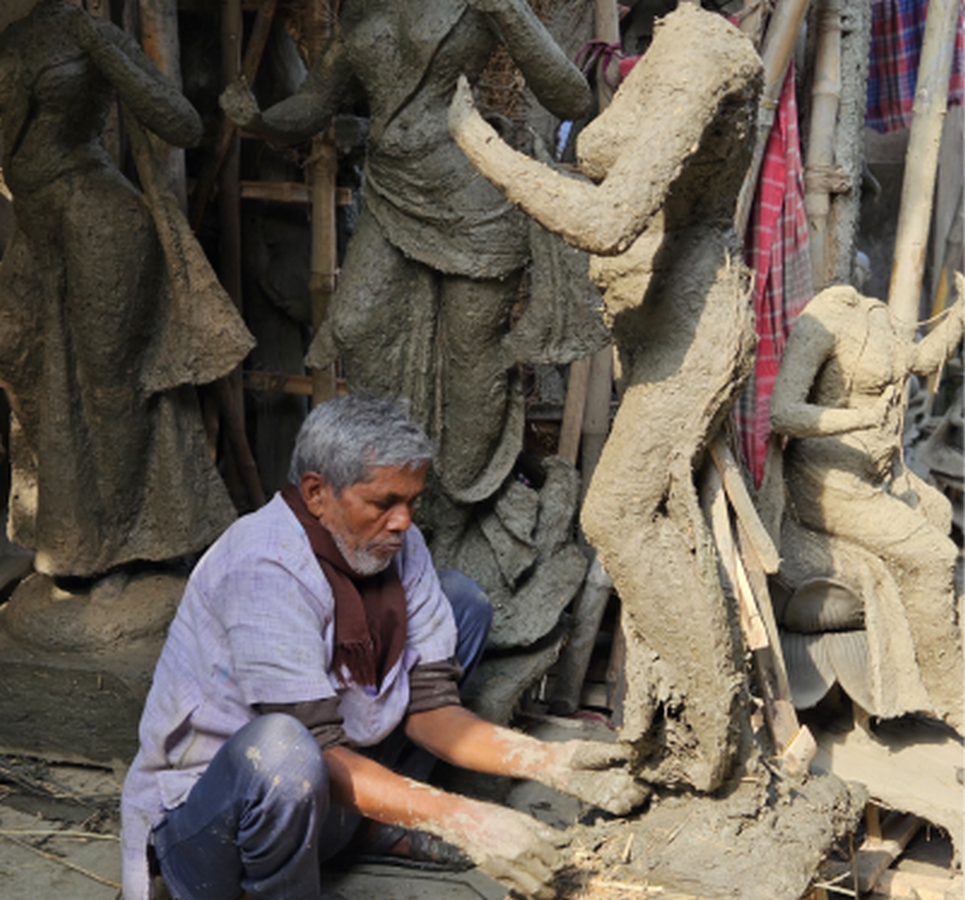
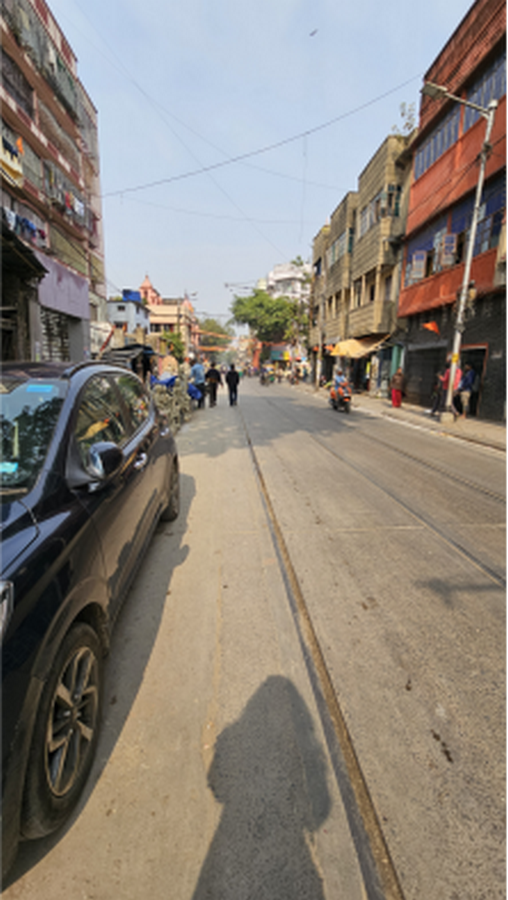
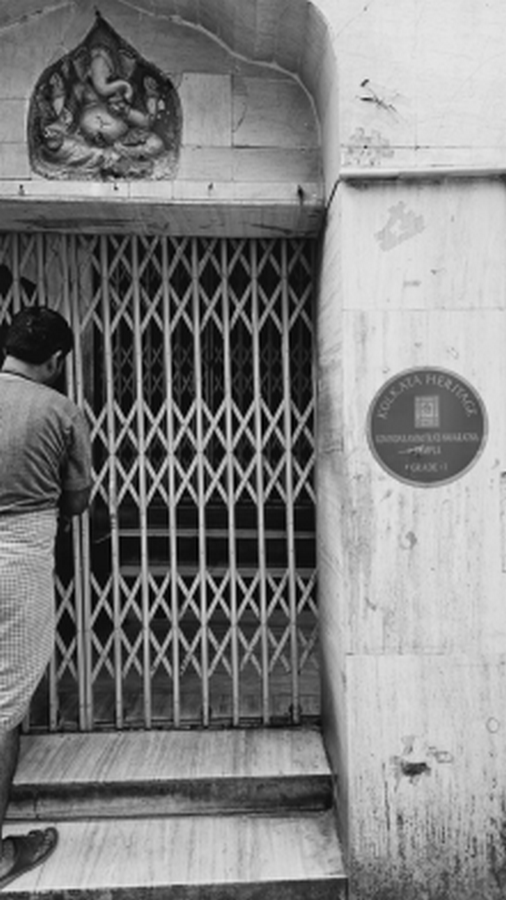
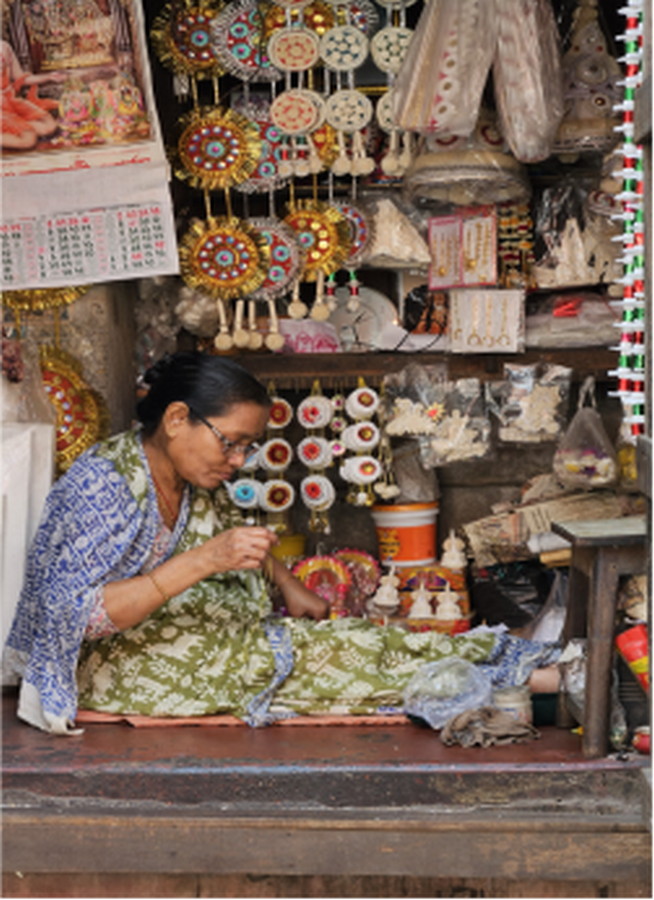
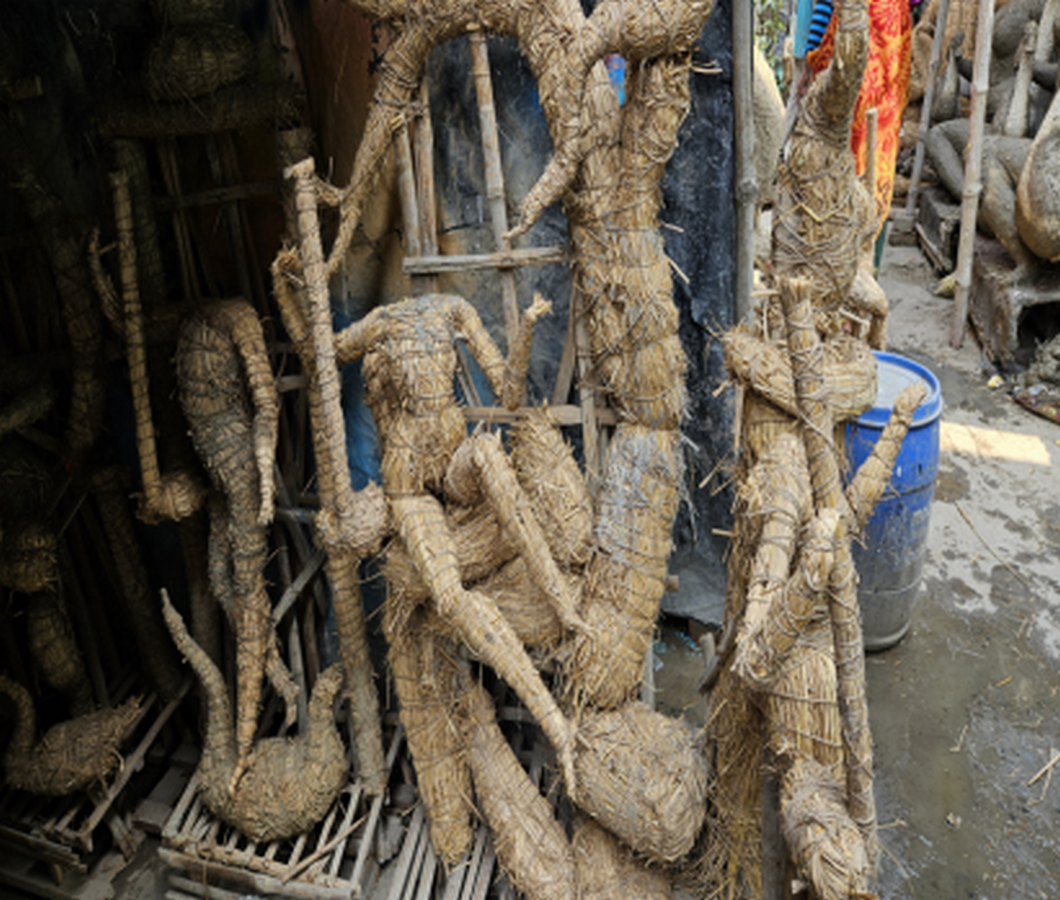
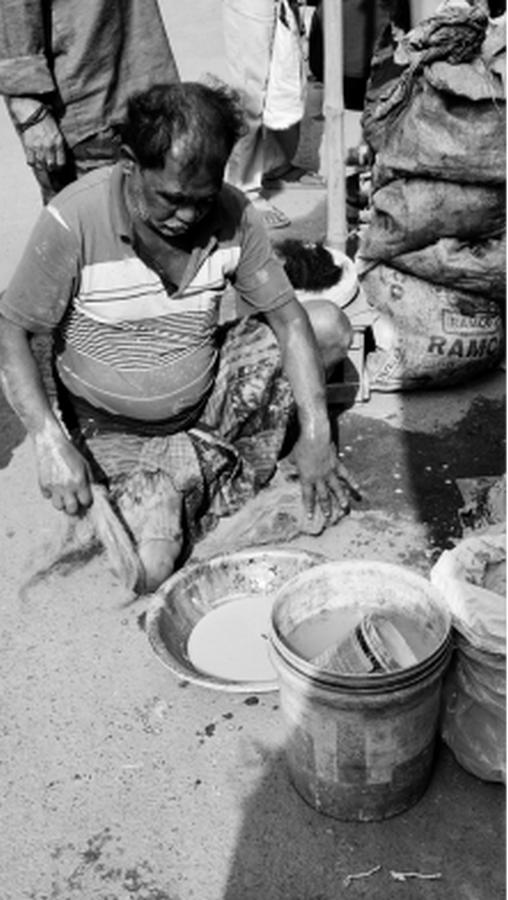
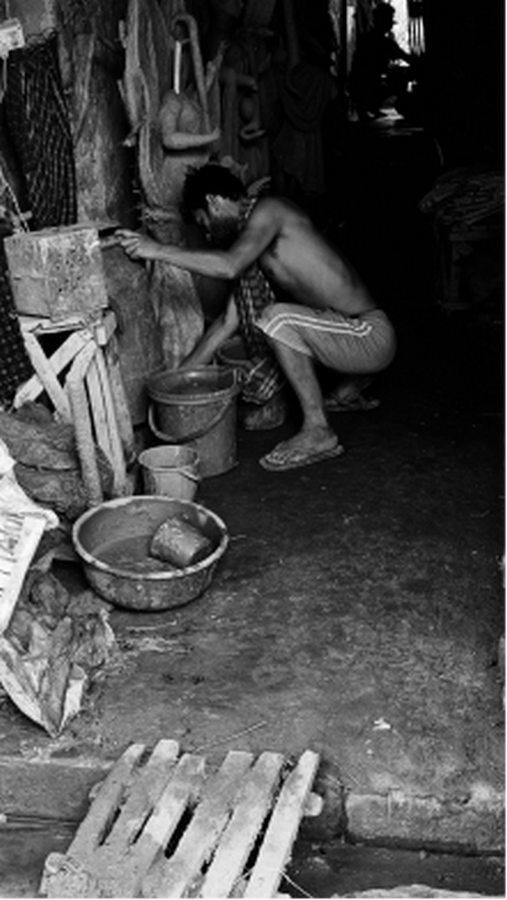
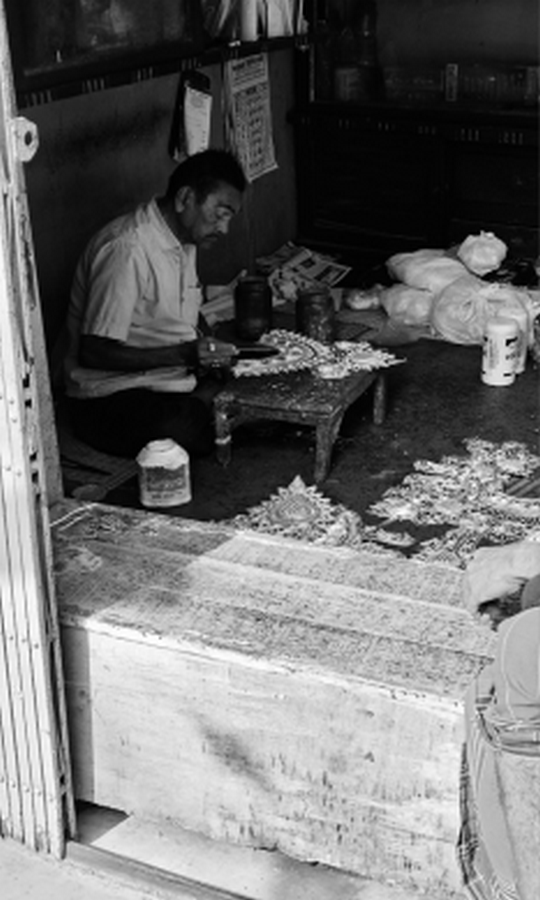
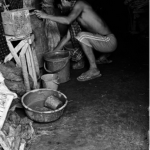
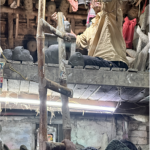
The word privacy is lost in thin air in Kumartuli. Most of the residences are attached behind the workshops, forcing the family to move through the eyes of the public. These streets are often filled with tourists, buyers, media, or researchers. This leaves little privacy for their families to carry out their regular chores. Most of the workshops have a mezzanine, which is used to store the finished idols, and in many workshops, this is where the seasonal workers sleep. These are all very simple self-built houses. They have a clear vision of what they need and how to serve it.
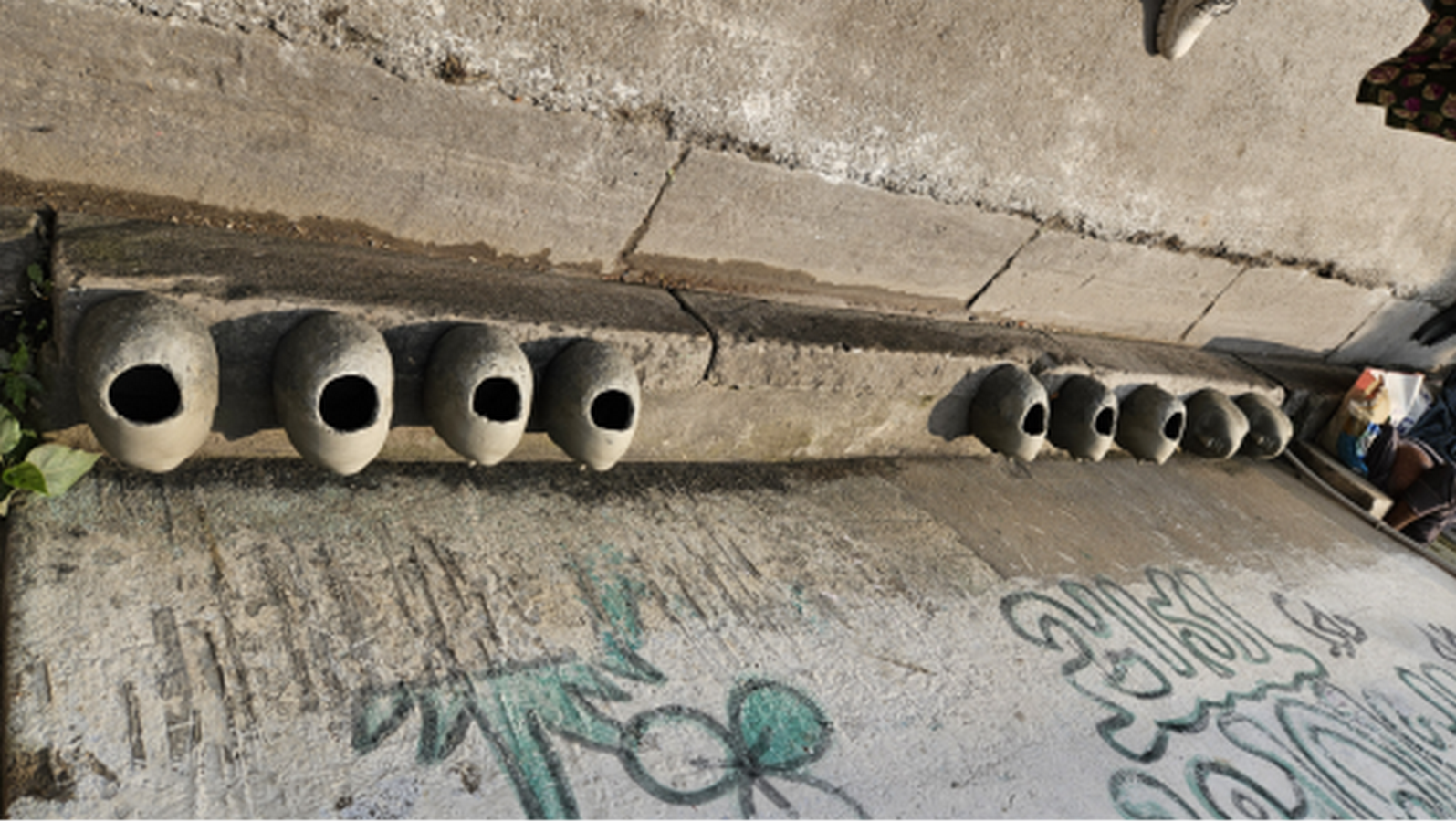
The Architectural analysis of artisans
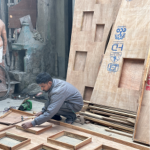
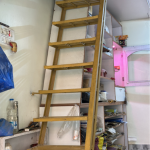
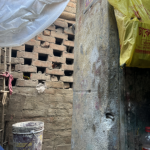
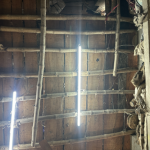
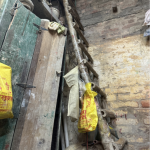
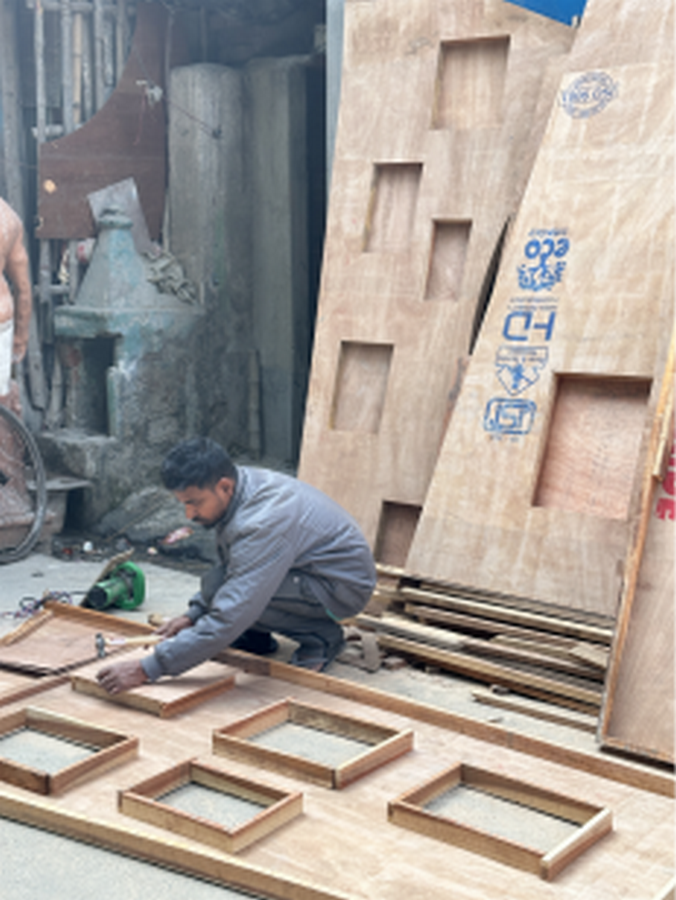
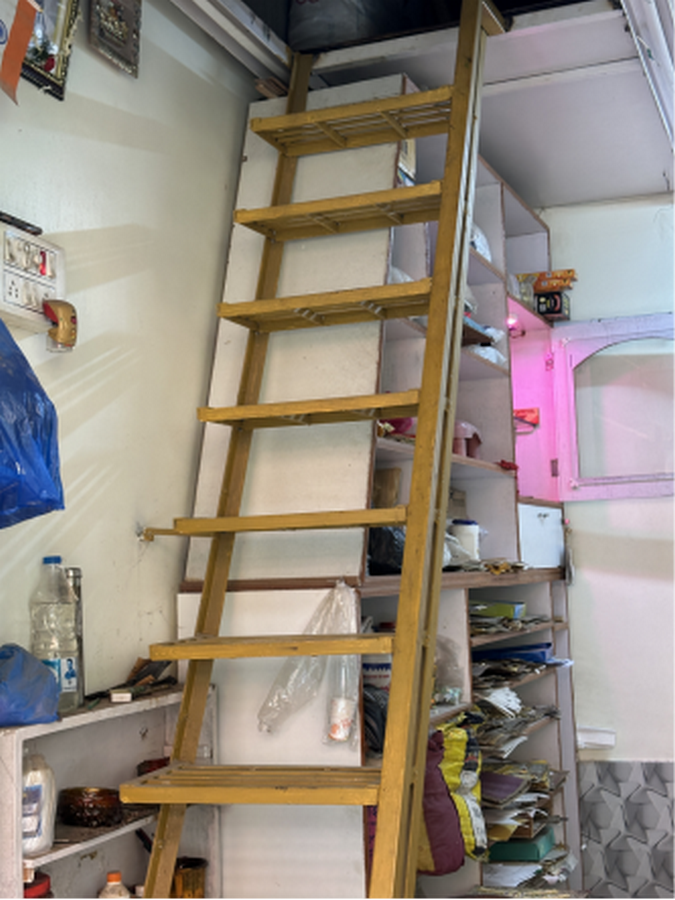
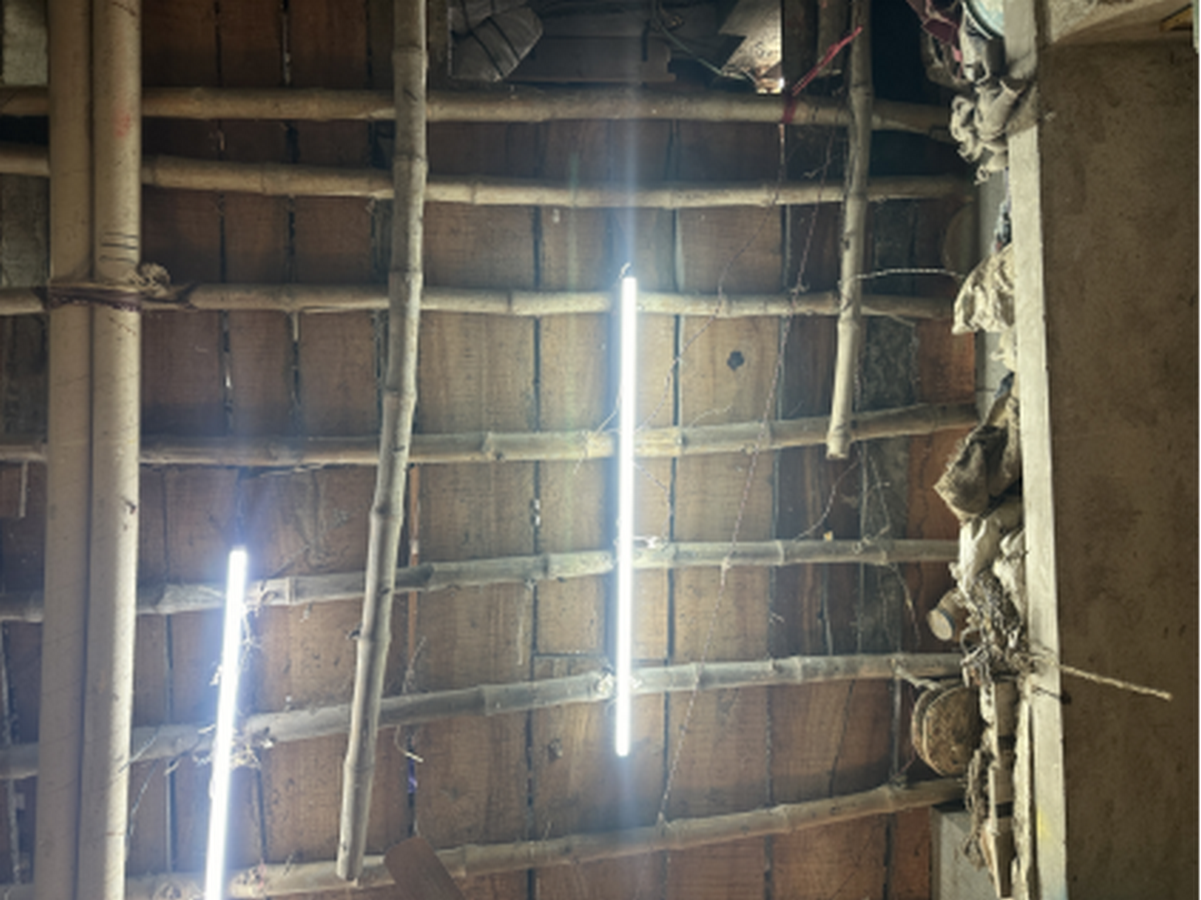
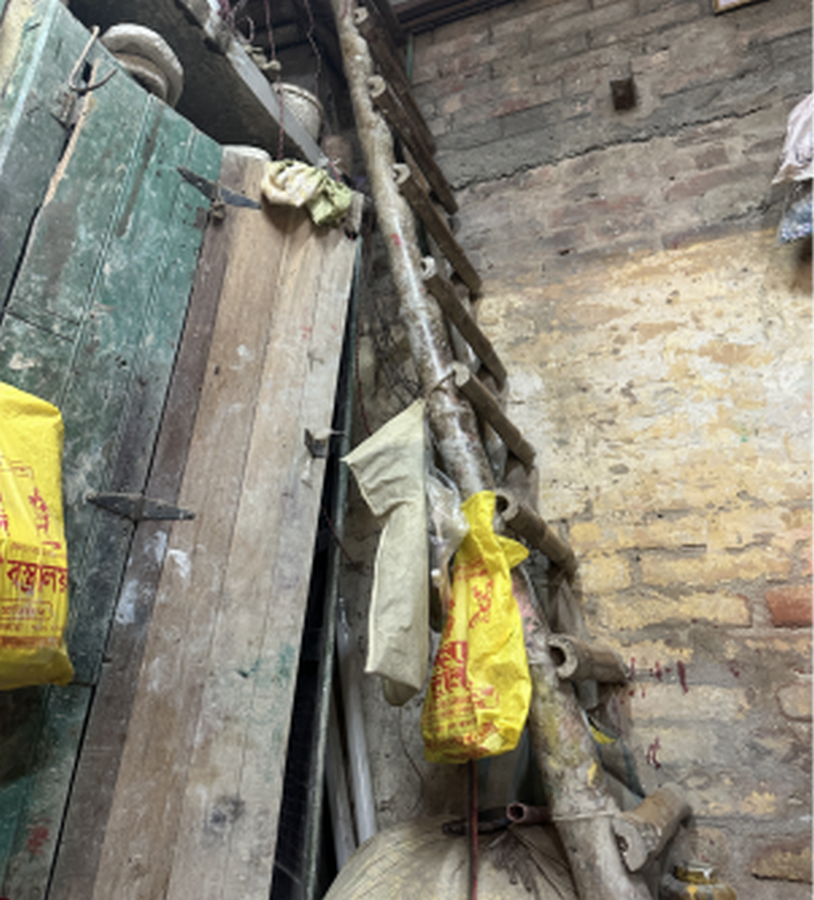
The design principle is very clear here: User-oriented design. Over, it can be seen that the walls of most houses are of brick, some are plastered as well, and the roofs are of temporary materials. Roofs resemble the factory sheds made from galvanized iron sheets or PVC sheets. Floor heights are higher than usual, touching around 18 to 20 feet approximately, with an internal mezzanine level made out of wood or bamboo slats. These are accessed through a ladder.
The entire residential modules can be segregated into four typologies:
- The traditional workshop residence:
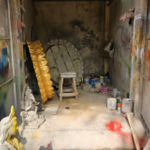
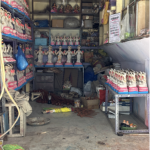
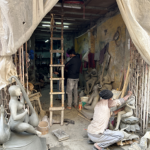
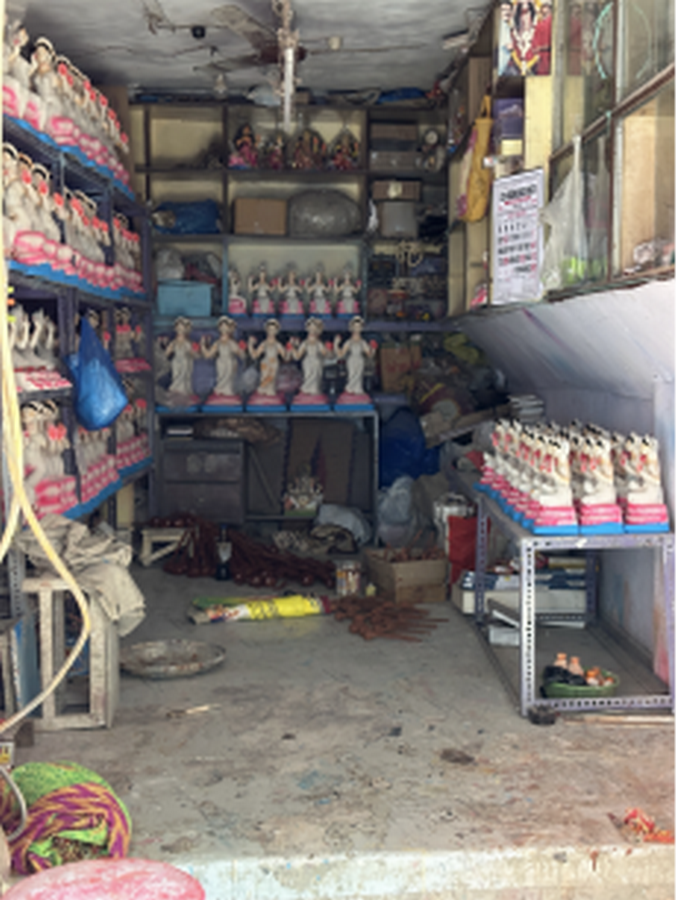
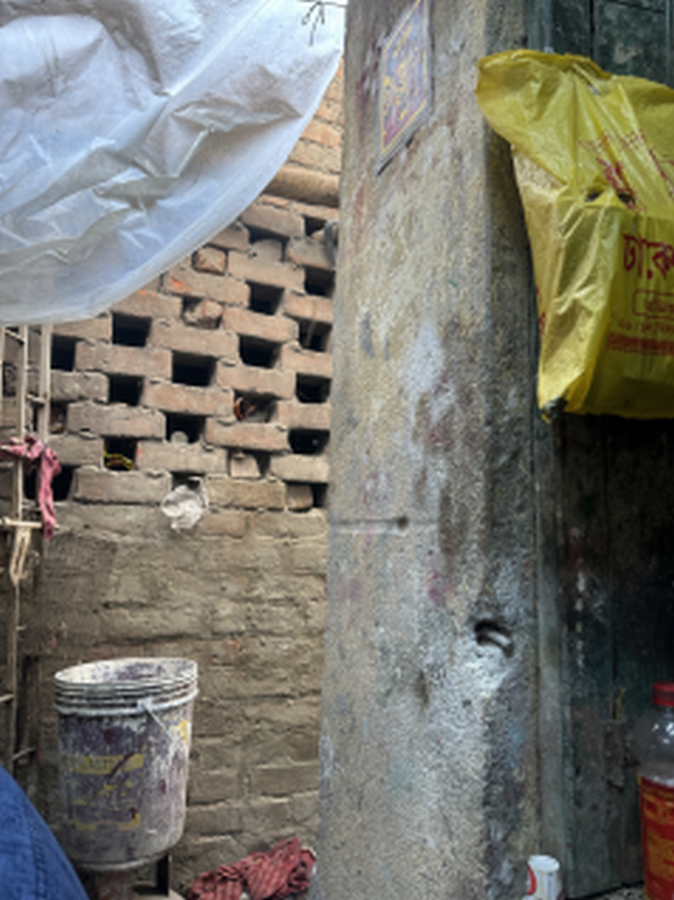
This is a typical workshop cum residence where it can be divided mainly into a front room and back rooms. The front room is where all the important works are carried out, like idol making. In the backrooms, the chores like cooking, cleaning, etc, are carried out. There is one bedroom in these houses, and the toilets are at the end. Toilets are not private; they are used by a few families. These are mainly found along the central alley.
Residents believe that the floor should be of concrete and plain because most of the raw material is damp, and a leveled floor makes their work easy. The structural work of these houses is done by wood or bamboo using a blend of vernacular and contemporary techniques. These houses fall in the semi-pukka category of India.
- The standalone workshops:
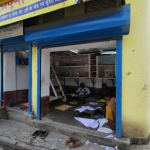
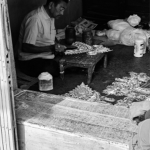
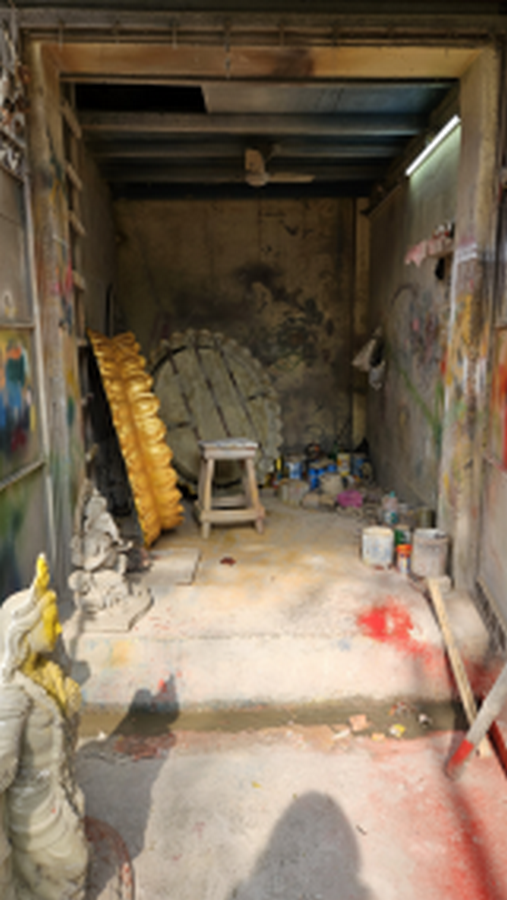
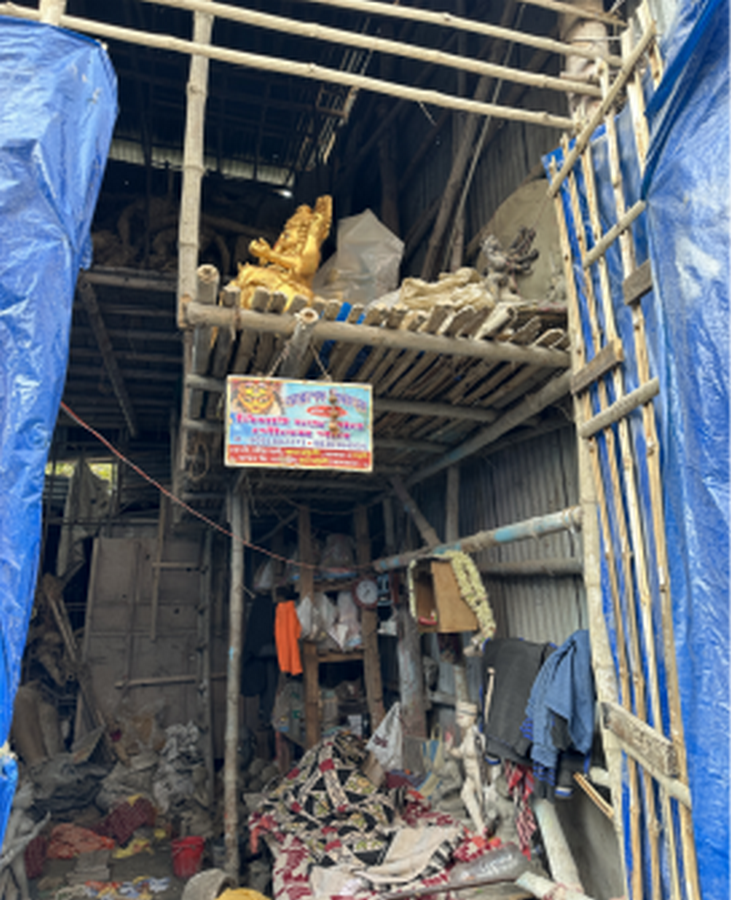
These are found on the main streets of Kumartuli. No residence is attached to them, and they are purely for workshops. The spaces are huge and the height is around 20feet, which can accommodate huge idols. The plan is rectangular with wide openings at the front and rear. These are the only sources of light, but the workshops are like 40feet long, which makes the penetration of light impossible in the middle portion. Hence, it is mandatory to have artificial lighting facilities throughout the day.
Structural work is similar to that of the previous type, and the maccha (mezzanine) is not provided on the front side to have the clear height for the bigger idols. Artisans and seasonal workers spend the majority of their time in these workshops. They have their residences within walking distance. Also, there is one small room in the corner, which is like an office room with a desk and chairs. It is ensured that most of the space is open, allowing the air to flow.
- The repurposed workshops:
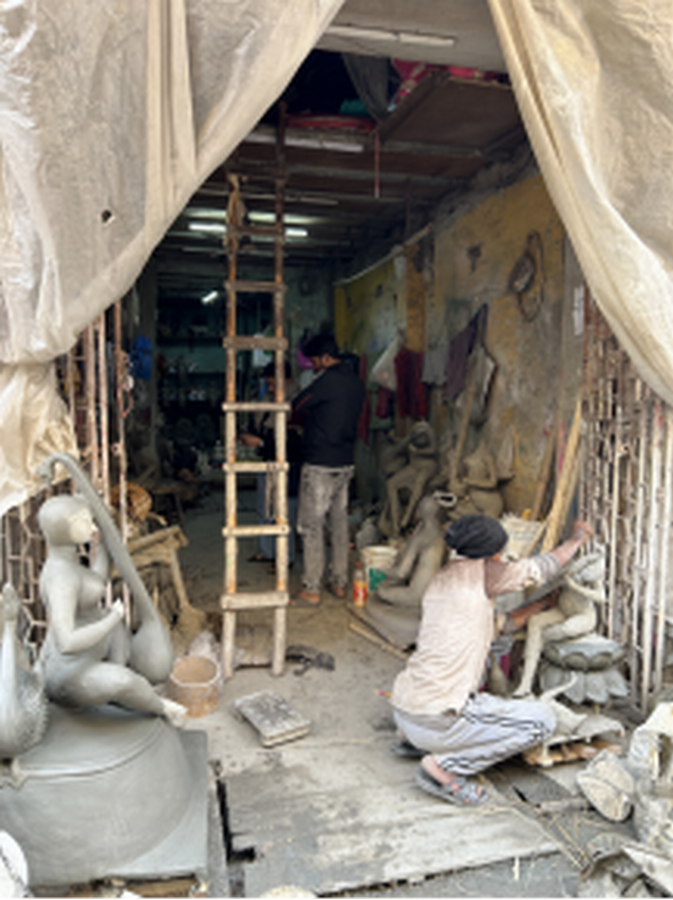
These are a new type of workshops emerging in the narrow lanes of Kumartuli. These are being remodified to serve as workshops, which were initially a residence cum workshop. The owners or the main artisan are moving their families to a nearby residence by converting the space to entirely serve as a workshop and store materials, similar to that of a standalone workshop. The floor plan is similar to that of a traditional workshop residence.
The size and height of these workshops are not as huge as standalone ones. Hence, they are forced to rent spaces to store their finished idols, maybe even outside Kumartuli in some cases. They are bought back for selling upon demand.
- The purpose-built workshops:
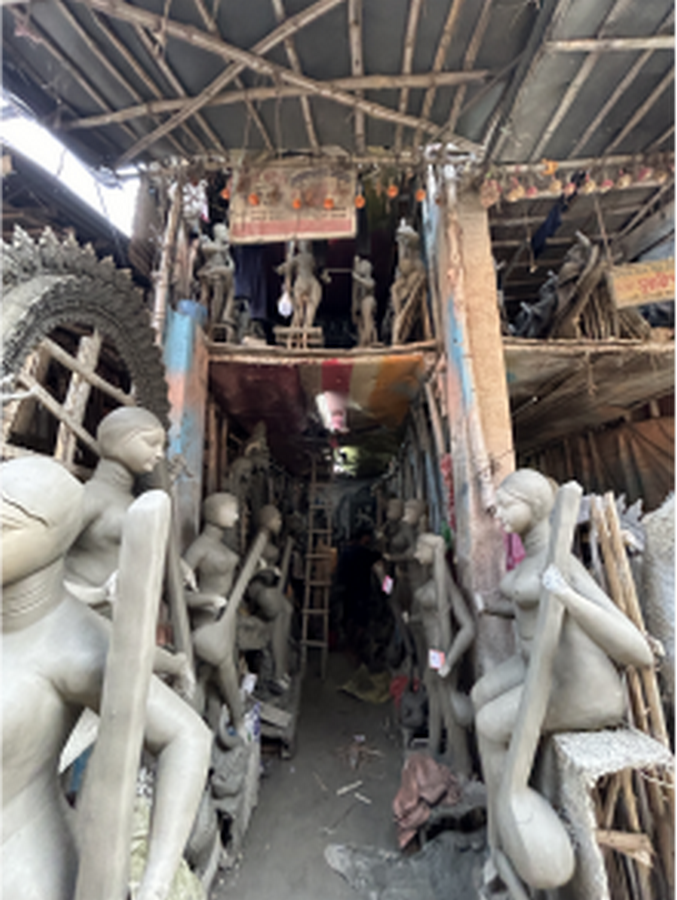
These houses are built to serve their purpose with a traditional floor plan. A large front room and a small backroom, maccha would be accessed by a bamboo ladder, and the overall height goes up to 20feet. Their families live in rented accommodation nearby outside the Kumartuli. The facades of both newly built and existing workshops are similar, with attached polythene sheets that serve as awnings in the monsoon.
The words from the tiny lanes:
Upon interviewing 4 artists, one worker, and a journalist, a clear picture of what is happening inside Kumartuli emerges.
Sujith Paul- Artist and Owner
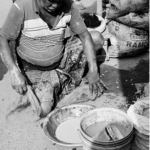
Kumartuli is spread across 5 acres and was taken over for a rehab project around 2010, which went on hold. It has a population of 512 families, around 6000 people. Most of the houses are in very bad condition as of now, and because of that, people have started to slowly move out of Kumartuli to nearby localities. I am the second generation of our family that stayed in Kumartuli. My father was the first. This is our only business. We only stay in Kumartuli. People sometimes demand various types of idols, and we make them if they show a picture of it. It is nothing like we only make traditional idols in specific ways. On average, we might get a profit of around 30k per month, but it keeps fluctuating. There is not much investment in maintenance, probably once every 3-5 years. Materials will take up around 30% of the price, but after the coronavirus, the prices have risen more than before because there are too many middlemen now.
Babu Paul – Secretary
Most of the seasonal workers come in during the Durga Puja or Kali Puja. This period lasts around 5 months, and later, for 3-4 months, it will be off-season for us. During that off-season period, people will move back, continue doing agriculture, or get into making mitti ka handi, glass objects, barthan, whatever their local work is. But the people from Kumartuli have started doing interior decoration works, fiberglass works. But this couldn’t employ all the people. If during Sep-Oct, 5000 artisans work together during the off-season, it’s only 1500-2000; the rest all go back to the fields. The seasonal workers sleep in the shop itself because the government hasn’t taken any measures to provide better living options for us, so this is how it works here. The government neither supports nor gives us a loan or anything, so how are we going to develop?
Sowmeen Paul – Ex Secretary
You see, I used to be the secretary here, but my health just wouldn’t allow it anymore. All these workshops, they’re crammed together, no proper air coming in, and the dust…it gets into your lungs, makes it hard to breathe. It’s a shame. We pour our hearts into these idols, using only the finest clay, the way it’s been done for generations. But now, these new fibre things, they’re popping up everywhere. Quick, cheap, easy. But they don’t have the soul, the life, that clay brings. And then there are the other problems, the lack of proper facilities. Look around, the only washrooms are on the streets, and forget about dedicated workspaces. We’re all crammed together, often on upper floors, with just dirt floors. It’s not ideal, not for our health, not for our craft. We need change, proper ventilation, mandatory ground-floor workshops with concrete floors, and proper facilities. Otherwise, This art will be lost in time.
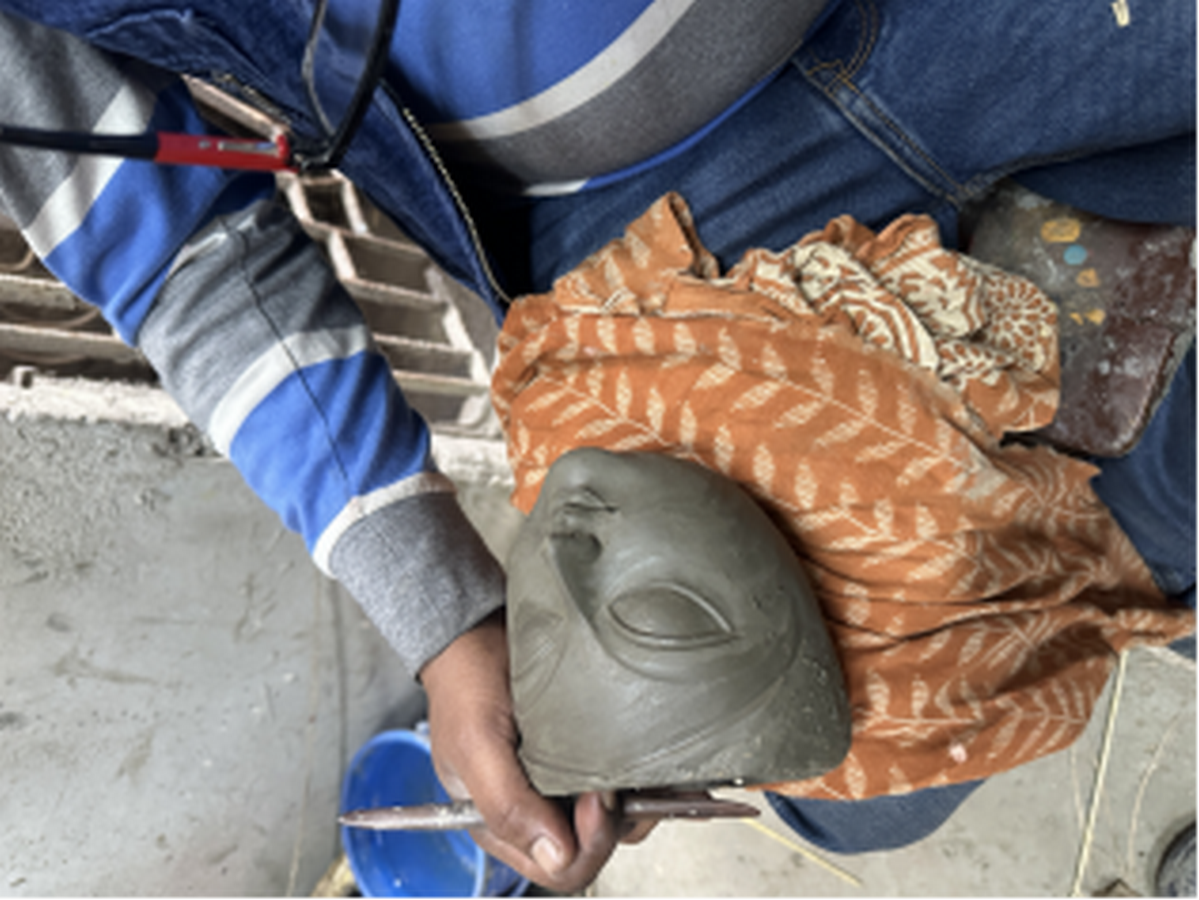
Journalist in Kumartuli:
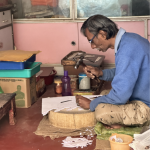
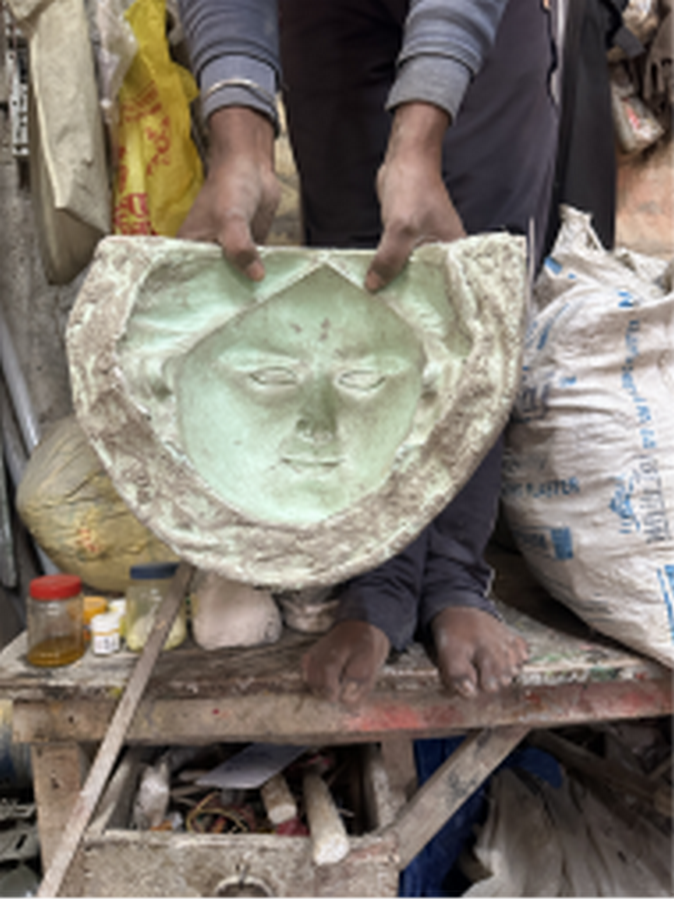
Kumartuli, Asia’s largest idol-making hub, grapples with significant challenges. Monsoonal floods wreak havoc, highlighting the urgent need for “infrastructure upgrades” to the studios. Establishing a dedicated marketplace would empower artisans to showcase their work, further enriching the cultural tapestry. This very community is home to Padmashree nominee Sonatan Paul, a testament to the exceptional talent nurtured here. However, the lack of proper sanitation, particularly the dire state of the sewage system, poses a serious health hazard. Despite these obstacles, the spirit of Kumartuli remains vibrant. The unique skill of “choklekha” the art of crafting expressive eyes for idols, exemplifies the community’s dedication to their craft. Beyond idols, their creativity extends to creating beautiful decorative pieces and diyas. While infrastructure and sanitation upgrades are essential, the unwavering spirit of creativity remains.
The Situation Analysis:
Kumartuli was initially identified under the redevelopment program of Jawaharlal Nehru Urban Renewal Mission (JNNURM) and it was structured under BSUP submission. It was funded by both the central and state government. The budget allocated was around 30Cr, but the project remained unfinished due to a funding gap and political conflicts. The redevelopment was initiated in 2010 under the leadership of buddhadeb bhattacharjee. This unfulfilled effort itself reflects the long-standing neglect and suffering of the place. Upon interviewing the residents, it was very clear that they are supportive of the redevelopment and are willing to cooperate with the government regarding relocation. But they are very disheartened that the project has been put on hold. During the 2010 plan, KMDA has set up a temporary transit camp in government godowns near kumartuli with almost 200 dwelling units and 100 workshop spaces. Hence, proximity-based phased relocation might work best rather than relocating everyone at a time and developing the entire site in a single phase. This way, the relocation period can be planned without disturbing the peak periods.
The redeveloped community should still retain the culture and essence of the existing streets. The houses cannot all be modern or high-rise. They must be organic and vernacular which respect the settlement identity. The streets should be upgraded, not erased. The basic structure and sanitation must be improvised, and the houses must be flexible with a mixed layout, with family residence and workshop put together, but with enough privacy and dignity to the artisans and their families
The Architectural Conclusion:
The residents are very clear with their requirements. A proper user-centric design solution can best serve the place. The ideal prototype for Kumartuli can be designed as:
There has to be a workshop space on the ground level because it is what they practically need. The families should be accommodated in the above floors, not more than two levels. This way, families stay together and privacy is also created from the public due to the levels. The workshop on the ground level should only have walls on two sides. The other two sides should serve as the large openings. This makes one whole module ground + two levels for residents. Putting two such modules side by side can reduce the cost of the staircase by giving one common one for both modules. And arranging this set of two modules on four sides would create a proper cluster with a central courtyard. This courtyard space can be used for idol making, drying, clay mixing, and also for kids to play or families to gather. This space would be private for those families in that cluster. This cluster can be repeated all along. Similarly, in the case of non-idol-making families, the same modules can be used, but instead of a workshop on ground level, they can also be used as a residence, making a total of 3 families in one module. This design can resolve most of their problems. One common multipurpose building can be provided at the start of the street, where they can sell, exhibit, conduct workshops for visitors, etc. One huge ground can be provided, which will serve as the mandap during Durga Pujo and can be used for idol making, storing, or other purposes throughout the year.
REFERENCES:
CM launches Kumartuli rejuvenation project | Kolkata News – Times of India
Kumartuli sights a silver lining – Telegraph India
No land for idol makers; Bengal finds it hard to move workshops
https://www.thestatesman.com/bengal/kolkata-durga-puja-nominated-for-unesco-intangible-cultural-heritage-list-1502742415.html
http://cdedse.org/wp-content/uploads/2018/06/4-2.pdf
https://core.ac.uk/download/443943426.pdf