Biomimicry in design and architecture is about looking at nature’s forms, processes, and ecosystems to create aesthetic, sustainable, and efficient designs.
This method treats nature as a model and mentor. Architects observe and study natural systems and organisms for inspiration. They then use their observations to guide the design process.
One way of using biomimicry in architecture is to draw color and patterns from African landscapes. Let’s find out more.
Drawing Inspiration from African Soils for Warm Earthy Palettes
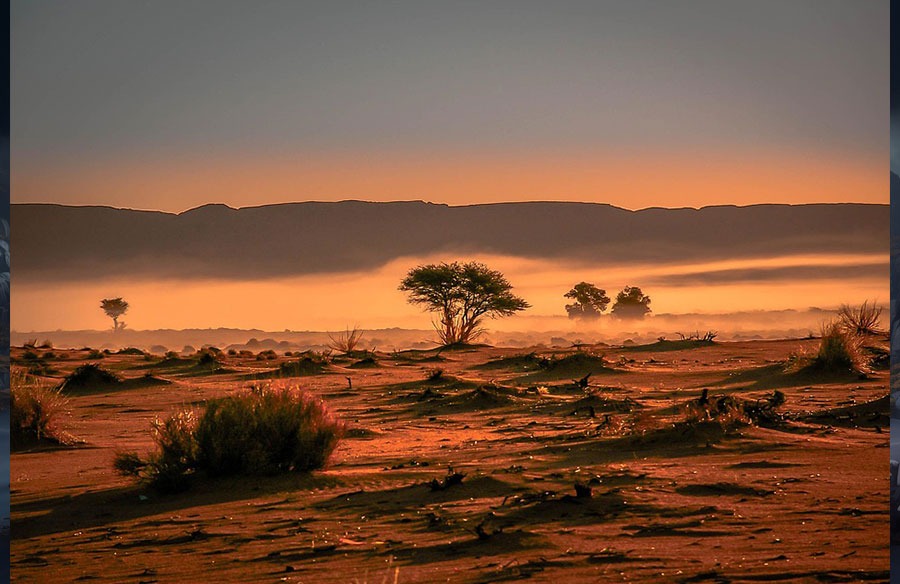
The rich, varied tones of African soils—ranging from deep reds to ochres and sandy yellows—offer a natural palette for architectural design. These colors evoke warmth, grounding spaces in an organic feel while connecting them visually to the environment.
Using earthen pigments in materials like clay bricks or lime plaster can mirror these hues.
Architects using biomimicry might also incorporate soil-inspired tones into wall finishes, tiles, or flooring for interiors that feel both inviting and rooted in nature.
Translating Savannah Grasslands into Linear Architectural Patterns
The sweeping lines of Africa’s savannah grasslands can inspire dynamic, linear patterns in architecture. Grasses, with their natural rhythm and movement, translate well into façade designs, screens, or shading elements.
For example, vertical slats or louvered panels could mimic the tall blades swaying in the wind while offering practical benefits like controlling light and airflow.
Architects may also use repeated grass-like motifs on interior surfaces to bring a subtle connection to these vast landscapes indoors.
Using Rock Formations to Shape Building Textures and Colors
Africa’s rock formations, from rugged cliffs to smooth river stones, provide a wealth of design inspiration. Their textures and earthy colors can guide the choice of materials like stone cladding or patterned concrete.
Striations found in sedimentary rocks might translate into layered façades or interior wall finishes. Polished surfaces inspired by granite or basalt could create modern elements that remain rooted in natural aesthetics.
This approach adds durability while celebrating the raw beauty of Africa’s geology.
Capturing the Essence of Desert Landscapes in Neutral Tones
The deserts of Africa, with their muted sands and golden dunes, offer a serene palette for architectural design. Shades like beige, soft gold, and dusty browns can create calming spaces that reflect the desert’s timeless beauty.
Architects can use these tones in exterior finishes to blend structures into arid environments or indoors for understated elegance.
Textured materials like rammed earth or sandstone mimic the natural feel of dunes while reinforcing a connection to desert landscapes.
Adapting Forest Canopies into Layered Structural Designs
The layered structure of African forest canopies offers a model for dynamic and shaded spaces.
Architects can replicate this concept by designing multi-tiered roofs or overhangs, creating natural shade while reducing heat gain.
And in interiors, overlapping ceiling panels or suspended elements can echo the canopy’s depth.
Materials like wood or perforated screens add warmth and dappled lighting effects, mimicking sunlight filtering through leaves.
This approach brings a sense of shelter and connection to lush forest ecosystems.
Interpreting Waterways and Wetlands through Reflective Surfaces
Africa’s rivers, lakes, and wetlands could inspire the use of reflective materials to mimic the fluidity of water.
Polished metals, glass, or tiles with high gloss can create surfaces that capture light and movement.
Architects might incorporate these reflections into building façades or interior elements like floors and walls to evoke rippling waters.
And curved forms inspired by meandering rivers can soften architectural lines while paying homage to natural waterways, adding a sense of calmness and flow to spaces.
The Importance of Experiencing African Landscapes Firsthand
For architects who want to use African landscapes as inspiration, experiencing these environments in person is essential.
Observing ecosystems up close—like sprawling savannahs, shifting dunes, dense forests, and animal migrations—provides insights into the interplay of colors, patterns, forms, and movement found in the nature of Africa.
For instance, witnessing events such as the Great Wildebeest Migration could highlight how movement shapes landscapes. A Great Wildebeest Migration guide will help you to identify key regions to explore firsthand.
Such immersive experiences help architects design with authenticity, ensuring their work reflects not just Africa’s beauty but its intricate ecological dynamics.
The Takeaway
African landscapes hold endless inspiration for architects using biomimicry. By studying nature’s forms, patterns, and ecosystems directly, architects can create thoughtful spaces that honor both the environment and its cultural significance.