Architecture does more than define space; it captures the spirit of a society, preserving its values, priorities, and collective identity in physical form. Every public square, street, and building conveys a tale of the people, place, and time that shaped it.
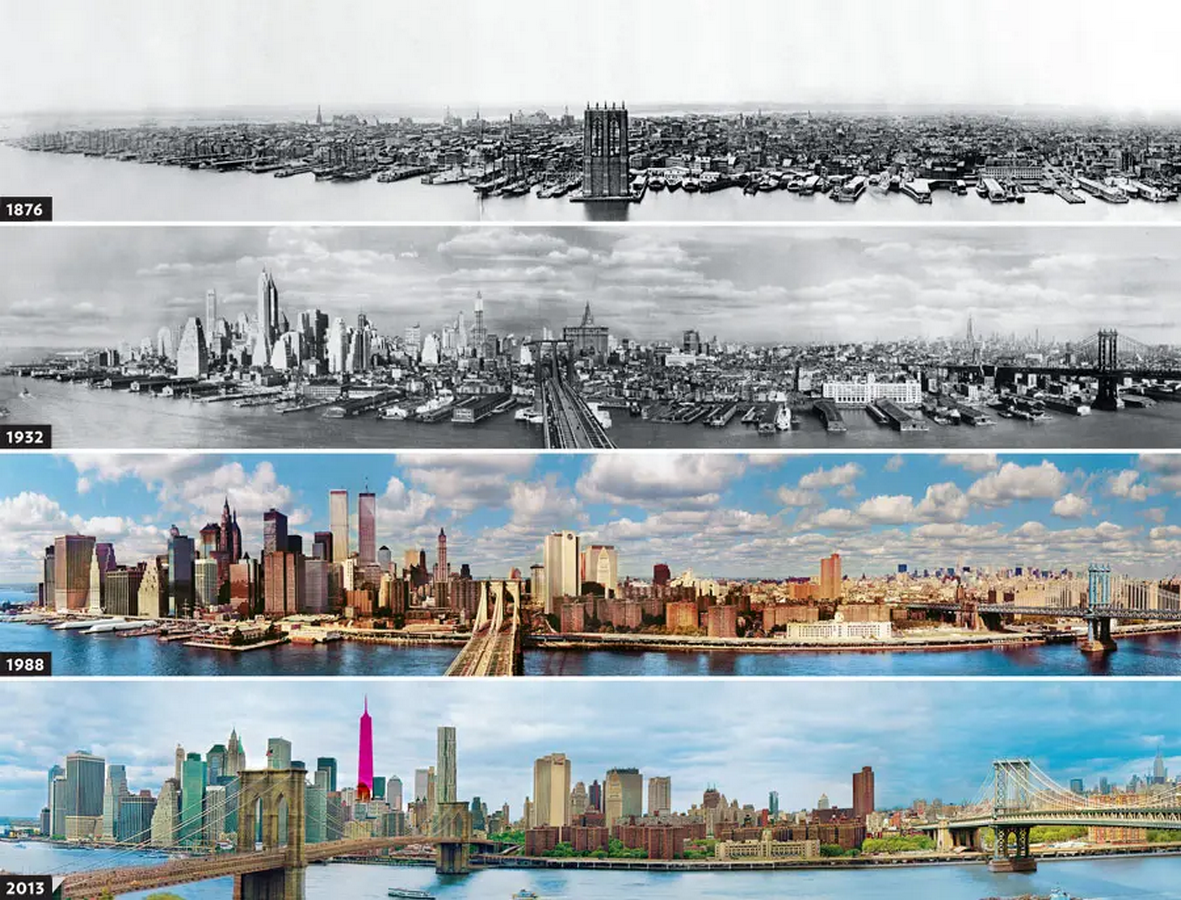
The built environment, from historic monuments to state-of-the-art smart cities, is a physical representation of our shared values, goals, and identities. When viewed as a narrative, architecture serves as a window through which we can read the past, comprehend the present, and predict the future.
Architecture as a Reflection of History
The design of buildings and cities has always been an indicator of what was important to people at the time. The towering spires and stunning stained-glass windows of cathedrals weren’t just engineering marvels; they reflected what really mattered to people at the time: faith, a sense of wonder, and a strong focus on community. These spaces brought people together, offering both spiritual connection and a deep sense of belonging. Every intricate detail and sweeping height were a powerful expression of how central religion was to everyday life.
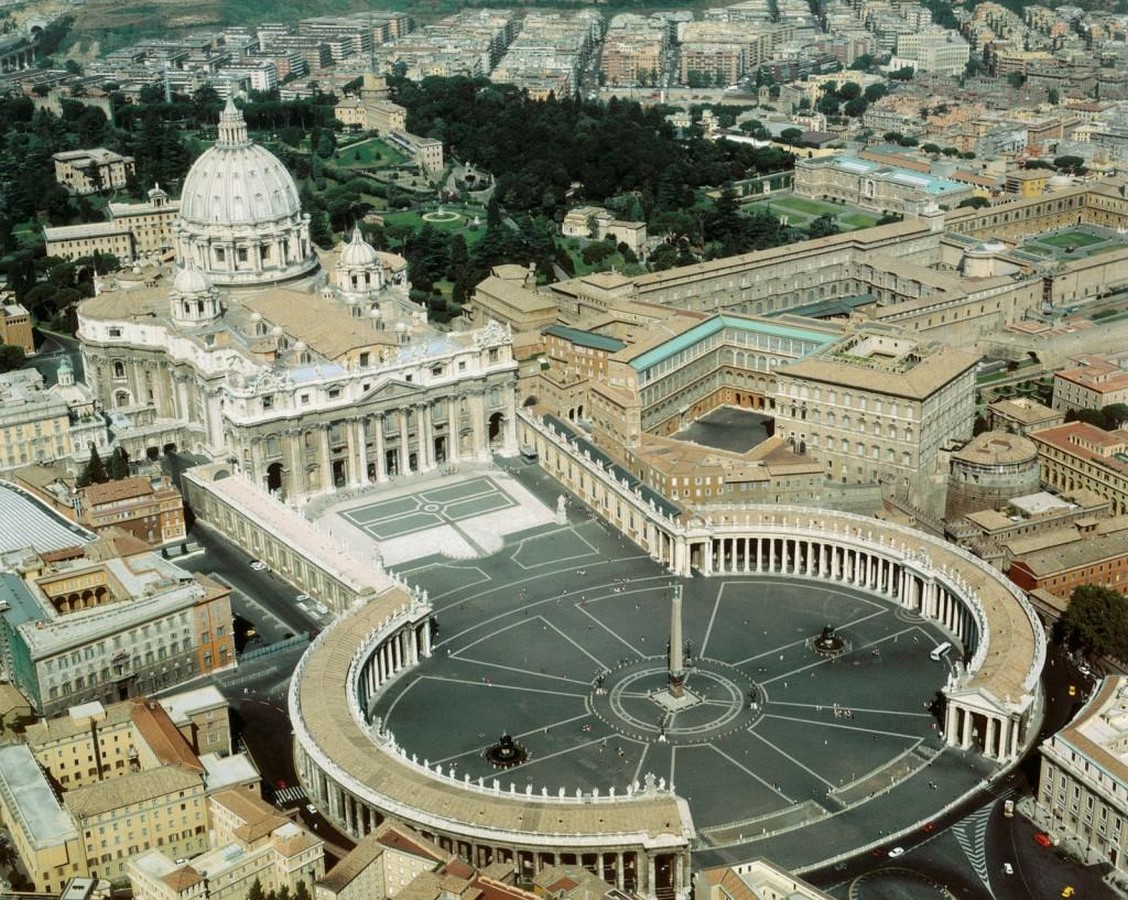
The Renaissance brought a new sense of balance and harmony to public spaces, with symmetrical plazas and domed buildings that reflected a growing focus on humanism and individual identity. These architectural changes weren’t just about style; they created vibrant places that encouraged debate and cultural exchange, reflecting changing notions of identity and governance.
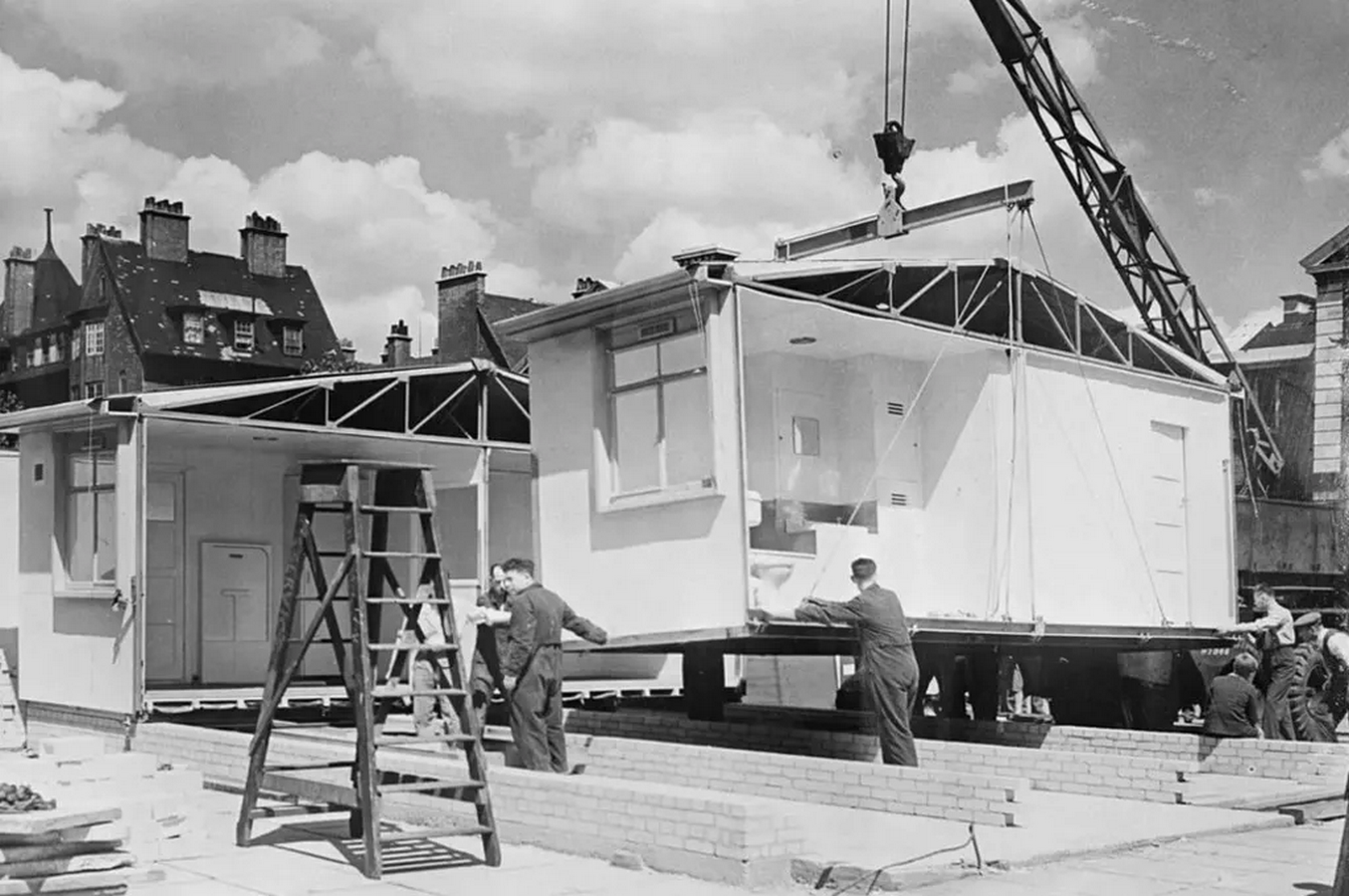
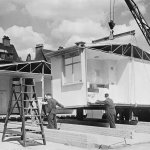
The Industrial Revolution marked a turning point, with factories, railway stations, and warehouses rising as symbols of progress. These buildings were built for the purpose, efficient, functional, and focused on mass production and economic growth. But after World War II, the landscape changed. Cities were damaged, and the urgency to rebuild led to rows of prefabricated housing. These post-war estates weren’t about design; they were about survival. They told a quiet story of resilience, resourcefulness, and people doing what they could to start again.
Sustainability as a Modern Value
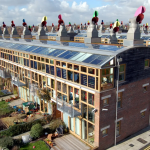
Sustainability has become the heart of modern architecture. With climate change and limited resources pushing us to think more responsibly, building design is no longer about extravagance; it’s about impact. Buildings now serve as active participants in environmental stewardship, with green roofs reducing urban heat islands, facades designed to harness solar energy, and layouts that maximise natural ventilation to reduce reliance on mechanical cooling.
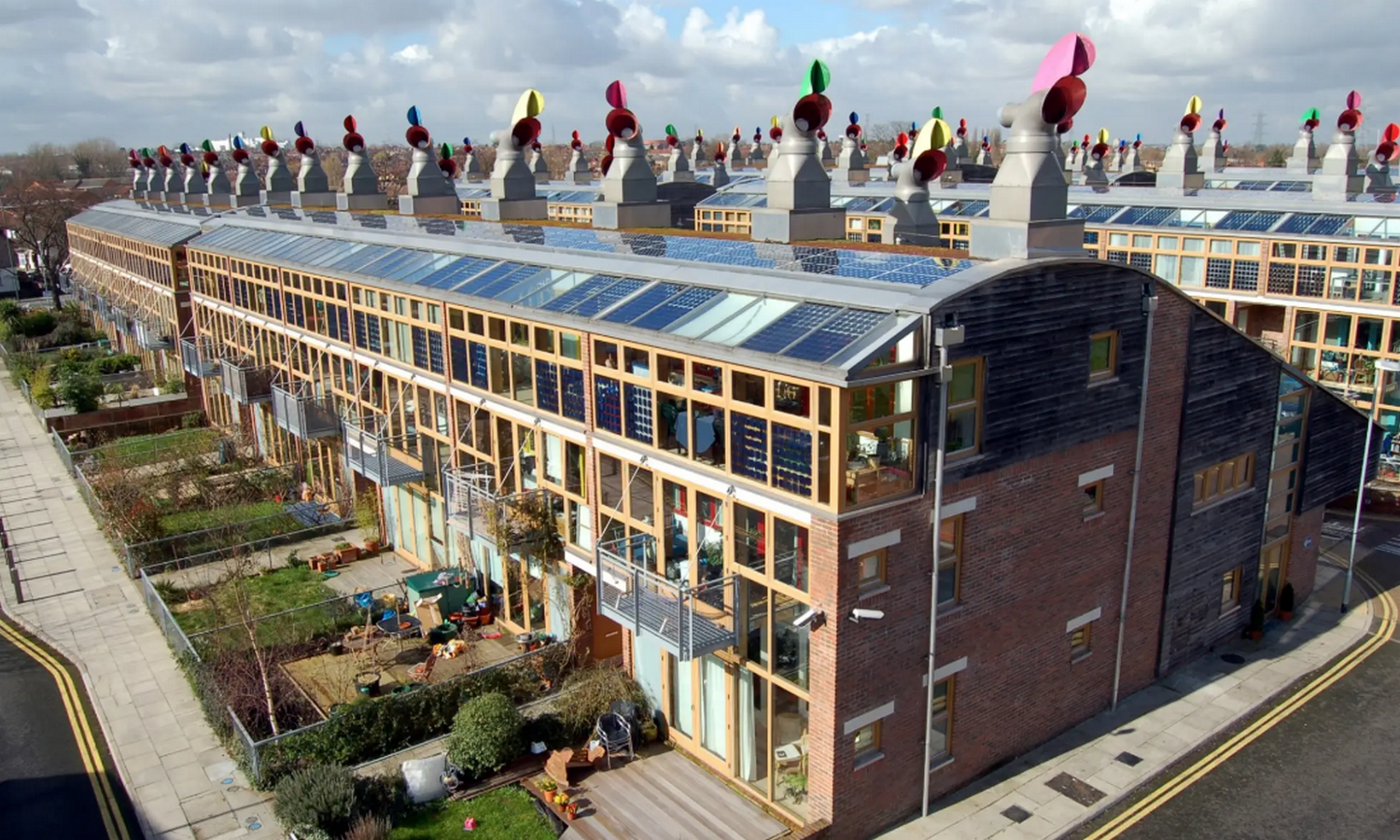
This change isn’t just about new technology; it’s a reflection of our values. When a building is designed with sustainability at its heart, it shows that the people who created it care about the planet’s future. They recognize the impact they have on the environment and are taking responsibility for it. Whether its timber skyscrapers rising in Scandinavia or net-zero homes popping up across the UK, these buildings speak volumes. They’re not just structures; they’re a statement about how we want to live and what we stand for as a society.
Inclusivity and Social Equality in Design
Today, there’s a growing focus on making spaces inclusive and accessible for everyone, no matter their ability or identity. Ramps, tactile paving, audio guides, and gender-neutral restrooms are becoming standard in public places; not as add-ons, but as essential parts of thoughtful design. It’s about more than just access; it’s about dignity and making sure everyone feels seen and welcome. It’s encouraging to see this mindset becoming the norm.
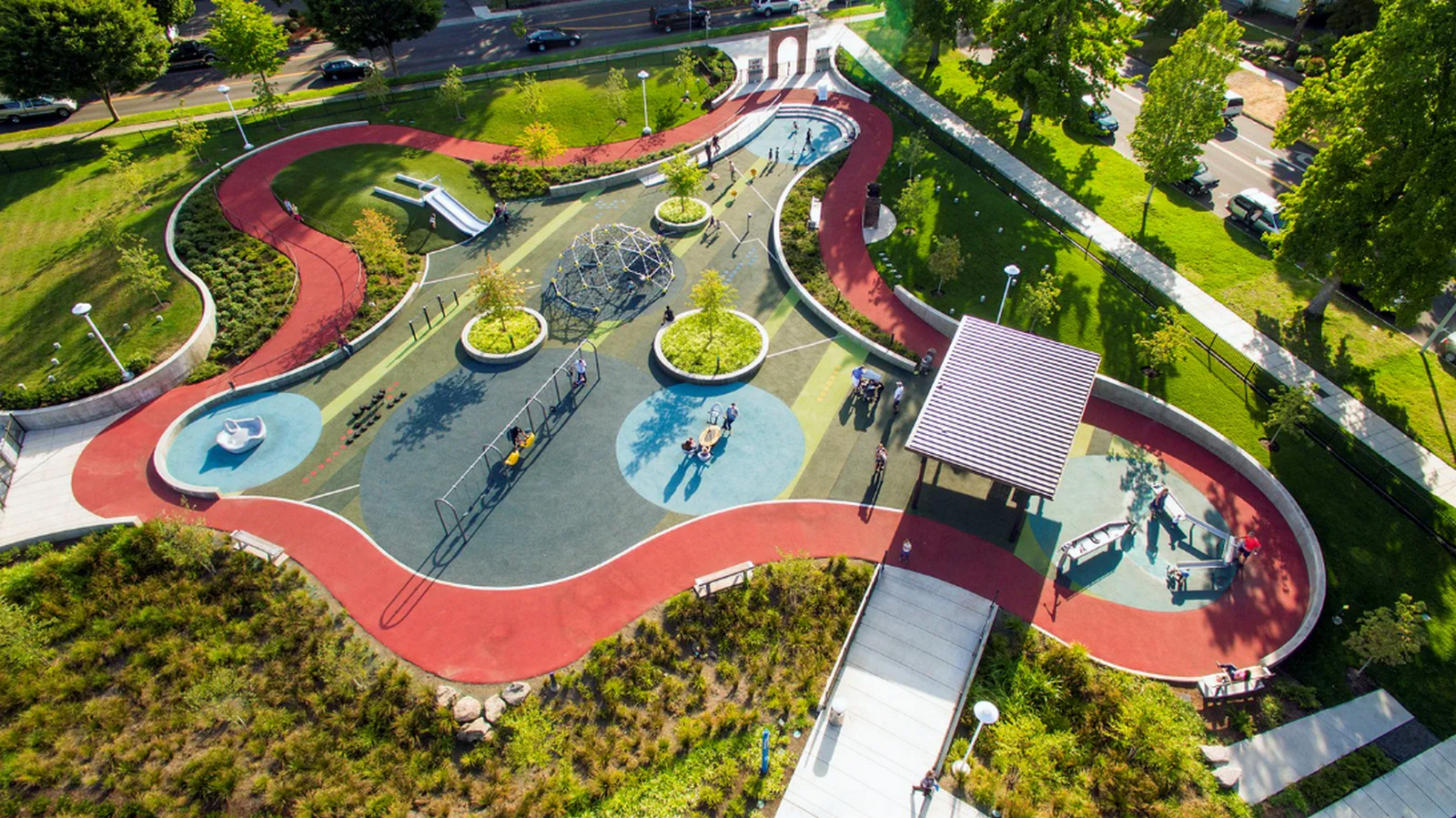
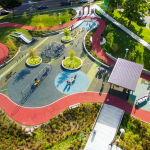
Urban design has similarly adapted to promote social interaction and inclusivity (Mouratidis, 2020). We’re seeing more public parks, walkable streets, and community spaces designed to encourage connection and a sense of belonging. It’s a move away from cities built around cars and isolation, and toward places that make it easier for people to meet, interact, and feel part of something.
Technology and the Future of Storytelling
As technology becomes more deeply embedded in our everyday lives, architecture is evolving to reflect this growing reliance and the possibilities it brings. Today’s smart buildings, equipped with sensors, automated lighting, and integrated AI systems, are designed to maximise efficiency, streamline decision-making, and keep us constantly connected. This isn’t just a passing trend; it’s reshaping how we design and live in cities. Urban planners are now embracing the concept of “smart cities,” where transport networks, energy systems, and public services are all interconnected through digital infrastructure. However, while these advancements promise convenience, they raise important questions about who benefits from this shift and who might be left behind. The focus on digital infrastructure often overlooks issues of digital equity, where not everyone has equal access to the technology, potentially marginalizing certain groups in society who lack the means to participate in this new ‘smart’ world.
But beyond functionality, this shift shows our willingness to trade privacy for convenience, our need for speed, and our strong belief that technology can solve even our biggest challenges. The growing presence of electric vehicle charging points, drone delivery zones, and dedicated lanes for autonomous vehicles in city plans reflects a broader cultural shift. We are entering an era where technology is no longer a supporting feature, it is becoming the backbone of how our cities operate and evolve.
Urban Planning as a Cultural Signpost
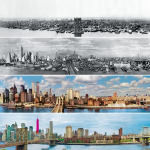
While a single building can speak volumes about the needs or values of its users, the layout of an entire city offers a far deeper insight into a society’s collective priorities. Cities, in this sense, act as mirrors of the time in which they were built.
Take, for example, the suburban developments of the mid-20th century. Characterised by detached homes, spacious gardens, and a strong reliance on cars, these neighbourhoods reflected a clear desire for personal space, private ownership, and distance from the busy industrial cores. It was a model shaped by ideals of independence and escape.
Today, however, many cities are moving in a different direction. There’s a growing preference for compact, mixed-use communities where people can live, work, and socialise within walkable distances. This shift prioritises connection both in terms of physical proximity and social interaction. It points to changing values: a stronger emphasis on community, sustainability, and efficient use of space. In some cases, urban regeneration goes even further, aiming not just to modernise outdated infrastructure, but to reconnect communities once divided by inequality or physical barriers.
A Living Narrative
What makes architecture such a powerful reflection of society is its ability to evolve alongside our shifting values. As priorities change from individualism to community, from consumption to sustainability, so too does the architecture that surrounds us. The materials we choose, whether they’re reclaimed, locally sourced, or high-end and imported, reveal what we value at a particular moment in time. Our decisions to preserve historic buildings or replace them with new developments reflect how we relate to our past, whether we see it as something to honour, reimagine, or move beyond. Even the presence of public art in urban spaces speaks to our collective desire to celebrate culture, identity, and shared experience.
In this sense, buildings are never just physical structures; they are cultural expressions, quietly recording the hopes and tensions of the era in which they were built. Cities, when viewed this way, become more than just places to live; they’re living texts. The streets act as pages, landmarks as pivotal chapters, and architectural styles as the language in which a society tells its story. By paying attention to the built environment around us, we don’t just see how people lived; we understand what they valued, what they feared, and what kind of future they imagined.
To truly embrace the ongoing narrative that architecture offers, consider how you might engage with the spaces around you. Take a moment to observe a building or public space in your neighborhood, sketch it, or even advocate for better design in your community. Through such simple actions, we can all contribute to the living story written by our surroundings, shaping the layers of culture and history that cities and structures preserve over time.