Architecture is not just the ground we walk upon. It is, in fact, a spinner of yarns. Every edifice, avenue, and public square throws back the values, brawls, and calm of the people responsible in shaping it. The verdict that we make about what to conserve, what to raise, and what to cast aside is not random. They speak volumes of the association between architecture and society. Ornamental design represents the cultural weight they carry along(Vale, 2014).
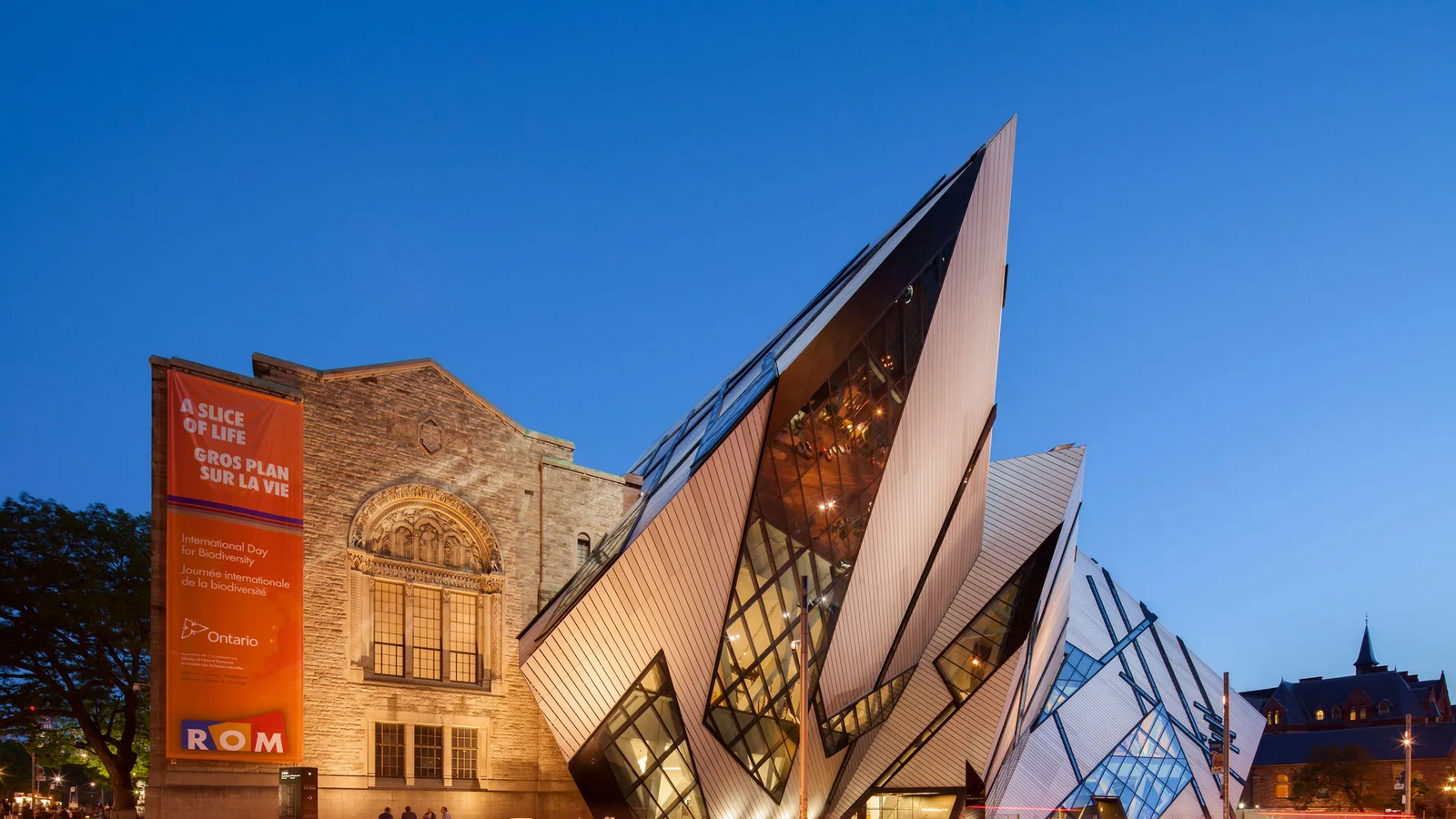
In ancient cities, this became especially conspicuous. A carefully re-instituted building that is almost an eternity old on one street may contrast sharply with a crumbling structure of the same age, which has been superseded by a stark concrete block. These differences show the priorities of the people behind them. (Britannica, n.d.).
India’s Architecture and Society: From Stepwells to New Classics
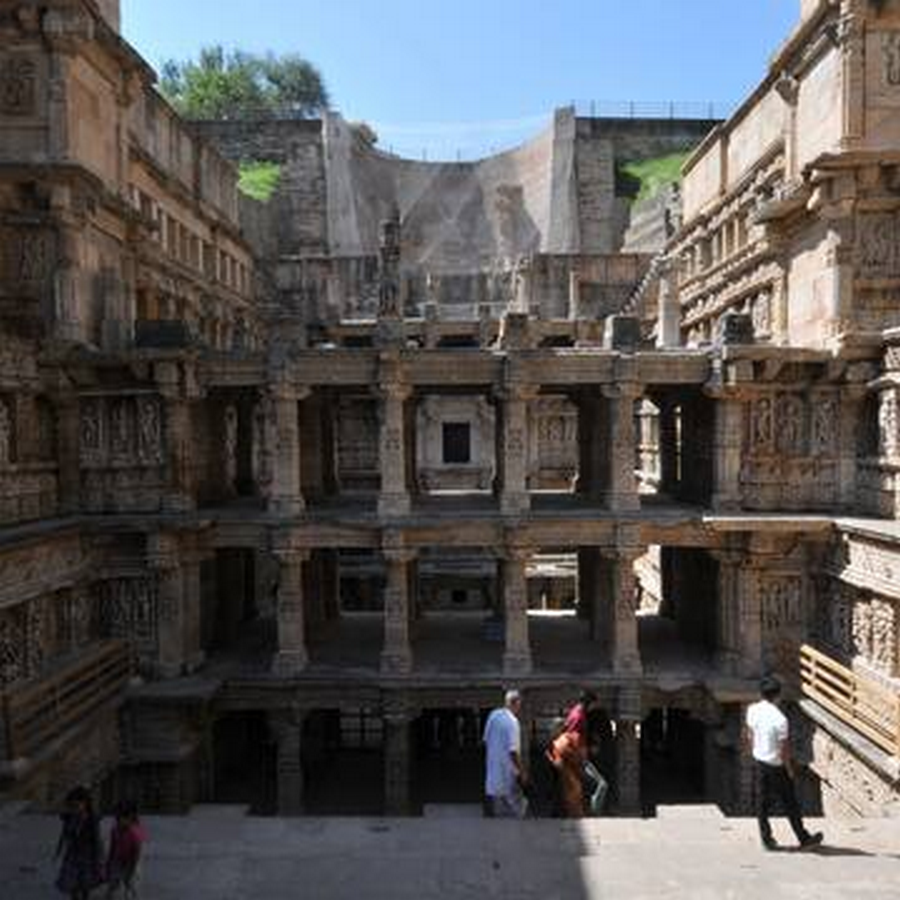
The connection between architecture and society is unmistakable in the country. Taking about the Stepwells in Gujarat and Rajasthan were ingenious water systems that doubled as communal areas for storytelling, practices, and everyday exchanges (UNESCO, 2014). Their design portrayed how architecture supported both subsistence and the social fabric cohesively.
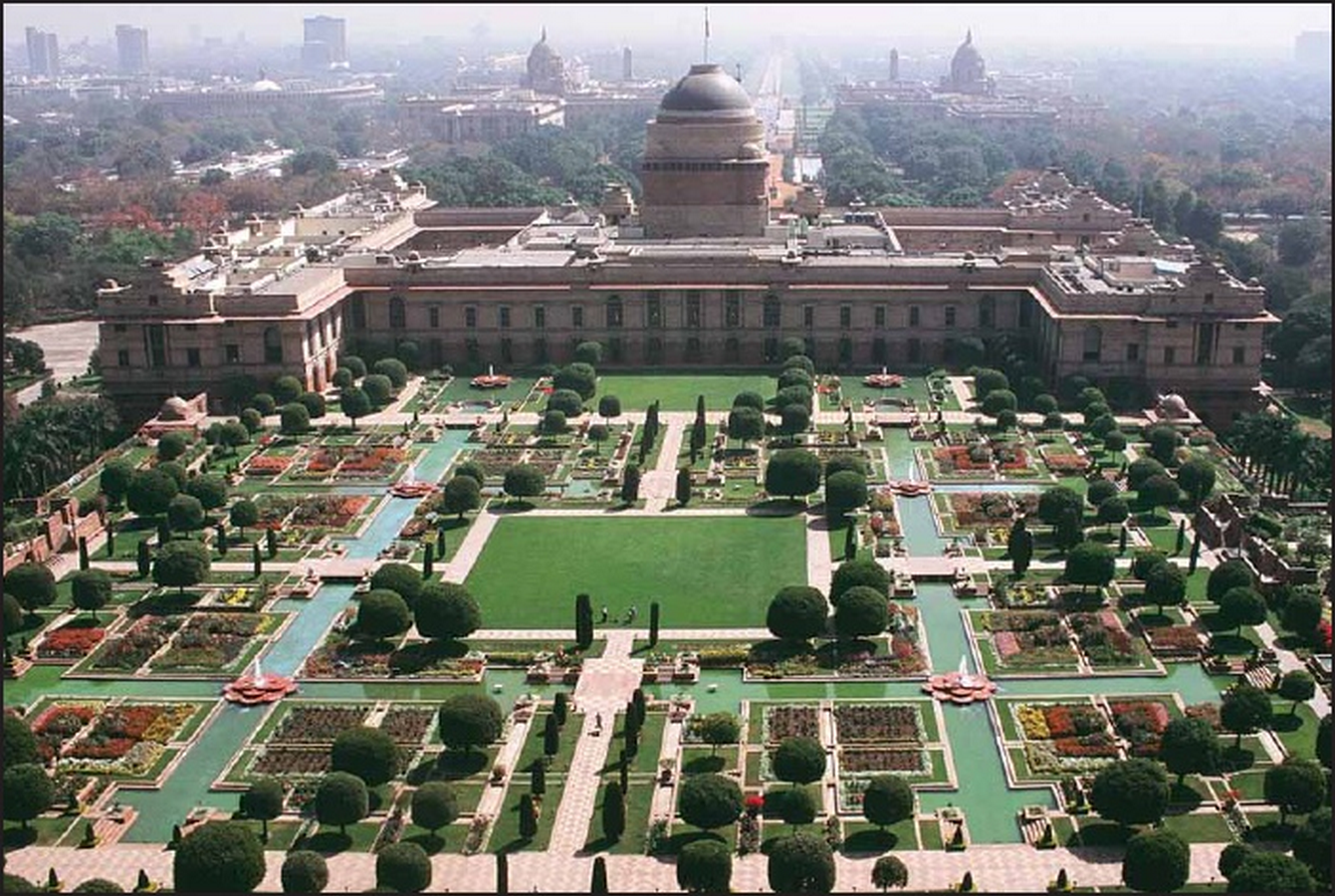
Fast forward to the imperial period, Lutyens’ Delhi would present a completely different vision. Its grand avenues, symmetry, and magnificent façades projected colonial power (Irving, 1981). On the contrary, Louis Kahn’s design for IIM Ahmedabad used brick forms and interstitial voids, suggesting self-containment instead of authority. (Architectural Review, n.d.; IIM Ahmedabad, n.d.).
Global Narratives: Architecture as Cultural Expression

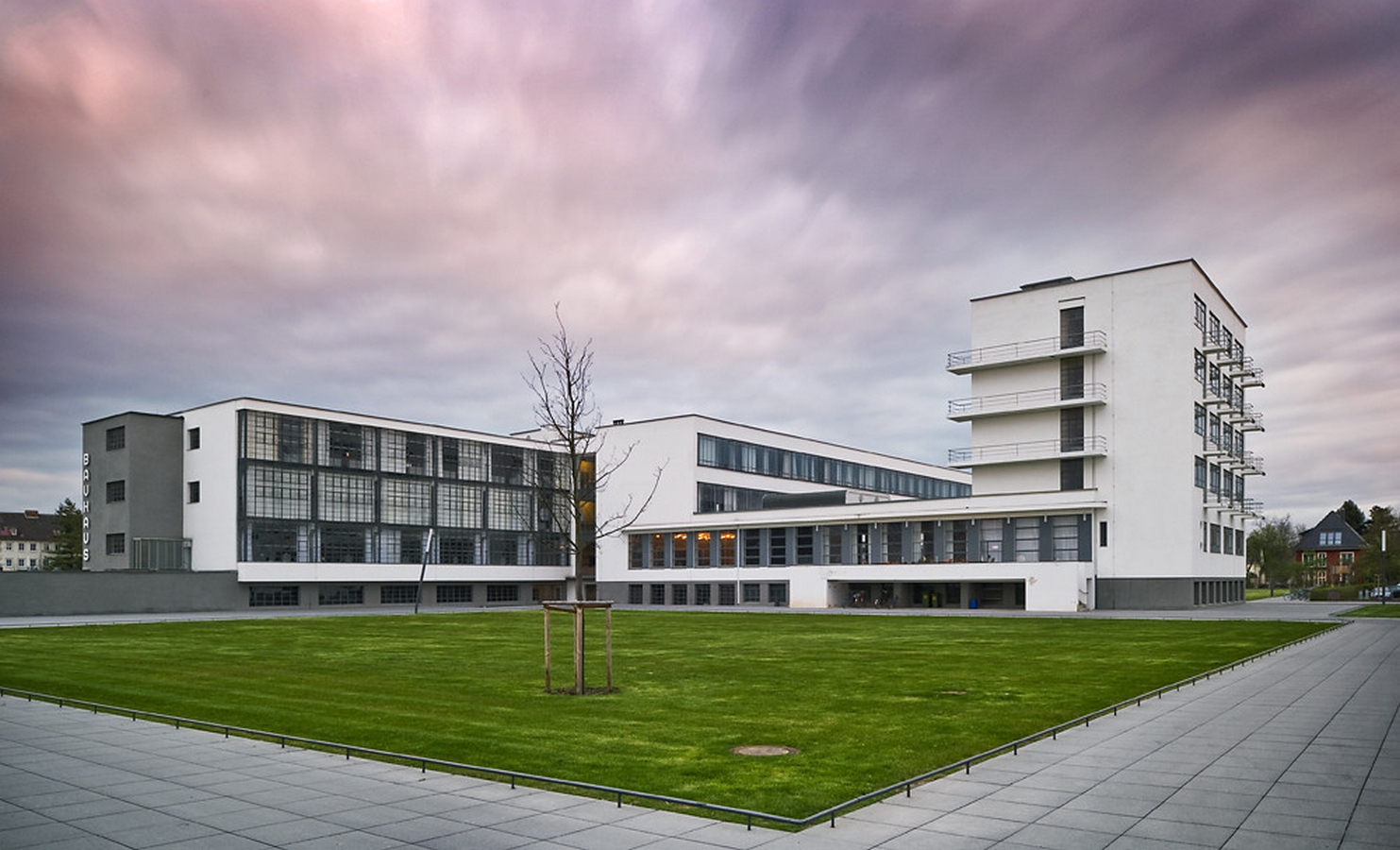
The bond between architecture and society extends across the globe. Gothic cathedrals in Europe were not only places of worship but also declarations of spiritual and political power. Their grandeur highlighted spiritual devotion and institutional power (Khan Academy, n.d.). Later, the Bauhaus movement in Germany represented the optimism of the industrial optimism, celebrating function, simplicity, and modern progress (Droste, 2002; MoMA, n.d.; Tate, n.d.).
Today, Amsterdam’s The Edge reflects the priorities of the 21st century. It has smart systems and is designed with sustainability in mind, which reflects our modern-day values. It serves as a statement of contemporary values like efficiency, environmental responsibility, and workplace well-being (World Bank, 2023).
Shifting Meanings in Architecture and Society
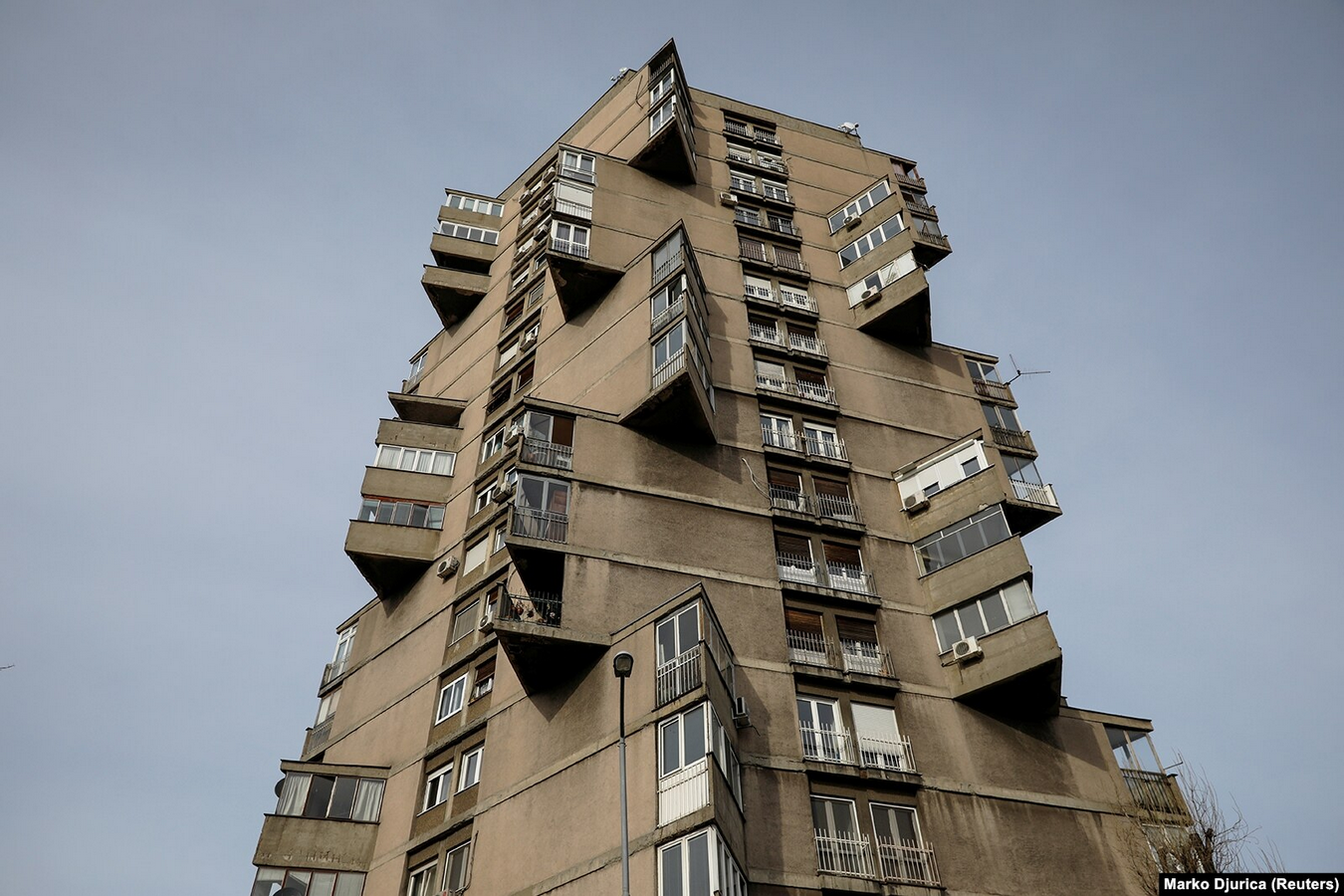

The relationship between architecture and society would never fade; instead, it would keep transforming over the period. Concrete towers from the mid-20th century, which were once praised as tokens of urbanisation, are now often seen as outdated and unfriendly to the environment. Their true essence has been reversed due to today’s concerns about climate and sustainability (WHO, 2016).
Cities like Bangalore, Singapore, and Copenhagen are going hand in hand with this change. They are reusing the existing structures, exploring sustainable materials, and adding more life to urban spaces (World Bank, 2023). These steps show that the climate is not just a silhouette to architecture; it plays a main role in the communication between users and their built environment.
Universality as a New Principle in Architecture
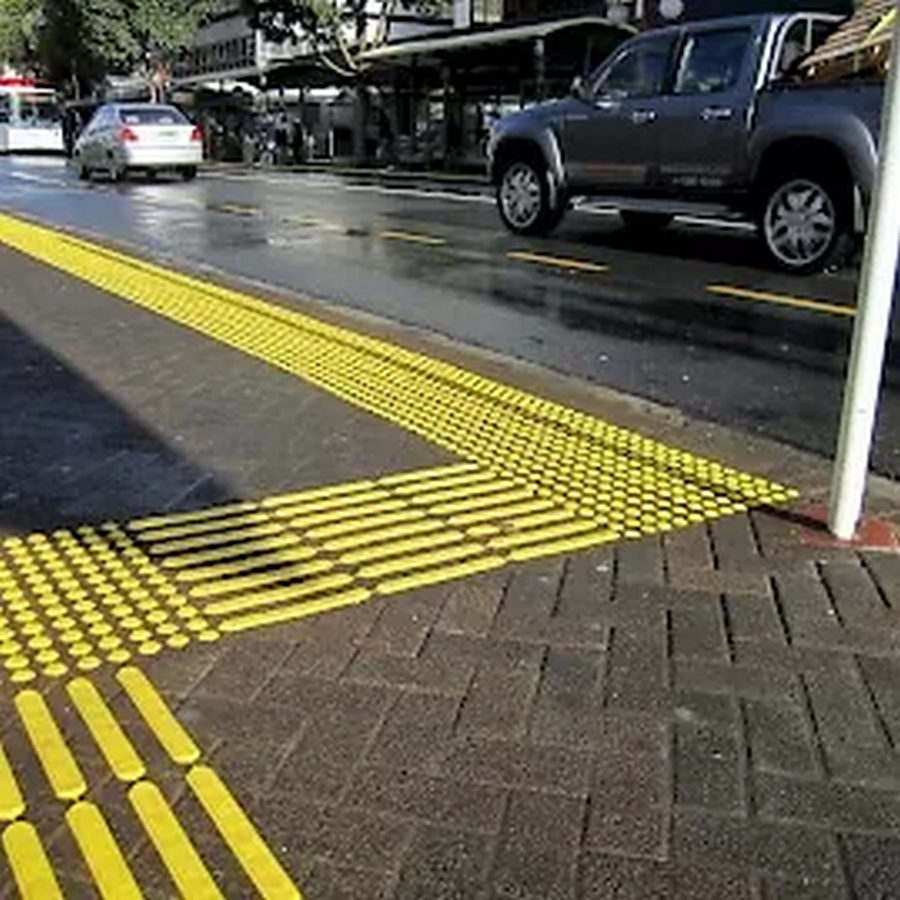
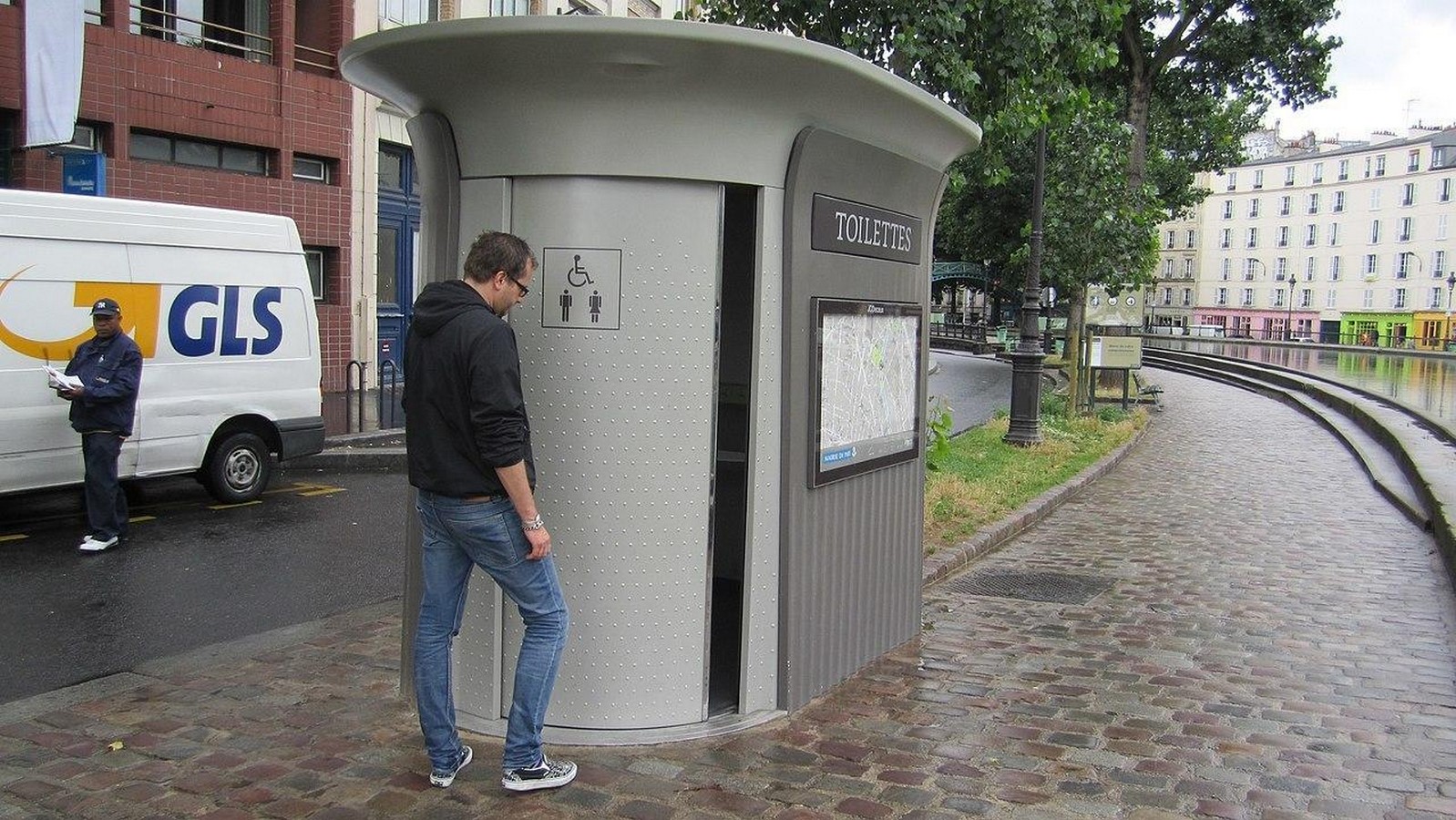
Inclusivity has become an important principle in the contemporary argument between architecture and society. Urban design in history often did not consider all the users in the design picture. This view is now being changed around the world.
In India, the Accessible India Campaign focuses on creating universal spaces with ramps, tactile paving, bollards, and universal public infrastructure (Government of India, 2015). Cities like London and Melbourne have added gender-neutral and inclusive facilities in important public spaces (The Guardian, 2019; City of Melbourne, n.d.). These steps have not only led to practical improvements; they are clear indicators that architecture is for the people, by the people, and to the people.
Innovation and the Future of a Digital City
Technology plays a vital role in the linkage between architecture and society. In tech-driven towns like Dubai & Bangalore, data-driven systems influence the verdicts about not just waste collection, but also lighting levels and traffic management, which is a pressing need of the contemporary epoch (Smart Cities Mission, n.d.; Smart Nation Singapore, n.d.). These technologies give birth to not just functional but adaptive urban squares. However, they also raise important questions about freedom and surveillance (Townsend, 2013).
Architecture is no longer defined solely by materials and structures. It now includes digital systems that are combined with streets and structures. The amalgamation of built and virtual design showcases how the digital systems are changing not only spaces but also how people communicate with those spaces.
Why Architecture & Society are never biased
The argument between architecture and society shows that the man-made environment is never equitable. Every structure, from a stepwell to a skyscraper, shows principles, ideologies, and precedents (Vale, 2014).
Planners, architects & citizens are all important stakeholders in shaping these spaces. In turn, these areas manipulate intellectual identity, etiquette, and shared memory. Architecture documents the history, reflects the immediate, and sets its way for the future. Over the period, when the individual generations are gone, the physical environment will continue to tell tales of authority, intellectuality, and human ambitions.
The Persisting Argument Between Architecture and Society
Architecture is not just a ground; it laboriously shows principles, aspirations, and discords over the period. Every structure, whether it’s a stepwell, a church, a commercial tower, or a tech-city, makes judgments that reflect what are the principles of its society. These decisions last, showing how its descendants view the back days.
The link between architecture and society is never unforeseen. It’s a discussion that shapes ethnic identity, takes hold of the group behavior, and impacts how its inhabitants recognize themselves in society. To see architecture as just practical is to miss its important role in the long run.
In the end, the built environment tells the most lasting story of a development. Long after words cease to be hard, it is the rocks, concrete, and matter that sustain the collection of humanity. The architecture of today will become a memory of tomorrow; the tale it passes down will influence how this period is seen through.
REFERENCE LIST :
- Britannica. (n.d.). New Delhi: City layout. [online]. Available at: https://www.britannica.com/place/New-Delhi/City-layout [Accessed 17 August 2025].
- Droste, M. (2002). Bauhaus, 1919–1933. Cologne: Taschen.
- Gehl, J. (2010). Cities for People. Washington, D.C.: Island Press.
- Irving, R.G. (1981). Indian Summer: Lutyens, Baker, and Imperial Delhi. New Haven: Yale University Press.
- IIM Ahmedabad. (n.d.). Heritage Campus. [online]. Available at: https://www.iima.ac.in/campus/heritage-campus [Accessed 17 August 2025].
- Khan Academy. (n.d.). Gothic architecture: An introduction. [online]. Available at: https://www.khanacademy.org/humanities/medieval-world/gothic1/a/gothic-architecture-an-introduction [Accessed 17 August 2025].
- Marg Foundation. (2010). The Stepwells of Gujarat. [online]. Available at: https://marg-art.org/magazine/the-stepwells-of-gujarat/ [Accessed 17 August 2025].
- Ministry of Social Justice and Empowerment, Government of India. (2015). Accessible India Campaign (Sugamya Bharat Abhiyan). [online]. Available at: https://accessibleindia.gov.in/ [Accessed 17 August 2025].
- MoMA. (n.d.). The Bauhaus. [online]. Available at: https://www.moma.org/s/explore/collection/area/bauhaus/ [Accessed 17 August 2025].
- Smart Nation Singapore. (n.d.). Smart Nation Singapore. [online]. Available at: https://www.smartnation.gov.sg/ [Accessed 17 August 2025].
- Smart Cities Mission. (n.d.). Smart Cities Mission. [online]. Available at: https://smartcities.gov.in/ [Accessed 17 August 2025].
- Townsend, A.M. (2013). Smart Cities: Big Data, Civic Hackers, and the Quest for a New Utopia. New York: W.W. Norton.
- UNESCO. (2014). Rani-ki-Vav (the Queen’s Stepwell) at Patan, Gujarat. [online]. Available at: https://whc.unesco.org/en/list/922/ [Accessed 17 August 2025].
- World Bank. (2023). Green Cities. [online]. Available at: https://www.worldbank.org/en/topic/urbandevelopment/brief/green-cities [Accessed 17 August 2025].
© Nikreates / Alamy Stock Photo 
Archaeological Survey of India_©Author 
©https://landscapelover.wordpress.com/wp-content/uploads/2012/03/aerial-view-of-the-gardens 
©Steven Zucker, CC BY-NC-SA 4.0 
© TOMASZ STANIEC 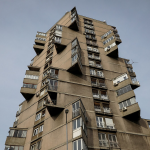
Marko Djurica_©Reuters 
© – https://www.cdl.com.sg/assets/en-newsroom-press-release/2014_press_release_guinness_world_record 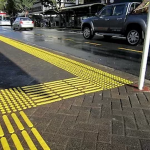
©httpstactileindicators.inwp-contentuploads201812PU-TGSI.webp 
© – https://www.archdaily.com/984280/designing-around-debate-the-gender-neutral-bathroom