Sustainable architecture, as the name suggests, can be endeavoured as a pragmatic development in the field of architecture. Given the existential threat of climate change, the alarming effects caused by the construction industry cautiously led to ethical practices being set right. Therefore, there can be various aspects that can holistically contribute to a successful integration of green initiatives, such as improving the overall energy efficiency of a building, incorporating vernacular techniques, and utilising the landscape. However, it can be argued that various ongoing studies fluctuate between the concept and the feasibility in design application. Hence, this article intends to explore to what extent sustainable approaches can effectively reimagine our future in architecture.
Sustainable Architecture – Eco City
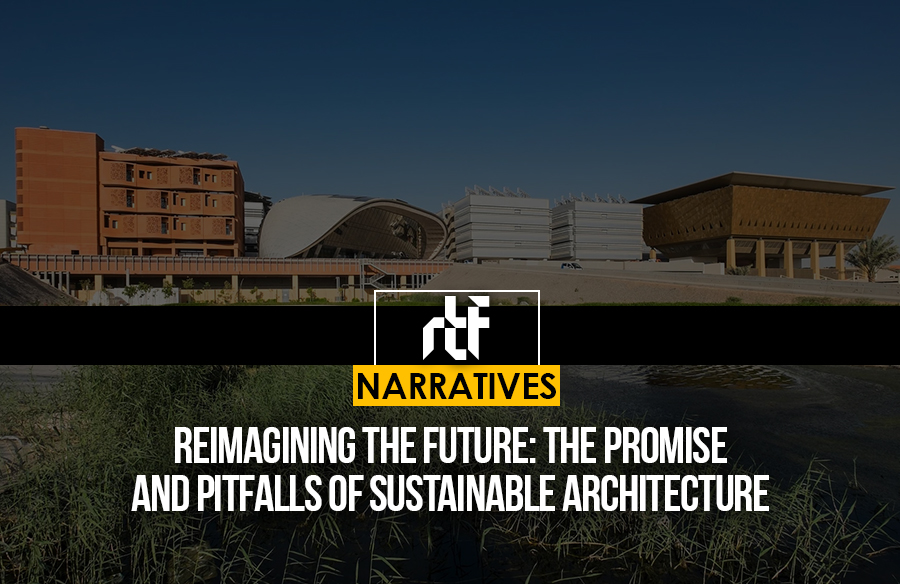
Over the years, there have been various design developments in sustainable architecture across the world. Thus, observing from a macro scale, one of the urban design projects includes Masdar City situated in Abu Dhabi. Launched as a $22 billion project by Norman Foster, it can be argued that the city was conceptualised as ‘the world’s most sustainable eco-city’ (Press, 2023). Easing communication through active and passive design strategies that intertwine spaces and the user community.
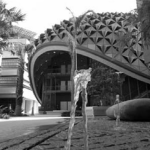
Some of its successful implementations include some early constructed buildings achieving 40% energy savings through stimulators such as embedding ‘passive solar design’ (Lau, 2012) into them. For instance, Image 1 primarily highlights how the orientation of the solar panels on the spherical roofing can positively affect energy consumption for the building, given its study space usage. Similarly, solar panels are placed extensively across the open spaces and facilities such as street and ground lights. This potentially implies that active sustainable strategies can successfully impact our future architecture.
Vernacular Architecture Influences At Masdar City
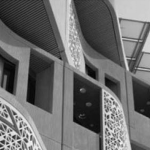
Inspired by quintessential Arabic architecture, Masdar City uses traditional methods in improving the user and spatial experience. For instance, narrow walkways, inspired by Sikka, are created throughout the city by the orientation of built structures to combat excess sun exposure and provide shade to pedestrians. Moreover, as Image 2 highlights, the mashrabiya patterns that are incorporated into building façades ‘shield the interior from direct sunlight.’ (Lau, 2012) and adheres to the Middle Eastern culture of personal privacy. Another sustainable technique includes the incorporation of a wind tower, inspired by traditional Gulf Barjeel, to improve air circulation and generate cool wind flow amidst the community.
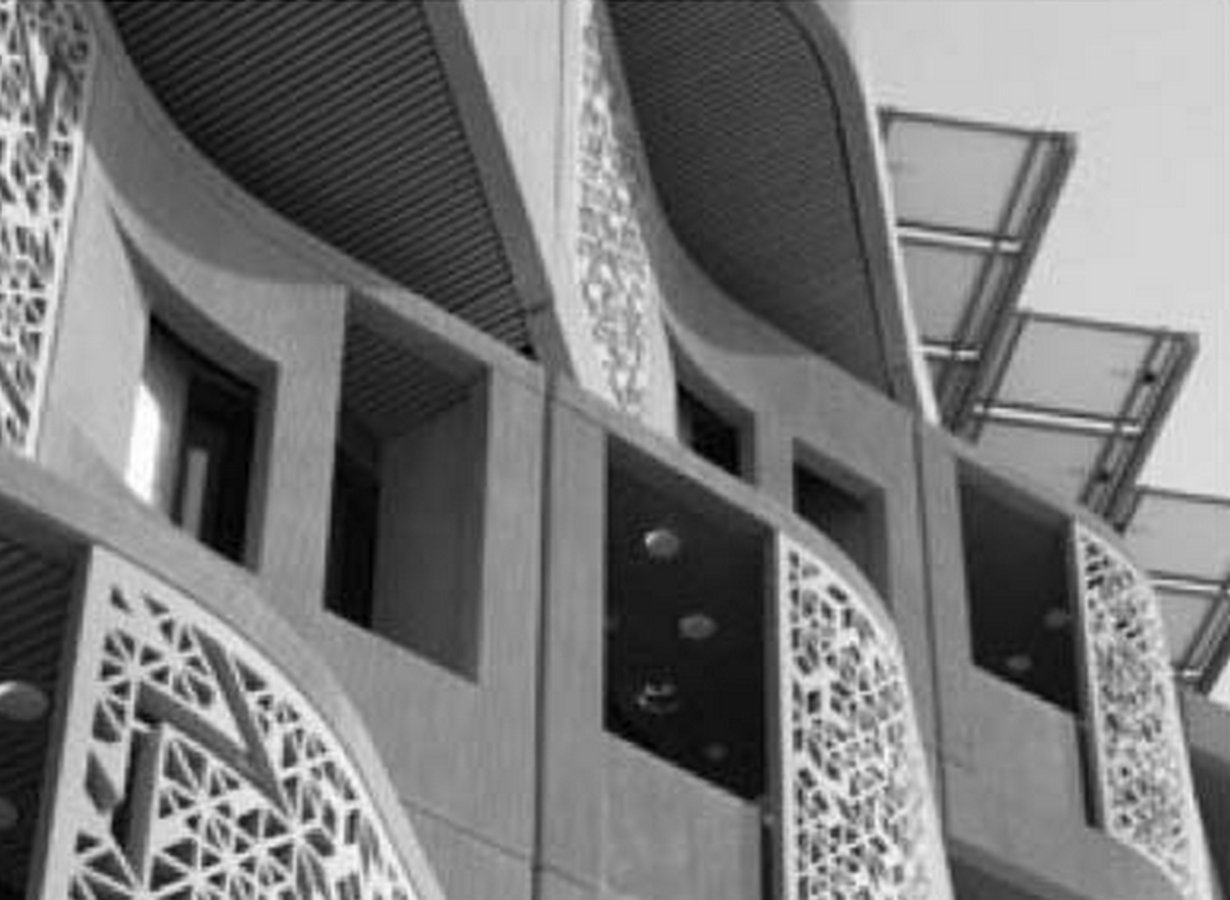
Holistically, as Yosef Jabareen, who is an urban studies lecturer from MIT, suggests that ‘Neotraditional development seeks a more vibrant sense of community and more architecturally appealing development patterns’ (Lau, 2012). This could be endeavoured as one of the key regenerative design principles in preserving culture to serve a sustainable purpose. Also, the diverse land use of the city could contribute to promoting inclusive design and spatial justice. In addition, he states in his article that through these initiatives, the eco-city is focused on ‘active management of social and economic life in the community.’ (Lau, 2012). Therefore, it can be argued that formulating sustainable spaces correlates with retaining the true essence of the native culture.
Public Realm Impact on Sustainability
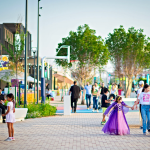
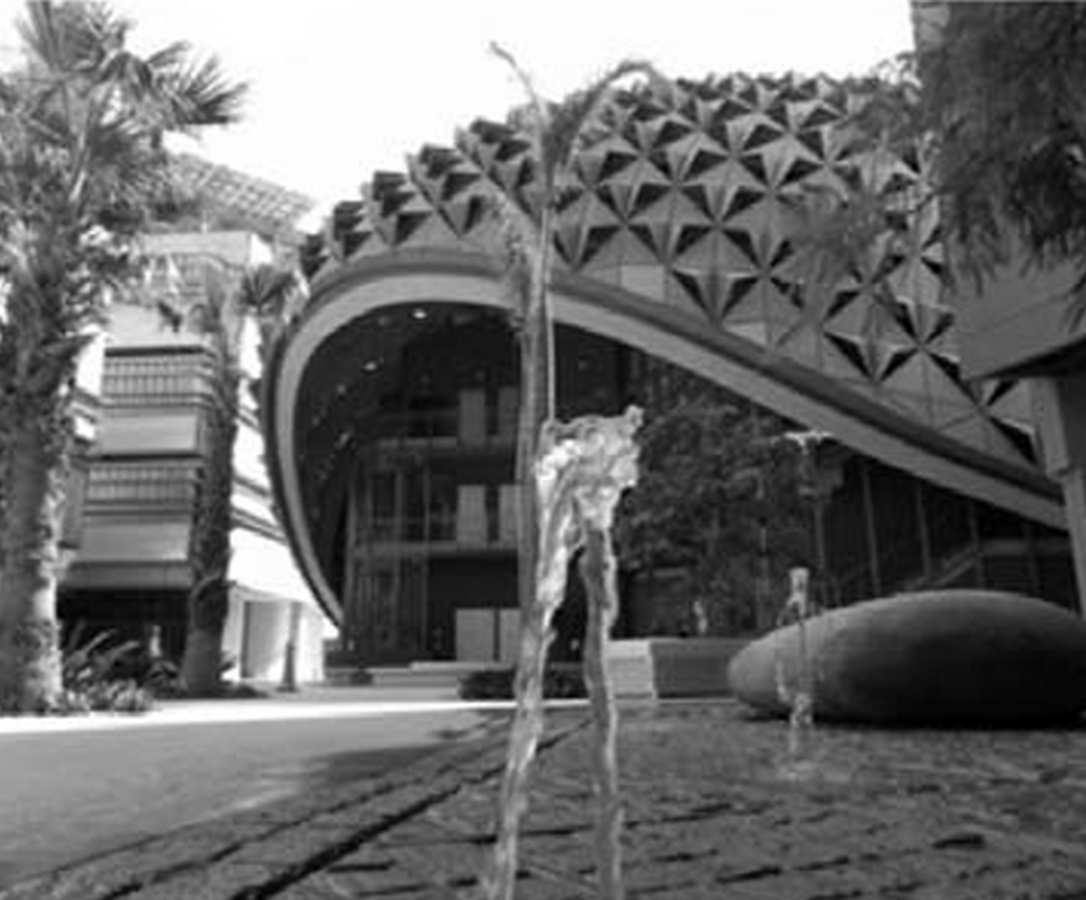
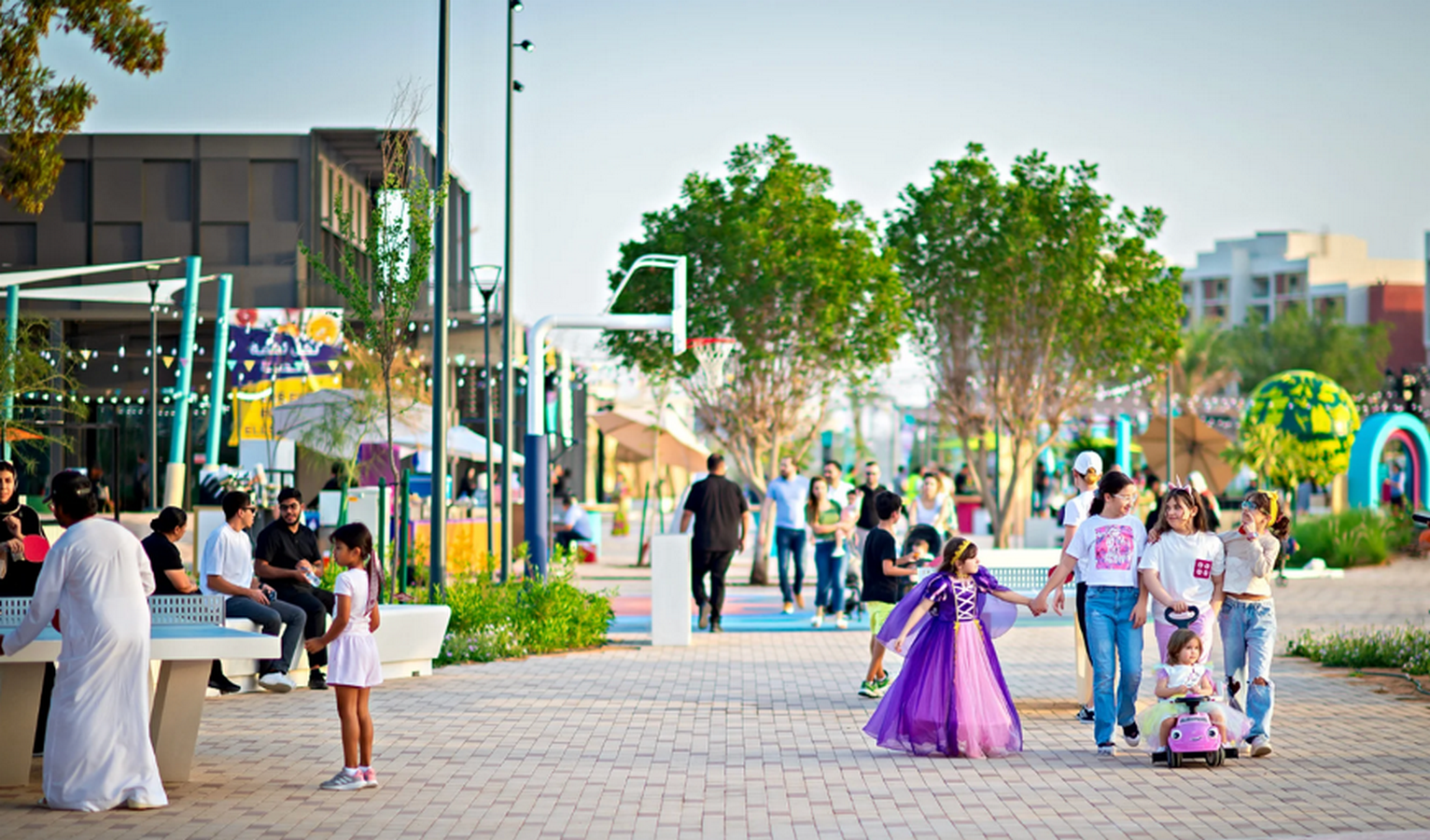
Apart from active measures that Masdar City ensures in achieving, it can be endeavoured that the public realm has a pivotal impact on the urban development, complementing the built structures onsite. Masdar City has various green spaces such as Masdar Park, Central Plaza, and Eco Plaza (Parks and Recreation, 2023). These spaces are intended to promote the existing landscape and stimulate a sense of community. Jan Gehl, a renowned urban design consultant, states that ‘positive qualities related to life between buildings and having demonstrated that the scope and character of outdoor activities are greatly influenced by the physical environment’ (Gehl, 2011). This theory can be endeavoured as green initiatives, such as landscape amidst sustainable architecture, have an interpersonal relationship with the urban environment and the public to ‘take time to experience, pause or become involved.’ (Gehl, 2011). Image 3 can also be considered a testament to Gehl’s theory of a positive recurring loop of ‘something happens because something happens’ (Gehl, 2011).
Concept Vs Feasibility?
In contradiction to the preceding analysis, the practicality of the design resolution led certain researchers to claim Masdar to be a ‘failed city’ (Press, 2023). This was due to factors such as the cost of the project coinciding with the global financial crisis in 2008, thus delaying the completion to date. Subsequently, keeping up with technological advancements for the autonomous vehicles and pods turned out to be more versatile (Press, 2023). Thus, one of the critics, Federico Cugurullo, has concluded that these external factors have cumulatively affected the intended ambitions for the city, and ‘It is not a good model for future cities.’ (Press, 2023). As Steve Severance, the director of growth at Masdar, also envisions the future and attests to the notion of “The future is renewable energy and sustainability, and we want to be a player in that future” (Press, 2023).
Considering the intention of various specialists associated with the sustainable eco-city, Masdar can be claimed to conform to the initial concept of achieving a net-zero city in the future. Factors such as incorporating active and passive design strategies, regenerative designs through vernacular influences, and utilising landscape to stimulate community engagement also contribute towards formulating sustainable architecture to fruition.
References:
- Gehl, J. (2011). LIFE BETWEEN BUILDINGS_© https://cus.ubt-uni.net/wp-content/uploads/2024/11/Jan-Gehl-Life-Between-Buildings_-Using-Public-Space-2011-Island-Press.pdf [Accessed 16 Aug. 2025].
- Lau, A. (2012). Masdar City: A model of urban environmental sustainability_© https://ugc.futurelearn.com/uploads/files/a5/9f/a59f7a08-d066-4090-93b2-17d80312d5f2/Masdar_City.pdf [Accessed 16 Aug. 2025].
- Parks and Recreation. (2023). Parks and Recreation_© https://masdarcity.ae/lifestyle/parks [Accessed 16 Aug. 2025].
- Press, A. (2023). The UAE’s ‘green city’ is a cautionary tale—it’s hard to build a climate haven, no matter how much oil money you have. [online] Fast Company. Available at: https://www.fastcompany.com/90995444/the-uaes-green-city-is-a-cautionary-tale-its-hard-to-build-a-climate-haven-no-matter-how-much-oil-money-you-have [Accessed 16 Aug. 2025].