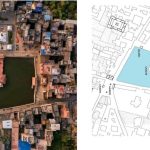
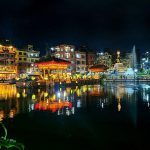
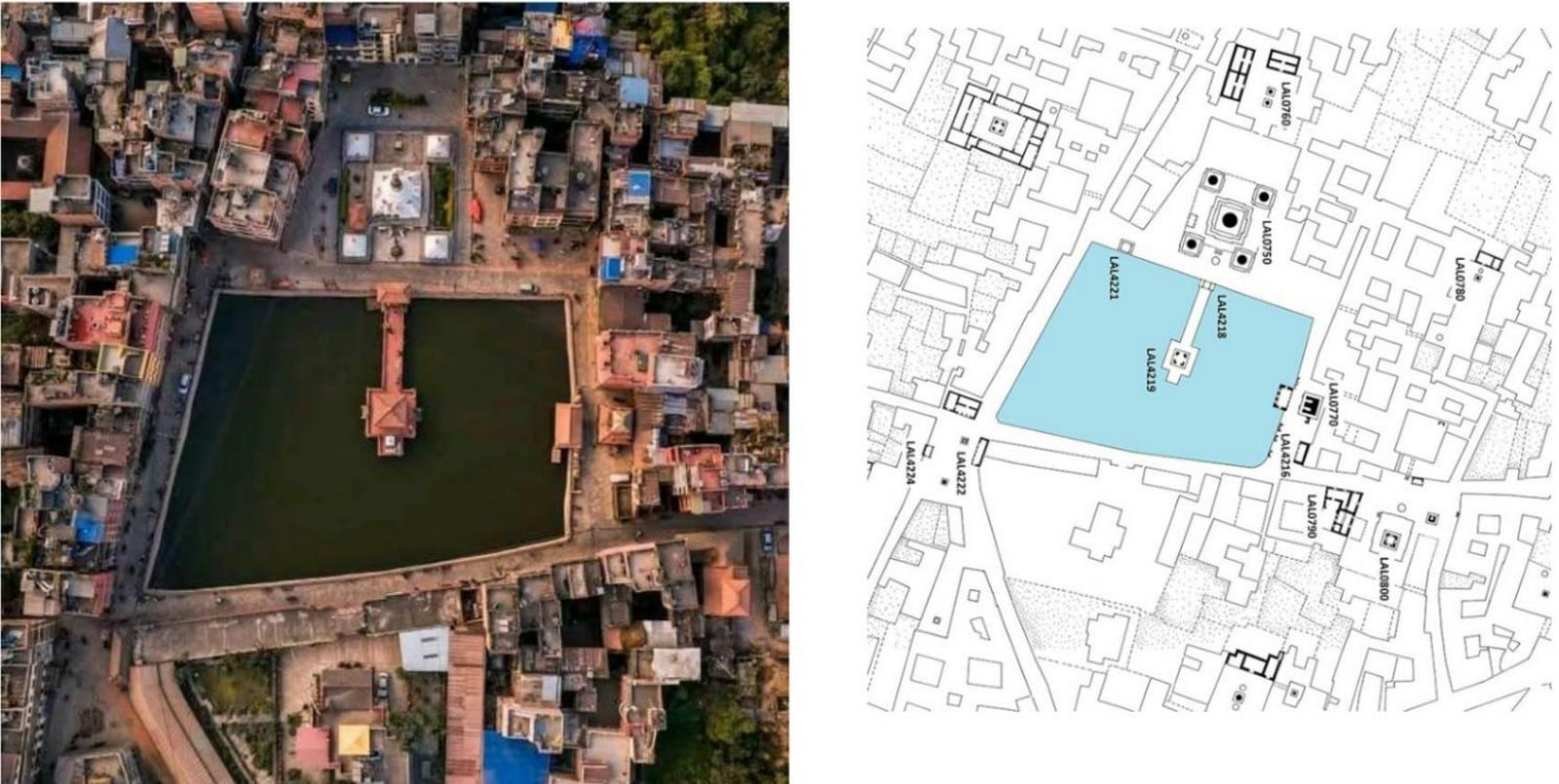
Pimbahal, located in the historic core of Patan, Lalitpur, Nepal, showcases a fascinating fusion of cultural heritage and architectural beauty, with the 14th-century Pimbahal Pokhari at its heart. This serene pond, surrounded by ancient Newari buildings, sacred temples, and vibrant community spaces, embodies the soul of Patan’s heritage. In recent years, Pimbahal has witnessed drastic change fueled by gentrification as well as individuals’ attempts to revive it.
Historical Context and Gentrification Dynamics
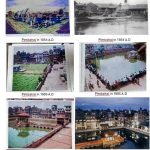
Pimbahal’s origins trace back to the 14th century, when the Pokhari was constructed to address water scarcity, with legends crediting tantric practitioners and mythical Lakheys for its creation. The architectural fabric of the area, in the sense of its Newari motifs from the Malla period with brick facades, mud mortar, and wood carvings, has survived some drastic calamities, including the 1934 Nepal–India earthquake and the 2015 Gorkha earthquake. Restoration at the community level after 2015, led by the Lalitpur Metropolitan Office and the World Bank, brought the pond and the locality to its previous state. In 2018, the tall walls gave way to railings, stone pavement, and a rainwater harvesting system, hence becoming more accessible and aesthetically pleasing. This picture has placed Pimbahal on the global map as a tourist destination in travel books and on social media. The following gentrification, as can be seen in the conversion of the old houses into hotels, restaurants, and cafes, particularly on the south and east sides, has redefined the neighborhood. The above type of development has facilitated economic growth but also reduced the number of people residing in houses to approximately 20% of the initial Image ure, with problems of cultural deterioration and displacement of the residents.
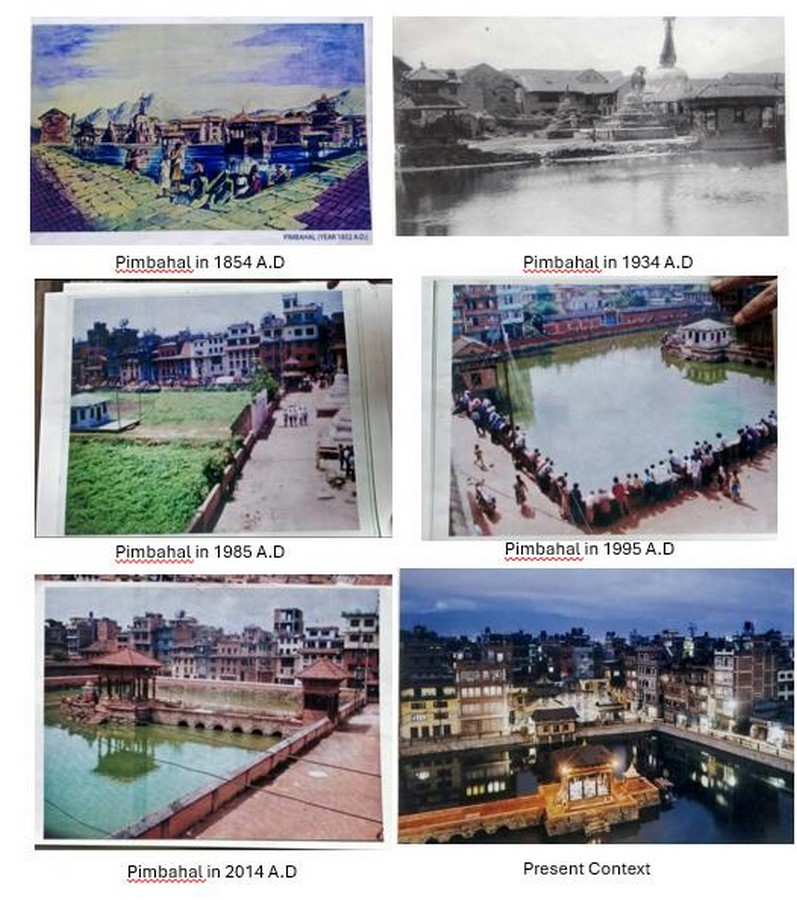
Economic Impacts in Today’s Context
In 2025, Pimbahal’s gentrification has significantly boosted the local economy. The redevelopment of the first-floor area into hospitality units like cafes, restaurants and guesthouses has turned the area into a prosperous economic hub that invites tourists, as well as locals. The pond itself boosts commerce through activities such as boat rides and fish sales, with community managed funds covering maintenance and periodic filling. Peripheral parking facilities further contribute to the area’s economic activity, supporting ongoing upkeep efforts managed by the community.
Significant investments, including a major World Bank-funded project in 2018 for infrastructure improvements like stone paving and rainwater harvesting, have enhanced Pimbahal’s appeal, drawing private capital for commercial developments. Adoptive reuse of Taja Pha, where a traditional residential building has been converted into a hotel, demonstrated how a traditional building can be adopted for modern economic purpose blending cultural heritage and functionality. Such efforts have created jobs in hospitality, heritage preservation, and tourism, supporting the wider tourism-focused economy of Nepal.
Yet, this economic growth creates challenges as well. The rising property values as demanded by commercial interests, makes it hard for the long term residents to afford living there. This mirrors global gentrification trends observed in urban centers like Kathmandu or Brooklyn, where economic prosperity often marginalizes lower-income communities. Lack of affordable housing makes the situation worse which shows the importance of balanced development plan that includes everyone.
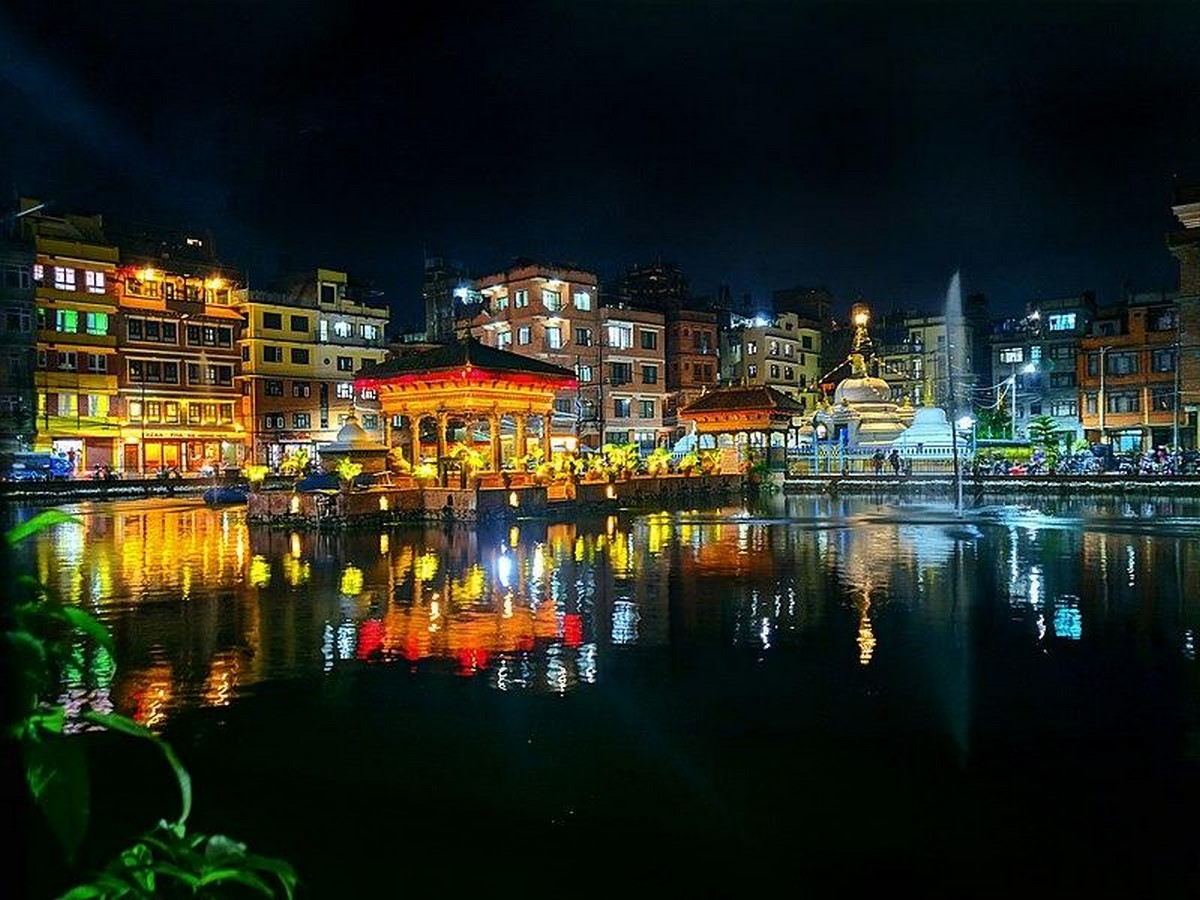
Social Impacts in Today’s Context
Socially, the renewal of Pimbahal has fostered a new civic pride. The pond, Chandeswari Temple (1663), and Pim Bahaḥ Caitya are the historic structures and beloved symbols of Newari culture, supported by grassroots initiative. Through donations and revenue, the community group has empowered residents to manage their heritage independently, organizing festivals, boat rides, and exhibitions that enhance community involvement. These activities have transformed Pimbahal into a vibrant public hub attracting both locals and tourists to celebrate its rich heritage.
However, gentrification also brings social drawbacks. Commercialization has reduced the number of original Newari inhabitants, weakening the cultural and social fabric once upheld by shared courtyards and communal Phalcha( Public rest house). Vehicular access and parking around the pond disrupt its pedestrian-friendly serenity, alienating locals who value its tranquil ambiance. Neglected monuments, such as the termite-damaged math and the collapsed guthi ghar, highlight a lack of government support, with ownership disputes further complicating restoration efforts.
From an Architectural point of view, modern additions like using cement facades, high-rise construction exceeding the 4.5 floor bylaw pose a threat to Pimbahal’s Newari character. This change in appearance not only risks the visual charm of the area but also threatens the area’s intangible heritage, like rituals and festivals, as commercial priorities start to take precedence over safeguarding cultural heritage.
Envisioning Pimbahal’s Harmonious Future
Pimbahal’s journey through gentrification prompts a vital reflection: can tradition, prosperity, and people coexist in a rapidly evolving urban landscape? The revitalization of Pimbahal Pokhari, driven by community resilience and tourism, has transformed it into a vibrant hub of urban regeneration, where the pond mirrors Patan’s enduring heritage. Yet, the challenges of displacement, architectural dilution, and disrupted communal spaces underscore the delicate balance required. Through strong heritage protection, inclusive economic planning, and active community leadership, Pimbahal can create a future where Newari traditions flourish alongside economic growth, keeping its people at the core of the neighborhood’s identity. This vision of harmony will determine whether Pimbahal’s renaissance endures as a testament to Patan’s cultural legacy or succumbs to the pressures of modernization.
Reference:
- https://smartpaani.com/pim-bahal-pokhari/?fbclid=IwAR2UD7–q7r26k17aDnoBq3QzW1_vWmgrw1Q-5Vq58-MqLGAmSvoMg6h9Fw
- https://danam.cats.uni-heidelberg.de/heritage-focus-area-pimbahal/?fbclid=IwAR3A8B-r5IYw5XwUG27vY09p3FAosl7VyARyOjj0lpxxU3PMGQRZOZ7oI80
- https://ekantipur.com/bibidha/2017/12/30/20171230072218.html
- https://english.onlinekhabar.com/ponds-in-lalitpur-landmarks-in-nepal.html
- https://www.tripadvisor.com/Attraction_Review-g315764-d23279396-Reviews-Pimbahal-Patan_Lalitpur_Kathmandu_Valley_Bagmati_Zone_Central_Region.html